Parc Natural D'Es Trenc I El Salobrar De Campos
Parc Natural D'Es Trenc I El Salobrar De Campos
Top 7 Natural Monuments in Parc Natural D'Es Trenc I El Salobrar De Campos
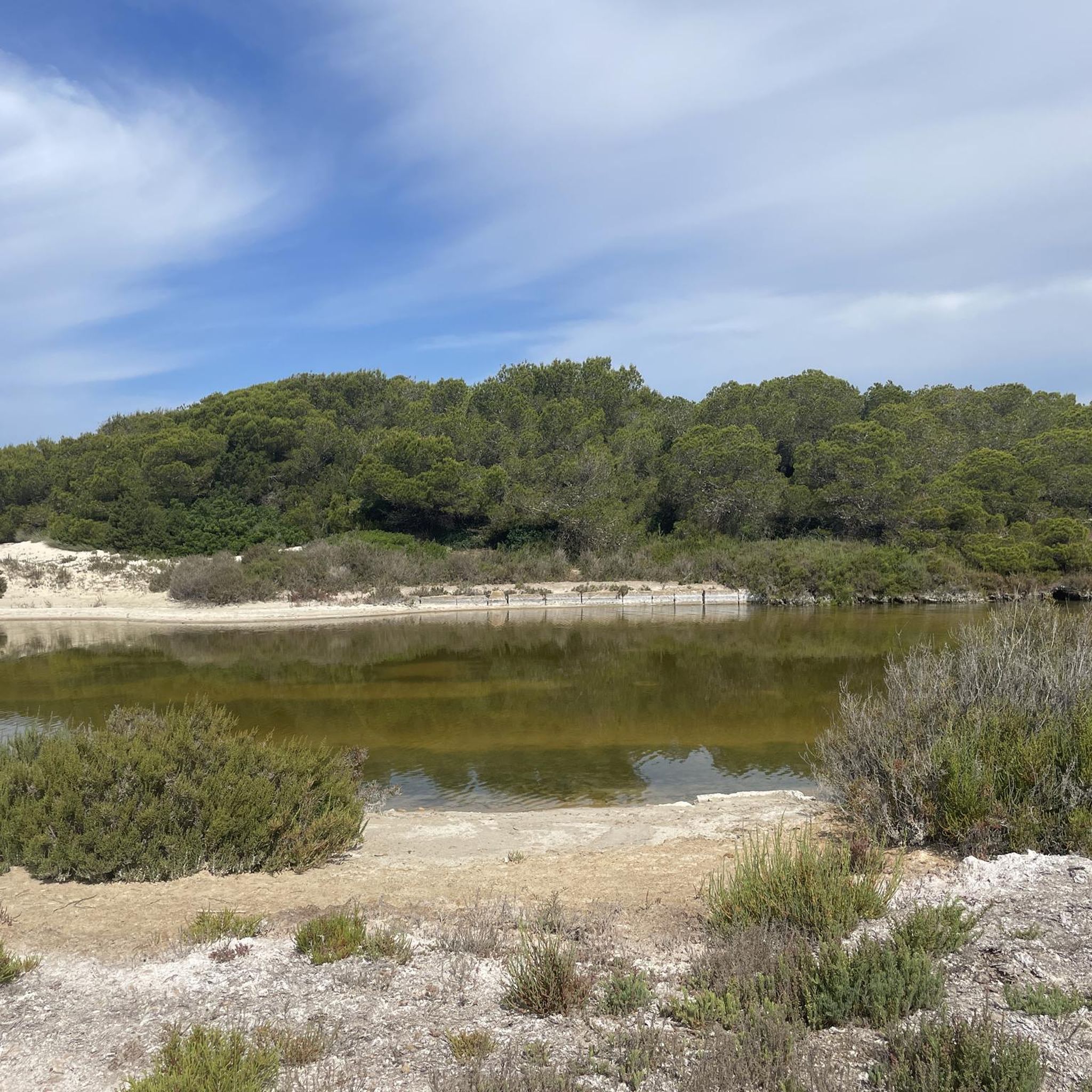
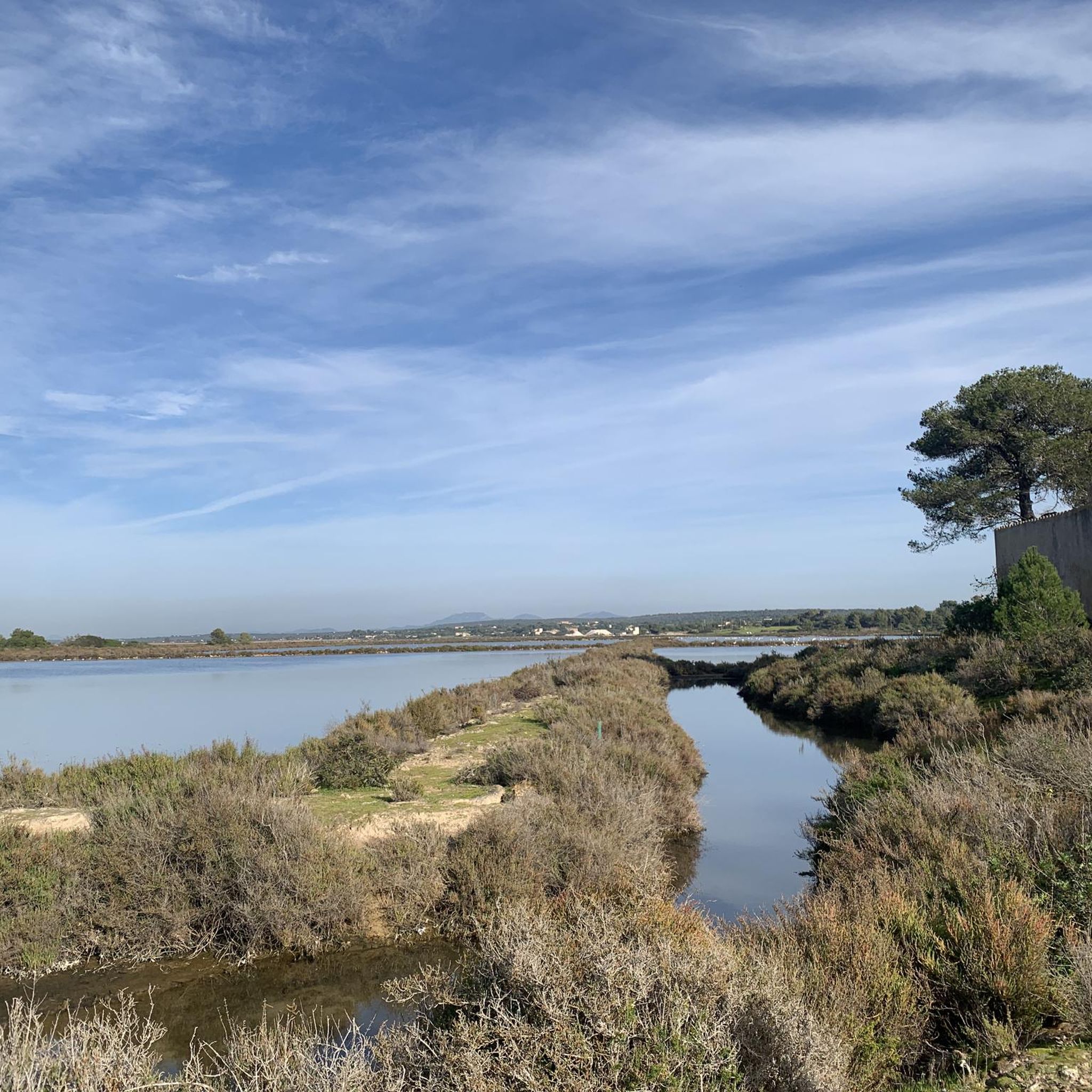
Best natural monuments in Parc Natural D'Es Trenc I El Salobrar De Campos are found in a protected natural area in southeast Mallorca. This region features a blend of coastline and significant wetlands. The park is known for its diverse landscapes, including extensive sand dunes and salt flats. It offers a unique ecosystem where salt extraction has occurred since ancient times.
Best natural monuments in Parc Natural D'Es Trenc I El Salobrar De Campos
- The most popular natural monuments is…
Last updated: July 5, 2026
Es Trenc Beach
Highlight • Beach
Translated by Google •
Tip by

Es Trenc Beach
Highlight • Beach
Translated by Google •
Tip by

Sign up now to discover places like this
Get recommendations on the best single tracks, peaks, & plenty of other exciting outdoor places.
Sign up for free
Salinas de Llevant
Highlight • Structure
Translated by Google •
Tip by

Peregons Grans Beach
Highlight • Beach
Translated by Google •
Tip by
Es Trenc Salt Pans
Highlight • Structure
Translated by Google •
Tip by

Sign up for free to discover even more natural monuments in Parc Natural D'Es Trenc I El Salobrar De Campos.
Sign up for free
Already have an account?
Start today with a free account
Your next adventure awaits.
Login or Signup
Popular around Parc Natural D'Es Trenc I El Salobrar De Campos
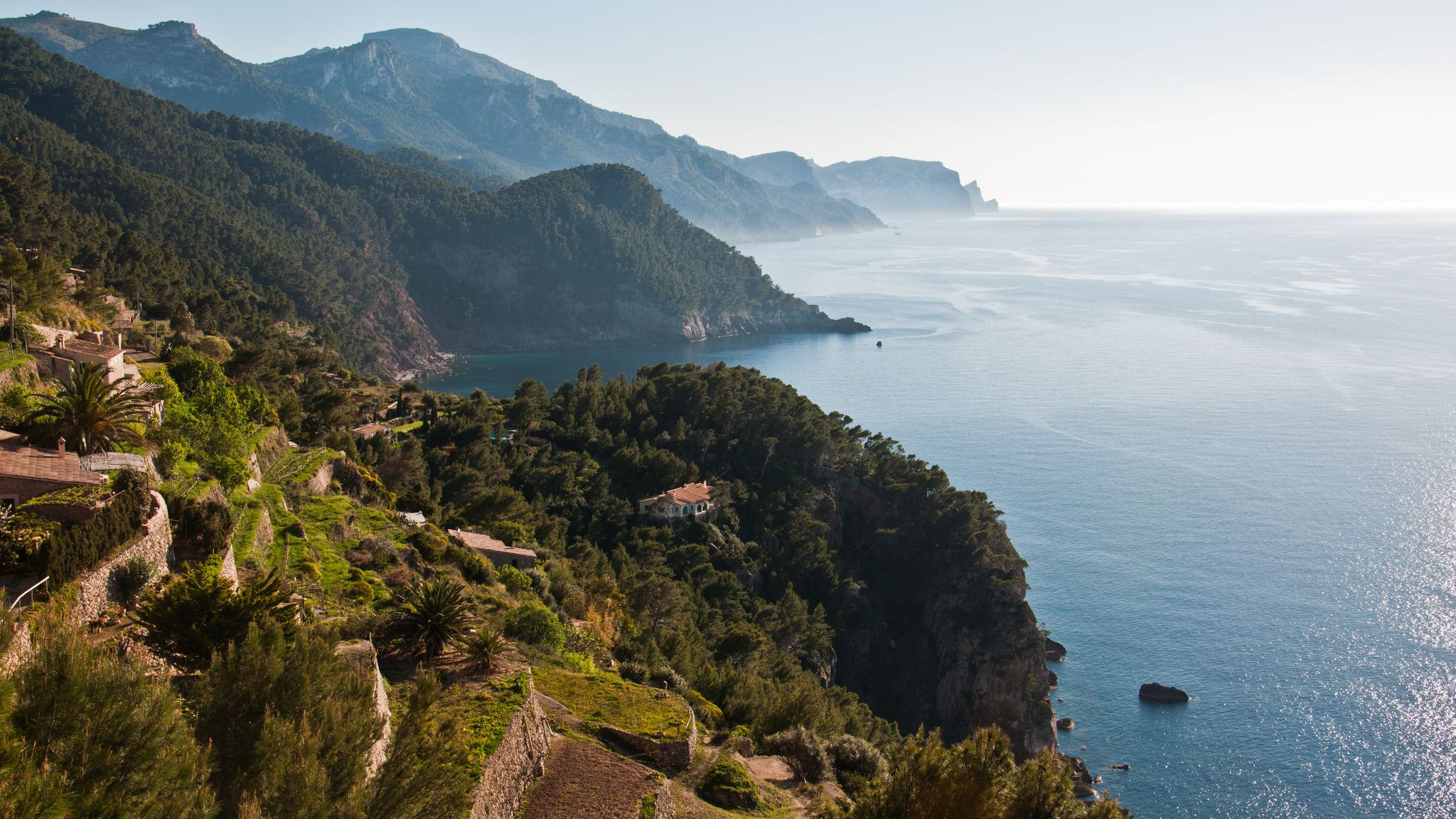
Mallorca – one island. Seven hikes.
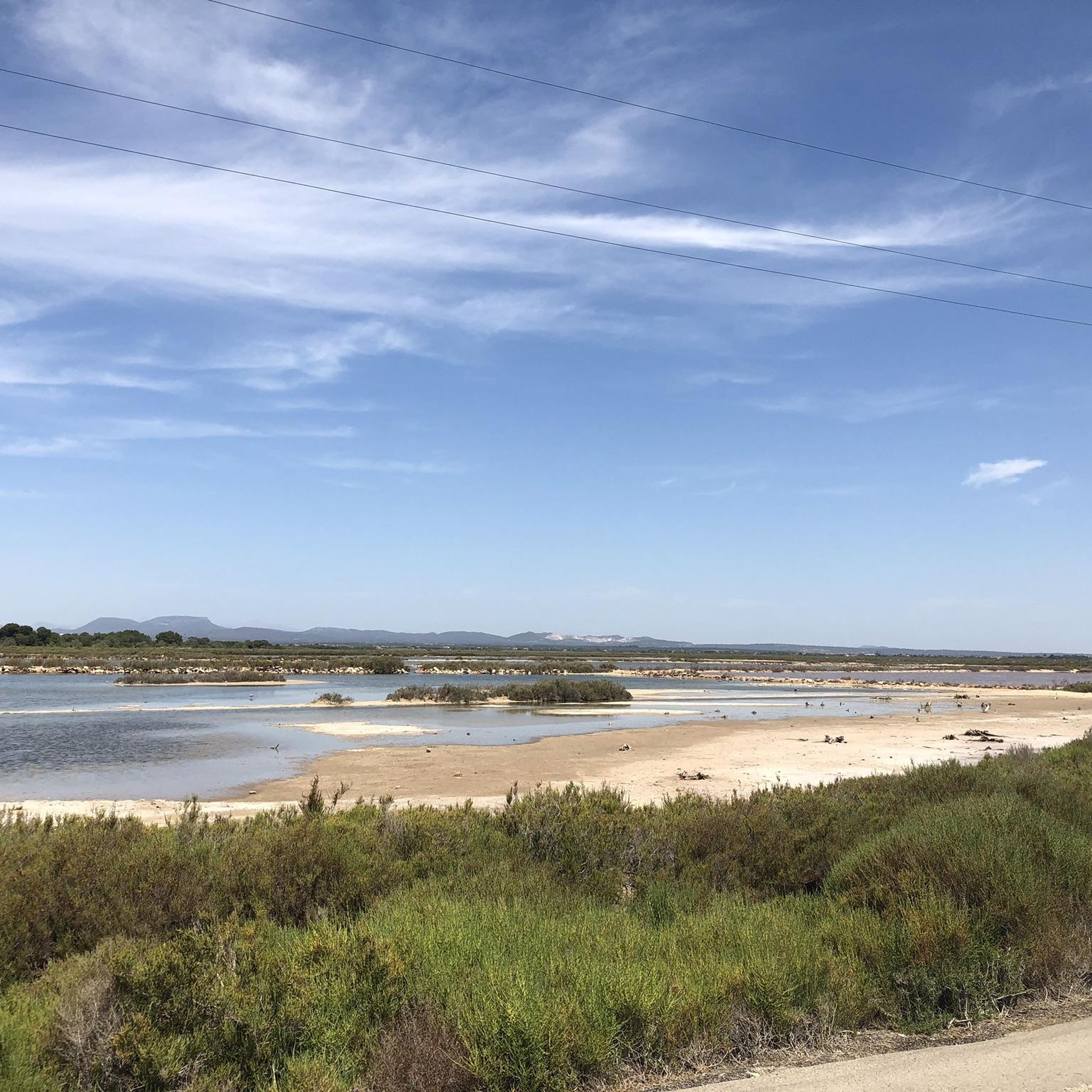
Road Cycling Routes in Parc Natural D'Es Trenc I El Salobrar De Campos
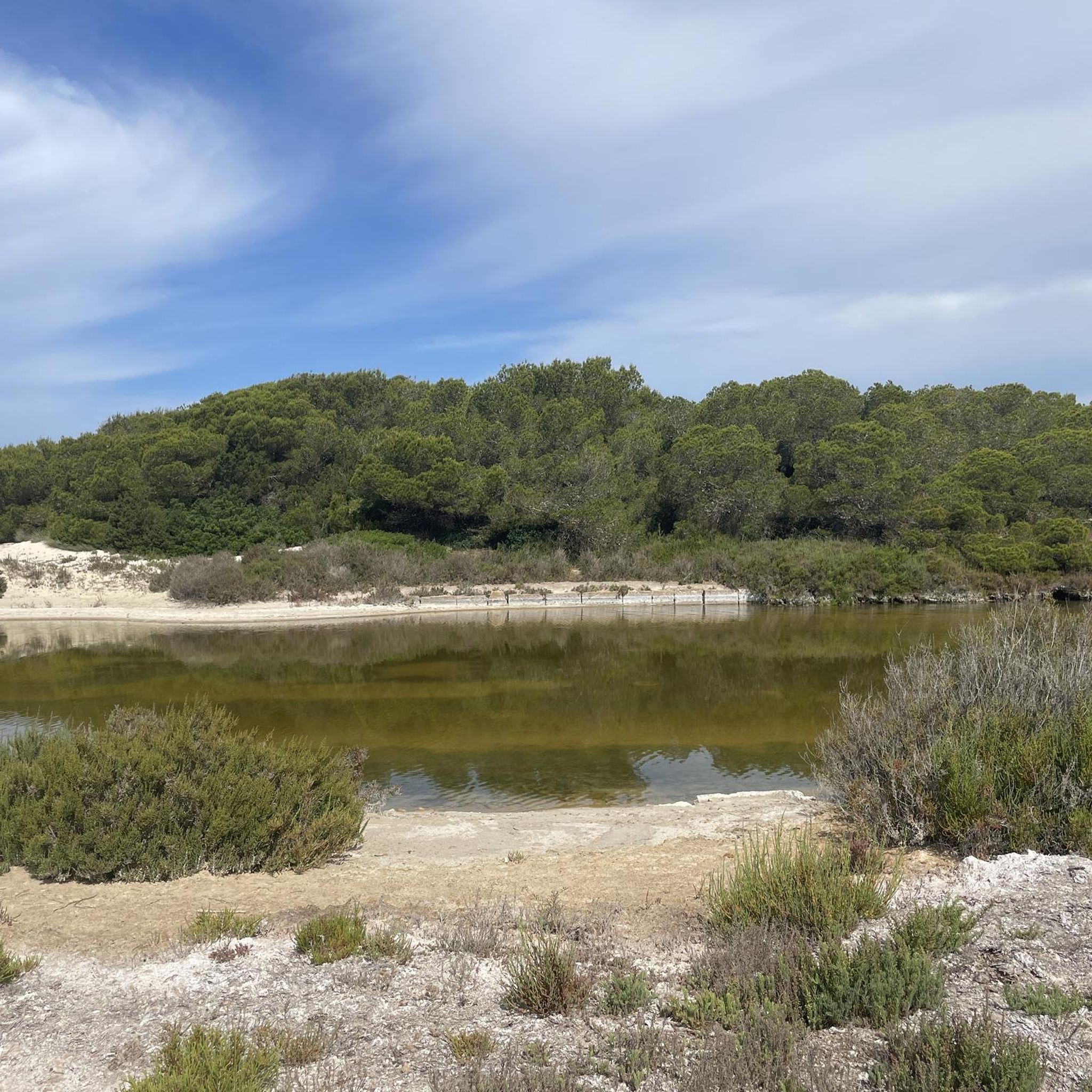
Running Trails in Parc Natural D'Es Trenc I El Salobrar De Campos
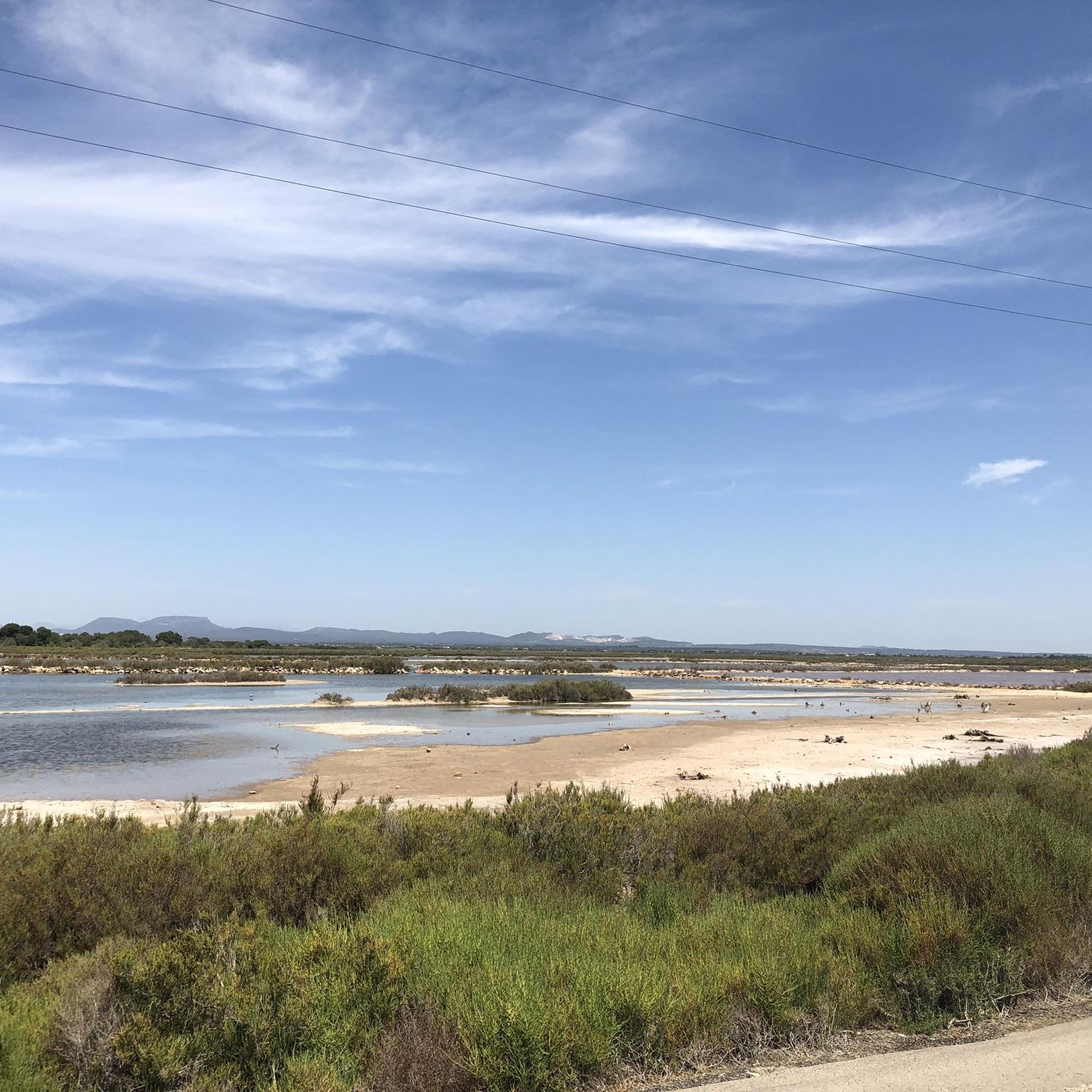
Hiking in Parc Natural D'Es Trenc I El Salobrar De Campos
Cycling in Parc Natural D'Es Trenc I El Salobrar De Campos
MTB Trails in Parc Natural D'Es Trenc I El Salobrar De Campos
Other adventures in Parc Natural D'Es Trenc I El Salobrar De Campos

Tips from the Community

Salt production right in the village! Very interesting! A must-visit... https://www.salinasdesavall.com/
2
0

The Ses Salines d’Es Trenc are the largest salt pans on Mallorca and are located near the town of Colonia de Sant Jordi in the southeast of the island. If you want to see with your own eyes how salt is extracted from sea water, you should definitely visit the salt pans. After visiting the salt pans, you can buy a pack of “Flor de Sal” in the shop so that you can enjoy a piece of Mallorca at home.
3
0

Beautiful beach that even offers a bit of a Caribbean feeling.
2
0
Be careful when parking on the street. There are daily tickets.
3
0

A worthwhile detour - the salt salt works (you can only look at them from the outside over the fence)
1
1
Wonderfully extensive sandy beaches. Be careful in mid-February: jellyfish
1
1

Well, the place is called Colònia de Sant Jordi, the salt marshes of Sa Vall or the Colònia de Sant Jordi are the second oldest in the world (4th century BC).
3
2
Actually a nice section of beach, but since the Neptune grass is no longer removed for nature conservation reasons (a good thing), it is hardly suitable for swimming.
3
0
Frequently Asked Questions
What are the main natural monuments to explore in Parc Natural D'Es Trenc I El Salobrar De Campos?
The two most prominent natural monuments are Es Trenc Beach and the Salinas de Llevant (part of the Salobrar de Campos wetlands). Es Trenc is renowned for its pristine white sand and clear turquoise waters, while the Salinas are historical salt pans and a vital bird habitat.
What makes Es Trenc Beach a special natural monument?
Es Trenc Beach is known for its stunning 2-kilometer stretch of fine, bleached white sand and transparent, shallow turquoise waters, often compared to the Caribbean. It's an undeveloped beach backed by extensive sand dunes, preserving a wild and natural feel. The seabed features well-preserved Posidonia oceanica meadows, contributing to the clear waters and offering excellent snorkeling opportunities.
What can I see and do at the Salinas de Llevant?
At Salinas de Llevant, you can observe the traditional process of salt extraction from ancient salt pans, a practice dating back to Phoenician and Roman times. The area is also a paradise for birdwatchers, being a vital habitat for over 170 species, including flamingos and various waders. Guided tours are available to learn about the history of salt mining and the ecosystem.
Are there family-friendly natural monuments or activities in the park?
Yes, Es Trenc Beach is particularly family-friendly due to its calm, crystal-clear, and shallow waters, ideal for swimming and sunbathing. The Salinas de Llevant also offer educational guided tours that can be interesting for families to learn about salt production and observe birdlife.
What kind of wildlife can I expect to see in Parc Natural D'Es Trenc I El Salobrar De Campos?
The Salobrar de Campos wetlands are a significant Special Protection Area for Birds, hosting over 170 species. You can frequently spot flamingos, sea eagles, avocets, black-winged stilts, common shelducks, and various plovers. The dune systems near Es Trenc Beach are home to unique flora like sea holly and marram grass, while the Posidonia meadows support marine life such as salema porgy and octopuses.
What is the best time of year to visit Parc Natural D'Es Trenc I El Salobrar De Campos?
The best time depends on your interests. For birdwatching, spring and autumn are ideal due to migratory patterns. For beach activities and swimming at Es Trenc Beach, the summer months offer warm weather and calm waters, though it can be busy. Visiting in late August or early September is particularly worthwhile for seeing the salt harvest at Salinas de Llevant.
Are there hiking trails near the natural monuments?
Yes, the region offers several hiking opportunities. For example, you can find easy routes like the 'Peregons Grans Beach – Es Trenc Nature Reserve loop' or the 'Es Trenc Nature Reserve – Salinas de Llevant loop'. More moderate options include the 'Platja des Dolç – Des Carbó Beach loop'. You can explore more hiking routes in the area on the Hiking in Parc Natural D'Es Trenc I El Salobrar De Campos guide.
Can I go cycling near the natural monuments?
Absolutely. The area around Parc Natural D'Es Trenc I El Salobrar De Campos is suitable for cycling, with routes like the 'Santanyí Market – Cala Figuera Harbour loop' or the 'Salinas de Llevant – Sant Andreu Church, Santanyí loop'. For more options, check out the Cycling in Parc Natural D'Es Trenc I El Salobrar De Campos guide.
Is Parc Natural D'Es Trenc I El Salobrar De Campos accessible by public transport?
While specific public transport details to every monument might vary, the region is generally accessible. It's advisable to check local bus schedules to nearby towns like Colònia de Sant Jordi, from where you can often reach the natural park's main attractions or start points for trails.
Are dogs allowed in the natural park and on the beaches?
Rules regarding dogs in protected natural areas can be strict to protect wildlife and ecosystems. While some areas might permit dogs on a leash, especially on designated paths, it's crucial to check specific regulations for Es Trenc Beach and the Salobrar de Campos before your visit to ensure compliance and avoid disturbing the natural environment.
What are the parking options for visiting the natural monuments?
For Es Trenc Beach, there are typically paid, signposted parking spaces available. When visiting the Salinas de Llevant, parking is usually available near the visitor center or tour starting points. It's recommended to arrive early during peak season as spaces can fill up quickly.
Are there any cafes or restaurants near the natural monuments?
While Es Trenc Beach is largely undeveloped, you can find some beach bars (chiringuitos) during the summer months. Nearby towns like Colònia de Sant Jordi offer a wider selection of cafes and restaurants. The Salinas de Llevant often have a small shop where you can buy local salt products.
What are the best viewpoints in Parc Natural D'Es Trenc I El Salobrar De Campos?
Excellent viewpoints can be found along the sand dunes backing Es Trenc Beach, offering panoramic views of the coastline and turquoise waters. Within the Salobrar de Campos, elevated spots or observation hides provide prime opportunities to view the extensive salt pans and the diverse birdlife, especially during sunrise or sunset when the water can turn a coral pink hue.
Most popular routes in Parc Natural D'Es Trenc I El Salobrar De Campos
Most popular attractions in Parc Natural D'Es Trenc I El Salobrar De Campos

Get inspired with the komoot mobile app


Explore more
Extend your search for the best caves by checking out these guides of the top ones in Parc Natural D'Es Trenc I El Salobrar De Campos:
