Top 4 Natural Monuments in Zona Di Protezione Speciale Capo Carbonara
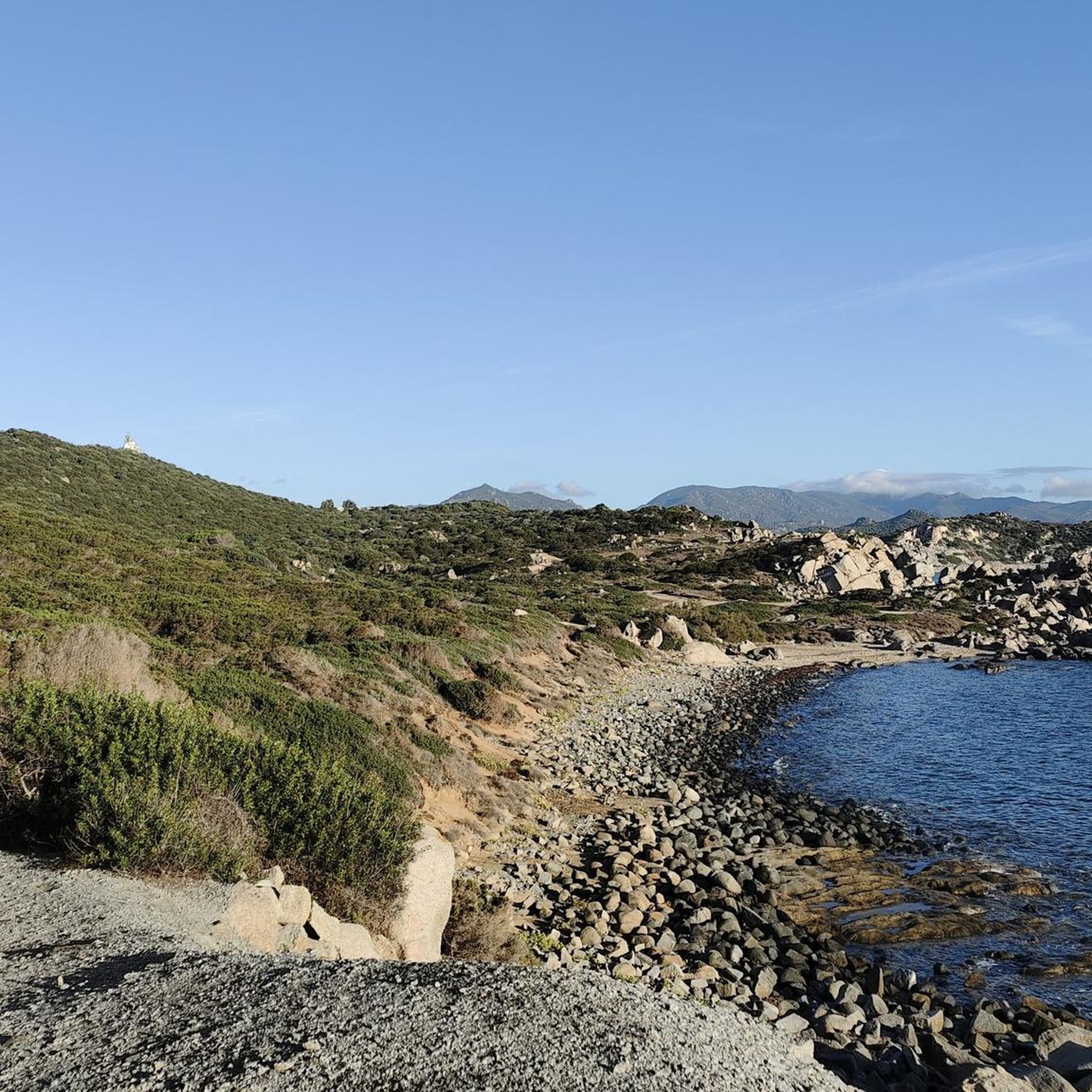
Natural monuments in Zona Di Protezione Speciale Capo Carbonara encompass a diverse landscape of granite cliffs, rocky coasts, and fine sandy beaches. This protected marine area in southeastern Sardinia features prominent islands and significant wetlands. It offers a variety of natural formations and coastal environments for exploration. The area is characterized by its clear waters and rich ecosystems.
Best natural monuments in Zona Di Protezione Speciale Capo Carbonara
- The most popular natural monuments is Cape Carbonara, a viewpoint that…
Last updated: July 5, 2026
Cape Carbonara
Highlight • Viewpoint
Translated by Google •
Tip by

Capo Carbonara Beach
Highlight • Beach
Translated by Google •
Tip by

Sign up now to discover places like this
Get recommendations on the best single tracks, peaks, & plenty of other exciting outdoor places.
Sign up for free
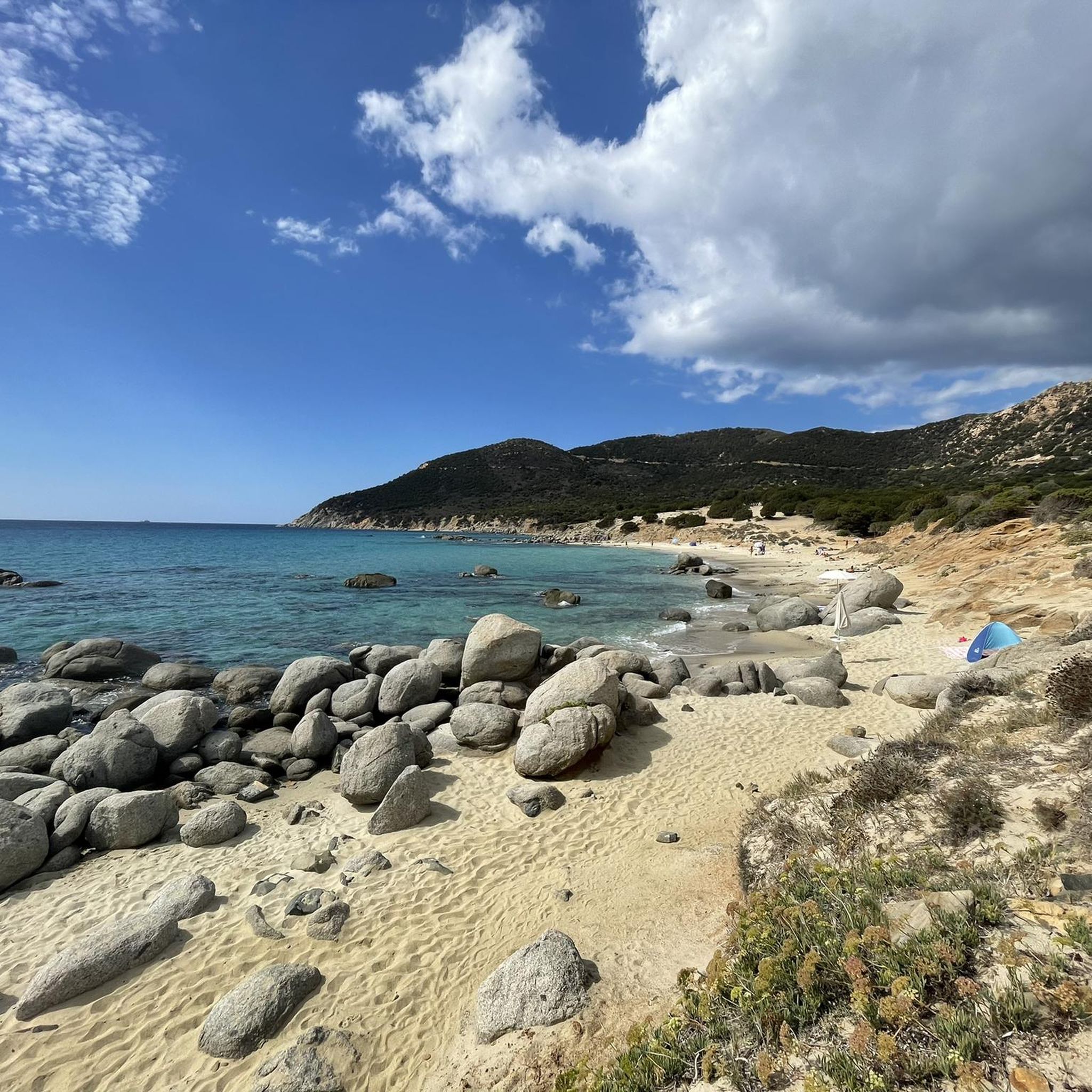
Rock formations and sandy beaches at Capo Carbonara
Highlight • Beach
Translated by Google •
Tip by

Orca Rock
Highlight • Natural Monument
Translated by Google •
Tip by

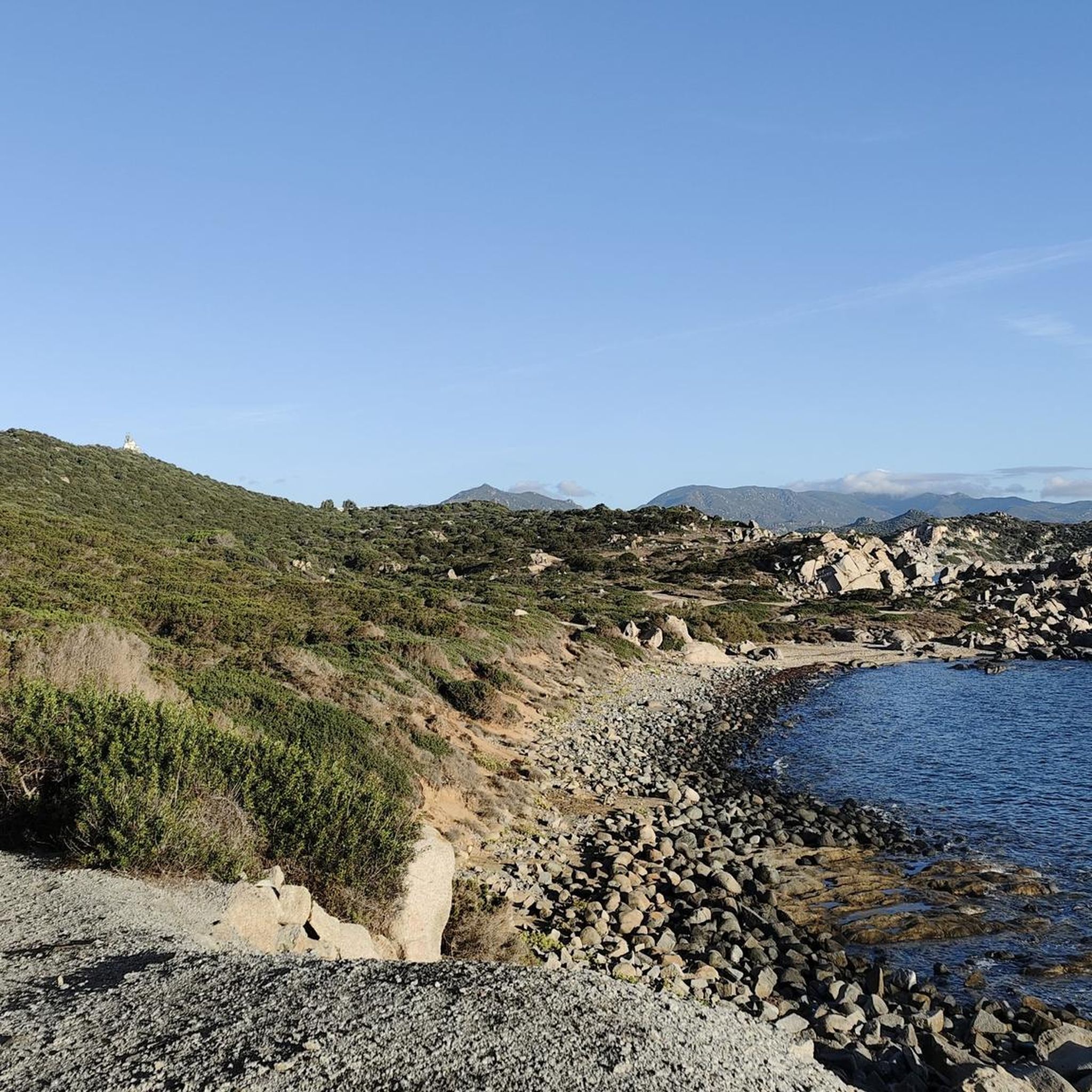
View of Capo Spartivento and Lighthouse
Highlight • Viewpoint
Translated by Google •
Tip by

Start today with a free account
Your next adventure awaits.
Login or Signup
Popular around Zona Di Protezione Speciale Capo Carbonara
Hiking in Zona Di Protezione Speciale Capo Carbonara
Running Trails in Zona Di Protezione Speciale Capo Carbonara
Road Cycling Routes in Zona Di Protezione Speciale Capo Carbonara
Cycling in Zona Di Protezione Speciale Capo Carbonara
MTB Trails in Zona Di Protezione Speciale Capo Carbonara

Gravel biking in Zona Di Protezione Speciale Capo Carbonara
Tips from the Community

Good place for snorkeling.
0
0
It's definitely worth a visit, but the paths are difficult, so you shouldn't be a beginner. The wind there is refreshing, though.
1
0


I grade not exposed
0
1
The path to Capo Carbonara is for everyone. Just be careful if the wind is too strong 👍💪
1
0
Frequently Asked Questions
What are some of the most notable natural monuments in Zona Di Protezione Speciale Capo Carbonara?
The region boasts several remarkable natural monuments. Key highlights include the dramatic promontory of Cape Carbonara itself, known for its rugged cliffs and stunning views. The nearby Capo Carbonara Beach and the picturesque rock formations and sandy beaches at Capo Carbonara offer beautiful coastal scenery. Further offshore, the uninhabited Serpentara Island and Isola dei Cavoli are ecological treasures, accessible by boat.
Are there family-friendly natural monuments or activities in the area?
Yes, several natural monuments are ideal for families. Capo Carbonara Beach and the sandy beaches at Capo Carbonara are noted as family-friendly, offering fine sand and clear, often shallow waters. Porto Giunco Beach, with its calm waters, is also perfect for families to swim and play.
What kind of wildlife can I expect to see around the natural monuments?
The Zona Di Protezione Speciale Capo Carbonara is rich in wildlife. Serpentara Island is a haven for wild rabbits and protected bird species like Audouin's gulls and herons, with dolphins often seen in the surrounding waters. Isola dei Cavoli is a nesting site for peregrine falcons and cormorants. At Capo Carbonara, the Stagno di Notteri (Notteri Pond) near Porto Giunco is home to a colony of pink flamingos, offering excellent birdwatching opportunities.
Are there any historical sites or structures associated with these natural monuments?
Yes, the area has a rich history. On Serpentara Island, you can find the historic San Luigi Tower, a 16th-century Spanish watchtower. Isola dei Cavoli features a 19th-century lighthouse built on the remains of a 17th-century Spanish watchtower. The Capo Carbonara promontory also includes the remains of a fortress and a lighthouse. Additionally, the Torre di Porto Giunco, another historic Spanish watchtower, stands majestically overlooking Porto Giunco Beach.
What water-based activities are popular around these natural monuments?
The crystal-clear waters of the Zona Di Protezione Speciale Capo Carbonara are perfect for various water activities. Snorkeling and diving are highly recommended, especially around Serpentara Island and Isola dei Cavoli, known for their exceptional marine biodiversity and Posidonia oceanica meadows. The beaches like Porto Giunco and Cala Giunco are excellent for swimming, sunbathing, paddle boating, and kayaking.
Are there opportunities for hiking or walking near the natural monuments?
Yes, there are several walking opportunities. The Cape Carbonara promontory offers walking trails with panoramic views of the sea and nearby islands. Hiking to the Torre di Porto Giunco is highly recommended for stunning vistas. While specific hiking routes for natural monuments aren't detailed, the region offers various cycling routes that can also be explored on foot. For more detailed routes, you can check out the Gravel biking in Zona Di Protezione Speciale Capo Carbonara guide or the Road Cycling Routes in Zona Di Protezione Speciale Capo Carbonara guide, which often include paths suitable for walking.
What do visitors enjoy most about the natural monuments in this region?
Visitors frequently praise the breathtaking natural beauty, crystal-clear waters, and rich biodiversity. Many highlight the stunning views from places like Cape Carbonara and the ascent to the Torre di Porto Giunco. The opportunity for snorkeling in vibrant marine ecosystems and observing wildlife like pink flamingos and dolphins are also highly valued experiences.
How can I access Serpentara Island and Isola dei Cavoli?
Both Serpentara Island and Isola dei Cavoli are uninhabited and primarily accessible by private boat or organized excursions from Villasimius. This limited access helps preserve their pristine ecosystems and wild character, making them ideal for those seeking an immersive nature experience.
Is there a unique rock formation to look out for?
Yes, keep an eye out for Orca Rock. It's a distinctive rock in the surf that, from the right angle, resembles the dorsal fin of an orca. It's a popular spot for its unique appearance.
What are the best times to visit the natural monuments in Zona Di Protezione Speciale Capo Carbonara?
The region is beautiful year-round, but for water activities and enjoying the beaches, the warmer months from late spring to early autumn (May to October) are ideal. During these times, the weather is pleasant for swimming, snorkeling, and boat excursions. For hiking and birdwatching, the shoulder seasons (spring and autumn) offer milder temperatures and fewer crowds.
Are there any specific viewpoints that offer exceptional panoramas of the area?
Absolutely. The Cape Carbonara promontory itself provides incredible views, with a narrow path leading almost to the tip of the peninsula. The historic San Luigi Tower on Serpentara Island offers panoramic views of the Sardinian coastline. Additionally, the ascent to the Torre di Porto Giunco is highly recommended for fantastic vistas over Porto Giunco Beach and the surrounding landscape.
Most popular routes in Zona Di Protezione Speciale Capo Carbonara
Most popular attractions in Zona Di Protezione Speciale Capo Carbonara

Get inspired with the komoot mobile app


Explore more
Extend your search for the best caves by checking out these guides of the top ones in Zona Di Protezione Speciale Capo Carbonara:
