Top 11 Natural Monuments in Steinheimer Becken
Natural monuments in Steinheimer Becken are primarily defined by a well-preserved meteorite impact crater, formed approximately 14 to 15 million years ago. This unique geological formation features a distinct circular basin, about 3.8 kilometers in diameter, with a prominent central uplift. The region offers insights into extraterrestrial impacts and their geological consequences, alongside unique habitats.
Best natural monuments in Steinheimer Becken
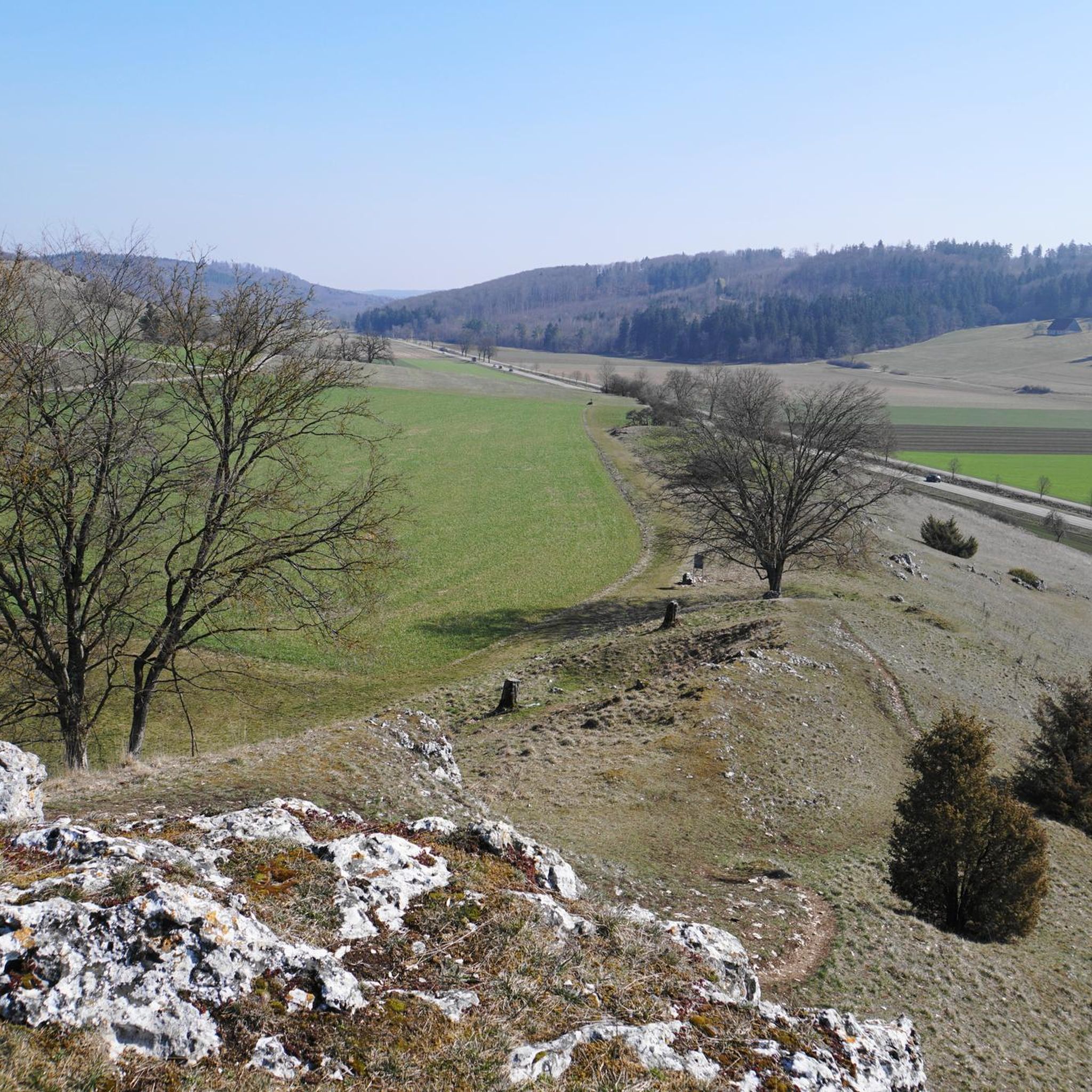
- The most popular natural monuments is Burgstallfels View of the Steinheim Basin, a viewpoint offering a panoramic view…
Last updated: October 8, 2026
Knillberg
Highlight • Summit
Translated by Google •
Tip by

Wäldlesfels Rock Formation
Highlight • Natural Monument
Translated by Google •
Tip by

Sign up now to discover places like this
Get recommendations on the best single tracks, peaks, & plenty of other exciting outdoor places.
Pharion’s calcareous sand pit
Highlight • Natural Monument
Translated by Google •
Tip by

Sontheim Meteorite Trail
Highlight • Trail
Translated by Google •
Tip by
Burgstallfels View of the Steinheim Basin
Highlight • Viewpoint
Translated by Google •
Tip by

Sign up for free to discover even more natural monuments in Steinheimer Becken.
Already have an account?
Start today with a free account
Your next adventure awaits.
Popular around Steinheimer Becken

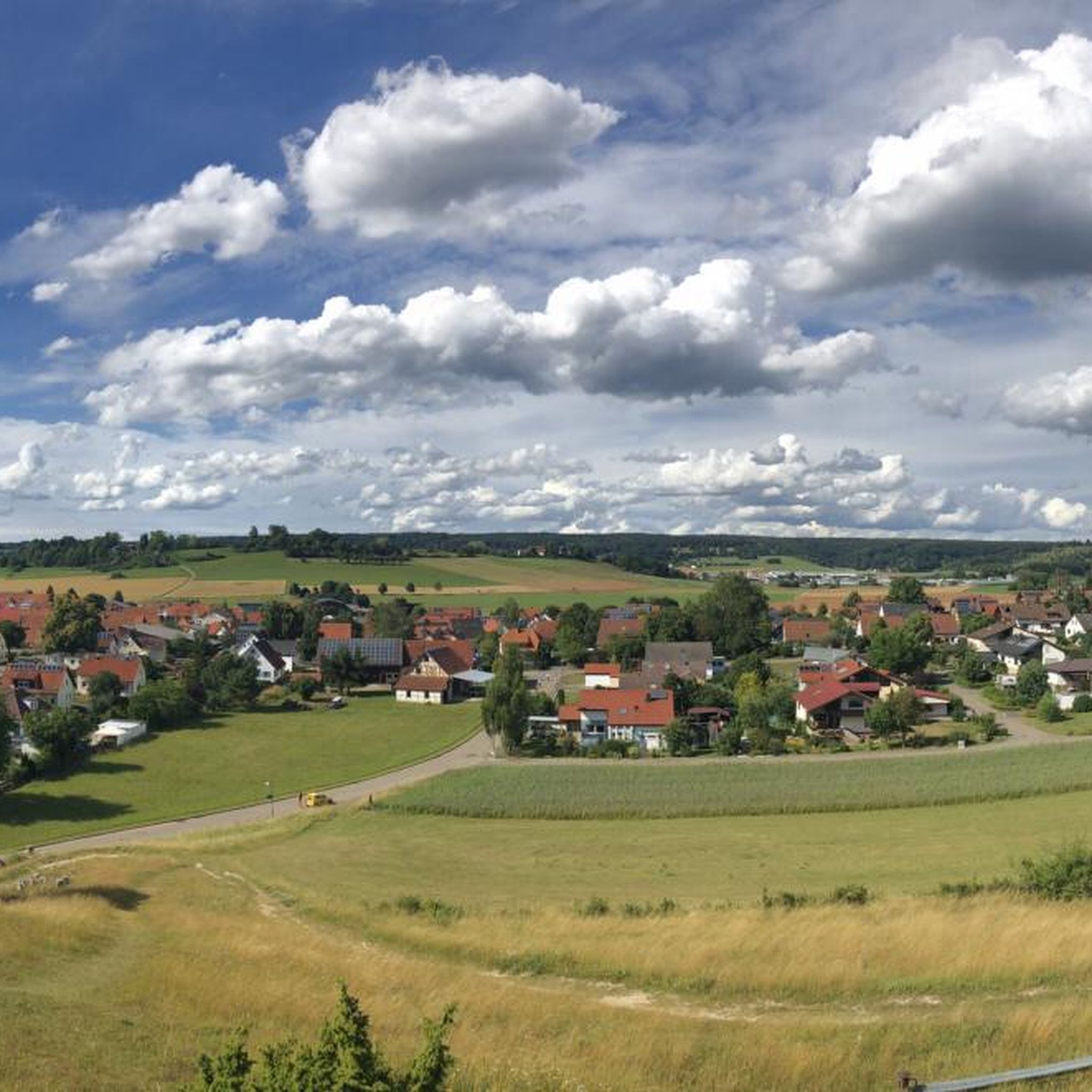
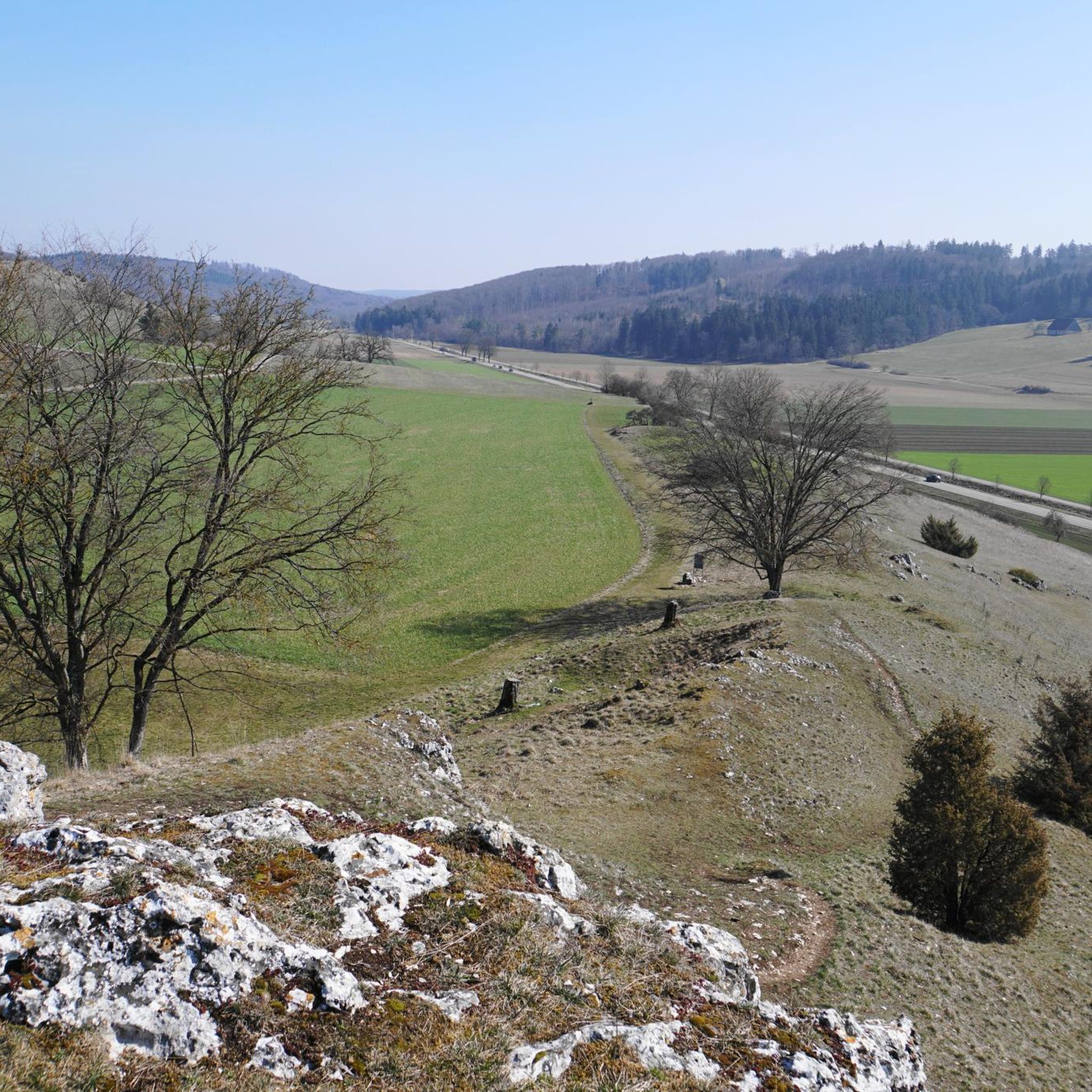
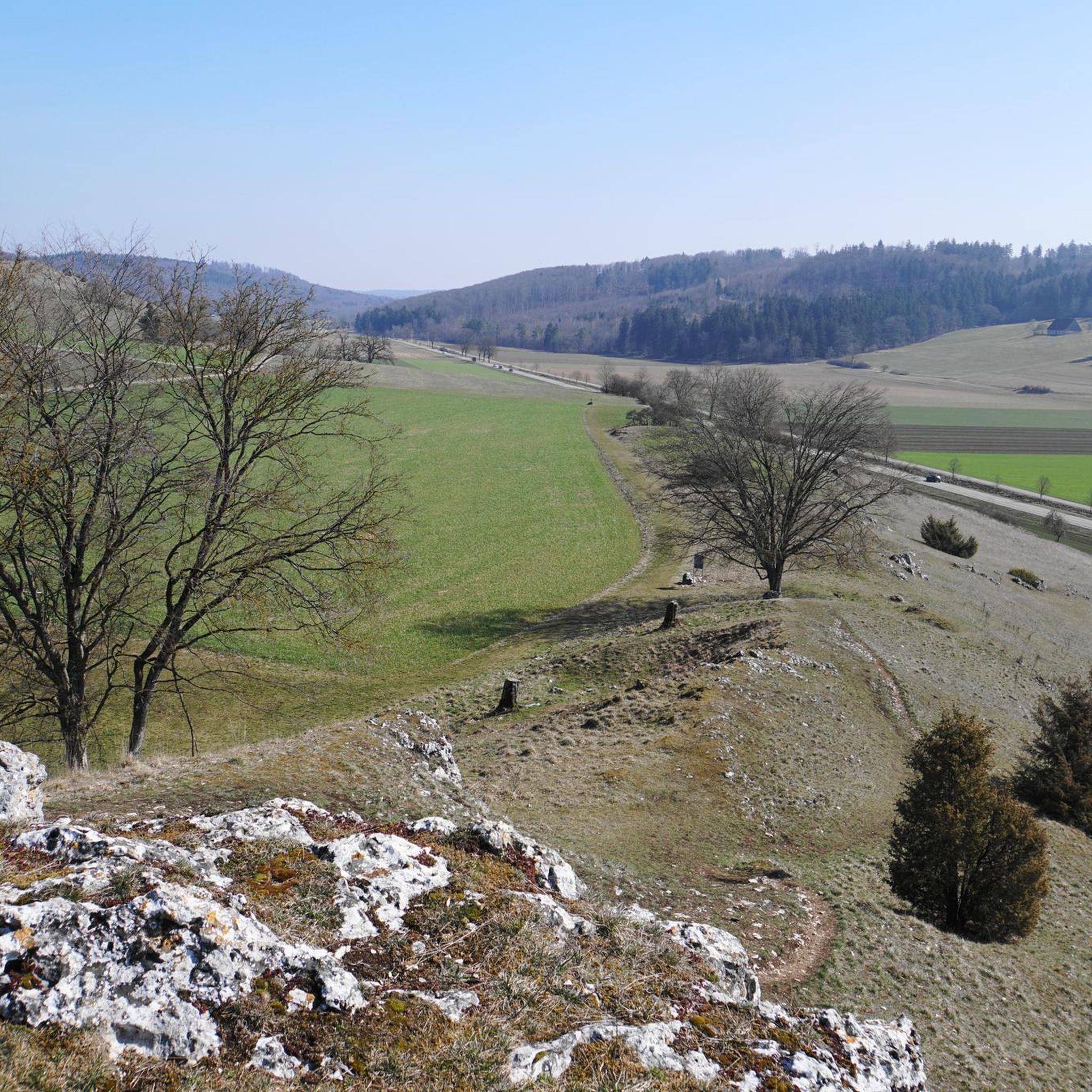
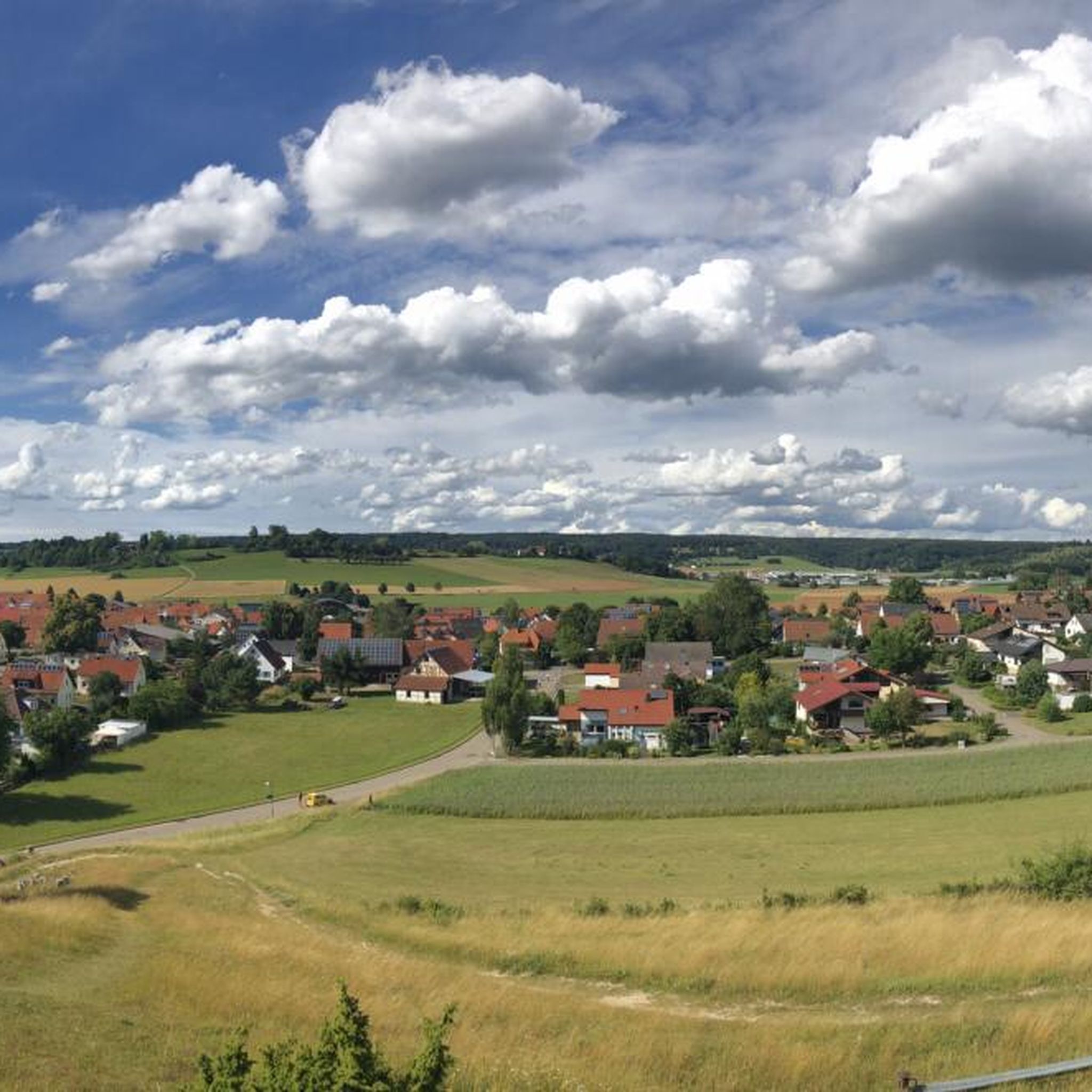
Other adventures in Steinheimer Becken

Tips from the Community

There is no view from the rock itself. Everything is overgrown.
1
0
Actually the whole thing is completely unspectacular
0
0

When you drive past below, you can't see the rock. It's quite impressive considering the entire basin was once a lake.
2
0
Here it goes steeply uphill, at the top there is a table with benches and a great all-round view
3
0
You don't have to run the entire 20km in one go, you can also do it in stages.
1
0

Nice part of the Meteor Crater circular hiking trail
0
0

Even the small efforts uphill are worth it. This hike on the crater rim is really worthwhile.
0
0
Frequently Asked Questions
What geological features define the natural monuments in Steinheimer Becken?
The natural monuments in Steinheimer Becken are primarily defined by a well-preserved meteorite impact crater, formed approximately 14 to 15 million years ago. This unique geological formation features a distinct circular basin, about 3.8 kilometers in diameter, with a prominent central uplift known as the Steinhirt or Klosterberg. You can also find unique rock formations like the Wäldlesfels Rock Formation, which is a preserved reef.
Are there good viewpoints to observe the Steinheimer Becken crater?
Yes, there are several excellent viewpoints. The Burgstallfels View of the Steinheim Basin offers a panoramic view of the former meteorite crater, providing an excellent perspective on the basin's structure. Another great spot is Knillberg, a summit on the southern edge of the basin, where information boards explain the geological peculiarity of the meteorite impact.
What historical or paleontological discoveries can be found in the Steinheimer Becken?
The Steinheimer Becken is renowned for its paleontological significance. Pharion’s calcareous sand pit is a world-famous Miocene fossil deposit, known for its fossil snail shells and relics from the Jurassic period. These finds, particularly the massive occurrence of the freshwater snail Planorbis multiformis, provided early paleontological evidence for Darwin's theory of evolution. Many of these discoveries are exhibited in the nearby Meteorkratermuseum.
What kind of outdoor activities can I do near the natural monuments?
The region offers a variety of outdoor activities. You can explore numerous hiking trails, including the Sontheim Meteorite Trail, which provides rich information about the crater. For more options, check out the dedicated guides for Hiking in Steinheimer Becken, Running Trails in Steinheimer Becken, and Gravel biking in Steinheimer Becken.
Are there family-friendly natural monuments or trails in Steinheimer Becken?
While specific 'family-friendly' categories aren't always assigned, many trails within the Steinheimer Becken are suitable for families. The Sontheim Meteorite Trail is well-signposted and manageable for those who are not extremely sporty, offering great views. The Meteorkratermuseum also provides an educational starting point for families to learn about the crater's formation and fossils.
What is the best season to visit the natural monuments in Steinheimer Becken?
The Steinheimer Becken can be visited year-round, but spring and autumn offer particularly pleasant conditions for exploring the natural monuments and trails. In spring, you might find a diverse, almost alpine vegetation, especially around areas like Burgstallfels. The landscape's unique features are visible in all seasons, but milder weather makes outdoor activities more enjoyable.
Where can I learn more about the meteorite impact and geology of the Steinheimer Becken?
The Meteorkratermuseum, located in the Sontheim district of Steinheim, is an excellent resource. It provides detailed information about the crater's formation, geology, and the fossils found within. Additionally, the Geologischer Lehrpfad Meteorkrater (Geological Educational Trail Meteorite Crater) and the Meteorkrater-Rundwanderweg (Meteorite Crater Circular Hiking Trail) offer interpretive signs explaining the geological features as you explore.
Are there any specific trails that circle the entire meteorite crater?
Yes, the Meteorkrater-Rundwanderweg (Meteorite Crater Circular Hiking Trail) is a longer, approximately 20-kilometer hiking trail that encircles the crater basin. This trail provides comprehensive information on the region's geology, flora, and fauna through informative signs, offering a full perspective of the impact structure.
What do visitors enjoy most about the natural monuments in Steinheimer Becken?
Visitors particularly appreciate the unique geological insights offered by the well-preserved meteorite crater and its central uplift. The panoramic views from spots like Burgstallfels are highly rated, as is the rich paleontological history found at sites like Pharion’s calcareous sand pit. The educational trails and the Meteorkratermuseum also enhance the visitor experience by providing context to this extraordinary natural phenomenon.
Are there places to eat or stay near the natural monuments?
While specific establishments aren't detailed in the guide, the municipality of Steinheim am Albuch is situated within the crater itself, suggesting that local amenities, including gastronomy and accommodations, would be available. For specific options, it's advisable to check local listings in Steinheim am Albuch.
Can I bring my dog on trails around the natural monuments?
Many outdoor trails in natural areas are generally dog-friendly, provided dogs are kept on a leash and owners clean up after them. While specific regulations for each natural monument are not listed, it's common practice in Germany for dogs to be allowed on hiking trails. Always check local signage for any specific restrictions in protected areas.
Most popular routes in Steinheimer Becken
Most popular attractions in Steinheimer Becken

Get inspired with the komoot mobile app


Explore more
Extend your search for the best caves by checking out these guides of the top ones in Steinheimer Becken:
