Lsg Innerhalb Des Naturparks Hassberge (Ehemals Schutzzone)
Lsg Innerhalb Des Naturparks Hassberge (Ehemals Schutzzone)
Top 20 Natural Monuments in Lsg Innerhalb Des Naturparks Hassberge (Ehemals Schutzzone)
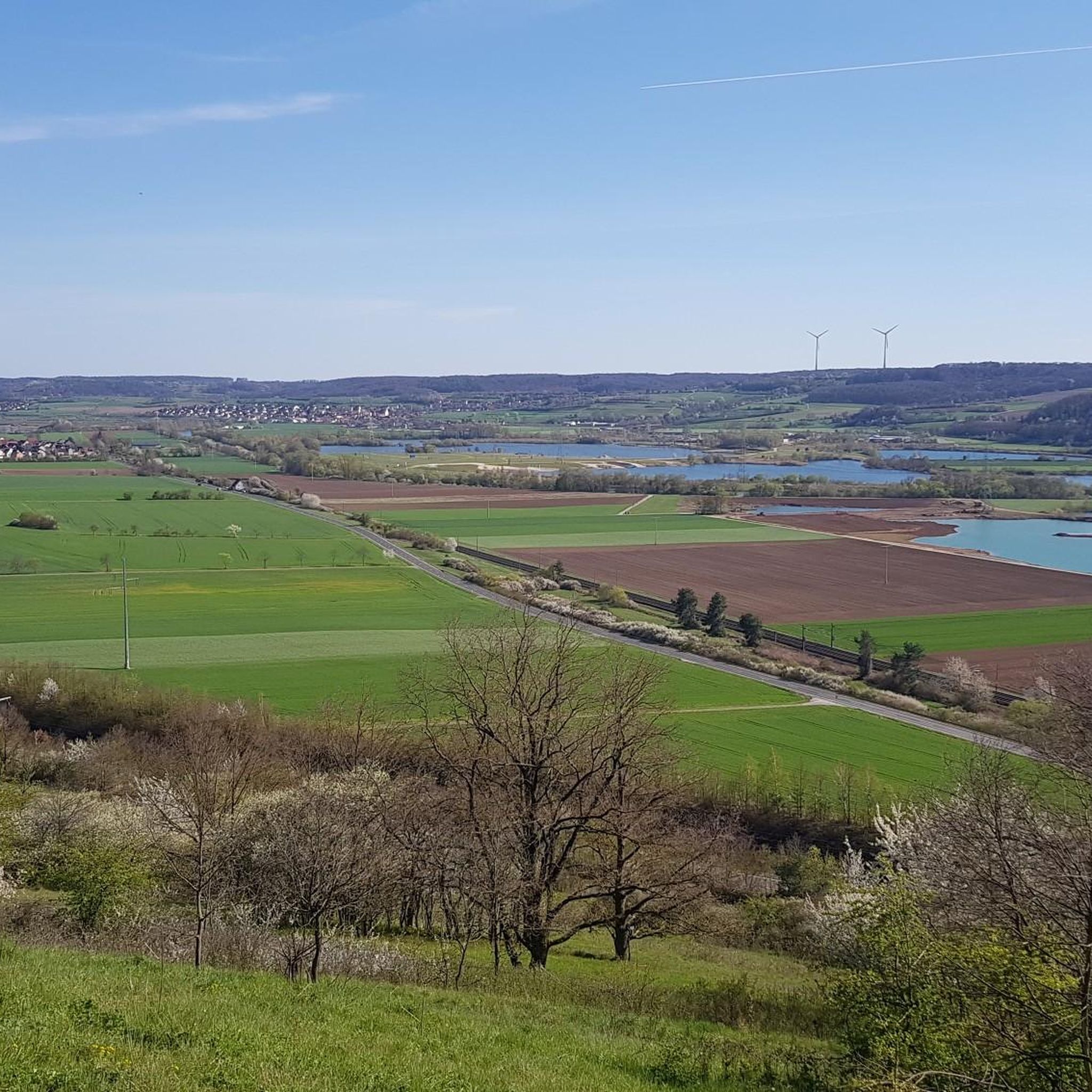
Best natural monuments in Lsg Innerhalb Des Naturparks Hassberge (Ehemals Schutzzone) are found within the Haßberge Nature Park, a region characterized by its diverse landscape of mixed forests, flowing waters, grasslands, and ancient vineyards. This area, part of the northern Franconian Keuperland, offers unique geological formations and natural beauty. Visitors can explore a variety of natural features, from ancient rock labyrinths to prominent basalt outcrops. The natural monuments here provide insights into the region's geological history and ecological richness.
Best…
Last updated: July 5, 2026
Monk Lake
Highlight • Lake
Translated by Google •
Tip by

Rotenhan Castle Ruins
Highlight • Castle
Translated by Google •
Tip by

Sign up now to discover places like this
Get recommendations on the best single tracks, peaks, & plenty of other exciting outdoor places.
Sign up for free
Thieves' Cellar Rock Labyrinth
Highlight • Natural Monument
Translated by Google •
Tip by

Lichtenstein Castle (Lower Franconia)
Highlight • Castle
Translated by Google •
Tip by

Bramberg Castle Ruins
Highlight • Castle
Showing Translation
Tip by

Sign up for free to discover even more natural monuments in Lsg Innerhalb Des Naturparks Hassberge (Ehemals Schutzzone).
Sign up for free
Already have an account?
Start today with a free account
Your next adventure awaits.
Login or Signup
Popular around Lsg Innerhalb Des Naturparks Hassberge (Ehemals Schutzzone)
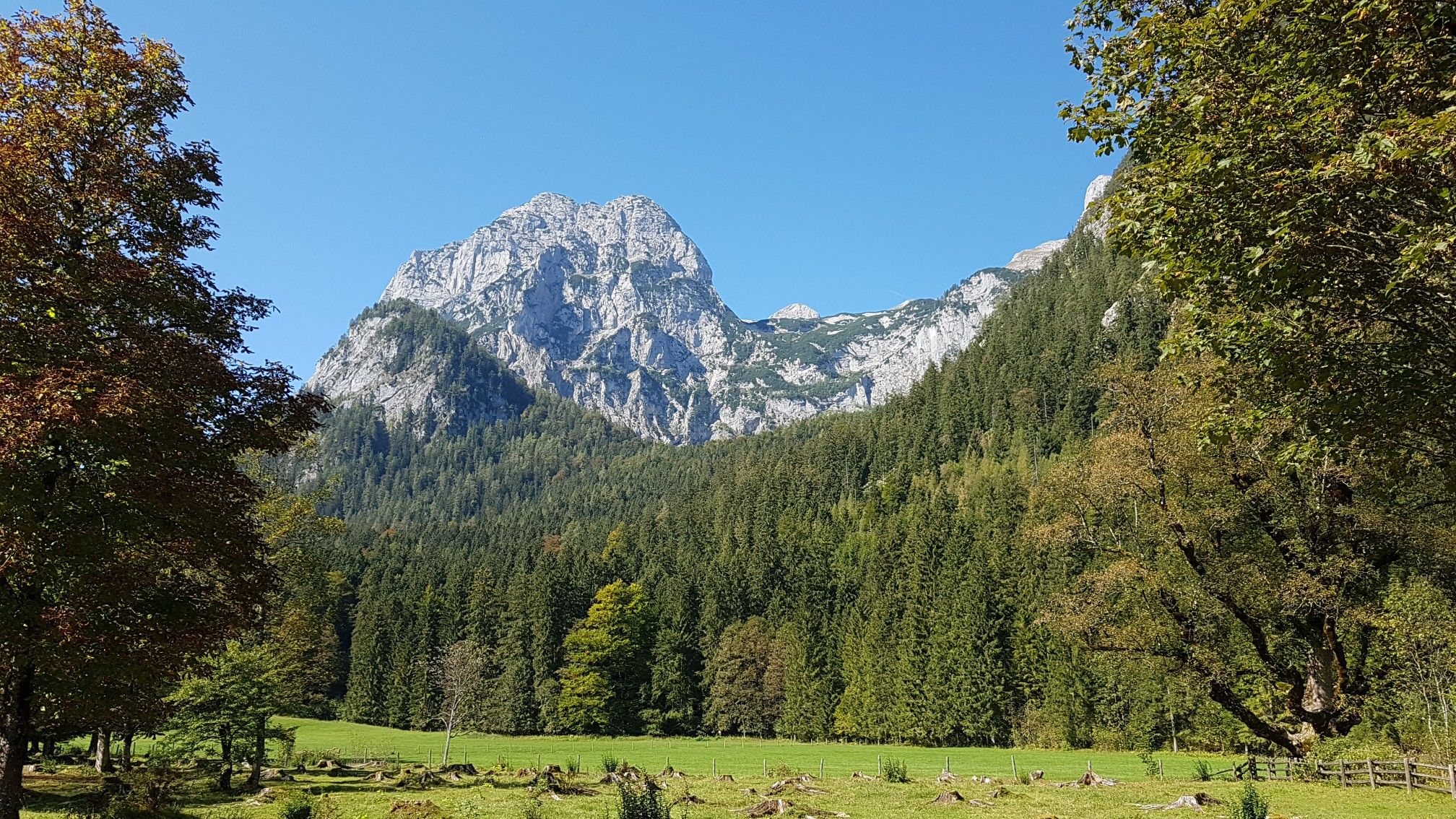
The National Natural Landscapes in Bavaria
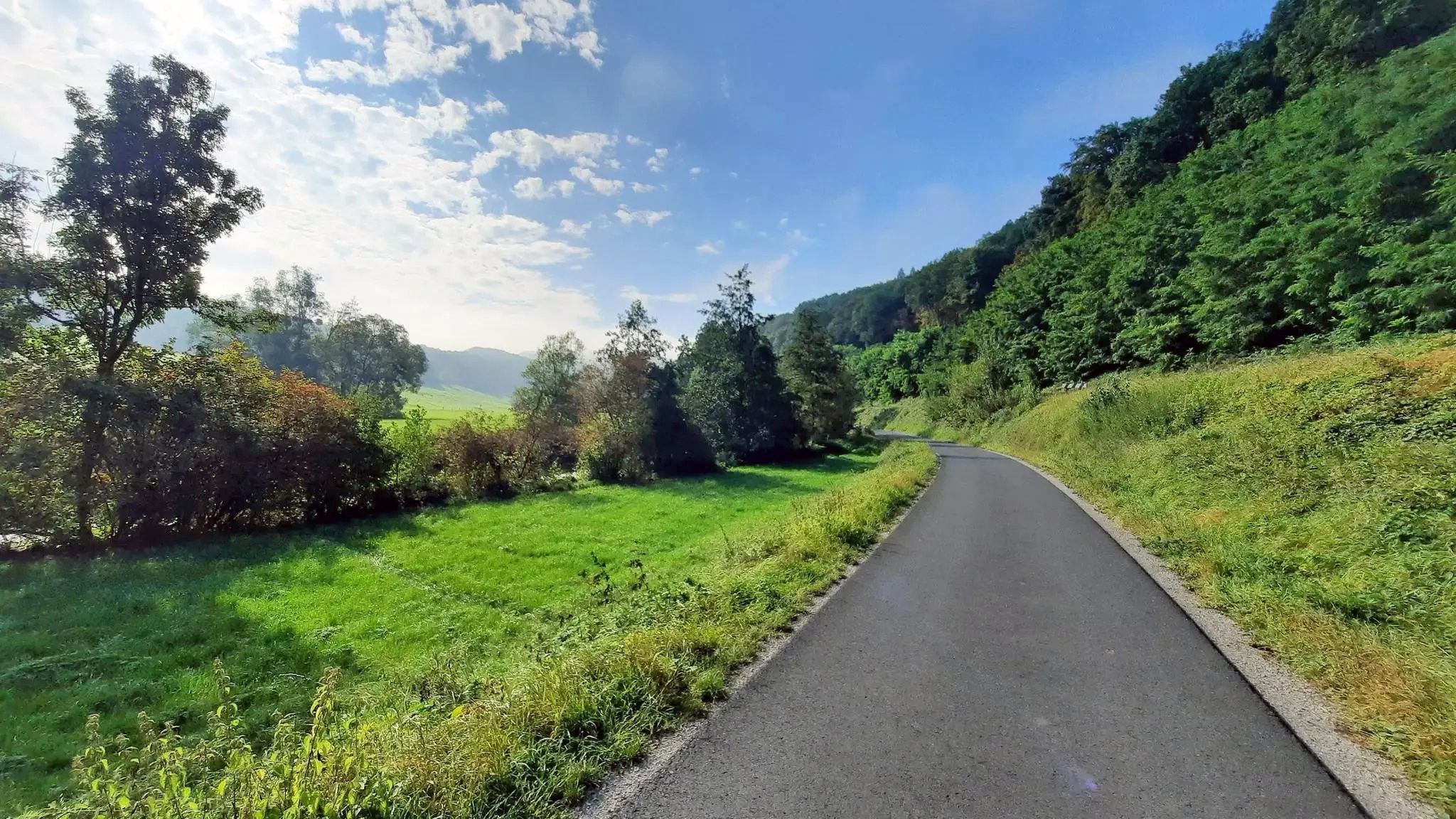
Ride from Grabfeld to the Main in Germany – Franconian Saale Cycle Route
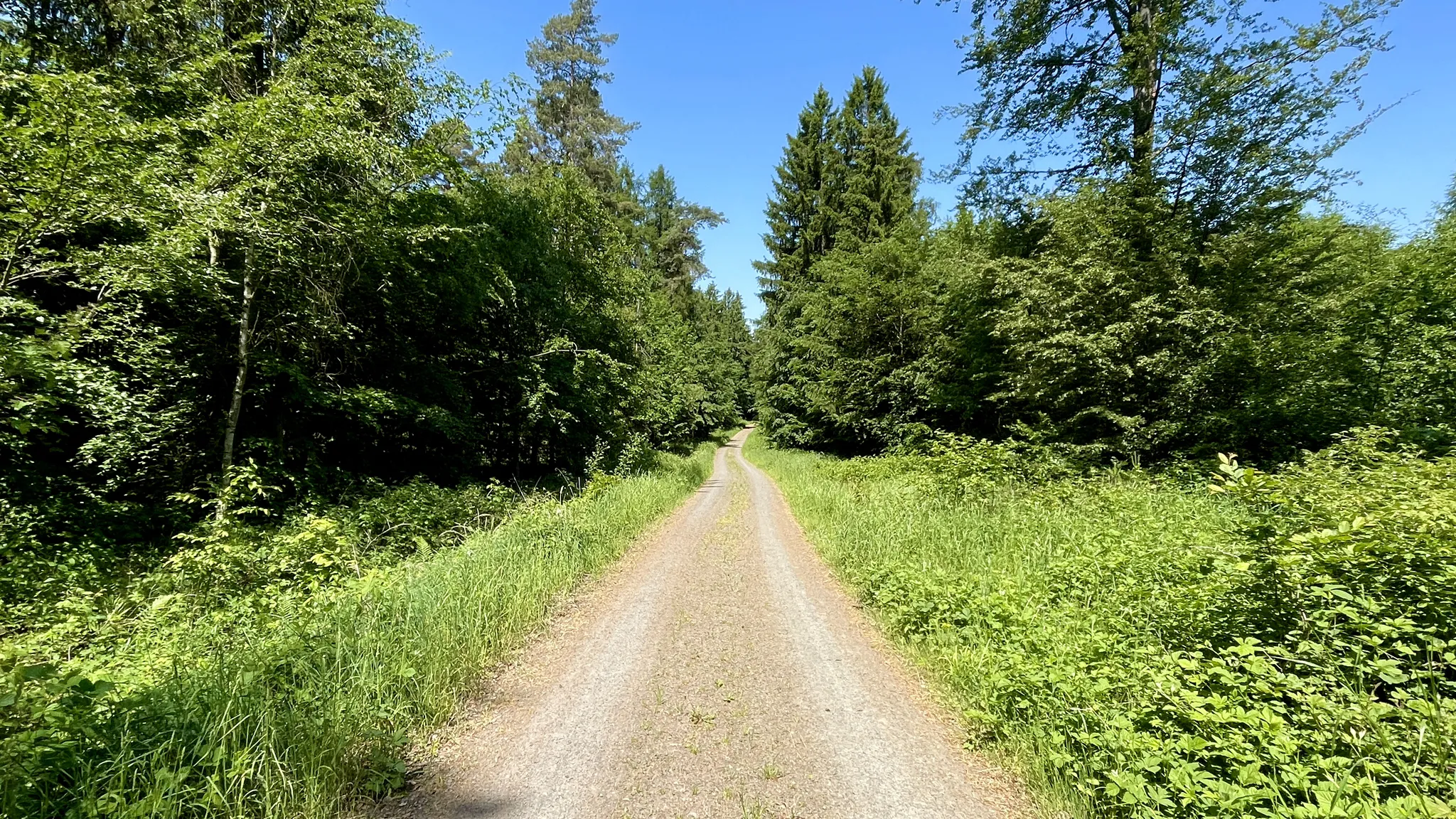
Replace stress with nature and silence – Rennweg (the Haßberge)
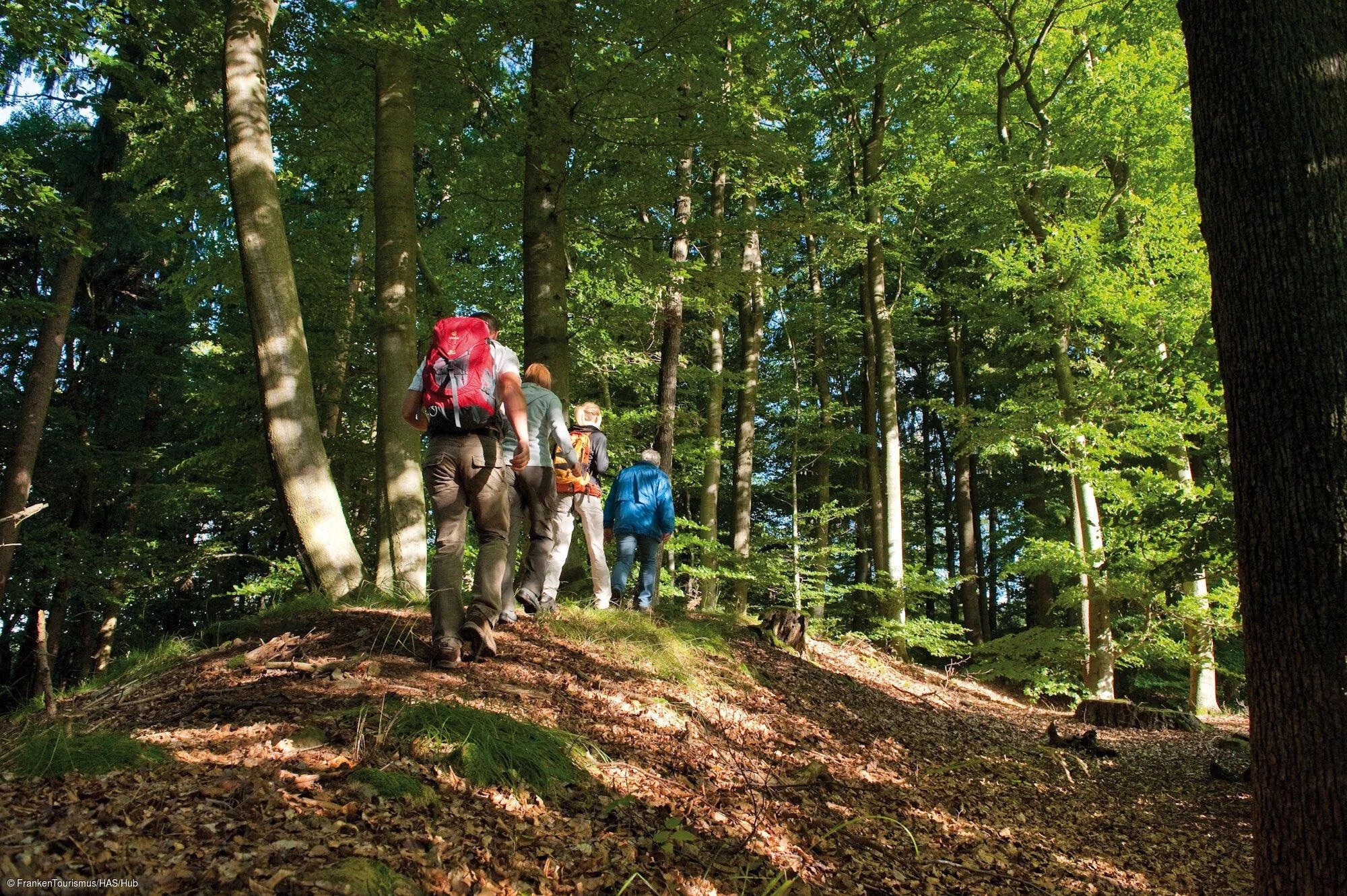
From the Celts to the modern world – Celtic Experience Trail
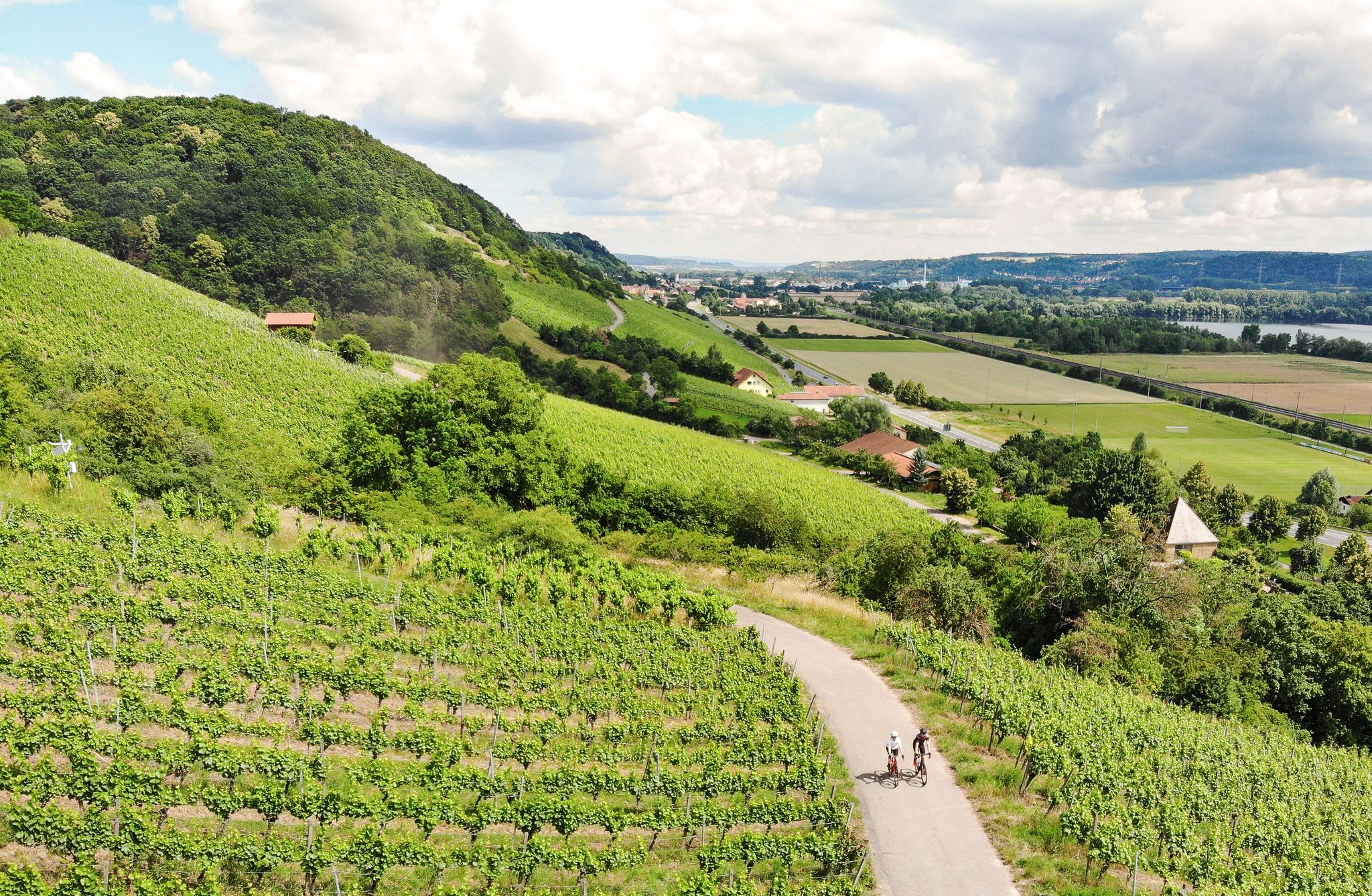
Castles, beer and wine — beautiful rides in the Hass mountains
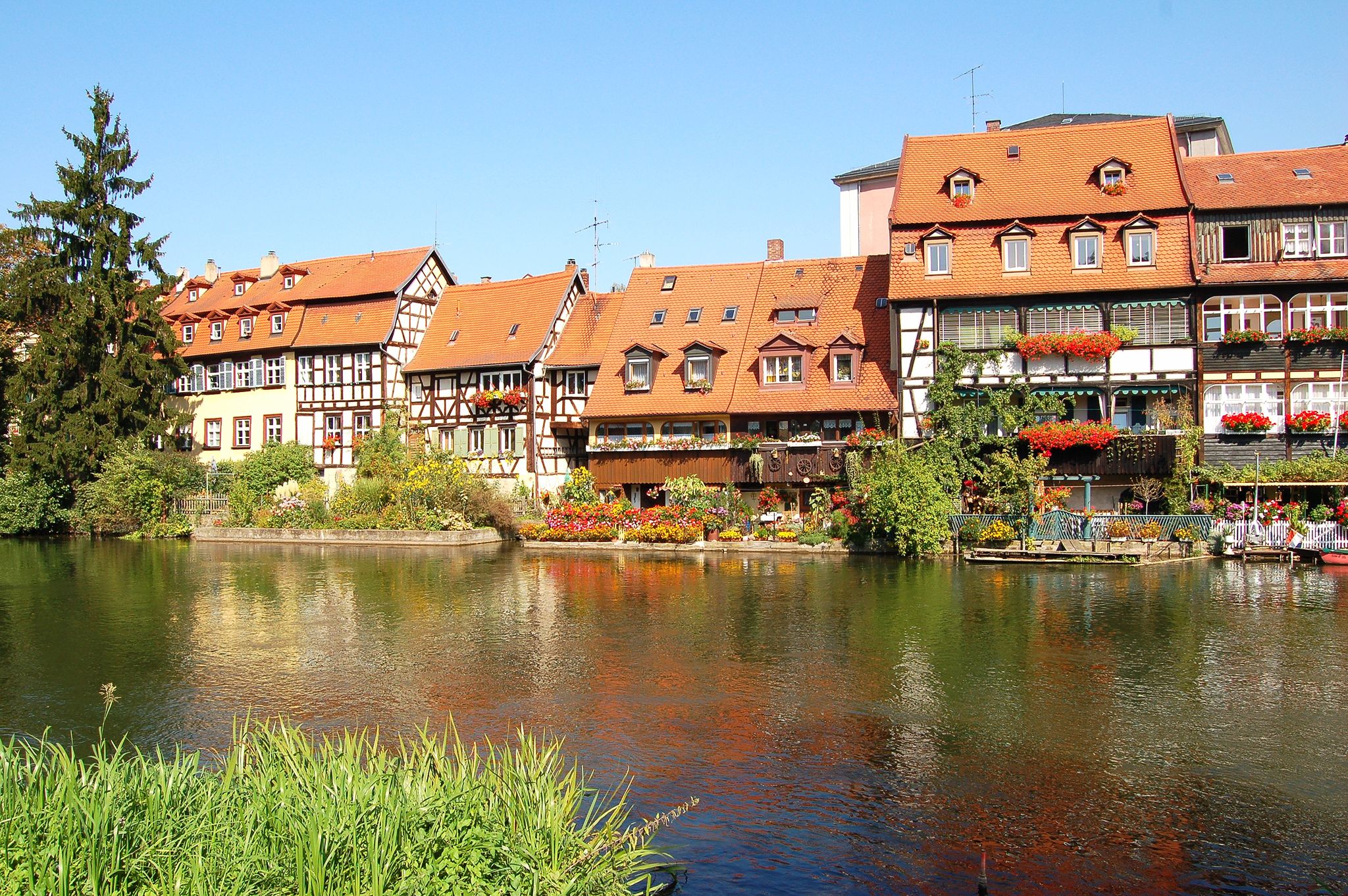
Discover Bamberg on foot – history, nature and beer
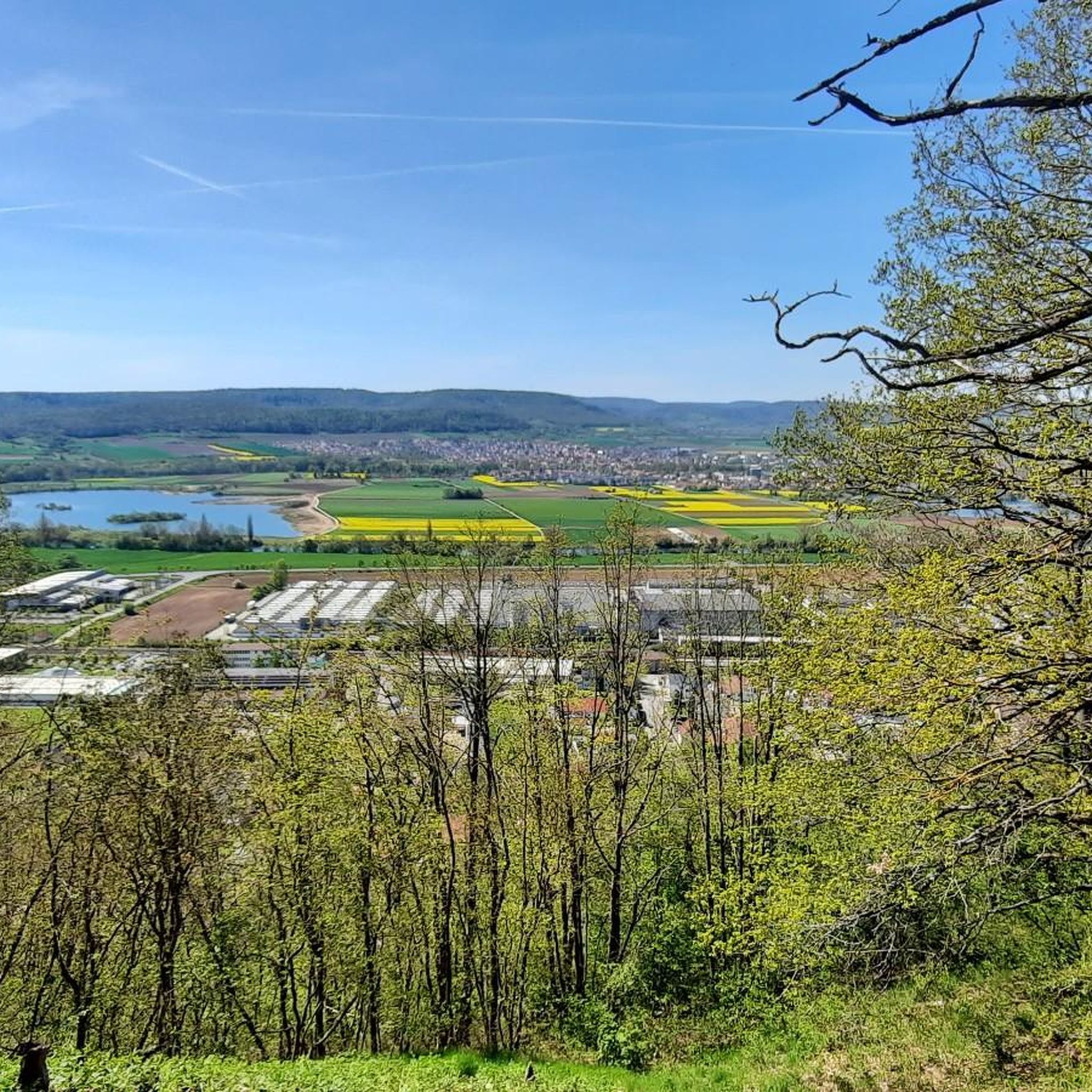
Hiking in Lsg Innerhalb Des Naturparks Hassberge (Ehemals Schutzzone)
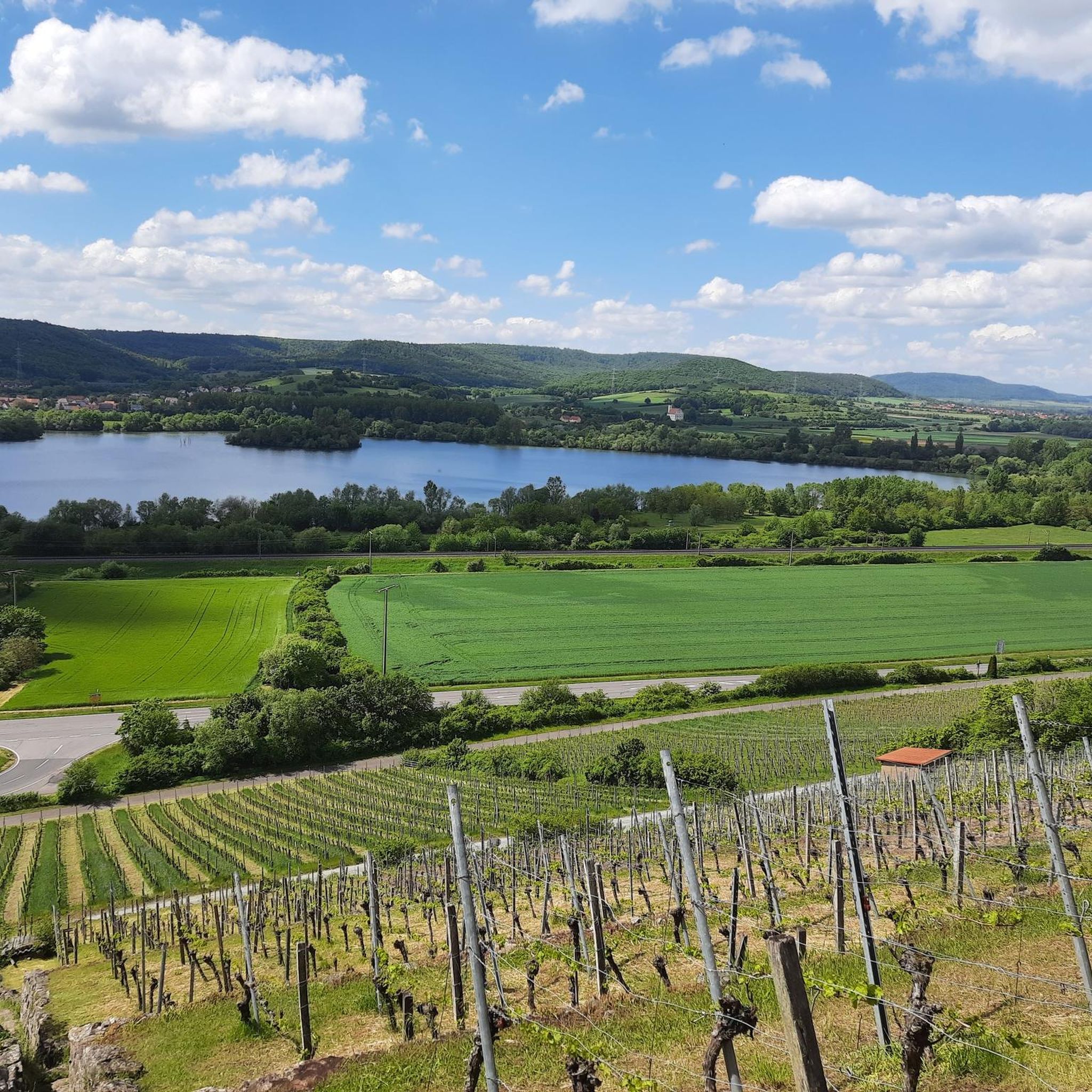
Cycling in Lsg Innerhalb Des Naturparks Hassberge (Ehemals Schutzzone)
MTB Trails in Lsg Innerhalb Des Naturparks Hassberge (Ehemals Schutzzone)

Gravel biking in Lsg Innerhalb Des Naturparks Hassberge (Ehemals Schutzzone)
Other adventures in Lsg Innerhalb Des Naturparks Hassberge (Ehemals Schutzzone)


Tips from the Community

The Diebskeller is a beautiful example of how nature and history come together in the Haßbergland region – a place to marvel at and explore.
5
0
The ruins have a very special character due to their construction – you can still really feel the connection between nature and medieval architecture.
5
0

A journey into history with lots of information on the panels.
11
0
The ruins of Bramberg Castle are located within the Haßberge Nature Park on the summit of the 494.3-meter-high Bramberg, an extinct volcanic cone of the Heldburg Gangschar, approximately 2 kilometers northwest of the village of Bramberg, a western district of Ebern, and about 5 kilometers (as the crow flies) northeast of the city of Königsberg in Bavaria. It is surrounded by the Goßmannsdorf Forest. Source and further information: https://de.wikipedia.org/wiki/Burg_Bramberg_(Ha%C3%9Fberge)
12
0
The Lichtenstein Rune is always worth a visit. In the entrance area there is a fridge with self-service drinks and a trust box. Great idea!
18
4
The southern castle is still inhabited and privately owned. Source: https://de.wikipedia.org/wiki/Burg_Lichtenstein_(Unterfranken)
13
1
Directly in front of the Rotenhan ruins there are two nice rest areas.
16
0
Thieves and robbers are said to have once stayed in these rock cellars. The Bamberg Book of Records records that a gang of thieves hid three stolen horses here in the 15th century. ... in old writings we read: "Large rocks conceal caves that inspire horror with their musty smell and darkness." Source: https://rabelsdorf.de/diebskeller.html
2
0
Frequently Asked Questions
What are some of the most popular natural monuments in the Haßberge Nature Park?
Visitors frequently enjoy the Rotenhan Castle Ruins, which is a castle and natural monument offering views from 380 meters above sea level. Another highly rated spot is the Thieves' Cellar Rock Labyrinth, known for its massive rock blocks and grottoes. The Bramberg Castle Ruins also draws many, situated on the 494.3-meter-high Bramberg with panoramic views.
What unique geological features can I explore in the Haßberge Nature Park?
The region is rich in geological diversity. You can explore the intriguing Diebskeller Felsenlabyrinth near Rabelsdorf, a natural labyrinth of stacked rock blocks and grottoes. The Rhätsandstein-Felsengärten, particularly at Lichtenstein and Pfarrweisach, showcase bizarre sandstone formations from the Late Triassic period. Additionally, the Basalthärtling des Ostheimer Hügels near Königsberg features impressive basalt outcrops, remnants of ancient volcanic activity.
Are there family-friendly natural monuments in the Haßberge Nature Park?
Yes, several natural monuments are suitable for families. The Thieves' Cellar Rock Labyrinth is excellent for exploration and play. The Steinerlebnispfad (Stone Experience Path) on the Zeilberg near Maroldsweisach is a 3.8-kilometer circular trail with interactive stations, accessible even with strollers. The Monk Lake is also a quiet, family-friendly spot for a walk in the forest.
What kind of trails can I find around the natural monuments in the Haßberge Nature Park?
The Haßberge Nature Park offers a variety of trails. For easy hikes, you can explore routes like the 'Haßberge Adventure Tour - Through the Tuscany of the Haßberge' or the 'Abt-Degen Trail – Vineyards of Lower Franconia loop from Zeil am Main'. There are also running trails, such as the 'Running loop from Baunach (VGem)', and gravel biking routes like 'Beer & wine – gravel in the Hassberge Hills'. You can find more details on these and other routes in the Easy Hikes, Running Trails, and Gravel Biking guides for the region.
Are there historical sites among the natural monuments?
Yes, several natural monuments are intertwined with historical sites. The Rotenhan Castle Ruins and Bramberg Castle Ruins are prominent examples of high medieval rock castles that are also designated natural monuments. The Lichtenstein Castle (Lower Franconia) is another beautiful castle ruin set amidst natural rock formations, offering a blend of history and nature.
When is the best time of year to visit the natural monuments in the Haßberge Nature Park?
The Haßberge Nature Park is beautiful year-round, but spring and autumn are particularly recommended. In spring, the forests are lush green, and wildflowers bloom. Autumn offers vibrant foliage and pleasant temperatures for hiking. Summer is also great for outdoor activities, while winter can provide a serene, snow-covered landscape, though some paths might be less accessible.
What kind of natural features, besides rock formations, can I see?
Beyond the impressive rock formations, the Haßberge Nature Park features diverse landscapes including mixed forests, flowing waters, grasslands, and ancient vineyards. You can visit the tranquil Monk Lake, a hidden forest lake. The park also protects 'Urige Baumriesen' (ancient tree giants), which are impressive old trees scattered throughout the area, adding to the natural heritage.
Are there good viewpoints among the natural monuments?
Many natural monuments offer excellent panoramic views. The Rotenhan Castle Ruins and Bramberg Castle Ruins, both situated on elevated positions, provide extensive vistas of the surrounding landscape. The Steinerlebnispfad on the Zeilberg also features various viewpoints with wide-ranging views across the Haßberge region and into neighboring Thuringia.
Can I bring my dog to the natural monuments?
Generally, dogs are welcome on trails and at natural monuments in the Haßberge Nature Park. However, it's always advisable to keep them on a leash, especially in protected areas, near wildlife, or where livestock may be present. Please ensure you clean up after your pet to maintain the natural beauty of the park.
Are there facilities like rest areas or amenities near the natural monuments?
While the natural monuments are primarily natural sites, some offer basic facilities. For instance, directly in front of the Rotenhan Castle Ruins, you'll find two nice rest areas. The Lichtenstein Castle (Lower Franconia) is known for its welcoming approach, including a beverage service with a large fridge and trust fund. For more extensive amenities like cafes or restaurants, you would typically need to visit nearby towns or villages.
What do visitors enjoy most about the natural monuments in the Haßberge Nature Park?
Visitors particularly appreciate the unique combination of natural beauty and historical significance. The sense of adventure and mystery at places like the Thieves' Cellar Rock Labyrinth, the impressive views from castle ruins, and the educational opportunities provided by trails like the Steinerlebnispfad are frequently highlighted. The tranquility of hidden spots like the Monk Lake also receives positive feedback.
Most popular routes in Lsg Innerhalb Des Naturparks Hassberge (Ehemals Schutzzone)
Most popular attractions in Lsg Innerhalb Des Naturparks Hassberge (Ehemals Schutzzone)

Get inspired with the komoot mobile app


Explore more
Extend your search for the best caves by checking out these guides of the top ones in Lsg Innerhalb Des Naturparks Hassberge (Ehemals Schutzzone):
