Top 20 Natural Monuments in Naturpark Bayerische Rhön
Best natural monuments in Naturpark Bayerische Rhön are found within a unique volcanic landscape, part of the larger UNESCO Biosphere Reserve Rhön. This region, known as the "Land of the Open Distances," features treeless mountain ridges and expansive views. It offers diverse ecosystems and significant geological formations, making it a notable destination for nature exploration. The park combines landscape conservation with nature-friendly tourism, showcasing rich biodiversity.
Best natural monuments in Naturpark Bayerische Rhön
- The most popular natural monuments is Schwarzes…
Last updated: July 5, 2026
Golgotha group (Three Crosses) on the Kreuzberg
Highlight • Monument
Translated by Google •
Tip by

Galgota Kreuze - Kreuzberg
Highlight • Viewpoint
Translated by Google •
Tip by

Sign up now to discover places like this
Get recommendations on the best single tracks, peaks, & plenty of other exciting outdoor places.
Sign up for free
Himmeldunkberg summit
Highlight • Summit
Translated by Google •
Tip by

Schwarzes Moor Nature Trail
Highlight (Segment) • Natural Monument
Translated by Google •
Tip by

Great Moor Eye (Black Moor)
Highlight • Natural
Translated by Google •
Tip by

Sign up for free to discover even more natural monuments in Naturpark Bayerische Rhön.
Sign up for free
Already have an account?
Start today with a free account
Your next adventure awaits.
Login or Signup
Popular around Naturpark Bayerische Rhön
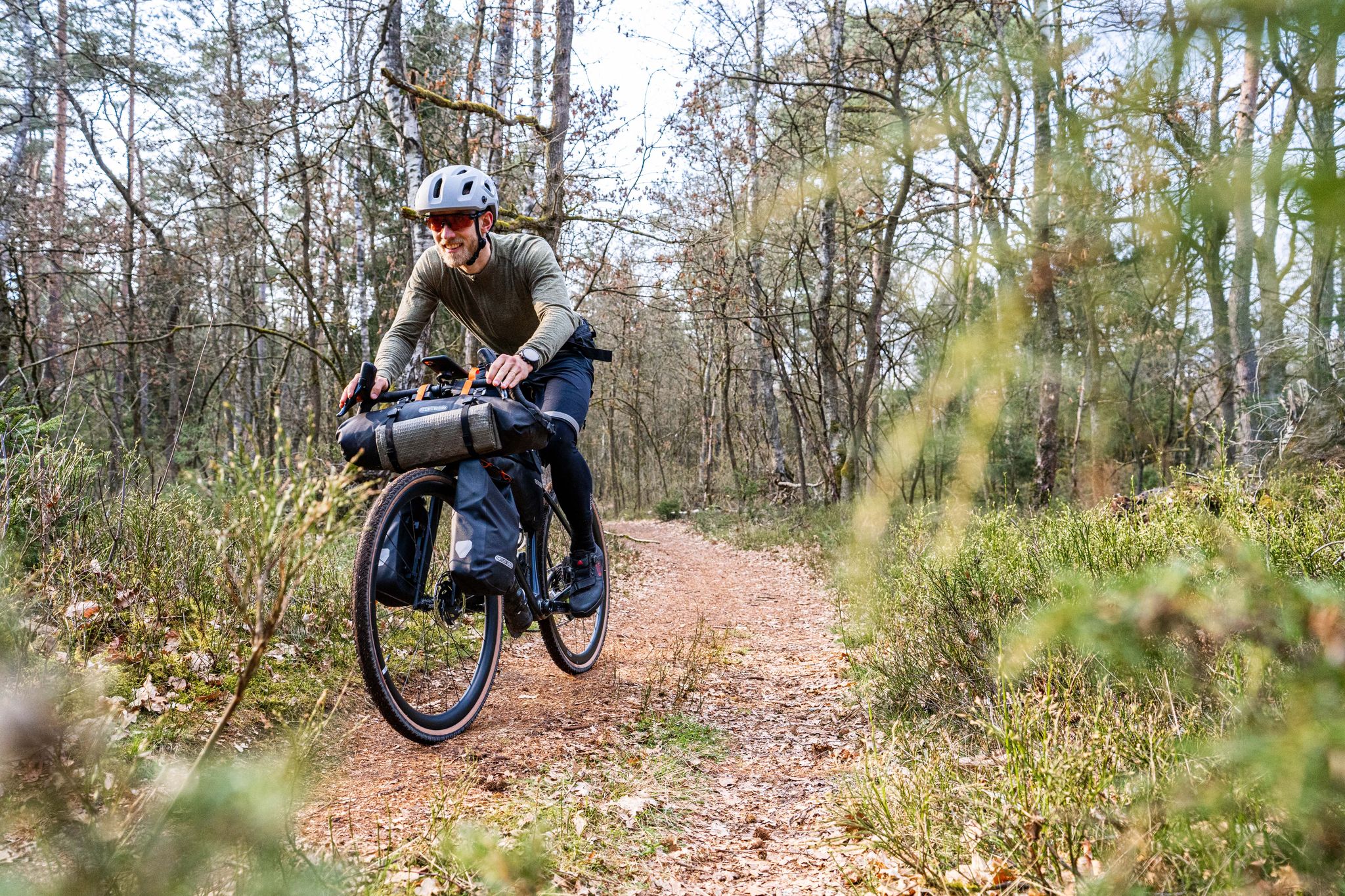
Gravel bikepacking from Hamburg to Munich
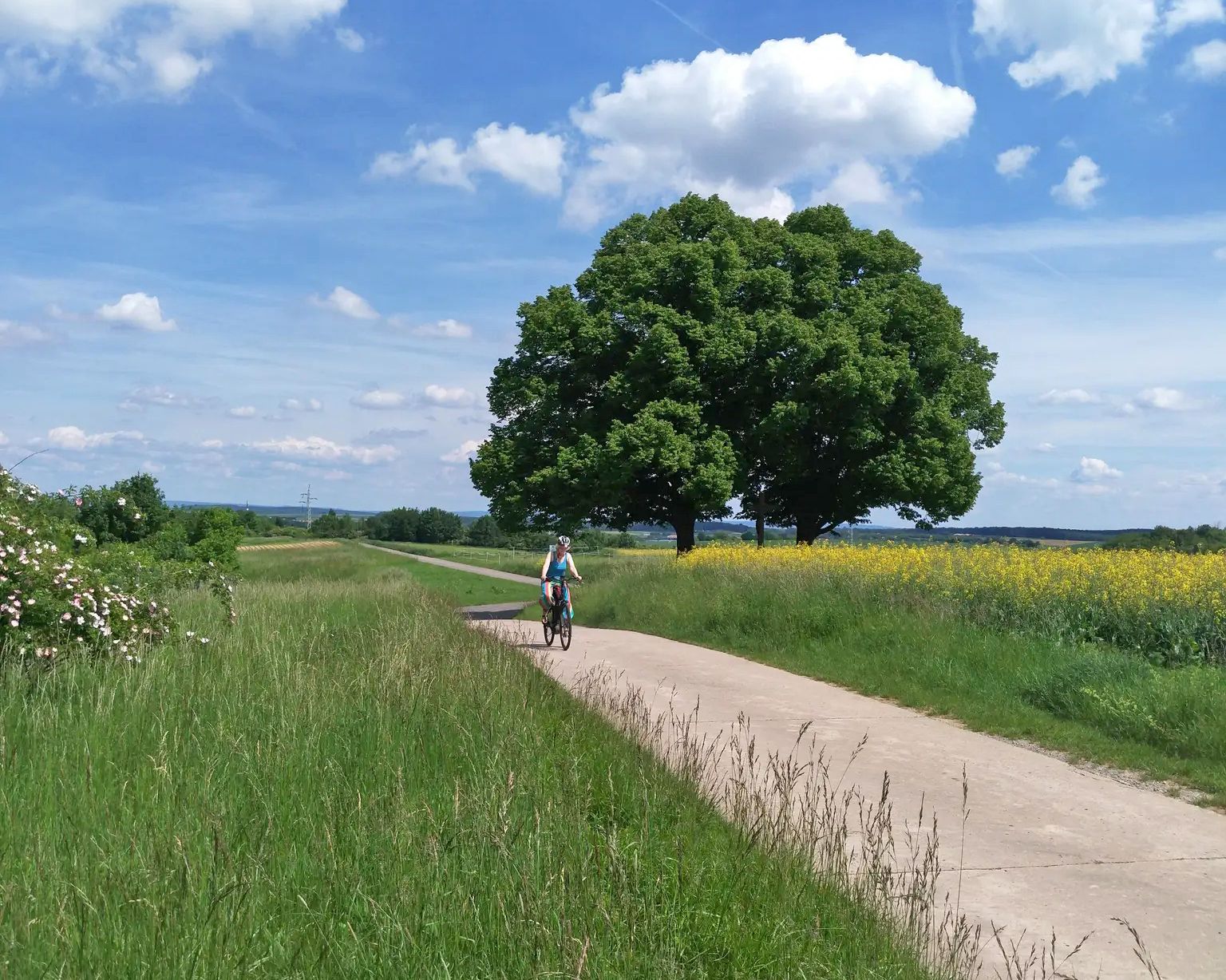
Main-Werra cycle path – From river to river
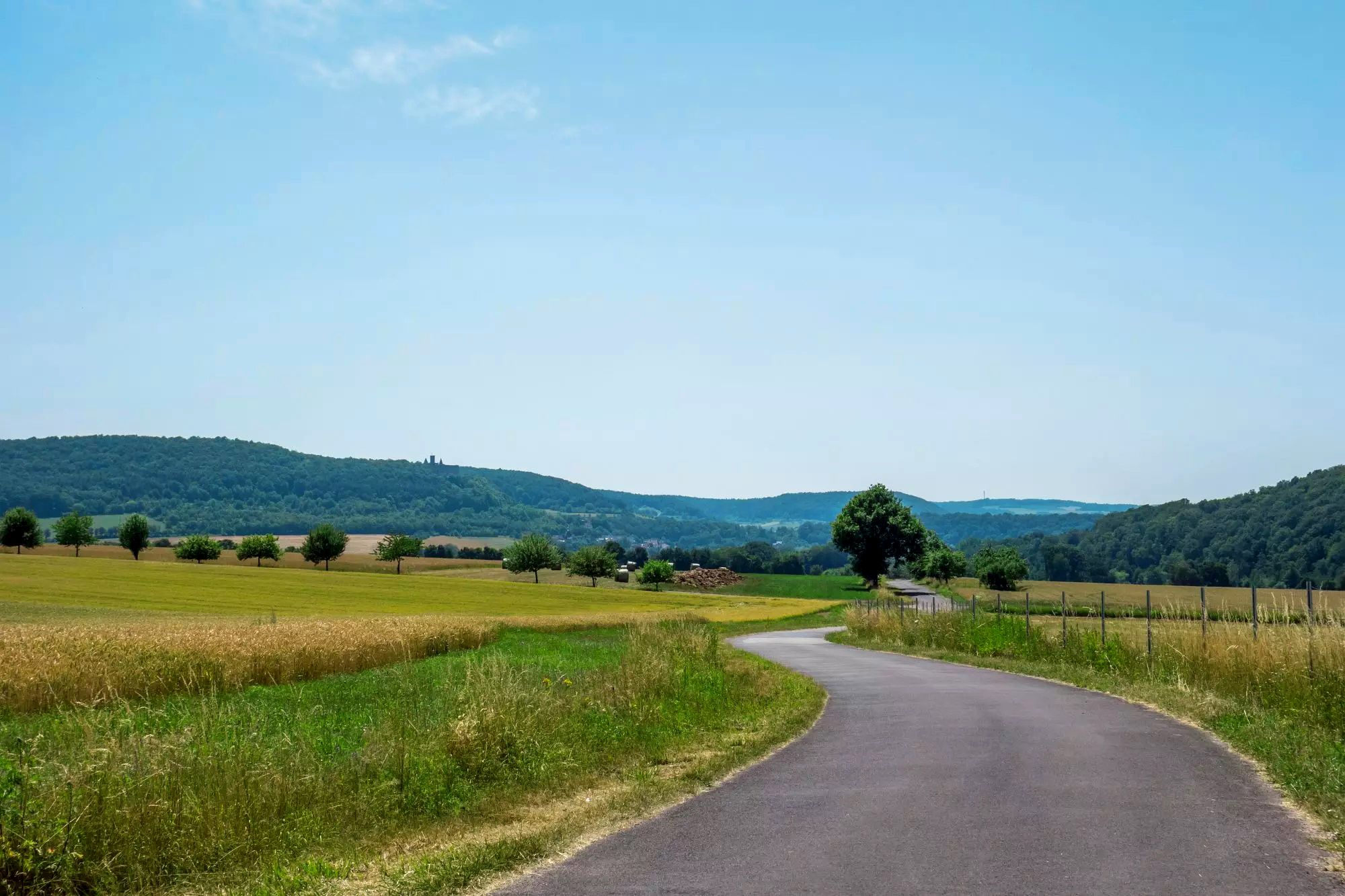
Rhön Cycleway in Germany – Cycling in the Land of Open Distances
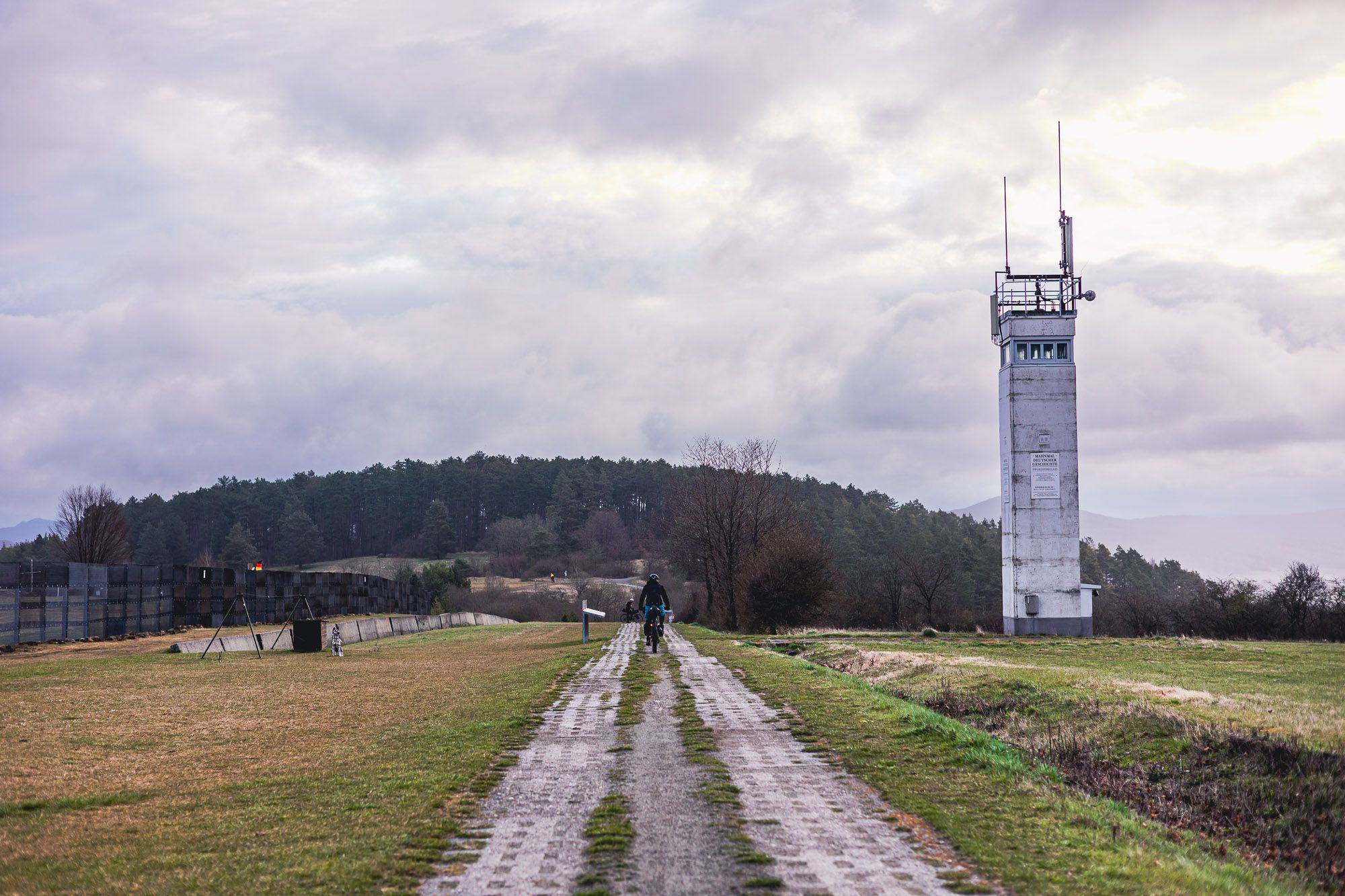
The Baltic Sea to Vogtland – 8 days along Germany's green former border
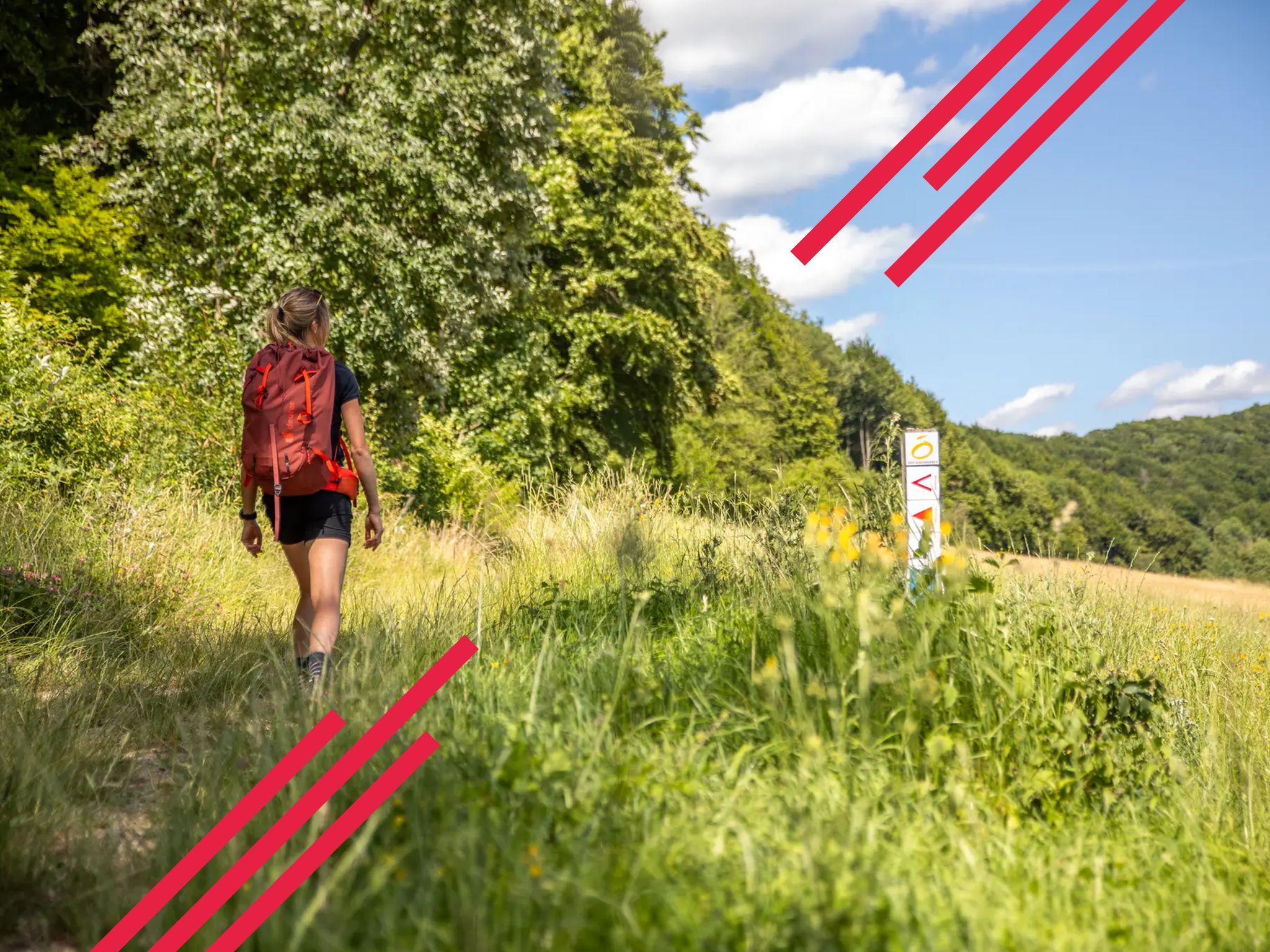
Stages of the HOCHRHÖNER Premium Hiking Trail
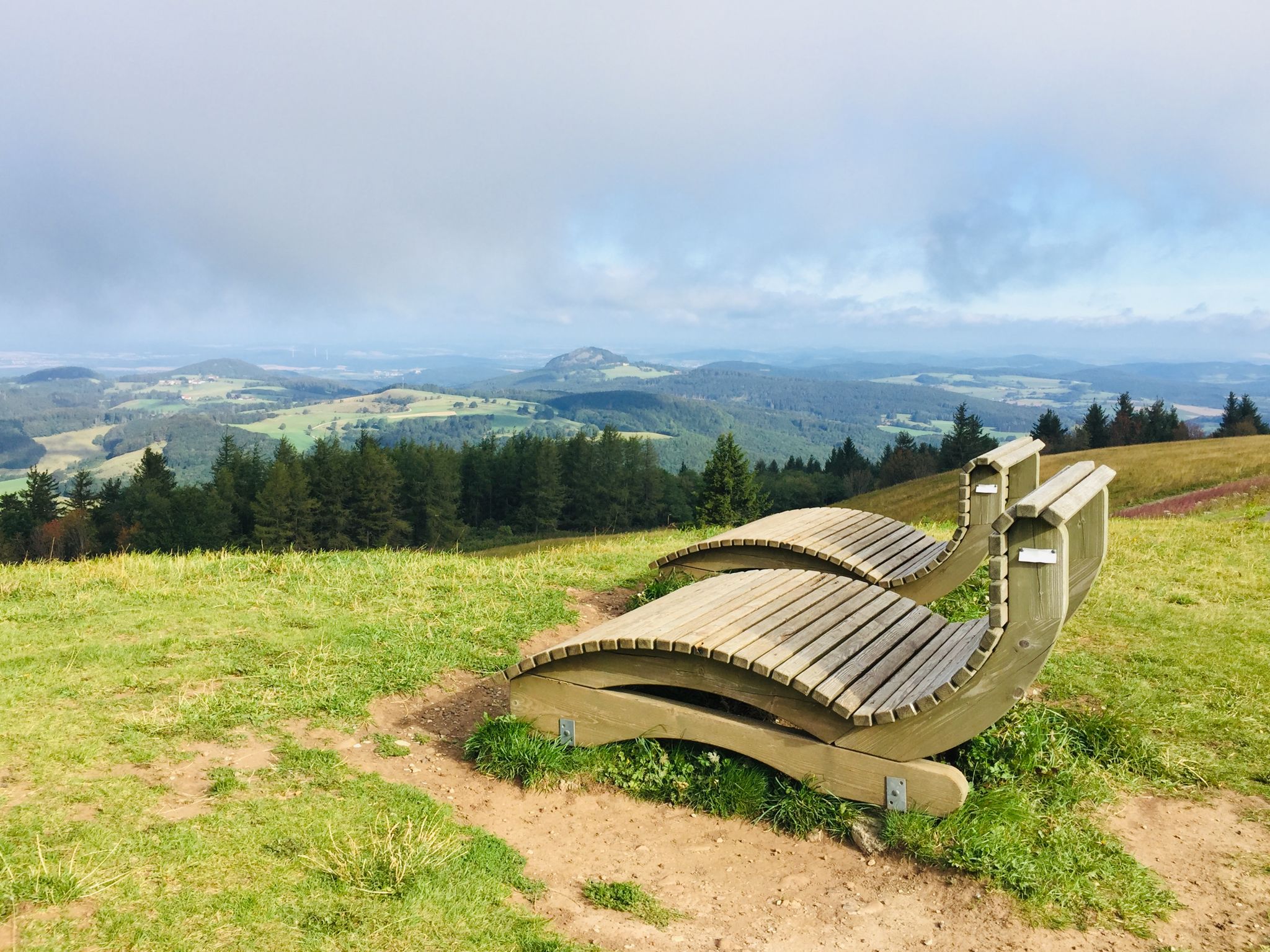
The National Natural Landscapes in Hessen
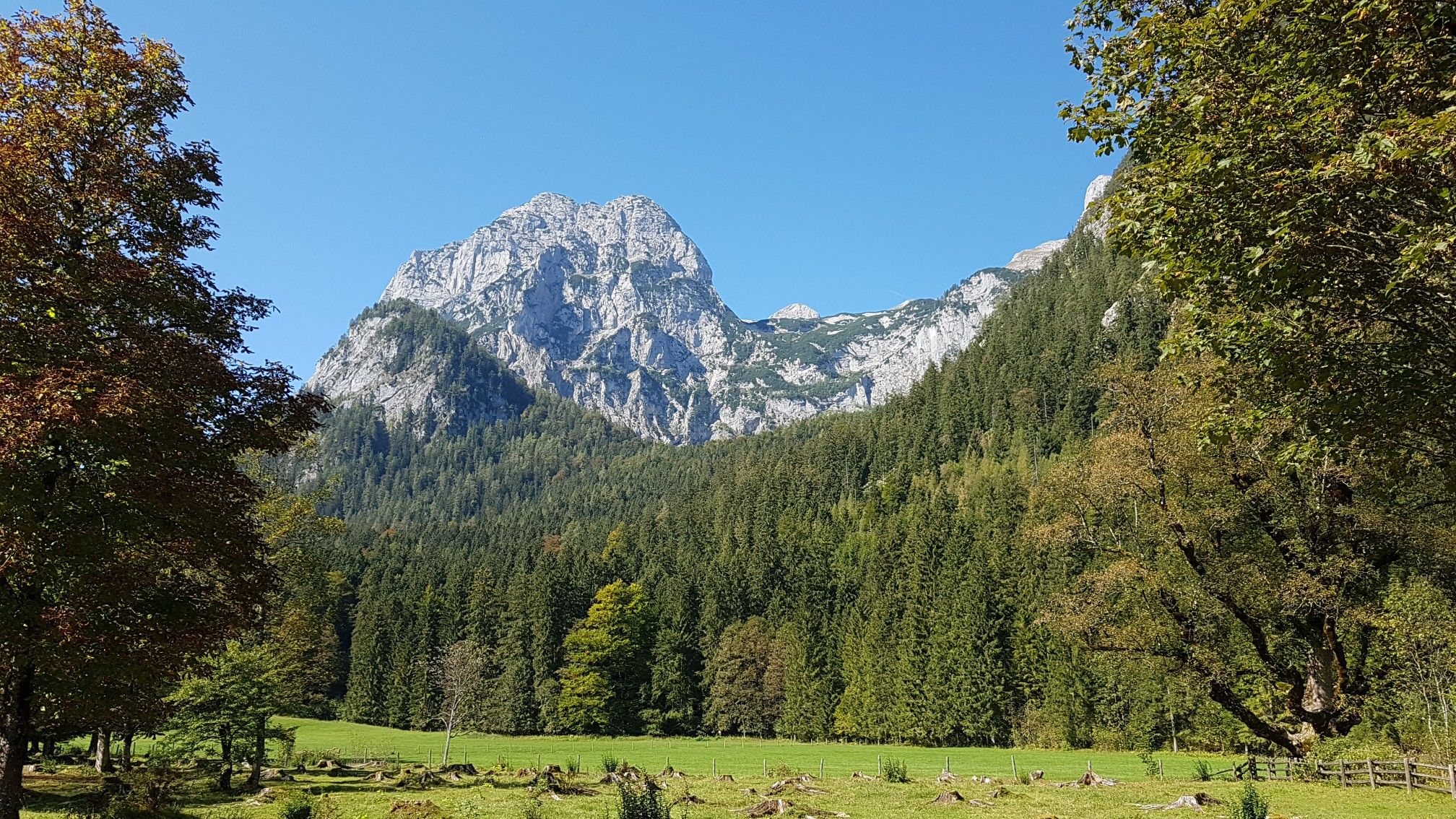
The National Natural Landscapes in Bavaria
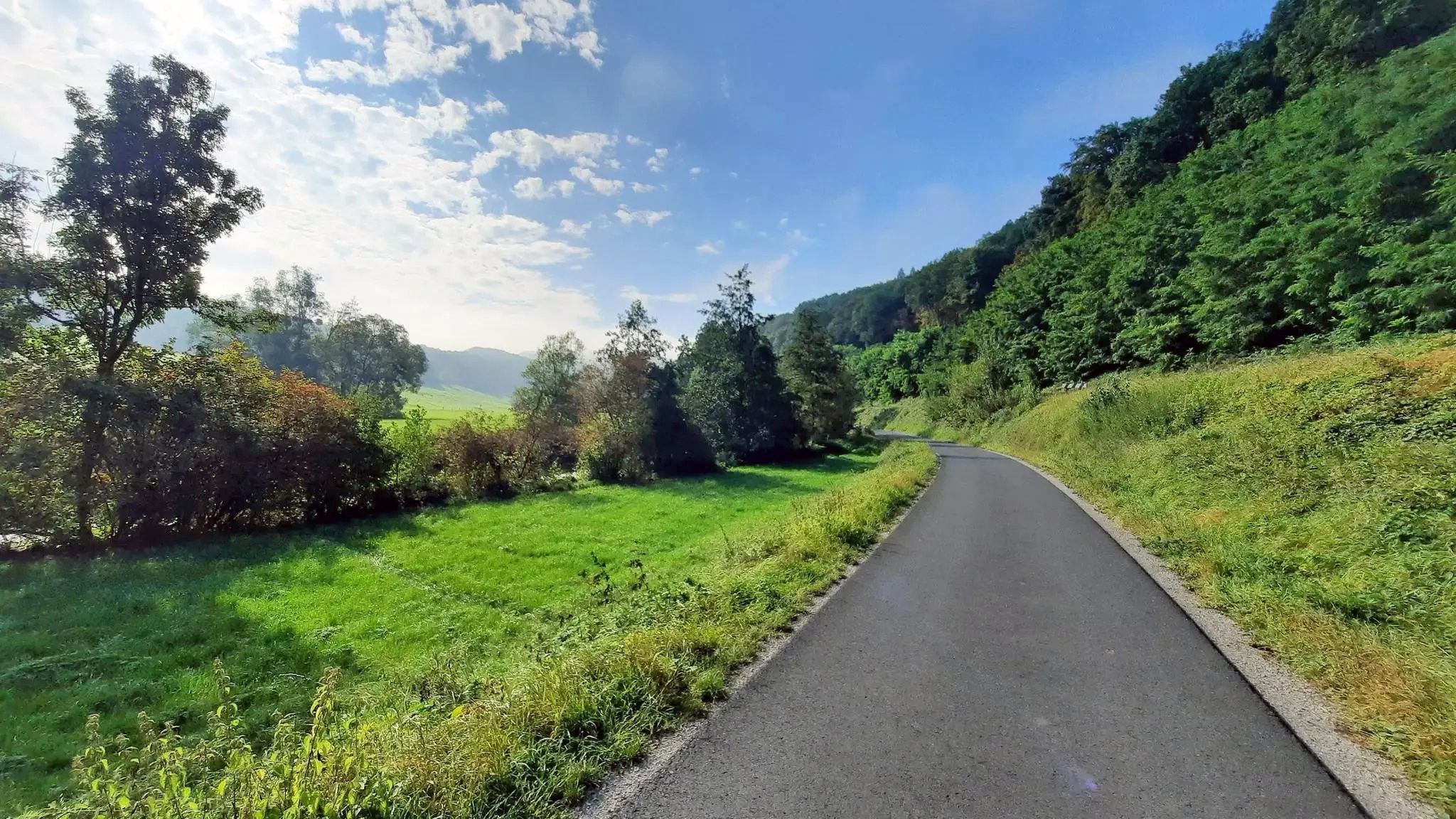
Ride from Grabfeld to the Main in Germany – Franconian Saale Cycle Route
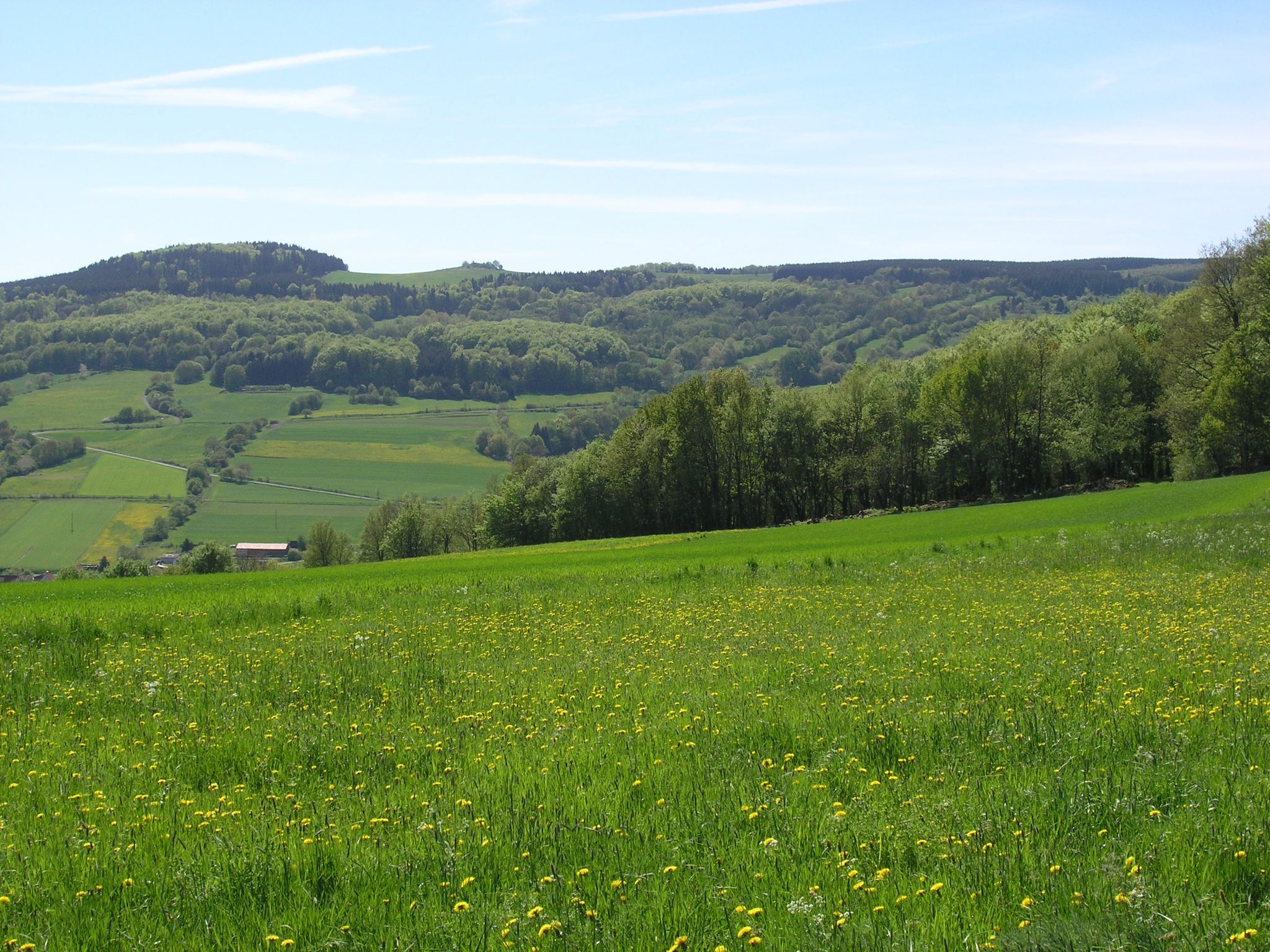
Extra tours South - Excellent premium hiking trails of the Rhön
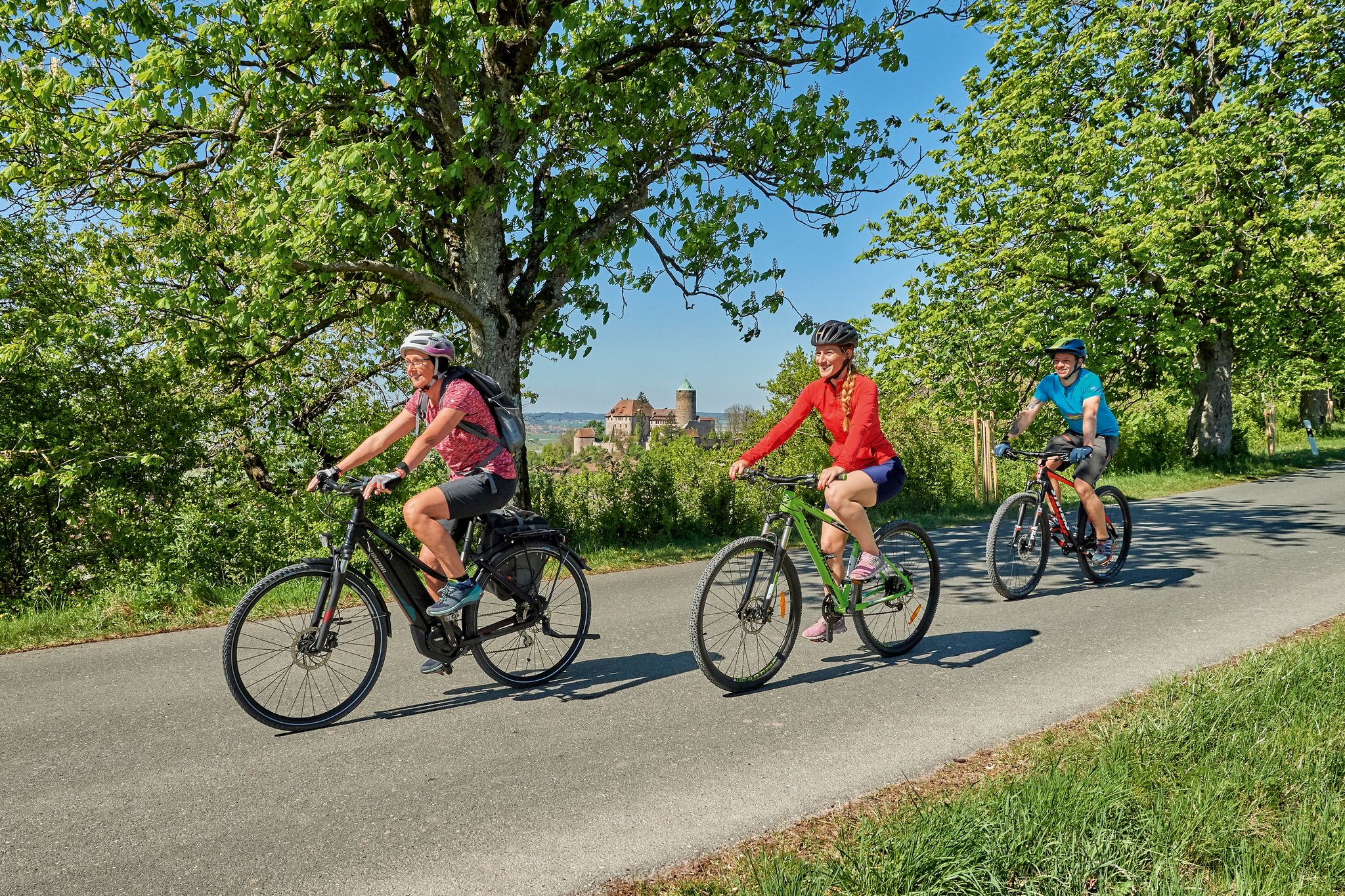
Sustainable cycling holidays — e-bike Tours through Franconia
Other adventures in Naturpark Bayerische Rhön


Tips from the Community

On the nature trail through the moor – a two-kilometer-long boardwalk – you can discover rare animal and plant species. The Black Moor is the best-preserved and still-growing raised bog in Germany's low mountain ranges. The moor is located in the Rhön Biosphere Reserve, in the border triangle of Bavaria, Hesse, and Thuringia – a unique cultural landscape in the heart of Germany. The area offers a wealth of exciting outdoor excursions. You can find more information here: https://nationale-naturlandschaften.de/gebiete/biosphaerenreservat-rhoen.
2
0

Even the strongest hiker needs a break sometimes 😀
6
0

Recently, you can now also collect a stamp for the summit pass from the Bischofsheim Tourist Information Center at Himmeldunk (6 stamps must be collected within 10 days to receive a certificate).
15
0

An oversized summit cross that is quite impressive. From there I have a wonderful view over the Rhön. There is also a summit book where you can register. A really nice sunny spot to linger. One of the most beautiful hikes in the Rhön that I have ever done. It is worth it! I've been there several times now.
11
2

With a height of almost 888 meters, it not only offers impressive views, but also a home for rare and protected plants and animals. The Himmeldunkberg can be reached via three different hiking trails, with the route from the Schwedenschanze on the B 279 being the easiest. Alternatively, Oberweißenbrunn or Bischofsheim also offer good starting points with parking facilities. The hike through the varied mixed forests of the Himmeldunkberg is an experience in itself. The forests offer pleasant shade, especially on hot days. The Schwarzbach, which babbles over basalt blocks and becomes a small waterfall at the Teufelsmühle, adds a calming element to the hike. Information boards provide information about local legends and stories. Once at the summit, a beautiful panorama awaits hikers. From here you have a wonderful view over Bischofsheim and the picturesque Brendtal, the Gleichberge, the Oberes Sinntal and as far as the Schachen in the distance. Although the Himmeldunkberg is relatively unfrequented, you will find a community of nature lovers here - from hikers and mountain bikers to model airplane pilots. It is important to use the marked paths out of respect for nature and local regulations. The path to the Himmeldunkberg is not overly demanding, apart from the "Hohe Hölle", a steep and strenuous climb. This means that the hike is also suitable for older children. It is advisable to take enough water and provisions with you, as there are no places to stop for refreshments on the mountain itself, apart from the Würzburger Bergbund hut, which is only open on weekends. The hike can also be easily combined with a detour to the Basaltsee or a tour through the Rote Moor.
7
0

Regardless of wind and weather, the group sits enthroned on the highest mountain in Franconia
18
0
Impressive Stations of the Cross… nothing out of the ordinary
15
1
A different face in every season, and even the time of day often makes it appear in new splendor... beautiful to look at... but you are rarely really alone here
7
0
Frequently Asked Questions
What are some of the most popular natural monuments in Naturpark Bayerische Rhön?
Among the most popular natural monuments are the Schwarzes Moor Nature Trail, which features a boardwalk through a significant raised bog, and the impressive Eisgraben Waterfall, especially striking after snowmelt. Visitors also frequently enjoy the Golgotha group (Three Crosses) on the Kreuzberg for its historical significance and panoramic views.
Are there family-friendly natural monuments to visit in Naturpark Bayerische Rhön?
Yes, several natural monuments are suitable for families. The Schwarzes Moor Nature Trail is particularly family-friendly with its two-kilometer-long boardwalk, making it easy to explore the unique moorland ecosystem. The Eisgraben Waterfall is also accessible and enjoyable for all ages.
What kind of unique natural features can I expect to see in Naturpark Bayerische Rhön?
Naturpark Bayerische Rhön is known for its diverse natural features, including significant moors like the Schwarzes Moor, striking basalt formations at sites like Gangolfsberg and Lösershag that showcase the region's volcanic past, and expansive treeless mountain ridges that offer unique panoramic views. You'll also find waterfalls, summits, and rich biodiversity.
What is the best time of year to visit the natural monuments in Naturpark Bayerische Rhön?
The Naturpark Bayerische Rhön offers beauty year-round. Spring is ideal for seeing the Eisgraben Waterfall at its fullest after snowmelt and for observing the awakening flora. Summer provides lush landscapes and pleasant hiking conditions. Autumn brings vibrant colors to the forests and clear views from the open ridges. Even winter offers a unique, serene experience, though some paths might be challenging due to snow.
What outdoor activities can I do near the natural monuments?
The region around the natural monuments is excellent for various outdoor activities. You can find numerous hiking trails, including easy routes like the Schwarzes Moor Nature Trail. There are also opportunities for running and gravel biking, allowing you to explore the diverse landscapes.
Are there any educational trails or opportunities to learn more about the local nature?
Yes, the Naturpark Bayerische Rhön features several educational trails. The Schwarzes Moor Nature Trail is a prime example, with informative boards explaining the unique Ice Age flora and rare animal species of the moor. There's also a primeval forest educational trail at Lösershag, providing insights into the region's ecology and geology.
What are the best viewpoints to experience the 'Land of the Open Distances'?
To truly experience the 'Land of the Open Distances,' head to the largely unwooded peaks and ridges. The Himmeldunkberg summit offers a wide, expansive view, and the Heidelstein summit provides breathtaking panoramas over the Lange Rhön. The Golgotha group on the Kreuzberg also provides excellent distant views, including the Wasserkuppe.
Can I find any historical or cultural sites among the natural monuments?
While primarily focused on natural beauty, some sites blend natural and cultural significance. The Golgotha group (Three Crosses) on the Kreuzberg is a notable example, featuring stone crosses that are part of a Way of the Cross, set against a backdrop of natural beauty and offering wide views.
What do visitors enjoy most about the natural monuments in Naturpark Bayerische Rhön?
Visitors frequently praise the unique natural beauty and tranquility. They particularly enjoy the well-maintained boardwalks at places like the Schwarzes Moor Nature Trail, the dramatic geological formations, and the breathtaking panoramic views from summits like Himmeldunkberg and Heidelstein. The opportunity to witness rare ecosystems and the sense of vastness are also highly valued.
Are there any less crowded natural monuments or hidden gems in the area?
While popular sites like the Schwarzes Moor are well-visited, the extensive nature of the Rhön offers many quieter spots. Exploring the basalt formations at Lösershag, for instance, can provide a more secluded experience of the region's volcanic past. Venturing off the most popular trails into the broader areas of the Lange Rhön and Schwarze Berge will also lead to serene, less crowded natural landscapes.
Are there any specific considerations for wildlife spotting in Naturpark Bayerische Rhön?
Naturpark Bayerische Rhön is a UNESCO Biosphere Reserve, home to diverse wildlife, including endangered species like the red kite and wildcat. For the best chance of spotting wildlife, visit during quieter times of day, such as early morning or late afternoon. Staying on designated paths and observing from a distance helps protect the animals and their habitats. Areas like the Schwarzes Moor, with its unique ecosystem, can be good for observing specialized species.
How long should I plan for a visit to the natural monuments in the Rhön?
The duration of your visit depends on how many sites you wish to see and your activity level. For a focused visit to one or two key natural monuments like the Schwarzes Moor Nature Trail or the Eisgraben Waterfall, a few hours to half a day might suffice. To explore multiple sites, hike extensively, and fully immerse yourself in the 'Land of the Open Distances,' a full day or even a weekend would be more rewarding.
Most popular routes in Naturpark Bayerische Rhön
Most popular attractions in Naturpark Bayerische Rhön

Get inspired with the komoot mobile app


Explore more
Extend your search for the best caves by checking out these guides of the top ones in Naturpark Bayerische Rhön:
