Top 4 Natural Monuments in Graburg
Natural monuments in Graburg, located in Germany's northern Hessian Ringgau region, are characterized by unique geological formations and rich biodiversity. The area features prominent shell limestone cliffs and rock formations, which formed over two hundred million years ago from shallow sea deposits. Graburg is a vital habitat for numerous rare plant and animal species, including Hesse's largest yew tree population and orchid-rich calcareous grasslands. This protected area offers a glimpse into millions of years of geological history and provides opportunities…
Last updated: October 8, 2026
Schäferburg Limestone Cliffs
Highlight • Natural Monument
Translated by Google •
Tip by

Schaeferburg Rock Formation
Highlight • Natural Monument
Translated by Google •
Tip by

Sign up now to discover places like this
Get recommendations on the best single tracks, peaks, & plenty of other exciting outdoor places.
View from the Rabenkuppe
Highlight • Viewpoint
Translated by Google •
Tip by

Ridge trail on the Graburg
Highlight (Segment) • Trail
Translated by Google •
Tip by
Start today with a free account
Your next adventure awaits.

Other adventures in Graburg

Tips from the Community

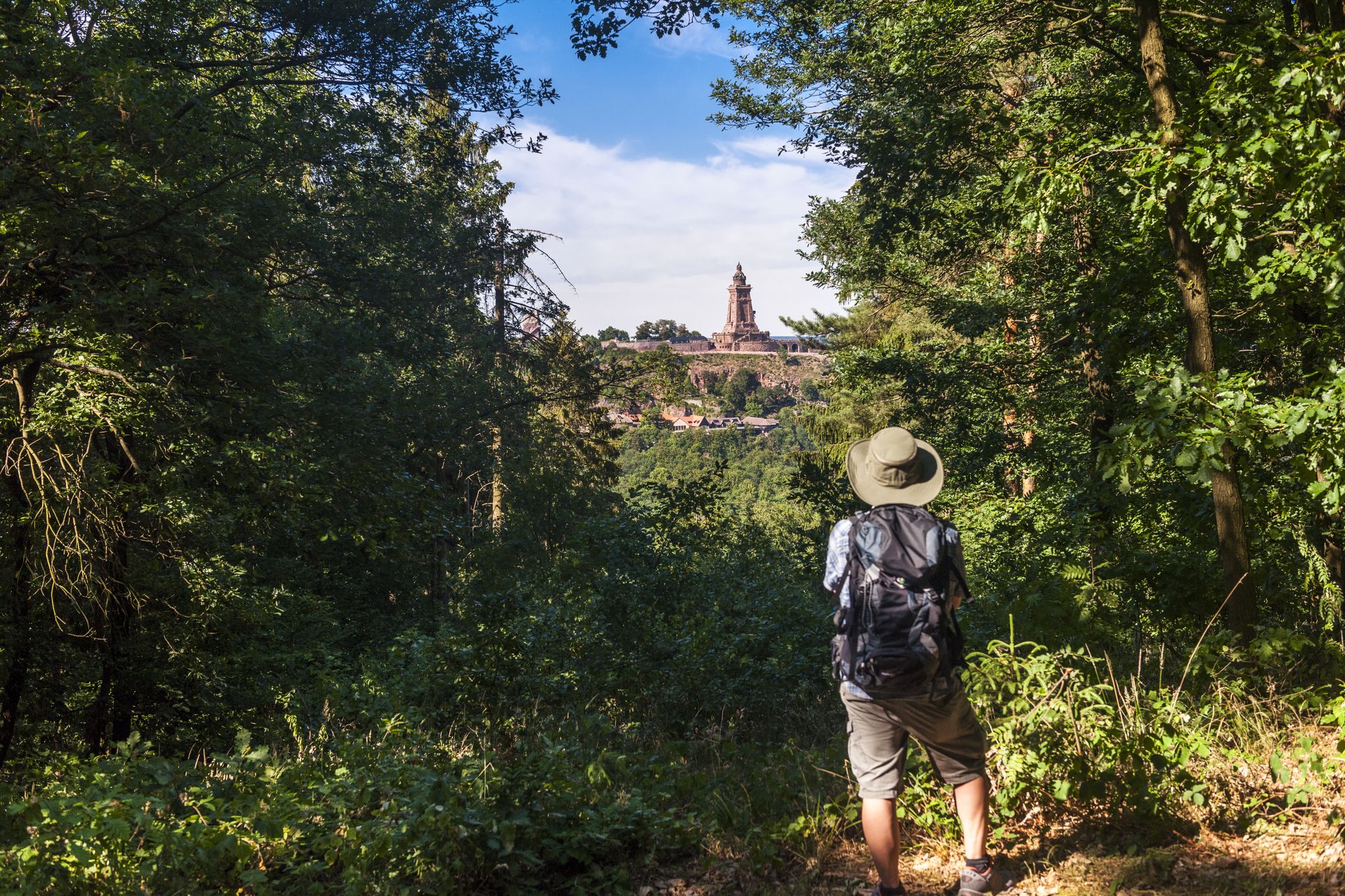
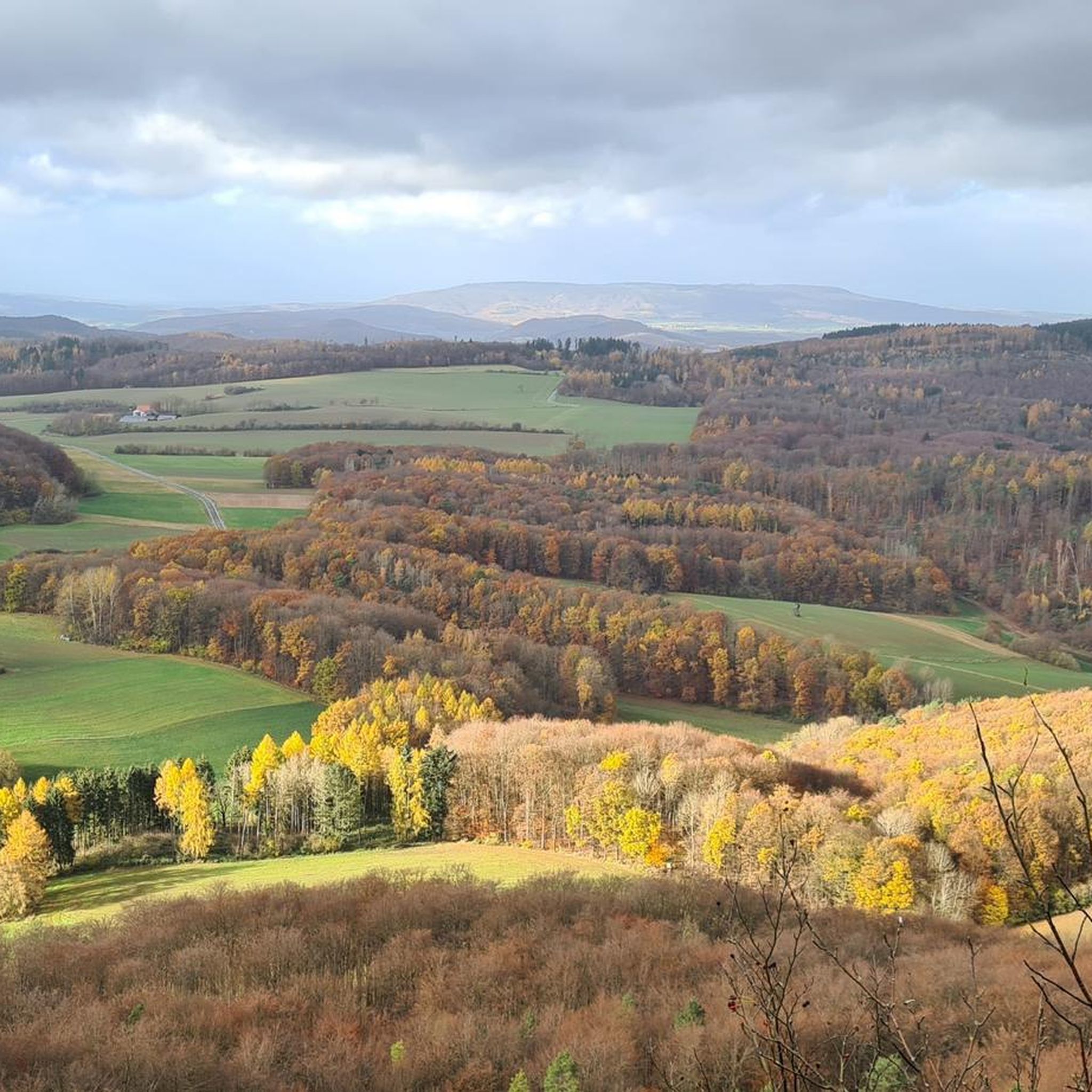
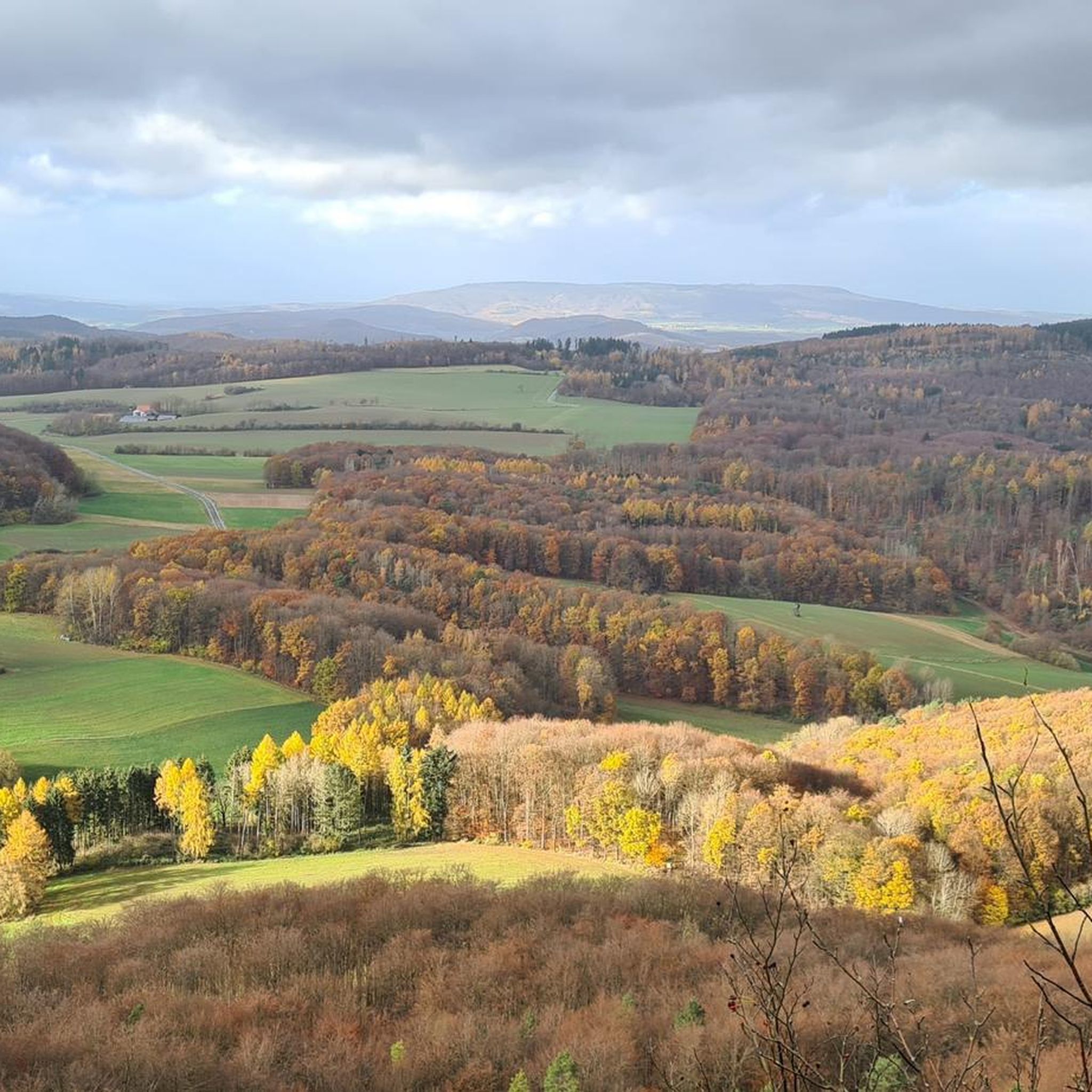
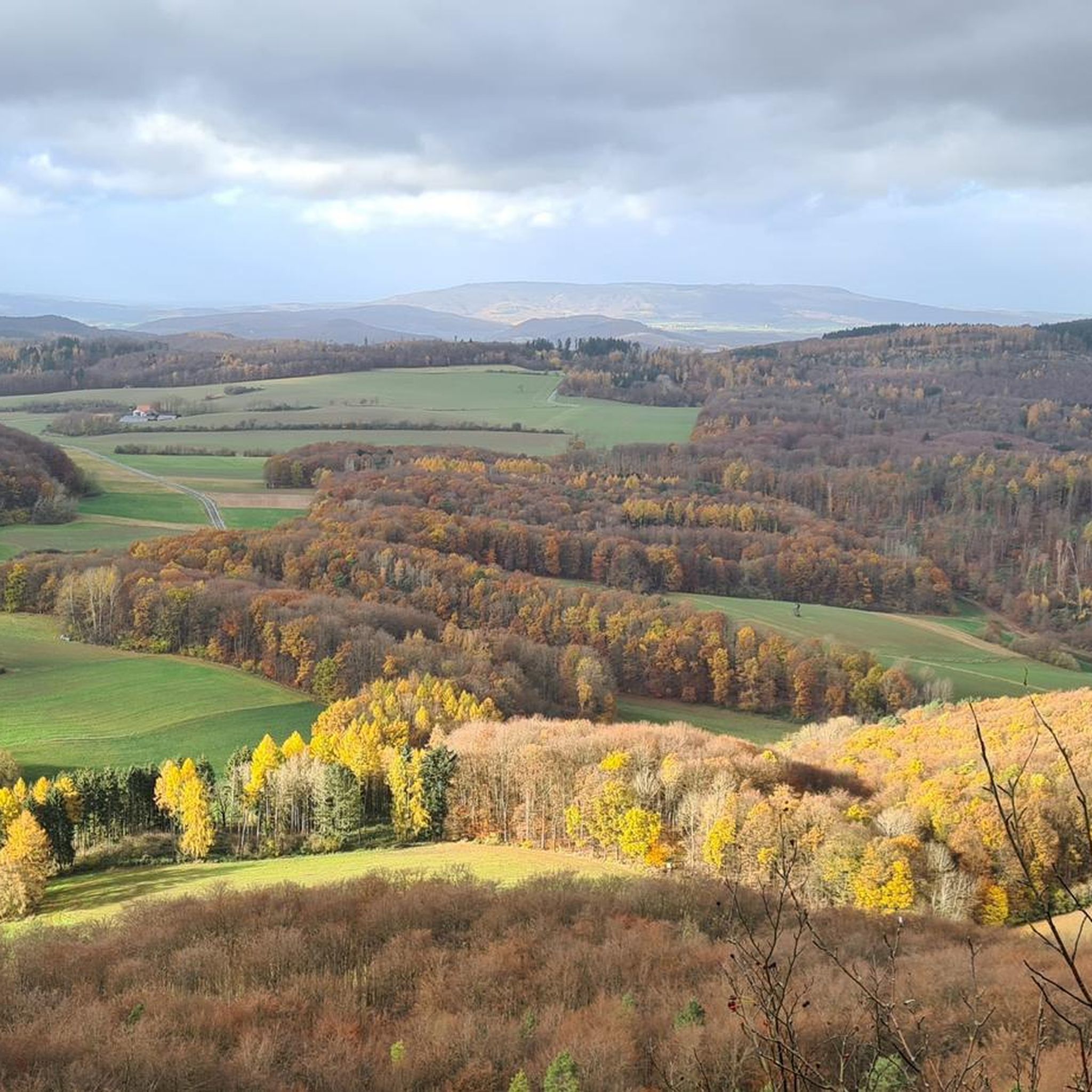
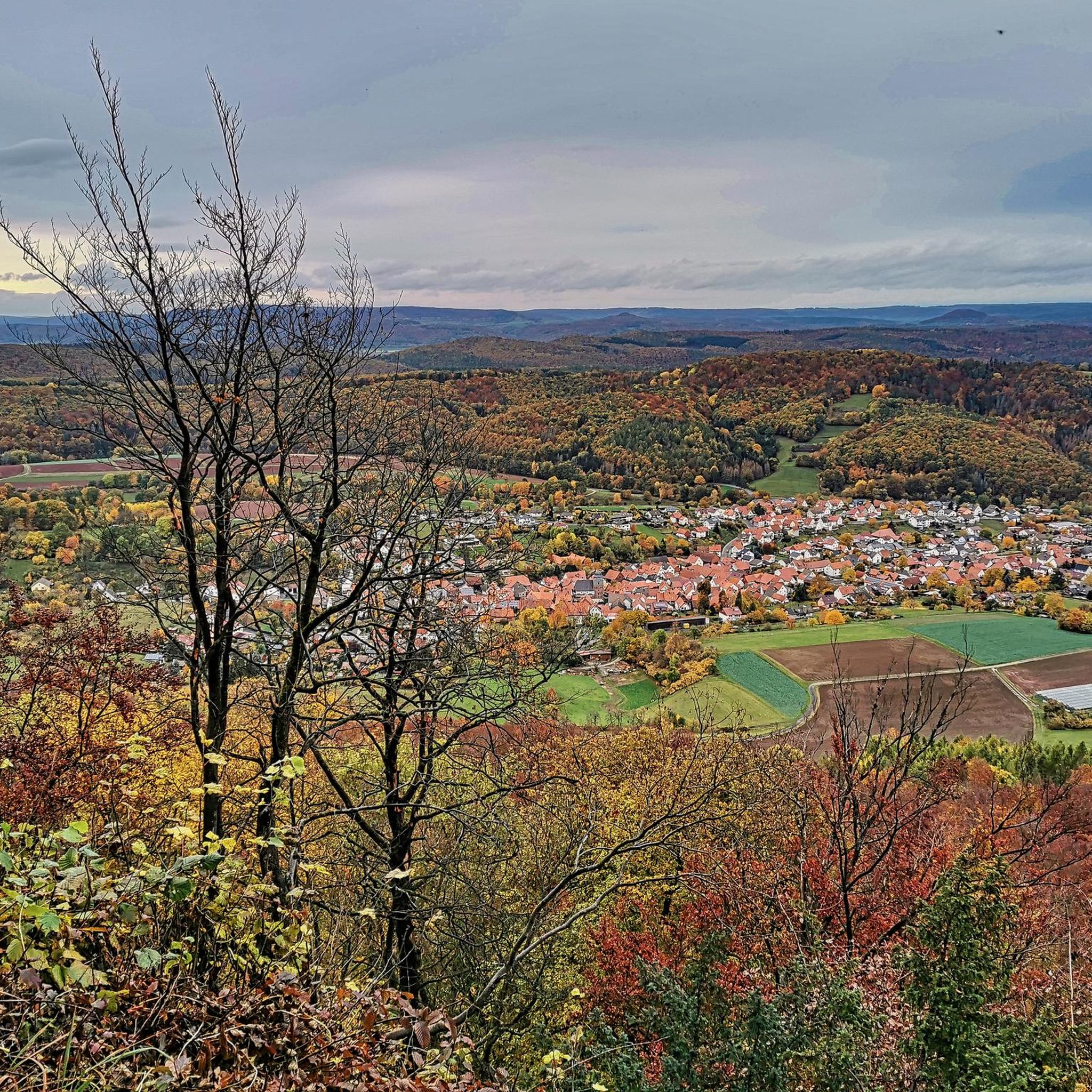
From the Rabenkuppe you have a wonderful view of the landscape.
0
0

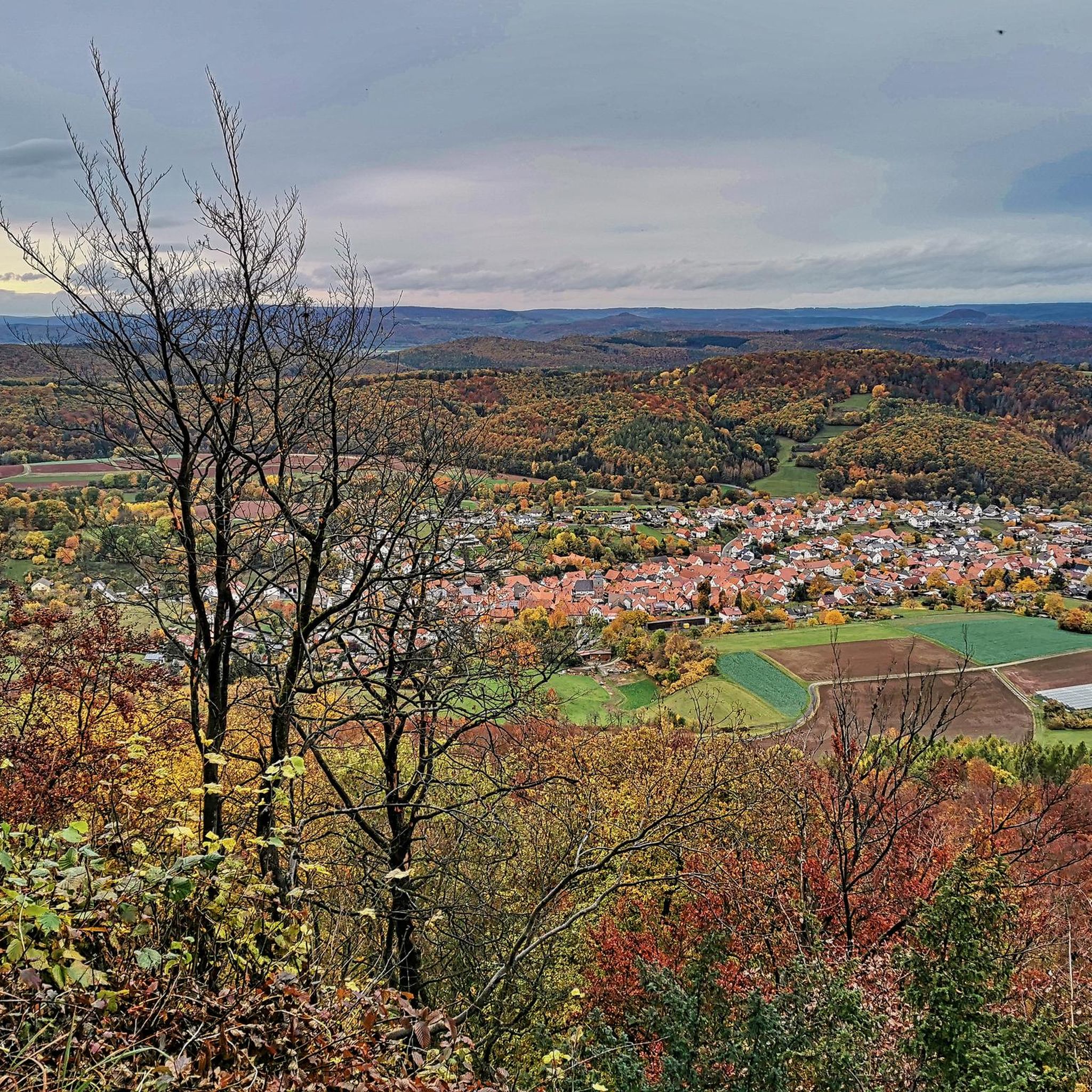
You imagine a "clear viewpoint," but then you find yourself facing a narrow path leading to an embankment. You can catch a glimpse of the valley through the branches. Still very beautiful!
2
0

The Schäferburg (Shepherd's Castle) likely got its name from the steep, towering rock faces, which suggest the presence of a castle. However, no castle ever stood here. Nevertheless, a legend tells of the Schäferburg being destroyed in a war. Only the lord's daughter is said to have escaped. On moonlit nights, one can supposedly watch a fair-haired maiden spinning and weaving a bridal veil in the Königstal (King's Valley). After finishing her work, she walks towards the Schäferburg. However, the sound of the night watchman's horn indicates that she is late and must begin her work again on the next moonlit night. Only a wisp of mist remains of her appearance.
1
1
The Schäferburg (Shepherd's Castle) likely got its name from the steep, towering rock faces, which suggest the presence of a castle. However, no castle ever stood here. Nevertheless, a legend tells of the Schäferburg being destroyed in a war. Only the lord's daughter is said to have escaped. On moonlit nights, one can supposedly watch a fair-haired maiden spinning and weaving a bridal veil in the Königstal (King's Valley). After finishing her work, she walks towards the Schäferburg. However, the sound of the night watchman's horn indicates that she is late and must begin her work again on the next moonlit night. Only a wisp of mist remains of her appearance.
2
1

A stunning rock formation worth a short detour from P15. However, you'll need to be sure-footed when exploring the area, especially if you want to climb up and down the rocks.
1
0

If you hike along the P15, you circle the limestone cliffs of the Shepherd's Castle on the descent and ascent. Clearly visible is the shell limestone, which was formed from the deposits of a shallow sea more than two hundred million years ago.
2
1
The mountains of the Ringgau consist mainly of shell limestone, which was formed from the deposits of a shallow sea more than two hundred million years ago. When hiking on the P15 you can clearly see these deposits at the shepherd's castle that you walk over/around.
2
1
A beautiful ridge path to hike between Erika Hütte and Schäferburg. On the one hand, it always offers beautiful viewpoints, and you can also find individual ARS Natura works of art along the path.
1
0
Frequently Asked Questions
What geological features can I explore at Graburg's natural monuments?
Graburg is renowned for its unique geological formations, primarily composed of shell limestone. These formations, such as the Schaeferburg Rock Formation and the Schäferburg Limestone Cliffs, formed over two hundred million years ago from the deposits of a shallow sea. You can clearly observe these ancient layers while hiking the trails.
What kind of biodiversity can I expect to see in Graburg?
Graburg is a vital habitat for numerous rare and endangered animal and plant species. It features significant populations of orchid-rich calcareous grasslands, the largest yew tree population in Hesse, and extensive rockfalls with unique blue grass scree slopes. The many caves within the rocky areas also serve as crucial winter roosts for endangered bat species.
Are there good hiking opportunities to experience the natural monuments?
Yes, Graburg offers excellent hiking opportunities. The area features well-regarded trails like the 'P15 Graburg' premium hiking trail, a 14 km circular route. While classified as moderately difficult due to steep ascents, descents, and narrow forest paths, it allows visitors to immerse themselves in the diverse landscapes and observe the natural monuments up close. For easier options, you can find routes like the Schäferburg Limestone Cliffs – Schaeferburg Rock Formation loop.
What are some of the most scenic viewpoints in the Graburg natural monuments area?
One of the most popular scenic spots is the View from the Rabenkuppe, which offers an impressive panorama over the Ringgau to the Meißner. Additionally, the Ridge trail on the Graburg provides beautiful viewpoints along its path between Erika Hütte and Schäferburg.
What is the best time of year to visit Graburg's natural monuments?
The natural monuments in Graburg offer beauty throughout the year. Spring and summer are ideal for experiencing the rich biodiversity, including orchid-rich grasslands. Autumn provides stunning foliage in the calcareous beech forests. While specific winter activities aren't detailed, the geological formations and views remain impressive, though some trails might be more challenging.
Are there family-friendly trails or activities around Graburg's natural monuments?
While the 'P15 Graburg' trail is moderately difficult, there are easier hiking options available. For family walks, you can explore routes like the Schäferburg Limestone Cliffs – Schaeferburg Rock Formation loop or the View from the Rabenkuppe – Graburg loop, which are classified as easy hikes.
What other outdoor activities can I do near the natural monuments in Graburg?
Beyond hiking, Graburg offers opportunities for cycling and mountain biking. You can find various routes for cycling in Graburg, including moderate loops like the Rittergut Völkershausen tour. For more adventurous riders, there are several MTB trails in Graburg, ranging from easy to difficult, such as the View from Lotzenkopf loop.
What makes the Schäferburg area particularly interesting?
The Schäferburg area is notable for its prominent shell limestone cliffs and rock formations, which are a testament to millions of years of geological history. Visitors can hike along the Schäferburg Limestone Cliffs and observe the ancient sea deposits. Local legends also add a touch of mystery to the area, telling tales of a maiden spinning a bridal veil in the Königstal.
What do visitors enjoy most about the natural monuments in Graburg?
Visitors frequently praise the impressive geological formations, particularly the shell limestone cliffs and rock formations that offer a glimpse into ancient history. The panoramic views from spots like the Rabenkuppe are also highly appreciated. Many enjoy the well-maintained hiking paths that allow for close encounters with the diverse natural beauty and unique biodiversity of the region.
Are there any unique natural features besides the limestone cliffs?
Yes, beyond the striking shell limestone cliffs, Graburg is home to extensive natural calcareous beech forests and significant rockfalls. These rockfalls feature unique blue grass scree slopes. The area also boasts Hesse's largest yew tree population, contributing to its distinct natural character and ecological importance.
What is the difficulty level of hiking trails in Graburg?
Hiking trails in Graburg vary in difficulty. The popular 'P15 Graburg' premium hiking trail is considered moderately difficult due to its steep ascents, descents, and narrow forest paths. However, there are also easy hikes available, such as shorter loops around the natural monuments, making the area accessible for different fitness levels.
Most popular routes in Graburg
Most popular attractions in Graburg

Get inspired with the komoot mobile app


Explore more
Extend your search for the best caves by checking out these guides of the top ones in Graburg:
