Top 20 Natural Monuments in Bergpark Wilhelmshöhe
Natural monuments in Bergpark Wilhelmshöhe are integral to this UNESCO World Heritage site, known for its unique blend of art, architecture, and nature. The park's dramatic hillside setting and the strategic integration of natural elements, particularly water resources, define its landscape. It showcases a monumental experience where natural topography is masterfully combined with engineered features. This creates a diverse environment ranging from grand Baroque water displays to more untamed Romantic-era waterfalls.
Best natural monuments in Bergpark Wilhelmshöhe
- The most popular…
Last updated: November 18, 2026
Hercules Monument, Wilhelmshöhe Mountain Park
Highlight • Monument
Translated by Google •
Tip by

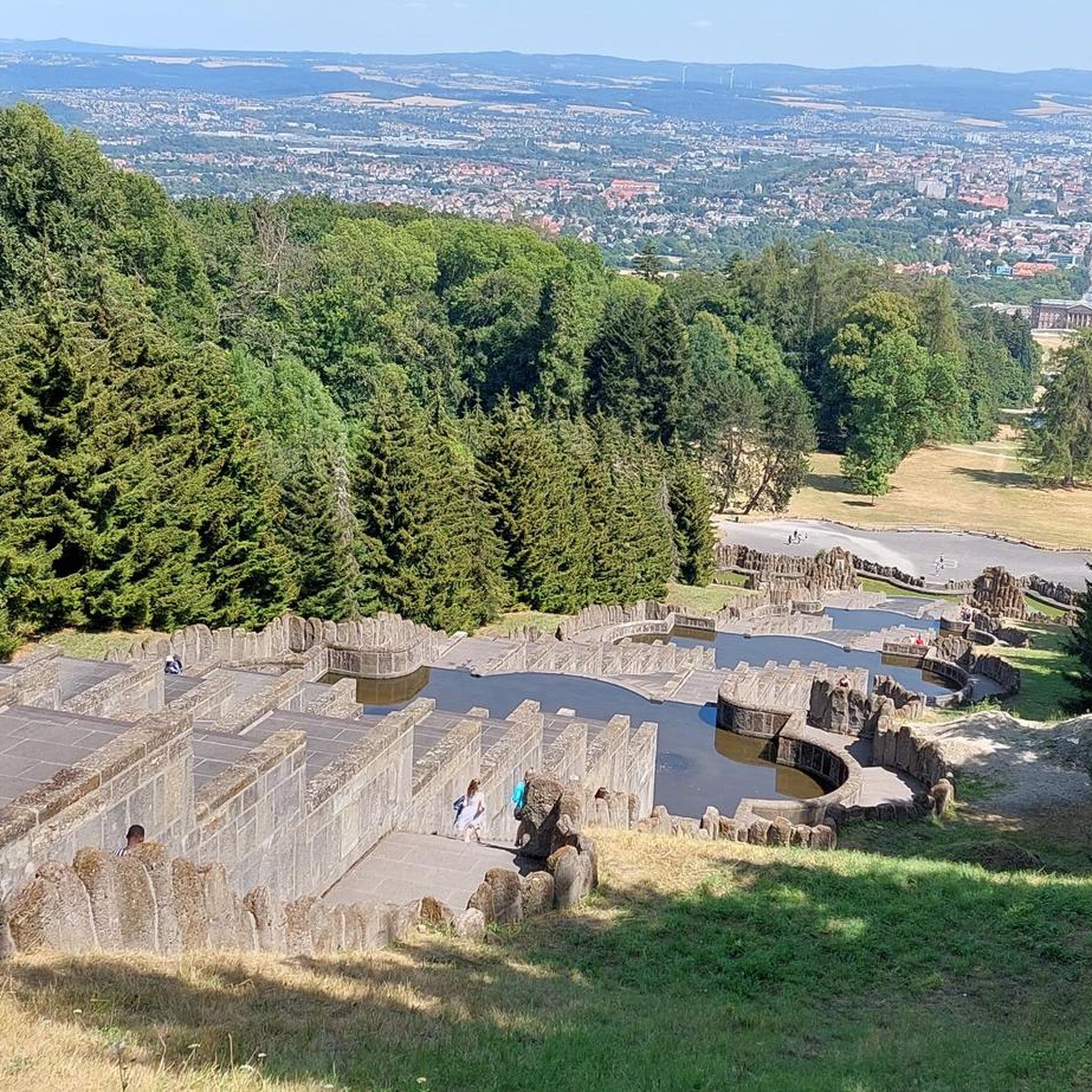
Neptune Basin and the Cascades, Bergpark Wilhelmshöhe
Highlight • Monument
Translated by Google •
Tip by

Sign up now to discover places like this
Get recommendations on the best single tracks, peaks, & plenty of other exciting outdoor places.
Höllenteich
Highlight • Lake
Translated by Google •
Tip by

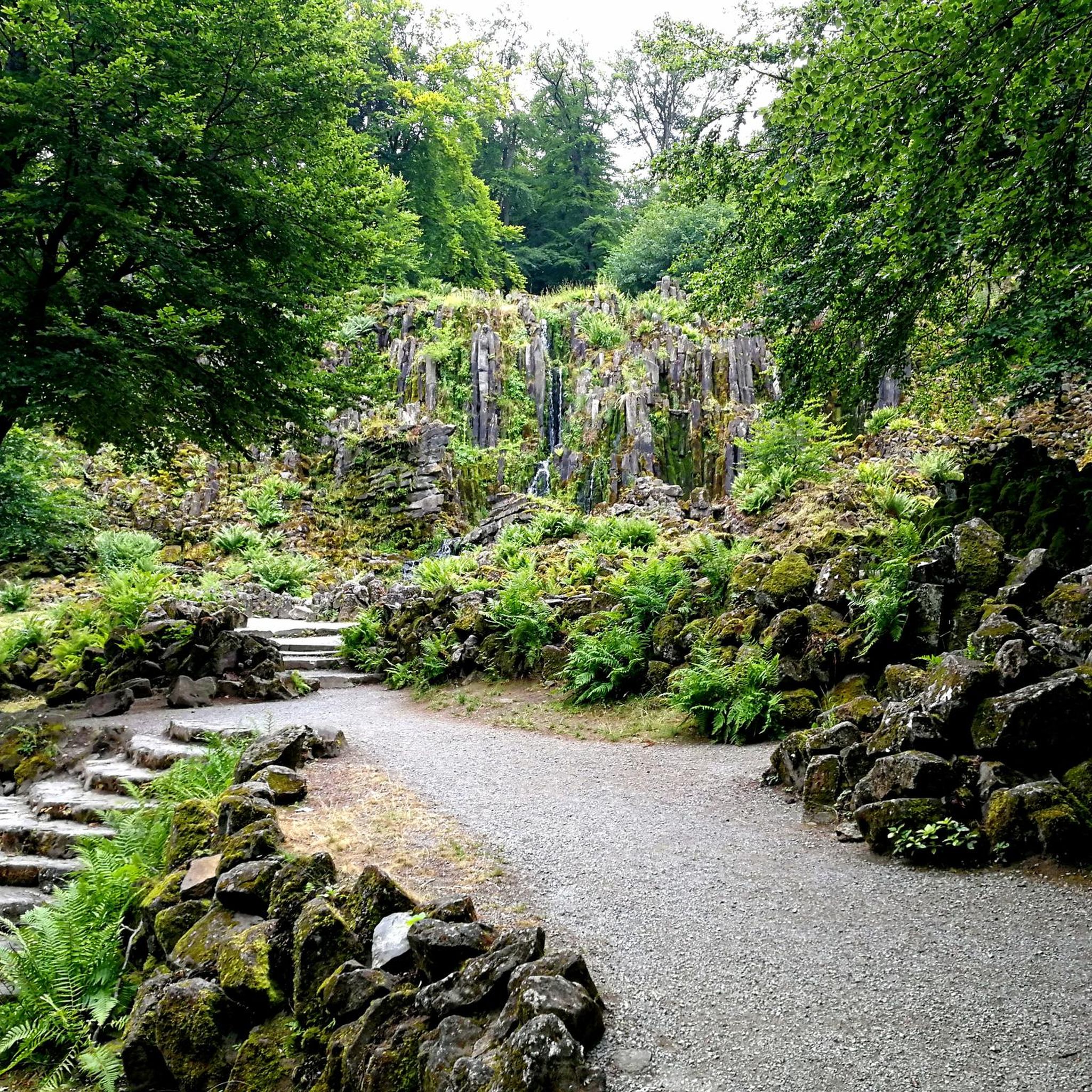
Steinhöfer Waterfall
Highlight • Waterfall
Translated by Google •
Tip by

View of the Teufelsbrücke and waterfall
Highlight • Bridge
Translated by Google •
Tip by
Sign up for free to discover even more natural monuments in Bergpark Wilhelmshöhe.
Already have an account?
Start today with a free account
Your next adventure awaits.
Popular around Bergpark Wilhelmshöhe
Hike the Fairy Tale Route – Enchanting days in Germany
Ederseeweg trail — three stages from the city to the lake
#GoFurther – discover the views of Germany!
Road Cycling Routes in Bergpark Wilhelmshöhe
Hiking in Bergpark Wilhelmshöhe
Gravel biking in Bergpark Wilhelmshöhe
MTB Trails in Bergpark Wilhelmshöhe
Running Trails in Bergpark Wilhelmshöhe
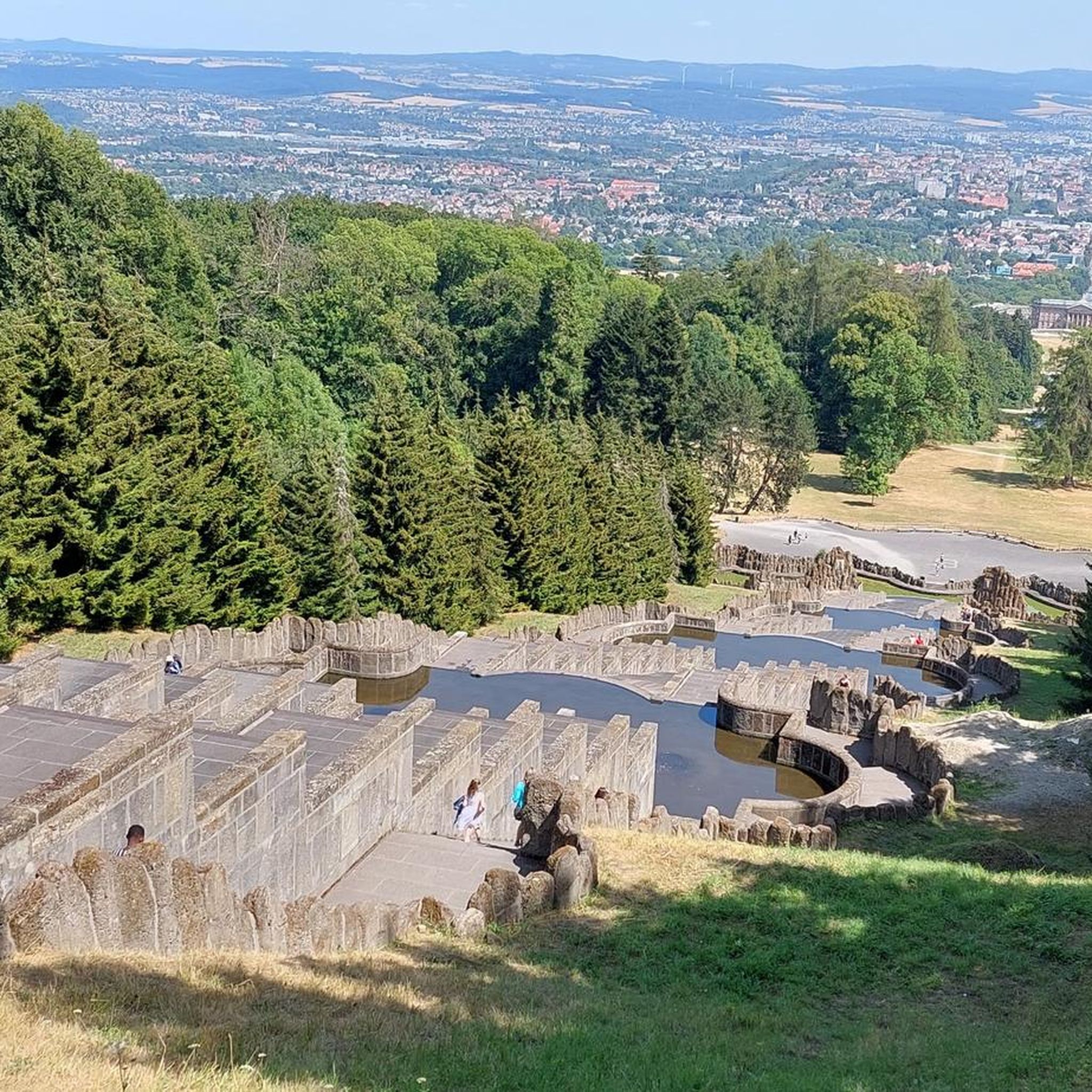
Cycling in Bergpark Wilhelmshöhe
Mountain Hikes in Bergpark Wilhelmshöhe


Tips from the Community

The poser and self-promoter corner par excellence, an eye-catcher both with and without large amounts of water. Be careful with the railing. One side needs to be reworked
11
2

The water flows under the bridge into the "Hell Pond", which is 10 metres lower and was created in 1792/93 by Heinrich Christoph Jussow. The bridge railing of the Devil's Bridge was cast in 1826 by the Henschel company, which had become famous for its locomotive construction. In Jussow's time, the bridge railing was still made of wood. The names of the Devil's Bridge and the Hell Pond are related to the adjacent Pluto Grotto. According to legend, Pluto, the Roman god of the underworld, is said to have sat in this grotto.
11
2

The Devil's Bridge and the surrounding nature are very impressive. If you are lucky enough to visit without large crowds of visitors, it is all the more worthwhile.
15
2
This waterfall has a beautiful water feature, beautiful to behold. This is number two in the series. This spectacle can be seen every Sunday.
13
1
The park around the castle is beautifully laid out with flower borders and the café invites you to linger with tables in the countryside and a good offer.
16
4

The Teufelsbrücke and waterfall were modeled on a bridge in the Swiss Gotthard massif. The masses of water that flowed down when the snow melted made the man-made bridge a dangerous connection across the river.
19
2
The Steinhöfer waterfall represents a disused quarry. When the water flows over the stones, nature impressively reclaims its space.
14
1

The water bubbles over the cascades, the Steinhöfer waterfall, the Devil's Bridge and falls over the aqueduct and the Peneus cascades down to the castle pond. Here the water pressure causes the "Great Fountain" to shoot up over 50 meters. This spectacle is the conclusion and highlight of the water games. Always on Wednesdays, Sundays and on public holidays at certain times.
26
1
Frequently Asked Questions
What are the most prominent natural monuments and features in Bergpark Wilhelmshöhe?
Bergpark Wilhelmshöhe is renowned for its unique blend of natural topography and engineered water features. Key natural monuments include the dramatic cascades leading down from the Hercules Monument, the impressive Neptune Basin and the Cascades with its "Great Fountain," and the tranquil Steinhöfer Waterfall. You can also explore the picturesque Höllenteich, a historical lake with a spectacular view from its bridge.
When is the best time to visit Bergpark Wilhelmshöhe to experience its natural monuments?
The best time to visit is generally from spring to autumn, particularly during the warmer months when the famous water features are in operation. The park's water displays, including the "Great Fountain," typically run from May to October on specific days (Wednesdays, Sundays, and public holidays). Autumn also offers beautiful foliage, while winter provides a different, often serene, landscape for walks, though some facilities might be limited.
Are there family-friendly natural monuments or activities in Bergpark Wilhelmshöhe?
Yes, many areas within Bergpark Wilhelmshöhe are family-friendly. The Höllenteich and Steinhöfer Waterfall are noted as family-friendly highlights, offering enchanting spots for exploration. The park's diverse landscape with its various waterfalls, lakes, and open spaces provides ample opportunities for families to enjoy nature together. Following the path of the water features can be an exciting adventure for children.
What kind of hiking trails are available near the natural monuments?
Bergpark Wilhelmshöhe offers a variety of hiking trails suitable for different fitness levels. You can find easy loops like the "Löwenburg, Kassel – Aschsee loop" (3.9 km) or more moderate options such as the "Prinzenquelle Kneipp facility – Höllenteich loop" (11 km). These trails allow you to explore the park's natural beauty, including its water features and viewpoints. For more detailed hiking routes, you can explore the Hiking in Bergpark Wilhelmshöhe guide.
How much time should I plan for visiting the natural monuments in Bergpark Wilhelmshöhe?
To fully appreciate the main natural monuments and water features, especially if you want to witness the water displays, plan for at least half a day, or even a full day. The park is extensive, and walking from the Hercules Monument down through the cascades to the Grand Fountain takes time. If you wish to explore the more secluded waterfalls and lakes, allocate additional time.
Are there any viewpoints offering panoramic views of the natural landscape?
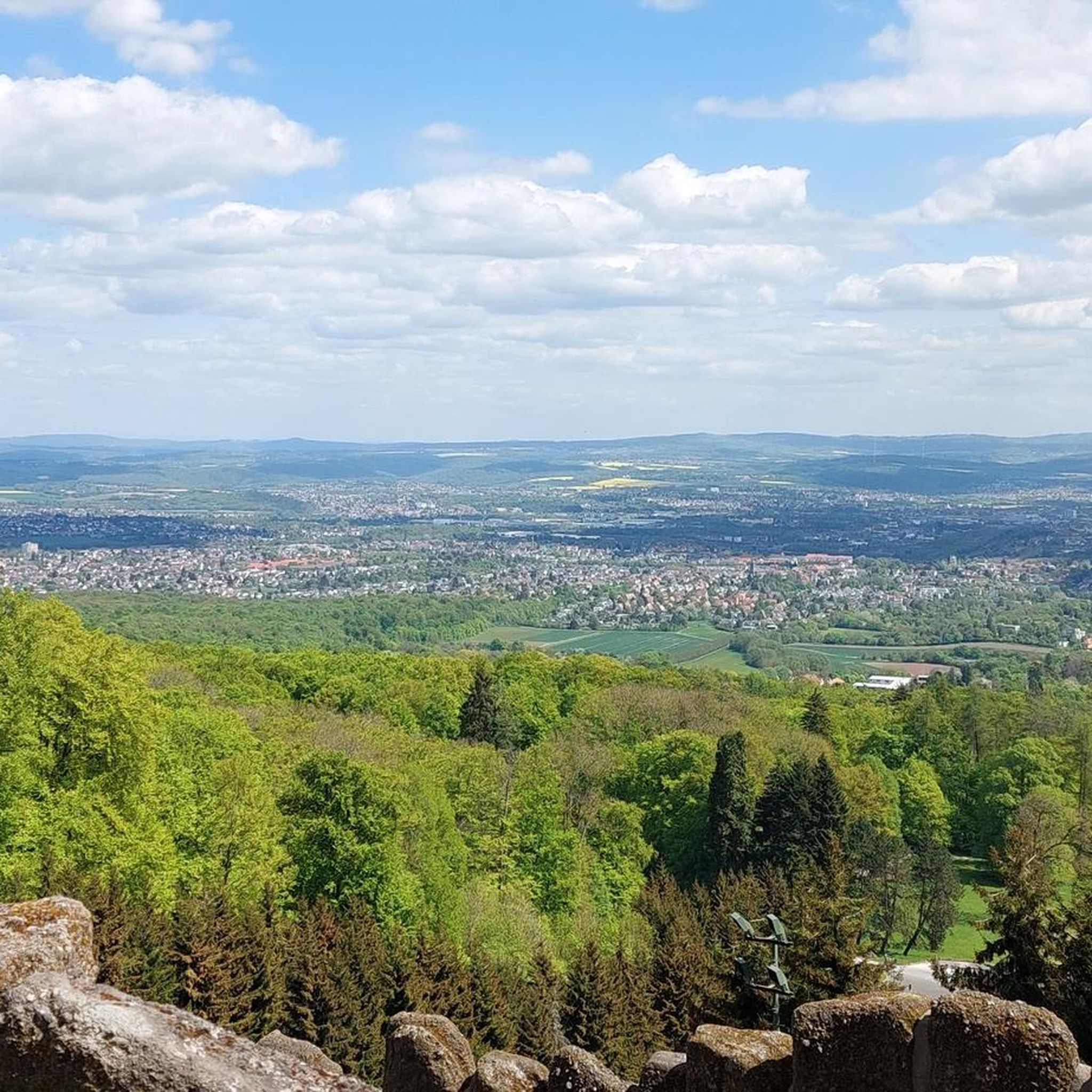
Absolutely. The Hercules Monument, crowning the park's highest point, offers unparalleled panoramic views over Kassel and the surrounding low mountain ranges. Additionally, the path along the cascades provides various vantage points, and the bridge over the Höllenteich offers a spectacular view of the water features in that area.
Can I visit Bergpark Wilhelmshöhe with my dog?
While the guide data does not explicitly state dog-friendly trails for natural monuments, Bergpark Wilhelmshöhe is generally known to be dog-friendly, provided dogs are kept on a leash. It's always advisable to check local regulations or signage upon arrival, especially around specific attractions or during water displays.
What makes the water features in Bergpark Wilhelmshöhe so unique?
The water features are a unique blend of natural elements and ingenious 18th-century hydro-pneumatic engineering. They rely on natural pressure from reservoirs and underground pipes, operating manually for over 300 years. The system includes the Neptune Basin and the Cascades, the Steinhöfer Waterfall, and the Grand Fountain, which can reach 50 meters. This integration of natural gravity and topography with Baroque and Romantic aesthetics is unparalleled in garden art.
Are there options for food and drink near the natural monuments?
Yes, there are places to stop for refreshments within Bergpark Wilhelmshöhe, particularly near the more popular attractions like the Hercules Monument. The surrounding area of Kassel also offers various cafes, pubs, and restaurants.
What is the significance of the <a href="https://www.komoot.com/highlight/5372786" target="_blank" rel="noopener">View of the Teufelsbrücke and waterfall</a>?
The Teufelsbrücke (Devil's Bridge) and its adjacent waterfall are a picturesque motif within the park. Modeled after a bridge in the Swiss Gotthard massif, it was originally an arched wooden bridge, later fitted with a cast-iron railing in 1826. It's a popular spot for photography and offers a tranquil contrast to the grander Baroque water spectacles, especially when the water flows during the displays.
What other outdoor activities can I do in Bergpark Wilhelmshöhe besides visiting natural monuments?
Beyond exploring the natural monuments, Bergpark Wilhelmshöhe offers diverse outdoor activities. You can enjoy extensive hiking on trails of varying difficulty, with options like the "Habichtswald Telecommunications Tower – Hohes Gras Observation Tower loop" (9.9 km). There are also road cycling routes, such as the "Covered Bridge Over the Fulda – Fulda Cycle Route (R1) loop" (44 km), and running trails, including the challenging "Steinhöfer Waterfall – View of Kassel at Night loop" (13.2 km). For more information, refer to the guides for Hiking, Road Cycling, and Running in Bergpark Wilhelmshöhe.
Most popular routes in Bergpark Wilhelmshöhe
Most popular attractions in Bergpark Wilhelmshöhe

Get inspired with the komoot mobile app


Explore more
Extend your search for the best caves by checking out these guides of the top ones in Bergpark Wilhelmshöhe:
