Wurmtal Südlich Herzogenrath, Einschließlich Meisbach, Würselen
Wurmtal Südlich Herzogenrath, Einschließlich Meisbach, Würselen
Top 12 Natural Monuments in Wurmtal Südlich Herzogenrath, Einschließlich Meisbach, Würselen
Best natural monuments in Wurmtal Südlich Herzogenrath, Einschließlich Meisbach, Würselen, offers a diverse landscape characterized by the meandering Wurm river and its surrounding ecosystems. This region, encompassing parts of Würselen and Herzogenrath, is recognized for its natural beauty and ecological significance. Visitors can explore ancient trees, unique river dynamics, and protected habitats for various wildlife. The area provides opportunities to observe diverse flora and fauna within a significant natural reserve.
Best natural monuments in Wurmtal Südlich Herzogenrath, Einschließlich Meisbach, Würselen
…Last updated: May 8, 2026
Wurm River near Würselen
Highlight • River
Translated by Google •
Tip by

Natural Section of the Wurm River
Highlight • River
During this section the narrow hiking trails always go up and down.
Very nice.
Translated by Google •
Tip by

Sign up now to discover places like this
Get recommendations on the best single tracks, peaks, & plenty of other exciting outdoor places.
Sign up for free
Biotope for Rare Toads
Highlight • Natural
Translated by Google •
Tip by

Granite Eggs at Kalkhalde Teuterhof
Highlight • Structure
Translated by Google •
Tip by

Limestone Heap and Gouley Granite Eggs
Highlight (Segment) • Monument
Translated by Google •
Tip by

Sign up for free to discover even more natural monuments in Wurmtal Südlich Herzogenrath, Einschließlich Meisbach, Würselen.
Sign up for free
Already have an account?
Start today with a free account
Your next adventure awaits.
Login or Signup
Popular around Wurmtal Südlich Herzogenrath, Einschließlich Meisbach, Würselen
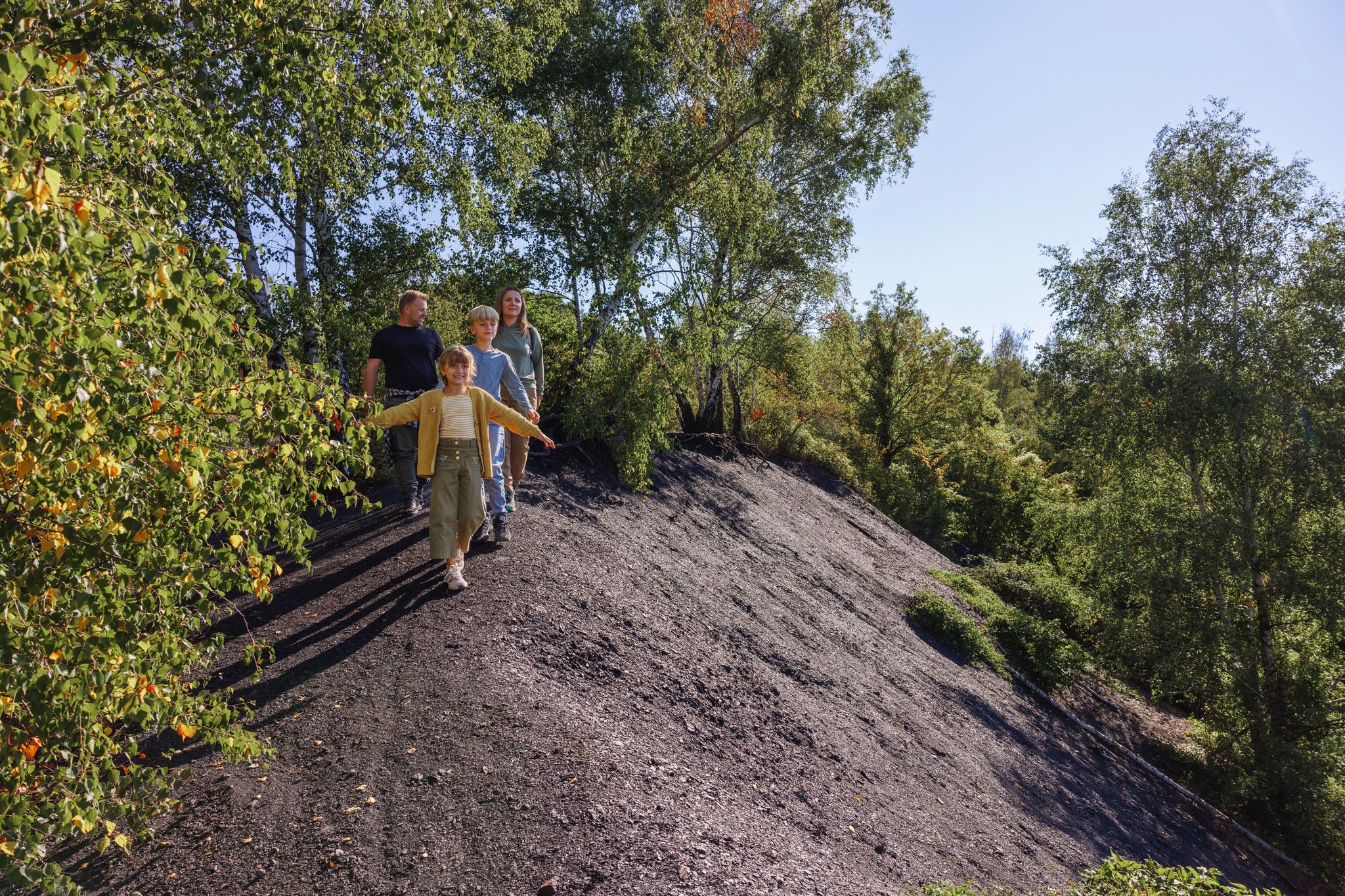
From coal to natural treasures – hiking in the Aachen Region
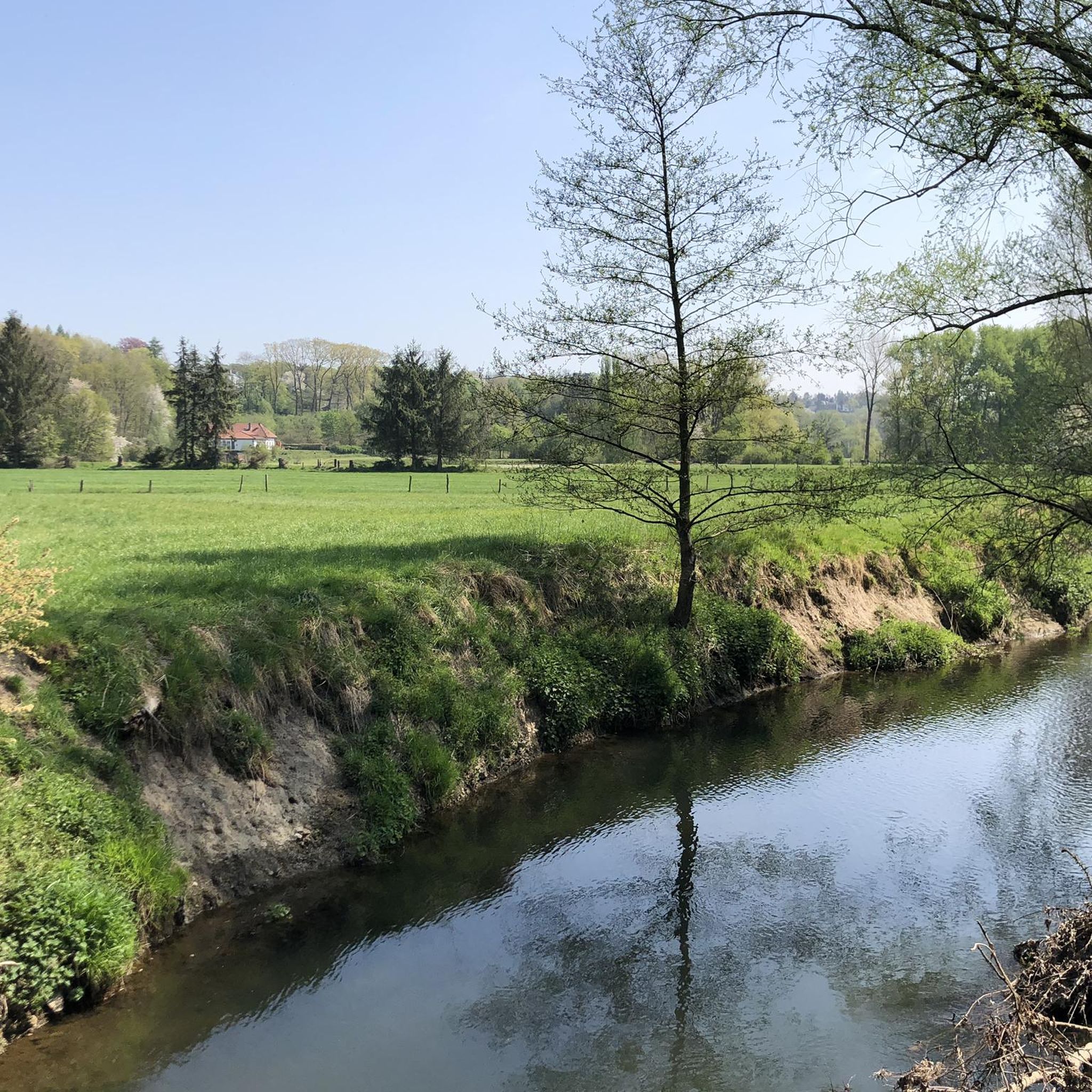
Cycling in Wurmtal Südlich Herzogenrath, Einschließlich Meisbach, Würselen
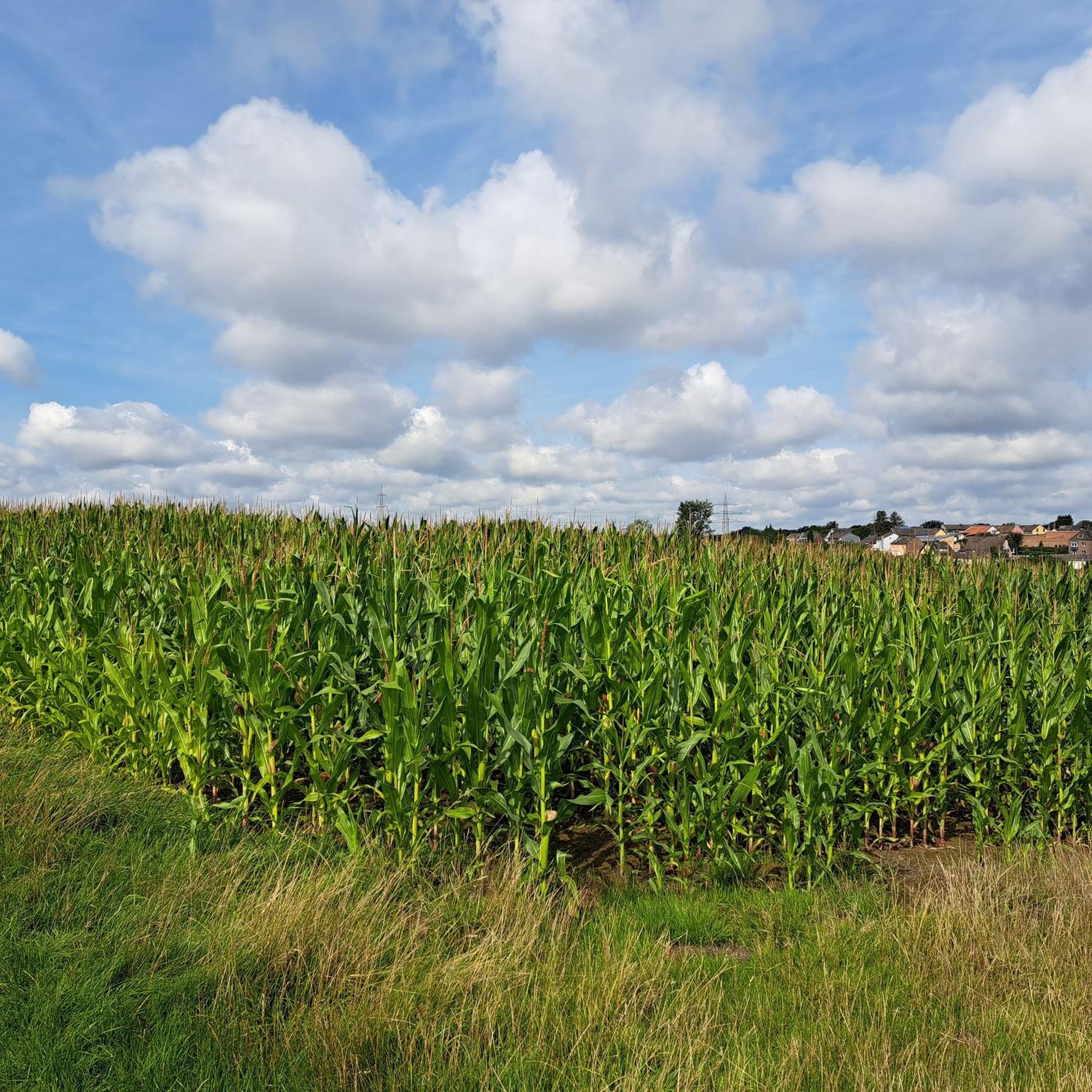
Hiking in Wurmtal Südlich Herzogenrath, Einschließlich Meisbach, Würselen
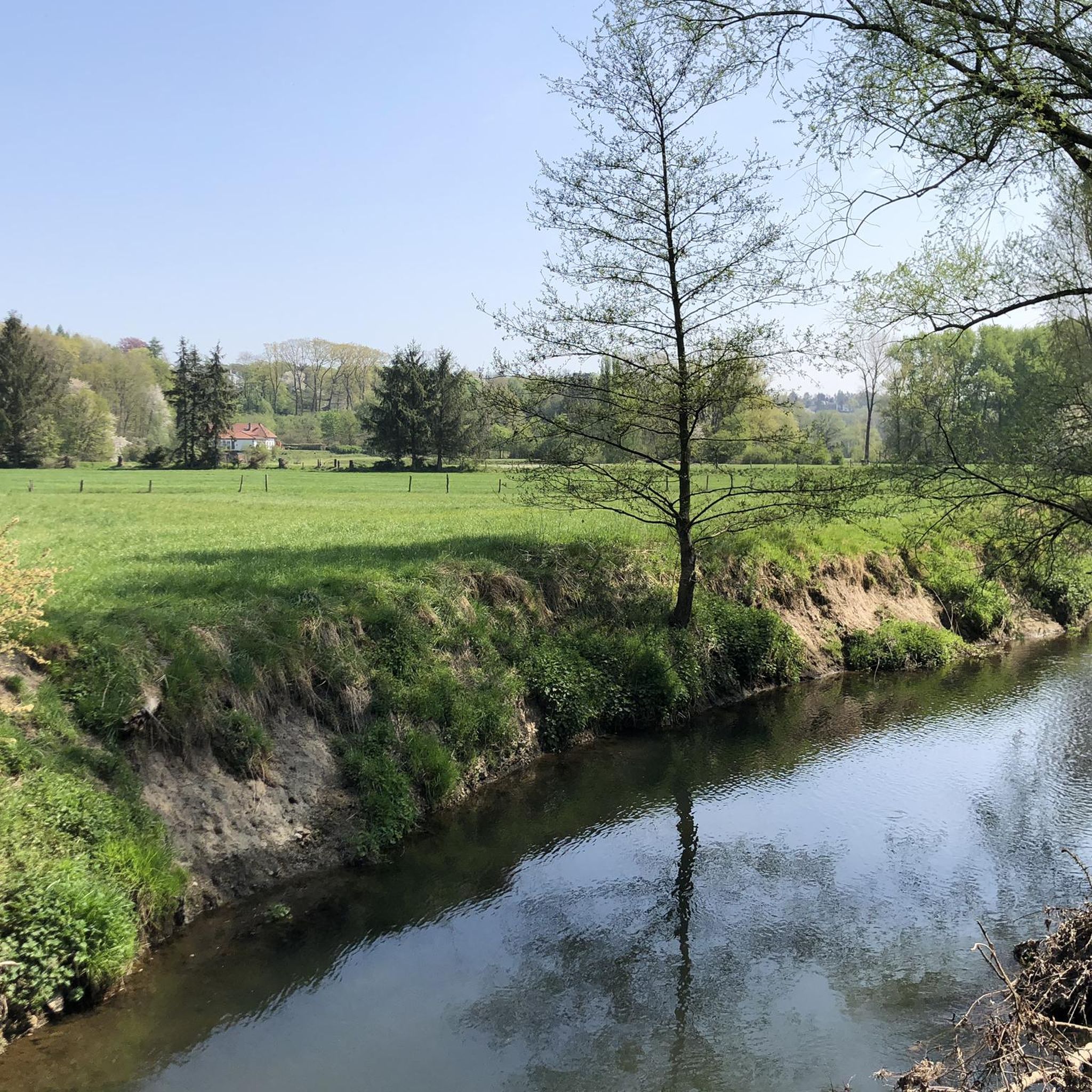
Running Trails in Wurmtal Südlich Herzogenrath, Einschließlich Meisbach, Würselen
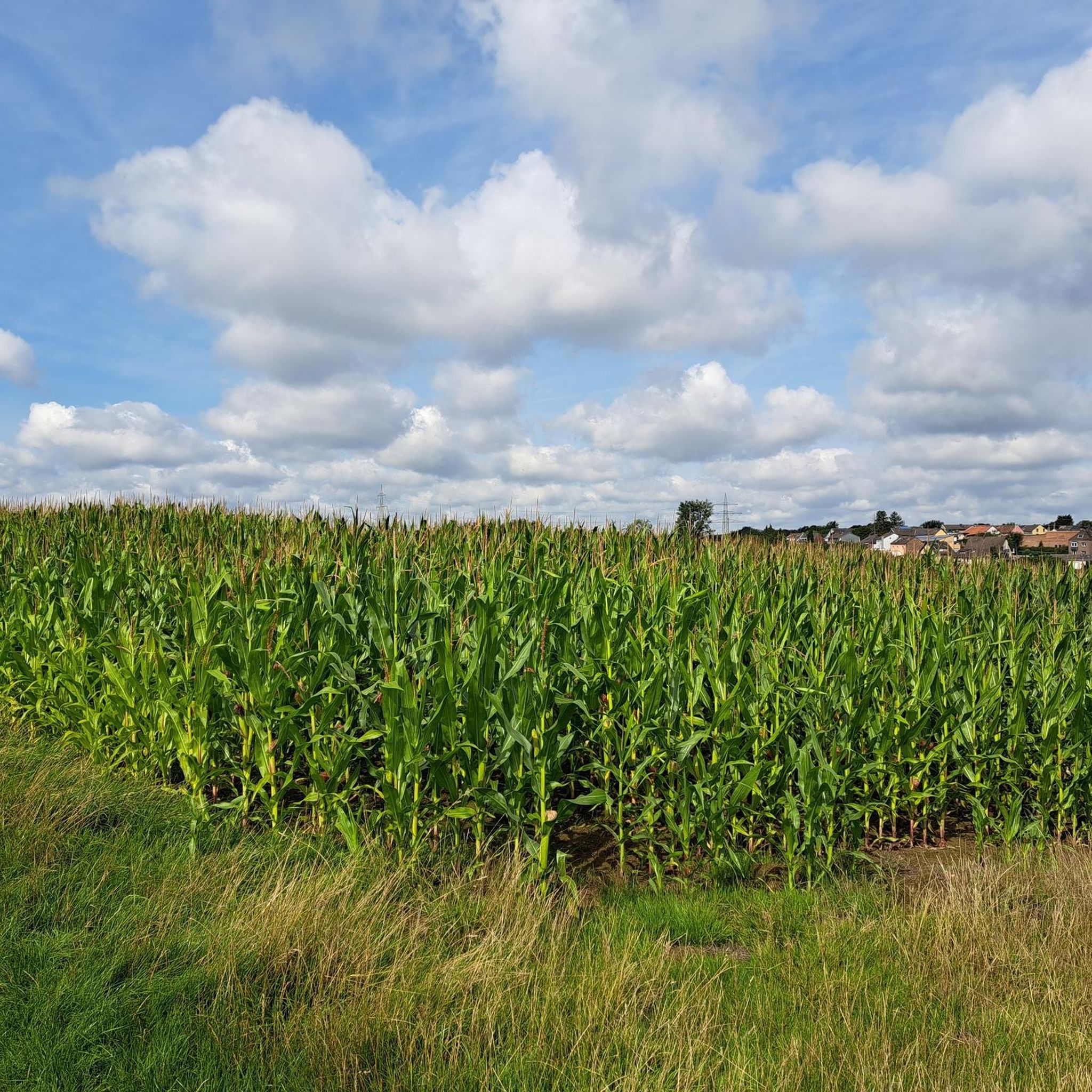
Road Cycling Routes in Wurmtal Südlich Herzogenrath, Einschließlich Meisbach, Würselen
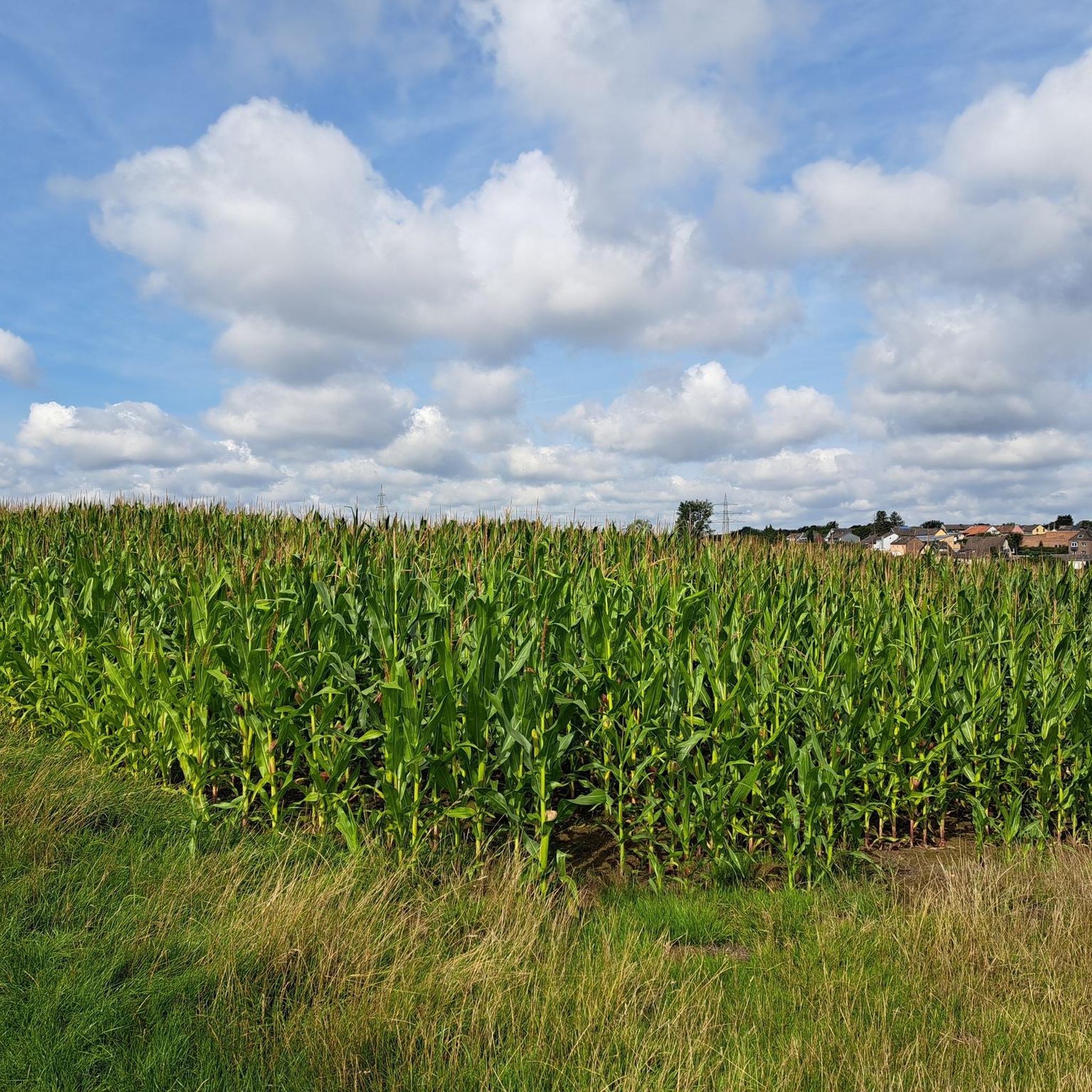
MTB Trails in Wurmtal Südlich Herzogenrath, Einschließlich Meisbach, Würselen
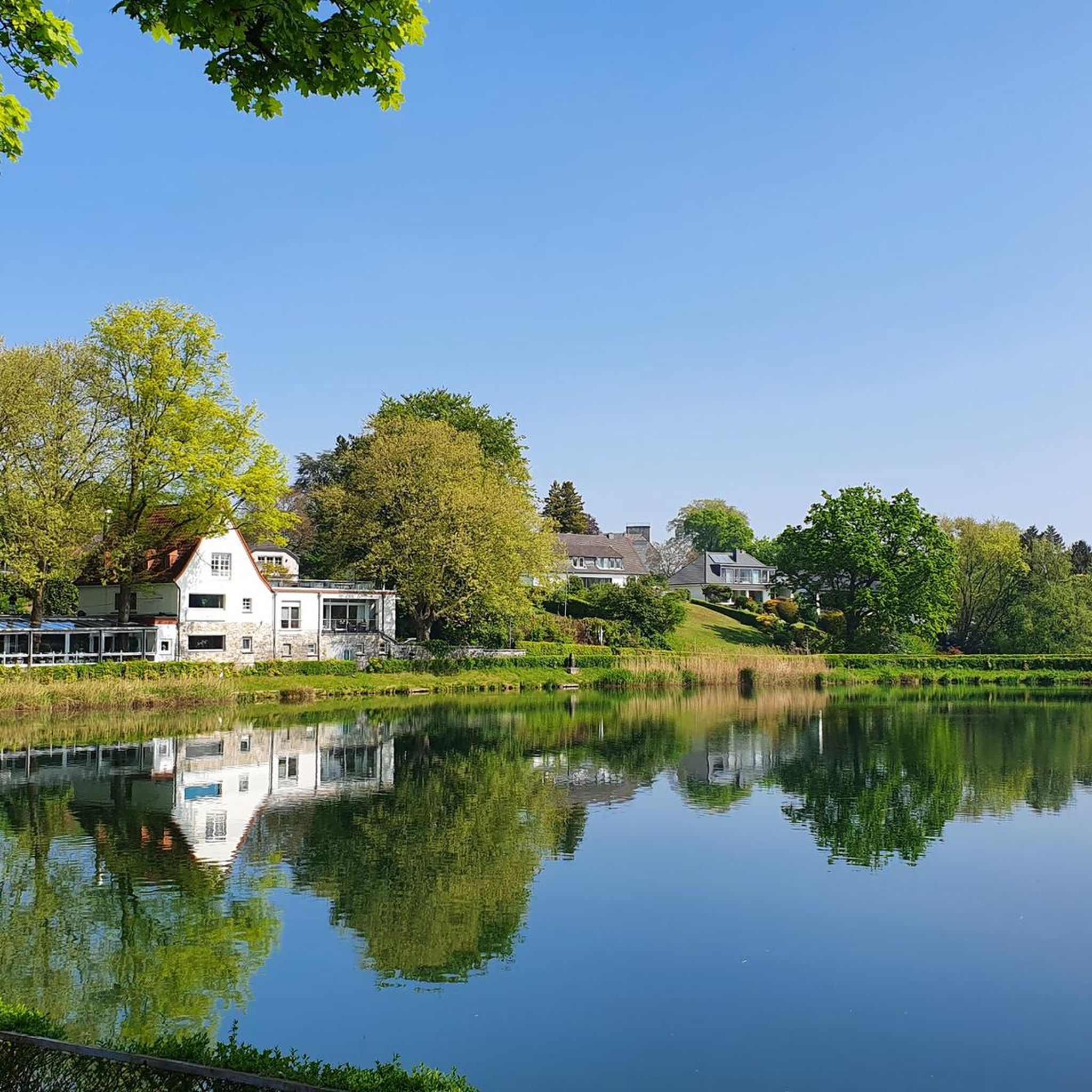
Gravel biking in Wurmtal Südlich Herzogenrath, Einschließlich Meisbach, Würselen
Other adventures in Wurmtal Südlich Herzogenrath, Einschließlich Meisbach, Würselen

Tips from the Community

The Wurm River, largely in its natural state, exhibits an impressive flow dynamic that is unparalleled nationwide. Driven by the force of the flowing water, the river's course is constantly changing, creating new channels, gravel bars, eroding banks, abandoned riverbeds, and new floodplain forests. The abundance of food in the Wurm's gravel and sand deposits makes the river particularly attractive to certain, sometimes rare, bird species. For example, the rare kingfisher finds ideal nesting opportunities in the eroded banks of the Wurm. Beavers have also returned to the Wurm in recent years.
0
0

The viewpoint on the former limestone spoil heap near Würselen-Teuterhof offers views primarily of the immediate surroundings: adjacent fields, wooded areas, the districts of Würselen, and the former Teuterhof industrial site. The elevated position provides a good impression of the landscape's structure, without offering a distant view. The spoil heap originates from the former limestone quarrying that took place here for decades and shaped the region's economy. The deposited material is a remnant of this industrial activity. After operations ceased, the spoil heap was gradually secured and renaturalized. Today, it is part of the local recreation area and an example of the transformation from an industrially dominated site to a landscape integrated into the surrounding countryside.
1
0

The Wurmtal, near Aachen, contains unique habitats specifically designed for rare toads and other amphibians. This area is an important refuge for species that are increasingly under pressure elsewhere in Europe due to desiccation, urbanization, and loss of suitable habitat. The combination of natural dynamics and targeted nature management makes the Wurmtal a vital component of regional and cross-border nature conservation. The habitats consist of small, shallow pools and temporary ponds, often in open, sunny locations. These simple water features are particularly important for species like the yellow-bellied toad and the midwife toad, which lay their eggs in warm, fishless water. Because these ponds can dry up periodically, predators have little chance, increasing the survival chances of larvae. Around the ponds, stony subsoil, loose bottoms, and shelters made of wood and stones provide ideal conditions for resting, hunting, and overwintering. What makes these habitats particularly special is that they are part of a continuous network of habitats. This allows the toads to move between breeding grounds and habitats, which is crucial for maintaining healthy populations. The area's management focuses on maintaining openness, removing excessive vegetation, and creating new ponds when old ones disappear. This keeps the landscape dynamic, precisely what these amphibians need. For visitors to the Wurmtal, these biotopes are usually not immediately noticeable, but they form a quiet, fragile world right next to hiking trails and nature reserves. Information panels and conservation measures emphasize the importance of tranquility and respect for nature. The biotopes for rare toads demonstrate how careful nature management can contribute to biodiversity and how even small landscape elements can be vital to the survival of endangered species.
2
0

The Wurmtal - a great local recreation area
4
0

Beautiful to see how the river meanders through the landscape.
0
0

Beautiful Nordic tour through Wurmtal in Aachen. Also suitable for cyclists and strollers. There are also bridle paths and mountain bike trails from the hiking trails
1
0

A very original section near the closed development.
1
0

A narrow path leads here parallel to the course of the river.
1
0
Frequently Asked Questions
What are some prominent natural monuments to visit in the Wurmtal region?
The Wurmtal region, encompassing areas south of Herzogenrath and including Meisbach and Würselen, offers several notable natural monuments. You can explore the Natural Section of the Wurm River, known for its remarkable river dynamics and varied hiking trails. Another significant spot is the Wurm River near Würselen, which provides a beautiful local recreation area with numerous opportunities for walks. Additionally, the Biotope for Rare Toads offers unique habitats crucial for regional nature conservation.
Are there family-friendly natural monuments in Wurmtal Südlich Herzogenrath, Einschließlich Meisbach, Würselen?
Yes, several natural monuments in the Wurmtal region are suitable for families. The Wurm River near Würselen is categorized as family-friendly, offering pleasant walks in the valley. The Biotope for Rare Toads is also family-friendly, providing an opportunity to learn about amphibian conservation, though the habitats themselves are often subtle. The overall Wurmtal nature reserve is a great place for families to enjoy nature.
What kind of natural features can I expect to see in the Wurmtal?
The Wurmtal is characterized by the meandering, near-natural course of the Wurm river, featuring old willow riparian forests, reed beds, and remnants of alluvial forests. You'll find diverse ecosystems, including wetlands like "Kälberbend" with rare orchids. The area also showcases geological significance with steep bank erosion and gravel deposits. Beyond the river, you can encounter impressive individual trees like the 250-year-old Pleyer Pappel in Würselen and the Riesenbuche (Giant Beech) near Herzogenrath.
Are there any historical or geological points of interest among the natural monuments?
Yes, the region has both historical and geological significance. The Wurmtal itself offers insights into geological development through its quarries, gravel pits, and path incisions. You can also find sites like the Granite Eggs at Kalkhalde Teuterhof and the Limestone Heap and Gouley Granite Eggs. These locations are remnants of former industrial activity, such as limestone quarrying and soda factory operations, now integrated into the landscape as unique natural and man-made monuments.
What outdoor activities can I do near the natural monuments in Wurmtal?
The Wurmtal offers a variety of outdoor activities. You can enjoy hiking and cycling along its paths, observing rare bird species like the kingfisher. For road cycling, routes like "Kinzweiler Castle – St. Blasius Church Kinzweiler loop" are available. Mountain biking enthusiasts can explore trails such as "Gouley Eggs – Dino Eggs MTB Trail loop." For more options, refer to the guides for Road Cycling Routes, MTB Trails, and Cycling in Wurmtal Südlich Herzogenrath, Einschließlich Meisbach, Würselen.
Are there specific hiking trails recommended for exploring the natural monuments?
Yes, the Wurmtal offers numerous hiking opportunities. The Natural Section of the Wurm River features narrow hiking trails with varied terrain, offering a more challenging experience. The Wurmtal itself is crisscrossed with paths ideal for exploring the diverse landscape, including the area around the Riesenbuche (Giant Beech) near Herzogenrath. Many trails follow the Wurm river, providing scenic views and opportunities for nature observation.
What is the best time of year to visit the natural monuments in Wurmtal?
The Wurmtal natural monuments can be enjoyed throughout the year, but spring and autumn are particularly recommended. In spring, the flora is vibrant, and migratory birds return, making it ideal for nature observation. Autumn offers beautiful foliage along the river and forests. Summer is also pleasant for hiking and cycling, while winter can provide a serene, quiet experience, especially after snowfall.
Are there dog-friendly options for exploring the natural monuments?
Generally, the natural areas and trails within the Wurmtal are dog-friendly, making it a great place to explore with your canine companion. However, it's always advisable to keep dogs on a leash, especially in nature reserve areas, to protect wildlife and ensure the safety of other visitors. Always clean up after your dog to help preserve the natural environment.
Are any natural monuments in the Wurmtal wheelchair accessible?
Some sections of the Wurmtal, particularly around the Wurm River near Würselen, are noted as wheelchair accessible. While many trails in the natural reserve might be unpaved or have varied terrain, efforts are often made to ensure broader accessibility in popular recreational areas. It is recommended to check specific trail conditions or local information for the most up-to-date accessibility details.
What do visitors particularly enjoy about the natural monuments in this region?
Visitors appreciate the Wurmtal for its unspoiled river landscape and diverse ecosystems. Many enjoy the opportunities for peaceful walks and cycling, especially along the Wurm river, which is considered the last near-natural lowland river in the region. The chance to observe rare bird species like the kingfisher and the strong structural diversity of the landscape are also highly valued. The area is seen as a great local recreation spot offering a break from urban life.
How long should I plan for a visit to the natural monuments in Wurmtal?
The duration of your visit can vary greatly depending on what you wish to see and do. A short visit to a specific monument like the Pleyer Pappel might take an hour, while exploring a section of the Wurm river or hiking a trail could take 2-4 hours. For a comprehensive experience, including multiple natural monuments and a longer hike or bike ride, you could easily spend a full day in the Wurmtal region.
Where can I find parking when visiting the natural monuments?
Parking is generally available at various entry points to the Wurmtal nature reserve and near specific natural monuments. For instance, when visiting the Limestone Heap and Gouley Granite Eggs, there are parking options near the Teuterhof area. It's advisable to look for designated parking areas at trailheads or near popular access points to ensure convenient and responsible parking.
Most popular routes in Wurmtal Südlich Herzogenrath, Einschließlich Meisbach, Würselen
Most popular attractions in Wurmtal Südlich Herzogenrath, Einschließlich Meisbach, Würselen

Get inspired with the komoot mobile app


Explore more
Extend your search for the best caves by checking out these guides of the top ones in Wurmtal Südlich Herzogenrath, Einschließlich Meisbach, Würselen:
