Top 6 Natural Monuments in Kravaalbos En Omgeving
Best natural monuments in Kravaalbos En Omgeving encompass an ancient forest landscape, diverse topography, and significant ecological value. The area is a remnant of the historic Kolenwoud, featuring distinct elevation differences and varied soil conditions. Numerous streams originate here, contributing to rich biodiversity with unique flora and fauna. This protected landscape offers scenic beauty and recreational opportunities for exploration.
Best natural monuments in Kravaalbos En Omgeving
- The most popular natural monuments is Kravaalbos Forest, a forest that is a…
Last updated: July 5, 2026
Kravaalbos Forest
Highlight • Forest
Translated by Google •
Tip by

Living Hop Monument, Meldert
Highlight • Monument
Heemkundige Kring De Faluintjes. It was unveiled on 2 September
2006 by Yves Leterme (then Prime Minister and …
Translated by Google •
Tip by

Sign up now to discover places like this
Get recommendations on the best single tracks, peaks, & plenty of other exciting outdoor places.
Sign up for free
Historic permanent grassland
Highlight • Natural
Translated by Google •
Tip by

The Sandstone Monument
Highlight • Monument
The sandstone monument is a vertical stone of 4 meters high, is 1 …
Translated by Google •
Tip by
A lively pond
Highlight • Lake
This pond is primarily home to the fire …
Translated by Google •
Tip by
Start today with a free account
Your next adventure awaits.
Login or Signup

Tips from the Community

An ideal pond dries up every three to five years. This prevents the fish that eat salamanders and frog eggs from surviving. This pond is primarily home to the fire salamander. This is a rare and protected species found in the Kravaal Forest. Capturing, moving, or transporting them is prohibited. They are recognizable by their striking black and yellow spot pattern, but are rarely seen. They live on land and spend most of their time under rotting logs or piles of branches. At night, they are active and hunt. (Brochure: Discover the Kravaal Forest)
11
0
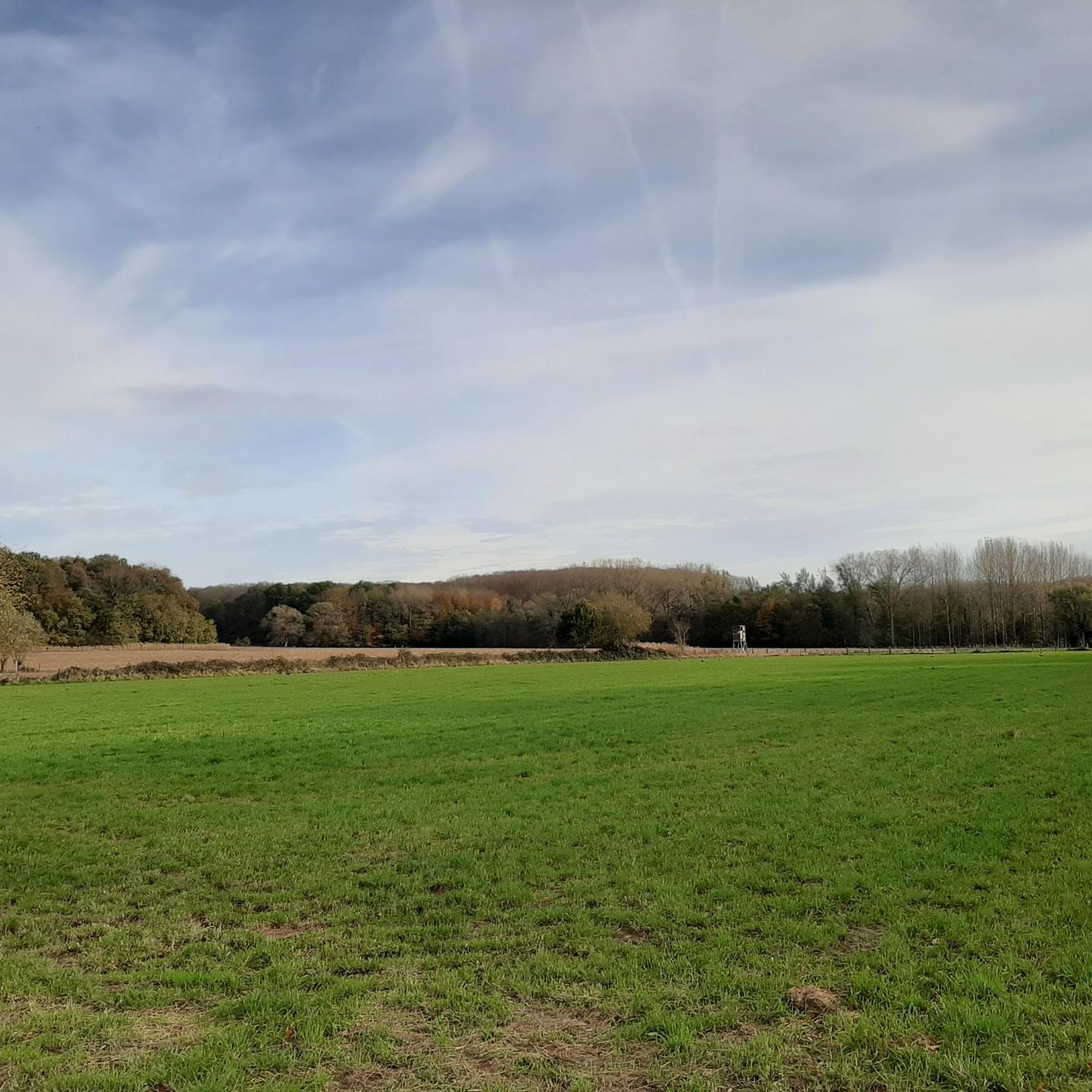
To maintain grassland, some form of management is necessary: mowing, grazing, or a combination of both. This grassland has long been used as pasture, formerly for horses, now for sheep. Grazing causes less disruption and provides more structure to the vegetation than mowing. Animals don't graze everywhere or with the same intensity. It also kills fewer beneficial insects and other fauna than when using machinery. The manure produced by grazers is useful for many invertebrate dung-eaters, and therefore also for insectivores. (Brochure: Discover the Kravaal Forest)
11
0

The triangular shape of Meldert's village square owes its origins to the Frankish settlement that existed there at the time: houses were built along the three legs of the triangle, with a meadow in the center where animals could be herded together. You can see upright sandstones as a reminder of the sandstone quarries once operated by Affligem Abbey. If you look closely, you can still find traces of fossils in them; this sandstone was actually formed from the sediment of a tropical sea that once flooded the land here. Source: https://toerismeaffligem.be/blikvangers/meldertdorp.html
2
0
In this square, you can see an upright sandstone. It stands here as a reminder of the sandstone quarries once operated by Affligem Abbey. If you look closely, you can still find traces of fossils in it; this sandstone was actually formed from the sediment of a tropical sea that once flooded the land here. Source: https://toerismeaffligem.be/blikvangers/meldertdorp.html
7
0
The artwork is not a classical figurative image, but an installation in the public space that links to the cultural history of the place itself, an ode to a historical fact. It is public art that is accessible, an arbor when the hop vines are in full bloom, art in dialogue with nature. The great master artist here is Nature. It is also an ‘eye-catcher’ on the Meldert village square.
6
0
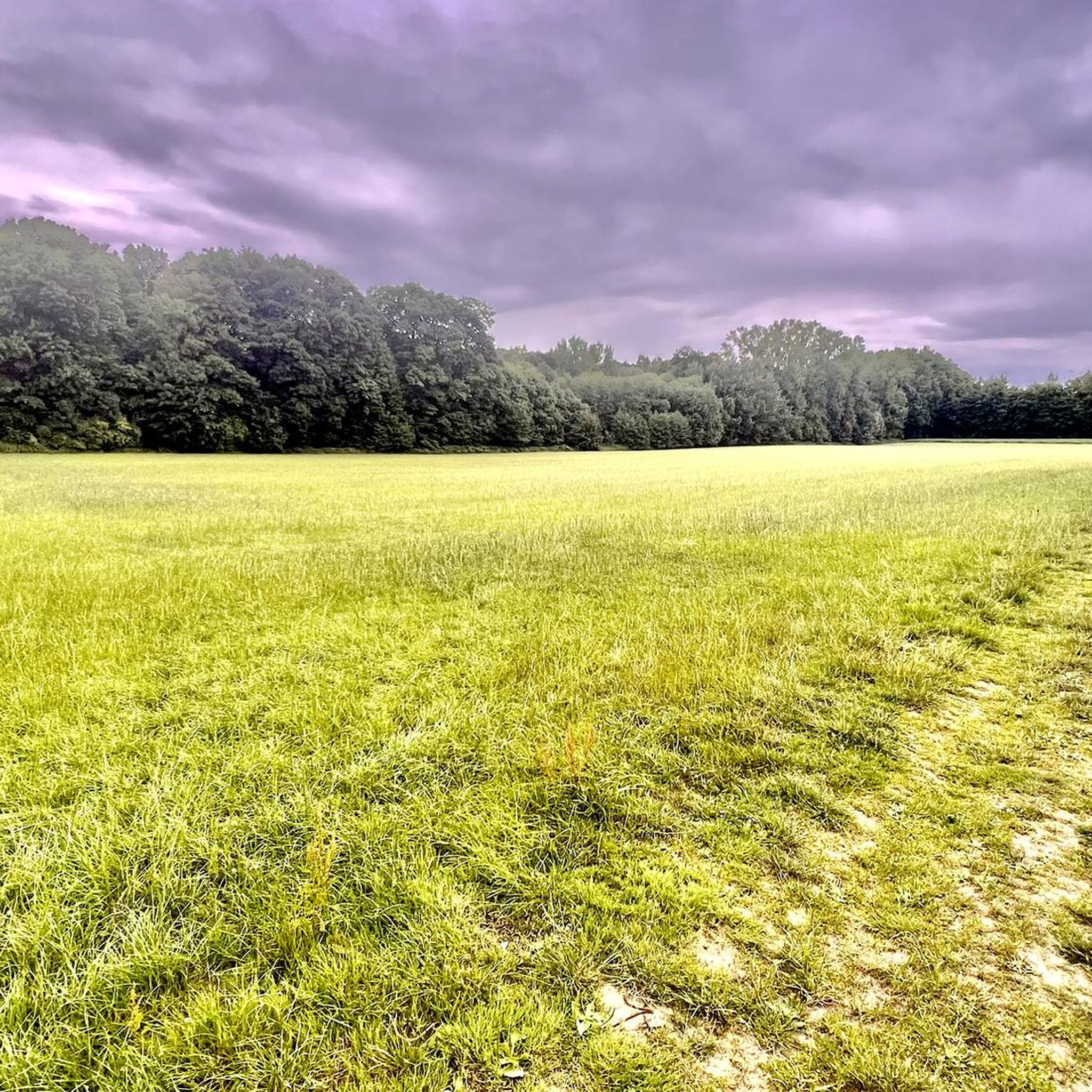
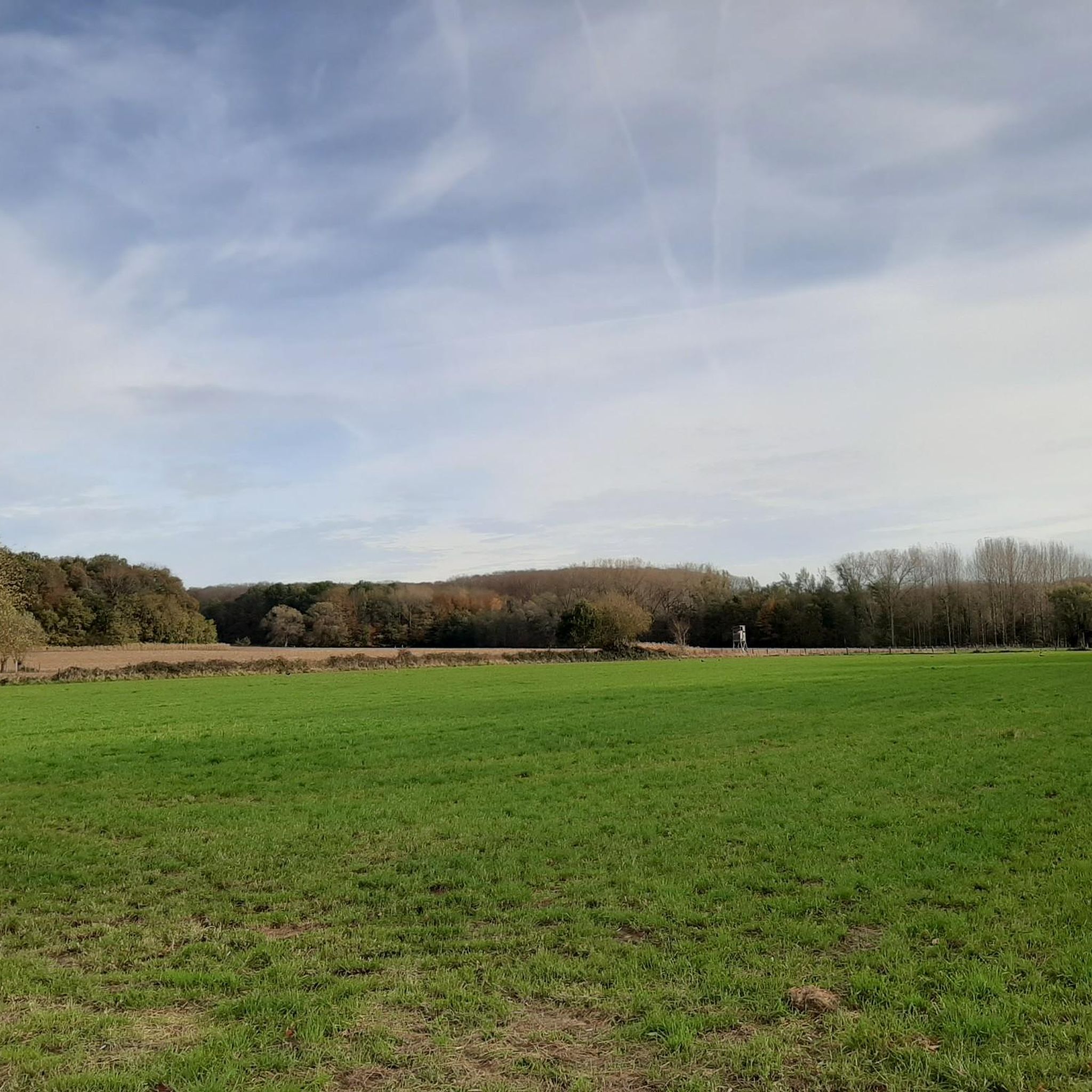
Enjoy the view. Some grasslands are more valuable to nature than others. Some grasslands have an exceptionally high natural value due to their age, unique location or because they have been managed as a nature reserve for many years. We call these grasslands 'historically permanent grasslands'. You can read more information on the information board on site.
6
0

beautiful views, easy country roads, extension possible in the Kravaal forest
3
1
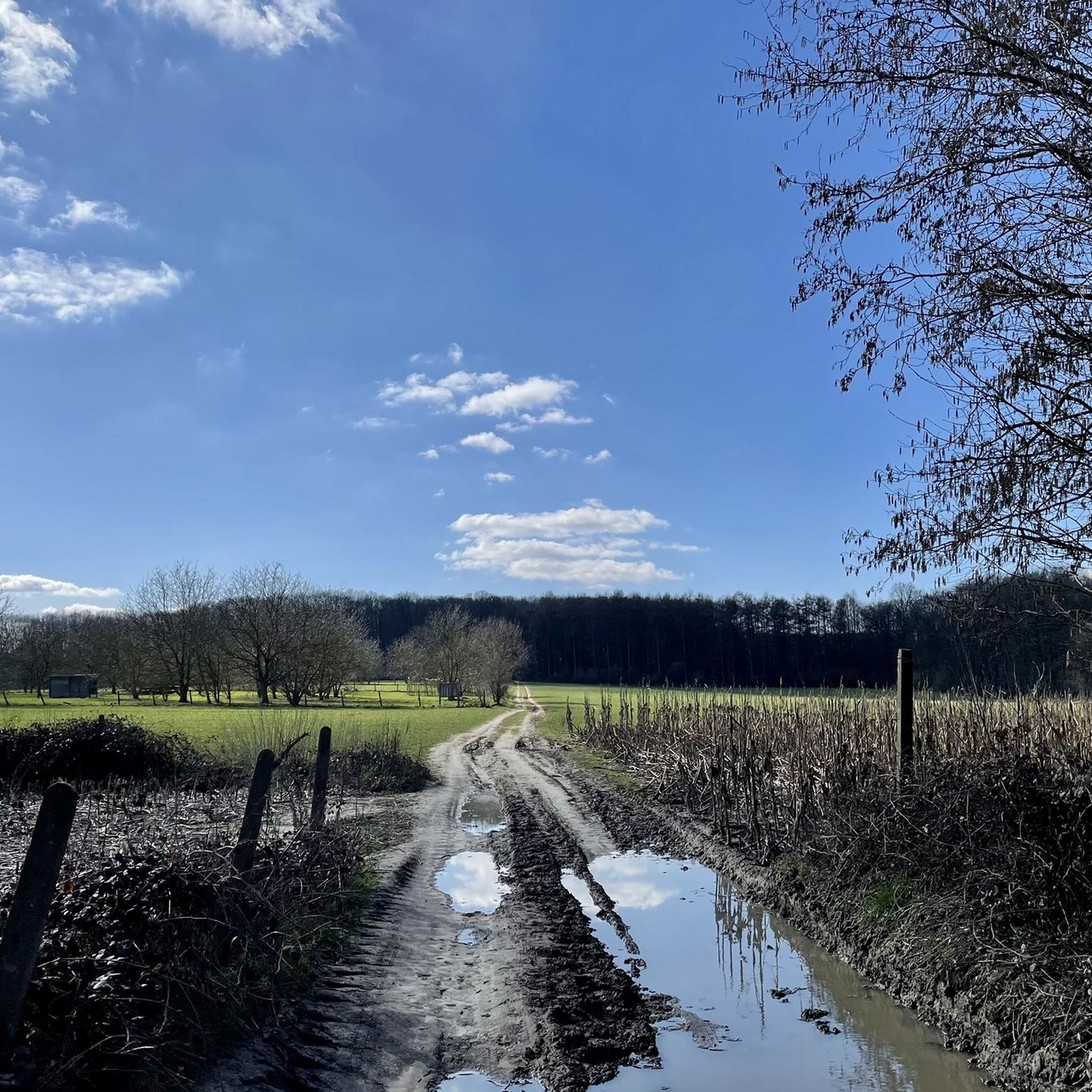
Beautiful, quiet forest. Some very muddy passages due to the persistent rain of the last months.
4
0
Frequently Asked Questions
What natural features can I expect to see in Kravaalbos En Omgeving?
Kravaalbos En Omgeving is characterized by a diverse landscape. You'll find remnants of the ancient Kolenwoud (Coal Forest), varied topography with significant elevation differences, and numerous small streams like the Molenbeek and its tributaries. The area also features diverse soil types, small landscape elements such as pollard willows, hedges, and tree lines, all contributing to its rich natural character.
What kind of wildlife can be observed in Kravaalbos En Omgeving?
The Kravaalbos is a haven for biodiversity. Birdwatchers can spot middle spotted woodpeckers, black woodpeckers, honey buzzards, nuthatches, common buzzards, and tawny owls. Mammals like roe deer and red squirrels are present, and the rare fire salamander and small tortoiseshell butterfly can also be found.
When is the best time to visit Kravaalbos En Omgeving to experience its natural beauty?
Spring is an excellent time to visit, as the forest bursts with colorful flora, including wood anemones, wild hyacinths, and lily of the valley. The Bluebells in the Forest are a particularly popular sight during this season. Autumn also offers beautiful colors and scents.
Are there specific natural monuments known for their scenic views?
Yes, the Historic permanent grassland offers scenic views and insights into ecological management. The varied and rolling landscape of the Kravaalbos Forest itself also provides beautiful vistas due to its significant natural relief.
What makes the Kravaalbos Forest a significant natural monument?
The Kravaalbos Forest is a remnant of the ancient Kolenwoud (Coal Forest), making it historically and ecologically significant. It features varied terrain, distinct elevation differences, and is known for its rich biodiversity, including purple bluebells in spring. It's also a protected nature reserve.
Are there marked hiking trails available in Kravaalbos En Omgeving?
Yes, the area is well-suited for outdoor enthusiasts, featuring multiple walking routes, including four marked loops. You can find various hiking options, from easy to moderate, in guides like Easy hikes in Kravaalbos En Omgeving and Hiking in Kravaalbos En Omgeving.
What are the difficulty levels of hiking trails in Kravaalbos En Omgeving?
Hiking trails in Kravaalbos En Omgeving range from easy to moderate. For example, routes like 'Observation Tower - Stinnetjesaan – Picnic Table loop' are considered easy, while longer routes such as 'Kravaalbos Forest – Bench With View of the Fields loop' can be moderate. The terrain can sometimes be muddy, and the forest feels rather wild, with fallen trees only removed if they significantly hinder passage.
Are there family-friendly natural monuments or activities in Kravaalbos En Omgeving?
Yes, several spots are family-friendly. The Historic permanent grassland and The Sandstone Monument are noted as family-friendly. The Bluebells in the Forest also offer a beautiful natural experience for families, though visitors are asked to respect nature and not trample the flowers.
Can I bring my dog to the natural monuments in Kravaalbos En Omgeving?
While the guide doesn't explicitly state dog-friendly policies for every monument, many natural areas in Belgium allow dogs on a leash. Given the focus on walking routes, it's generally possible to bring dogs, but always ensure they are kept under control and on a leash to protect wildlife and other visitors.
Are there historical or cultural sites related to the natural monuments?
Yes, the Kravaalbos holds historical ties as a remnant of the expansive Kolenwoud. Medieval stone quarries were also present in the area. Additionally, the Living Hop Monument, Meldert and The Sandstone Monument are man-made monuments with significant historical context, reflecting the region's past in hop cultivation and sandstone mining.
Where can I find parking and access information for Kravaalbos En Omgeving?
While specific parking locations aren't detailed in the guide, the area is generally accessible. For more detailed access information and potential parking spots, it is recommended to check local resources or the official tourism website for the region, such as visit-aalst.be.
What cycling opportunities are available near the natural monuments?
While the core forest is primarily for walkers, cyclists can enjoy paths along its periphery. You can explore various road cycling routes in the area, with options ranging from easy to moderate difficulty, as detailed in the Road Cycling Routes in Kravaalbos En Omgeving guide.
Most popular routes in Kravaalbos En Omgeving
Most popular attractions in Kravaalbos En Omgeving

Get inspired with the komoot mobile app


Explore more
Extend your search for the best caves by checking out these guides of the top ones in Kravaalbos En Omgeving:
