Provinciaal Domein De Palingbeek
Provinciaal Domein De Palingbeek
Top 5 Natural Monuments in Provinciaal Domein De Palingbeek
Natural monuments in Provinciaal Domein De Palingbeek offer a unique landscape where nature has integrated with the historical impact of World War I. This domain, spanning over 230 hectares near Ypres, Belgium, features diverse environments including pools, marshes, woodlands, and meadows. The area is characterized by its blend of natural beauty and poignant historical significance, with many features shaped by past events. Visitors can explore a landscape where natural regeneration overlays the dramatic topography of former battlefields.
Best natural monuments…
Last updated: August 28, 2026
The Bluff Memorial and Crater
Highlight • Historical Site
Translated by Google •
Tip by

Caterpillar Crater
Highlight • Historical Site
Translated by Google •
Tip by

Sign up now to discover places like this
Get recommendations on the best single tracks, peaks, & plenty of other exciting outdoor places.
Sign up for free
Coming World Remember Me Sculpture
Highlight • Monument
Translated by Google •
Tip by

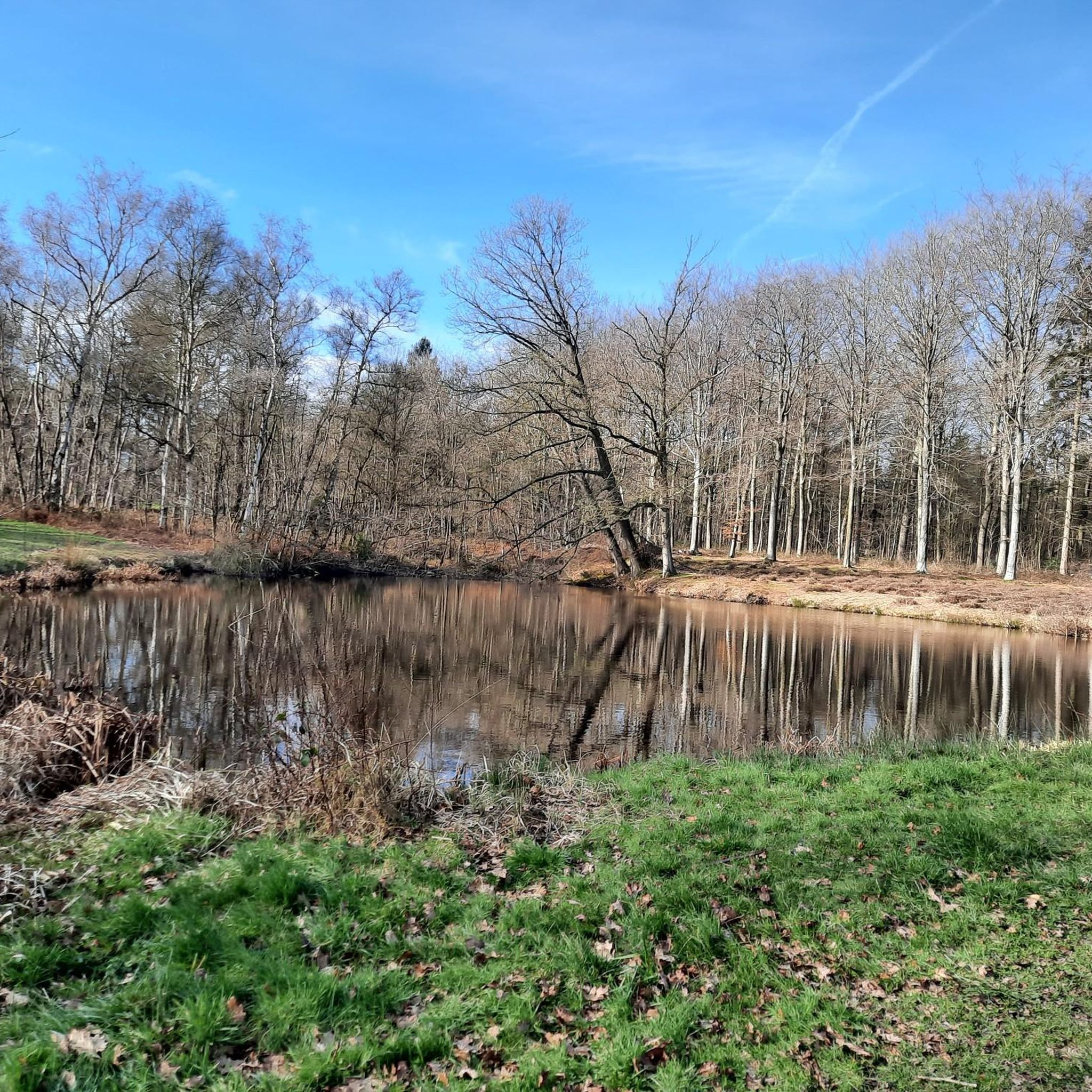
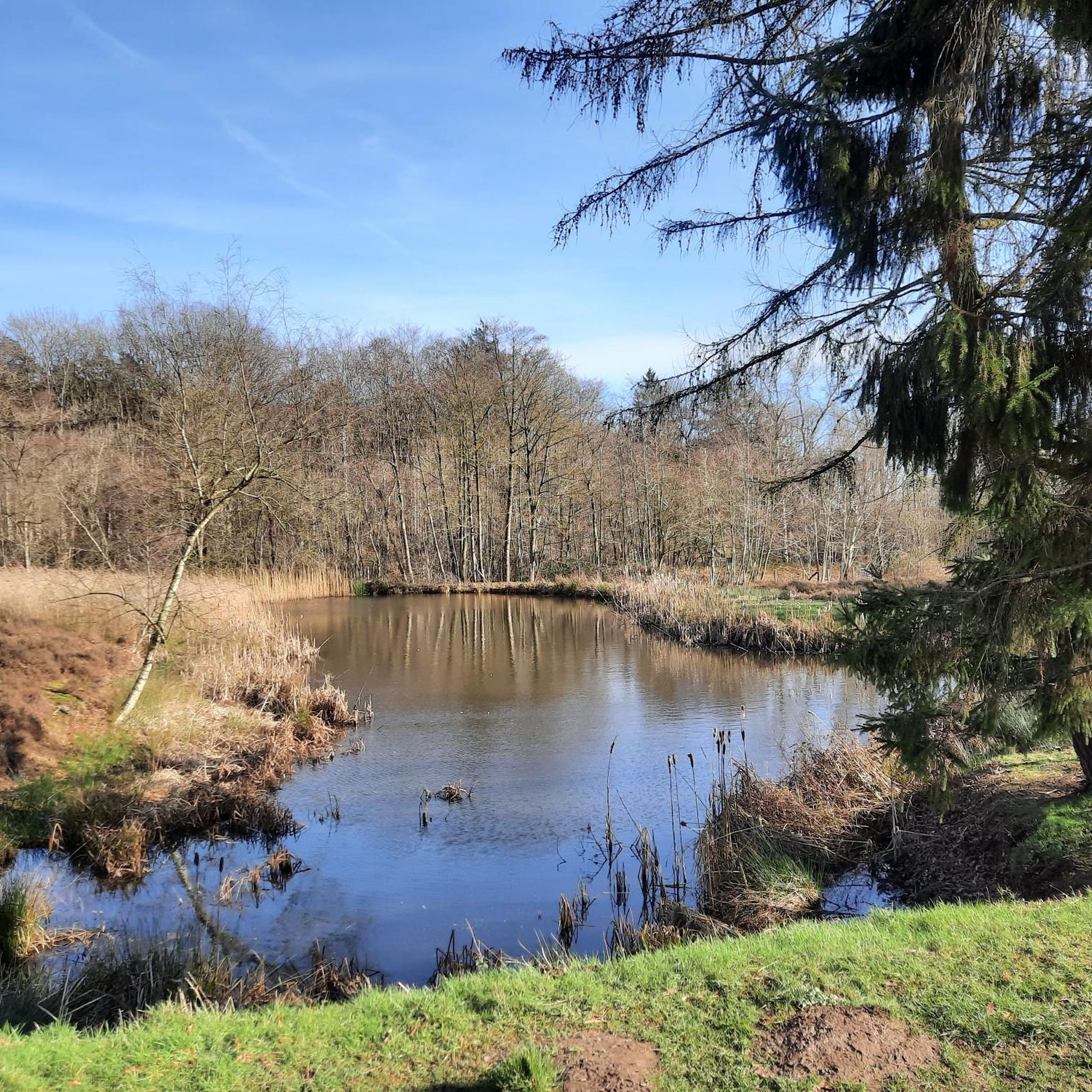
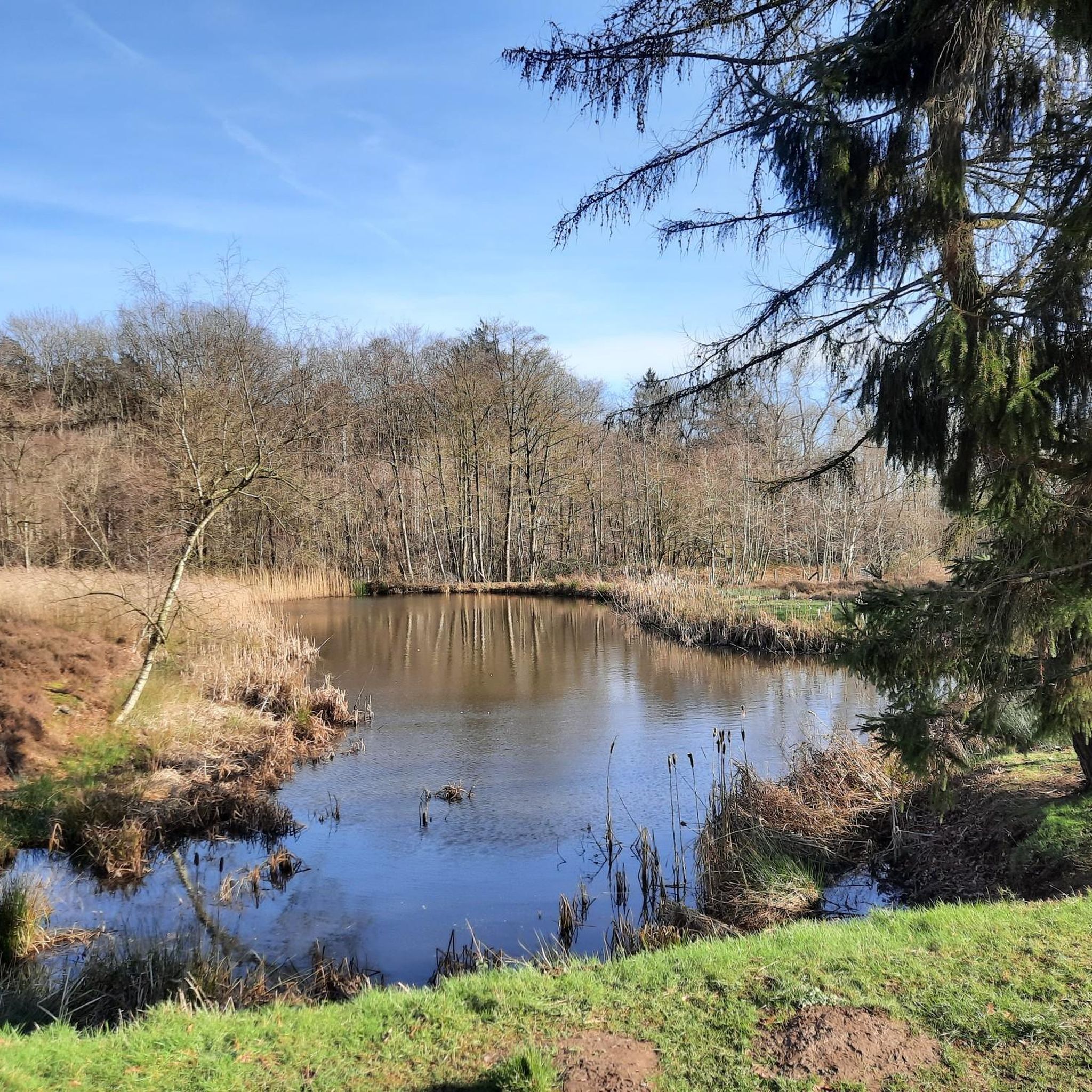
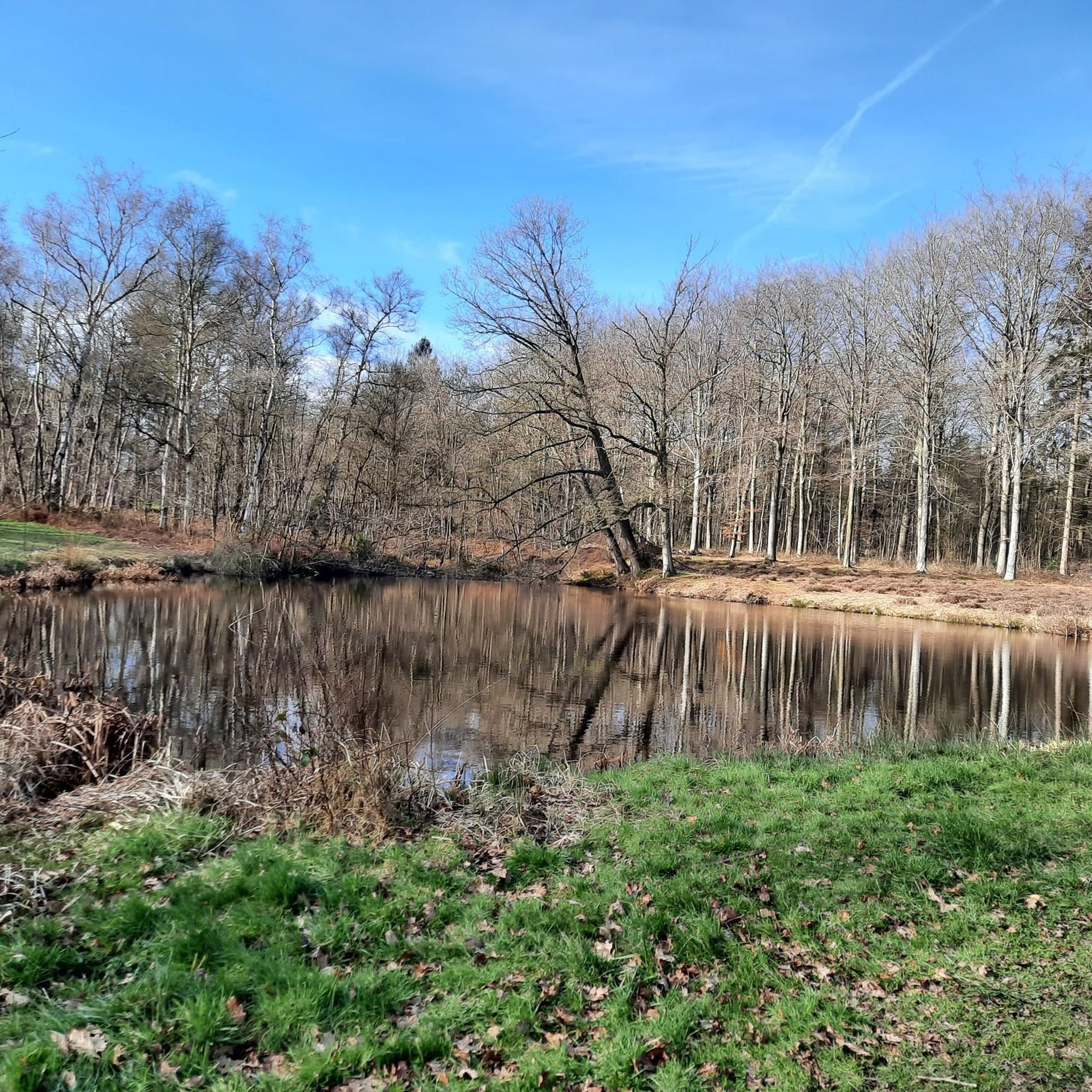
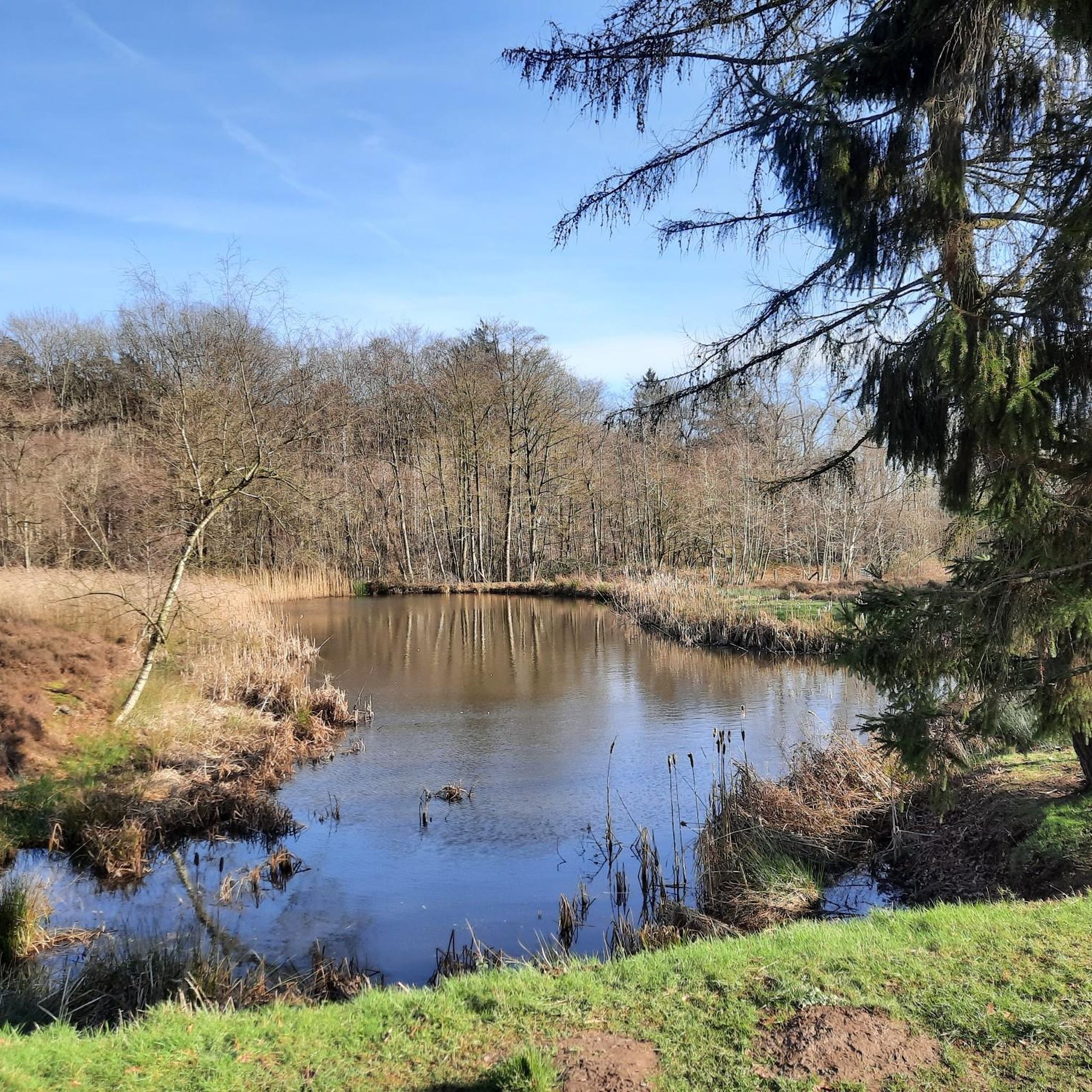
Pond at De Palingbeek Nature Reserve
Highlight • Lake
can be very soggy
Translated by Google •
Tip by
Start today with a free account
Your next adventure awaits.
Login or Signup
Popular around Provinciaal Domein De Palingbeek
Tips from the Community

another very beautiful work
0
0
some very beautiful works on the route
0
0

It's an "artist's" vision, the subject is important, the work, less to my taste, if the gesture is worth the memory, I can only validate!
0
1
Duty of memory, they lived through hell on earth so that we didn't walk in step!
1
1


Caterpillar is quite an impressive mine crater with a diameter of 79 metres and a depth of 15.5 metres. It is one of the largest craters in the Ypres Salient. Don't forget to visit Hill 60 on the other side of the railway. KNOWLEDGE and DEPTH VIEW in the MINE BATTLE Underground warfare? The Hill 60 site is an ideal place to sketch underground warfare. The Hill 60 site is not that large in surface area but is very impressive. The site is very accessible and has a large car park. A visit to Hill 60 and Craterpillar, located on the other side of the railway, still bears witness to underground warfare today. Many bomb craters and deformed, truncated and overgrown trees are silent witnesses to the violence of war. Information boards at the car park and the memorial columns take you back in time. A wooden walkway leads you to the top where a memorial stands for the heroic deeds performed. At the back
3
1
What war does to a landscape… Entry point for the walk “Ypres-salient – South”. On this narrow artificially raised ridge, resulting from 19th century excavations for the Ypres-Comines canal, discover how the landscape was mutilated by the war machine. Due to circumstances in the 19th century, the intended canal was never realized. Today you can still discover the scars of the Great War here on this site, better known as 'The Bluff'. This was the only place on the Flemish front where the Allies and not the Germans took the higher positions. The Bluff is a place on the front where the landscape has suffered seriously. The Bluf is one of the most dramatic war landscapes in Flanders Fields, with many large and small craters. A total of 455 fallen soldiers were given their final resting place here, spread across the cemeteries: Hedge Row Trenche Cemetery, Woods Cemetery and First D.C.L.I Cemetery - The Bluff. The visitors pavilion provides more information through a short film about what happened here during the Great War. You can discover many mine craters, shelters, bunkers and military cemeteries from WWI here. To look for traces of the past, appropriate footwear is recommended. A hiking trail winds around the mine craters and takes you into the bed of the old Ypres – Komen Canal. This experience path makes you think. You can easily spend half a day to discover all the cemeteries, the South information pavilion, mine craters and the no man's land. Recommendation: Wear sturdy walking shoes if you want to follow in the footsteps of the frontline soldiers. Spacious parking is provided on Palingbeekstraat or a smaller parking lot at the visitor center in Vaartstraat 7 Zillebeke.
3
0
Frequently Asked Questions
What are the most significant natural monuments in Provinciaal Domein De Palingbeek?
Provinciaal Domein De Palingbeek is unique for its blend of natural beauty and historical significance, particularly from World War I. Key natural monuments include the impressive Caterpillar Crater, one of the largest mine explosion craters in the Ypres Salient. Another significant site is The Bluff Memorial and Crater, an artificial hilltop that was a fiercely contested position during WWI, now integrated into the natural domain. The domain also features diverse ecosystems with ponds, marshes, and woodlands, such as the Pond at De Palingbeek Nature Reserve.
How does history intertwine with the natural landscape in De Palingbeek?
The natural landscape of Provinciaal Domein De Palingbeek is profoundly shaped by its World War I history. Features like the Old Bed of the Ypres – Komen Canal (known as the Waterlock), The Bluff, and numerous mine craters and trenches are now reclaimed by nature. These historical scars have created unique ecosystems, with natural regrowth overlaying the dramatic wartime topography, offering a powerful open-air memorial where nature's resilience is evident.
What kind of wildlife can I expect to see in Provinciaal Domein De Palingbeek?
De Palingbeek's diverse ecosystems, including ponds, marshes, and woodlands, make it a haven for various wildlife. It is particularly known for its bird species, such as the Lesser Spotted Woodpecker, Nuthatch, Tawny Owl, and Kingfisher, especially around the many scattered pools. Nature enthusiasts will find ample opportunities for birdwatching.
Are there specific walking routes to explore the natural monuments?
Yes, Provinciaal Domein De Palingbeek offers several walking routes that allow you to explore its natural and historical features. For easy hikes, you can find options like the 'World War I Crater – Caterpillar Crater loop' or the 'Provincial Domain De Palingbeek – The Bluff Memorial and Crater loop'. You can discover more hiking trails and plan your visit on the easy hikes guide for Provinciaal Domein De Palingbeek.
Can I cycle through Provinciaal Domein De Palingbeek?
Yes, cycling is a popular activity in and around Provinciaal Domein De Palingbeek. There are various routes available, ranging from easy to moderate, that allow you to explore the wider area. For example, you can find routes like the 'Menin Gate Memorial – Cloth Hall (Lakenhalle), Ypres loop' or the 'Palingbeekstraat – Mesen loop'. For more details on cycling routes, refer to the cycling guide for Provinciaal Domein De Palingbeek.
Is Provinciaal Domein De Palingbeek suitable for families with children?
Yes, Provinciaal Domein De Palingbeek is generally family-friendly. Many of the natural monuments, such as Caterpillar Crater and the Coming World Remember Me Sculpture, are accessible and offer engaging experiences for all ages. The blend of nature and history provides an educational and reflective outing for families.
Are dogs allowed in Provinciaal Domein De Palingbeek?
Provinciaal Domein De Palingbeek is generally dog-friendly, allowing visitors to enjoy the trails with their canine companions. It's always recommended to keep dogs on a leash and to clean up after them to preserve the natural environment and respect other visitors.
What are the parking options for visiting the natural monuments?
Spacious parking is provided on Palingbeekstraat, and a smaller parking lot is available at the visitor center in Vaartstraat 7, Zillebeke. These locations offer convenient access to the various natural monuments and trails within the domain.
What is the best time of year to visit Provinciaal Domein De Palingbeek?
Provinciaal Domein De Palingbeek offers a unique experience throughout the year. Spring and summer bring lush greenery and active wildlife, while autumn provides beautiful foliage. However, be aware that some areas, especially around the ponds and marshes, can be very soggy in wet weather, so appropriate footwear is recommended, particularly during wetter seasons.
Are there any cafes or amenities near the natural monuments?
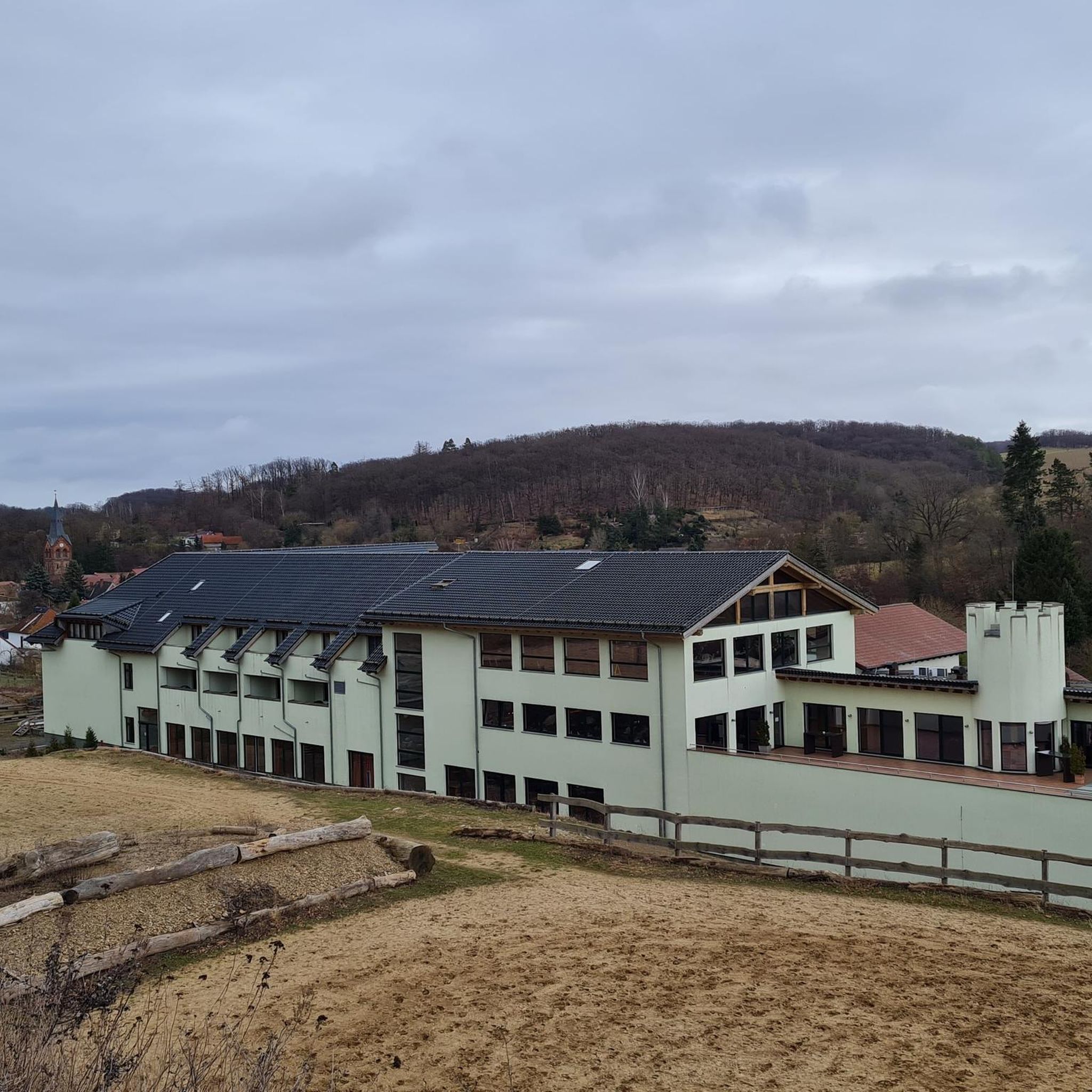
While the domain itself is focused on nature and historical preservation, there are amenities available. The visitor pavilion at The Bluff Memorial and Crater provides information and a short film about the area's history. For cafes and other services, you would typically find options in nearby towns like Ypres or Zillebeke.
Are there accessible routes for wheelchairs or strollers in De Palingbeek?
While many paths in Provinciaal Domein De Palingbeek are natural trails that can be uneven, some areas may offer more accessible sections. For instance, the visitor center areas and main paths might be suitable. However, for exploring the mine craters and more rugged historical sites, sturdy footwear is recommended, and these areas may not be fully wheelchair or stroller accessible due to the terrain.
What makes the mine craters in De Palingbeek unique?
The mine craters in De Palingbeek are unique because they are not just historical scars but have become integrated into the natural landscape. Largely covered by vegetation, these flooded craters and the subtle outlines of former trenches create an undulating terrain that silently tells the story of WWI bombardment. They are a testament to nature's resilience in regenerating a war-torn environment, offering a poignant blend of history and ecology.
What do visitors particularly enjoy about the natural monuments here?
Visitors particularly enjoy the profound sense of history combined with the tranquility of nature. Many appreciate the opportunity to reflect on the past while surrounded by beautiful landscapes. The impressive scale of sites like Caterpillar Crater and the unique experience of walking through a landscape shaped by war, as described in tips for The Bluff Memorial and Crater, are frequently highlighted.
What is the 'Waterlock' and why is it significant?
The 'Waterlock' refers to the Old Bed of the Ypres – Komen Canal, an area originally intended as a canal but which became a significant part of the WWI front lines. Today, it serves as an 'experience trail' where visitors can witness remnants of shelters and mine craters alongside natural water channels. Its significance lies in how nature has embraced these historical scars, creating a unique ecosystem while preserving tangible links to the past, inviting reflection on the profound impact of war on the landscape.
Most popular routes in Provinciaal Domein De Palingbeek
Most popular attractions in Provinciaal Domein De Palingbeek

Get inspired with the komoot mobile app


Explore more
Extend your search for the best caves by checking out these guides of the top ones in Provinciaal Domein De Palingbeek:
