Top 5 Natural Monuments in Amsterdamse Waterleidingduinen
Best natural monuments in Amsterdamse Waterleidingduinen are found within an expansive dune area between Zandvoort and Noordwijk, covering 3400 hectares. This protected natural monument serves as Amsterdam's oldest water extraction area, utilizing its hundreds of dunes for natural water purification. The landscape features varied dune relief, infiltration channels, and is notable for its rich biodiversity, including the largest population of fallow deer in the Netherlands. Visitors are permitted to walk freely off designated paths, offering a unique exploration experience.
Best…
Last updated: May 24, 2026
Amsterdam Water Supply Dunes
Highlight • Forest
Translated by Google •
Tip by

Fantastic spot for a break
Highlight • Viewpoint
Translated by Google •
Tip by

Sign up now to discover places like this
Get recommendations on the best single tracks, peaks, & plenty of other exciting outdoor places.
Sign up for free
Tonneblink viewpoint
Highlight • Viewpoint
Translated by Google •
Tip by

Super Twisted Tree
Highlight • Natural Monument
Translated by Google •
Tip by

Waterleiding Duinen
Highlight • Natural Monument
Translated by Google •
Tip by

Start today with a free account
Your next adventure awaits.
Login or Signup
Popular around Amsterdamse Waterleidingduinen
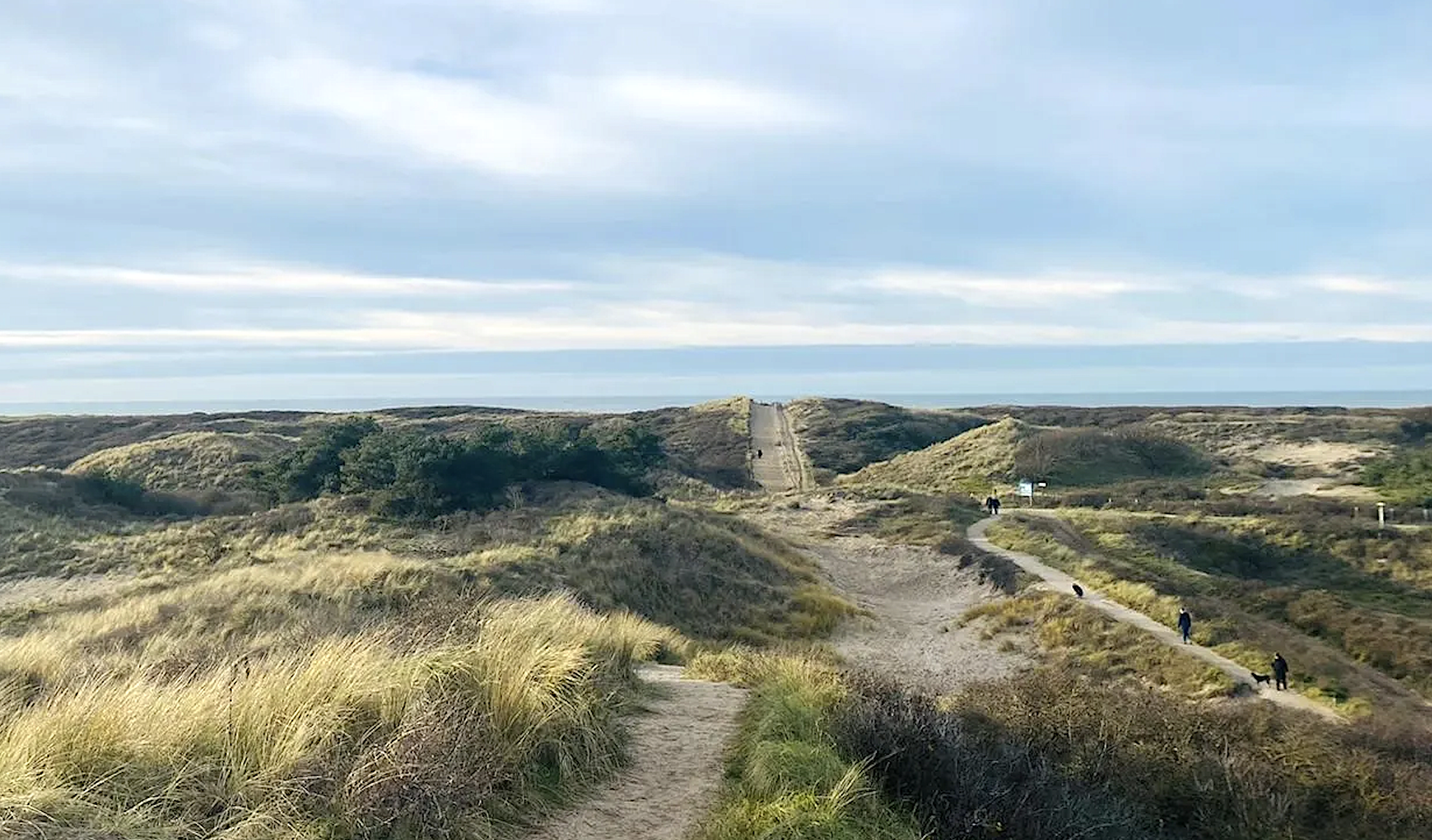
The Hollands Duin on foot – walking between forests, dunes and sea
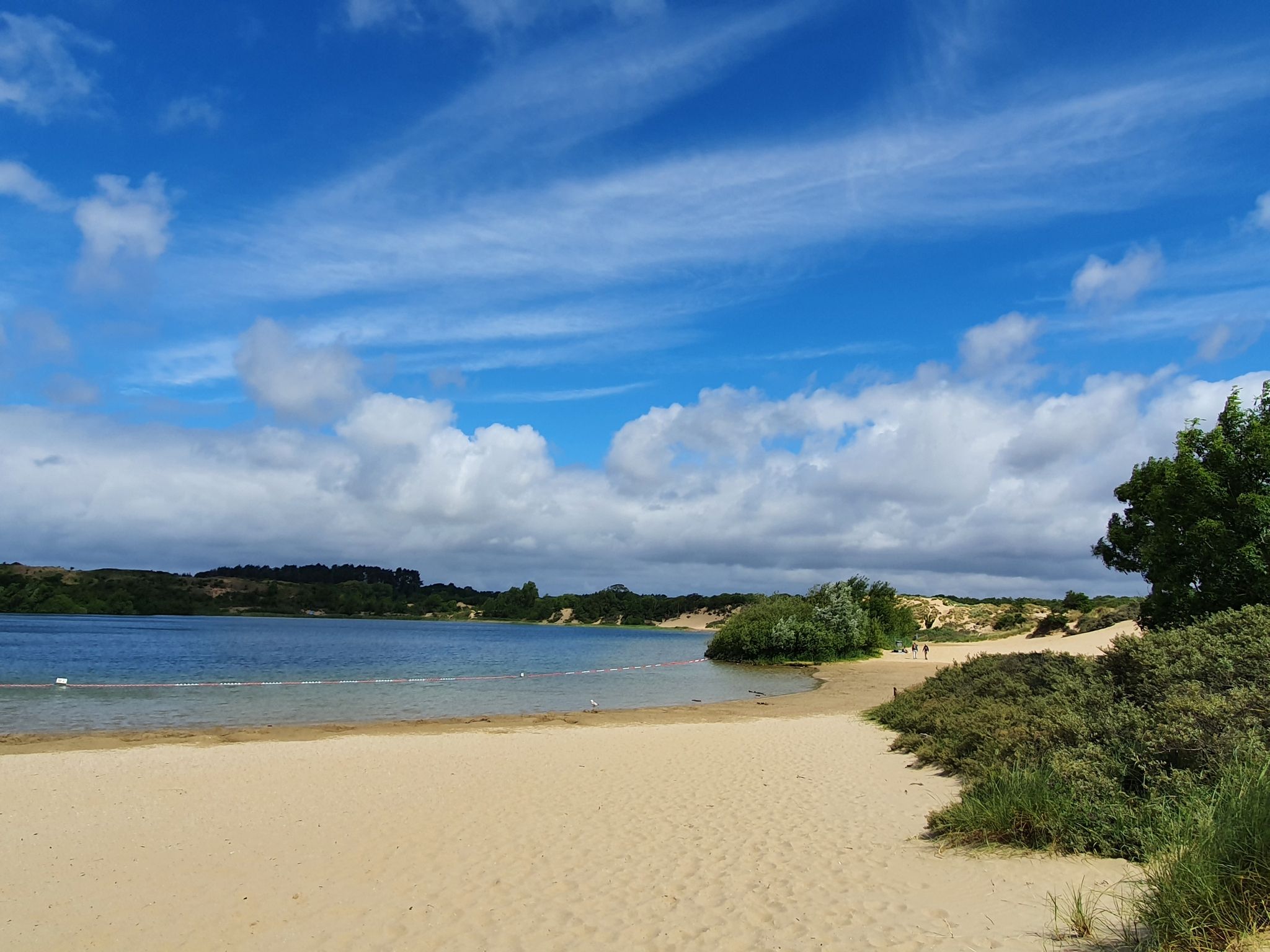
All year round in the beach tent - 5x hiking in N-Holland
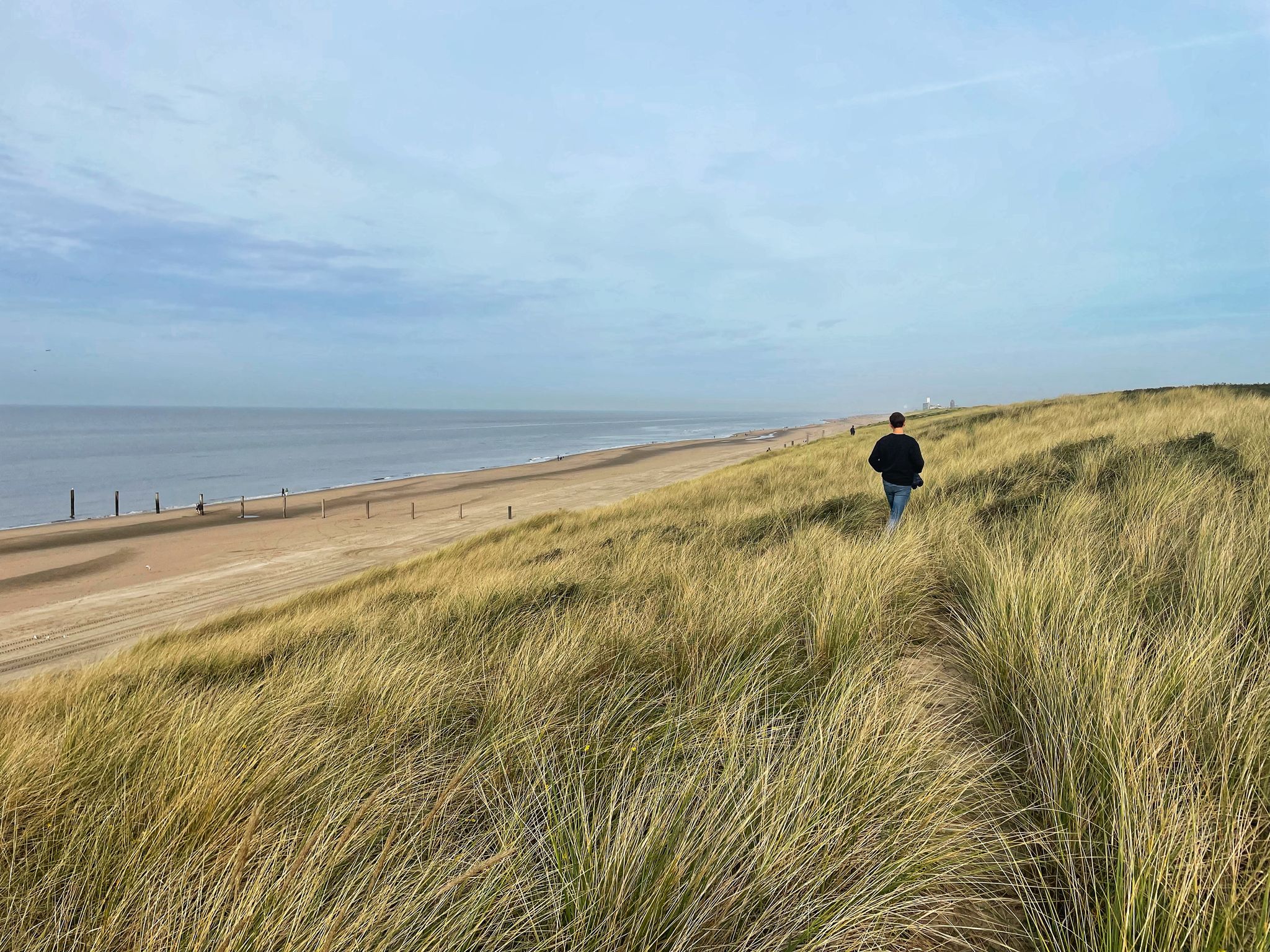
Beach walks and animal encounters – hiking in Zandvoort
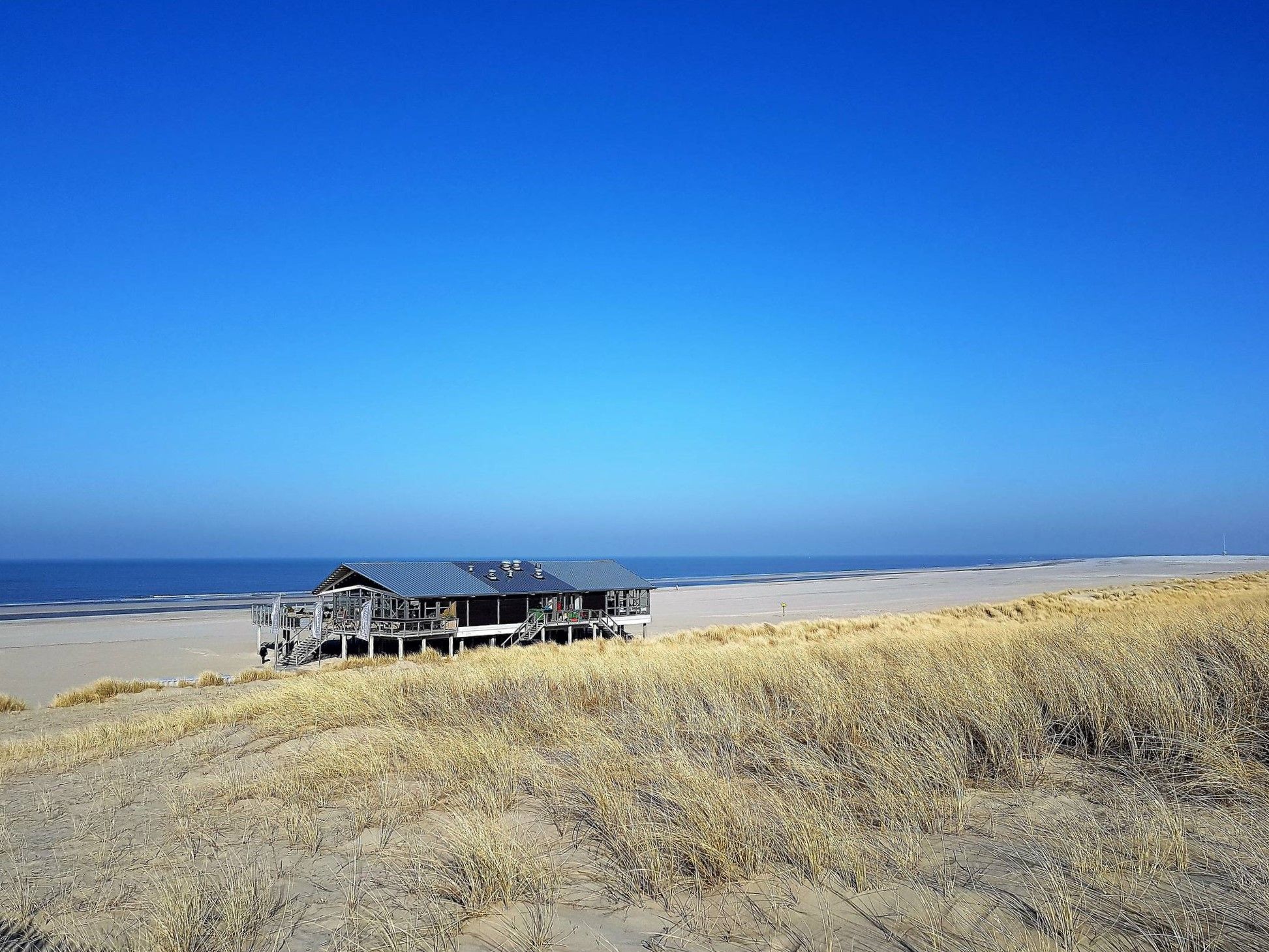
From Hook of Holland to Den Oever — part 2: Dutch Coastal Path
Escape the city – Fantastic beach hikes close to Amsterdam
Sand dunes and beaches – best hikes along Netherland’s west coast
Hiking in Amsterdamse Waterleidingduinen
Cycling in Amsterdamse Waterleidingduinen
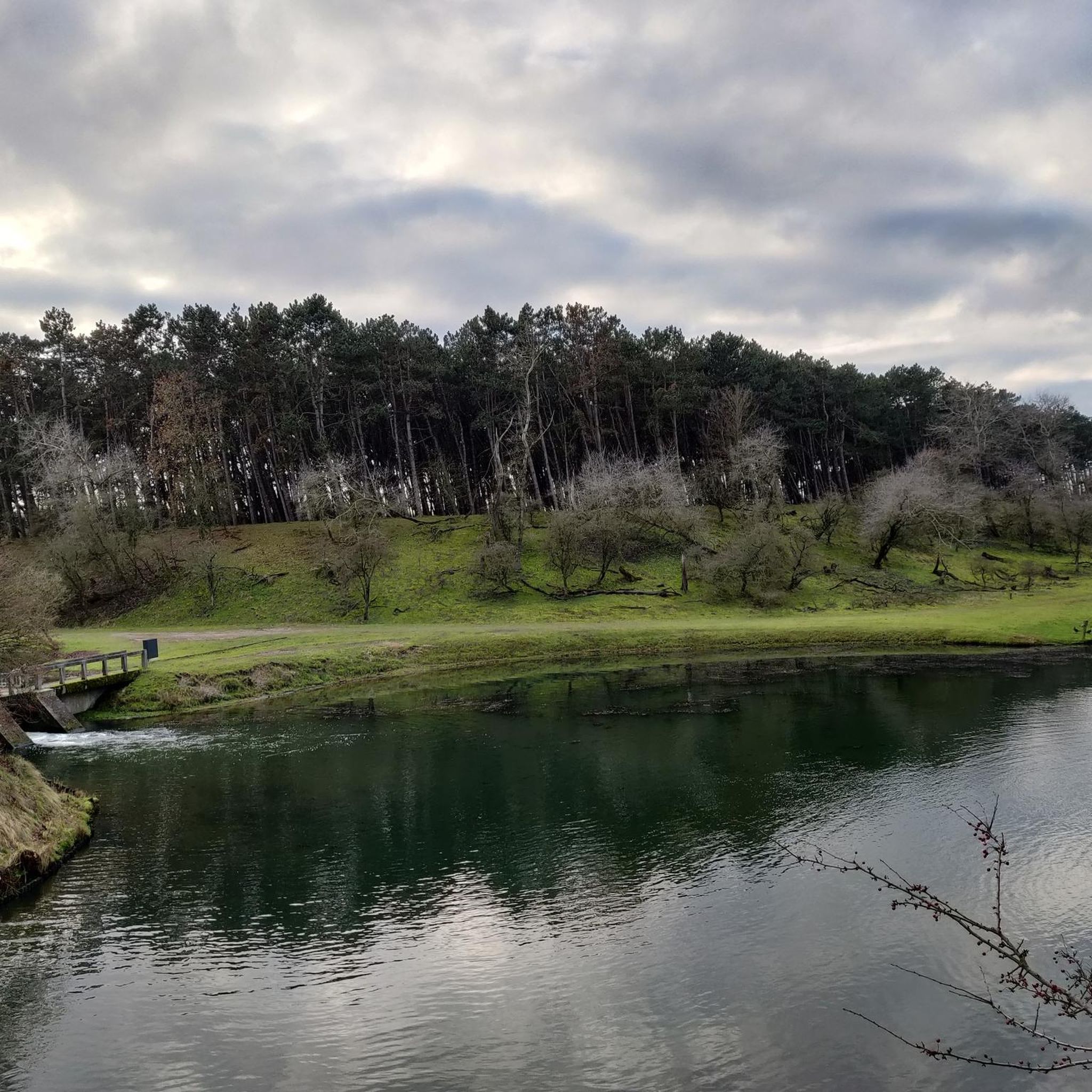
Road Cycling Routes in Amsterdamse Waterleidingduinen
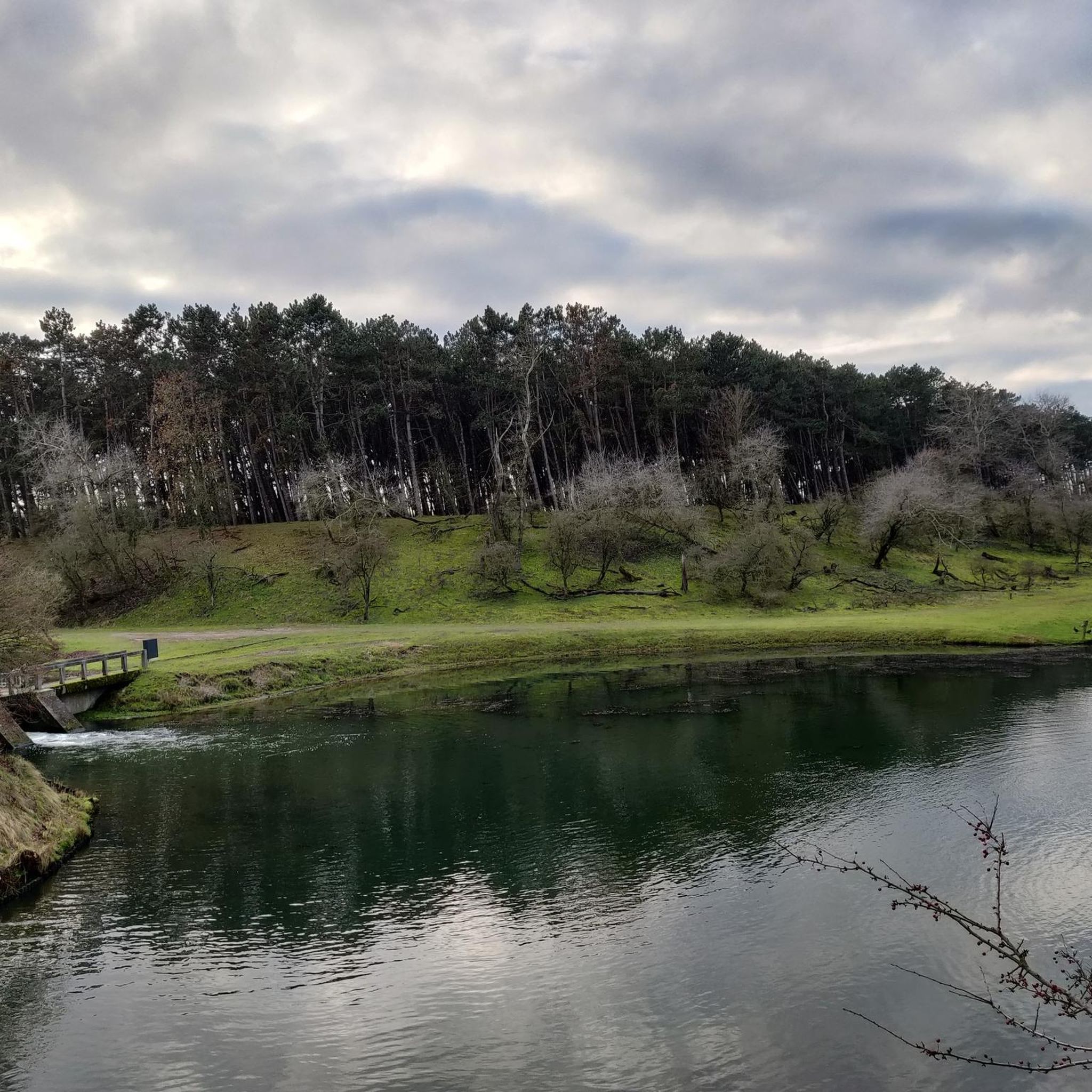
MTB Trails in Amsterdamse Waterleidingduinen
Other adventures in Amsterdamse Waterleidingduinen


Tips from the Community

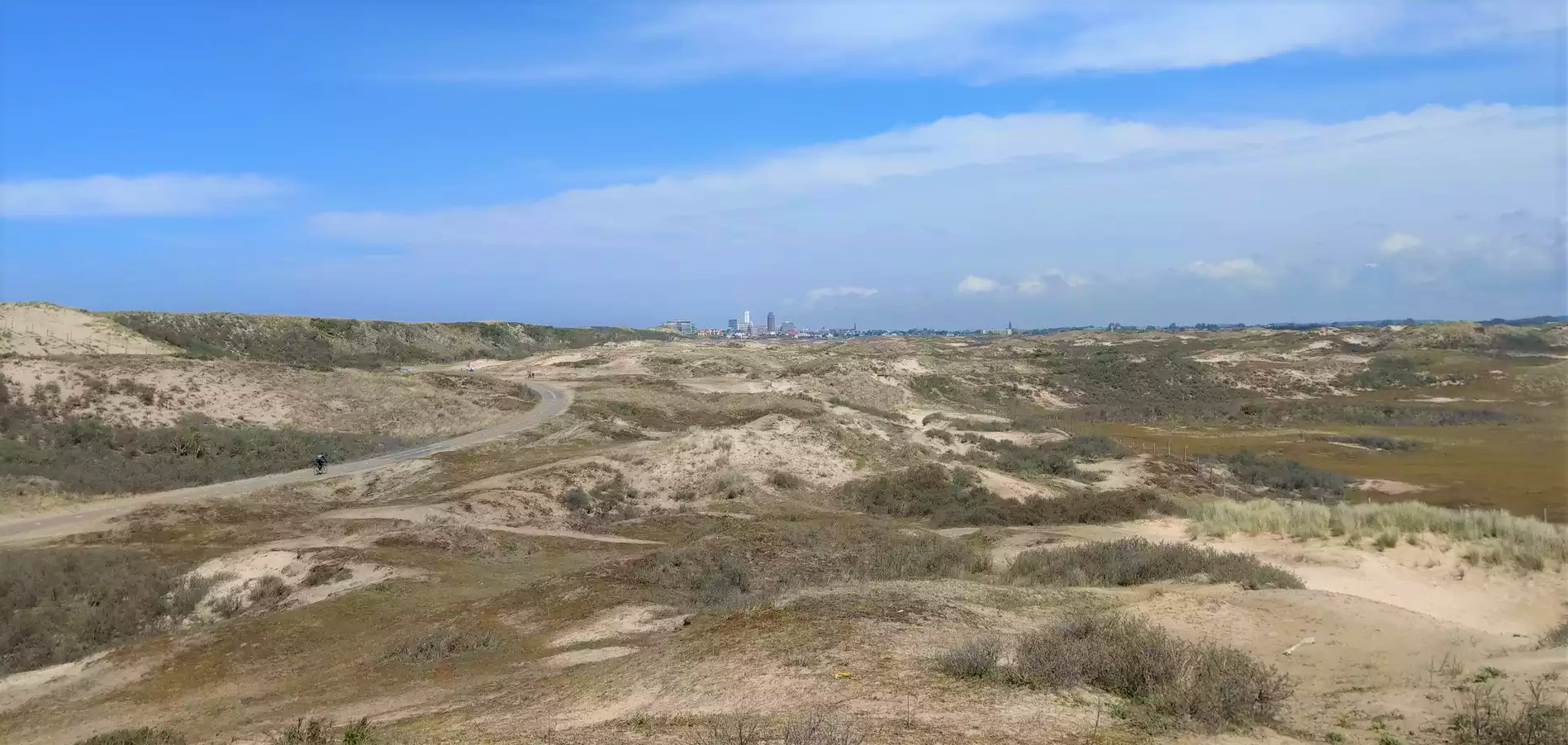
At 3,400 hectares, the Amsterdam Water Supply Dunes are one of the largest contiguous walking areas in the Netherlands. Located between Langevelderslag in Noordwijk and Zandvoort, the dune area is used to pre-purify two-thirds of Amsterdam's drinking water. The Amsterdam Water Supply Dunes are a protected natural monument. Peace, space, and nature are the area's core values. To ensure this, only walking is permitted in the area. Walking is permitted anywhere off the paths.
1
0

The unique nature reserve between Noordwijk and Zandvoort, named after Amsterdam's main water source, is not accessible by bike, but it's a paradise for hikers and nature lovers with an impressive diversity of flora and fauna.
0
0

Beautiful beech path, especially when the trees start to bud in April with fresh green leaves
0
1

Many special encounters when you come here for a walk: https://youtu.be/I5m5T_RDdCY
0
0

A wonderful view in beautiful surroundings.
0
0

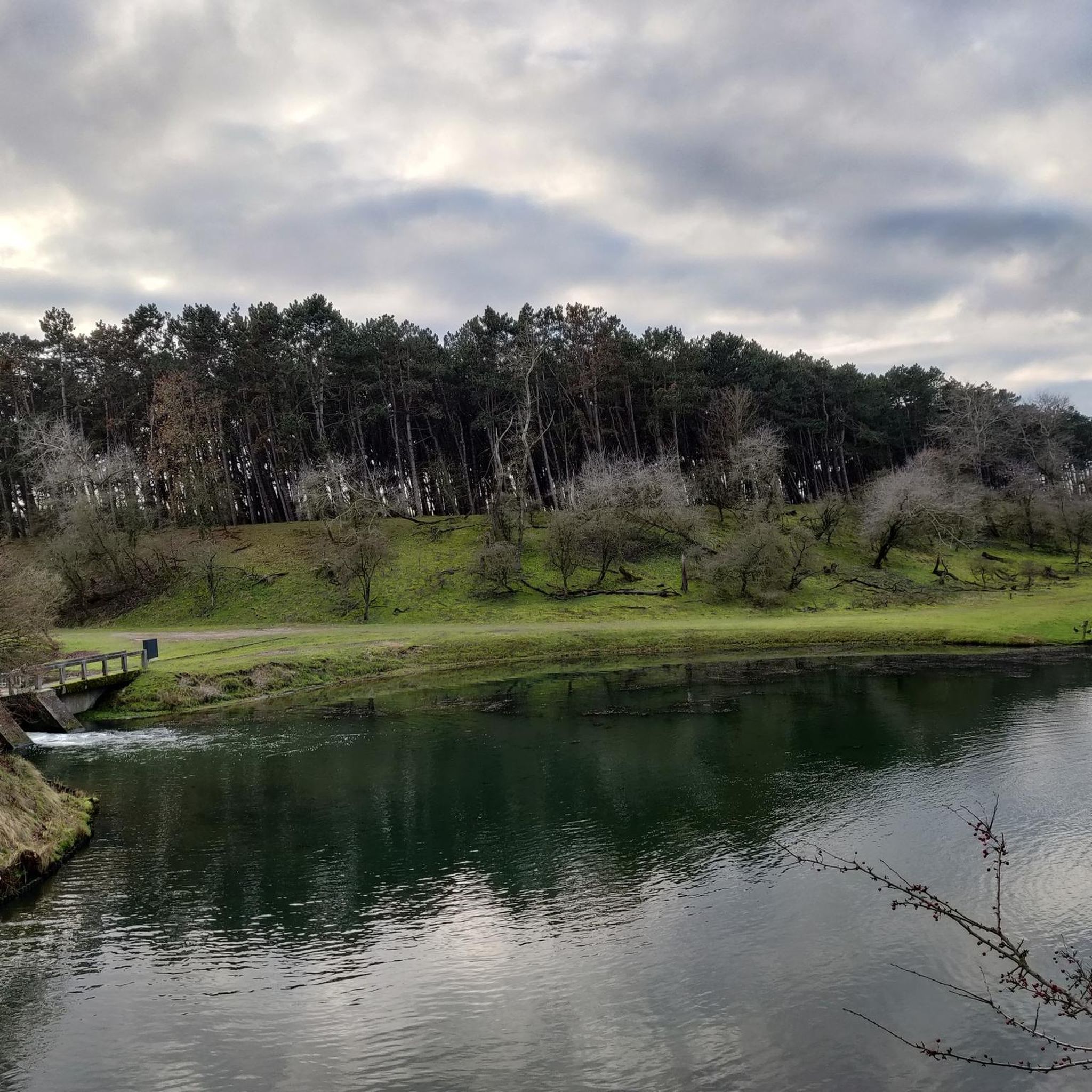
A nice rest area. Here you can enjoy the peace and quiet right next to the water.
1
0

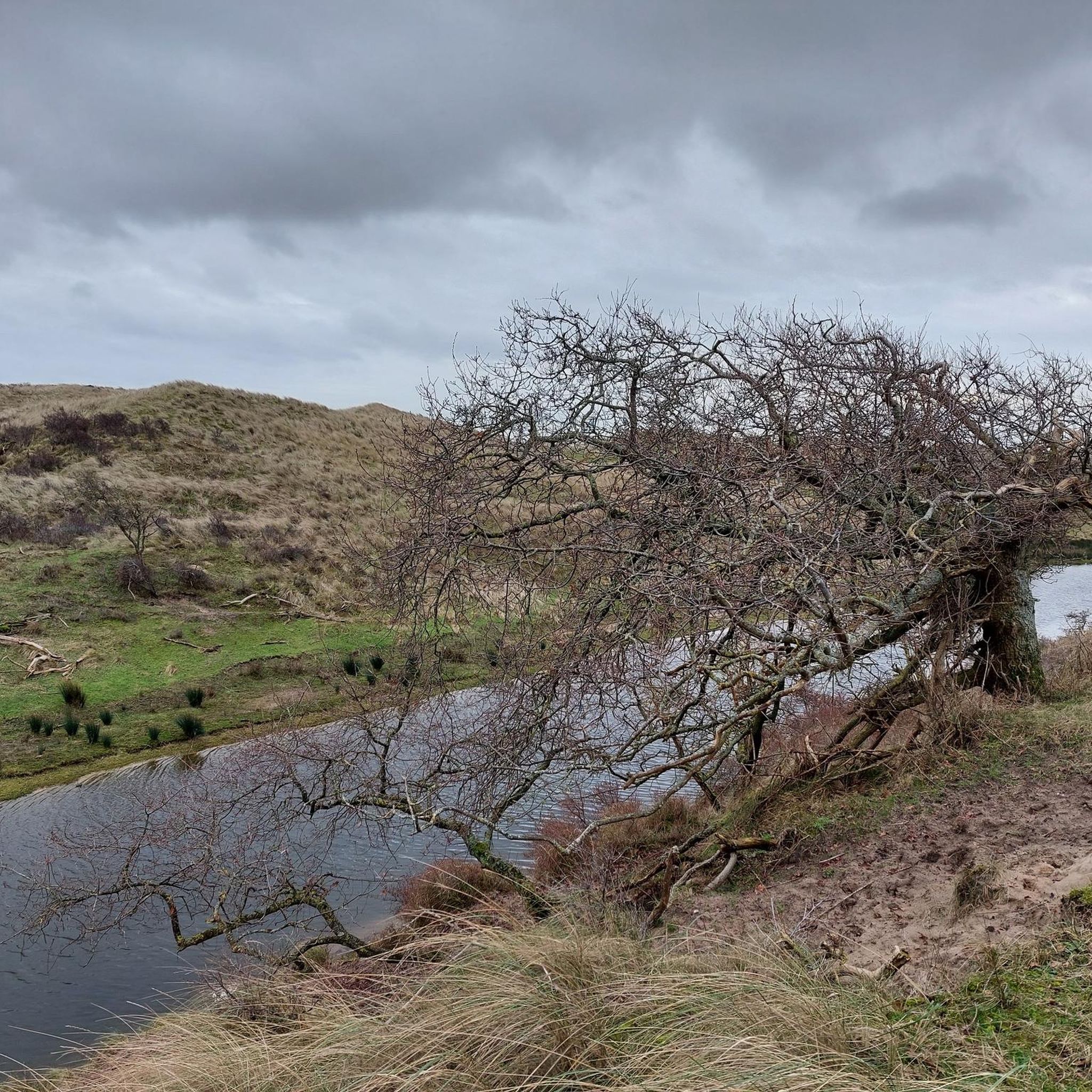
Perhaps the most beautiful tree of the AWD
0
0

Frequently Asked Questions
What kind of wildlife can I expect to see in Amsterdamse Waterleidingduinen?
The Amsterdamse Waterleidingduinen is renowned for its abundant wildlife. You have a very high chance of spotting fallow deer, as it hosts the largest population in the Netherlands. Foxes are also common, and with some luck, you might see them. Over 100 different bird species breed here annually, making it a great spot for birdwatching. Keep an eye out for sand lizards and kingfishers too.
Are there family-friendly natural monuments or activities in the area?
Yes, the Amsterdamse Waterleidingduinen is very family-friendly. Many of the natural monuments, such as Fantastic spot for a break and Tonneblink viewpoint, are suitable for families. The unique allowance to walk freely off designated paths provides an engaging exploration experience for all ages. There are also easy hiking routes available, such as those found in the guide for Easy hikes in Amsterdamse Waterleidingduinen.
What makes the Amsterdamse Waterleidingduinen unique for hikers?
The Amsterdamse Waterleidingduinen offers a unique hiking experience because, unlike most Dutch nature reserves, visitors are permitted to walk freely off the designated paths. This allows for a deep connection with nature and a sense of discovery with each visit. The diverse landscape of sand dunes, groves, and infiltration channels provides varied terrain for exploration.
Can I bring my dog to the natural monuments in Amsterdamse Waterleidingduinen?
While the Amsterdamse Waterleidingduinen is a fantastic natural area, dogs are generally not permitted, even on a leash. This is to protect the abundant wildlife, especially the large population of fallow deer and foxes. It's always best to check specific entrance rules before planning your visit.
What are some notable viewpoints within the Amsterdamse Waterleidingduinen?
Several viewpoints offer stunning vistas of the dune landscape. The Tonneblink viewpoint is a popular elevated spot where you can see all the way to Zandvoort. Another excellent location is Fantastic spot for a break, which provides peaceful rest areas right next to the water with a view.
Are there historical elements to explore in the Amsterdamse Waterleidingduinen?
Yes, beyond its natural beauty, the dunes hold historical significance. You can find bunkers from World War II, which were part of the Atlantic Wall. These historical structures can be explored as part of specific walking routes, adding a cultural and historical dimension to your visit.
What are the best times of year to visit the natural monuments?
The Amsterdamse Waterleidingduinen can be enjoyed year-round, with each season offering a different experience. Autumn is particularly beautiful for walks, as the area is home to the largest array of toadstools and mushrooms in the Netherlands, creating a vibrant display of flora. Spring and summer are ideal for wildlife spotting and enjoying the lush greenery.
How do I get to the Amsterdamse Waterleidingduinen, and is there parking?
The Amsterdamse Waterleidingduinen is located between Zandvoort and Noordwijk. There are several access points, often with parking facilities available. For detailed information on specific parking locations and public transport options, it's advisable to check local visitor information or websites like visitzandvoort.com before your trip.
Are there specific hiking routes recommended for exploring the natural monuments?
Yes, there are numerous hiking routes that allow you to explore the natural monuments and diverse landscape. You can find a variety of options, from easy strolls to more moderate hikes, in guides such as Easy hikes in Amsterdamse Waterleidingduinen and Hiking in Amsterdamse Waterleidingduinen. These guides feature routes that take you through areas rich in flora and fauna, past waterways, and offer chances to spot wild deer.
What kind of flora can be found in the Amsterdamse Waterleidingduinen?
The Amsterdamse Waterleidingduinen is celebrated for its extensive plant life. It boasts the largest array of toadstools and mushrooms in the Netherlands, especially visible in autumn. The varied landscape includes sand dunes, groves, and green strips of land, supporting a rich diversity of dune flora.
Where can I find a unique natural monument in the area?
For something truly distinctive, seek out the Super Twisted Tree. This natural monument is noted for its unique and striking appearance, making it a popular and memorable point of interest within the dunes.
What is the primary function of the Amsterdamse Waterleidingduinen beyond recreation?
The Amsterdamse Waterleidingduinen plays a crucial role in Amsterdam's drinking water supply. It is the oldest water extraction area in the Netherlands, dating back to 1853. The hundreds of dunes serve as a natural filter for rainwater and pre-treated river water, which is a vital first step in producing clean drinking water for the city.
Are there cycling opportunities near the natural monuments?
While the core natural reserve of Amsterdamse Waterleidingduinen is not accessible by bike to protect its delicate ecosystem, there are excellent road cycling routes in the surrounding area. You can explore options in the guide for Road Cycling Routes in Amsterdamse Waterleidingduinen, which includes routes like the 'Kraantje Lek – Duin en Kruidberg Mansion loop'.
Most popular routes in Amsterdamse Waterleidingduinen
Most popular attractions in Amsterdamse Waterleidingduinen

Get inspired with the komoot mobile app


Explore more
Extend your search for the best caves by checking out these guides of the top ones in Amsterdamse Waterleidingduinen:
