Kiebitzholmer Moor Und Trentmoor
Kiebitzholmer Moor Und Trentmoor
Top 4 Natural Monuments in Kiebitzholmer Moor Und Trentmoor
Best natural monuments in Kiebitzholmer Moor Und Trentmoor is a European Natura 2000 Fauna-Flora-Habitat (FFH) area in Schleswig-Holstein, Germany. This region features diverse moor ecosystems and natural landscapes shaped by glacial meltwater. It is recognized for its ecological and geological significance, including high moor remnants, heathlands, and geoscientifically protected objects. The area provides habitats for various flora and fauna, contributing to its biodiversity.
Best natural monuments in Kiebitzholmer Moor Und Trentmoor
- The most popular natural monuments is Kiebitzholmer Moor information sign, a facility that provides details about the moor's unique ecosystem. This sign explains the moor's formation by glacial meltwater and its role as a watershed between the North Sea and the Baltic Sea.
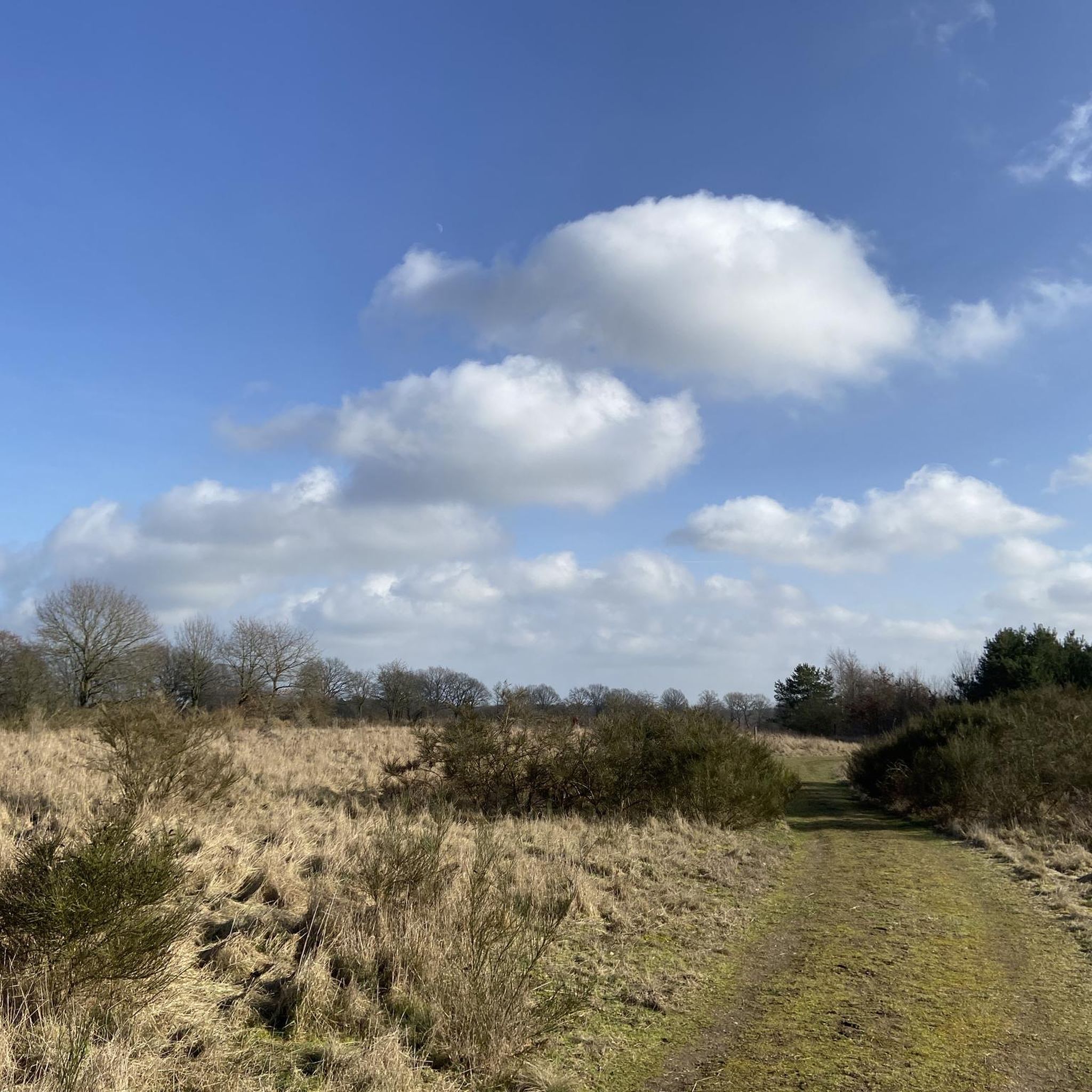
- Another must-see spot is Heathland in Kiebitzholmer Moor und Trentmoor, an area of natural beauty. Visitors can observe heather growing here, a result of the landscape being shaped by glacial meltwater.
- Visitors also love Small Water Bodies in Kiebitzholmer Moor and Trentmoor, valuable habitats for rare aquatic plants and numerous animal species. These water bodies serve as crucial breeding grounds for amphibians and dragonflies.
- Kiebitzholmer Moor Und Trentmoor is known for its high moor remnants, wet and sand heathlands, and geoscientifically protected objects like inland dunes. The area offers a variety of natural monuments to see and explore, showcasing its diverse landscape.
- The natural monuments in Kiebitzholmer Moor Und Trentmoor are appreciated by the komoot community, with over 70 upvotes and 40 photos shared.
Last updated: July 5, 2026
Kiebitzholmer Moor information sign
Highlight • Rest Area
Translated by Google •
Tip by

Heathland in Kiebitzholmer Moor und Trentmoor
Highlight • Natural
The water flowing westward deposited sand and carved out the "Trappenkamp Sander."
This allows heather to grow here.
Tip: The heather blooms from August 8th to September 9th.
Translated by Google •
Tip by

Sign up now to discover places like this
Get recommendations on the best single tracks, peaks, & plenty of other exciting outdoor places.
Sign up for free
Small Water Bodies in Kiebitzholmer Moor and Trentmoor
Highlight • Natural
Translated by Google •
Tip by
Trentmoor
Highlight • Natural
Translated by Google •
Tip by
Start today with a free account
Your next adventure awaits.
Login or Signup
Popular around Kiebitzholmer Moor Und Trentmoor
Tips from the Community

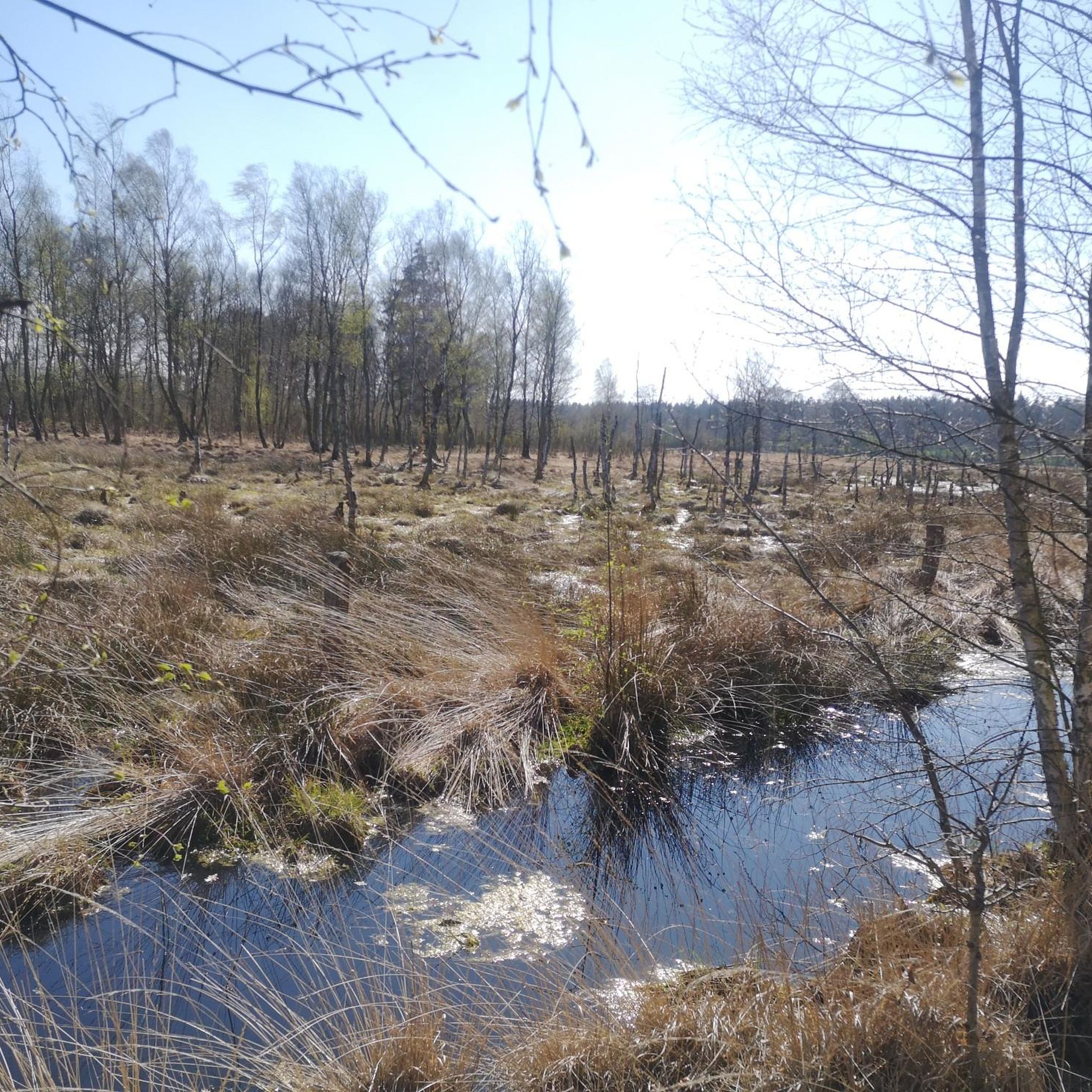
Small bodies of water are valuable habitats that often house rare aquatic and marsh plants as well as numerous animal species – including dragonflies and amphibians, which spend their larval stages here. On the Geest, many of these bodies of water are artificial, such as marl pits or livestock watering holes. Due to landscape change and intensive agriculture, many have disappeared, particularly affecting amphibians. A newly created pond with shallow banks, a sunny location, and nearby woodland now provides favorable conditions for their reproduction.
2
0
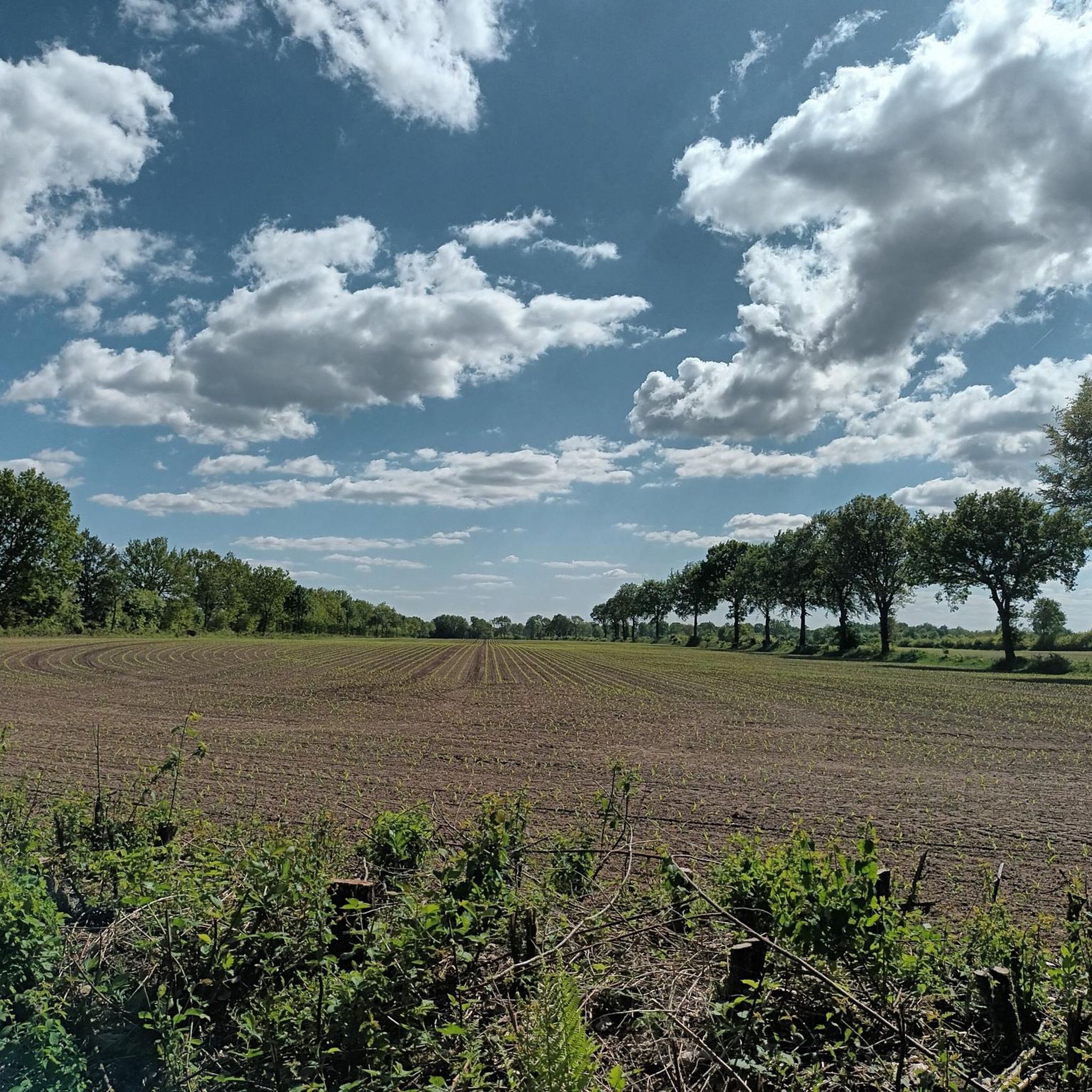
The shaping power of glacial meltwater from the area of present-day Lake Plön shaped the landscape between Rickling and Daldorf. The water flowing westward deposited sand and carved out the "Trappenkamp Sander." This allows heather to grow here. Tip: The heather blooms from August 8th to September 9th.
2
0
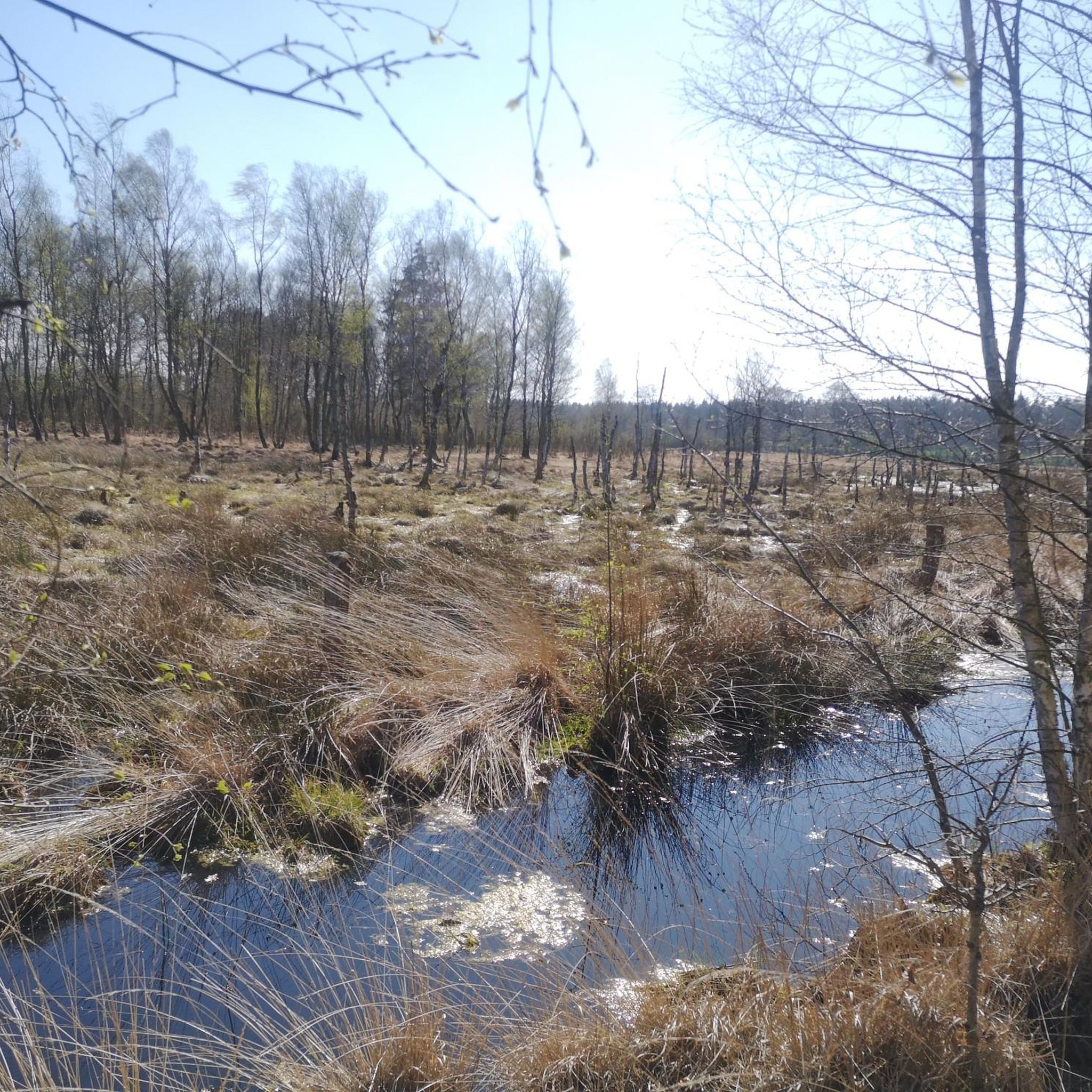
This trail leads through the structurally rich wetland of the Kiebitzholmer Moor, formed by glacial meltwater that once deposited sand and gravel between Rickling and Daldorf. The watershed between the North Sea and the Baltic Sea now runs here: the Brandsau River flows to the Baltic Sea, and the Rothenmühlenau River flows via the Stör River to the North Sea. Those who experience nature with open eyes can discover small wonders: • 🐸 Moor frogs, whose males shimmer bright blue for a few days in spring • 🐭 Harvest mice, which build elaborate nests among reeds and grasses • 🪲 Red-necked silphiums, carrion beetles with reddish-brown pronotums – indicators of near-natural habitats.
2
0
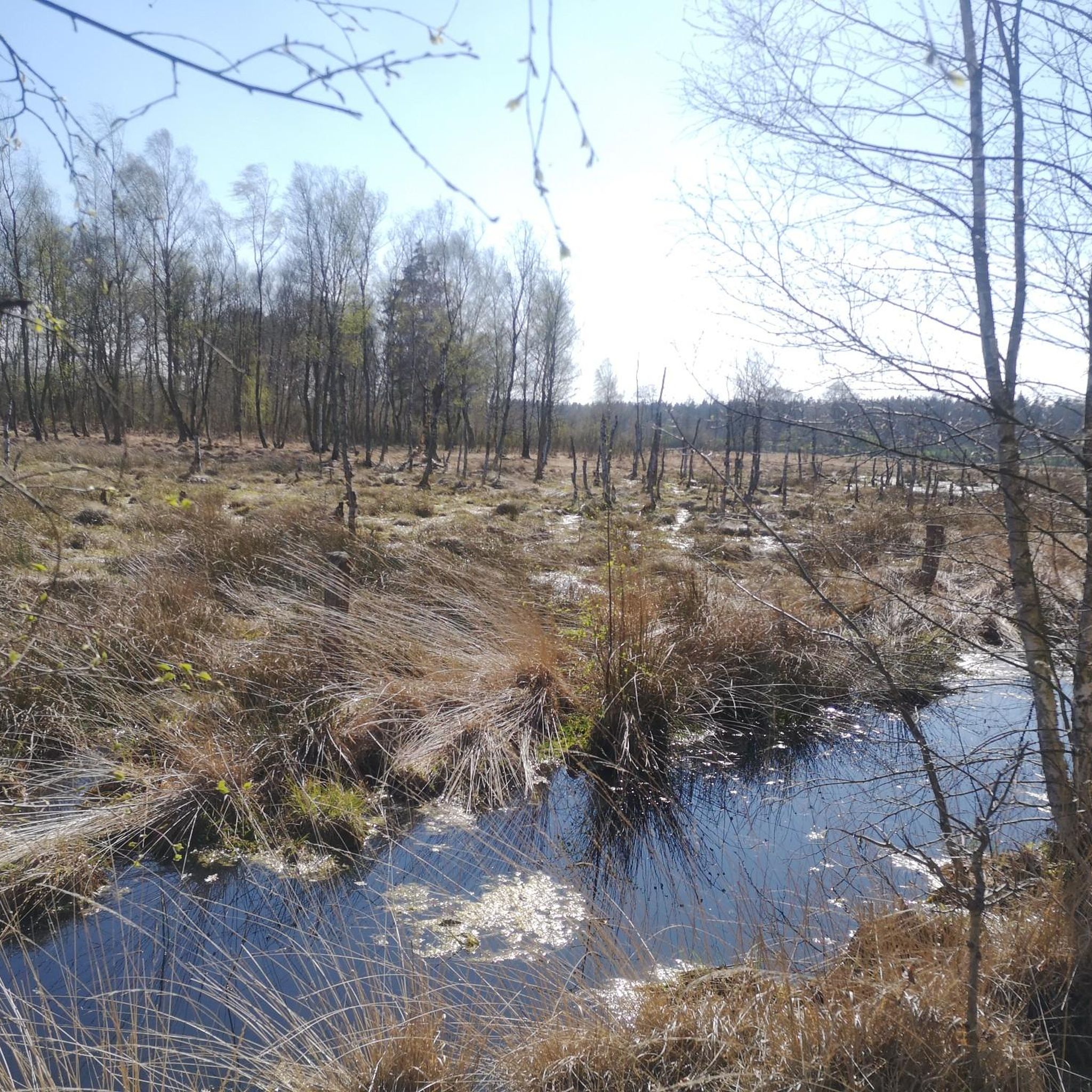
Trentmoor is a protected moorland in Schleswig-Holstein and is part of the Natura 2000 network, which preserves valuable habitats for rare plant and animal species. It is characterized by nutrient-poor raised bogs, wet heaths, and former peat bogs, some of which have been restored. To keep the landscape open, some areas are grazed by Galloway cattle, while large parts of the moor are off-limits for nature conservation reasons.
3
0

The moor has the name: Kiebitzholmer Moor! (Not "Kiebitzholzer" bog) Nice and quiet there - a herd of Galloways is running around freely - similar to the Stellmoorer Tunneltal near Hamburg. Great atmosphere - worth checking out!
0
0

Here is a sign with information about the Kiebitzholmer Moor.
2
0
Frequently Asked Questions
What unique natural features can I discover in Kiebitzholmer Moor Und Trentmoor?
The region is home to diverse ecosystems. You can explore significant high moor remnants, extensive wet and sand heathlands, and unique geological formations like the inland dunes near Kiebitzholm and Hamdorf, and the Cliff of the Tensfelder Au. Don't miss the Heathland in Kiebitzholmer Moor und Trentmoor, especially when the heather blooms from August to September.
What kind of wildlife can I spot in Kiebitzholmer Moor Und Trentmoor?
The diverse habitats support a variety of wildlife. Keep an eye out for blue-shimmering moor frogs in spring, harvest mice building nests in reeds, and red-necked silphids. The Small Water Bodies in Kiebitzholmer Moor and Trentmoor are crucial breeding grounds for amphibians and dragonflies. You might also encounter free-ranging Galloway cattle, which help maintain the landscape.
Are there family-friendly natural monuments or activities in the area?
Yes, several natural monuments are suitable for families. The Kiebitzholmer Moor information sign provides educational details about the moor's ecosystem. The heathlands and small water bodies offer opportunities for nature observation. Many of the hiking and cycling paths are accessible for families, allowing for easy exploration of the natural beauty.
What is the best time to visit Kiebitzholmer Moor Und Trentmoor?
The region offers beauty year-round, but late summer is particularly special. The heather in the Heathland in Kiebitzholmer Moor und Trentmoor typically blooms from August 8th to September 9th, creating a stunning purple landscape. Spring is also excellent for spotting moor frogs. Generally, good weather makes for pleasant hiking and cycling.
What outdoor activities can I do near these natural monuments?
The area is ideal for various outdoor activities. You can enjoy hiking and cycling on approximately 5 km of designated paths. For specific routes, consider exploring the hiking trails in Kiebitzholmer Moor Und Trentmoor or the traffic-free bike rides available in the region.
Are there dog-friendly trails near the natural monuments?
Yes, there are dog-friendly options for exploring the natural monuments. You can find several routes suitable for walks with your dog. Check out the dog-friendly hikes in Kiebitzholmer Moor Und Trentmoor for specific trail suggestions.
What is special about Trentmoor?
Trentmoor is a protected moorland within the Natura 2000 network, preserving valuable habitats. It features nutrient-poor raised bogs, wet heaths, and restored peat bogs. Due to its location on a dead-end field path, it's considered a quiet, insider tip for nature lovers. Large parts are off-limits for conservation, but accessible areas offer unique insights into this ecosystem.
Where can I find information about the Kiebitzholmer Moor's ecosystem?
An information board at the Kiebitzholmer Moor information sign provides details about the moor's unique ecosystem, its formation by glacial meltwater, and its role as a watershed between the North Sea and the Baltic Sea. It's a great starting point for understanding the area.
What geological features are prominent in the region?
The landscape was significantly shaped by glacial meltwater. Key geological features include the inland dunes near Kiebitzholm and Hamdorf, which are protected as geoscientifically important objects, and the impressive Cliff of the Tensfelder Au, also formed by glacial forces.
Are there any specific regulations or permits needed for visiting?
While a large part of the Natura 2000 FFH area is not accessible to protect sensitive habitats, approximately 5 km of walking, riding, and cycling paths are open to visitors. No specific permits are generally required for using these public paths, but always respect signage and stay on marked trails to protect the delicate ecosystem.
What makes the small water bodies in the moor so important?
The Small Water Bodies in Kiebitzholmer Moor and Trentmoor are vital habitats for rare aquatic and marsh plants, as well as numerous animal species. They serve as crucial breeding grounds for amphibians and dragonflies, supporting biodiversity in the region. Efforts are made to create new ponds with favorable conditions for reproduction.
Most popular routes in Kiebitzholmer Moor Und Trentmoor
Most popular attractions in Kiebitzholmer Moor Und Trentmoor

Get inspired with the komoot mobile app


Explore more
Extend your search for the best caves by checking out these guides of the top ones in Kiebitzholmer Moor Und Trentmoor:
