Top 10 Natural Monuments in Billetal
Natural monuments in Billetal are primarily located within the Billetal Nature Reserve, a protected area in Schleswig-Holstein, Germany. This region features a landscape shaped by meltwater from the last Ice Age, contributing to its unique geological features and diverse ecosystems. The reserve encompasses a significant stretch of the Bille River, characterized by natural flowing water structures, riparian forests, and ancient beech forests. It offers habitats for various plant and animal species, including rare birds and fish.
Best natural monuments in…
Last updated: June 21, 2026
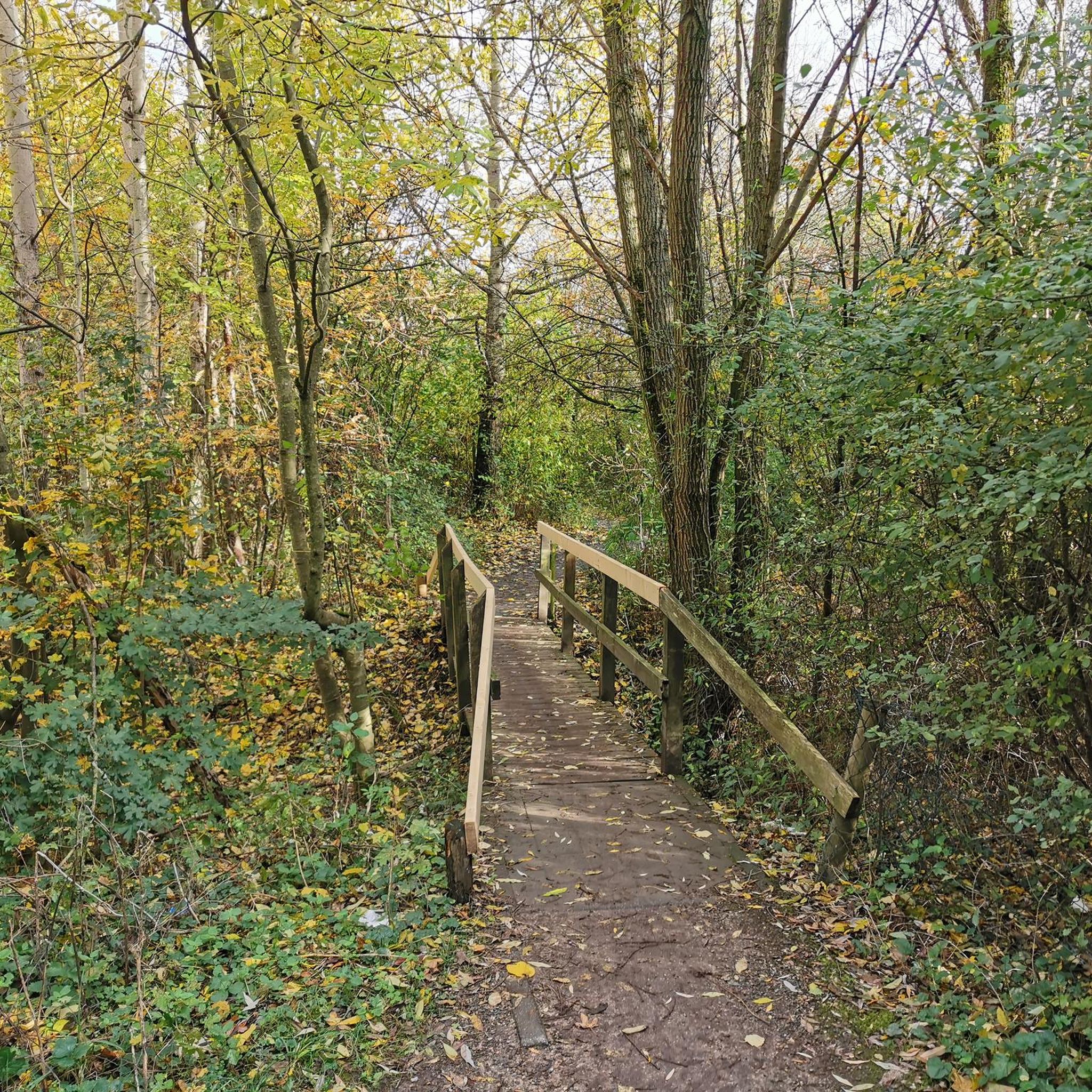
Fürstenbrücke — over the Bille
Highlight • Bridge
Translated by Google •
Tip by

Billetal Nature Reserve
Highlight • Forest
Translated by Google •
Tip by

Sign up now to discover places like this
Get recommendations on the best single tracks, peaks, & plenty of other exciting outdoor places.
Sign up for free
Billetal Nature Reserve Between Witzhave and Rotenbek
Highlight • Natural Monument
Translated by Google •
Tip by

300-Year-Old Winter Linden at Grander Mühle
Highlight • Natural Monument
Translated by Google •
Tip by
Billetal Near Krabbenkamp
Highlight (Segment) • River
Translated by Google •
Tip by

Sign up for free to discover even more natural monuments in Billetal.
Sign up for free
Already have an account?
Start today with a free account
Your next adventure awaits.
Login or Signup
Tips from the Community

A remarkable specimen of a winter linden tree right next to the mill... On the accompanying sign, the linden tree itself tells its story.
1
0
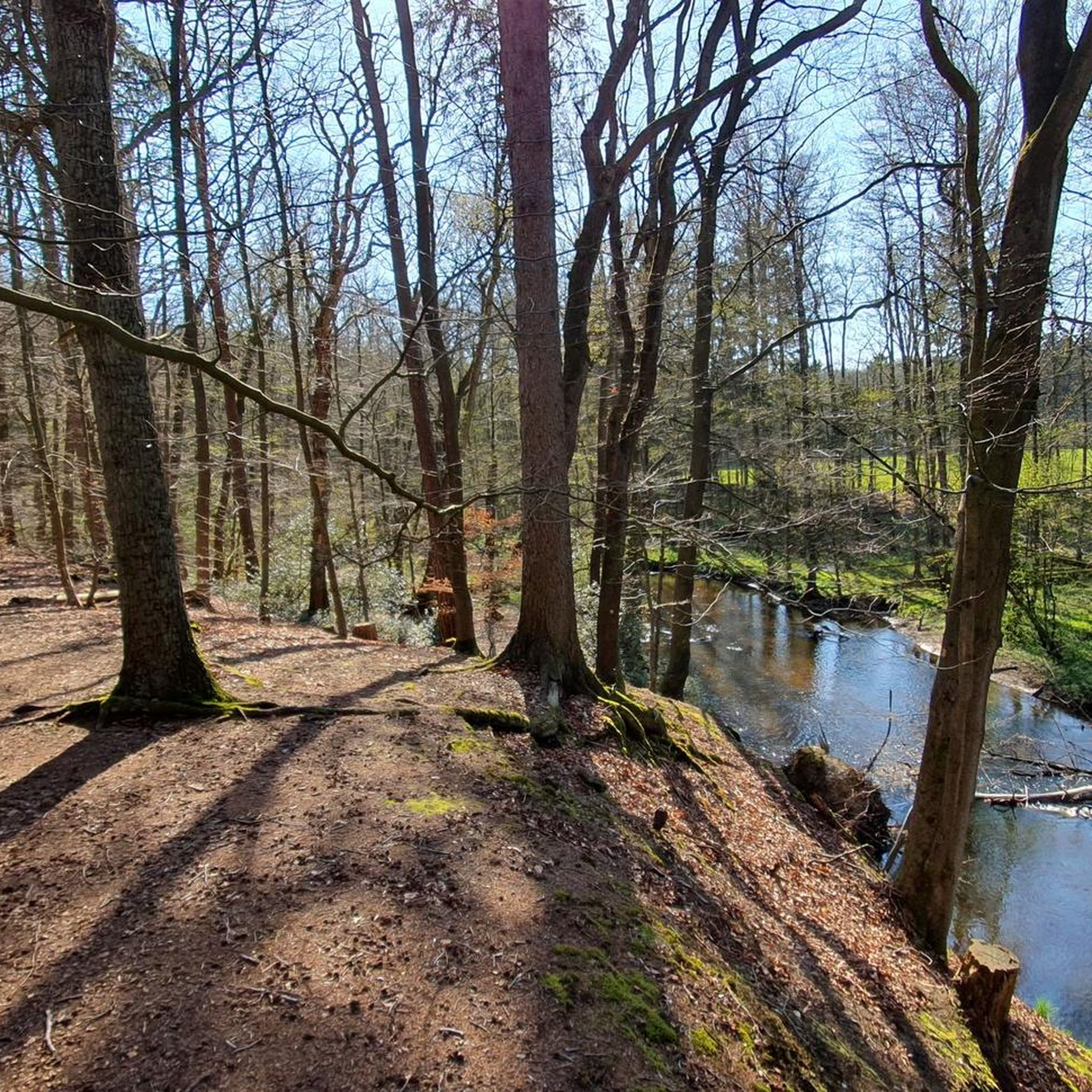
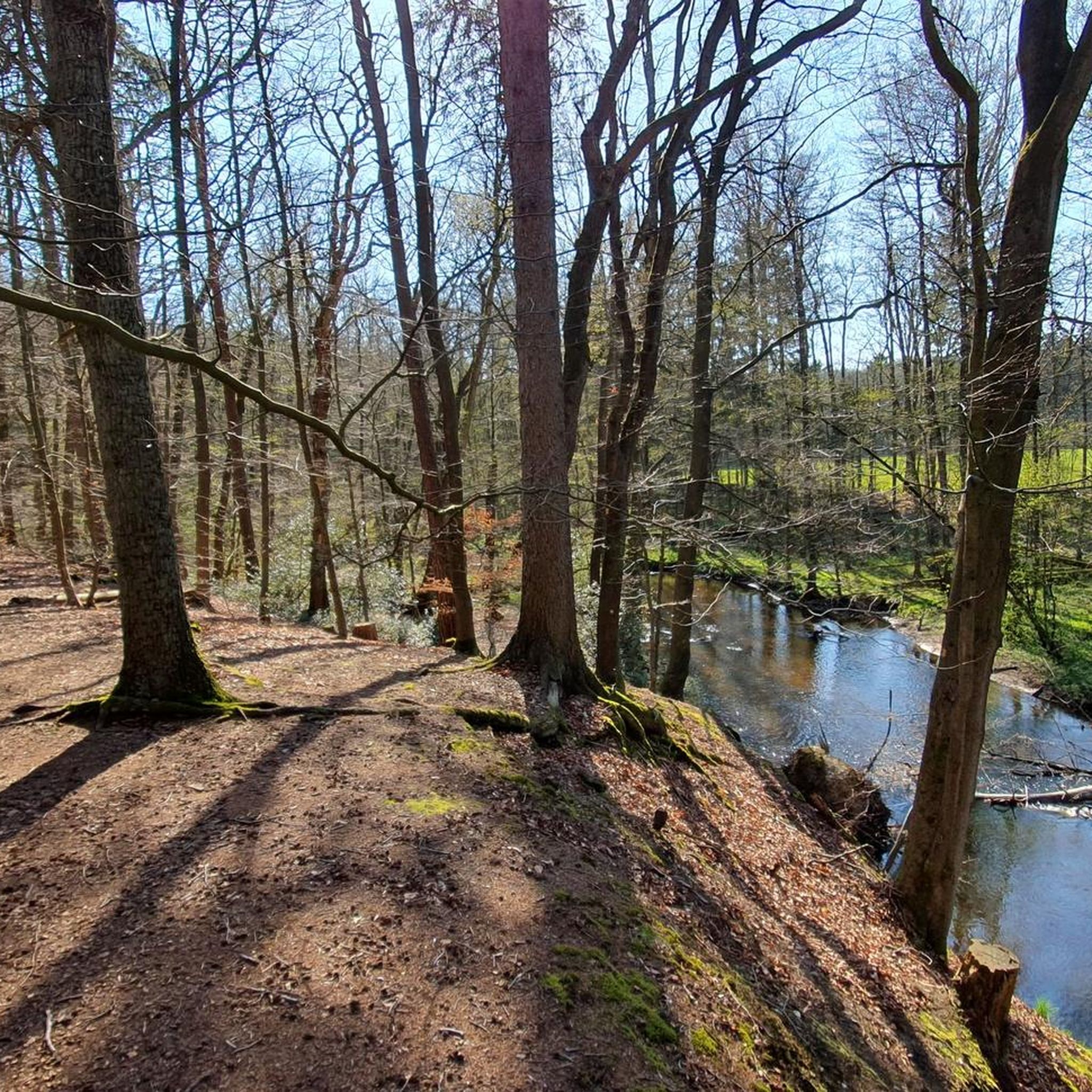
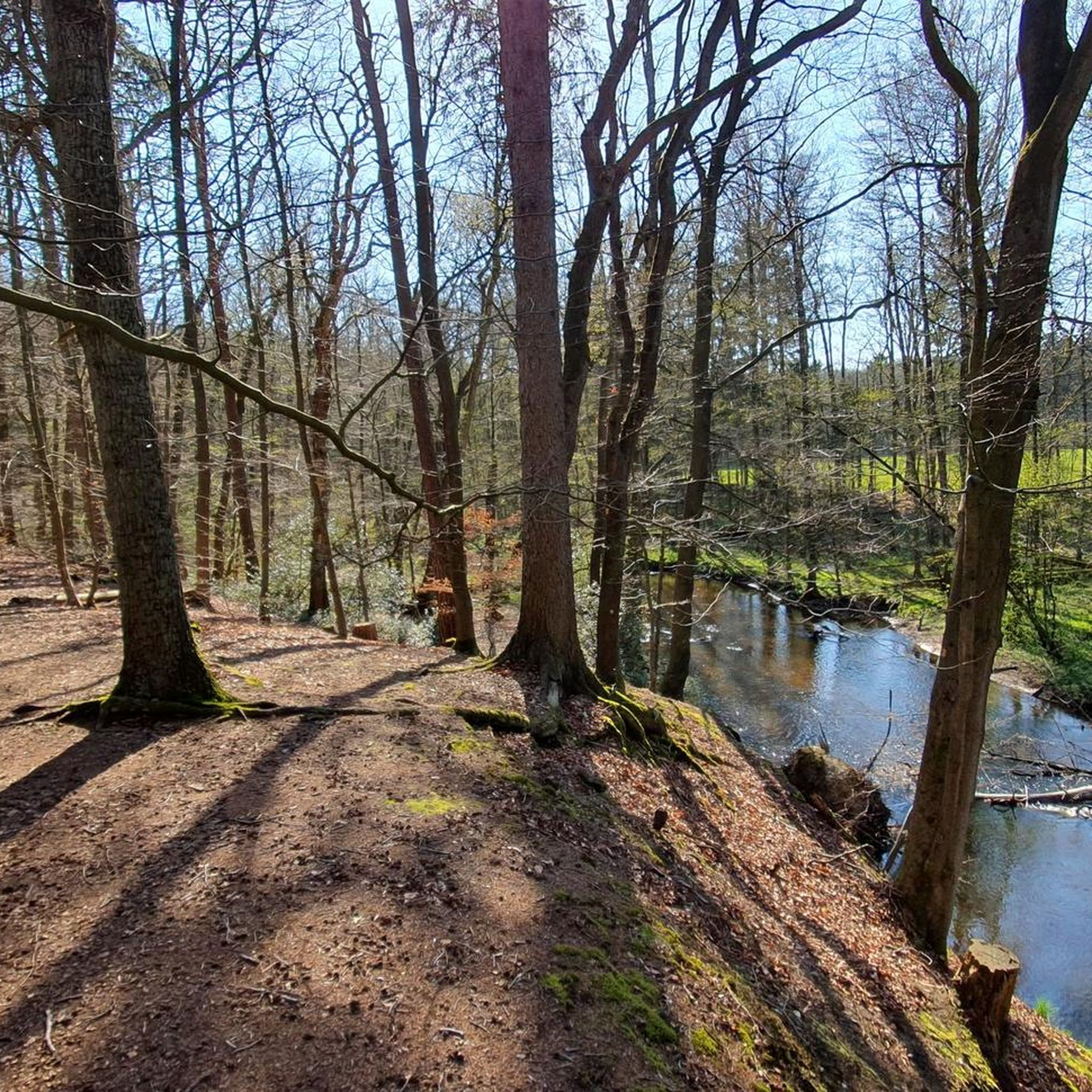
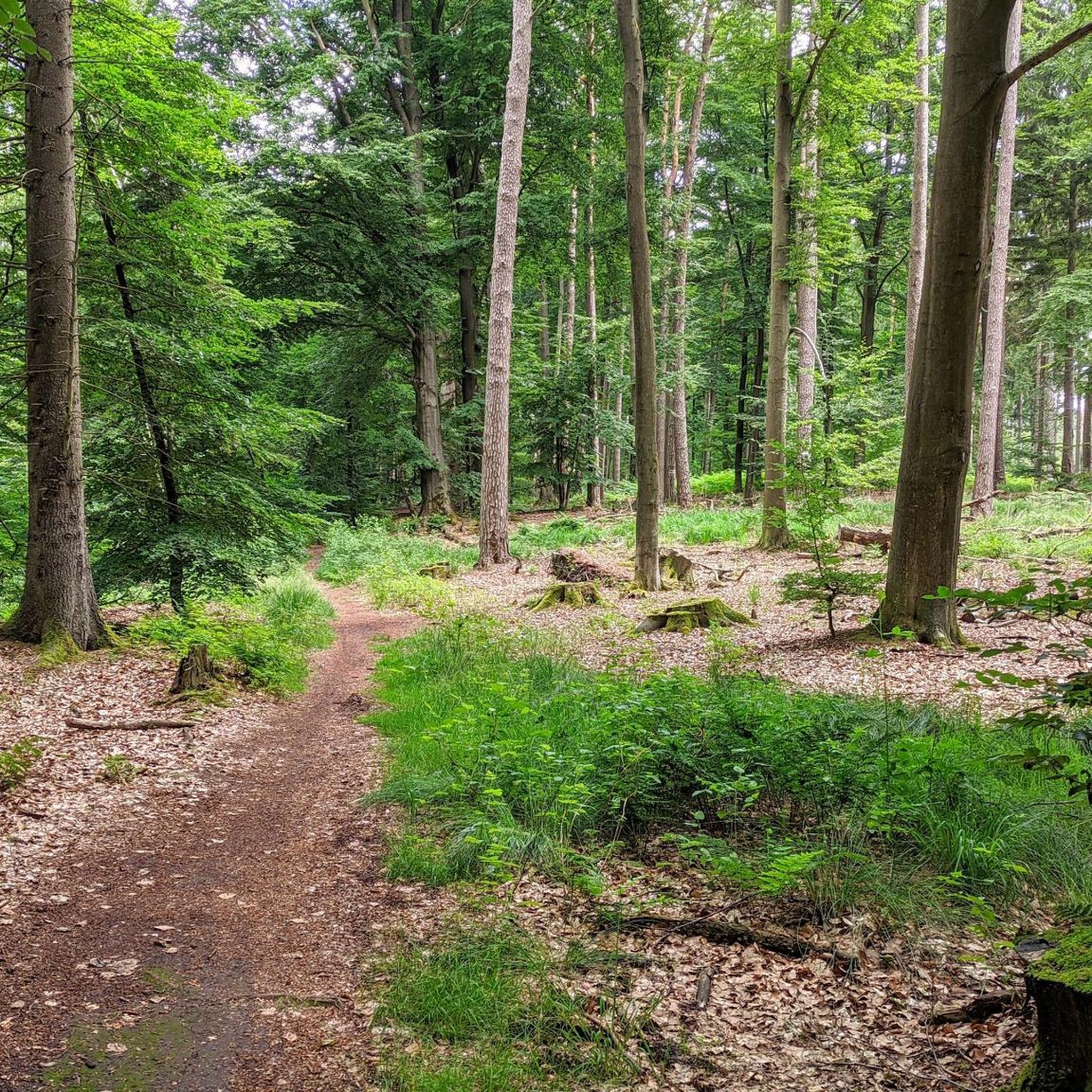
A wonderfully beautiful spot in nature... The narrow hiking trail leads mostly directly above the Bille river through lovely woods... There are frequent magnificent views of the idyllic Bille flowing by.
1
0

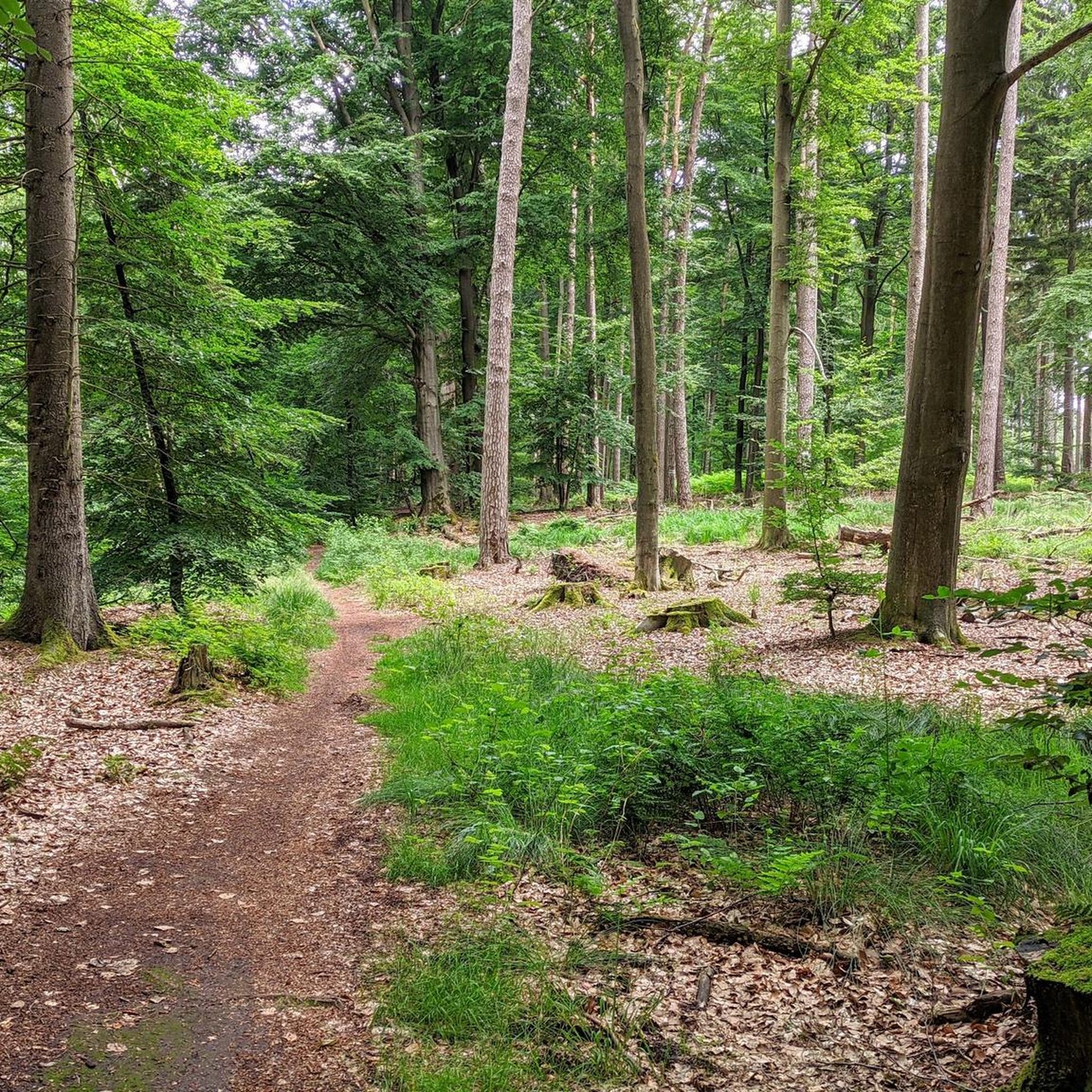
The Billetal nature reserve is located on the western edge of the Sachsenwald forest. Numerous, truly idyllic hiking trails meander along the river, which is cool even in summer. The Bille provides a habitat for brown trout and grayling. Surrounded by alluvial forests, wet meadows and tall herbaceous meadows, the area is home to numerous plant and animal species. The old beech forests along the valley slopes are particularly beautiful.
1
1

Right next to the historic Grander Mill stands the mighty winter linden tree, which is already over 300 years old. A plaque provides information about its fate so far and that of the mill, which is now a listed building. Stay a while and take a look at it, because you rarely see such a natural, wide crown on a linden tree, because the trees along the roads are regularly severely pruned. It could even live to be 1000 years old, although it has already been struck by lightning once and the wound may never fully heal. Hopefully it will stand here for many more years, perhaps even centuries, so that our children and grandchildren can still enjoy it. The European long-distance hiking trail E1, which actually goes right past it, has unfortunately been closed for some time, so you can't get past it and have to take a small detour across the road. You can find further interesting information about Linden here: https://www.bund-naturschutz.de/pressemitteilungen/eine-liebeserklaerung-an-die-linde
2
1
Right next to the historic Grander Mill stands the mighty winter linden tree, which is already over 300 years old. A plaque provides information about its fate so far and that of the mill, which is now a listed building. Stay a while and look at it, because you rarely see such a natural, wide crown on a linden tree, because the trees along the roads are regularly severely pruned. It could even live to be 1000 years old, although it has already been struck by lightning once and the wound may never fully heal. Hopefully it will stand here for many more years, perhaps even centuries, so that our children and grandchildren can still enjoy it. The European long-distance hiking trail E1, which actually goes right past it, has unfortunately been closed for some time, so you can't get past it and have to take a small detour across the road. You can find further interesting information about Linden here: https://www.bund-naturschutz.de/pressemitteilungen/eine-liebeserklaerung-an-die-linde
4
0

In 1987, the Billetal between Grande and Reinbek, together with the lower reaches of the Corbek, was placed under nature protection over a length of 17 km.
4
0
The Bille rises northeast of the Hahnheide and flows into the Elbe near Hamburg. It is one of the rivers in Schleswig-Holstein that, like the Krabbenkamp, still has natural, river-typical structures in sections with a characteristic flora and fauna. The Billetal was designated as a nature reserve in 1987 between Grander Mühle and Reinbeker Mühlenteich. It is a very beautiful part of the world where nature is often left to its own devices and even fallen trees remain as they fell, if possible. The Billetal includes habitats of community importance such as flowing waters with flooding vegetation, tall herbaceous meadows, alluvial forests and Haimsimsen beech forests. Since it is also of outstanding importance for fish, birds, mussels and insects typical of rivers, it is part of the European ecological network “Natura 2000” - bird sanctuary and FFH area. https://umweltApplications.schleswig-holstein.de/Naturschutz Areas/122-billetal/122_Region.php
3
1

Beautiful area with great paths...
9
0
Frequently Asked Questions
What are the main natural features to explore in Billetal?
The Billetal is primarily known for the Billetal Nature Reserve, which protects a significant stretch of the Bille River. You'll find natural flowing water structures, diverse habitats like riparian forests and beech forests, and unique geological formations shaped by Ice Age meltwater. Key features include the river itself, its surrounding forests, and specific natural elements like Fallen trees across the Bille, which are left to integrate naturally into the ecosystem.
Are there specific natural monuments within the Billetal Nature Reserve worth visiting?
Yes, within the broader Billetal Nature Reserve, a notable section is the Billetal Nature Reserve Between Witzhave and Rotenbek. This area, formed by meltwater from the last ice age, borders the Sachsenwald and is a haven for rare animal and plant species, including special bird species like the dipper and kingfisher. It offers untouched nature and excellent hiking opportunities.
What kind of wildlife can I expect to see in the Billetal natural monuments?
The Billetal is rich in biodiversity. The Bille River supports various fish species requiring high water quality, such as brown trout and grayling. Birdwatchers might spot kingfishers, grey wagtails, and overwintering dippers. The diverse habitats, including riparian and beech forests, provide homes for numerous plant and animal species, especially within the protected areas like the Billetal Nature Reserve Between Witzhave and Rotenbek.
Are there any historical natural monuments in Billetal?
Yes, you can visit the 300-Year-Old Winter Linden at Grander Mühle. This mighty tree stands next to the historic Grander Mill, which is a listed building. A plaque at the site provides information about the tree's long history and its connection to the mill, offering a glimpse into the region's natural and cultural heritage.
What outdoor activities can I do near the natural monuments in Billetal?
The Billetal offers excellent opportunities for outdoor enthusiasts. You can enjoy various activities such as hiking, gravel biking, and road cycling. For detailed routes and inspiration, explore guides like Easy hikes in Billetal, Gravel biking in Billetal, and Road Cycling Routes in Billetal.
Are there family-friendly natural monuments or trails in Billetal?
Many areas within the Billetal Nature Reserve are suitable for families. The trails along the Bille River are generally accessible and offer a peaceful retreat into nature. Specific highlights like the 300-Year-Old Winter Linden at Grander Mühle and
What is the best time of year to visit the natural monuments in Billetal?
The Billetal is beautiful year-round, but spring and autumn offer particularly pleasant conditions for hiking and cycling, with mild temperatures and vibrant natural colors. Summer provides cool respite along the Bille River, while winter walks can be tranquil, especially if you're hoping to spot overwintering birds like the dipper.
Are there hiking trails suitable for all fitness levels in Billetal?
Yes, the Billetal Nature Reserve offers a variety of paths suitable for different fitness levels. You'll find easily accessible trails perfect for leisurely strolls, as well as longer routes for more experienced hikers. Many trails meander along the Bille River, providing idyllic scenery. For easy options, check out the Easy hikes in Billetal guide.
Where can I find unique natural formations in Billetal?
Beyond the river and forests, the Billetal features Unique trees and natural formations in Billetal. These are areas where nature has created bizarre and interesting shapes, often along trails within the forest. They offer a chance to appreciate the unexpected artistry of the natural world.
What do visitors enjoy most about the natural monuments in Billetal?
Visitors frequently praise the untouched nature and tranquility of the Billetal. The idyllic hiking trails along the Bille River, especially within the Billetal Nature Reserve, are highly appreciated. Many enjoy the opportunity to observe rare bird species like the kingfisher and dipper, and the overall peaceful escape into a well-preserved river landscape.
Is the Billetal Nature Reserve part of a larger protected area?
Yes, the Billetal Nature Reserve has been protected since 1987 and is an integral part of the European ecological network Natura 2000. This designation underscores its significant importance for biodiversity conservation and the protection of its unique habitats and species.
Are there any specific viewpoints or landmarks within the Billetal Nature Reserve?
While the Billetal is more about the overall riverine landscape, specific landmarks include the areas around the Doktorbrücke over the Bille, which offer scenic views and access to various trails. The 300-Year-Old Winter Linden at Grander Mühle also serves as a notable natural landmark.
Most popular routes in Billetal
Most popular attractions in Billetal

Get inspired with the komoot mobile app


Explore more
Extend your search for the best caves by checking out these guides of the top ones in Billetal:
