Top 4 Natural Monuments in Tideelbe Von Rönne Bis Bunthäuser Spitze
Natural monuments in Tideelbe Von Rönne Bis Bunthäuser Spitze include a nature reserve encompassing the uppermost freshwater tidal section of the Lower Elbe. This protected area stretches approximately 25 kilometers and covers about 598 hectares. It is characterized by a dynamic tidal environment, featuring diverse habitats such as alluvial forests, lowland meadows, and extensive reed zones. The region supports a rich biodiversity and serves as a migratory route for various fish species.
Best natural monuments in Tideelbe Von Rönne Bis…
Last updated: July 5, 2026
Seeve Estuary and Seeve Sluice (Seevesperrwerk)
Highlight • River
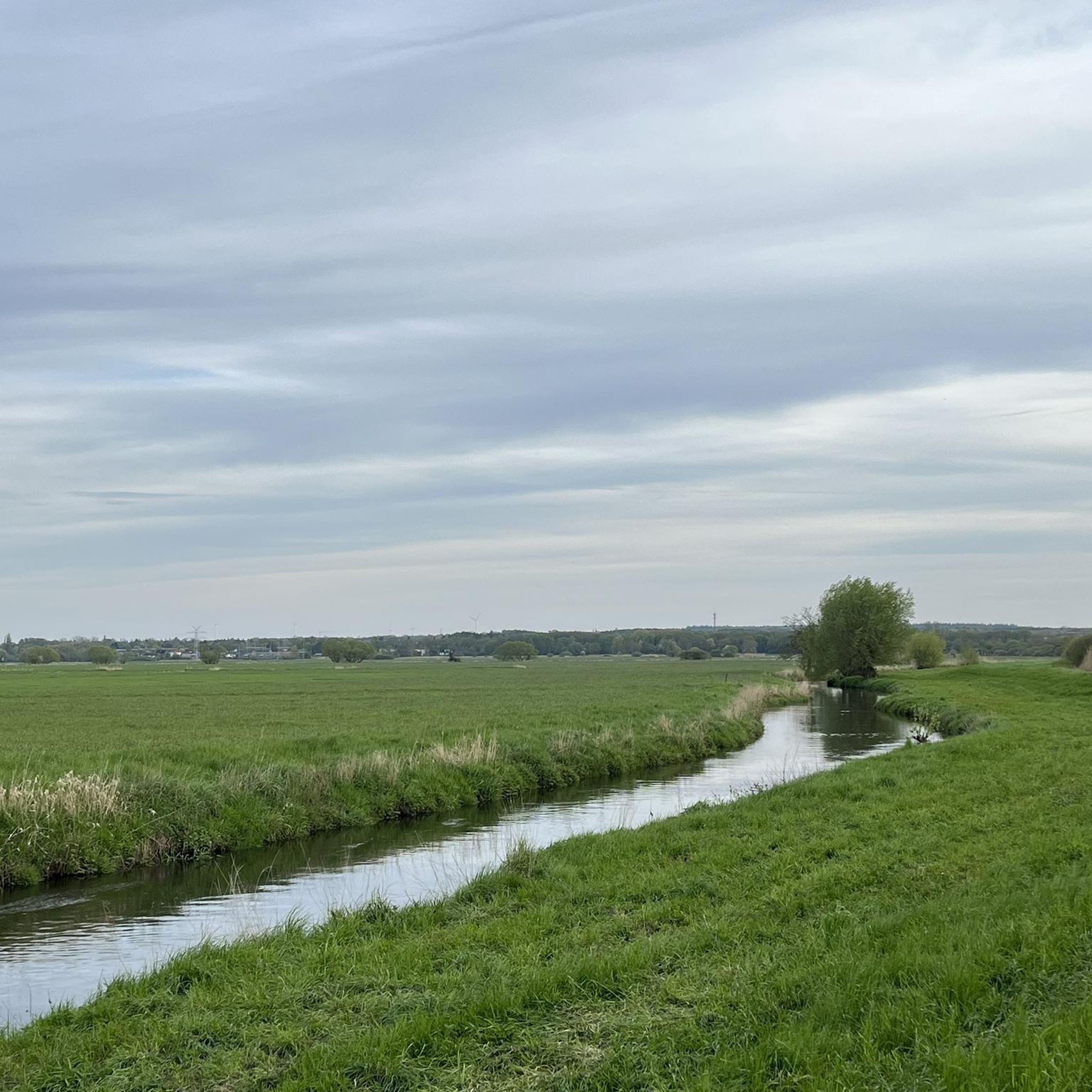
An easily navigable farm road leads along the Seeve. The rare checkerboard flower can be seen in the adjacent meadows …
Translated by Google •
Tip by

Junkernfeld chess flower meadow in the Lower Seeve Lowlands
Highlight (Segment) • Natural Monument
Translated by Google •
Tip by

Sign up now to discover places like this
Get recommendations on the best single tracks, peaks, & plenty of other exciting outdoor places.
Sign up for free
Old Elbe River Section
Highlight • River
Translated by Google •
Tip by

Elbe Beach Over
Highlight • Beach
Translated by Google •
Tip by

View to the Bunthäuserspitze
Highlight • Viewpoint
Translated by Google •
Tip by

Start today with a free account
Your next adventure awaits.
Login or Signup
Popular around Tideelbe Von Rönne Bis Bunthäuser Spitze
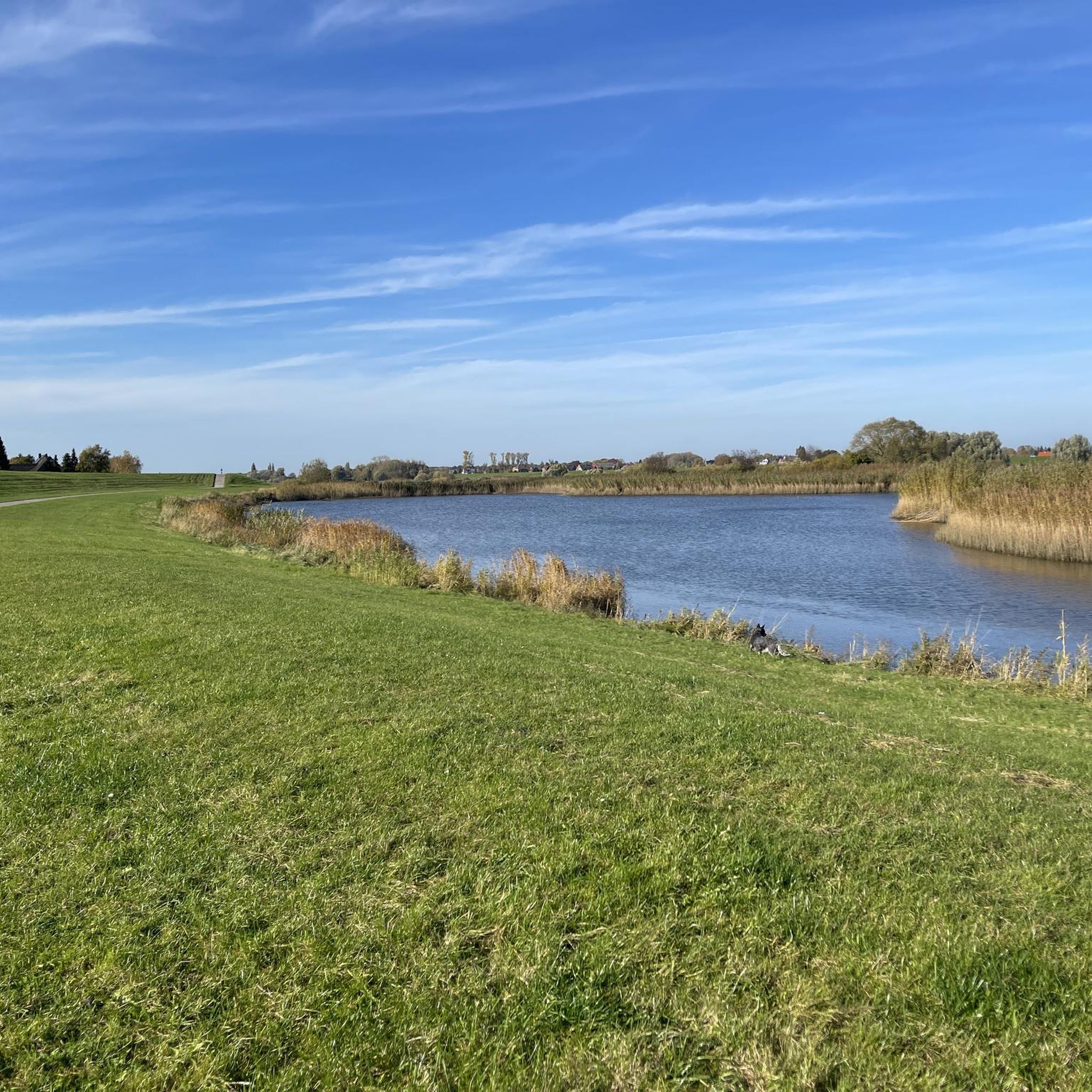
Road Cycling Routes in Tideelbe Von Rönne Bis Bunthäuser Spitze
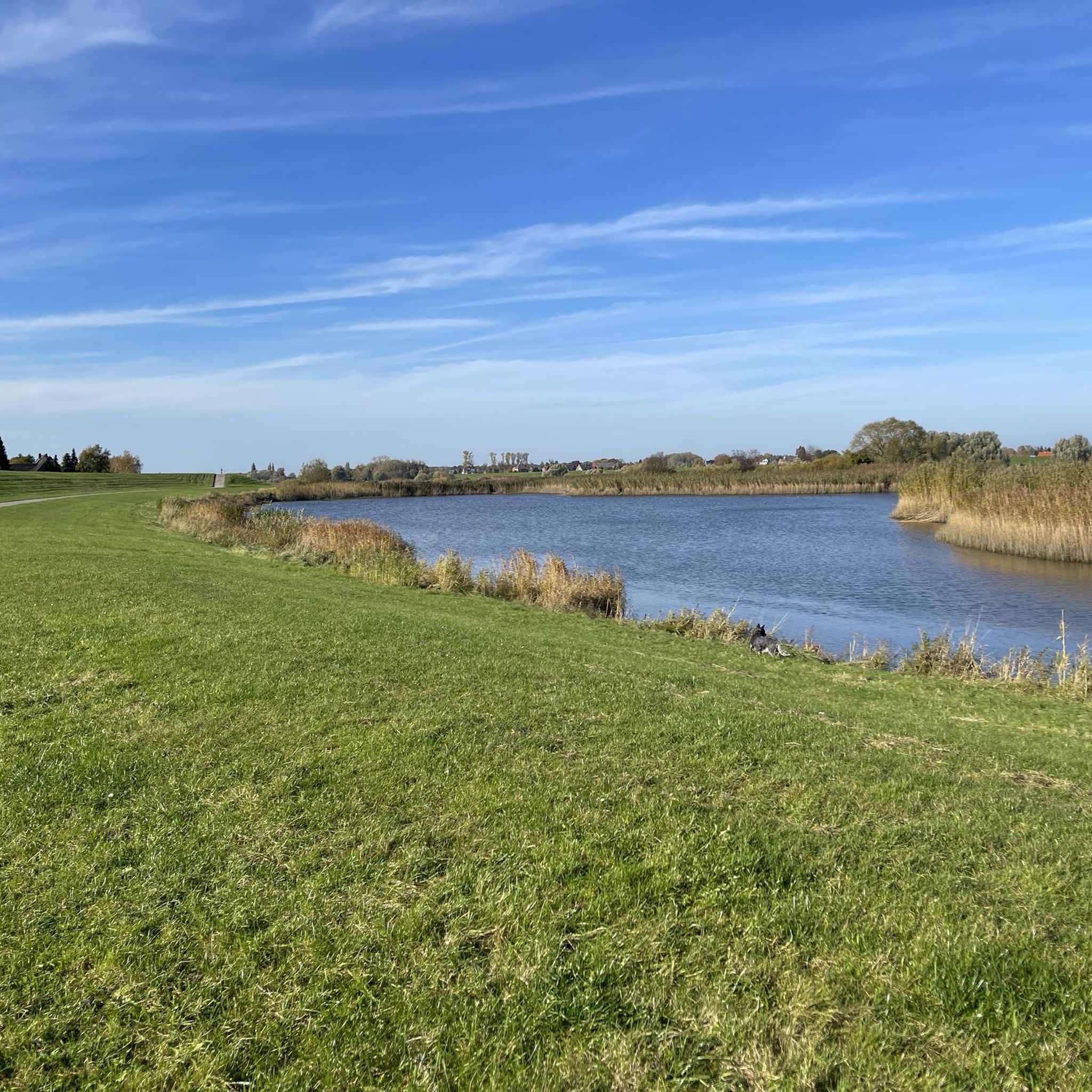
Cycling in Tideelbe Von Rönne Bis Bunthäuser Spitze
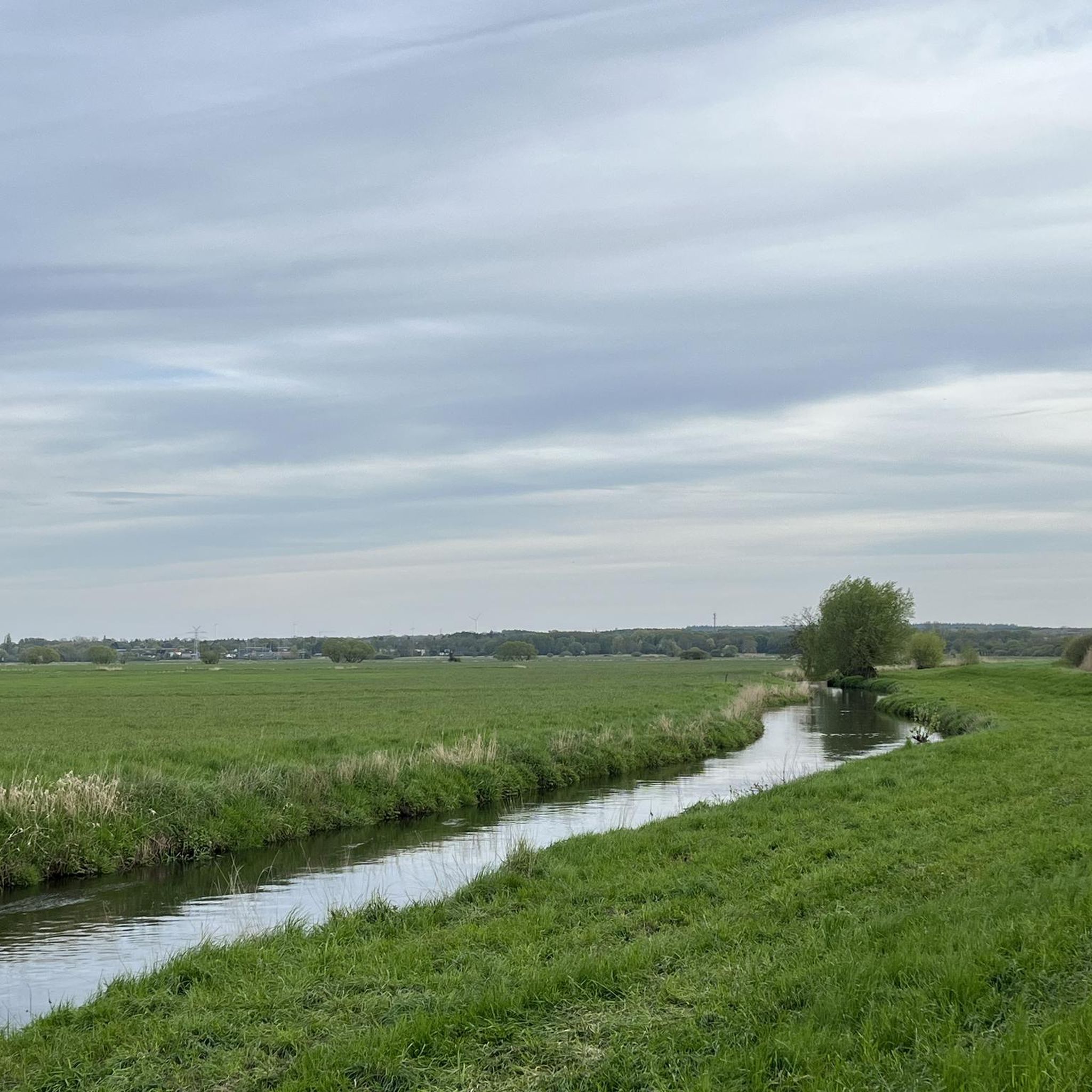
Hiking in Tideelbe Von Rönne Bis Bunthäuser Spitze

Gravel biking in Tideelbe Von Rönne Bis Bunthäuser Spitze
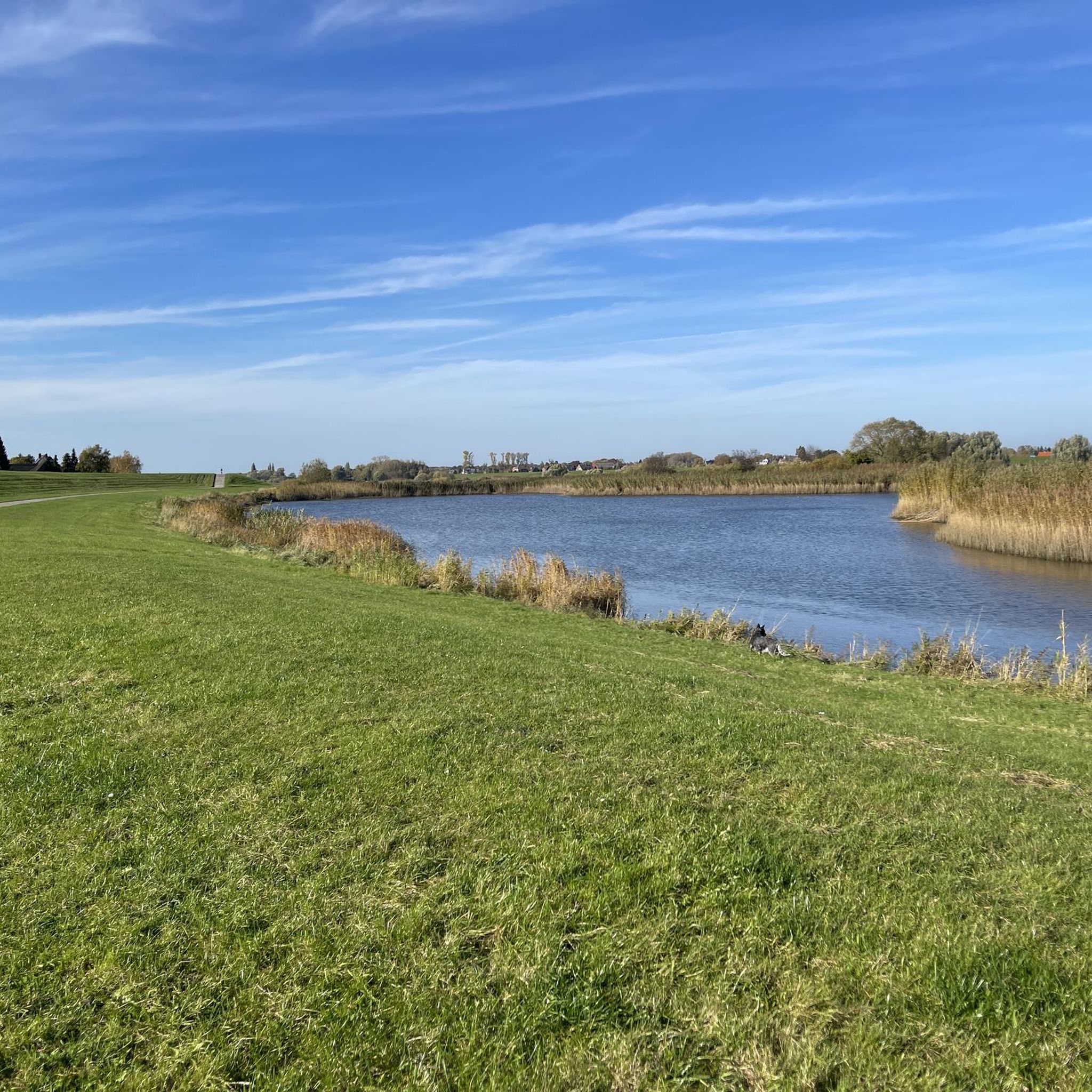
MTB Trails in Tideelbe Von Rönne Bis Bunthäuser Spitze
Running Trails in Tideelbe Von Rönne Bis Bunthäuser Spitze
Tips from the Community

The Bunthäuser Spitze is always worth a visit.
3
0

The Elbe is always worth a stop, a photo and a look
0
0

The tidal Elbe from Rönne to Bunthäuser Spitze is a nature reserve in the Lower Saxon municipalities of Marschacht and Drage in the Samtgemeinde Elbmarsch, the municipalities of Stelle and Seevetal, and the town of Winsen (Luhe) in the Harburg district. The nature reserve, designated NSG LÜ 370, covers approximately 598 hectares. It is almost entirely congruent with the Natura 2000 site "Elbe between Geesthacht and Hamburg" and additionally includes the approximately 1.5-hectare area below the Ilmenau barrage of the Natura 2000 site "Water system of the Luhe and lower Neetze". The nature reserve borders the "Elbe lowlands from Avendorf to Rönne" nature reserve to the east, the "Ilmenau-Luhe lowlands" nature reserve to the south near Winsen (Luhe), and the "Lower Seeve lowlands" nature reserve to the north of Stelle. To the north, it borders the nature reserves "Auenlandschaft Obere Tideelbe" and "Heuckenlock" and the landscape conservation areas "Altengamme," "Neuengamme," "Ost-Krauel," "Kirchwerder," "Overhaken," "Ochsenwerder," "Wilhelmsburger Elbinsel," and "Neuland," all within the city of Hamburg. The area has been a nature reserve since March 1, 2021. The responsible lower nature conservation authority is the Harburg district. (Source: Wikipedia)
1
1

Nice view of Bunthäuser Spitze.
2
0

Here the Seeve flows into the Elbe. There is a nice view of the river from the bridge.
4
0


With a beautiful view of the Elbe, it is easy to hike along the dike.
5
0

The confluence of the Seeve with the Elbe. All around very nice.
8
2
Frequently Asked Questions
What are some of the most notable natural monuments to visit in Tideelbe Von Rönne Bis Bunthäuser Spitze?
The region offers diverse natural monuments, including the unique Seeve Estuary and Seeve Sluice (Seevesperrwerk), where the Seeve flows into the Elbe. Another significant site is the Junkernfeld chess flower meadow in the Lower Seeve Lowlands, known for its rare checkerboard flowers. You can also explore the tranquil Old Elbe River Section, offering beautiful views along the dike.
What unique natural features can I expect to see in the Tideelbe Von Rönne Bis Bunthäuser Spitze region?
The Tideelbe von Rönne bis Bunthäuser Spitze is characterized by its unique freshwater tidal ecosystem, which creates diverse habitats. You'll find alluvial forests, lean lowland meadows, and extensive reed zones. The area is also crucial for its rich biodiversity, serving as a migratory route for various fish species and lampreys, and is home to the endemic water dropwort.
Are there family-friendly natural monuments or activities in the area?
Yes, many natural monuments in the region are family-friendly. For instance, the Seeve Estuary and Seeve Sluice, the Junkernfeld chess flower meadow, and the Elbe Beach Over are all suitable for families. The relatively flat terrain along the dikes makes it easy for walks and cycling with children.
When is the best time to visit the natural monuments, especially for viewing the checkerboard flowers?
While the region is beautiful year-round, the best time to visit the Junkernfeld chess flower meadow to see the rare checkerboard flowers in bloom is typically from the end of April to the beginning of May. Outside of this period, the nature reserve is still a popular destination for nature and bird lovers.
What outdoor activities can I do near these natural monuments?
The region offers numerous opportunities for outdoor recreation. You can enjoy road cycling, hiking, touring cycling, and jogging on well-maintained paths along the dikes. For specific routes, explore our guides for City hikes, Cycling, and Easy hikes in Tideelbe Von Rönne Bis Bunthäuser Spitze.
Are there any specific viewpoints or scenic spots I should look for?
Absolutely. The View to the Bunthäuserspitze is highly recommended, offering a beautiful perspective where the Norderelbe and Süderelbe rivers diverge. The Elbe Beach Over also provides scenic views of the Elbe, changing with each season.
Can I bring my dog to the natural monuments and on trails?
Yes, the region is generally dog-friendly. However, when visiting sensitive areas like the Junkernfeld chess flower meadow, it's crucial to keep your dog on a leash and stay on marked paths to protect the local wildlife and plant species.
What makes the Bunthäuser Spitze area special?
The Bunthäuser Spitze is a specific point of interest within the broader nature reserve. Here, you can visit the Elbe Tidal Floodplain Center to learn about the valuable tidal habitats. After a short walk through extensive reed zones, you can reach the Bunthaus beacon, Hamburg's smallest lighthouse, which offers a beautiful view of the headland where the Norderelbe and Süderelbe rivers diverge.
Are there opportunities for birdwatching in the Tideelbe Von Rönne Bis Bunthäuser Spitze region?
Yes, the region is an excellent spot for birdwatching. The unique tidal freshwater ecosystem and extensive reed zones provide habitats for various bird species. In spring and autumn, you can observe rare bird species from observation towers, particularly in areas like the Lower Seeveniederung.
What is the difficulty level of hiking trails near the natural monuments?
Many trails in the Tideelbe Von Rönne Bis Bunthäuser Spitze region are relatively flat and considered easy, making them suitable for a wide range of visitors. You can find numerous easy hiking options in our Easy hikes guide, such as the loop from the Seeve Estuary on the Elbe to Lake Junkernfeld.
Is the area accessible by public transport, and are there parking options?
While specific details on public transport access to every natural monument are not provided, the region is generally accessible. For parking, many popular spots like the Bunthäuser Spitze and areas near the dikes offer parking facilities, though it's always advisable to check local signage upon arrival.
Most popular routes in Tideelbe Von Rönne Bis Bunthäuser Spitze
Most popular attractions in Tideelbe Von Rönne Bis Bunthäuser Spitze

Get inspired with the komoot mobile app


Explore more
Extend your search for the best caves by checking out these guides of the top ones in Tideelbe Von Rönne Bis Bunthäuser Spitze:
