Top 5 Natural Monuments in Obere Wümmeniederung
Natural monuments in Obere Wümmeniederung showcase a diverse landscape shaped by the Wümme river and its tributaries. This nature reserve features wetlands, including high and transitional bogs, fen and sand heaths, and wet meadows. The area's rich mosaic of habitats supports varied flora and fauna, making it a significant ecological region. Visitors can explore these natural features and appreciate the protected ecosystems.
Best natural monuments in Obere Wümmeniederung
- The most popular natural monuments is Historic Wümme Crossing, a historical…
Last updated: October 8, 2026
Rest area at Hauenstein Wintermoor
Highlight • Monument
On the site of the historic Hauenstein (Low German behaven = carved stone), this boulder, which was placed in 2007, is now a reminder of the boundary stone …
Translated by Google •
Tip by

Historic Wümme Crossing
Highlight • Historical Site
Translated by Google •
Tip by

Sign up now to discover places like this
Get recommendations on the best single tracks, peaks, & plenty of other exciting outdoor places.
Center of the Municipality of Otter
Highlight • Monument
Tip by

Moorgarten in Todtshorn
Highlight • Historical Site
Translated by Google •
Tip by

Wümme Bridge in the Upper Wümme Lowlands
Highlight • Bridge
Translated by Google •
Tip by

Sign up for free to discover even more natural monuments in Obere Wümmeniederung.
Already have an account?
Start today with a free account
Your next adventure awaits.
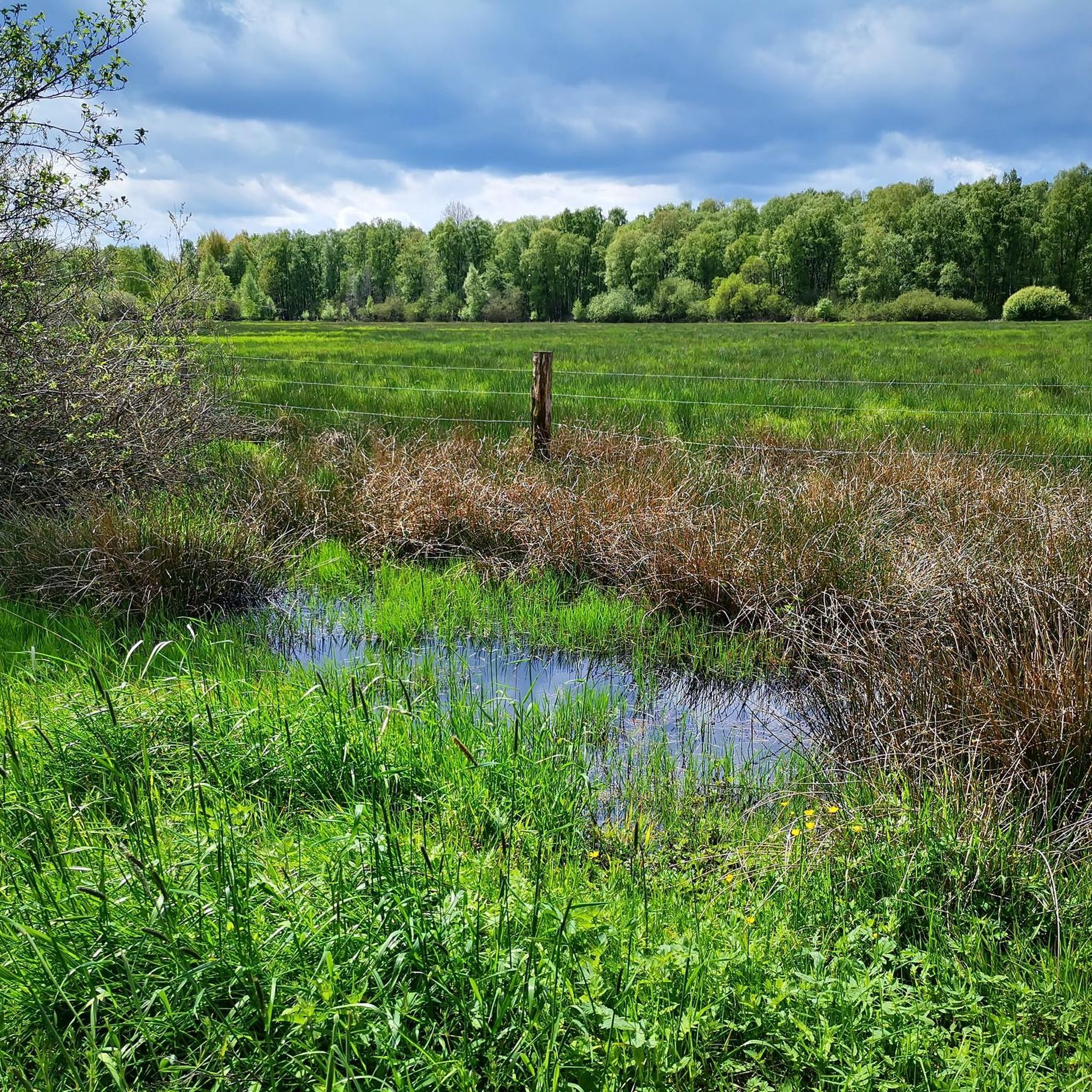
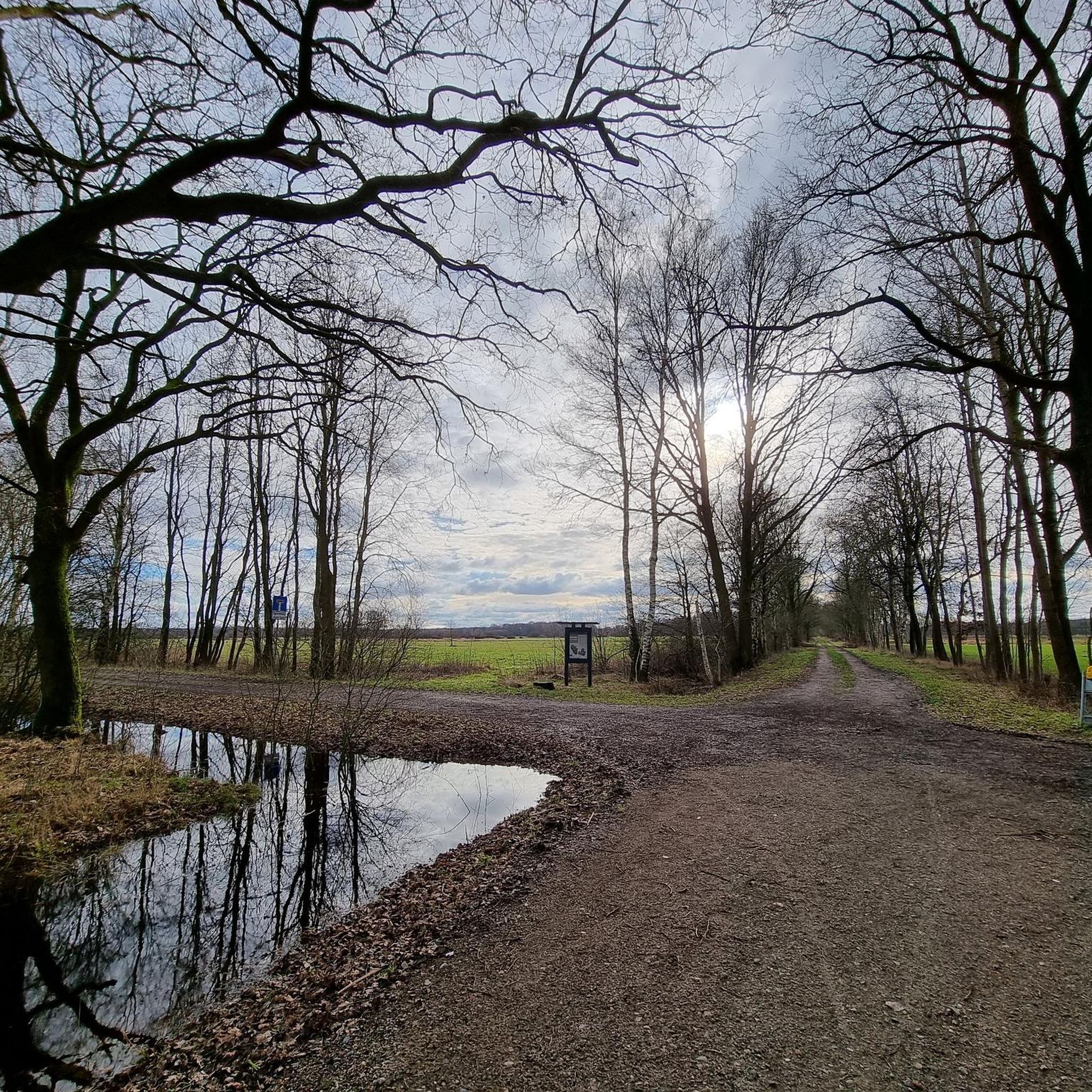
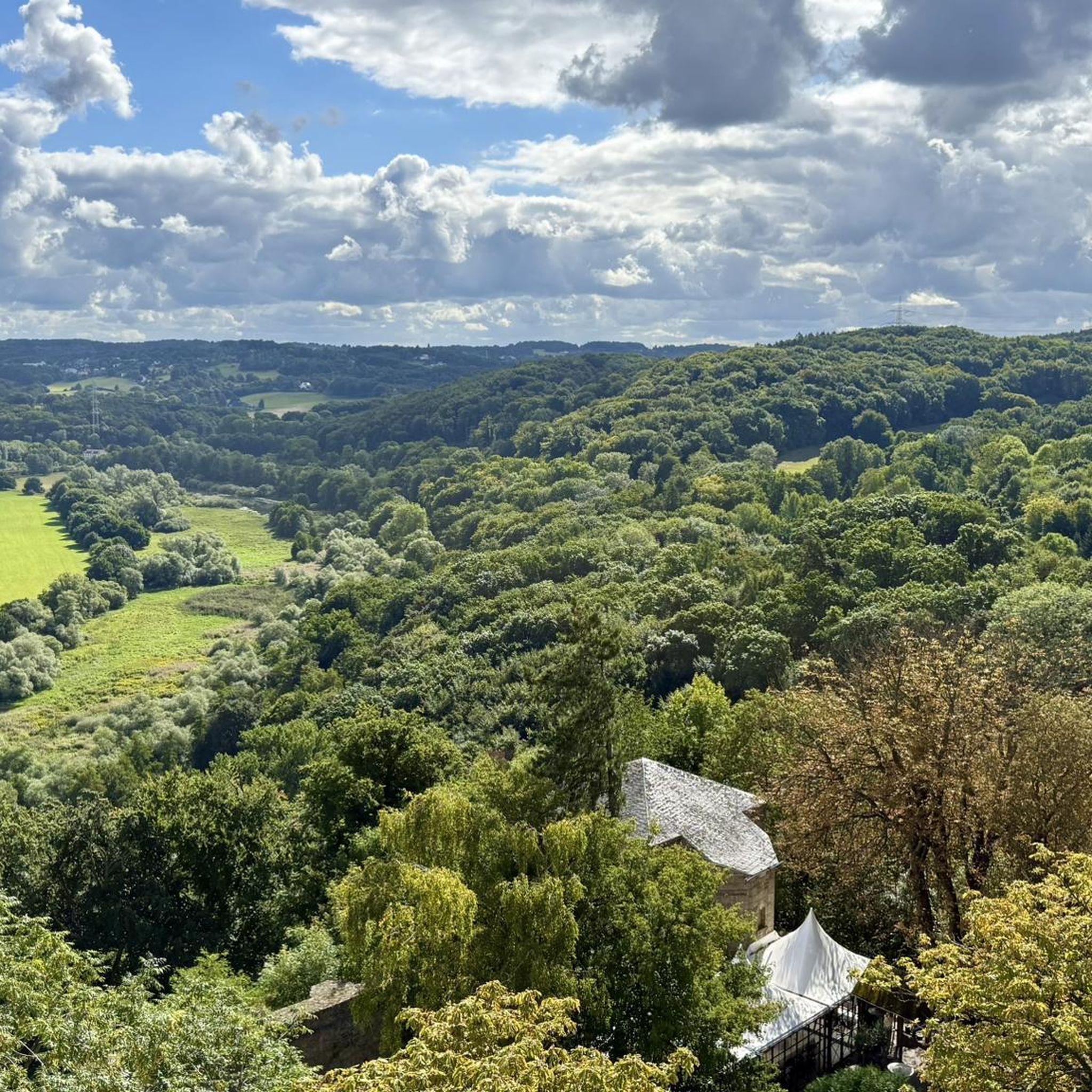
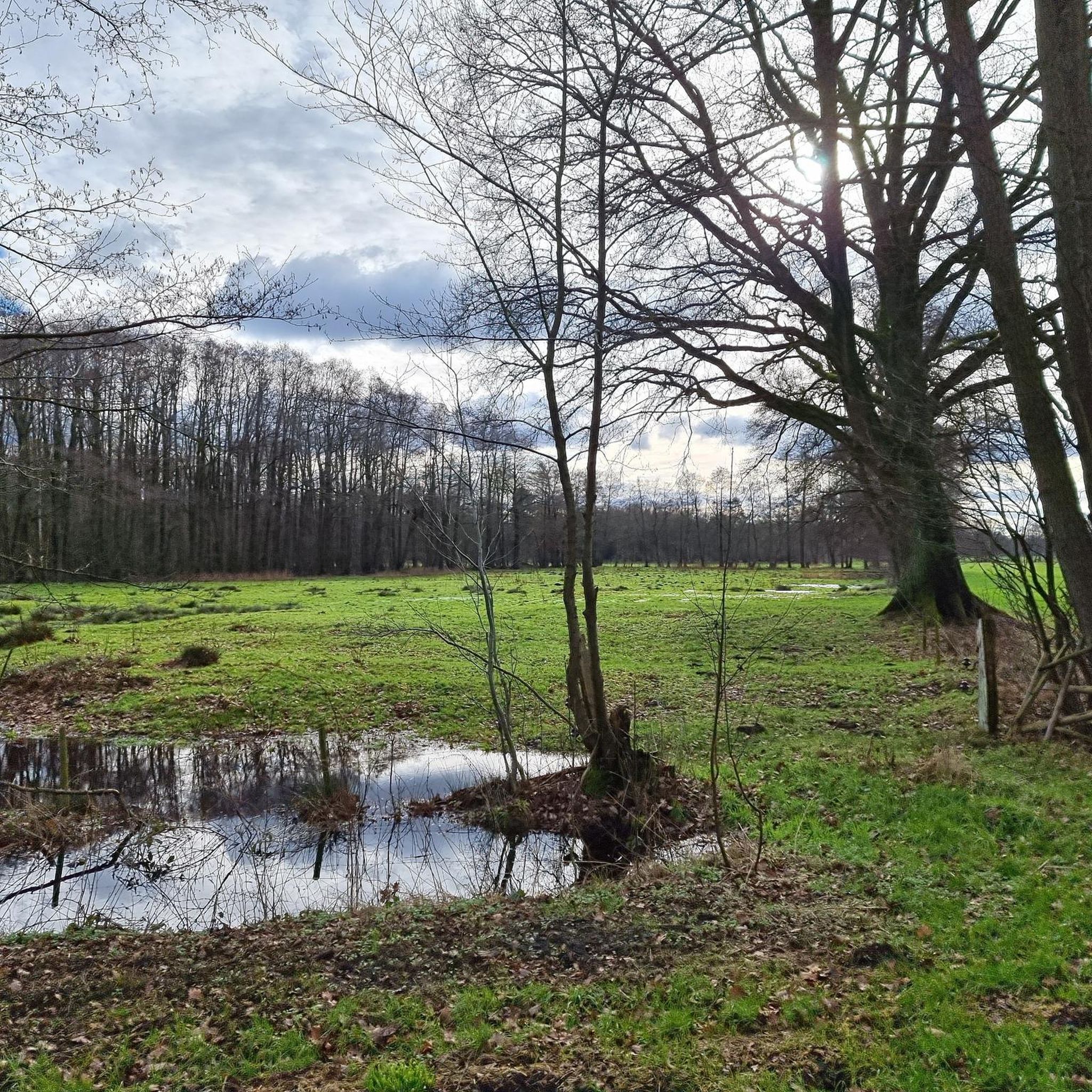
Tips from the Community

The erected large boulder points to a former boundary stone, which for a long time marked a disputed border line. Today, you can spend wonderful time here on the bike and take a little break at the rest area.
0
0

Nothing more than the blackboard revealed itself to me
0
0

Nice place for a short break on the Wümme. In the direction of Otter, the path after the bridge is cobblestone
1
0

An old postal route ran here. The crossing used to be a ford.
0
1

Nice cozy place to relax or watch the sunset.
2
0

There are a few meters of cobblestones just before and after the bridge. But you can drive past on the side.
1
0
There's actually nothing to see, perhaps it's just been "renaturalized," but a fairly new sign points to it.
1
0
The rest area has a relaxing deck chair.
1
0
Frequently Asked Questions
What unique natural features can I explore in Obere Wümmeniederung?
The Obere Wümmeniederung is rich in diverse wetland habitats. You can explore areas like the Großes Torfmoor (Great Peat Bog) with its unique high and transitional bogs, as well as fen and sand heaths. The region also features extensive alder carrs, alder-ash riparian forests, moor forests, and wet meadows, all supporting a wide array of flora and fauna.
Are there historical sites among the natural monuments in Obere Wümmeniederung?
Yes, several natural monuments also hold historical significance. For example, the Historic Wümme Crossing has been in use since 1670 and played a role in historical postal routes. Another notable site is the Moorgarten in Todtshorn, a field garden dating back to the 16th century, surrounded by artificial earth walls.
What kind of wildlife can I expect to see in the Obere Wümmeniederung?
The diverse wetland habitats of the Obere Wümmeniederung are crucial for many species. You might spot endangered fish and lampreys in the Wümme River, and it's a vital refuge for the critically endangered otter and the green clubtail dragonfly. The area is also an important breeding ground for large birds like the Eurasian curlew, common crane, red kite, and black stork, making it excellent for birdwatching.
Are there family-friendly natural monuments or activities in the region?
Many natural monuments in Obere Wümmeniederung are suitable for families. The Pond in Obere Wümmeniederung Nature Reserve offers a scenic spot for nature observation. The Historic Wümme Crossing and Moorgarten in Todtshorn are also listed as family-friendly, providing opportunities to combine nature with a touch of history.
Can I bring my dog to the natural monuments?
Some natural monuments, like the Historic Wümme Crossing, are noted as dog-friendly. However, as much of the area is a nature reserve, it's essential to keep dogs on a leash to protect wildlife and sensitive ecosystems. Always check local signage for specific regulations.
What are the best ways to explore the natural monuments, like hiking or cycling?
The Obere Wümmeniederung is well-suited for both hiking and cycling. The Wümme cycle path, for instance, passes by the Pond in Obere Wümmeniederung Nature Reserve. You can find various routes for different sports. For cycling, explore options in the Cycling in Obere Wümmeniederung guide. For running, check out the Running Trails in Obere Wümmeniederung guide.
Where can I find trails for mountain biking in the area?
For mountain biking enthusiasts, the Obere Wümmeniederung offers several trails. You can find routes like the 'Eggersmühle Watermill – Old Wümme Crossing loop from Finteler Wacholderlandschaft' or the 'Rest area at Hauenstein Wintermoor – Camp Reinsehlen loop from Finteler Wacholderlandschaft'. More options are available in the MTB Trails in Obere Wümmeniederung guide.
What is the best time of year to visit the natural monuments in Obere Wümmeniederung?
The Obere Wümmeniederung offers different experiences throughout the year. Spring and summer are ideal for observing breeding birds and enjoying lush greenery. Autumn brings vibrant colors to the riparian forests. Even winter can be beautiful for quiet walks, though some paths might be wet. Consider the specific weather conditions for your planned activities.
Are there any viewpoints to enjoy the landscape?
Yes, several spots offer scenic views. The Pond in Obere Wümmeniederung Nature Reserve is described as a nice place to let your gaze wander. Additionally, the Rest area at Hauenstein Wintermoor is categorized as a viewpoint, offering a place to pause and appreciate the surroundings.
How can I get to the natural monuments, by car or public transport?
Access to the Obere Wümmeniederung is possible by car, with parking available at various trailheads and points of interest. For public transport, options may be limited depending on the specific monument. It's advisable to research bus connections to nearby villages like Otter or Todtshorn and plan your route accordingly.
What makes the Wümme River itself a significant natural monument?
The Wümme River and its tributaries are central to the Obere Wümmeniederung's ecological importance. It's one of the cleanest rivers in northern Germany, with almost continuously moderate load quality. Its natural course and surrounding floodplain provide vital habitats for endangered fish species, lampreys, otters, and the green clubtail dragonfly, making it a crucial natural feature.
Are there any facilities like cafes or rest areas near the natural monuments?
Yes, you can find facilities in and around the region. The Rest area at Hauenstein Wintermoor provides benches and tables for resting. The Center of the Municipality of Otter also offers benches and information. For cafes or restaurants, you might need to visit the nearby villages.
What are the typical terrains like for walking or cycling in the Obere Wümmeniederung?
The terrain in Obere Wümmeniederung is generally characterized by flat to gently rolling landscapes, typical of river lowlands and heath areas. You'll encounter paths through wetlands, bogs, and riparian forests, which can be soft or damp in places. The Wümme cycle path, for example, is noted for having a better subsoil than main roads, making it pleasant for cycling.
Most popular routes in Obere Wümmeniederung
Most popular attractions in Obere Wümmeniederung

Get inspired with the komoot mobile app


Explore more
Extend your search for the best caves by checking out these guides of the top ones in Obere Wümmeniederung:
