Top 5 Natural Monuments in Wekeromse Zand
Best natural monuments in Wekeromse Zand include an expansive nature reserve spanning over 500 hectares, known for its active sand drifts. This area features rare inland dunes, which are constantly reshaped by wind and support specialized flora and fauna. The Wekeromse Zand also encompasses heathland and diverse woodlands, providing varied habitats and scenic landscapes. This unique combination of geological and ecological features makes it a significant destination for nature enthusiasts.
Best natural monuments in Wekeromse Zand
- The most popular natural…
Last updated: May 24, 2026
Middle of the Netherlands Monument and Fennetje at De Goudsberg
Highlight • Monument
Translated by Google •
Tip by

Raatakkers (Celtic Fields) Wekeromse Zand
Highlight • Historical Site
Translated by Google •
Tip by

Sign up now to discover places like this
Get recommendations on the best single tracks, peaks, & plenty of other exciting outdoor places.
Sign up for free
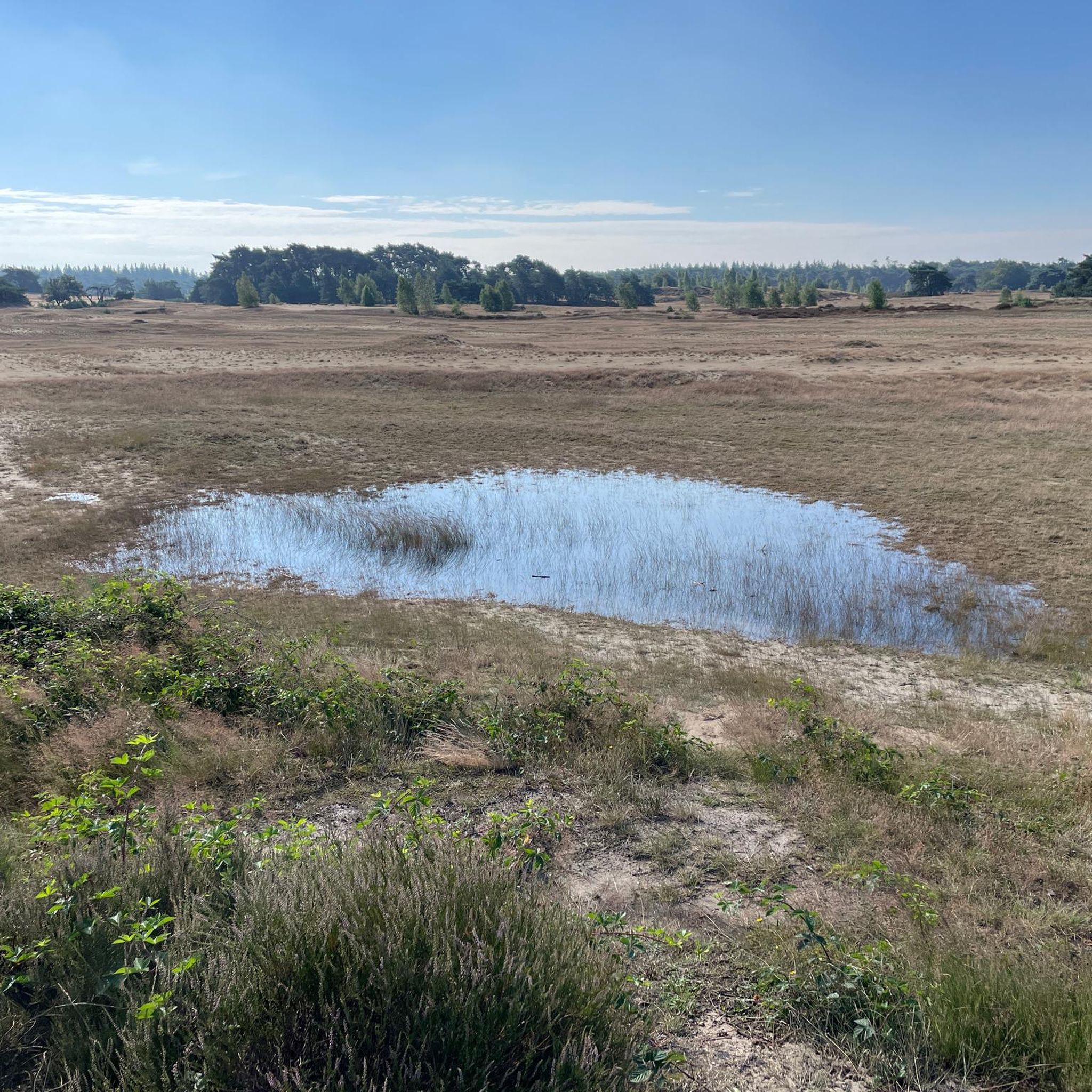
Minimeer Pond Rest Area
Highlight • Lake
The area consists of forests, heathland, farmland and inland …
Translated by Google •
Tip by

Sand Drift Veluwe
Highlight • Natural
Translated by Google •
Tip by

Beautiful forest trail with a chance to spot mouflons
Highlight • Forest
Translated by Google •
Tip by

Sign up for free to discover even more natural monuments in Wekeromse Zand.
Sign up for free
Already have an account?
Start today with a free account
Your next adventure awaits.
Login or Signup

Tips from the Community

The use of the Celtic Fields ceased in the Roman period, around 100 AD. The fields were abandoned, and many settlements were relocated and redeveloped. Moreover, the small, square fields were unsuitable for the ploughing that came into use at that time. Around the settlements, fields called engenders, enken, or essen (fields raised with manure) developed. In the late nineteenth and early twentieth centuries, many heathlands, and with them the numerous ridge-like fields, were plowed under. The ridge-like fields that survived this fate can now only be recognized in aerial photographs as slight undulations with a checkerboard pattern in the landscape. Source and more information: middenvannederland.nl
3
0
The Celtic Fields should not be seen as the reclamation of pristine forest, but rather as a new land division made possible by the use of iron. At the same time, it was a dire necessity due to soil impoverishment and drift. Hedges were built around the fences along these prehistoric fields, and stumps of roots, branches, and stones were deposited. Shrubs were also planted. These barriers also served as windbreaks that trapped drifting sand, gradually creating the low banks that are still visible, especially from the air. Cattle provided fertilizer, as the soil was poor. In the fields, farmers grew one type of vegetable or grain, and the next year something else, such as barley, spelt, einkorn wheat, and other grains. Buckwheat, beans, and oilseeds were also grown there. Source and more information: middenvannederland.nl
3
0

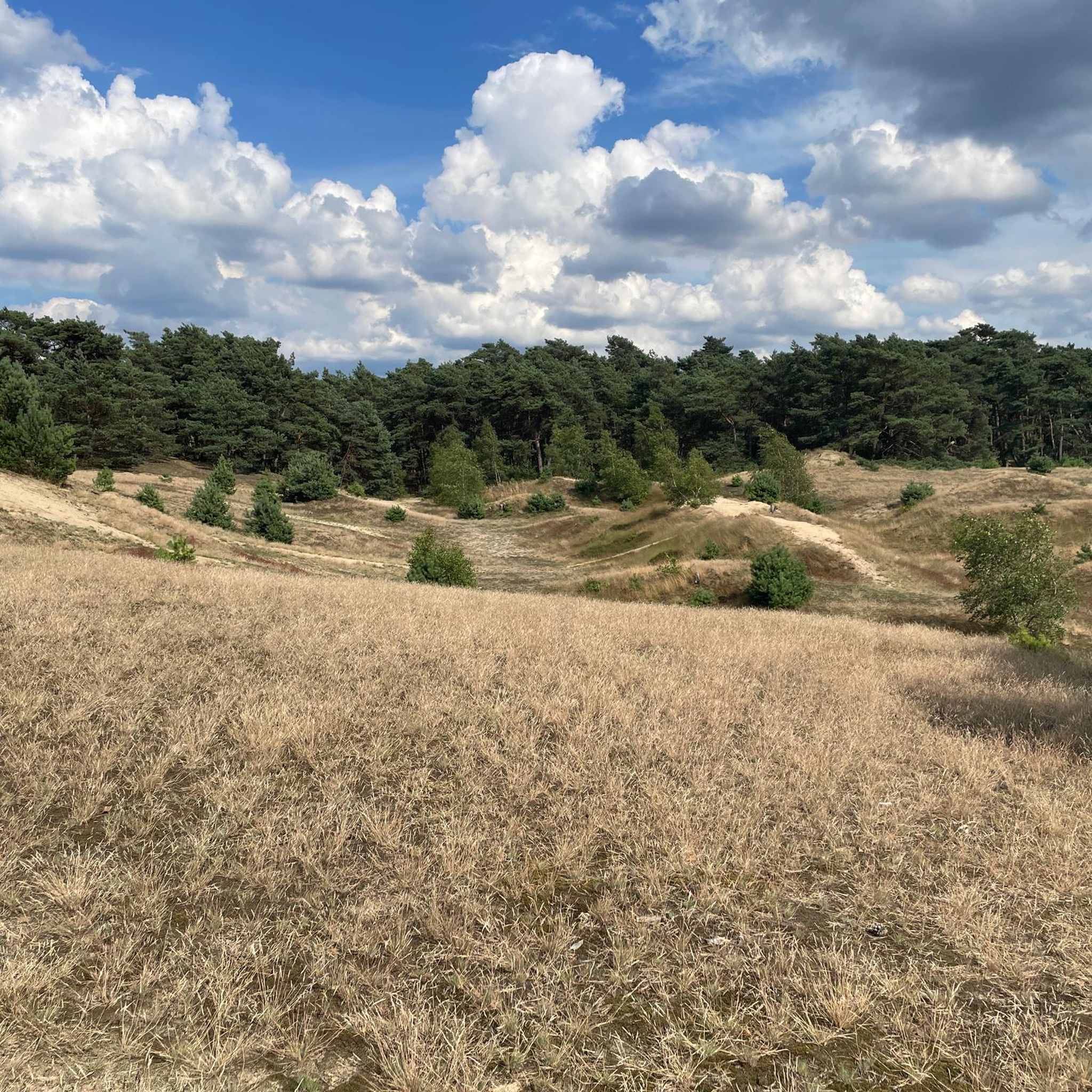
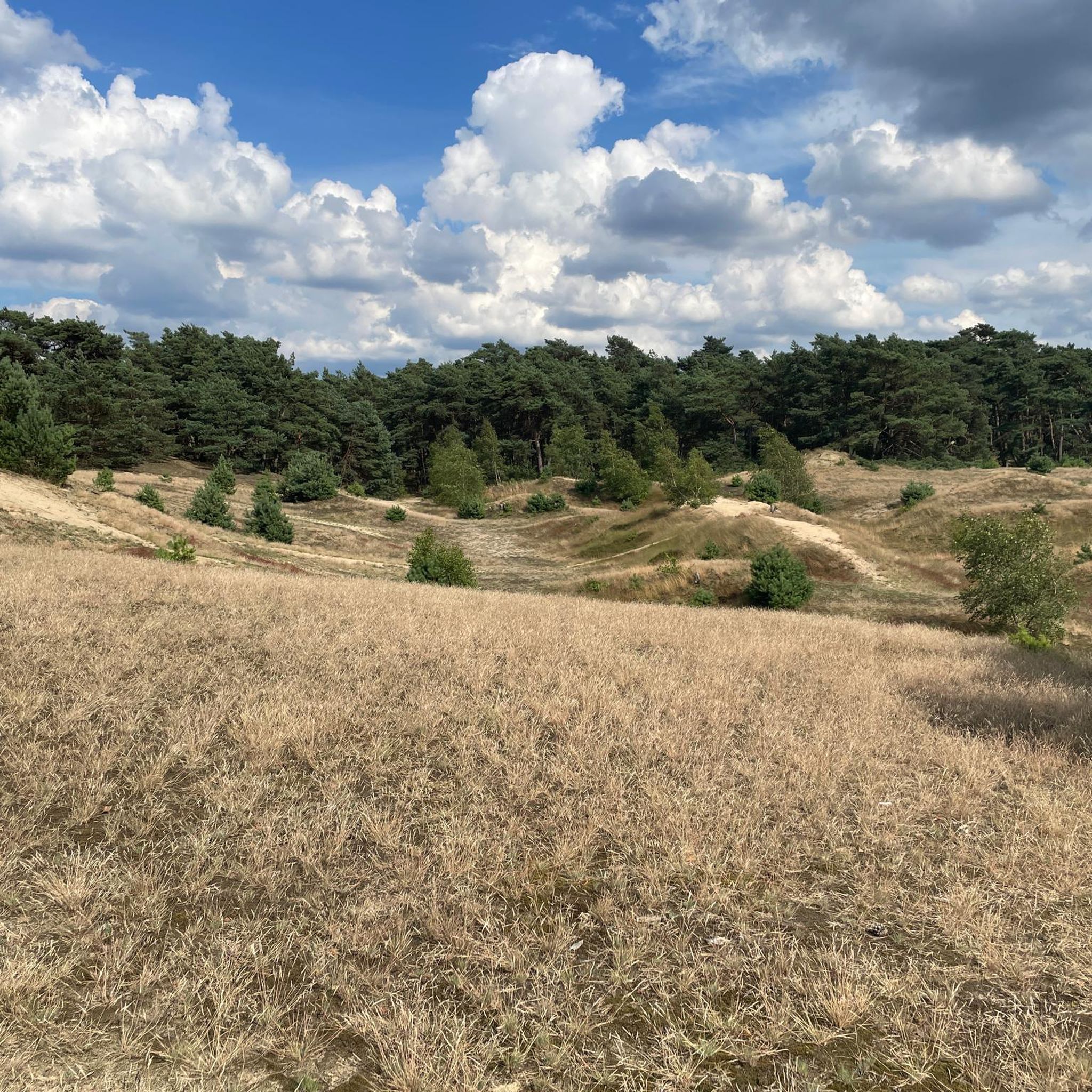
This is one of the last actively drifting sand areas in northwest Europe. It's like suddenly landing in a desert, but with heathland, forest, and the chance of an encounter with a mouflon from the wildlife observation post.
1
0

A bit of history.
1
0
Very cool if you can spot a mouflon.
1
0
With purple heather an even greater gift
2
0
A piece of desert in the Netherlands
1
0
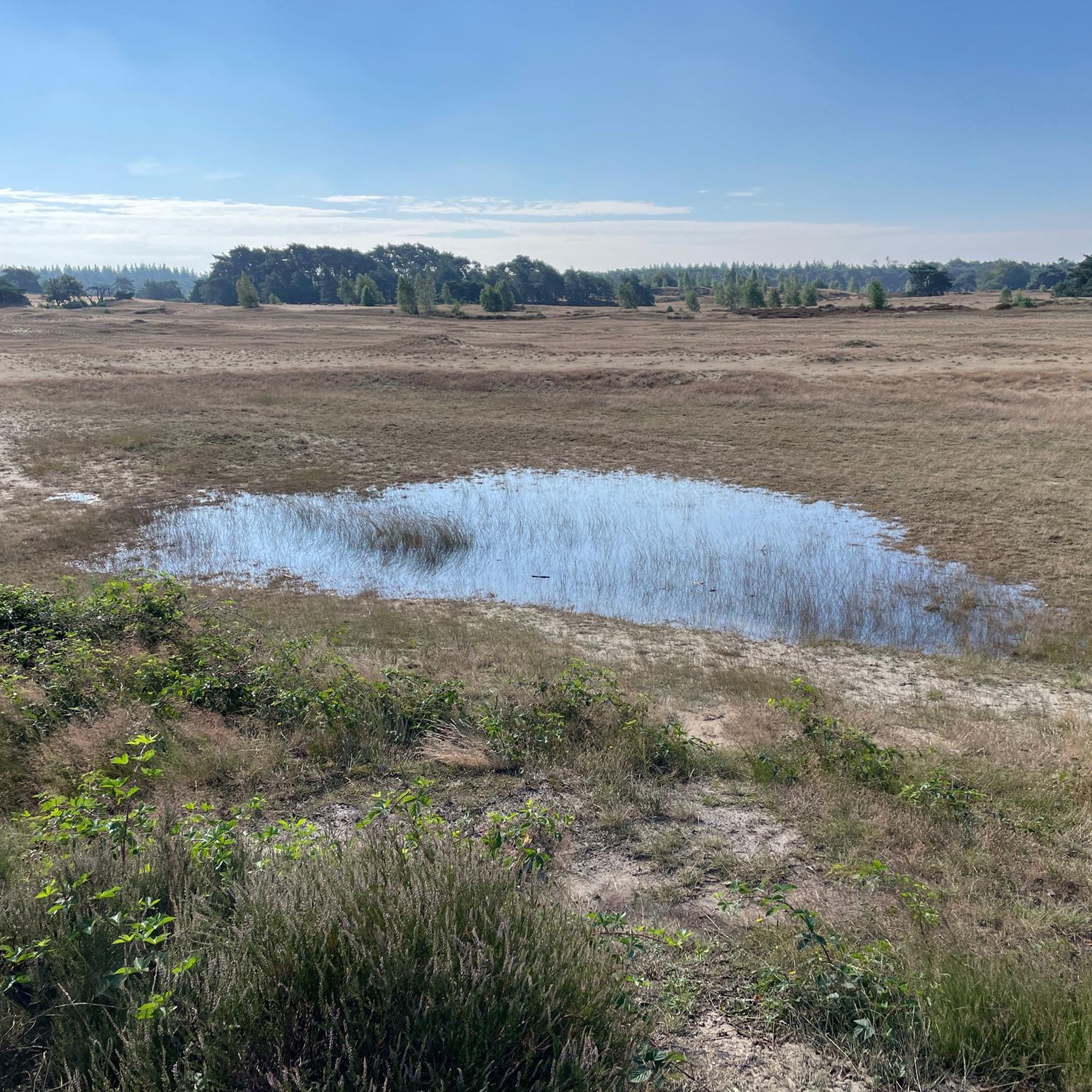
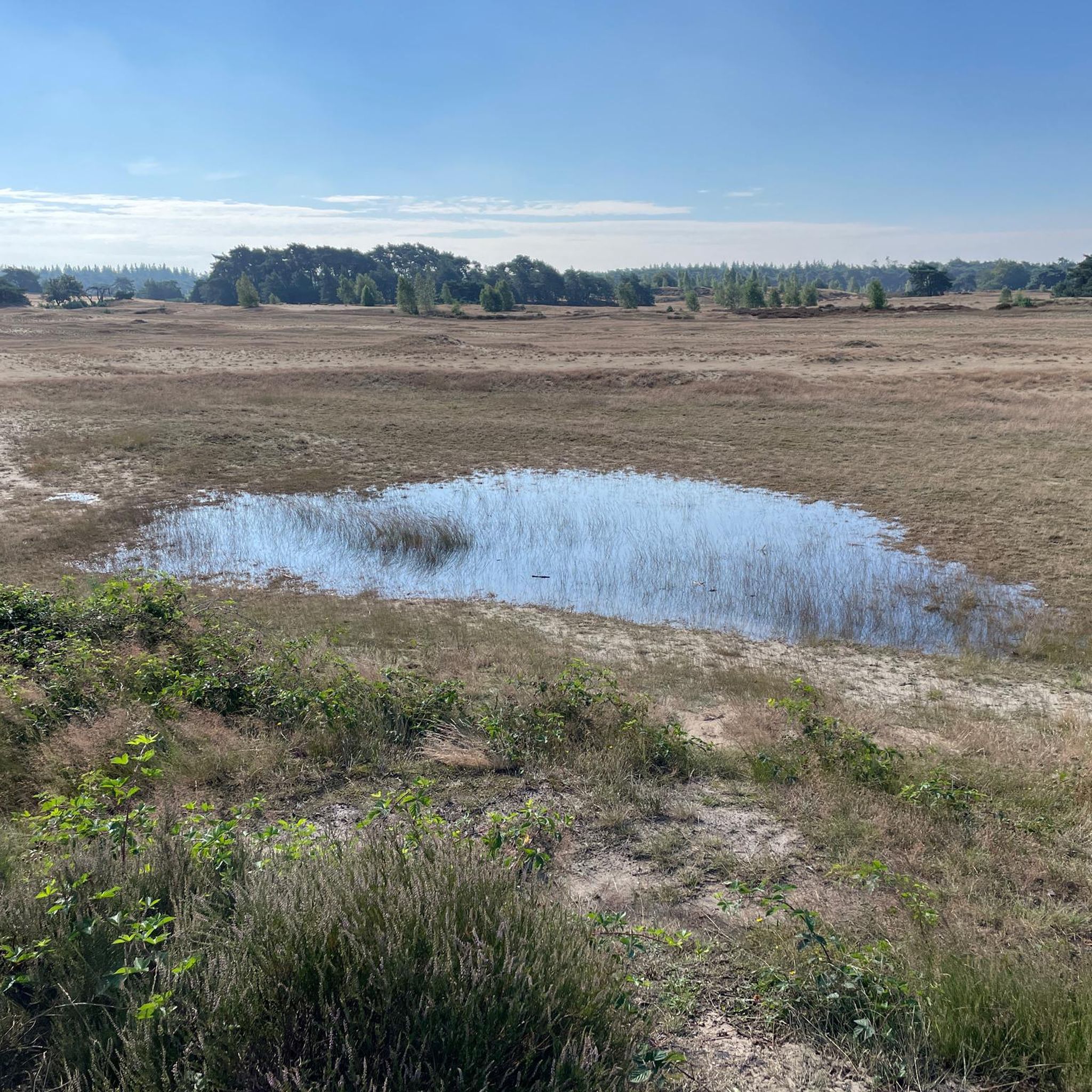
A beautiful fen to pause for a moment.
1
0
Frequently Asked Questions
What unique natural features can I explore in Wekeromse Zand?
The Wekeromse Zand is renowned for its active sand drifts, which are rare inland dunes constantly reshaped by wind. You can walk directly across these open sand plains, experiencing a landscape akin to a miniature desert. The area also features extensive heathland, particularly vibrant when the heather blooms, and diverse woodlands. These unique conditions support specialized flora and fauna, making it a significant destination for nature enthusiasts.
What kind of wildlife can I expect to see in Wekeromse Zand?
Wekeromse Zand is celebrated for its rich biodiversity. You might spot free-roaming mouflons, which are wild sheep crucial for maintaining the open character of the sandy areas. Other mammals like roe deer, deer, foxes, boars, and badgers can also be seen, especially from designated wildlife observation posts. The area is also a haven for numerous bird species, including woodlarks and nightjars, and rare insects like antlions thrive in the sand drifts.
Are there family-friendly natural monuments or activities in Wekeromse Zand?
Yes, several spots are suitable for families. The expansive sand drifts, such as Sand Drift Veluwe, offer a unique and engaging experience for all ages. Additionally, the Minimeer Pond Rest Area is a tranquil spot surrounded by forest, perfect for a relaxing break. The historical Raatakkers (Celtic Fields) Wekeromse Zand also offers an interesting educational experience for families.
When is the best time to visit Wekeromse Zand to see the heather in bloom?
The heathland in Wekeromse Zand is particularly stunning in mid-August when the heather blooms, transforming the landscape with vibrant purple hues. This period offers wonderful photo opportunities and a spectacular visual display, especially on the Vijfsprongweg side of the reserve.
What outdoor activities can I do near the natural monuments in Wekeromse Zand?
The Wekeromse Zand area offers a variety of outdoor activities. You can explore numerous walking routes through the sand drifts, heathland, and woodlands. For cycling enthusiasts, there are options for both gravel biking and touring. You can find more details on routes like the 'Gravel loop from Ede' or 'Beautiful Forest – Hessenhut Lookout Tower loop' in the Gravel biking in Wekeromse Zand and Cycling in Wekeromse Zand guides. Mountain biking trails are also available, with routes such as the 'Blue Horse Restaurant Veluwe loop' detailed in the MTB Trails in Wekeromse Zand guide.
Are there any historical sites within or near the Wekeromse Zand natural monuments?
Yes, within the Wekeromse Zand, you can find the Raatakkers (Celtic Fields) Wekeromse Zand. These are remnants of prehistoric small fields from the Iron Age, measuring about 40 by 40 meters. While not actually Celtic, they offer a fascinating glimpse into the agricultural practices of early farmers in the region, with visible low banks formed by windbreaks and deposited materials.
What are the terrain conditions like for walking in Wekeromse Zand?
The terrain in Wekeromse Zand is diverse. While many trails are well-maintained, some paths on the active sand drifts can be challenging, requiring you to 'plow and knead' through the shifting sand. However, the unique environment makes the effort worthwhile. The area also features flat heathland paths and varied forest trails, offering different levels of walking difficulty.
Where can I observe mouflons in Wekeromse Zand?
Mouflons are often spotted in the woodlands of Wekeromse Zand. There's a specific highlight, Beautiful forest trail with a chance to spot mouflons, which goes through a dark coniferous forest where these animals are frequently found. Designated wildlife observation posts throughout the reserve also increase your chances of seeing them.
Is there parking available near the natural monuments in Wekeromse Zand?
Yes, there are various parking facilities located around the Wekeromse Zand nature reserve, providing convenient access to the natural monuments and trailheads. Specific parking locations can often be found on local visitor information websites or maps of the area.
What do visitors enjoy most about Wekeromse Zand?
Visitors frequently highlight the unique experience of the active sand drifts, often describing it as a 'piece of desert in the Netherlands.' The opportunity to observe diverse wildlife, especially the mouflons, is also a major draw. Many appreciate the tranquility and the beautiful photo opportunities, particularly when the heather is in bloom, and the varied landscapes of sand, heath, and forest.
Are there any specific viewpoints or scenic spots I should visit?
The active sand drifts themselves, such as Wekeromse Sand, offer expansive and dynamic views. The heathland areas, especially during the blooming season in mid-August, provide spectacular purple vistas. The Minimeer Pond Rest Area is also noted for its peaceful atmosphere and beautiful nature photo opportunities.
Most popular routes in Wekeromse Zand
Most popular attractions in Wekeromse Zand

Get inspired with the komoot mobile app


Explore more
Extend your search for the best caves by checking out these guides of the top ones in Wekeromse Zand:
