Top 8 Natural Monuments in Sint-Jansberg
Best natural monuments in Sint-Jansberg include significant geological formations, ancient forests, and diverse wetlands. This nature reserve and former estate in North Limburg, Netherlands, is a Natura 2000-area, serving as an ecological link between the Mookerheide and the German Reichswald. The area features a glacial push moraine with steep, forested slopes, including the Kiekberg at 77 meters. Sint-Jansberg also contains ancient beech forests, spring brooks, and marsh areas like Koningsven.
Best natural monuments in Sint-Jansberg
- The most popular natural monuments…
Last updated: May 24, 2026
Groenewater Pond
Highlight • Lake
Translated by Google •
Tip by

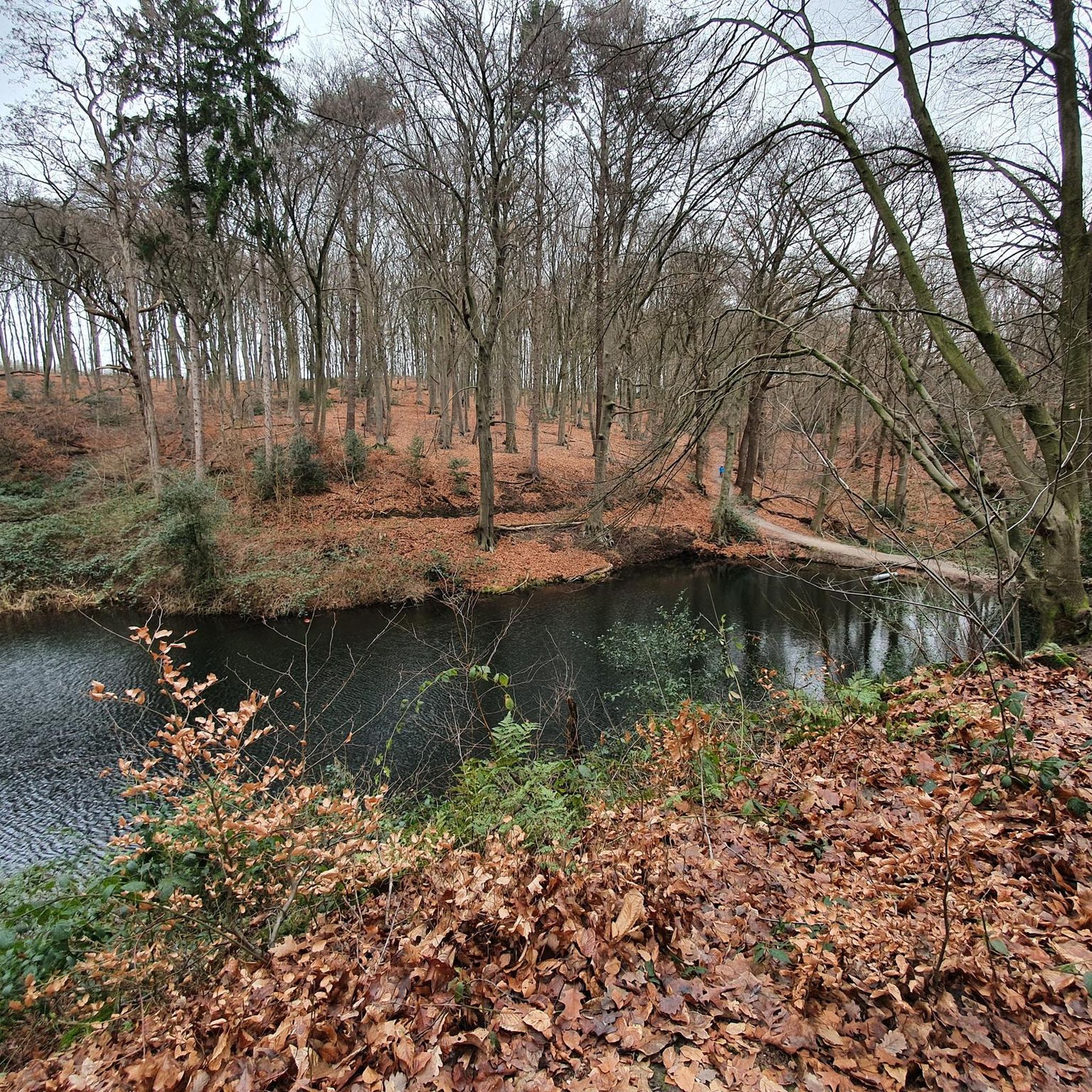
Pond at St. Jansberg
Highlight • Lake
Translated by Google •
Tip by

Sign up now to discover places like this
Get recommendations on the best single tracks, peaks, & plenty of other exciting outdoor places.
Sign up for free
Roman Villa Ruins, Sint-Jansberg
Highlight • Historical Site
Translated by Google •
Tip by

Horizontal Oak on Apostelweg
Highlight • Natural Monument
Translated by Google •
Tip by

Kiekberg
Highlight • Forest
Translated by Google •
Tip by

Sign up for free to discover even more natural monuments in Sint-Jansberg.
Sign up for free
Already have an account?
Start today with a free account
Your next adventure awaits.
Login or Signup
Popular around Sint-Jansberg
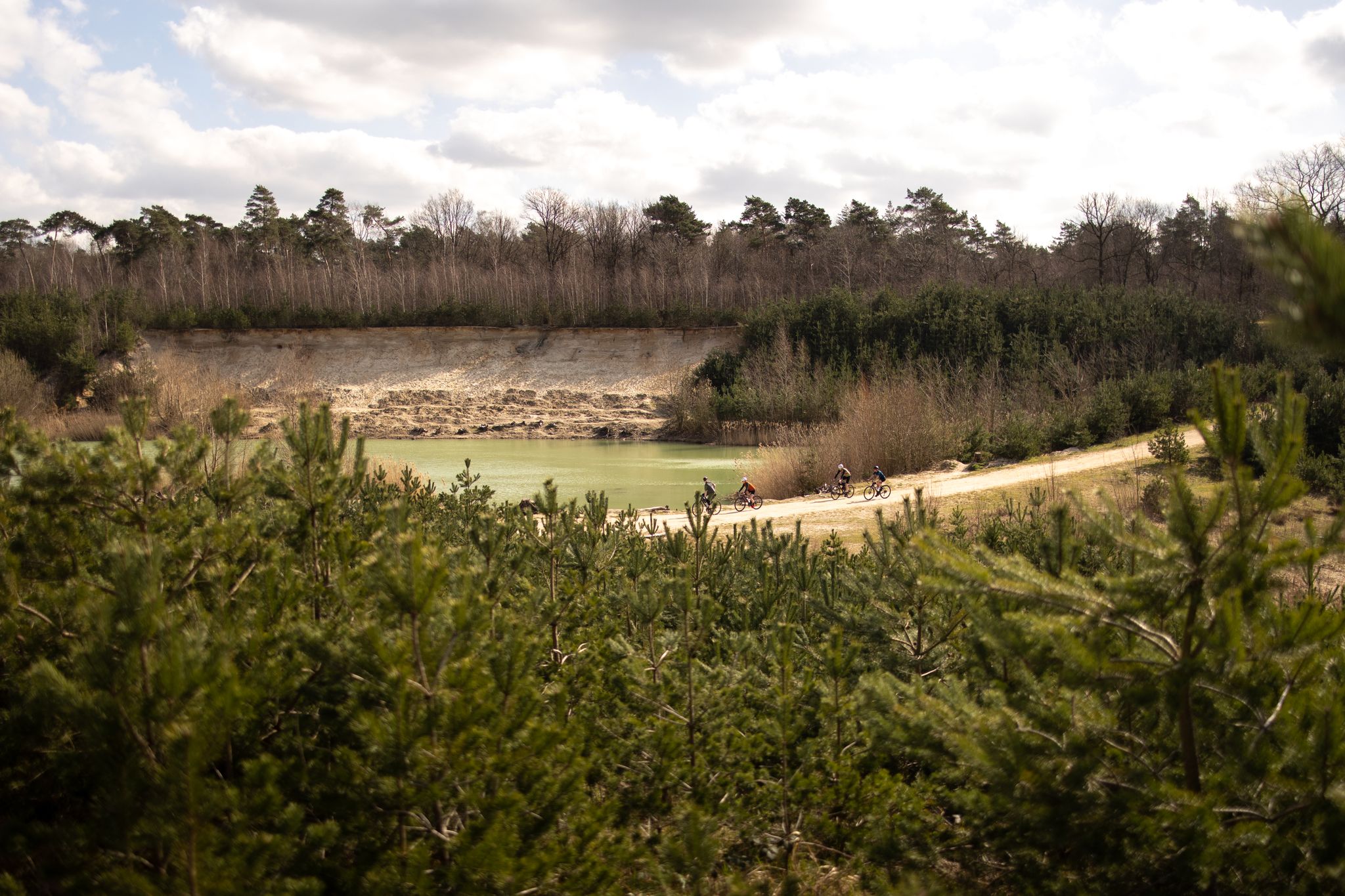
The Pieterpad by bike – From Pieterburen to Sint-Pietersberg
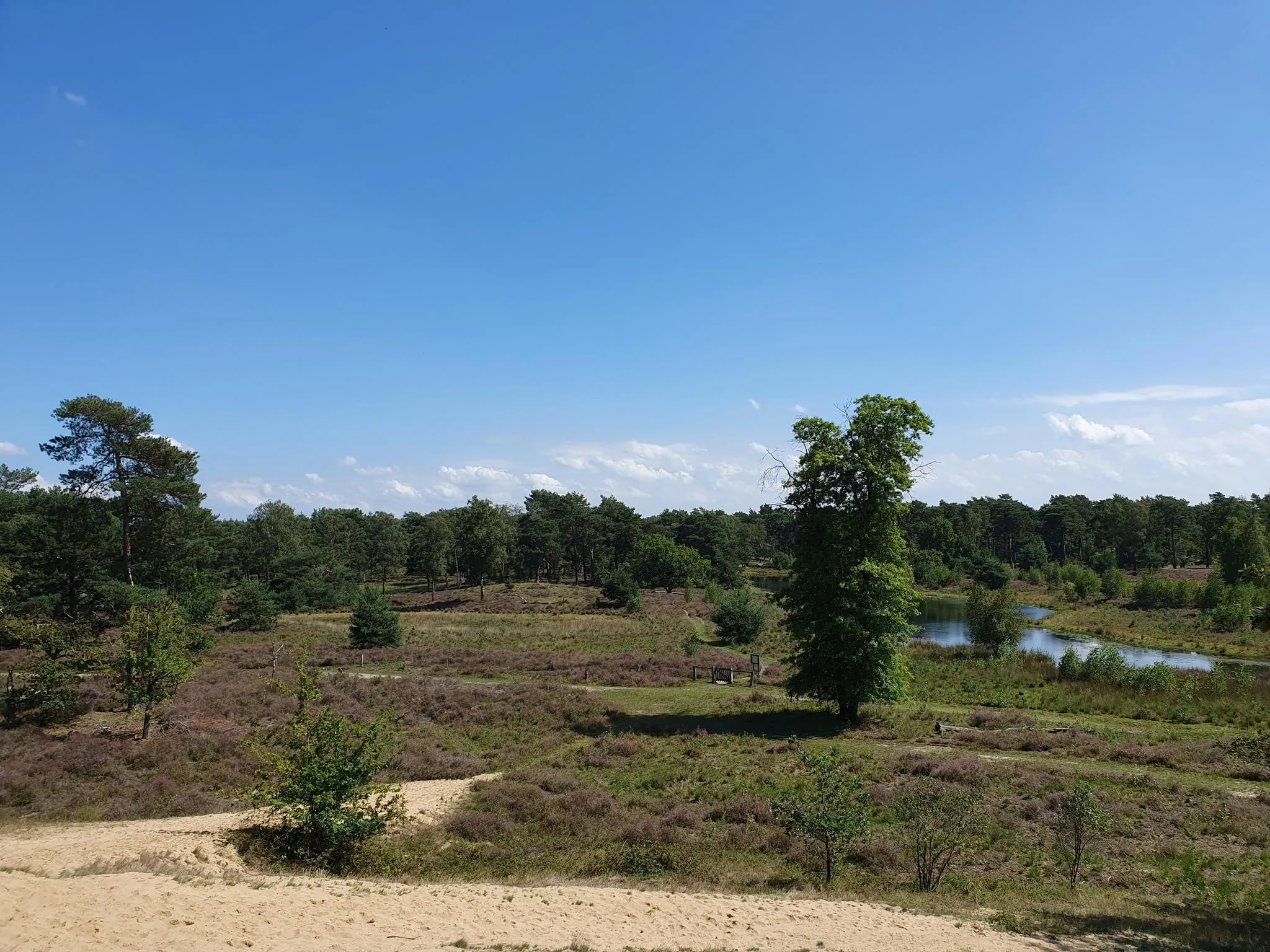
The Maas-Niederrhein Trail - Cross-border hiking in 19 stages
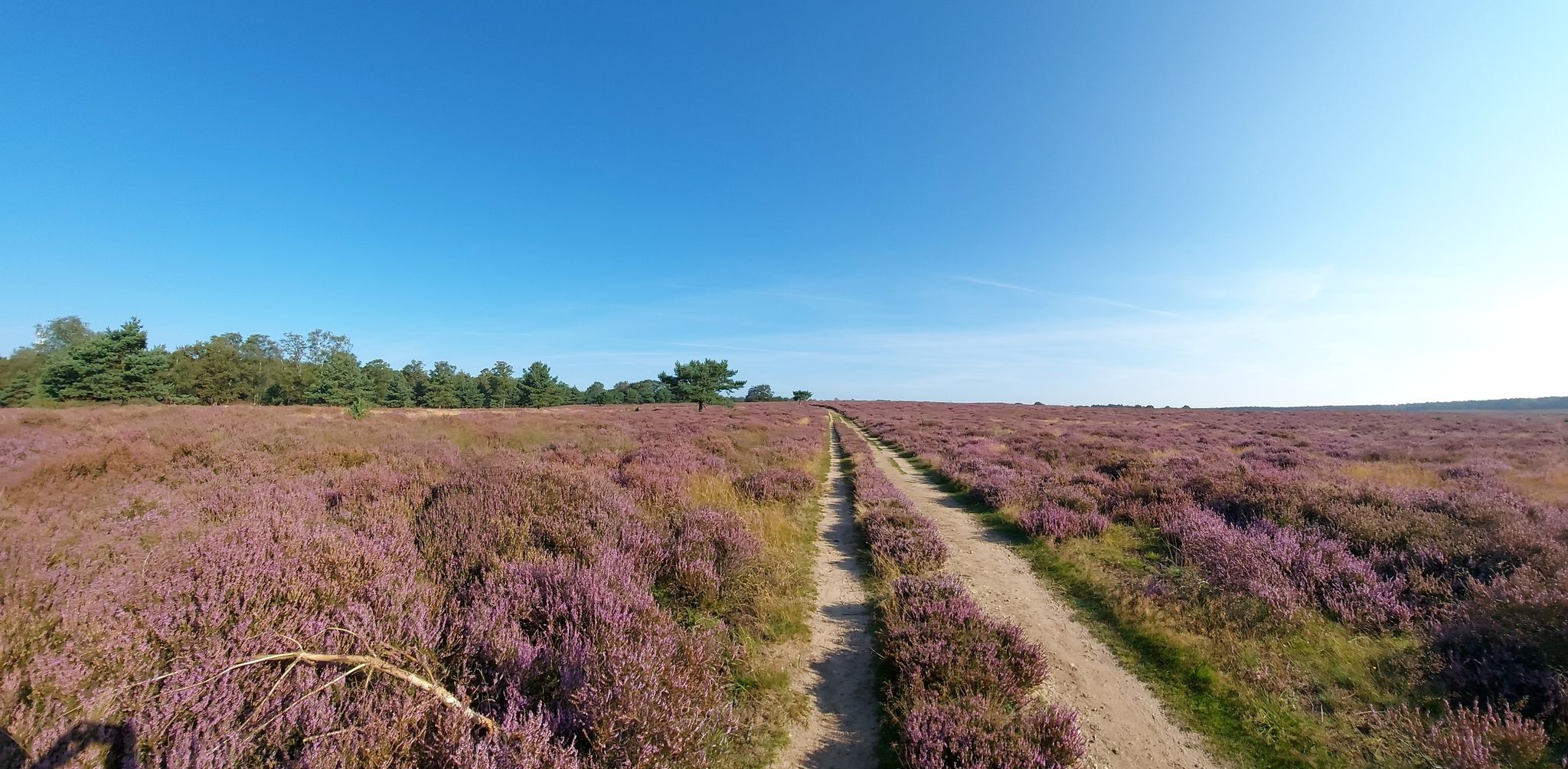
The Netherlands turns purple – 15 walks across the flowering heathlands
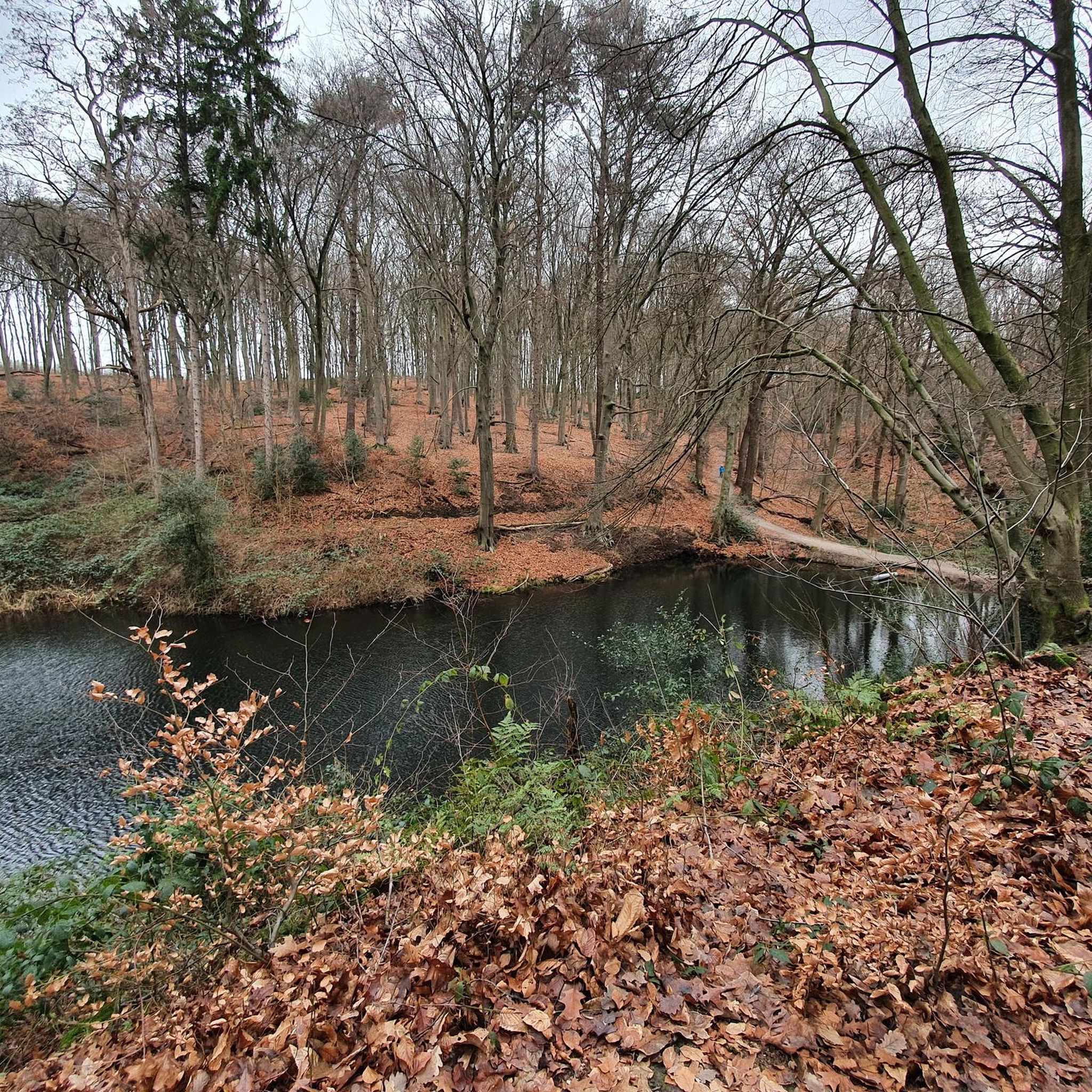
Hiking in Sint-Jansberg
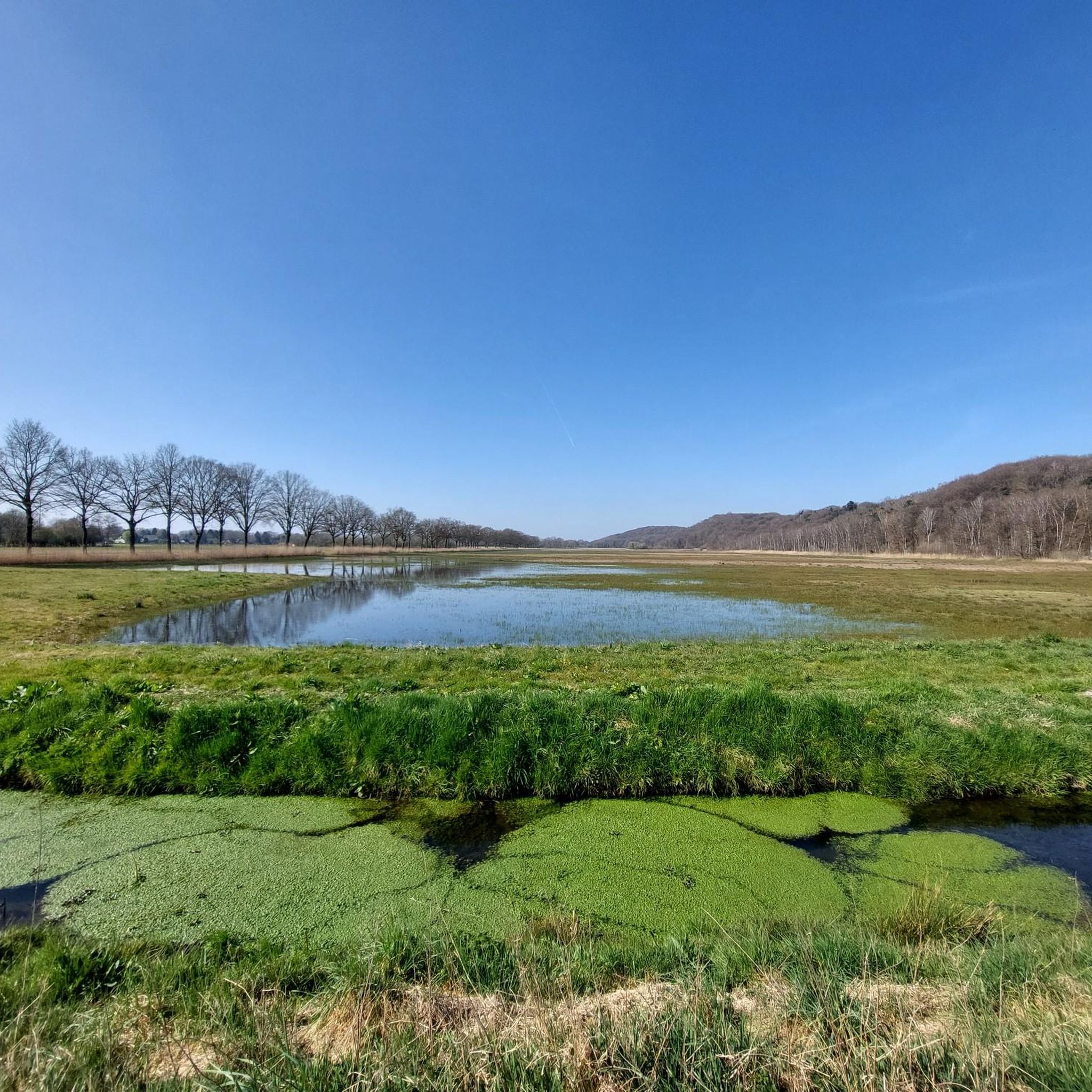
Cycling in Sint-Jansberg
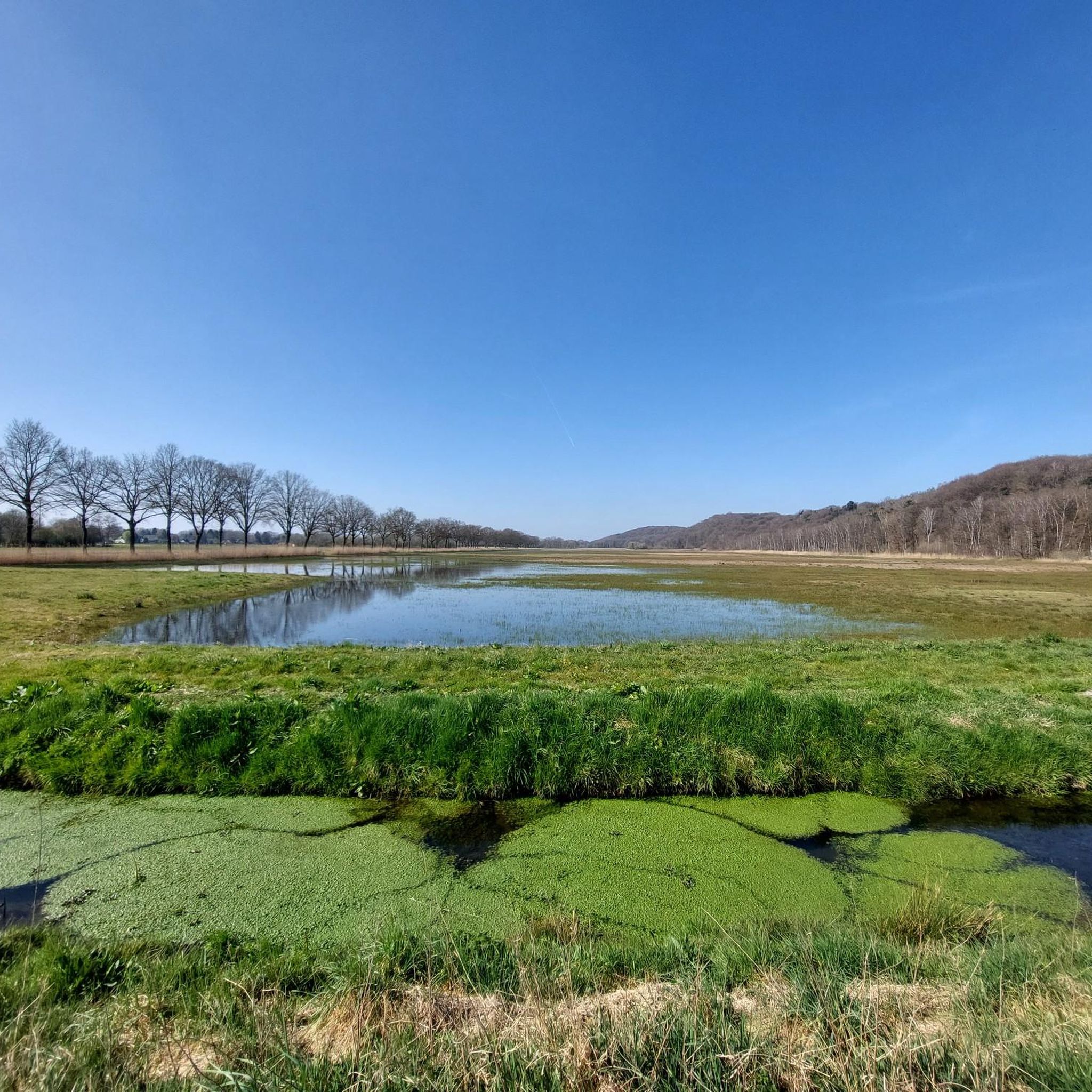
MTB Trails in Sint-Jansberg
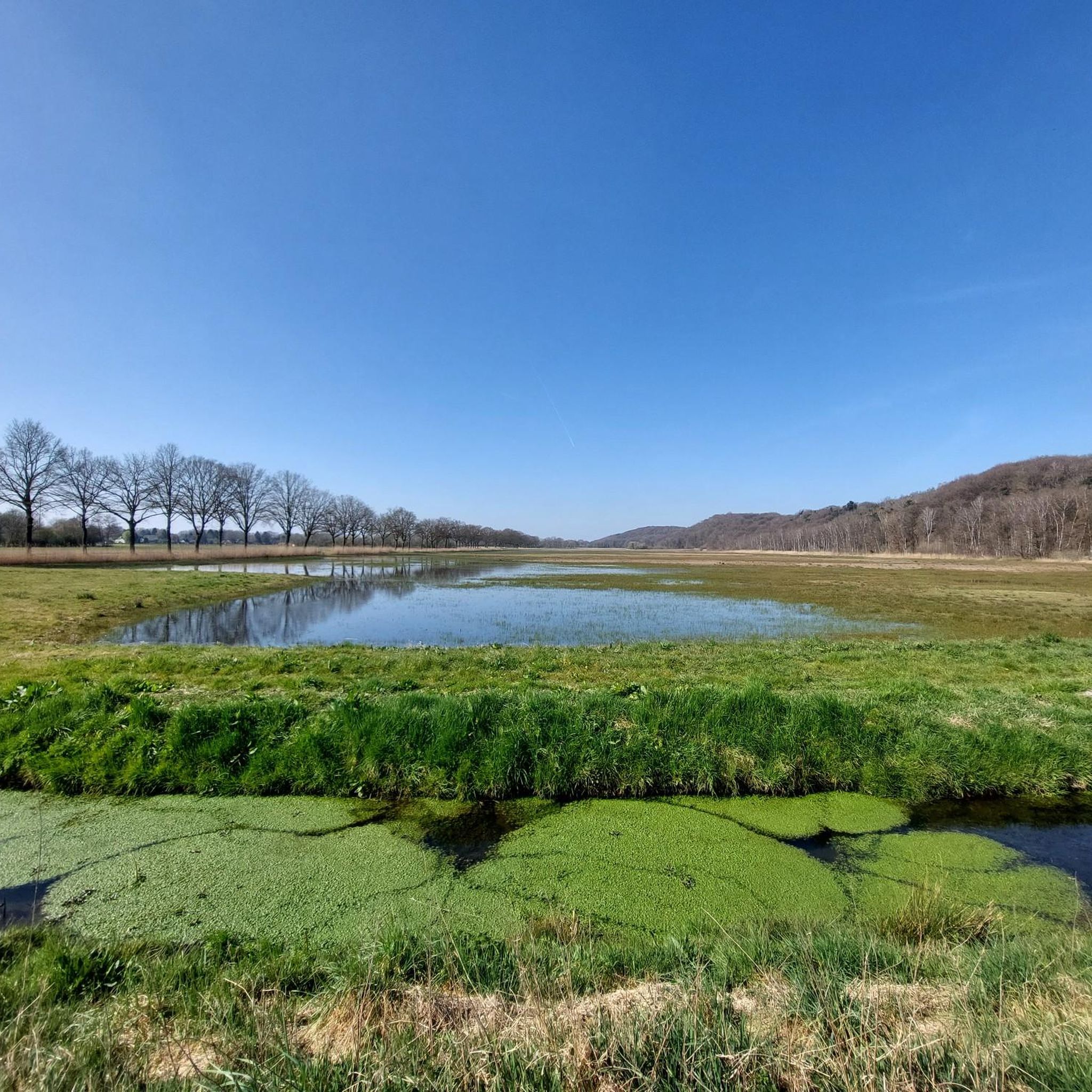
Road Cycling Routes in Sint-Jansberg
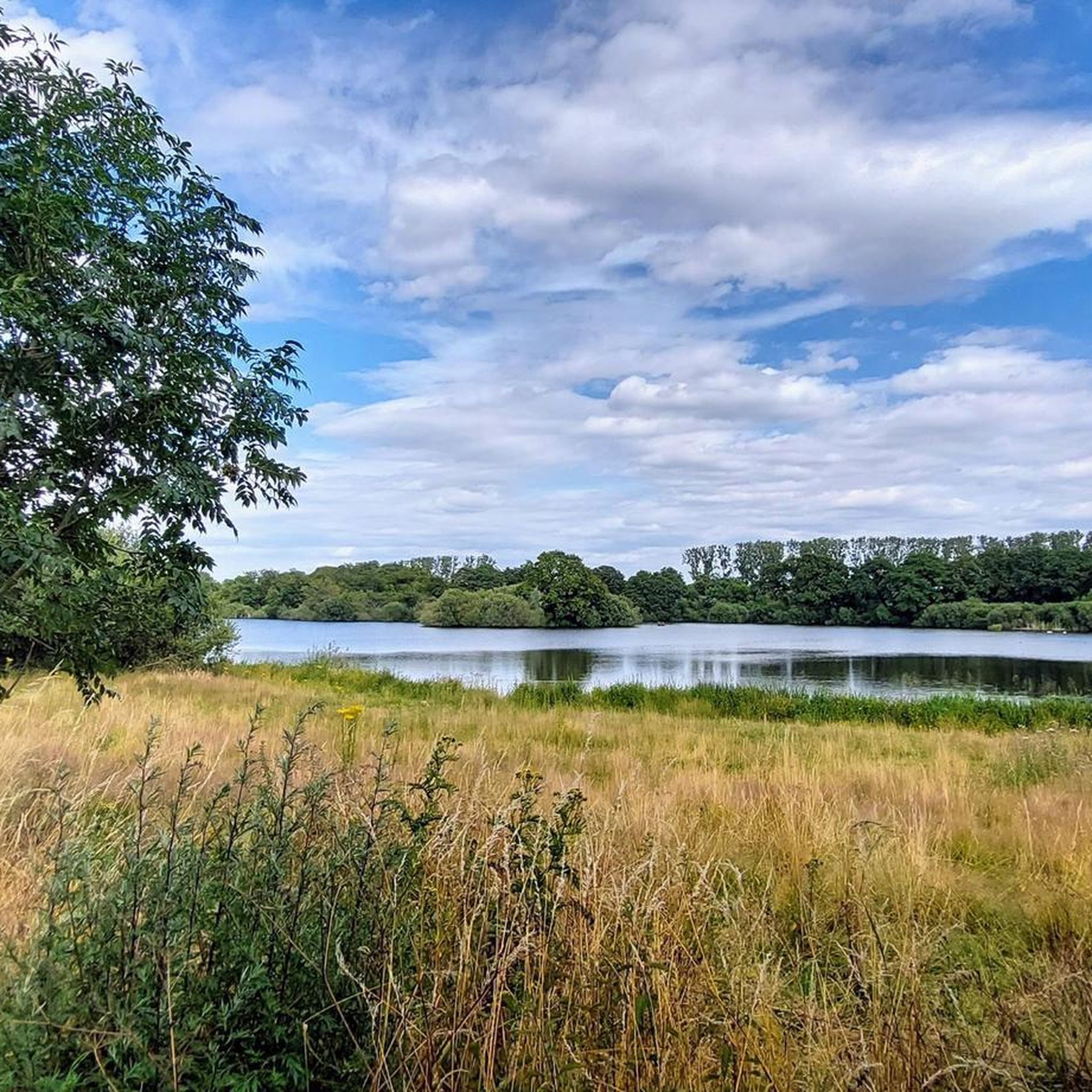
Gravel biking in Sint-Jansberg
Running Trails in Sint-Jansberg

Mountain Hikes in Sint-Jansberg
Other adventures in Sint-Jansberg


Tips from the Community

In the middle of the forest two beautiful ponds between the trees
0
0

Then you come from Milsbeek into that beautiful forest (or from somewhere else) and you see those beautiful ponds. Believe me: no photo can do justice to how fairytale-like beautiful this area is. But make no mistake: a lot of what you see here dates from a not so long ago time when this forest was still the domain of a manor house. Apart from a few pieces and remains (such as an ice cellar), Huize Sint-Jansberg, which was decorated with ornaments that came from a Roman villa (which you can read more about) was completely destroyed in 1944. Incidentally, Sint-Jansberg was part of Germany until 1817. And those ponds? The three ponds used to have different functions. What exactly can be read on an information board near the ice cellar and the giant sequoia. One of them already served as a swimming pond. And there are plans to accentuate the cultural-historical elements of all three. But above all, enjoy them very much because they are beautiful, just like the slopes of the forest in which they are located. Really wonderful.
5
0

The floor plan of the villa was reconstructed from steel and stone.
0
0
The floor plan of the villa was rebuilt using steel and stone.
1
0

Once upon a time, one of the largest Roman villas in the Netherlands stood here, with a magnificent view of the Maas. And since 1979, this site has been legally protected as an archaeological monument. Above ground, low walls show the contours of the ground and there is a tubular frame as a representation of the main building at the time.
0
0

Hike on the Sint Jansberg. It goes up and down quite a bit here
3
0
At Sint Jansberg. Great hiking area
3
0

On a small hill you will find the grounds of the former Roman villa. Part of the floor plan is made visible with stone walls and part of the house is represented by a frame, so that you get a good impression of the size. An impressive remnant of local history.
1
0
Frequently Asked Questions
What are the unique geological features of Sint-Jansberg?
Sint-Jansberg is geologically significant as a glacial push moraine, formed during the Saalian ice age. This results in a landscape with steep, forested slopes and impressive hills. The Kiekberg, at 77 meters, is one of the highest points, offering expansive views. The dramatic transition from the push moraine to the Maasdal is also a unique topographical feature in the Netherlands.
Are there any historical sites among the natural monuments in Sint-Jansberg?
Yes, while primarily a natural area, Sint-Jansberg has historical elements intertwined with its landscape. You can visit the Roman Villa Ruins, Sint-Jansberg, where part of the floor plan is made visible with stone walls. Additionally, the Bovenste Plasmolen, an ancient watermill dating back to 1725, is deeply integrated into the natural water systems of the area.
What kind of forests can I explore in Sint-Jansberg?
Sint-Jansberg is home to ancient beech forests, considered among the most beautiful in the Netherlands. These forests, once part of the vast Ketelwald, feature a diverse range of flora and fauna due to the interplay of dry and wet areas. You can find serene, shaded walks within these old-growth woods.
Are there any significant water features or wetlands in Sint-Jansberg?
Yes, the area is rich in water features. Numerous spring brooks and significant seepage zones contribute to the lushness of the landscape. There are also vital marsh areas, including Koningsven, De Geuldert, and De Diepen, which are crucial habitats for diverse wildlife and rare plant species. You can also find beautiful ponds like Groenewater Pond and Pond at St. Jansberg.
Which natural monuments are suitable for families?
Many natural monuments in Sint-Jansberg are family-friendly. Highlights like Groenewater Pond, Pond at St. Jansberg, and the Roman Villa Ruins, Sint-Jansberg are great for all ages. The unique Horizontal Oak on Apostelweg also offers an interesting sight for children.
Where can I find the best views in Sint-Jansberg?
For expansive views, head to the higher points of the glacial push moraine. The Kiekberg (77 meters) and Sint-Maartensberg (66 meters) offer panoramic vistas over the surrounding landscape, including distant agricultural fields and meadows.
What kind of hiking trails are available near these natural monuments?
Sint-Jansberg offers a variety of hiking trails, ranging from easy to moderate, often featuring significant elevation changes due to the moraines. You can find routes that take you past highlights like the Horizontal Oak on Apostelweg and Groenewater Pond. For more detailed hiking options, explore the Hiking in Sint-Jansberg guide.
Can I go cycling in Sint-Jansberg?
Yes, Sint-Jansberg and its surroundings offer various cycling opportunities. You can find routes that explore the diverse landscape, including paths along the Meuse River. For specific cycling routes and their difficulty levels, refer to the Cycling in Sint-Jansberg guide.
What do visitors particularly enjoy about the natural monuments here?
Visitors frequently praise the serene beauty of the area, especially the reflective light in the water at Groenewater Pond, making it a popular spot for photos. The unique growth pattern of the Horizontal Oak on Apostelweg is also a beloved sight, and the historical insights provided by the Roman Villa Ruins are highly appreciated.
When is the best time of year to visit Sint-Jansberg's natural monuments?
Sint-Jansberg offers beauty throughout the year. Spring brings vibrant new growth and blooming plants in the forests and wetlands. Summer provides shaded walks under the ancient beech trees. Autumn transforms the landscape with stunning fall colors, while winter offers a tranquil, often misty, atmosphere. The Bovenste Plasmolen watermill can be visited from May to October on the second Sunday of the month.
Are there any unique trees or plant life to look out for?
The ancient beech forests are a highlight, with some trees being very old. In the marsh areas like Koningsven, nature restoration efforts have led to the resurgence of rare plant species such as kartelblad and various orchids. The Horizontal Oak on Apostelweg is also a unique natural monument due to its distinctive growth pattern.
Is Sint-Jansberg suitable for dog walking?
Yes, Sint-Jansberg is generally suitable for dog walking, with many trails winding through its forests and past its natural monuments. It's a great place to explore with your canine companion, though it's always advisable to keep dogs on a leash in nature reserves to protect wildlife.
Most popular routes in Sint-Jansberg
Most popular attractions in Sint-Jansberg

Get inspired with the komoot mobile app


Explore more
Extend your search for the best caves by checking out these guides of the top ones in Sint-Jansberg:
