Naturschutzgebiet Kirchheller Heide
Naturschutzgebiet Kirchheller Heide
Top 4 Natural Monuments in Naturschutzgebiet Kirchheller Heide
Best natural monuments in Naturschutzgebiet Kirchheller Heide are found within a significant green and forest landscape in the western part of Bottrop-Kirchhellen. This diverse area, part of the Hohe Mark-Westmünsterland Nature Park, features a blend of heath, moorland, forests, and waterways. It provides a rich habitat for various flora and fauna, showcasing diverse ecological features and geological interests. The area offers approximately 100 km of marked cycling and hiking trails for exploration.
Best natural monuments in Naturschutzgebiet Kirchheller Heide
- The…
Last updated: October 8, 2026
Heidesee in the Kirchhellen Heath
Highlight • Lake
Translated by Google •
Tip by

Rotbach Nature Trail
Highlight • Trail
taken care of but be careful is a nature reserve choose your trails carefully there could also be fallen trees lying around
Translated by Google •
Tip by

Sign up now to discover places like this
Get recommendations on the best single tracks, peaks, & plenty of other exciting outdoor places.
Translated by Google •
Tip by

Heidesee Lakeside Rest Area
Highlight • Lake
Translated by Google •
Tip by

View of Heidesee
Highlight • Viewpoint
Translated by Google •
Tip by

Start today with a free account
Your next adventure awaits.
Popular around Naturschutzgebiet Kirchheller Heide
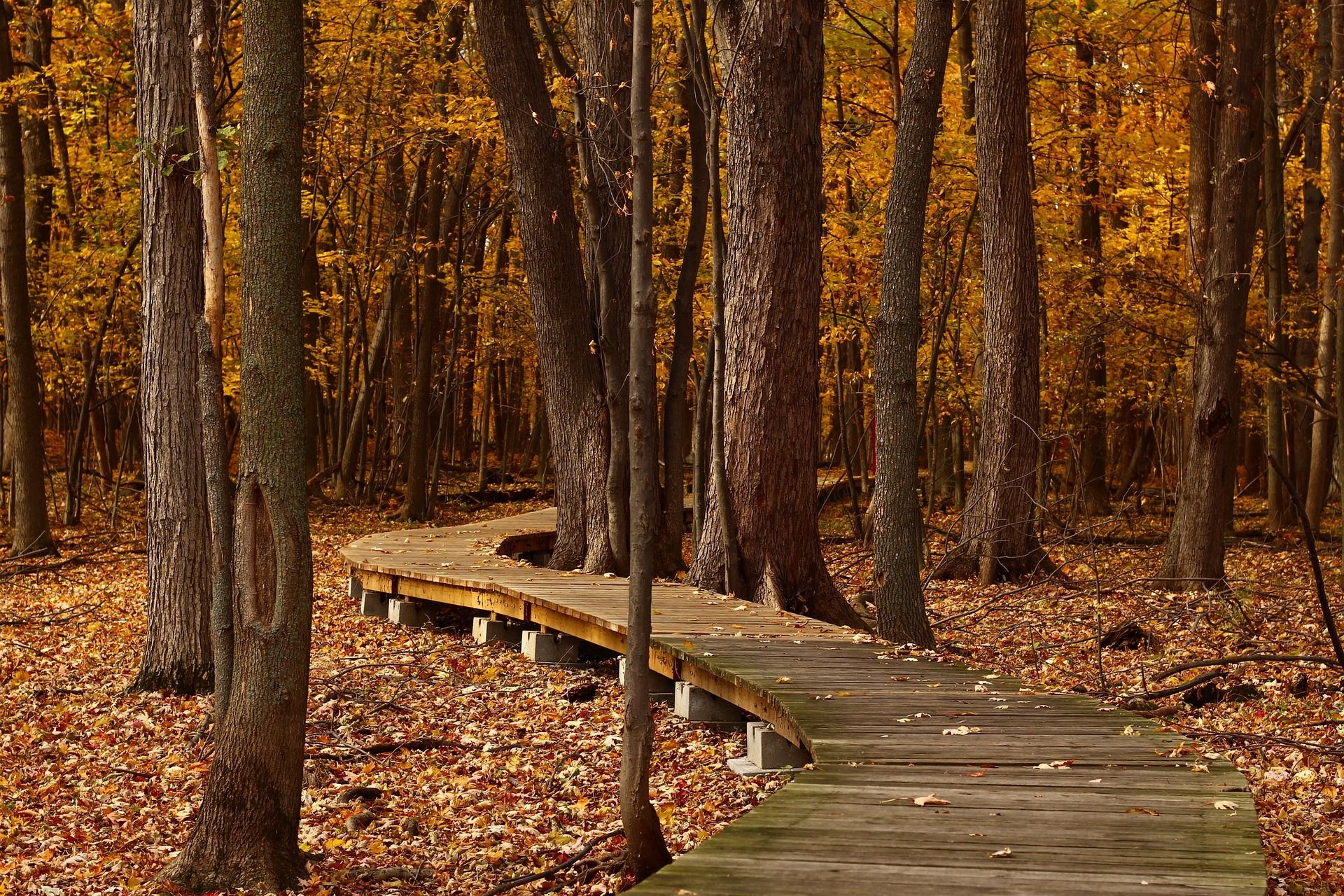
Top Hikes in Autumn - Ruhr Area and around Düsseldorf
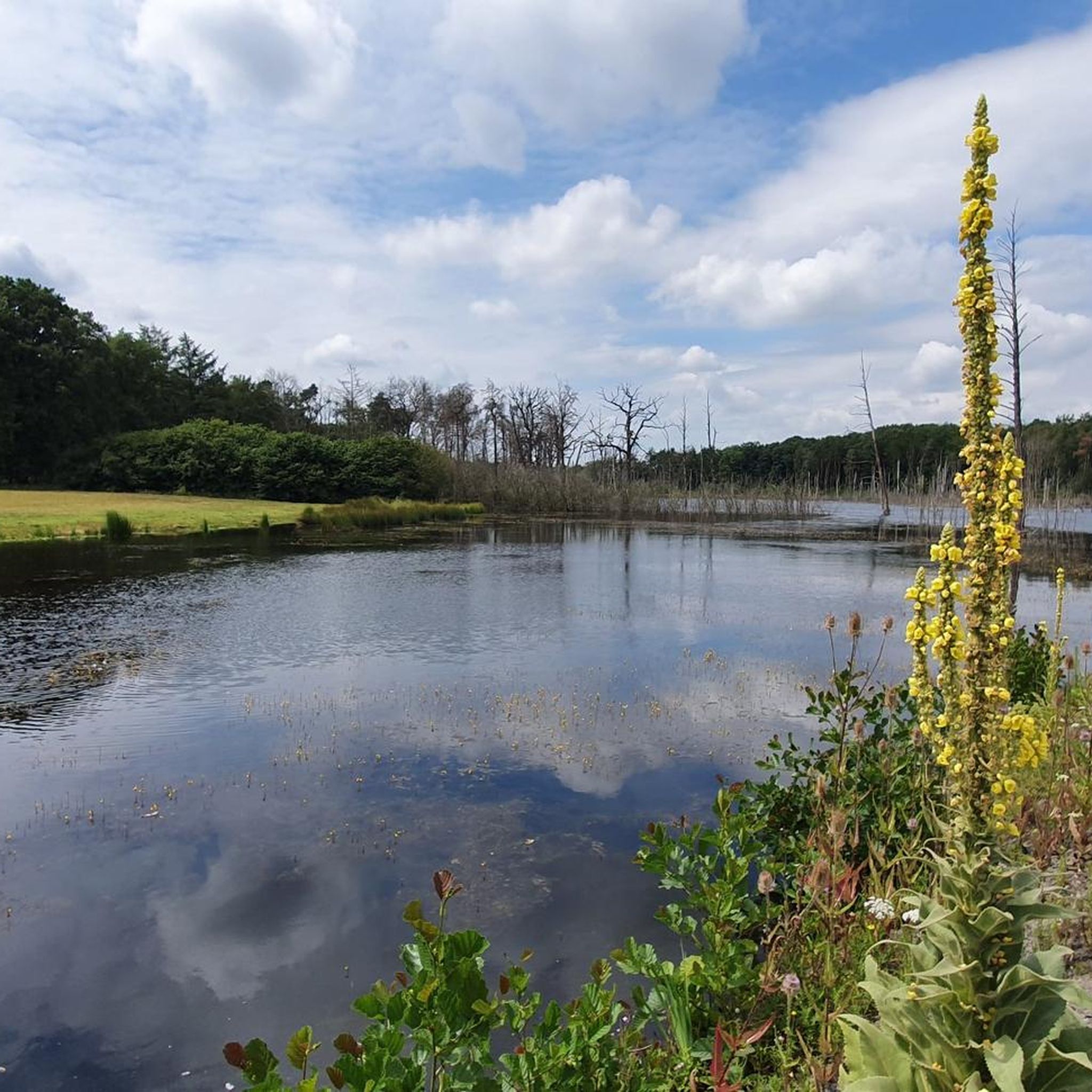
Hiking in Naturschutzgebiet Kirchheller Heide
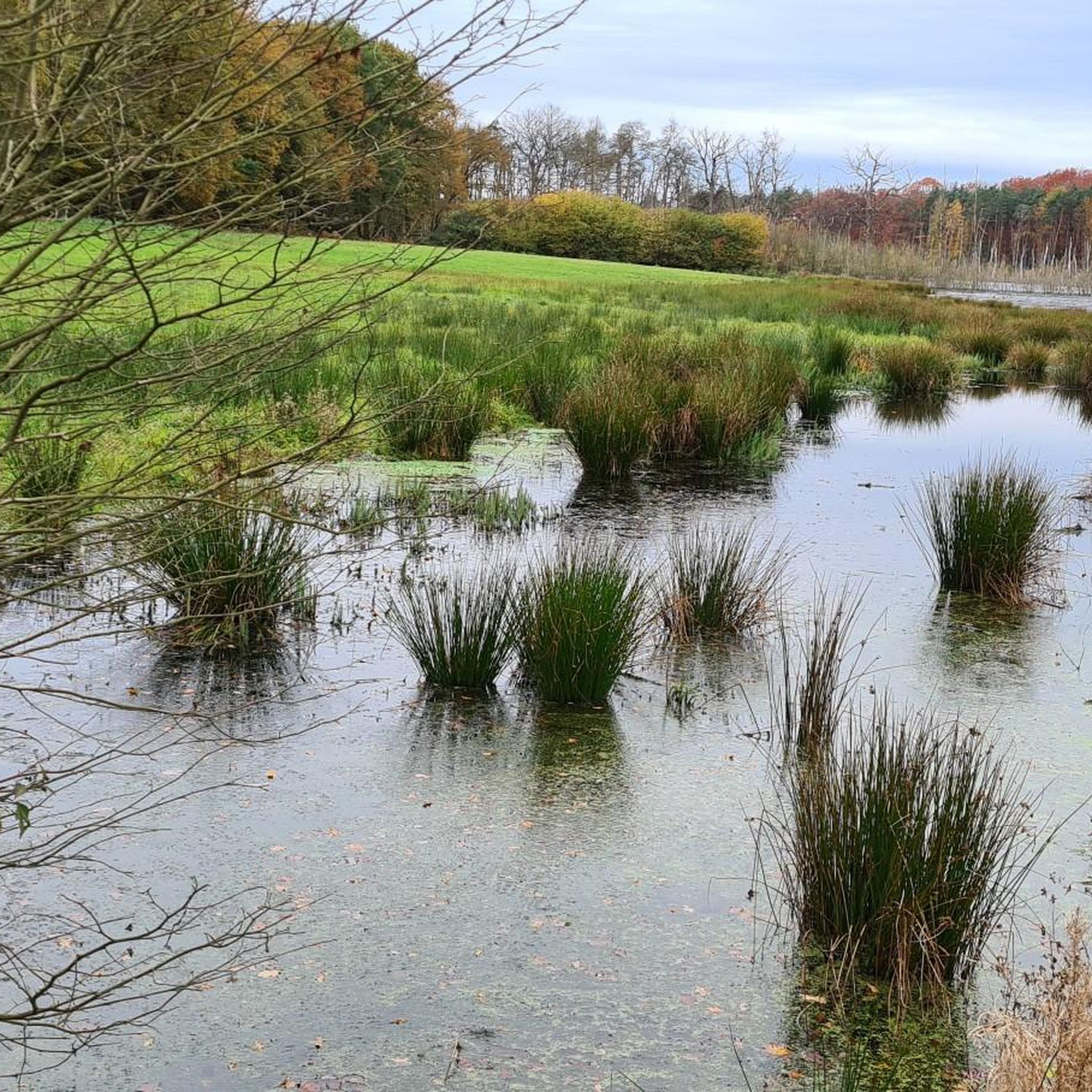
Cycling in Naturschutzgebiet Kirchheller Heide
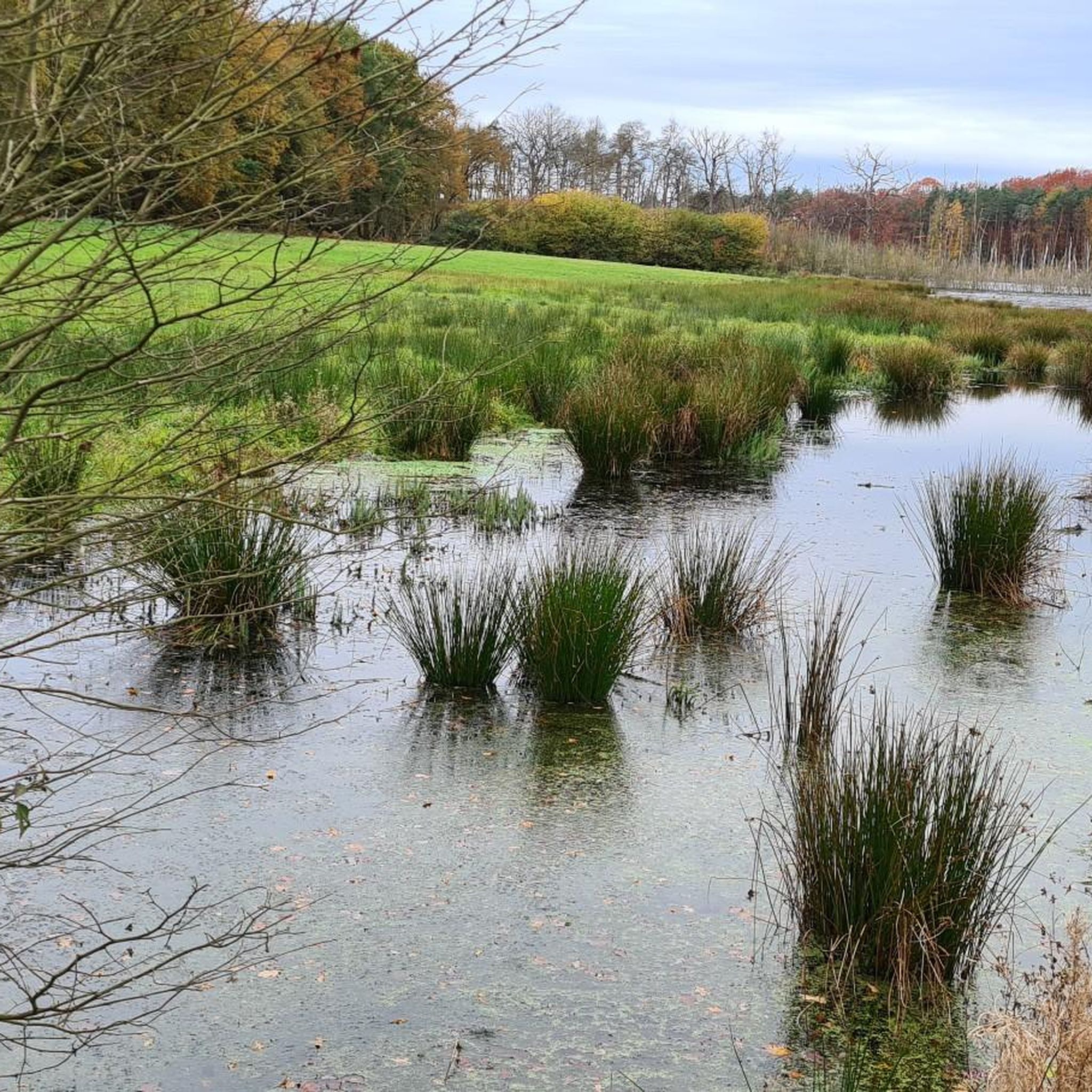
Running Trails in Naturschutzgebiet Kirchheller Heide
Gravel biking in Naturschutzgebiet Kirchheller Heide
Road Cycling Routes in Naturschutzgebiet Kirchheller Heide
MTB Trails in Naturschutzgebiet Kirchheller Heide
Other adventures in Naturschutzgebiet Kirchheller Heide

Tips from the Community

Always worthwhile and always different. Great local recreation in every season! My last visit at the end of 2025 left me amazed and in awe!
0
0

Folks, you're in a nature reserve. So keep your bikes, especially mountain bikes, out of the wild areas. Just because it's possible doesn't mean it's okay. Put aside your selfishness and reflect on your actions. Please stay on the official paths and let nature be nature. It's too precious for us to destroy it.
1
1

Very beautiful landscape, great expanse. I can only highly recommend this area
0
0

Small lake with a great circular path
2
0
Through wild landscape to the bike path, something for every rider
1
0

It seems to be an endless expanse
0
0

A beautiful route with some insurmountable obstacles. Great nature all around and great air anyway! Highly recommended
3
0

A very beautiful lake
3
0
Frequently Asked Questions
What unique natural features can I explore in Naturschutzgebiet Kirchheller Heide?
The Naturschutzgebiet Kirchheller Heide offers a diverse range of natural features. You can discover the Heidesee in the Kirchhellen Heath, the largest lake in the reserve, known for its nutrient-poor water and birdlife. The Kletterpoth is a core heath and moorland landscape, home to rare plants like woolgrass and sundew, and animals such as the moor frog. Additionally, the Pfingstsee (also known as Elsbachsee) and Weihnachtssee are fascinating subsidence lakes formed by mining, with the Pfingstsee featuring striking dead trees in the water.
Are there any family-friendly natural monuments in the Naturschutzgebiet Kirchheller Heide?
Yes, several natural monuments are great for families. The Dead Trees in Heidhofsee is part of a recreational area with extensive play meadows and a forest playground. The Heidesee in the Kirchhellen Heath has a circular path perfect for observing waterfowl, and the Pfingstsee offers a paved bike and hiking trail through the lake, ideal for birdwatching.
What kind of wildlife can I spot around the natural monuments?
The diverse ecosystems of the Kirchheller Heide support various wildlife. At the Kletterpoth, you might encounter rare species like the moor frog and the adder. The Heidesee in the Kirchhellen Heath is excellent for observing waterfowl such as cormorants, grey herons, and silver herons. The Pfingstsee and Weihnachtssee, with their unique environments, are also great for birdwatching, and you can spot frogs and dragonflies around the Deadwood Pond in Naturpark Hohe Mark – Westmünsterland.
Are there hiking trails near these natural monuments?
Absolutely. The Naturschutzgebiet Kirchheller Heide offers numerous hiking opportunities. You can find easy to moderate trails that take you past the natural monuments. For example, there are routes like the 'View of Heidesee – Heath lake loop' or the 'Heath lake – Rotbach Nature Reserve loop'. You can explore more options and detailed routes on the Hiking in Naturschutzgebiet Kirchheller Heide guide.
What other outdoor activities can I do in the Naturschutzgebiet Kirchheller Heide?
Beyond hiking, the area is popular for running and gravel biking. You can find dedicated routes such as the 'View of the Heidesee – Heidesee loop' for running, or the 'HOAG Rail Trail – HOAG-Trasse loop' for gravel biking. Discover more routes in the Running Trails in Naturschutzgebiet Kirchheller Heide guide and the Gravel biking in Naturschutzgebiet Kirchheller Heide guide.
What makes the Pfingstsee and Weihnachtssee unique among the natural monuments?
The Pfingstsee (Elsbachsee) and Weihnachtssee are unique because they are 'subsidence lakes,' formed by the sinking of the earth's surface due to underground coal mining. The Pfingstsee is particularly striking with numerous dead trees still standing in the water, creating a hauntingly beautiful atmosphere. Both lakes are fascinating examples of how nature reclaims and adapts to industrial history, offering exceptional insights into a unique vegetation and animal world.
Can I find natural stream systems that are largely untouched?
Yes, the Rotbach, Schwarzbach, and Spechtbach stream systems are notable for retaining their natural courses and flood-plain vegetation. The Rotbach, in particular, flows in numerous meanders through the forest, which is a rare sight in the wider region. Natural paths along these streams, such as the Naturpfad Rotbachtal, offer beautiful walks through pristine riparian zones and provide habitats for diverse wildlife like kingfishers.
What do visitors enjoy most about the Heidesee?
Visitors frequently praise the scenic beauty and peaceful atmosphere of the Heidesee in the Kirchhellen Heath. It's considered a popular excursion destination, offering beautiful paths for walking or cycling around the lake. Many enjoy observing the numerous waterfowl and appreciate the tranquil escape it provides for 'quiet recreation.' The lake's expansive views are also a highlight for many.
Is there a place with panoramic views of the region?
While not a natural monument in the traditional sense, the Halde Haniel, a prominent spoil tip, offers breathtaking panoramic views of the entire Ruhr region, including the Kirchheller Heide. At 159 meters high, it's the highest publicly accessible spoil tip in the Ruhr area and features an art installation and a mining educational trail during the ascent.
What is the Kletterpoth and why is it significant?
The Kletterpoth is considered the core heath and moorland landscape within the Kirchheller Heide, protected since 1926. It's significant as one of the few remaining areas of true high moorland in the region. This unique habitat supports specialized plant species like woolgrass, peat mosses, heather, and sundew, and is home to rare animal species such as the moor frog and the adder, offering a glimpse into the region's historical landscape.
What is the best time to visit the natural monuments in Kirchheller Heide?
The natural monuments in Kirchheller Heide can be enjoyed year-round. Spring brings blooming flora and active wildlife, while summer is ideal for longer walks around the lakes like the Heidesee. Autumn offers beautiful foliage, and even in winter, the landscapes, especially around the Pfingstsee with its dead trees, offer a unique and tranquil experience. Weekends can be crowded, so visiting on weekdays might offer a more peaceful experience.
Most popular routes in Naturschutzgebiet Kirchheller Heide
Most popular attractions in Naturschutzgebiet Kirchheller Heide

Get inspired with the komoot mobile app


Explore more
Extend your search for the best caves by checking out these guides of the top ones in Naturschutzgebiet Kirchheller Heide:
