Top 4 Natural Monuments in Dzūkijos Nacionalinis Parkas
Natural monuments in Dzūkijos Nacionalinis Parkas, Lithuania's largest protected area, showcase the region's diverse ecology and traditional heritage. The park features a variety of natural heritage objects, including hydrological features, ancient forests, and unique geological formations. These sites offer insights into the natural landscape and the historical interaction between humans and nature. The park's terrain includes continental dune massifs, river ravines, and extensive wetlands.
Best natural monuments in Dzūkijos Nacionalinis Parkas
- The most popular natural monuments is Klonili Kopa Dune, a natural monument and viewpoint that features an open sand dune. This area is characterized by dunes, some of which are overgrown with pine and birch.
- Another must-see spot is Bear's Backside, a forest area. This location consists of light forest and small swamps alternating with meadows and bushes.
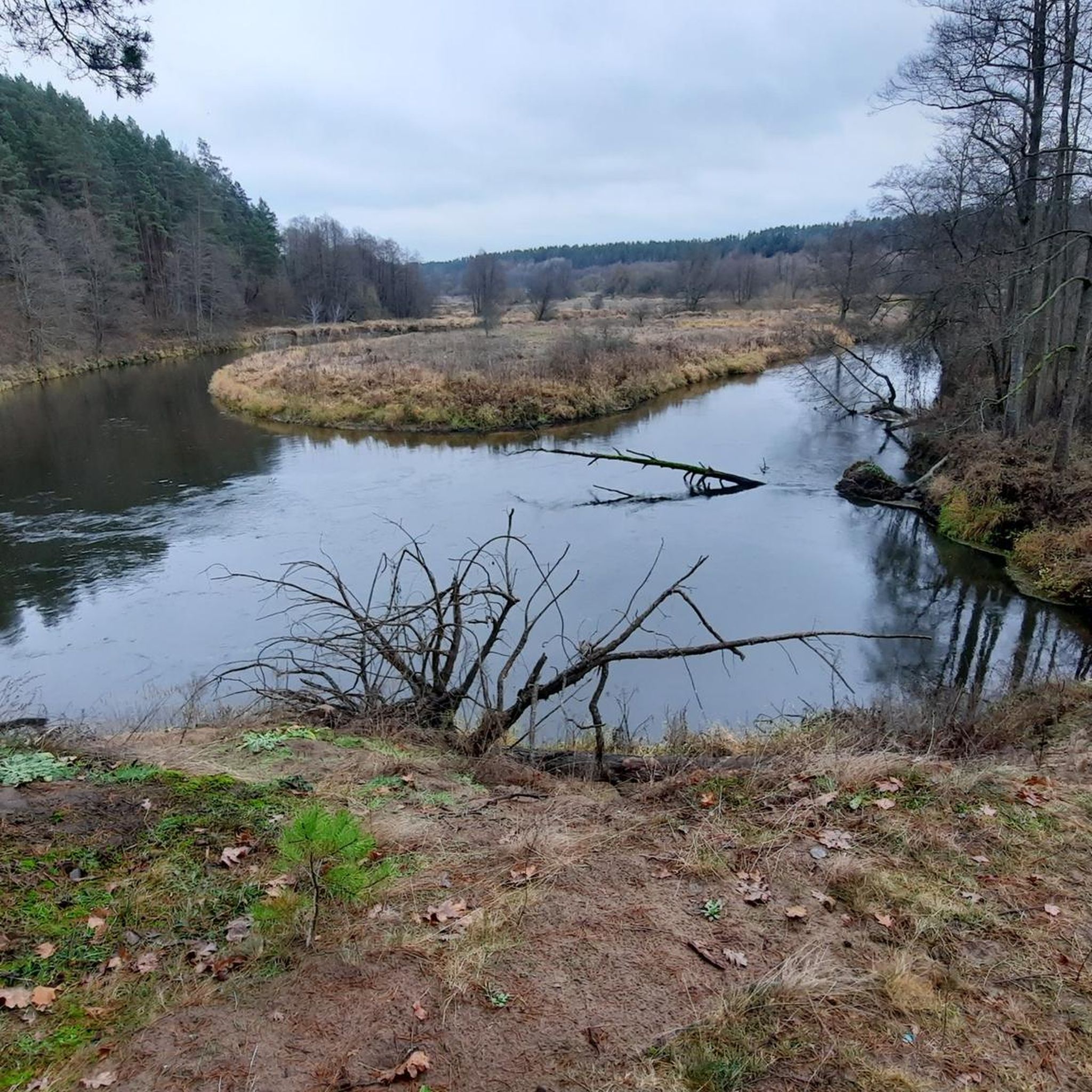
- Visitors also love Bebraviėtės Beaver Pond, a lake and natural monument. This pond landscape is home to beavers and serves as the headwaters of the Zackagiris River.
- Dzūkijos Nacionalinis Parkas is known for its diverse natural monuments, including unique springs, ancient beehive trees, and significant wetlands. These sites provide varied opportunities to explore the park's natural and cultural history.
- The natural monuments in Dzūkijos Nacionalinis Parkas are appreciated by the komoot community, with 11 upvotes and 4 photos shared.
Last updated: July 5, 2026
Ūlos Akis Spring
Highlight • Natural Monument
Translated by Google •
Tip by

Bear's Backside
Highlight • Forest
Translated by Google •
Tip by

Sign up now to discover places like this
Get recommendations on the best single tracks, peaks, & plenty of other exciting outdoor places.
Sign up for free
Klonili Kopa Dune
Highlight • Natural Monument
Translated by Google •
Tip by
Bebraviėtės Beaver Pond
Highlight • Lake
Translated by Google •
Tip by
Wild Beehive Trees in Dzūkija National Park
Highlight • Natural Monument
Translated by Google •
Tip by
Start today with a free account
Your next adventure awaits.
Login or Signup
Popular around Dzūkijos Nacionalinis Parkas
Tips from the Community

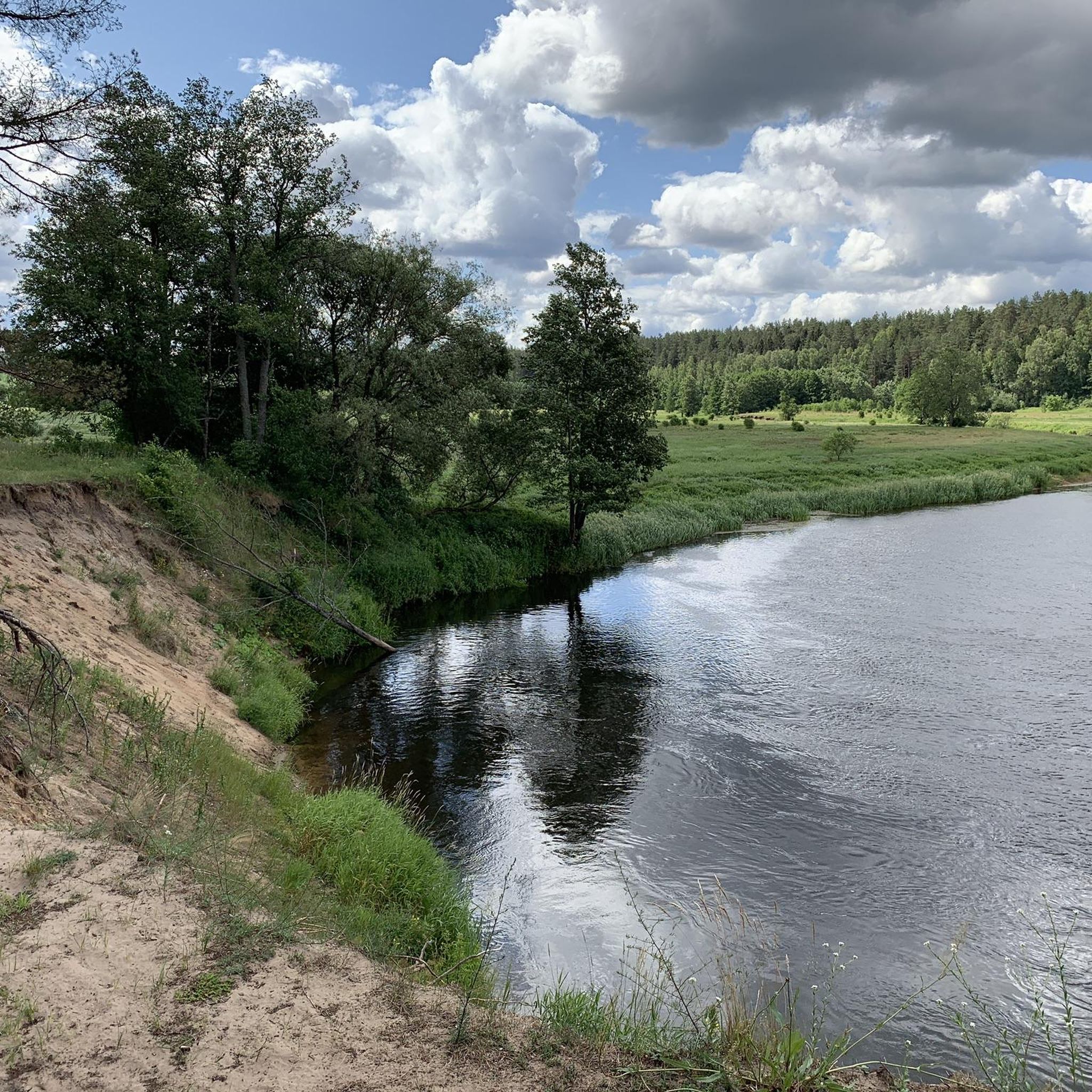
A pond landscape home to many beavers. We didn't notice any beaver lodges. It's also the headwaters of the Zackagiris River, which gives the circular hike its name.
0
0
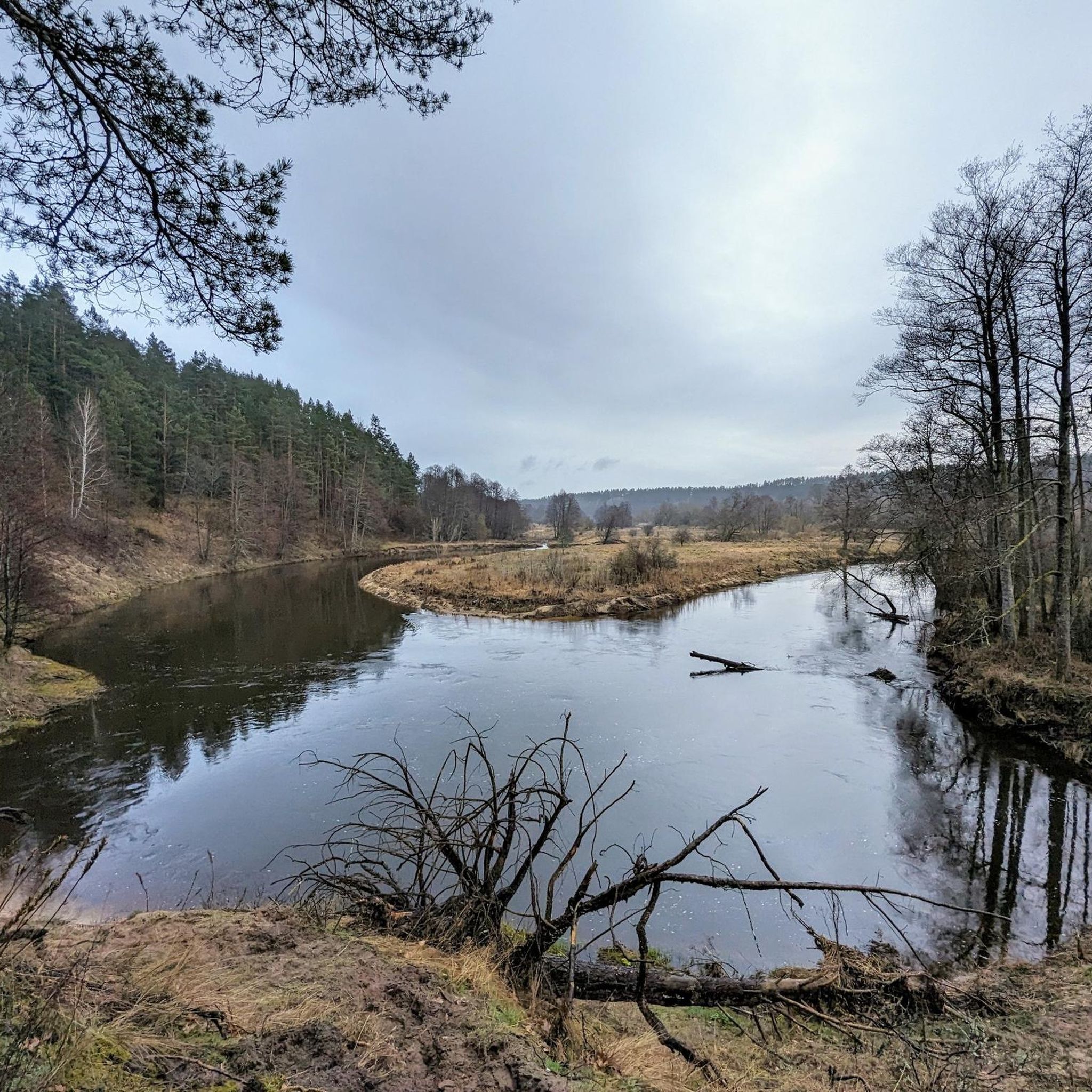
Light forest and small swamps alternate with meadows and bushes. Walking barefoot across them feels like walking on the large back of a bear. Since there was no snow this winter and very little precipitation, everything is extremely dry, and the "bear's backside" is rather prickly.
0
0
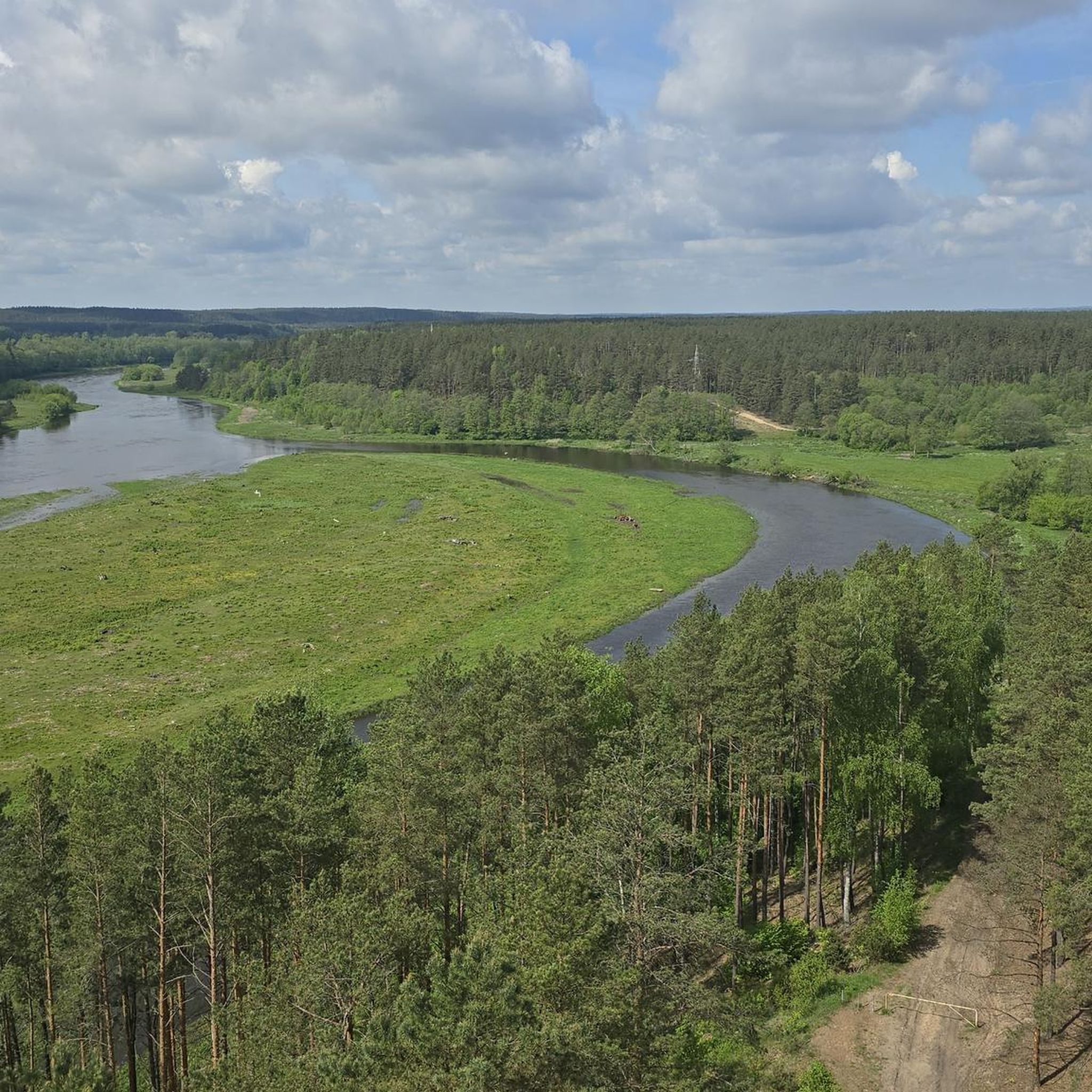
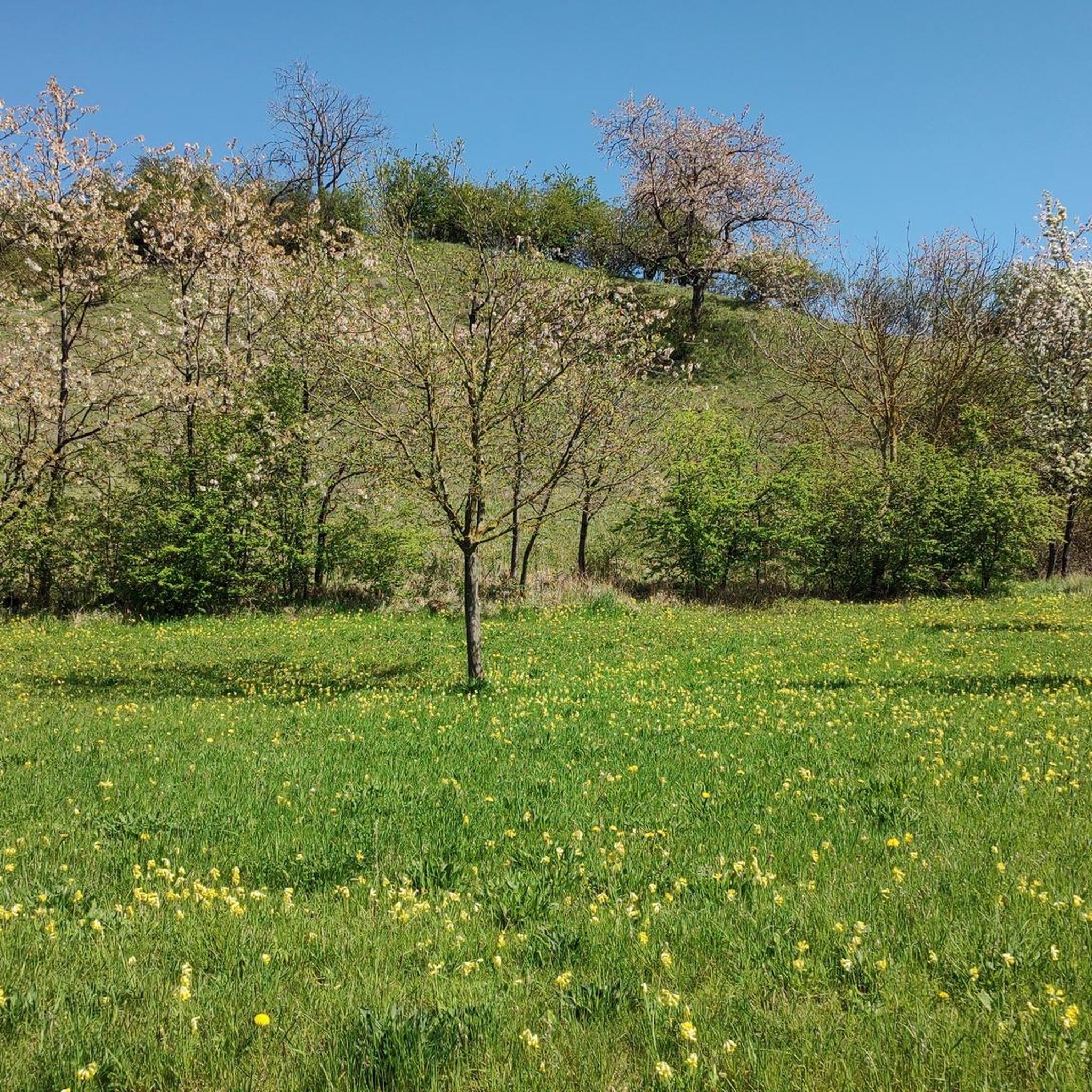
An open sand dune that hasn't yet been overgrown. The entire area consists largely of dunes, but they have been overgrown with pine, birch, and other plants.
0
0
This area was once famous for its wild bee honey. Natural and artificial holes in trees were used for this purpose. Honey and wax were a major source of income for the local population. Today, there are still 50 such trees from which honey is harvested. This can be purchased at the visitor center.
0
0

Strange phenomena. I tried drinking the water, it feels like sulphur but when you have no water - who cares :D
0
0

The natural monument spring "Ūlos akis" is located on the terrace of the left bank of Ūla between Mančiagirė and Žūrių villages, 8 meters from the shore.The height difference between the spring and the river is about 4 m. , 4 m in length, the water depth to the stirring sand forming the “apparent bottom” of the rising current is 23 cm, and the stick reaches another 1.22 m. Researchers at the Institute of Geology, studying the water of this spring, found that its temperature is 8-90 C, and the total mineralization is 120, 47 mg / l. It is a fresh soft, chemically composed hydrocarbonate magnesium calcium water that contains 1.3 times more manganese and about 2 times more iron compared to drinking water standards. The flow of the spring is 2 l / s, and as much as 137.2 m3 of water flows into Ūla per day through a 67 m long stream.
1
0
Frequently Asked Questions
What unique natural features can I expect to see among the monuments in Dzūkijos Nacionalinis Parkas?
Dzūkijos Nacionalinis Parkas is rich in diverse natural monuments. You can explore unique hydrological features like the Ūlos Akis Spring, known for its peculiar appearance and slightly sulfuric water. The park also features impressive continental dune massifs, such as the Klonili Kopa Dune, and vast wetlands like the Čepkeliai Marsh, which is Lithuania's largest high-marsh with floating islands and taiga-type woods.
Are there any natural monuments with historical or cultural significance in the park?
Yes, the park preserves a unique historical tradition through its Wild Beehive Trees. These ancient trees, some naturally hollowed and some artificially, were central to a historical beekeeping practice that provided income for locals. Today, around 50 such trees remain, and honey is still harvested, available for purchase at the visitor center. The Musteika village also features a beekeeping museum related to this tradition.
Which natural monuments are suitable for families with children?
The Ūlos Akis Spring is considered family-friendly, offering an interesting natural phenomenon to observe. While specific family-friendly trails directly to all monuments aren't detailed, many easy walks in the park, such as those leading to a view of Čepkeliai Marsh or the Ūla River, can be found in the Easy Hikes in Dzūkijos Nacionalinis Parkas guide.
What kind of wildlife can I observe near the natural monuments?
The Čepkeliai Marsh, a significant natural monument, is renowned for its exceptional biodiversity. It's home to large populations of capercaillies, cranes, great grebes, and owls. It's also one of the few places where you might encounter wolves, lynxes, and moose. The Bebraviėtės Beaver Pond is, as its name suggests, a habitat for many beavers.
Are there hiking opportunities to reach these natural monuments?
Absolutely. Many natural monuments are accessible via hiking trails. For instance, you can explore areas like the Bear's Backside, which features light forest, swamps, and meadows. The park offers a range of hiking options, from easy walks to more challenging routes. You can find various trails in guides like Hikes from bus stations in Dzūkijos Nacionalinis Parkas and Easy hikes in Dzūkijos Nacionalinis Parkas.
What is the best time of year to visit the natural monuments in Dzūkijos Nacionalinis Parkas?
While specific seasonal recommendations for each monument vary, the park's diverse landscapes offer beauty year-round. Spring and autumn are excellent for hiking and wildlife observation, especially for birds in areas like Čepkeliai Marsh. Summer allows for comfortable exploration, and even winter hiking can be rewarding, though conditions should be checked. The cranberry picking tradition in Čepkeliai Marsh occurs once a year, typically in autumn.
Are there any specific trees recognized as natural monuments?
Yes, among the 43 natural heritage objects in the park, specific trees like the Lietuvis (Lithuanian) Lime Tree and the Zenynai Oak are recognized as outstanding natural monuments. These are likely celebrated for their age, size, or cultural significance within the region.
Can I combine a visit to the natural monuments with cycling activities?
Yes, the region around Dzūkijos Nacionalinis Parkas offers cycling opportunities. While direct cycling paths to every monument might not exist, you can find various routes for mountain biking or traffic-free rides nearby. Explore options in the Traffic-free bike rides in Dzūkijos Nacionalinis Parkas guide to plan your cycling adventure.
What makes the Skroblus Spring and its headwaters unique?
The Skroblus Spring and the headwaters of the Skroblus River, known locally as "Bobos daržas," are considered one of the most significant natural heritage objects in Dzūkijos Nacionalinis Parkas. The river's midsection is also noted for its immense scientific value, highlighting its ecological importance within the park.
What are some of the more challenging natural monuments to explore?
Some natural monuments, such as the Bear's Backside, Klonili Kopa Dune, and Bebraviėtės Beaver Pond, are categorized as intermediate difficulty for exploration, often involving varied terrain like light forests, small swamps, or sandy dunes. For more challenging hikes in the broader park area, consult guides like Hikes from bus stations in Dzūkijos Nacionalinis Parkas.
Most popular routes in Dzūkijos Nacionalinis Parkas
Most popular attractions in Dzūkijos Nacionalinis Parkas

Get inspired with the komoot mobile app


