Top 8 Natural Monuments in Ķemeru Liegums
Best natural monuments in Ķemeru Liegums are found within Latvia's third-largest national park, established in 1997. This area encompasses diverse landscapes, including forests, bogs, and lakes, alongside unique mineral springs. The park is recognized for its ecological features and plays a role in water purification and habitat preservation. It offers various natural features for exploration.
Best natural monuments in Ķemeru Liegums
- The most popular natural monuments is Sloka Lake Birdwatching Tower, a viewpoint that offers wide views over the…
Last updated: July 5, 2026
Sloka Lake Birdwatching Tower
Highlight • Viewpoint
Tip by

Raganu Sulphur Ponds
Highlight • Lake
Translated by Google •
Tip by

Sign up now to discover places like this
Get recommendations on the best single tracks, peaks, & plenty of other exciting outdoor places.
Sign up for free
Lake Melnezers
Highlight • Lake
Mean depth – 1.4 meter
Maximum depth – 2.0 meter
Translation of the name "Melnezers" means Black Lake. The surrounding Raganu Bog (Witches' …
Tip by

Seravots Sulphur Spring Observation Tower, Ķemeri National Park
Highlight • Viewpoint
Translated by Google •
Tip by

Green Dune (Zaļā Kāpa)
Highlight • Natural
Translated by Google •
Tip by

Sign up for free to discover even more natural monuments in Ķemeru Liegums.
Sign up for free
Already have an account?
Start today with a free account
Your next adventure awaits.
Login or Signup
Other adventures in Ķemeru Liegums

Tips from the Community

Observation tower and bird watching platform
0
0

nice place to sit and have a break. possible to walk up the tower
0
0

Melnezers bog lake is a peaceful oasis, surrounded by dense forests and reeds that frame the still water. On a cloudy day, the sky is reflected in the smooth surface of the lake, giving the landscape an almost mystical atmosphere. The bog area around Melnezers is characterized by unique flora and the characteristic, nutrient-poor soils that make this place so special. For anyone who is enthusiastic about the untouched nature of Latvia, this lake is a wonderful place to take a break and enjoy the calming effect of nature.
0
0
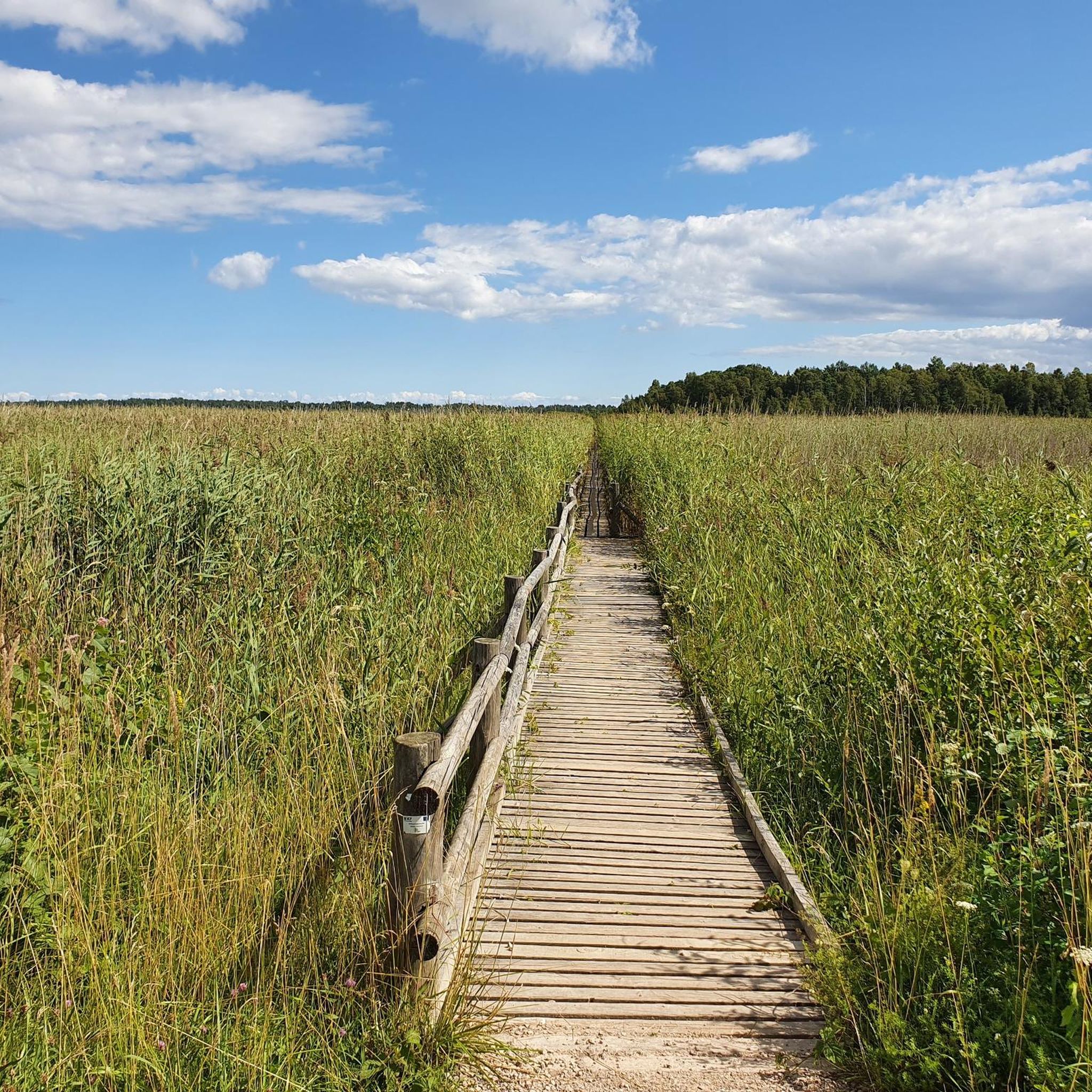
The birdwatching tower at Slokas Lake in Ķemeri National Park is a seven-meter-high platform on pontoons, accessible via a wooden walkway. From here, you can enjoy a wide view over the entire lake, all the way to the north side, which is often particularly rich in birds. The tower offers optimal conditions for birdwatching all year round, as parts of the lake remain ice-free in winter, thus attracting many waterfowl. There is also a sulphur spring nearby, adding a touch of natural history to the experience and hinting at the park's healing mineral springs. The surrounding nature offers wet forests, swamps and small lakes, which can be reached via the 3.1-kilometer Slokas Nature Trail Loop. The trail is partly stabilized by boardwalks, especially in the marshy areas, and is ideal for nature lovers who want to explore the diverse flora and fauna. The tower and trail offer a mix of tranquil nature and fascinating observation opportunities that will immerse you deep into the Latvian landscape.
0
0
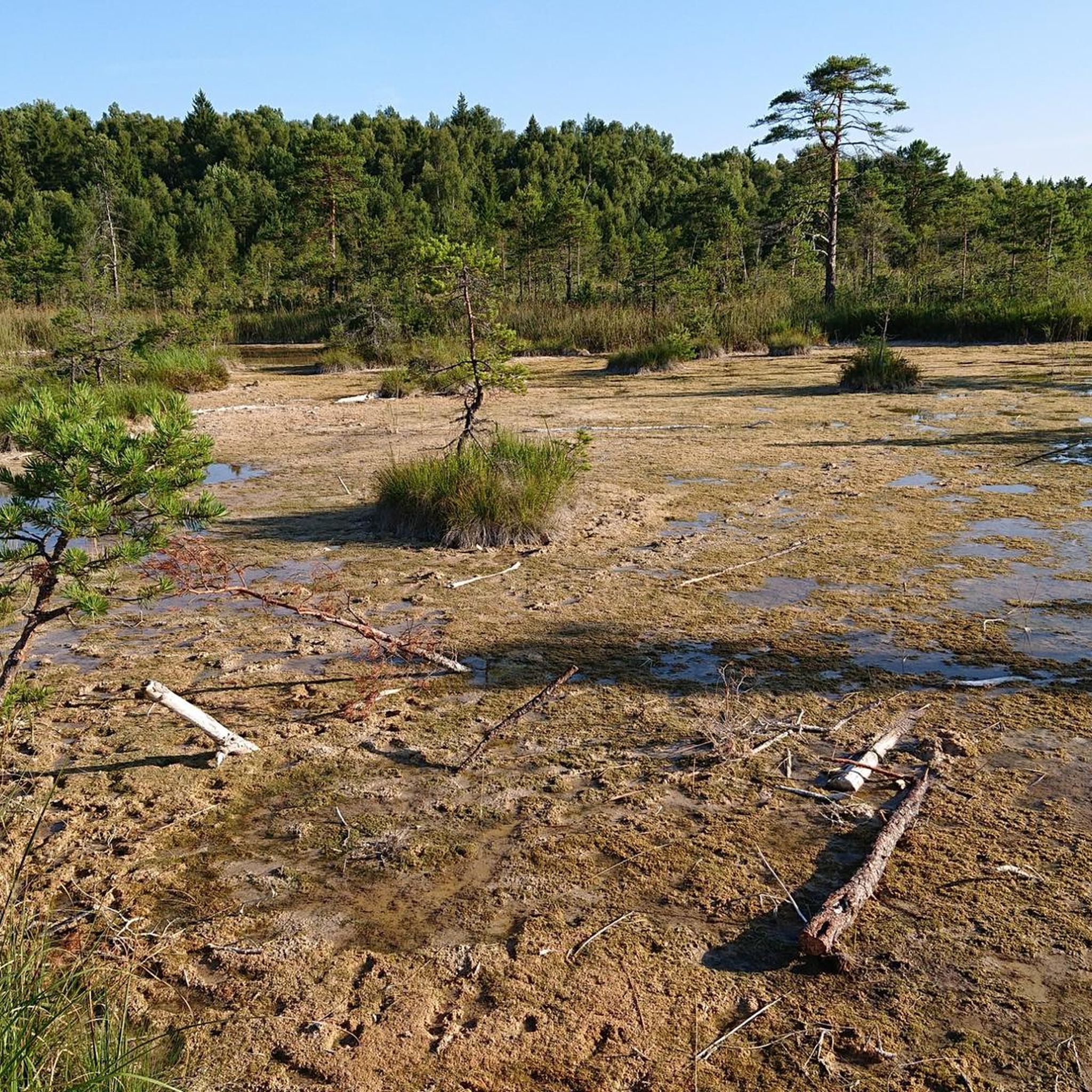
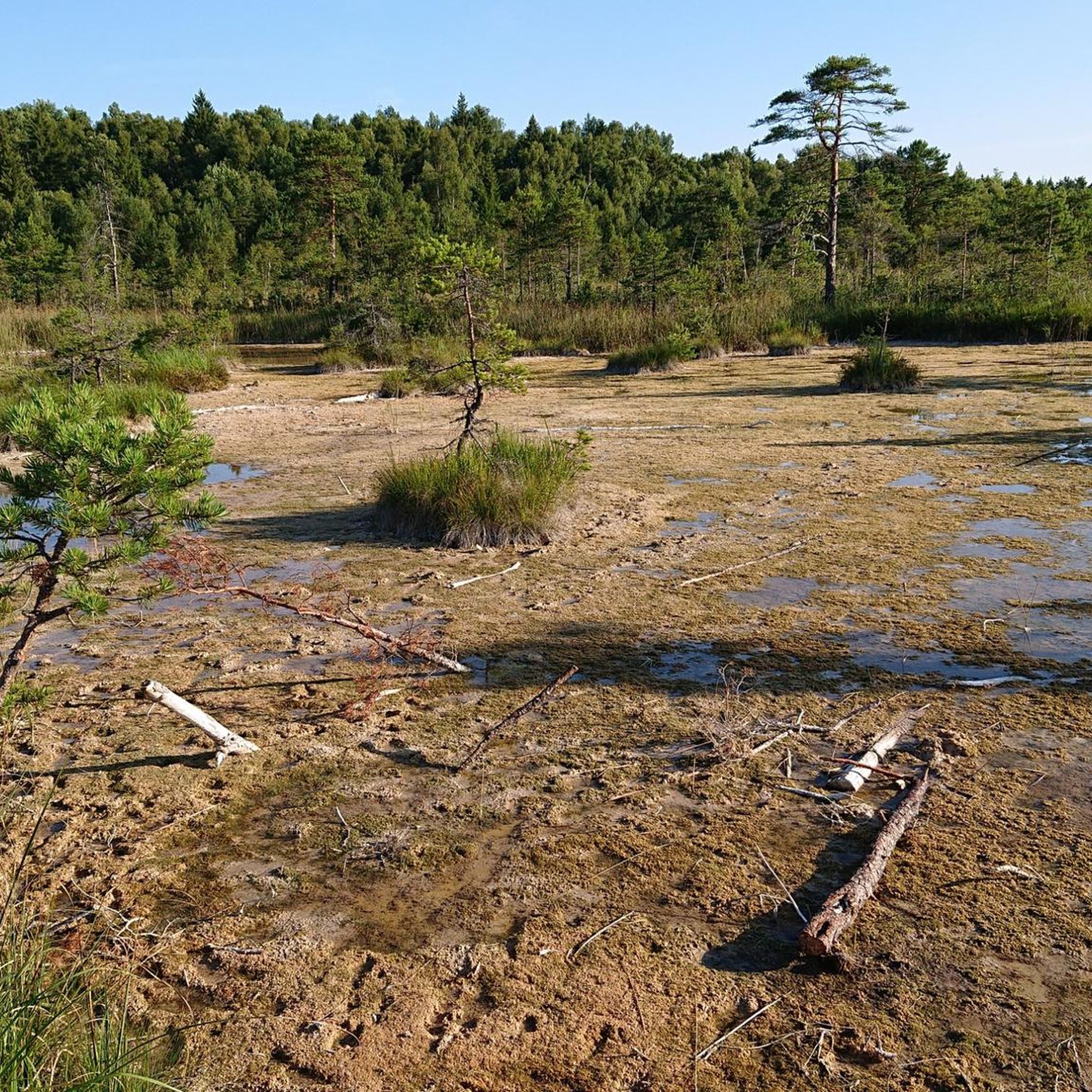
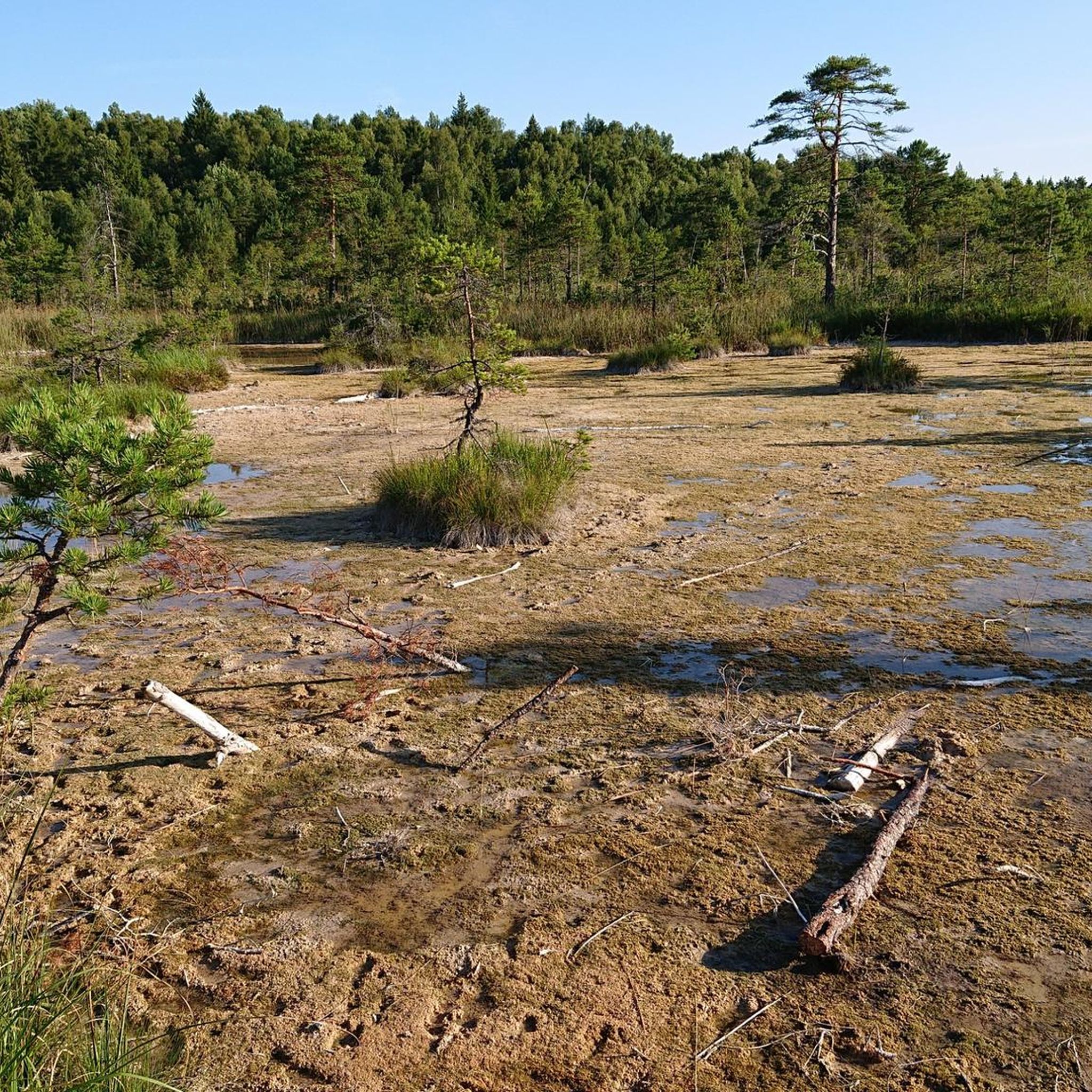
The Sēra dīķu taka, the path along the sulphur pools, takes you into an almost mystical landscape. The sulphurous pools shimmer in unusual colours that reflect the light in a surreal play. The flora around the pools is in strong, earthy tones and blends harmoniously into the slightly smoky atmosphere that is typical of bogs. The air is filled with a light smell of sulphur, reminiscent of the geological forces that have shaped this landscape. There are information boards along the path that tell you interesting facts about the flora, fauna and geological features of the area. An impressive place that shows the wild beauty of Latvian nature and inspires reflection on the forces of nature.
2
1
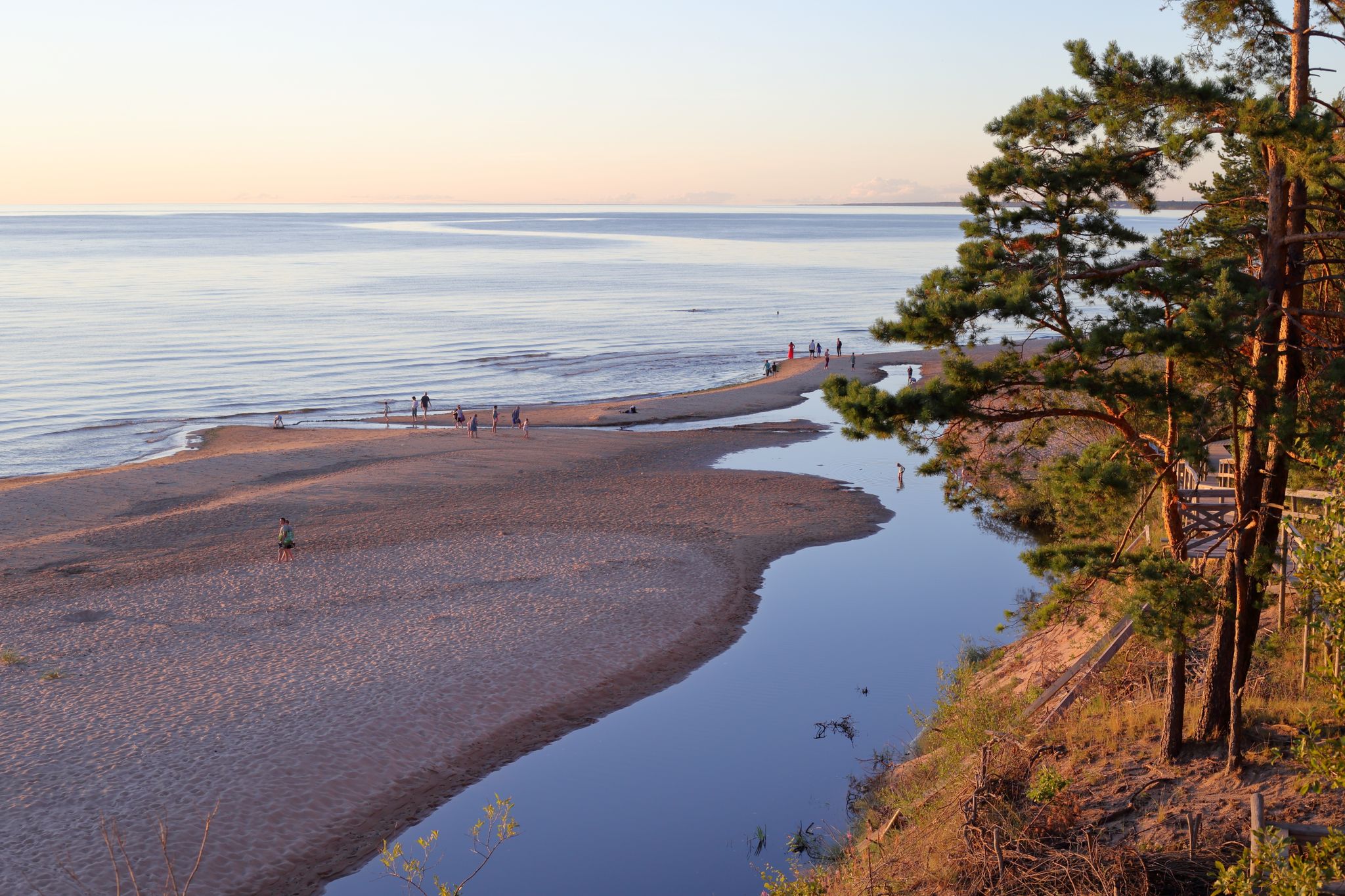
The Green Dune is a place full of peace and natural beauty. Here the path climbs gently through tall pine forests where the light magically plays between the trees. The ground is covered with moss and blueberries and the air smells of resin and damp forest floor. The path winds through the gentle elevations of the dune and offers small clearings that invite you to pause. It is the perfect place to unwind and listen to the quiet sounds of the forest.
1
0

Area of water surface – 10.3 ha Mean depth – 1.4 meter Maximum depth – 2.0 meter Translation of the name "Melnezers" means Black Lake. The surrounding Raganu Bog (Witches' Bog) influences the water qualities of the lake. Humic substances coming from the bog give the water its dark brown colour. Swimming in the lake is not advised.
3
0
If most of the world's Sulphur Springs are formed in volcanically active places, Latvian Sulphur Springs are unusual in that they are formed in areas where peat contacts with gypsum rocks. Under the Quaternary peat deposits (Holocene epoch) lie Late Devonian gypsum rocks (Salaspils suite) which are washed by groundwater. Sulfate-reducing bacteria which emit hydrogen sulfide (H2S) in their process of life live in these conditions. The hydrogen sulfide oxidized in the water and sulphur precipitates at the bottom of the sulphur spring.
0
0
Frequently Asked Questions
What are some of the most popular natural monuments to visit in Ķemeru Liegums?
Among the most visited natural monuments are the Sloka Lake Birdwatching Tower, offering wide views and excellent birdwatching opportunities, and the unique Green Dune (Zaļā Kāpa), known for its peaceful pine forests and moss-covered ground. The Raganu Sulphur Ponds are also a fascinating spot with distinct colors and a noticeable sulfur scent.
What unique natural features can I explore in Ķemeru Liegums?
Ķemeru Liegums is renowned for its diverse natural features, including expansive wetlands like the Great Ķemeri Bog, which features a popular boardwalk. You can also find numerous sulfur springs, such as those near the Seravots Sulphur Spring Observation Tower, and various lakes like Lake Kaņieris, a significant site for birdwatching.
Are there family-friendly natural monuments or trails in Ķemeru Liegums?
Yes, many natural monuments in Ķemeru Liegums are suitable for families. The boardwalks at the Great Ķemeri Bog offer an accessible experience for all ages. Highlights like the Sloka Lake Birdwatching Tower, Raganu Sulphur Ponds, and Green Dune (Zaļā Kāpa) are also categorized as family-friendly, providing engaging natural experiences.
What is the best time of year to visit the natural monuments in Ķemeru Liegums?
The park offers unique experiences year-round. Spring and autumn are excellent for birdwatching, especially around Lake Kaņieris and the Sloka Lake Birdwatching Tower. Summer provides pleasant weather for exploring trails, while winter offers a serene, often ice-free environment at parts of Sloka Lake, attracting waterfowl and showcasing the unique colors of the Raganu Sulphur Ponds.
Can I go hiking near the natural monuments in Ķemeru Liegums?
Absolutely. Ķemeru Liegums offers a variety of hiking opportunities. For instance, the Slokas Nature Trail Loop is a 3.1-kilometer path near the Sloka Lake Birdwatching Tower, partly stabilized by boardwalks. You can find more hiking routes and detailed information on the Hiking in Ķemeru Liegums guide.
Are there opportunities for birdwatching in Ķemeru Liegums?
Ķemeru Liegums is a prime location for birdwatching, particularly at Lake Kaņieris, which is a Ramsar site important for waterfowl. The Sloka Lake Birdwatching Tower provides optimal conditions for observing a wide variety of birds throughout the year, even in winter when parts of the lake remain ice-free.
What is the significance of the sulfur springs in Ķemeru Liegums?
The sulfur springs in Ķemeru Liegums, like those near the Raganu Sulphur Ponds, are a unique natural phenomenon. They are formed by the interaction of peat deposits, gypsum rocks, and sulfate-reducing bacteria, which produce hydrogen sulfide gas. These mineral waters and therapeutic muds have been utilized for centuries, leading to Ķemeri's historical reputation as a health resort.
What kind of wildlife can be spotted around the natural monuments?
The diverse ecosystems of Ķemeru Liegums support a rich variety of wildlife. Visitors might spot rare birds, including black storks and corncrakes in the Great Ķemeri Bog, or sea eagles and cranes around Lake Kaņieris. The forests and wetlands also provide habitat for mammals such as beaver, lynx, elk, and wild boars.
Are there any specific viewpoints or observation towers to enhance my visit?
Yes, several viewpoints offer excellent perspectives. The Sloka Lake Birdwatching Tower is a seven-meter-high platform on pontoons, providing extensive views over the lake. An observation platform on the longer route of the Great Ķemeri Bog boardwalk is also popular, especially for photographers at sunrise and sunset, offering a memorable view of the elongated lakes.
Can I engage in other outdoor activities like running or mountain biking near these natural monuments?
Yes, Ķemeru Liegums offers trails for various outdoor activities. You can find dedicated routes for running and mountain biking. For detailed information on routes and their difficulty, refer to the Running Trails in Ķemeru Liegums and MTB Trails in Ķemeru Liegums guides.
What is the history behind the natural monuments in Ķemeru Liegums?
The natural monuments in Ķemeru Liegums are deeply rooted in the region's history. The Great Ķemeri Bog, for instance, dates back approximately 8,000 years. The presence of therapeutic sulfur springs led to Ķemeri becoming a renowned health resort in the 19th century, with numerous spas and sanatoriums utilizing these natural resources. Lake Kaņieris is also a former lagoon of the ancient Littorina Sea, adding to its geological significance.
Is there a 'Black Lake' in Ķemeru Liegums, and what makes it unique?
Yes, Lake Melnezers, whose name translates to 'Black Lake,' is a notable natural monument. Its dark brown color comes from humic substances originating from the surrounding Raganu Bog. This peaceful bog lake is characterized by unique flora and nutrient-poor soils, creating a mystical atmosphere, though swimming is not advised.
Most popular routes in Ķemeru Liegums
Most popular attractions in Ķemeru Liegums

Get inspired with the komoot mobile app


Explore more
Extend your search for the best caves by checking out these guides of the top ones in Ķemeru Liegums:
