Top 7 Natural Monuments in North West Leicestershire
Best natural monuments in North West Leicestershire showcase a landscape rich in ancient geology, diverse habitats, and tranquil natural sites. The region features some of England's oldest rocks, dating back around 600 million years, offering a glimpse into Earth's distant past. Visitors can explore woodlands, rocky uplands, and unique heathland, providing opportunities for appreciating biodiversity and serene environments. These areas offer various walking routes and natural features for outdoor exploration.
Best natural monuments in North West Leicestershire
- The most popular…
Last updated: August 27, 2026
Bardon Hill Trig Point
Highlight • Volcano
Tip by

Blackbrook Reservoir
Highlight • Natural Monument
Tip by

Sign up now to discover places like this
Get recommendations on the best single tracks, peaks, & plenty of other exciting outdoor places.
Sign up for free
Queen Elizabeth Diamond Jubilee Wood
Highlight • Natural Monument
Tip by
Diana, Princess of Wales Memorial Woodland
Highlight • Forest
Tip by

Charnwood Nature Reserve
Highlight • Viewpoint
Tip by
Peter Elderfield Memorial Wood
Highlight • Natural Monument
Tip by
National Forest Pine Trail
Highlight • Forest
Tip by

Coalville Park
Highlight • Structure
Got tennis courts and skate park football and park
Tip by
Start today with a free account
Your next adventure awaits.
Login or Signup

Tips from the Community

Coalville park got walks park skate park football very small car park tennis courts
0
0
coalville park great walk around the park tennis courts, park, walks, small car park, football court skate park, check photos 📸
0
0
walking around coalville park with Elliott Got tennis courts and skate park football and park
1
0

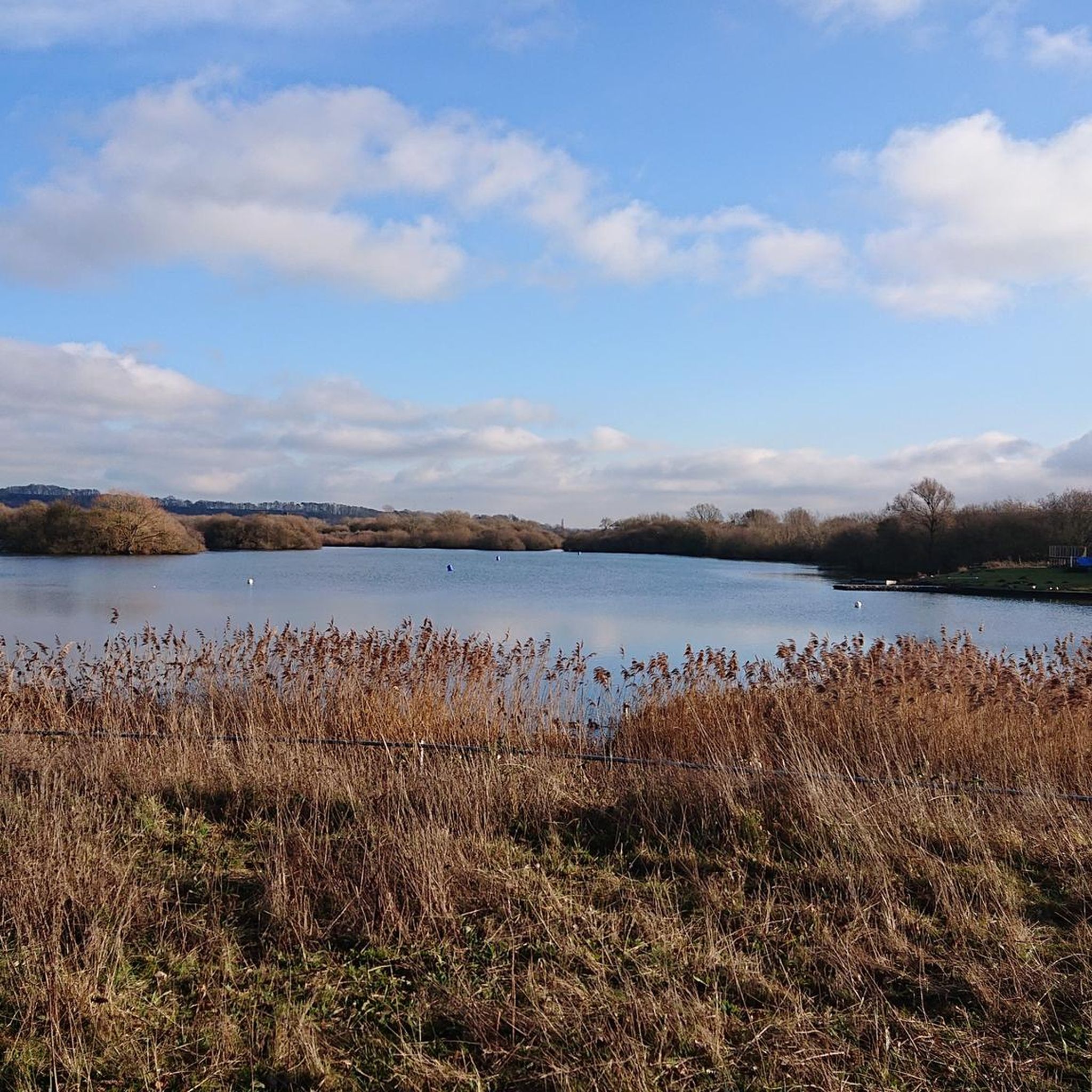
Following the planting of 300,000 native broadleaf trees from 2012-2015, QEDJW is now flourishing into a beautiful young woodland made up of oak, field maple, silver birch, beech and hornbeam, to name just a few. Bluebell and wood anemone light up the forest floor in the ancient woodland areas in springtime, and at the lake you’ll find vegetation including bull rush and yellow iris.
0
0

A nice place for a walk in the sunshine
0
0

Absolutely gorgeous trails through pine forests. The land is part of the national forest. The site was once opencast mining and is now a haven for wildlife.
2
0
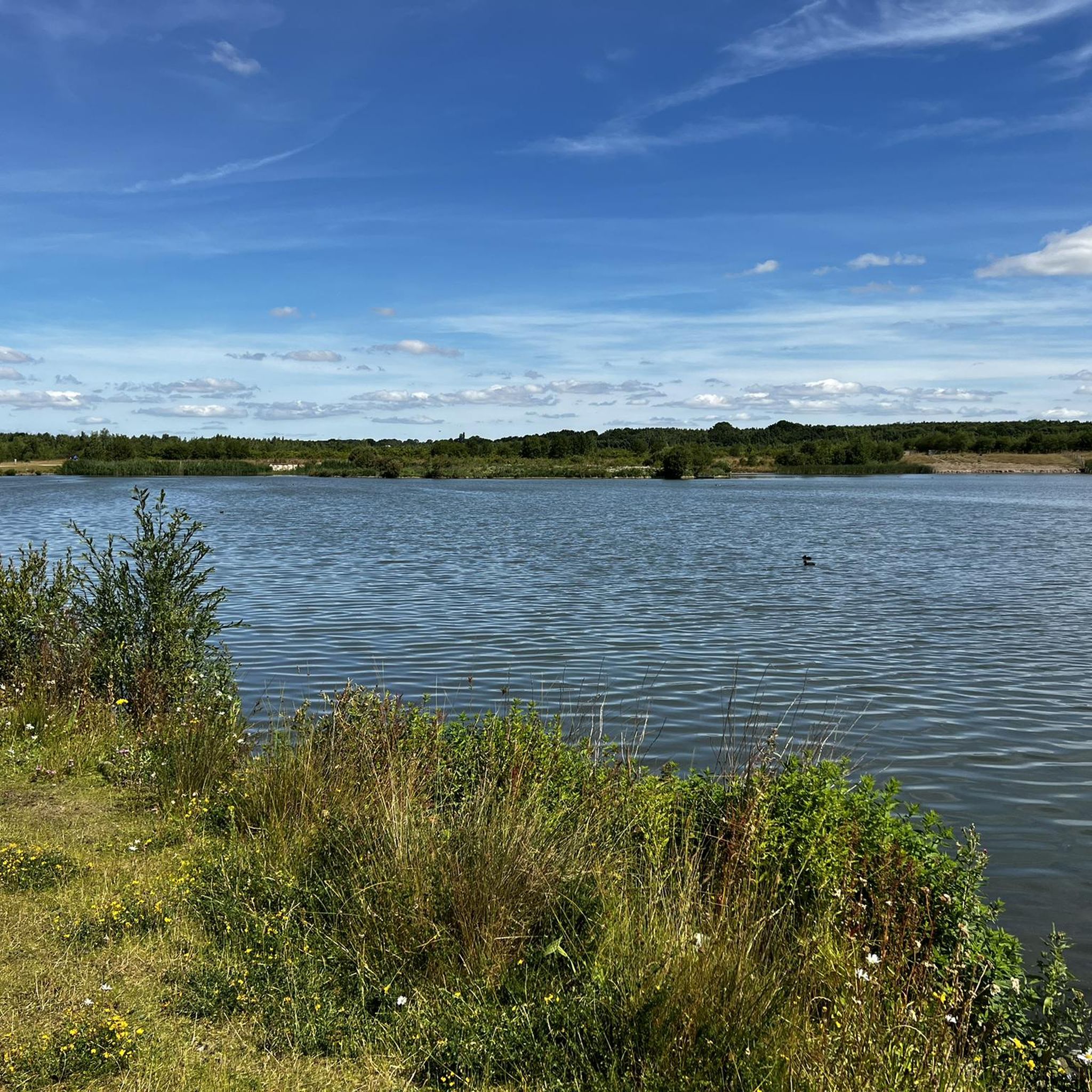
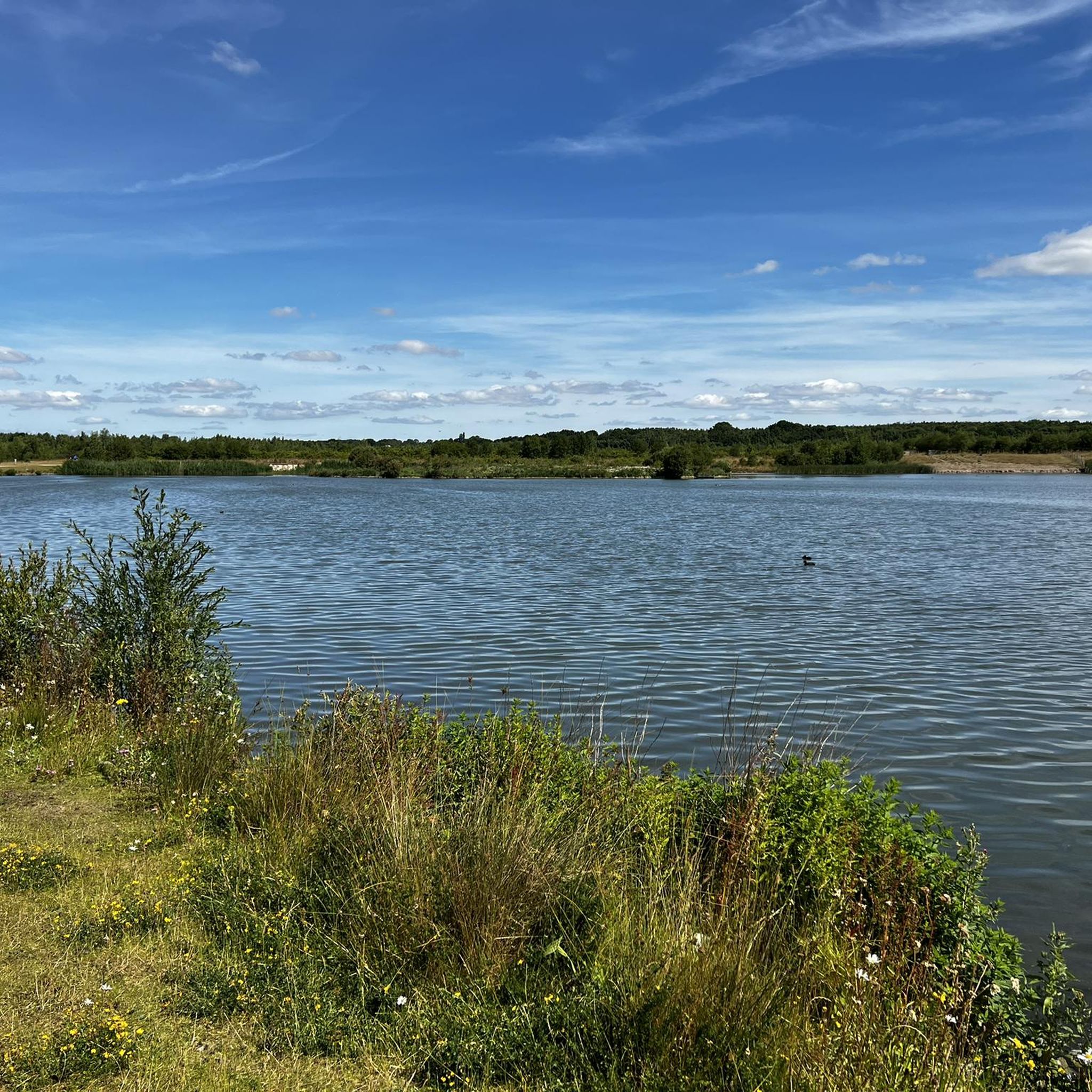
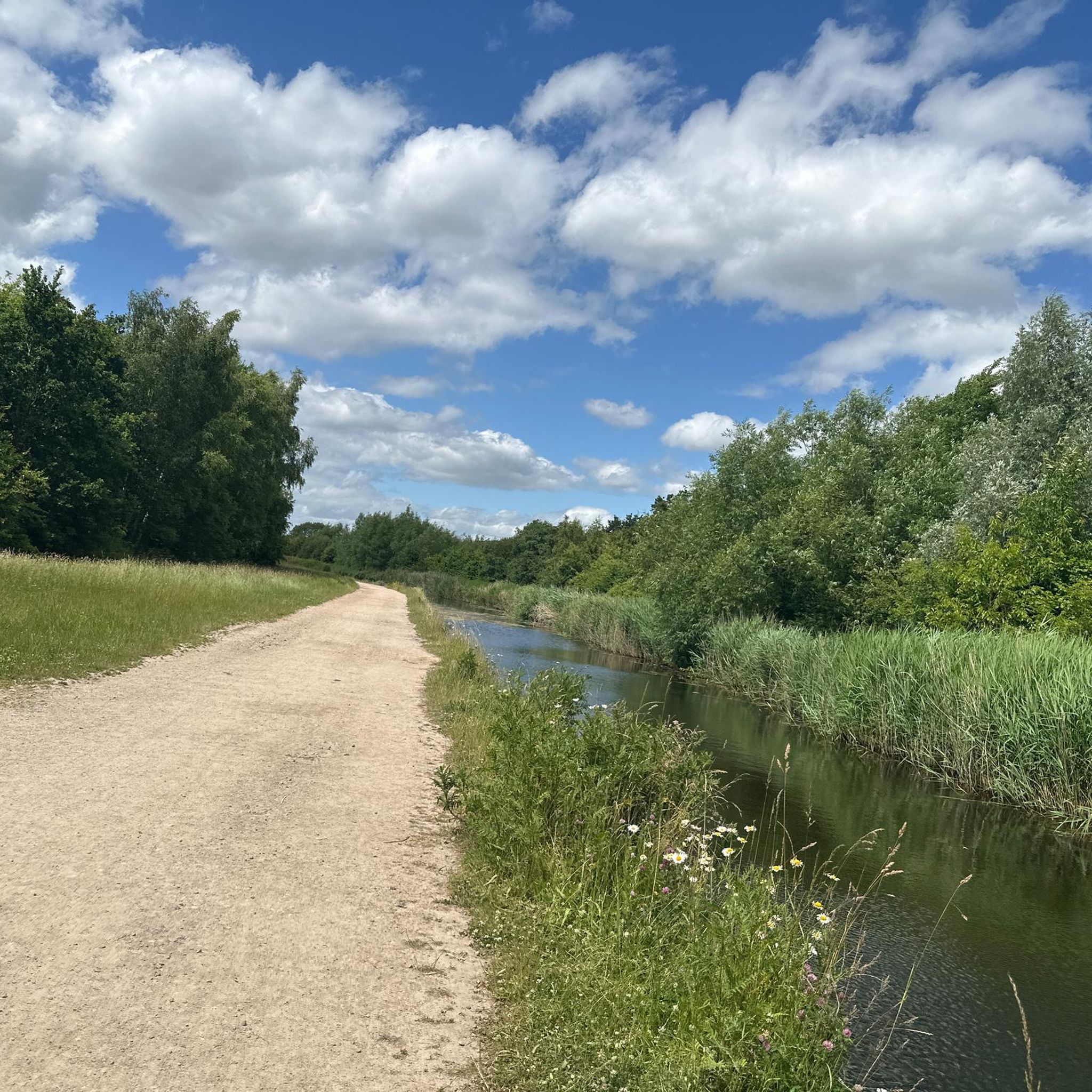
The reservoir has a plant community on its margins which is unique in the Midlands and only found in a few northern sites. Its unusual mix of flora includes Juncus filiformis at its most southern locations, and the lake itself has native white-clawed crayfish, where it is isolated from the invasive American signal crayfish.
0
0
Frequently Asked Questions
What are some of the most unique natural monuments to explore in North West Leicestershire?
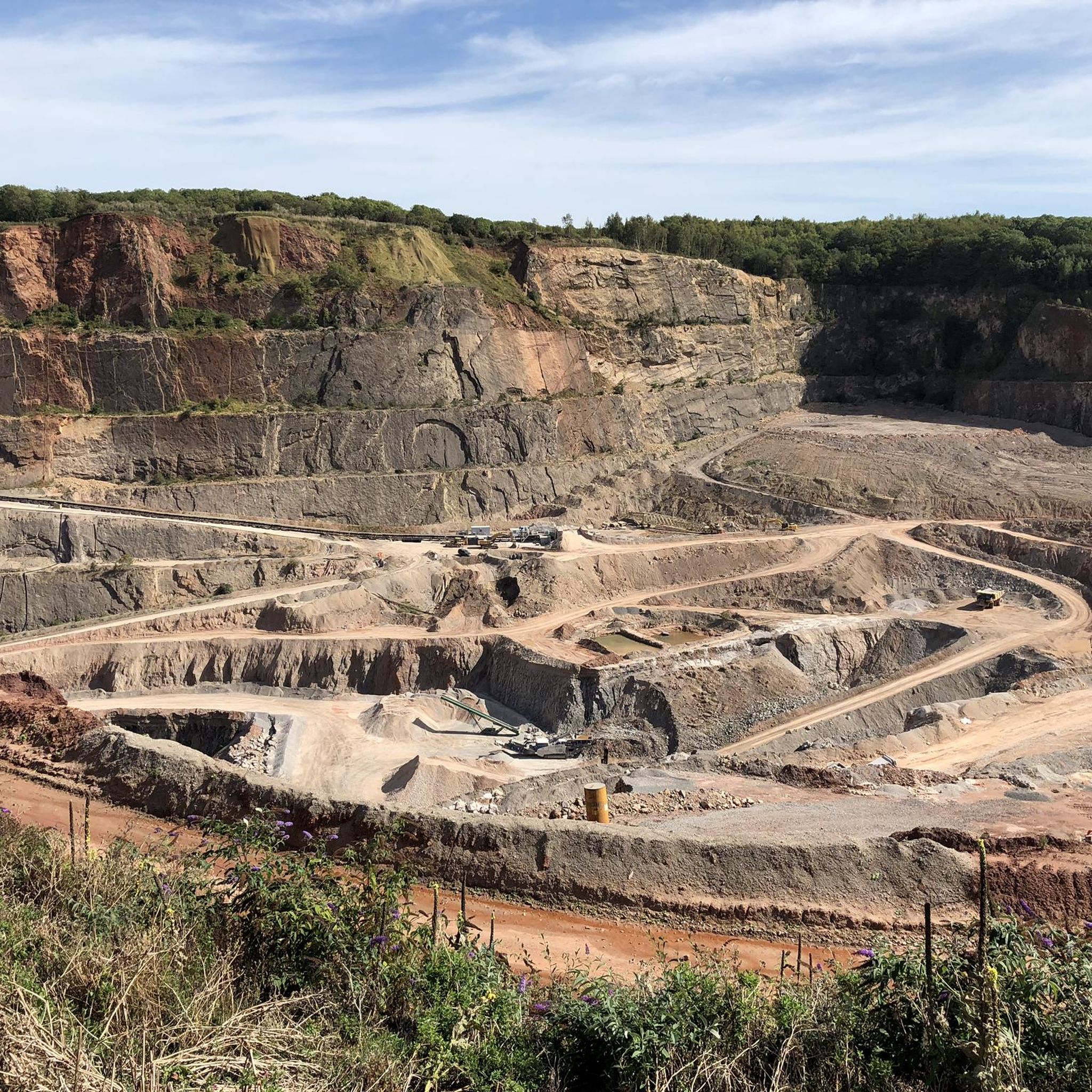
North West Leicestershire is home to ancient geological formations. You can visit Bardon Hill Trig Point, which is the highest point in Leicestershire and part of an eroded volcano. Another significant site is View of Bardon Hill Quarry, a geological Site of Special Scientific Interest that exposes rocks from a Precambrian volcano, revealing millions of years of Earth's history.
Are there natural monuments suitable for families in North West Leicestershire?
Yes, several natural monuments are family-friendly. Blackbrook Reservoir is a great option, featuring a unique plant community and native white-clawed crayfish. Another excellent choice is Queen Elizabeth Diamond Jubilee Wood, a flourishing young woodland with oak, field maple, and silver birch, offering beautiful walks and a lake.
Where can I experience ancient geology and unique ecosystems in the region?
The Charnwood Forest area, including sites like Bradgate Park and Charnwood Lodge Nature Reserve, is exceptional for its ancient geology, with some of England's oldest rocks dating back around 600 million years. You can explore landscapes shaped by dormant volcanoes and discover diverse habitats, including woodlands, rocky uplands, and heathland.
What kind of wildlife can I expect to see at the natural monuments?
The region's natural monuments support diverse wildlife. At Kelham Bridge Nature Reserve, you can spot a wide variety of birds, including warblers, Grey Partridge, Little Ringed Plover, and even rare sightings like Osprey. The Charnwood Forest is home to breeding birds like green woodpeckers and tawny owls, as well as a regionally important bat population. Rare mammals such as harvest mice, water shrews, and otters have also been recorded in several reserves.
Are there good walking routes near these natural monuments?
Absolutely. Many natural monuments offer excellent walking opportunities. For instance, you can find a moderate 8.8 km hike around Bardon Hill. Sence Valley Forest Park provides various walking routes, including the National Forest Birthday walk. You can find more hiking options in North West Leicestershire by visiting the Hiking in North West Leicestershire guide.
What are the best times of year to visit the natural monuments in North West Leicestershire?
The natural monuments offer beauty throughout the year. Spring is ideal for seeing wildflowers like bluebells and wood anemones, particularly in areas like Queen Elizabeth Diamond Jubilee Wood. Autumn provides vibrant foliage, especially in the woodlands of Charnwood Forest. Birdwatching is excellent during migration seasons at reserves like Kelham Bridge. For general outdoor activities, late spring to early autumn typically offers the most pleasant weather.
Are there any natural monuments that are also historical sites?
Yes, some natural monuments have historical significance. The Diana, Princess of Wales Memorial Woodland is a natural monument that also serves as a historical site with a memorial plaque. Bradgate Park, while a natural monument with ancient geology, is also a historic deer park with ruins, offering a blend of natural and historical interest.
Can I go cycling near the natural monuments?
Yes, cycling is a popular activity in the region. Hicks Lodge National Forest Cycle Centre offers dedicated cycling trails that wind through beautiful forests. You can also find gravel biking routes, such as the Hicks Lodge Trail, in the Gravel biking in North West Leicestershire guide. For road cycling, routes like the Ashby-de-la-Zouch to Leicestershire's Highest Point loop are available in the Road Cycling Routes in North West Leicestershire guide.
Are there any natural monuments that are particularly good for birdwatching?
Kelham Bridge Nature Reserve is an excellent site for birdwatching, known for its warblers, Grey Partridge, Little Ringed Plover, Snipe, Little Owl, and Kingfisher. Rare sightings of Osprey, Merlin, and Marsh Harrier also occur. The diverse habitats of the Charnwood Forest area, including Beacon Hill Country Park, also support a variety of breeding birds.
What are some lesser-known natural gems in North West Leicestershire?
While not as widely known as some larger parks, Dimminsdale Nature Reserve offers a pleasant and tranquil experience, often visited as part of a walk including Calke Abbey. Charnwood Lodge Nature Reserve is another significant site, being one of the last remnants of the original Charnwood Forest, though access is generally for Leicestershire and Rutland Wildlife Trust members.
What do visitors enjoy most about the natural monuments in North West Leicestershire?
Visitors frequently appreciate the region's ancient geological history, the opportunity to walk through landscapes that inspired figures like David Attenborough, and the breathtaking scenery. The diverse habitats, from woodlands to rocky uplands, and the chance to spot varied wildlife are also highly valued. The tranquility and escape into nature offered by sites like Kelham Bridge Nature Reserve are often highlighted.
Are there natural monuments with good viewpoints?
Yes, Bardon Hill Trig Point, the highest point in Leicestershire, offers expansive views where on clear days you can see distant landmarks like the Malvern and Shropshire Hills. The Charnwood Nature Reserve also provides viewpoints to appreciate the natural landscape.
Most popular routes in North West Leicestershire
Most popular attractions in North West Leicestershire

Get inspired with the komoot mobile app


Explore more
Extend your search for the best caves by checking out these guides of the top ones in North West Leicestershire:
