Top 7 Natural Monuments in Cahuita
Best natural monuments in Cahuita offer a unique combination of terrestrial and marine biodiversity. The region is characterized by its extensive protected areas, including a significant coral reef system and lush coastal rainforests. These natural features support a wide array of wildlife, from sloths and monkeys to diverse marine species. Visitors can explore pristine white sand beaches and well-maintained trails that showcase the area's natural beauty.
Best natural monuments in Cahuita
- The most popular natural monuments is Cahuita National Park…
Last updated: June 20, 2026
Cahuita National Park
Highlight • Natural Monument
We walk the path through the rainforest and see sloths, capuchin monkeys, but also snakes, …
Tip by

Kelly Creek Ranger Station
Highlight • Rest Area
Translated by Google •
Tip by

Sign up now to discover places like this
Get recommendations on the best single tracks, peaks, & plenty of other exciting outdoor places.
Sign up for free
Animals are everywhere
Highlight • Forest
Translated by Google •
Tip by

At the very tip of the national park
Highlight • Viewpoint
Translated by Google •
Tip by
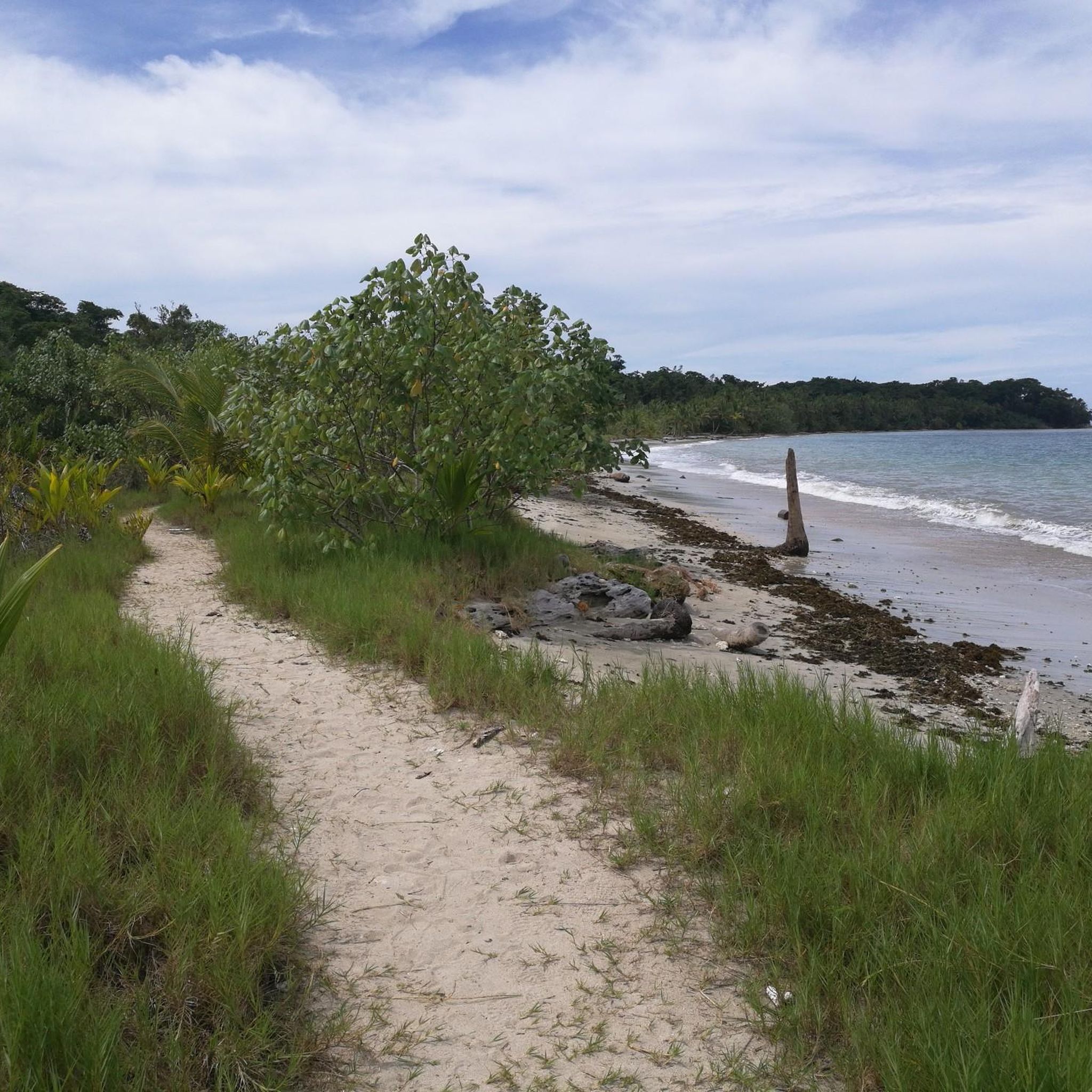
Coastal Erosion in Cahuita National Park
Highlight • Beach
Translated by Google •
Tip by

Sign up for free to discover even more natural monuments in Cahuita.
Sign up for free
Already have an account?
Start today with a free account
Your next adventure awaits.
Login or Signup
Tips from the Community

If you hike from Cahuita to Puerto Vargas, you can take the bus back to Cahuita from Puerto Vargas. The stop is right on the main road. Info: you must leave Punta Cahuita by 2 p.m.
1
2

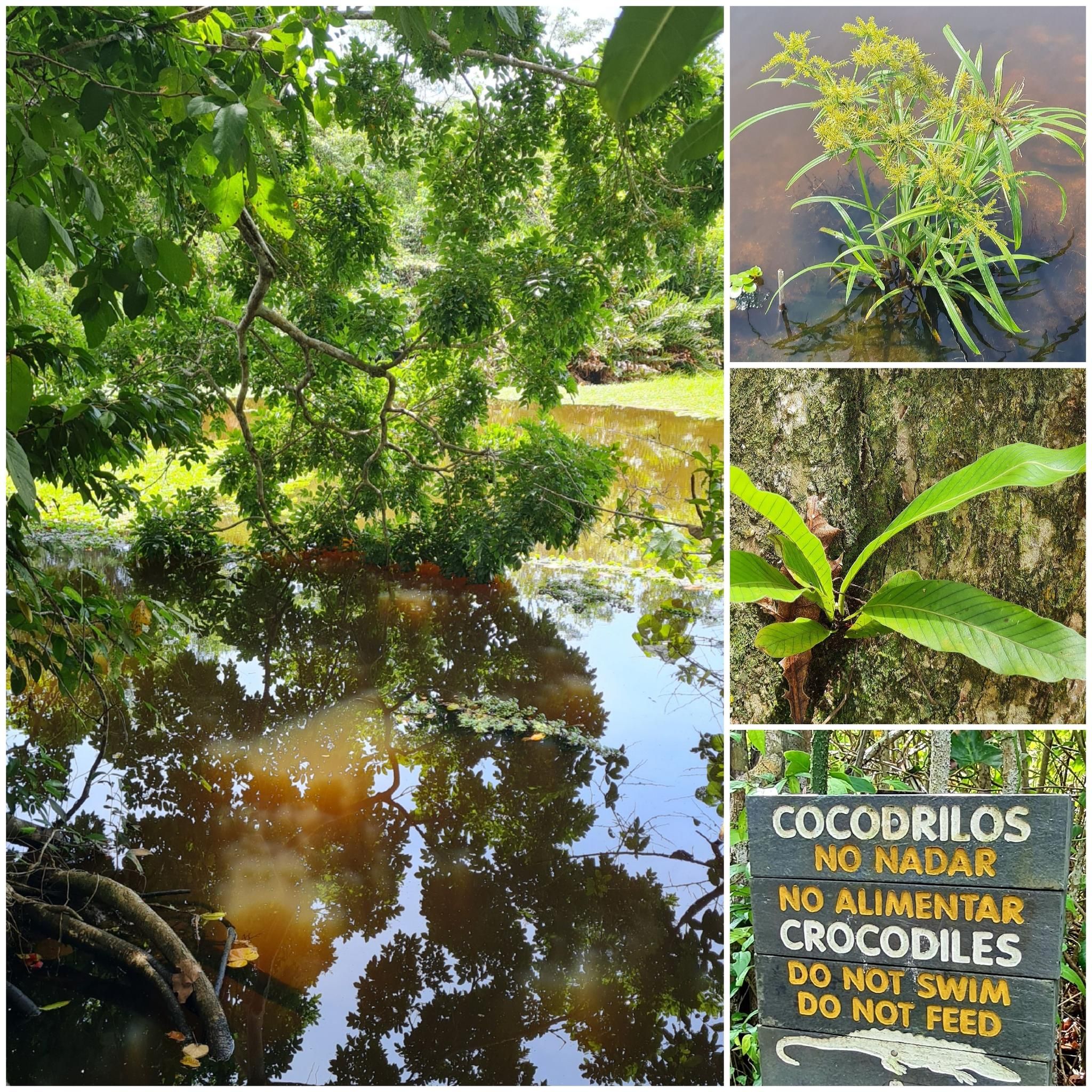
Here you can see, among other things: crocodiles, raccoons, sloths, butterflies 🦋 in all colors...
1
0

Anyone who comes to the area should take a look at the nature reserve - there is a lot to see
2
0

Beautiful view over the sea. Here you should not go into the water strong undercurrent.
2
0

The biodiversity of the animals is fantastic.
3
0
It is important to behave quietly in the national park and you will discover great animals to watch. Very nice be careful....
3
0
Admission is only a donation but for me it is one of the most beautiful national parks. Very clean and great animals raccoons, almond howler monkeys sloths...
3
1

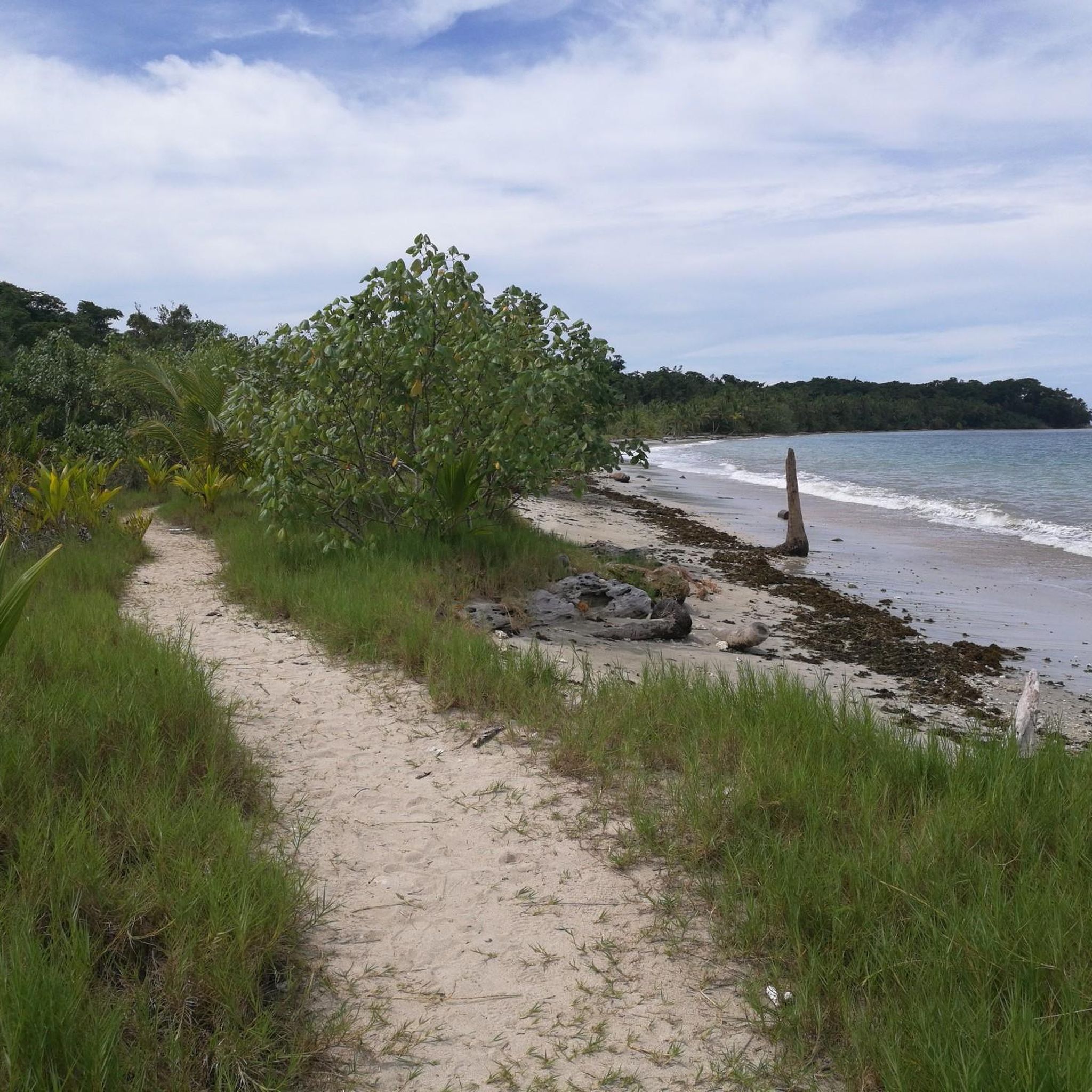
In the national park there is soil erosion by waves in many places. The beach has partly disappeared, the path has been washed away and here the sea is already eating its way through the forest.
2
0
Frequently Asked Questions
What kind of wildlife can I expect to see in Cahuita's natural monuments?
Cahuita National Park is a biodiversity hotspot. You can frequently spot mammals like sloths (two-toed and three-toed), howler monkeys, white-faced capuchin monkeys, raccoons, and coatis. It's also a birdwatcher's paradise with toucans, herons, and kingfishers. Reptiles such as iguanas and various lizards are common, and the marine area teems with fish, lobsters, and sea turtles. Visitors often find that Animals are everywhere if you observe quietly.
What are the main natural features to explore in Cahuita National Park?
The park is renowned for its spectacular blend of terrestrial and marine biodiversity. Key features include the Cahuita Coral Reef, one of the healthiest on Costa Rica's Caribbean coast, and pristine white sand beaches like Playa Blanca and Playa Vargas. Inland, you'll find lush coastal rainforests and mangroves. The park also features Punta Cahuita, a peninsula offering breathtaking views of the Caribbean Sea.
How difficult are the trails in Cahuita National Park?
The main coastal trail in Cahuita National Park, connecting the Kelly Creek and Puerto Vargas entrances, is generally considered easy to moderate. It's well-maintained and mostly flat, making it accessible for most visitors. The full trail from Kelly Creek Ranger Station to Puerto Vargas is about 8 km long.
Are there family-friendly activities or trails in Cahuita's natural monuments?
Yes, Cahuita National Park is very family-friendly. The main coastal trail is suitable for families, offering easy walking and abundant wildlife spotting opportunities. The beautiful beaches like Playa Blanca are perfect for relaxing and swimming. The park's accessibility and the chance to see sloths, monkeys, and colorful birds make it an engaging experience for all ages.
When is the best time to visit Cahuita's natural monuments?
The best time to visit Cahuita National Park and its natural monuments is generally during the dry season, which runs from February to April. During these months, you'll experience less rain and better conditions for hiking and wildlife viewing. Underwater visibility for snorkeling and diving in the Cahuita Coral Reef is also typically best from February to April.
How do I access Cahuita National Park and are permits required?
Cahuita National Park has two main entrances: the Kelly Creek Ranger Station, located right by Cahuita town, and the Puerto Vargas entrance, about 3.5 km away. Entry via the Kelly Creek station operates on a voluntary donation system, making it very accessible. From Puerto Vargas, there is typically a $10 entrance fee.
What outdoor activities can I do near Cahuita's natural monuments?
Beyond exploring the natural monuments themselves, the Cahuita region offers various outdoor activities. You can find numerous cycling routes, including easy loops like the "Reggae Bar Beach – Jaguar Rescue Center loop from Parque de Puerto Viejo" (26.2 km). There are also running trails, such as the "Running loop from Cocles" (7.7 km), and mountain biking options like the "Manzanillo Beach loop from Parque de Puerto Viejo" (27.9 km). For more details, check out the Cycling in Cahuita, Running Trails in Cahuita, and MTB Trails in Cahuita guides.
What should I wear when visiting Cahuita National Park?
Given the tropical climate and potential for both sun and rain, it's advisable to wear lightweight, breathable clothing. Comfortable walking shoes or sandals are recommended for the trails and beaches. Don't forget swimwear if you plan to enjoy the ocean, and bring a hat, sunglasses, and reef-safe sunscreen. Insect repellent is also a good idea, especially during the rainy season.
Are there any unique geological or ecological features in Cahuita National Park?
Cahuita National Park is notable for its extensive coral reef system, which is one of the most well-developed and healthiest on Costa Rica's Caribbean coast, home to over 35 species of coral. The park also showcases dynamic coastal processes, including areas of Coastal Erosion where the sea has reshaped the shoreline and forest.
What do visitors enjoy most about Cahuita National Park?
Visitors consistently praise the park's exceptional biodiversity and the ease of spotting wildlife like sloths, monkeys, and raccoons. The pristine white sand beaches and the opportunity to hike along the coast are also highly valued. Many appreciate the park's clean environment and the voluntary donation system at the Kelly Creek entrance, making it an accessible and rewarding natural experience.
Can I go snorkeling or diving in Cahuita National Park?
Yes, snorkeling and diving in the Cahuita Coral Reef are highly popular activities and offer an unparalleled opportunity to explore the vibrant underwater ecosystem. The reef is home to hundreds of fish species and diverse corals. It's recommended to go with a guided tour for the best experience and to ensure compliance with park regulations. The best underwater visibility is typically from February to April.
Most popular routes in Cahuita
Most popular attractions in Cahuita

Get inspired with the komoot mobile app


