Top 7 Natural Monuments in Valle De La Estrella
Best natural monuments in Valle De La Estrella, Costa Rica, offer diverse natural features and landmarks. This region is characterized by its Caribbean coastline, dense rainforests, and significant mountain ranges, providing a rich natural landscape for exploration. Visitors can discover a variety of ecosystems, from pristine beaches and coral reefs to high-altitude summits. The area is known for its biodiversity and opportunities for wildlife spotting.
Best natural monuments in Valle De La Estrella
- The most popular natural monument is Cahuita…
Last updated: July 3, 2026
Cahuita National Park
Highlight • Natural Monument
We walk the path through the rainforest and see sloths, capuchin monkeys, but also snakes, …
Tip by

Cerro Chirripó Summit
Highlight • Summit
Tip by

Sign up now to discover places like this
Get recommendations on the best single tracks, peaks, & plenty of other exciting outdoor places.
Sign up for free
Kelly Creek Ranger Station
Highlight • Rest Area
Translated by Google •
Tip by

Iggy's Falls
Highlight • Waterfall
PS: The hike is in …
Translated by Google •
Tip by

Animals are everywhere
Highlight • Forest
Translated by Google •
Tip by

Sign up for free to discover even more natural monuments in Valle De La Estrella.
Sign up for free
Already have an account?
Start today with a free account
Your next adventure awaits.
Login or Signup
Popular around Valle De La Estrella
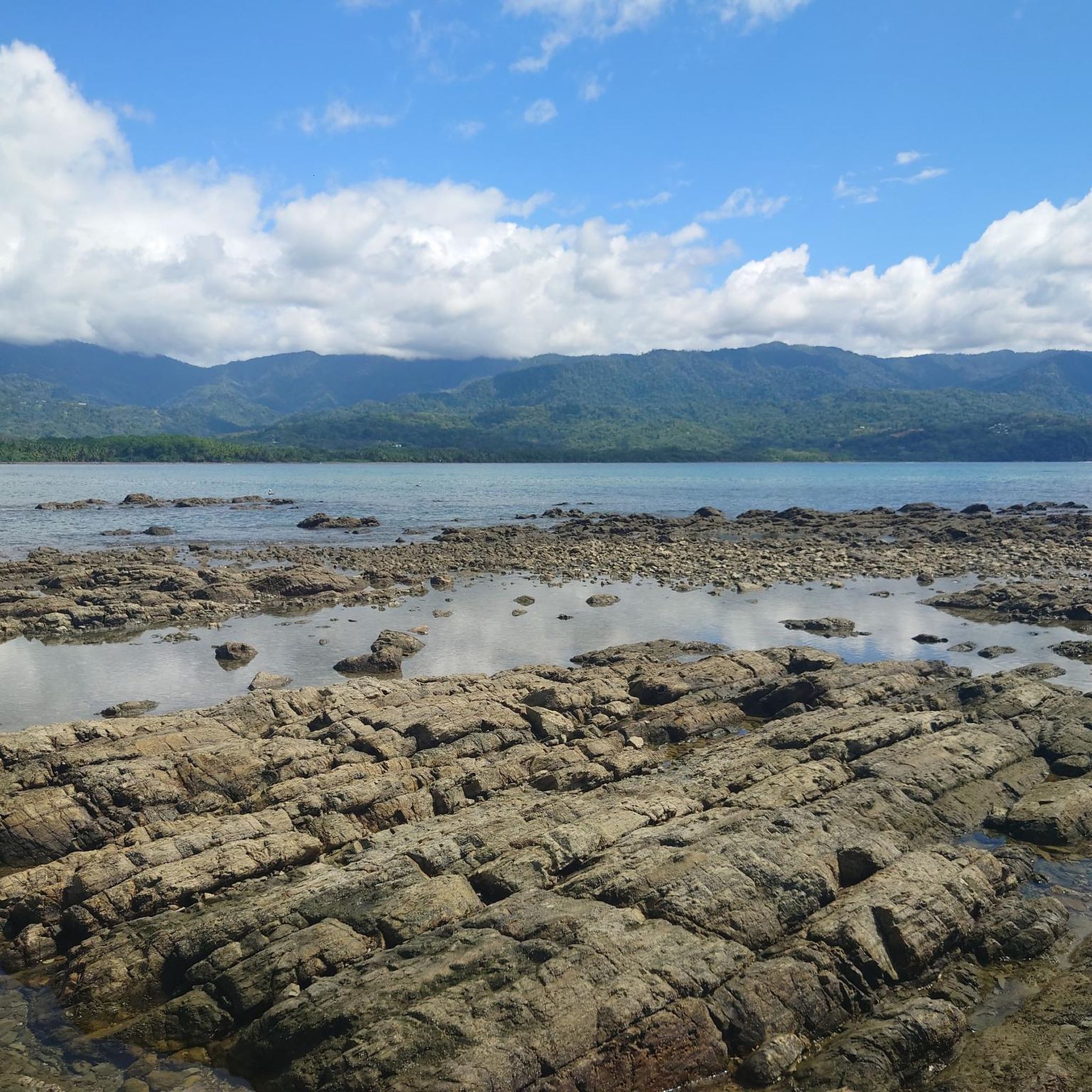
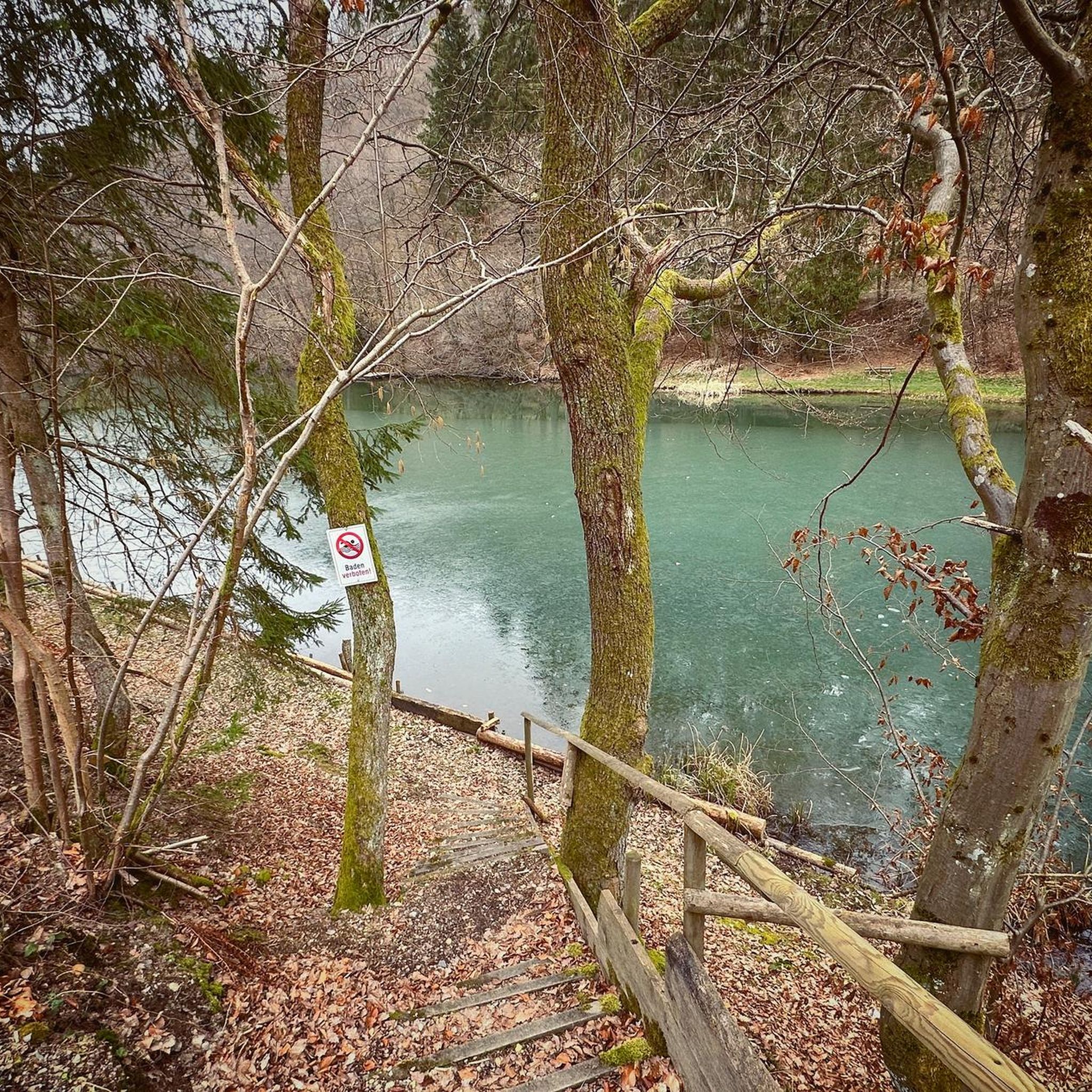
Tips from the Community

If you hike from Cahuita to Puerto Vargas, you can take the bus back to Cahuita from Puerto Vargas. The stop is right on the main road. Info: you must leave Punta Cahuita by 2 p.m.
1
2

Here you can see, among other things: crocodiles, raccoons, sloths, butterflies 🦋 in all colors...
1
0

The biodiversity of the animals is fantastic.
3
0

It is important to behave quietly in the national park and you will discover great animals to watch. Very nice be careful....
3
0
Admission is only a donation but for me it is one of the most beautiful national parks. Very clean and great animals raccoons, almond howler monkeys sloths...
3
1

There are two entrances to the national park, at the ranger stations Kelly Creek and Puerto Vargas, which are connected by a very nice hiking trail. The Kelly Creek Station is right by Cahuita, while Puerto Vargas is about 3.5 km away (entrance from Kelly Creek Ranger Station by voluntary donation, from Puerto Vargas $10).
4
0
The Cahuita National Park can be hiked through in three stages from Cahuita to the end at Puerto Vargas (a little more than 8 km in total). At the first tip of the promontory of the national park is Punta Cahuita. Here you have to decide whether to return the same way to the entrance at Cahuita or continue the hike to the end at Puerto Vargas. From the second entrance or exit back to Cahuita you can only get along the road in large parts.
8
2
Frequently Asked Questions
What are some of the most popular natural monuments to visit in Valle De La Estrella?
Among the most popular natural monuments in Valle De La Estrella, Cahuita National Park stands out for its rainforests, white sandy beaches, and coral reefs. Another highly regarded spot is Cerro Chirripó Summit, known for its challenging trails and panoramic high-altitude views. Visitors also appreciate Iggy's Falls, a beautiful waterfall offering opportunities for swimming.
What kind of wildlife can I expect to see in Valle De La Estrella's natural monuments?
Valle De La Estrella is rich in biodiversity. At Cahuita National Park, you can often spot sloths, capuchin monkeys, snakes, hummingbirds, wrens, green basilicas, and coatis. The region's dense rainforests and coastal areas provide habitats for a wide array of animals, making wildlife spotting a highlight for many visitors.
Are there family-friendly natural monuments or activities in Valle De La Estrella?
Yes, Cahuita National Park is considered family-friendly, offering easy walks through the rainforest and along the beach where children can enjoy spotting wildlife. The park's trails are generally accessible, and the experience of seeing animals like monkeys and sloths is often a hit with families. The Animals are everywhere highlight within the park emphasizes the abundant wildlife suitable for family observation.
What are the hiking opportunities like near the natural monuments in Valle De La Estrella?
The region offers diverse hiking opportunities. For instance, near Cahuita National Park, you can find moderate trails like the 'Punta Cahuita – Cahuita National Park loop from Cahuita' or easier options such as the 'Santera Fund – Cahuita National Park loop from Cahuita'. For more challenging treks, the area around Cerro Chirripó Summit provides demanding trails with significant elevation gains. You can explore more hiking routes in the area on the Hiking in Valle De La Estrella guide.
Do I need permits or pay fees to visit natural monuments in Valle De La Estrella?
For Cahuita National Park, admission is typically by voluntary donation at the Kelly Creek Ranger Station, though there might be a fee (around $10) if entering from Puerto Vargas. For Cerro Chirripó Summit, a permit is required as only a limited number of people are allowed in the National Park. The ranger station in San Gerardo de Rivas is the starting point for obtaining these permits. Iggy's Falls, located in the private Talamanca Nature Reserve, also requires an entrance fee.
What is the best time of year to visit the natural monuments in Valle De La Estrella?
For natural monuments like Cerro Chirripó Summit, the dry season is optimal for clear views and less muddy paths. In the rainy season, paths can be very muddy, and the summit often foggy. For coastal areas like Cahuita National Park, the dry season (generally December to April) offers more consistent sunny weather, though the Caribbean coast can experience rain year-round.
Can I bring my dog to the natural monuments in Valle De La Estrella, specifically Cahuita National Park?
National Parks in Costa Rica, including Cahuita National Park, generally do not allow pets to protect the local wildlife and ecosystems. It's best to confirm specific regulations directly with the park authorities before planning your visit with a pet.
Are there any waterfalls to visit in Valle De La Estrella?
Yes, Iggy's Falls is a notable waterfall in the region. It offers a beautiful, sometimes steep hike with opportunities to swim in the river. This waterfall is located within the private Talamanca Nature Reserve and requires an entrance fee.
What amenities are available near the natural monuments in Valle De La Estrella?
Near Cahuita National Park, particularly in the town of Cahuita, you can find various amenities including cafes, restaurants, and accommodation options. For Cerro Chirripó Summit, the Crestones Base Camp provides lodging for hikers, and the nearby town of San Gerardo de Rivas serves as a starting point with some basic services.
How can I get to Cahuita National Park using public transport?
Cahuita National Park is accessible by public transport. Buses regularly run to the town of Cahuita, which is where the Kelly Creek Ranger Station entrance to the park is located. From other parts of Valle De La Estrella, you would typically take a bus to Cahuita.
What makes Cerro Chirripó Summit a unique natural monument?
Cerro Chirripó Summit is unique as the highest peak in Costa Rica, offering challenging trails and breathtaking high-altitude vistas. Hikers often aim to reach the summit for sunrise, which provides panoramic views that, on clear days, can extend to both the Pacific Ocean and the Caribbean Sea. The journey typically involves an overnight stay at Crestones Base Camp.
What do visitors enjoy most about their experience at Cahuita National Park?
Visitors frequently praise Cahuita National Park for its abundant wildlife, including sloths, monkeys, and coatis, which are often easy to spot. The combination of walking through the rainforest and along pristine white sandy beaches, enjoying the 'Caribbean feeling,' is also a major highlight. Many appreciate that admission is by donation, making it an accessible and rewarding natural experience.
Are there other significant natural reserves or parks in the Valle De La Estrella region besides Cahuita National Park?
Yes, beyond Cahuita National Park, the region of Valle De La Estrella, Costa Rica, also includes other significant green spaces. These include the Hitoy Cerere Biological Reserve and Parque Nacional Los Quetzales, both indicating further opportunities for nature and wildlife appreciation, though specific details on their 'natural monument' status vary.
Most popular routes in Valle De La Estrella
Most popular attractions in Valle De La Estrella

Get inspired with the komoot mobile app


