Top 7 Natural Monuments in Liberia
Best natural monuments in Liberia include diverse ecosystems and significant protected areas. The nation features extensive lowland tropical rainforests, coastal lagoons, and mountainous regions. These areas are important for conservation and support a variety of wildlife.
Best natural monuments in Liberia
- The most popular natural monuments is Rincón de la Vieja National Park, a natural_monument located just a few kilometers north of the city of Liberia. This 14000 ha national park is home to over 250 bird species, sloths,…
Last updated: May 23, 2026
Rincón de la Vieja National Park
Highlight • Natural Monument
Tip by

La Cangreja Waterfall
Highlight • Waterfall
Translated by Google •
Tip by

Sign up now to discover places like this
Get recommendations on the best single tracks, peaks, & plenty of other exciting outdoor places.
Sign up for free
Giant Trees of Parque Nacional Rincón de la Vieja
Highlight • Forest
Translated by Google •
Tip by

Volcancito Fumarole
Highlight • Volcano
Translated by Google •
Tip by
Seasonal waterfall
Highlight • Waterfall
Translated by Google •
Tip by

Sign up for free to discover even more natural monuments in Liberia.
Sign up for free
Already have an account?
Start today with a free account
Your next adventure awaits.
Login or Signup
Popular around Liberia

Tips from the Community

This is one of the kapok trees (Ceiba). Its massive buttress roots and intertwined trunks testify to its great age. These giant trees provide welcome shade and are a striking natural monument of the tropical dry forest.
0
0
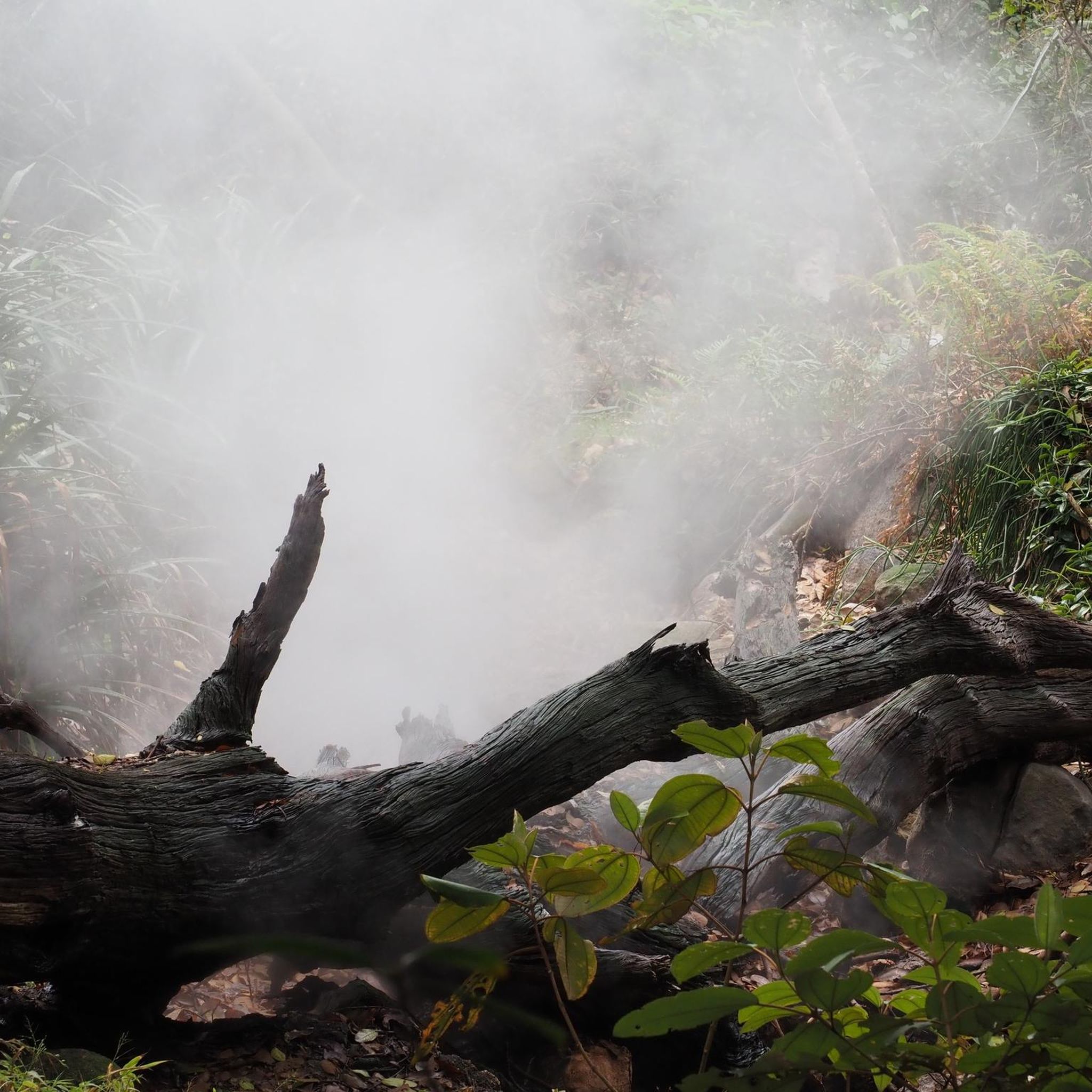
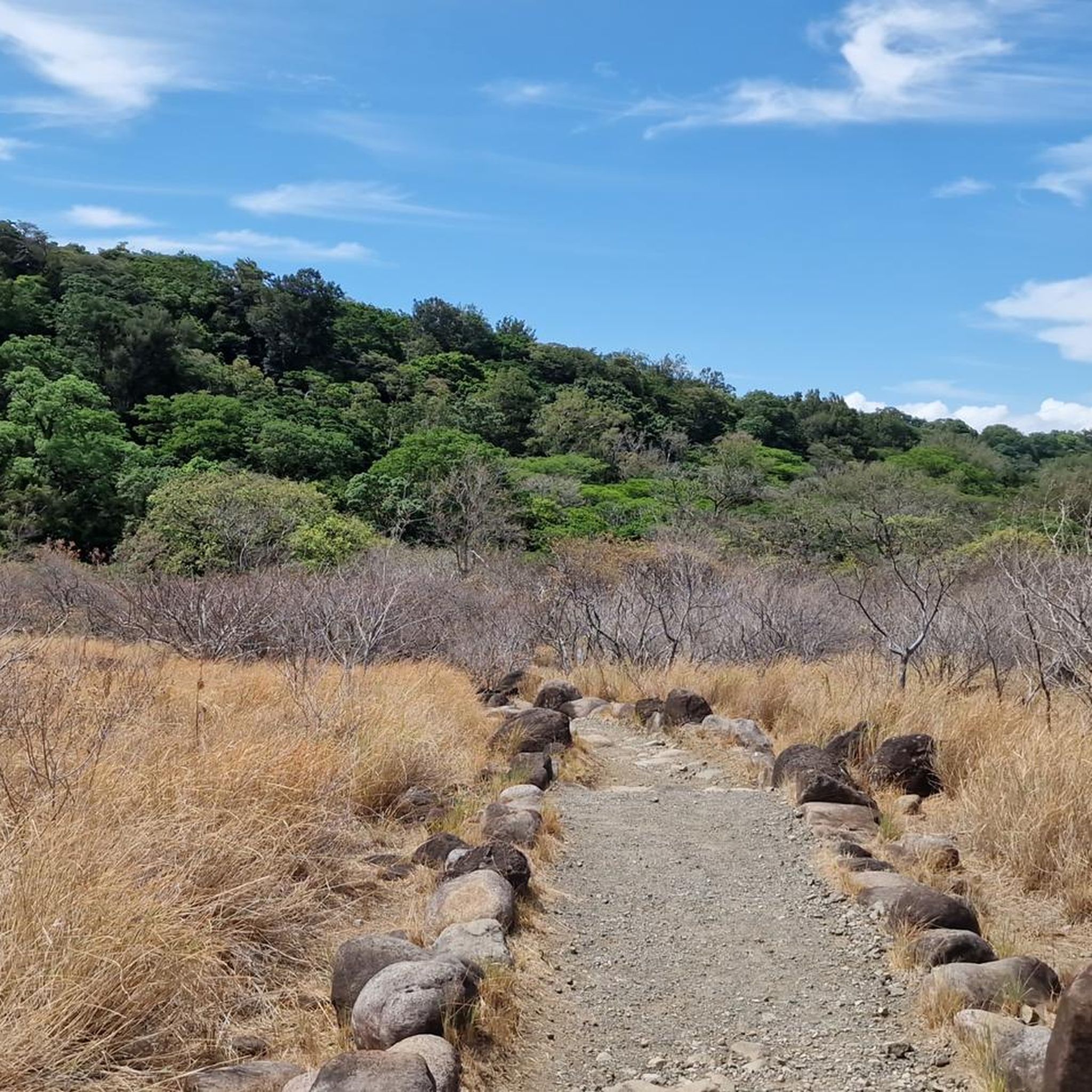
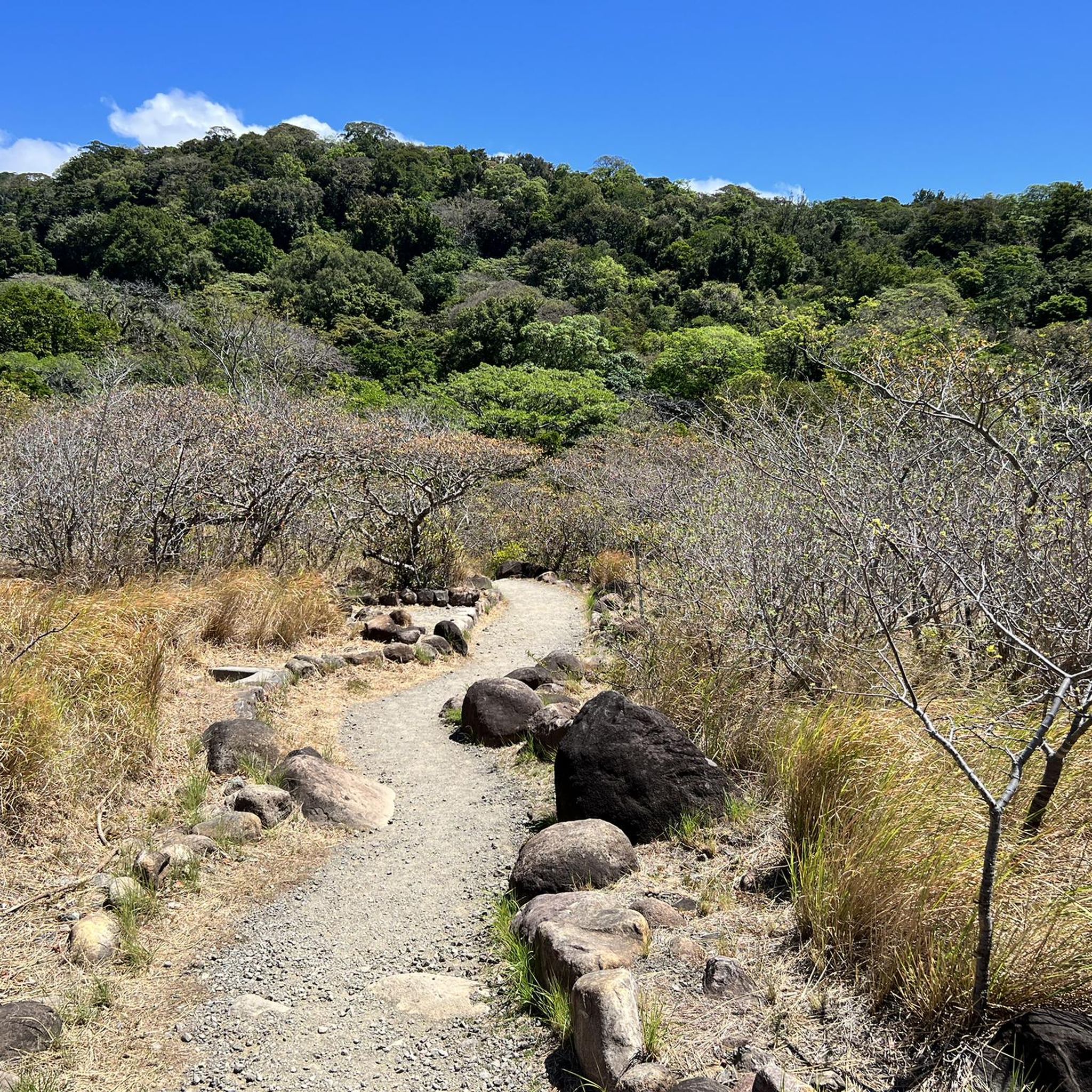
Rincón de la Vieja National Park captivates visitors with its volcanic landscapes, fumaroles, and hot mud pools. Hiking trails lead through dry and rainforest to waterfalls and viewpoints. The smell of sulfur, steaming earth, and lush nature make the park an unforgettable experience.
0
0
La Cangreja waterfall lies deep within the national park of the same name in Costa Rica. A varied hike leads through dense rainforest, over roots and streams. At the end, the towering waterfall impresses with its raw power and pristine nature – especially beautiful after rainfall.
0
0

Wonderful waterfall. Absolutely worth it
1
0
Bubbling magma. Great trip into the earth's interior
1
0
Great hike. Worth it
1
0
great construction giants. Worth a hike
1
0

In the forest near the mud pots and fumaroles there are some giant trees that make you wonder how old they are. Huge plank and aerial roots create a thicket.
1
0
Frequently Asked Questions
What are some of the most significant natural monuments to visit in Liberia?
Liberia boasts several significant natural monuments. Sapo National Park, the country's largest protected area, is a biodiversity hotspot known for its lowland tropical rainforest and endangered species like pygmy hippos and forest elephants. Lake Piso, Liberia's largest lake, is a brackish tidal lagoon important for birdwatching and its unique ecosystem. The Wologizi Mountains, home to Mount Wuteve, offer dramatic scenery and a raw wilderness experience for hikers. Additionally, the Krahn-Bassa Proposed Protected Area is a crucial region for biodiversity conservation, harboring large populations of critically endangered western chimpanzees and forest elephants.
What kind of wildlife can I expect to see in Liberia's natural monuments?
Liberia's natural monuments are rich in wildlife. In Sapo National Park, you might spot rare pygmy hippopotamuses, African forest elephants, West African chimpanzees, and over 200 bird species. The Krahn-Bassa Proposed Protected Area also hosts significant populations of western chimpanzees, forest elephants, and pygmy hippos. The Wologizi Mountains are home to over 1,000 vertebrates, including critically endangered species like the African forest elephant and western chimpanzee. Lake Piso is an Important Bird Area, perfect for birdwatching, with species like the African fish eagle.
Are there opportunities for hiking and trekking in Liberia's natural monuments?
Yes, several natural monuments offer excellent opportunities for hiking and trekking. Sapo National Park provides a serene environment for trekking and observing rare wildlife. The Wologizi Mountains are considered an ideal hiker's paradise with trails offering panoramic views and opportunities to spot diverse flora and fauna. For specific hiking routes in the broader region, you can explore options like the Hiking in Liberia guide, which includes trails such as the challenging La Cangreja Waterfall loop.
What is the best time of year to visit Liberia's natural parks and monuments?
While specific seasonal information for all Liberian parks isn't detailed, generally, the dry season (roughly November to April) is often preferred for outdoor activities like trekking and wildlife viewing in West Africa, as trails are less muddy and wildlife may congregate around fewer water sources, making them easier to spot. However, the wet season (May to October) brings lush greenery and can be ideal for birdwatching.
What are some family-friendly natural attractions in Liberia?
While specific 'family-friendly' designations are not widely available for all sites, natural monuments like Lake Piso offer tranquil beauty and opportunities for boating and exploring mangrove forests, which can be enjoyable for families. For more adventurous families, some sections of Sapo National Park might be accessible for guided tours, though the park is generally geared towards more rugged experiences. Always check local conditions and guide availability when planning a family visit.
What should I pack for hiking in Liberia's rainforests and natural areas?
When hiking in Liberia's rainforests and natural areas, it's advisable to pack lightweight, quick-drying clothing, sturdy waterproof hiking boots, and rain gear. Insect repellent is essential due to mosquitoes. A hat, sunscreen, and plenty of water are also crucial. Consider bringing binoculars for wildlife viewing and a camera to capture the stunning landscapes. For specific park visits, inquire about any required permits or specific gear.
Are there any natural monuments in Liberia that are particularly good for birdwatching?
Yes, Lake Piso is an excellent location for birdwatching. It has been designated an Important Bird Area (IBA) by BirdLife International due to its significant bird populations, including numerous migratory and native species like the African fish eagle, waders, and terns. The Wologizi Mountains are also recognized as an Important Bird Area.
What unique natural features can I find in Liberia's protected areas?
Liberia's protected areas offer a range of unique natural features. Sapo National Park is characterized by its extensive lowland tropical rainforest, swampy areas, and a network of rivers. Lake Piso is a vast, brackish tidal lagoon with a unique connection to the Atlantic Ocean, dotted with small islands and surrounded by vital mangrove forests. The Wologizi Mountains feature rugged terrain with rolling hills, steep ridges, lush forests, and unique microclimates, including montane grasslands and sheer cliffs.
What kind of activities can I do around Liberia's natural monuments besides hiking?
Beyond hiking, you can enjoy various outdoor activities near Liberia's natural monuments. Lake Piso offers opportunities for fishing and boating. While not directly within the natural monuments, the wider region of Liberia provides options for cycling and mountain biking, with routes ranging from moderate to difficult. Always check local regulations and availability for specific activities.
How can I access Sapo National Park, and what are the entry requirements?
Sapo National Park is located in Sinoe County. Access typically involves travel to the region and then arranging local transport. While specific entry requirements for Sapo are not detailed in the provided information, national parks often require permits, and it's advisable to arrange visits through authorized tour operators or local guides. For general information about national parks in Liberia, you can refer to resources like nationalparksassociation.org or Wikipedia.
Are there any hidden natural gems or less-known spots in Liberia worth exploring?
While the major natural monuments like Sapo National Park and Lake Piso are well-known, the Krahn-Bassa Proposed Protected Area (KBPPA) represents a significant, largely untouched forest region. Currently undergoing gazettement to become a national park, it's a high-potential area for ecotourism and research, offering a chance to witness species still being discovered. Its relatively undisturbed nature makes it a 'hidden gem' for those seeking raw wilderness experiences.
What is the cultural significance of Liberia's natural monuments?
Many of Liberia's natural monuments hold cultural significance for local communities. For instance, Lake Piso is not only ecologically important but also culturally significant to local Vai communities. The Wologizi Mountains hold spiritual significance for local ethnic groups like the Lorma, Kpelle, and Mandingo. These areas are often intertwined with local traditions, livelihoods, and spiritual beliefs.
Most popular routes in Liberia
Most popular attractions in Liberia

Get inspired with the komoot mobile app


Explore more
Extend your search for the best caves by checking out these guides of the top ones in Liberia:
