Top 12 Natural Monuments in Salento
Best natural monuments in Salento, Colombia, showcase a diverse landscape ranging from towering wax palms to unique inland ecosystems. This region is characterized by lush Andean forests, significant waterfalls, and natural pools. It offers opportunities for appreciating geological formations and rich biodiversity. The area is known for its popular hiking trails and natural features, providing a variety of experiences for visitors.
Top natural monuments in Salento
- The most popular natural monument is Cocora Valley, a natural_monument known for its…
Last updated: July 3, 2026
Cocora Valley
Highlight • Natural Monument
Translated by Google •
Tip by

Santa Rita Waterfall
Highlight • Waterfall
Tip by

Sign up now to discover places like this
Get recommendations on the best single tracks, peaks, & plenty of other exciting outdoor places.
Sign up for free
Misty Forest Waterfall
Highlight • Waterfall
Translated by Google •
Tip by
Natural pools
Highlight • Natural
Translated by Google •
Tip by
Wax Palms of Cocora Valley
Highlight • Natural Monument
Translated by Google •
Tip by

Sign up for free to discover even more natural monuments in Salento.
Sign up for free
Already have an account?
Start today with a free account
Your next adventure awaits.
Login or Signup

Tips from the Community

The Cascada Santa Rita is a popular natural destination in the private nature reserve Reserva Natural Santa Rita in the Boquía sector. The hike to the waterfall is considered relatively easy and leads through a picturesque landscape with cow pastures, rivers, and old tunnels. A popular circular route is about 7.9 km long and takes an average of 3.5 to 4 hours. The approximately 20-meter-high waterfall plunges into a natural pool that invites swimming. Access to the private property is subject to a fee. The price is 11,000 Colombian pesos, with visitors gladly welcomed with a free coffee.
0
0
This part of the valley is particularly dense with the striking wax palms.
0
0
The Cocora Valley is primarily famous for the Quindío wax palm (Ceroxylon quindiuense), the national tree of Colombia. It is considered the tallest palm species in the world and can reach an impressive height of 60 to 80 meters. These palms grow very slowly and can live for over 300 years. The name "Cocora" probably comes from a princess of the Quimbaya culture and translates to "Star of Water".
0
0

Santa Rita Waterfall, in Boquía, is a waterfall surrounded by rainforest, offering a cool and tranquil atmosphere. Access is via an easy trail, and upon arrival, you'll find a pool where you can get a little wet and relax. It's recommended to wear non-slip shoes, as the rocks around the waterfall are often wet.
0
0
The natural pools along the El Silencio trail in Boquía are a tranquil spot where the river forms pools of clear water surrounded by Andean vegetation. It's a perfect place to cool off after a short, easy hike, ideal for combining nature and relaxation. Wear shoes with good traction as the ground can be slippery near the water.
1
0

A beautiful, lush green valley with meter-high wax palms that shoot up from the ground like stalks.
6
0
The Cloud Forest Waterfall is a hidden gem nestled among mountains covered in lush vegetation, at an altitude of 2,490 meters. It is accessed from the Cocora Valley via the Cocora-Estrella de Agua trail, following the Quindío River. Waterproof footwear is essential, and please note that there is an entrance fee for both access and parking, as the waterfall is located on private property.
2
0
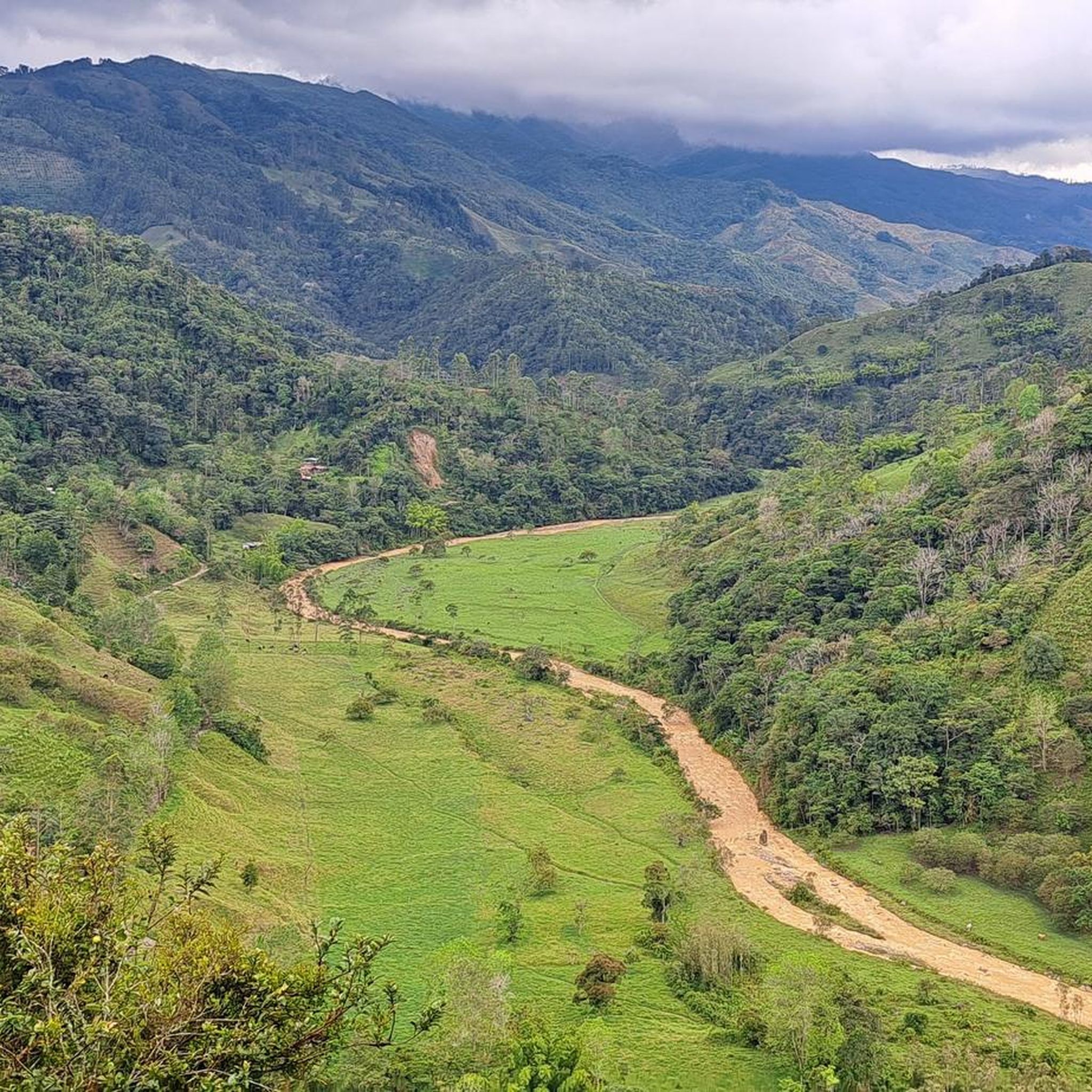
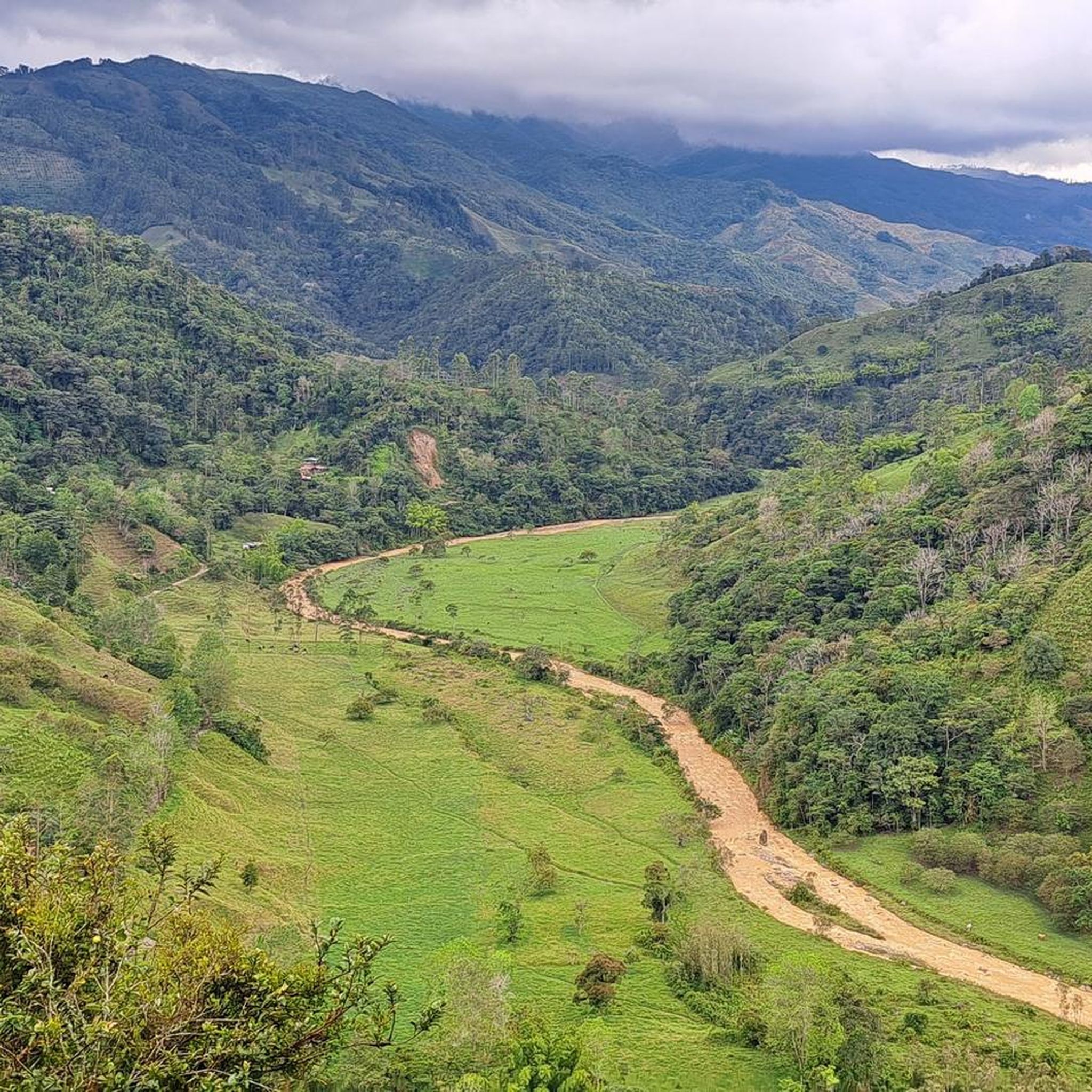
The Cocora Valley, located in the heart of Quindío, is one of Colombia's most iconic landscapes. Surrounded by mountains and shrouded in the characteristic mist of the Andean forest, this valley is renowned for its towering wax palms, a national symbol and protected species. It forms part of Los Nevados National Natural Park, guaranteeing the conservation of its unique flora and fauna. Its cool, humid climate, with frequent rains, creates an ideal environment for hiking among the mountains and natural viewpoints. Waterproof footwear and warm clothing are recommended, as the terrain is often damp year-round.
2
0
Frequently Asked Questions
What are some of the most prominent natural monuments to visit in Salento?
Salento boasts a diverse range of natural monuments. Highlights include the dramatic cliffs and sea caves of the Regional Natural Park Costa Otranto – Santa Maria di Leuca and Bosco di Tricase, the unique marshlands of Le Cesine Nature Reserve, and the iconic rock formations at Torre Sant'Andrea. Each offers a distinct natural experience.
Are there any natural monuments in Salento that are particularly good for birdwatching?
Yes, the Le Cesine Nature Reserve, a WWF-managed oasis near Lecce, is one of Puglia's most important protected marshy areas. It's a paradise for birdwatchers, where you can spot flamingos, herons, and various migratory birds. Similarly, the Protected Oasis of the Alimini Lakes is ideal for birdwatching due to its unique ecosystem supporting rare species.
Which natural monuments in Salento offer opportunities for swimming or water activities?
For swimming, the Grotto of Poetry (Grotta della Poesia) in Roca Vecchia is a must-visit, known as one of the world's most beautiful natural pools. Porto Selvaggio and Palude del Capitano State Nature Reserve also offers crystal-clear waters perfect for snorkeling, with unique cold freshwater currents mixing with the sea.
What kind of geological features can I expect to see among Salento's natural monuments?
Salento is rich in geological wonders. You can explore impressive stalactites and stalagmites in the Zinzulusa Cave, dramatic sea stacks and a prominent stone arch at Torre Sant'Andrea, and the surreal red earth dunes and emerald-green lake of the Bauxite Quarry near Otranto.
Are there family-friendly natural monuments in Salento?
Many of Salento's natural monuments are suitable for families. The walking and cycling paths at Le Cesine Nature Reserve and the Protected Oasis of the Alimini Lakes are great for gentle exploration. The Bauxite Quarry offers a visually striking and unique landscape that can captivate children, while the Grotto of Poetry provides a fun swimming experience.
What outdoor activities can I do near Salento's natural monuments?
Beyond exploring the monuments themselves, Salento offers various outdoor activities. You can find excellent options for gravel biking, road cycling, and general cycling. Many natural parks, like Porto Selvaggio, also feature trails ideal for hiking and nature walks.
Are there any natural monuments in Salento with historical significance?
Yes, the Porto Selvaggio and Palude del Capitano State Nature Reserve features ancient coastal towers like Torre dell'Alto, Torre Uluzzo, and Inserraglio Tower, offering a glimpse into the region's past. The Grotta del Cavallo within the reserve is also known for significant archaeological findings.
Where can I experience dramatic coastal views in Salento?
For breathtaking coastal views, visit the Regional Natural Park Costa Otranto – Santa Maria di Leuca and Bosco di Tricase, known for its cliffs plunging into the sea. The Punta Palascia Lighthouse, Italy's easternmost point, offers spectacular vistas, especially at sunrise. The Ciolo Bridge also provides dramatic scenery over a deep gorge.
What is the best time to visit Salento's natural monuments?
The best time to visit Salento's natural monuments is typically during the spring (April-June) and early autumn (September-October) when the weather is pleasant for outdoor activities, and the crowds are smaller than in the peak summer months. This allows for comfortable exploration of coastal areas and inland reserves.
Are there any natural monuments in Salento that are particularly unique or unusual?
The Bauxite Quarry near Otranto stands out as a truly unique site. This former mine has been reclaimed by nature, creating a striking landscape of vibrant red earth dunes, lush green vegetation, and an emerald-green lake, offering a surreal and picturesque experience unlike any other.
What kind of natural vegetation and ecosystems can I find in Salento's natural monuments?
Salento's natural monuments showcase diverse ecosystems. You'll find dense pine forests and Mediterranean scrub in areas like Porto Selvaggio and Palude del Capitano State Nature Reserve and the Protected Oasis of the Alimini Lakes. The Regional Natural Park Costa Otranto – Santa Maria di Leuca and Bosco di Tricase features ancient olive groves, while Le Cesine Nature Reserve preserves vital marshy areas.
Most popular attractions in Salento

Get inspired with the komoot mobile app


