Top 15 Natural Monuments in Santa Marta
Best natural monuments in Santa Marta include a diverse landscape ranging from Caribbean beaches to the high peaks of the Sierra Nevada. This region features a rich mosaic of ecosystems, from arid forests to tropical rainforests and cloud forests. It is also significant for its ancient indigenous heritage, with archaeological sites and living communities. The area offers a variety of natural features for exploration.
Best natural monuments in Santa Marta
- The most popular natural monuments is Second Marinka waterfall,…
Last updated: July 3, 2026
Second Marinka waterfall
Highlight • Waterfall
Tip by

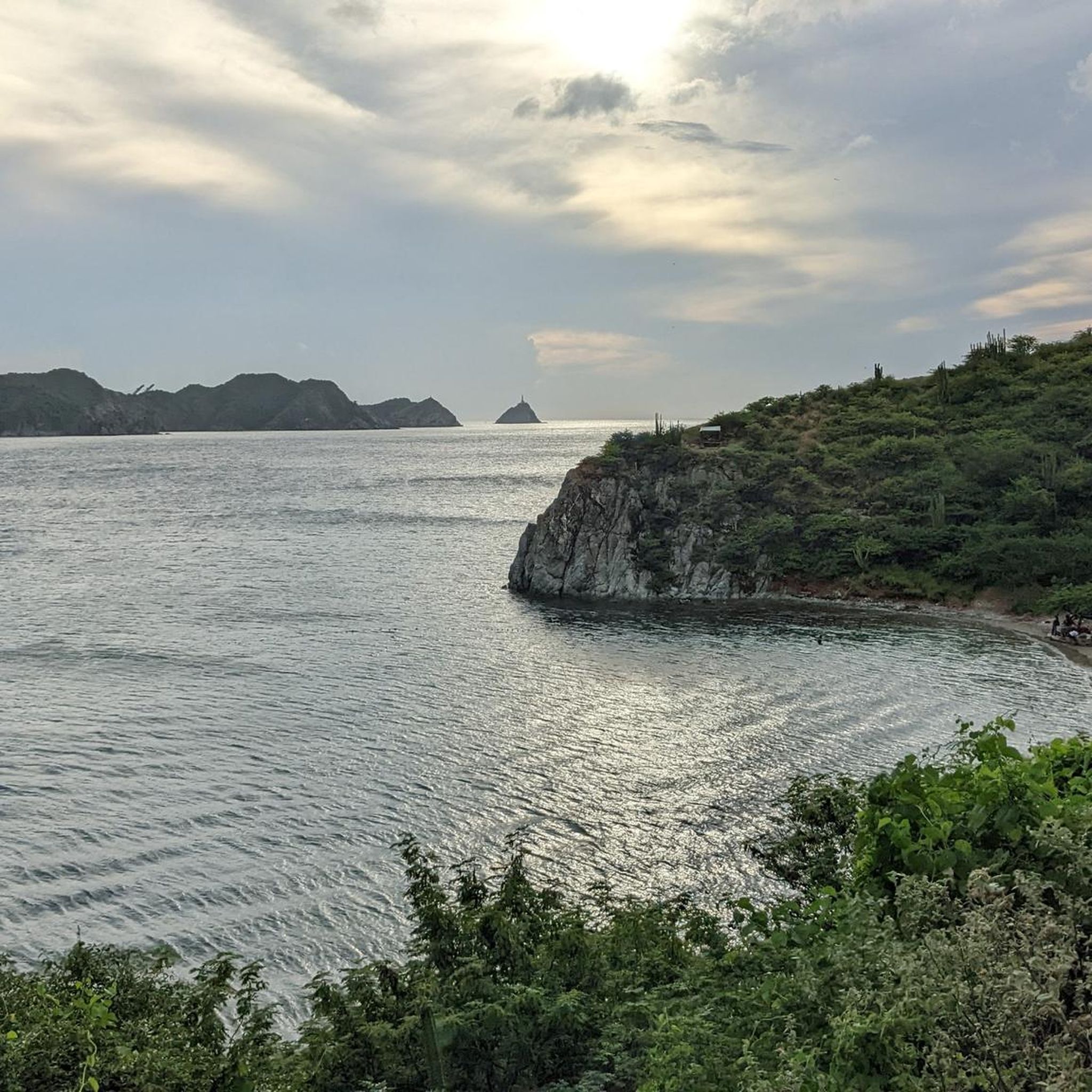
Cape San Juan de Guía
Highlight • Beach
Translated by Google •
Tip by

Sign up now to discover places like this
Get recommendations on the best single tracks, peaks, & plenty of other exciting outdoor places.
Sign up for free
Lost City
Highlight • Historical Site
A walking tour to this city is going on; On a 4-6 days guided …
Translated by Google •
Tip by

Nine Stones Trail
Highlight • Trail
Translated by Google •
Tip by

Oído del Mundo Waterfall
Highlight • Waterfall
Translated by Google •
Tip by

Sign up for free to discover even more natural monuments in Santa Marta.
Sign up for free
Already have an account?
Start today with a free account
Your next adventure awaits.
Login or Signup
Tips from the Community

A small, hidden gem amidst lush jungle vegetation. The water cascades over large boulders into a tranquil natural pool, inviting a dip. The waterfall is accessible via an easy hiking trail from Minca. The name "Oído del Mundo" translates to "Ear of the World". In the surrounding area, there are hints of the region's rich indigenous civilizations' history.
0
1
The Second Marinka Waterfall (Cascada de Marinka 2) near the mountain village of Minca. It is part of a private complex in the Sierra Nevada de Santa Marta, known for its lush jungle landscape and refreshing natural pools. The complex consists of two main waterfalls. The second waterfall is higher and particularly photogenic, while the lower waterfall offers a larger pool for swimming.
0
0

The Oído del Mundo waterfall is a hidden gem nestled among the vegetation of Minca, where the water cascades down, forming a tranquil pool perfect for a quick dip. It's reached via an easy trail, though with some damp and slightly slippery sections, typical of the area.
1
0
The second waterfall at Marinka is a wide and very photogenic cascade, surrounded by dense vegetation and with pools where you can cool off after your hike. Access is easy via a well-marked trail from Minca, although it can be slippery after rain. It's a perfect spot to rest in the shade and enjoy the jungle atmosphere.
1
0

This trail allows you to observe the landscape in a different way, through small holes created in the rocks.
0
0

A beautiful site, with four different areas - the main trading area, higher up the spot where the wealthy and powerful lived, a stone working area and a traditional village.
0
0

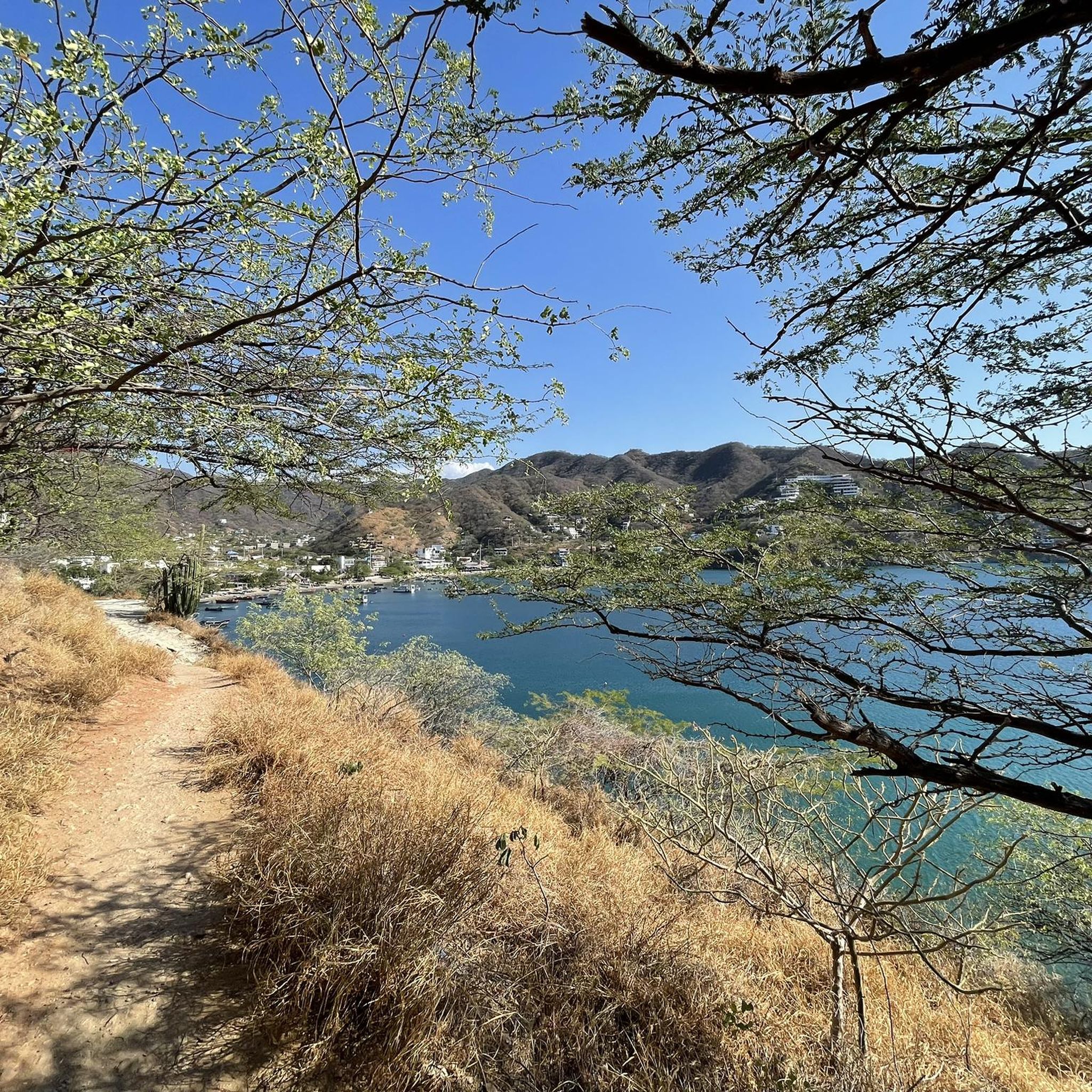
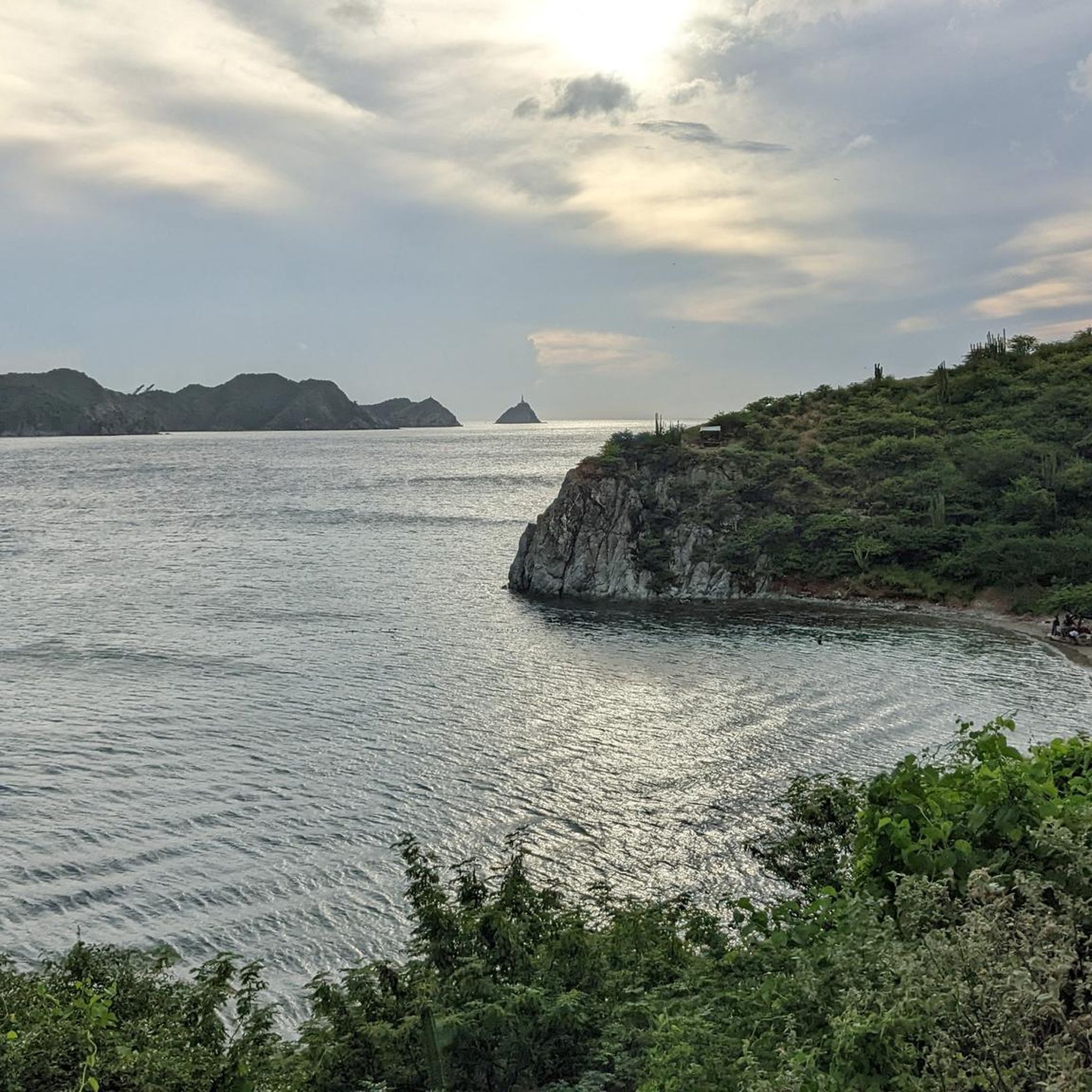
One of the most beautiful places in Colombia, the almost 3-hour trek to Cabo San Juan is worth it in the end, the best: stay to see the sunrise, enjoy the beaches and relax, bring plenty of water, few clothes, necessary food and sun protection.
0
1

From here you can either walk back to the exit (be careful, the last buses leave the park exit at 4:30pm!) or you can take a horse (saves time). Easiest option: take a boat that takes you back to Tagange. From here you can get back to Santa Marta for around 15k COP. The boat trip takes around 30 minutes and is fun too!
2
0
Frequently Asked Questions
What are some of the most notable natural monuments in Santa Marta?
Santa Marta offers a diverse range of natural monuments. You can explore stunning beaches like Cape San Juan de Guía in Tayrona National Park, or discover beautiful waterfalls such as the Second Marinka waterfall near Minca. The region also features ancient archaeological sites like Ciudad Perdida, hidden deep within the Sierra Nevada.
Are there challenging hikes or treks available in Santa Marta?
Yes, Santa Marta is home to some challenging and rewarding treks. The multi-day trek to Lost City (Ciudad Perdida) is a prime example, offering a rigorous journey through the jungle to an ancient archaeological site. The Sierra Nevada de Santa Marta also provides opportunities for advanced hiking to spectacular waterfalls and cloud forests.
Are there easily accessible natural monuments for a relaxed visit?
For a more relaxed experience, you can visit Second Marinka waterfall, which is easily accessible via a well-marked trail from Minca. Another option is Blue Pool, a natural swimming spot in the jungle, perfect for cooling off. Quebrada Valencia also offers a tranquil setting with waterfalls and natural pools, accessible through gentle paths.
When is the best time to visit Santa Marta's natural monuments?
The dry season, typically from December to April, is generally considered the best time to visit Santa Marta's natural monuments. During this period, the weather is more stable, making hiking trails more accessible and outdoor activities more enjoyable. However, even in the rainy season (May to November), many sites remain beautiful, with lush vegetation and refreshing waterfalls.
Are there family-friendly natural monuments in Santa Marta?
Yes, several natural monuments are suitable for families. The Second Marinka waterfall and Blue Pool offer refreshing swimming opportunities in natural settings, which can be fun for children. Quebrada Valencia also provides a gentle walk through tropical forest to waterfalls and pools, ideal for a family outing.
What kind of wildlife can I expect to see in Santa Marta's natural monuments?
Santa Marta's natural monuments are biodiversity hotspots. In Tayrona National Natural Park, you might spot monkeys, squirrels, and a wide array of bird species, along with vibrant marine life like coral reefs and sea turtles. The Sierra Nevada de Santa Marta is renowned for birdwatching and its diverse ecosystems support various terrestrial animals, though some, like jaguars, are elusive.
What outdoor activities can I do near these natural monuments?
Beyond visiting the monuments themselves, Santa Marta offers a variety of outdoor activities. You can find numerous hiking trails, including the Pre-Columbian Trail to Pueblito or the Marinka Waterfalls Trail. There are also options for cycling routes and running trails throughout the region, catering to various difficulty levels.
What cultural or historical significance do these natural monuments hold?
Many natural monuments in Santa Marta are deeply intertwined with indigenous history and culture. Tayrona National Natural Park and the Sierra Nevada de Santa Marta were once home to the ancient Tayrona civilization, with archaeological remains and living indigenous communities preserving their traditions. Lost City (Ciudad Perdida) is a significant pre-Columbian archaeological site built by the Tayrona people, offering a glimpse into their sophisticated architecture and way of life.
Are there any unique natural features to look out for?
Absolutely. The Sierra Nevada de Santa Marta is unique as the world's highest coastal mountain range, rising directly from the Caribbean to snow-capped peaks. Tayrona National Natural Park features a remarkable transition from arid forests to lush rainforests. You can also find the Nine Stones Trail, a unique footpath through the jungle with small holes in rocks offering different landscape views.
What are the transportation options for reaching these sites?
Access varies by location. For places like the Second Marinka waterfall, you can often reach them via well-marked trails from nearby towns like Minca. For destinations within Tayrona National Park, public transport or taxis can take you to the park entrance, and then you might hike or take a boat to specific beaches like Cape San Juan de Guía. The Lost City trek requires a guided tour.
What do visitors enjoy most about Santa Marta's natural monuments?
Visitors frequently highlight the stunning natural beauty, from pristine beaches to refreshing waterfalls and lush jungle landscapes. Many appreciate the opportunity to cool off in natural pools and the immersive experience of hiking through diverse ecosystems. The blend of natural adventure with cultural and historical insights, especially at sites like Ciudad Perdida, is also a major draw.
Are there amenities or accommodation options near these natural monuments?
Amenities and accommodation vary. Near Minca, you'll find cafes and guesthouses close to waterfalls like the Second Marinka waterfall. Tayrona National Park offers unique accommodation options such as tents, hammocks, or eco-habs within the park itself. For the Lost City trek, accommodation is typically in basic camps along the trail as part of the guided tour.
Most popular routes in Santa Marta
Most popular attractions in Santa Marta

Get inspired with the komoot mobile app


Explore more
Extend your search for the best caves by checking out these guides of the top ones in Santa Marta:
