Top 9 Natural Monuments in San Agustín
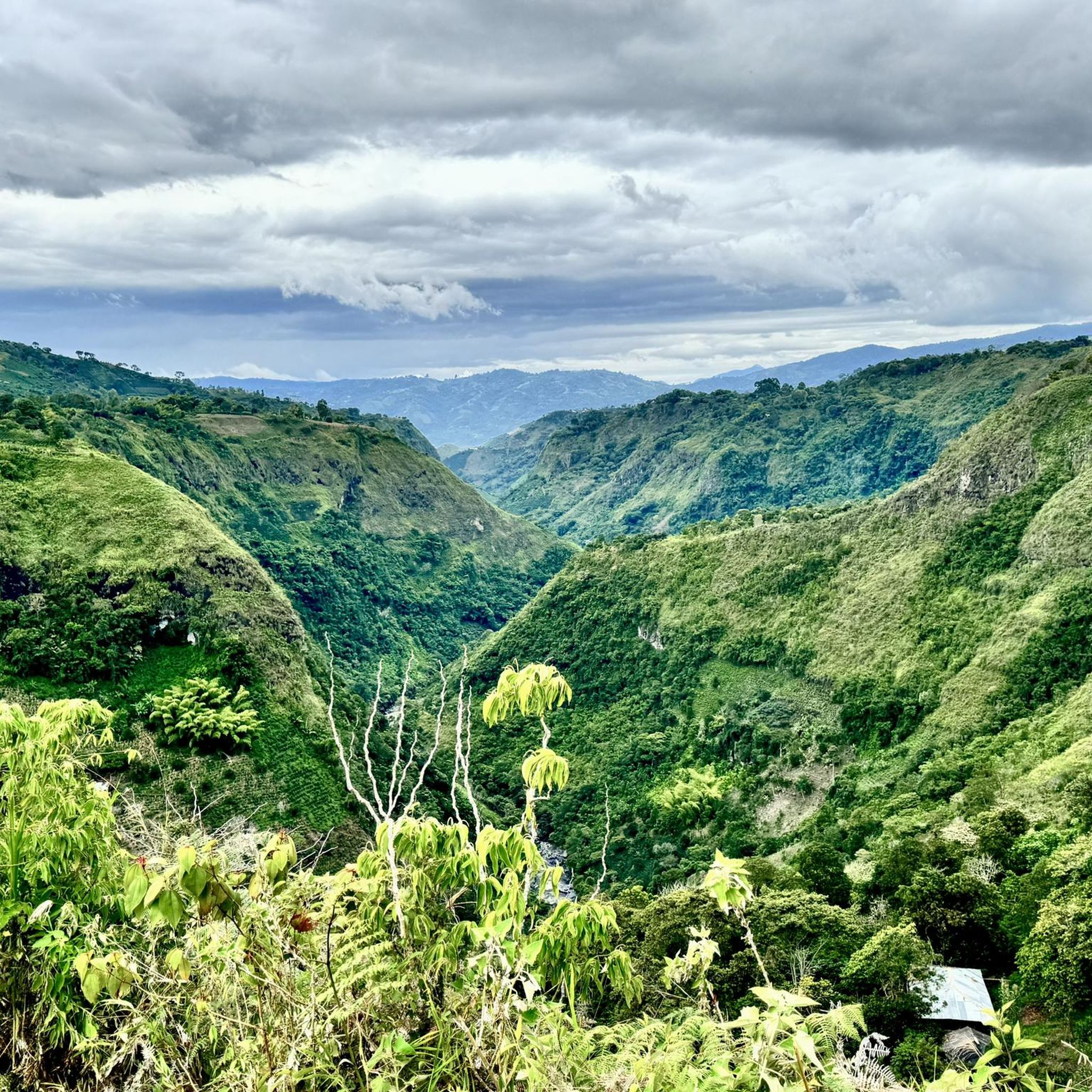
Natural monuments in San Agustín, Colombia, are characterized by a blend of significant archaeological sites and diverse natural landscapes. The region features lush Andean countryside, river-forged canyons, and geological formations. This area is a watershed where water flows towards the Pacific, Amazon basin, or Atlantic.
Best natural monuments in San Agustín
- The most popular natural monuments is San Agustín Archaeological Park, a historical site set within an impressive natural landscape. It contains the largest collection of religious monuments and…
Last updated: July 3, 2026
San Agustín Archaeological Park
Highlight • Historical Site
Translated by Google •
Tip by

Anthropomorphic Tomb Guardian of El Purutal, San Agustín
Highlight • Historical Site
Translated by Google •
Tip by

Sign up now to discover places like this
Get recommendations on the best single tracks, peaks, & plenty of other exciting outdoor places.
Sign up for free
Lavaplatos Fountain
Highlight • Historical Site
Translated by Google •
Tip by
Magdalena River Gorge
Highlight • Gorge
Translated by Google •
Tip by

El Tablón Archaeological Site
Highlight • Historical Site
Translated by Google •
Tip by
Sign up for free to discover even more natural monuments in San Agustín.
Sign up for free
Already have an account?
Start today with a free account
Your next adventure awaits.
Login or Signup
Popular around San Agustín
Tips from the Community

The archaeological park of San Augustin contains the most stone sculptures. Enormous tombs, demons carved from volcanic rock, and an enigmatic cult spring bear witness to a centuries-old advanced civilization amidst lush green vegetation.
5
0
Much remains unexplored, but there are already many clues about the culture of that time.
5
0

It is located 2.5 kilometers from downtown San Agustín. His pieces include items that shaped the culture such as instruments, farming tools, tools for weaving, manufacturing and objects used decades ago; also pieces of ceramics, wood, statues and pieces found in the area.
1
0
The Magdalena Strait is the narrowest part of the river at 2.20 m, after 70 km on the way from the source to the mouth. The slopes consist of more than 70 million years old compacted lava from the volcanoes of "Pelota" and "Purutal". The reddish color of some rocks is due to the presence of iron sulphate in the area. In some rocks there are 120 million year old sea shells, so-called ammonites. It is considered a sacred place and most indigenous people built their villages along rivers such as the Magdalena.
1
0
The Magdalena Strait is the narrowest part of the river at 2.20 m, after 70 km on the way from the source to the mouth. The slopes consist of more than 70 million years old compacted lava from the volcanoes of "Pelota" and "Purutal". The reddish color of some of the rocks is due to the presence of iron sulphate in the area. In some rocks there are 120 million year old sea shells, so-called ammonites. It is considered a sacred place and most indigenous people built their villages along rivers such as the Magdalena. Also accessible by horseback riding.
0
0
It's hard to believe that a river more than 1500km long can fit through such a narrow gap (about 2m). But that's how he gets strong and vigorous for his long voyage into the Atlantic. The Cordillera in the San Agustín area is a special watershed. Within a few kilometers it is decided whether the water will flow into the Pacific (Rio Cauca), down the Amazon basin or over the Rio Magdalena into the Atlantic.
4
0
Just as mystical as the story of the stone figures and tombs in the Archaeological Park is the story of the Lavaplatta spring with its figures, ornaments and water basins.
2
0
The San Agustín Archaeological Park (Spanish: Parque Arqueológico de San Agustín) is a large archaeological area located near the town of San Agustín in Huila Department in Colombia. The park contains the largest collection of religious monuments and megalithic sculptures in Latin America and is considered the world's largest necropolis. Belonging to San Agustin culture, it was declared a UNESCO World Heritage Site in 1995. The dates of the statues are uncertain, but they are believed to have been carved between 5–400 AD. The origin of the carvers remains a mystery, as the site is largely unexcavated. Source: https://en.wikipedia.org/wiki/San_Agust%C3%ADn_Archaeological_Park Admission COP 65,000 (May 2023) - Locals COP 20,000 cheaper. Admission also allows you to visit the sites at Isnos and Obando. You should also visit the museum that explains about the history of the figures as well as about the excavations.
2
0
Frequently Asked Questions
What are the most impressive natural features to explore in San Agustín?
San Agustín is rich in natural wonders. A must-see is the Magdalena River Gorge, where Colombia's longest river narrows to just 2.2 meters, showcasing immense geological power. The region is also home to spectacular waterfalls like Salto de Bordones, Colombia's tallest free-falling waterfall at 400 meters, and Salto de Mortiño. You can also visit Los 3 Chorros Waterfall, which divides into three 30-meter high cascades.
Are there any natural monuments that combine nature with historical significance?
Yes, several sites beautifully blend nature and history. The San Agustín Archaeological Park, a UNESCO World Heritage Site, is set within an impressive natural landscape, integrating ancient sculptures with tree-lined paths. The Lavaplatos Fountain is another example, a religious monument carved into a stream bed, utilizing flowing water as part of its ancient design.
What kind of landscapes can I expect to see around San Agustín's natural monuments?
The region around San Agustín is characterized by gorgeous, lush Andean countryside. You'll find green hills, mountains, and fertile landscapes with coffee fields sloping down to river-forged canyons. This area is a unique watershed where water flows towards the Pacific, Amazon basin, or Atlantic via the Magdalena River.
What outdoor activities can I do near the natural monuments in San Agustín?
The diverse landscape of San Agustín is perfect for outdoor activities. You can enjoy hiking and horseback riding through the Andean countryside. For cycling enthusiasts, there are several mountain biking trails available. You can find more details on routes like the 'Magdalena River Gorge loop from San Agustín' on the MTB Trails in San Agustín guide.
Are there family-friendly natural monuments or activities in San Agustín?
While many sites involve some walking, the El Tablón Archaeological Site is categorized as family-friendly. The general Andean countryside also offers opportunities for gentle walks and enjoying nature with children. Always check the specific trail difficulty for each site.
How difficult are the trails to access natural monuments in San Agustín?
Many of the natural monuments and associated trails in San Agustín are rated as intermediate difficulty. For example, accessing the San Agustín Archaeological Park, the Anthropomorphic Tomb Guardian of El Purutal, and the Magdalena River Gorge typically involves intermediate-level paths. Some mountain biking routes, like the 'Magdalena River Gorge loop from San Agustín', are rated difficult, while others are easy or moderate.
What is unique about the Magdalena River Gorge?
The Magdalena River Gorge is a geological marvel where the vast Magdalena River, over 1500 km long, is forced through a canyon barely 2.2 meters wide. The surrounding slopes are composed of over 70 million-year-old compacted lava, and you can even find 120 million-year-old seashells (ammonites) in some rocks, making it a sacred place for indigenous people.
Can I see ancient carvings or sculptures integrated with nature?
Absolutely. The San Agustín Archaeological Park features the 'Forest of Statues' where ancient funerary sculptures are integrated into shaded, tree-lined paths. The Lavaplatos Fountain also showcases human artistry carved into a natural stream bed, blending figures and ornaments with flowing water.
What do visitors particularly enjoy about the natural monuments in San Agustín?
Visitors often highlight the unique blend of ancient history and stunning natural beauty. Many are awestruck by the sheer power of nature at the Magdalena River Gorge and the majestic scale of waterfalls like Salto de Bordones. The opportunity to explore archaeological sites like the Anthropomorphic Tomb Guardian of El Purutal within a beautiful cultural landscape, often with coffee and other crops, is also highly appreciated.
Are there any specific viewpoints for the waterfalls in the region?
Yes, for Salto de Bordones, you can view the waterfall from across a deep valley, offering impressive panoramic views. While you can't get close enough to feel the spray, the distant perspective allows you to appreciate its immense scale as it cascades dramatically from a tree-lined ridge.
What is the significance of the San Agustín Archaeological Park beyond its sculptures?
Beyond its impressive collection of religious monuments and megalithic sculptures, the San Agustín Archaeological Park is set within a naturally rich environment. It's considered the world's largest necropolis and is a UNESCO World Heritage Site, offering a unique experience where ancient human culture and the natural world intertwine amidst lush green vegetation and native plants.
Most popular routes in San Agustín
Most popular attractions in San Agustín

Get inspired with the komoot mobile app


Explore more
Extend your search for the best caves by checking out these guides of the top ones in San Agustín:
