Top 8 Natural Monuments in Viñales
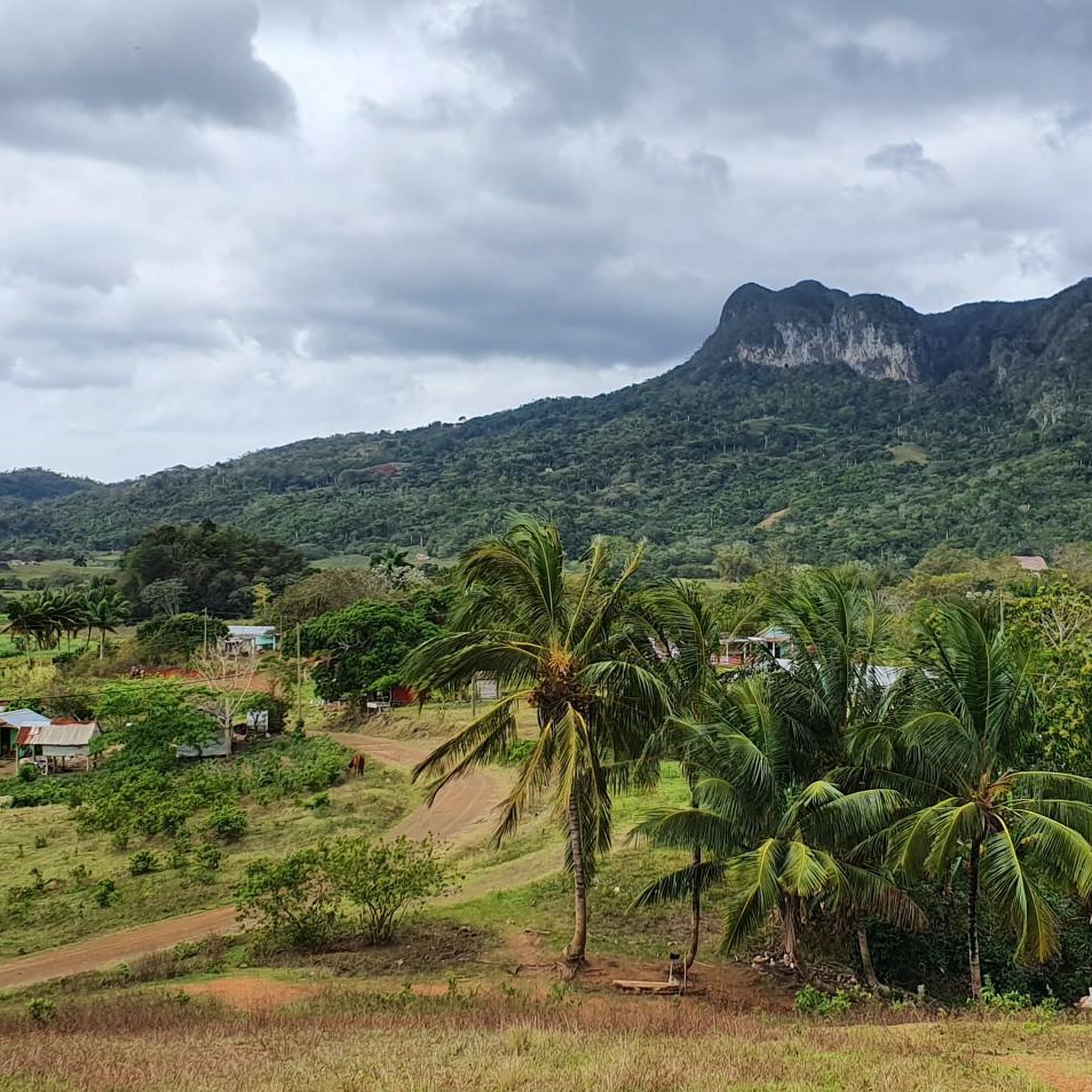
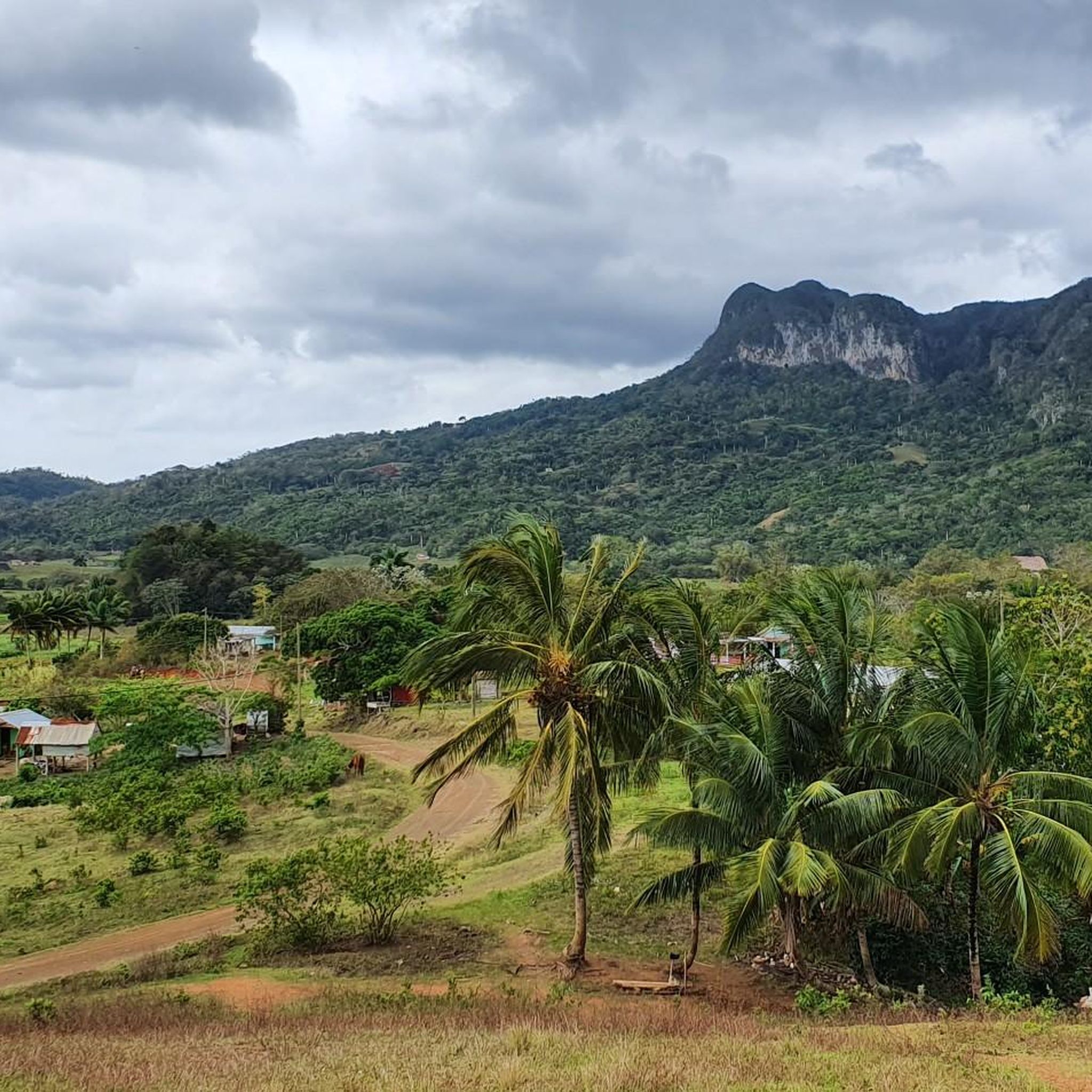
Natural monuments in Viñales are characterized by a unique karst landscape, featuring dome-like limestone outcrops known as mogotes. This region, a UNESCO World Heritage Site, presents a blend of geological formations and traditional agricultural practices. The area is known for its rich biodiversity and extensive cave systems. Visitors can explore these natural features and observe the preserved cultural landscape.
Best natural monuments in Viñales
- The most popular natural monument is Viñales Valley, a natural monument that is popular for…
Last updated: July 2, 2026
Mural of Prehistory
Highlight • Monument
Amidst the fertile landscape, a Mexican artist painted a gigantic picture on a rock, the Mural de la Prehistoria, the Prehistoric Wall. It was completed in …
Translated by Google •
Tip by

Viñales Valley
Highlight • Natural Monument
Translated by Google •
Tip by

Sign up now to discover places like this
Get recommendations on the best single tracks, peaks, & plenty of other exciting outdoor places.
Sign up for free
Cueva de la Vaca
Highlight • Cave
Tip by

Beautiful stalactites in Cueva del Indio
Highlight • Cave
Translated by Google •
Tip by

Bella Vista Viewpoint, Viñales Valley
Highlight • Viewpoint
Tip by

Cueva del Indio Cave Exit
Highlight • Cave
Translated by Google •
Tip by

View from the Cave in Viñales National Park
Highlight (Segment) • Cave
Translated by Google •
Tip by

View of the Viñales Valley
Highlight • Viewpoint
Translated by Google •
Tip by

Start today with a free account
Your next adventure awaits.
Login or Signup
Popular around Viñales
Tips from the Community

A short cave through the Mongotes, which is also home to bats.
2
0
The cave itself is very short and unspectacular, but it offers a brief moment of cooling off in the heat. Bats are sometimes present.
1
0
The Cueva del Indio has beautiful limestone formations on the ceiling
1
0
Most of the travel in the Cueva del Indio is done by small boat. Unfortunately, this boat has a gasoline engine, which makes it extremely loud and fills the entire cave with a stink.
1
0
When hiking in the Vinales Valley in Cuba, you pass through the Cueva de la Vaca (cave), which is reached via a steep climb.
2
0
At the end of the tour, you will take a boat through this cave exit of the Cueva del Indigo to the outside.
0
0
The Cueva del Indigo is the smaller of two caves that can be visited around Vinales. It is more tourist-friendly and easy for children to access. At the end there is a short boat ride that takes you back to the surface.
1
0

Great passage cave with bats and a beautiful view on both sides.
1
0
Frequently Asked Questions
What geological features define Viñales' natural monuments?
Viñales is renowned for its unique karst landscape, characterized by dramatic, dome-like limestone outcrops known as mogotes. These ancient hills, over 120 million years old, rise abruptly from the valley floor and contain numerous caves formed by rivers and groundwater. The entire region is a UNESCO World Heritage Site due to these geological wonders and the traditional agricultural practices preserved within the valley.
How can I experience the Viñales Valley and its mogotes?
The Viñales Valley is best explored through activities like hiking, biking, or horseback riding. You can traverse lush valleys and tobacco fields, experiencing the unique landscape and traditional farming life. For breathtaking panoramic views, especially at sunset, visit the Mirador de Los Jazmines.
Are there family-friendly natural monuments or activities in Viñales?
Yes, several natural monuments in Viñales are suitable for families. The Beautiful stalactites in Cueva del Indio offers an engaging boat tour through an illuminated karst cave. Additionally, viewpoints like Bella Vista Viewpoint, Viñales Valley and View of the Viñales Valley are accessible and enjoyable for all ages. The Mural of Prehistory is also considered family-friendly.
What outdoor activities can I do near Viñales' natural monuments?
The Viñales region offers a variety of outdoor activities, primarily hiking and cycling. You can find numerous routes that take you through the valleys, past mogotes, and to various natural monuments. For hiking, explore options like the 'Cueva de la Vaca – View of Viñales Valley loop' or 'The Plains of Valle de Viñales – View of Viñales Valley loop'. Cyclists can enjoy routes such as 'Gran Caverna de Santo Tomás – Viñales Valley loop'. You can find more details on these activities in the Hiking in Viñales and Cycling in Viñales guides.
What is special about Cueva del Indio?
The Cueva del Indio is an ancient indigenous dwelling discovered in 1920. It's known for spectacular stalactites and stalagmites, as well as archaeological remains. A highlight is the boat tour along the San Vicente River, which flows through the cave, allowing visitors to admire its illuminated interior and geological formations from a unique perspective. It also has historical significance as a refuge for the Taíno people.
Are there hiking trails for different skill levels in Viñales?
Yes, Viñales offers hiking trails ranging from easy to challenging. For easier walks, consider routes like 'The Plains of Valle de Viñales – View of Viñales Valley loop from Viñales' (7.2 km) or 'Cueva de la Vaca – View of Viñales Valley loop from Viñales' (5.8 km). Moderate options include 'Cueva de la Vaca – View of Viñales Valley loop from Viñales' (13.3 km). You can explore more options in the Easy hikes in Viñales guide.
What is the Gran Caverna de Santo Tomás?
The Gran Caverna de Santo Tomás is the largest cave system in Cuba, recognized as a National Monument. It spans over 46 kilometers across seven levels, featuring incredible stalagmites and stalactites formed over thousands of years. Its vast size and impressive formations make it a significant natural wonder for adventure seekers interested in spelunking.
Where can I find the best panoramic views of Viñales?
For stunning panoramic views of the Viñales Valley and its mogotes, the Mirador de Los Jazmines is highly recommended, especially at sunset. Other excellent viewpoints include Bella Vista Viewpoint, Viñales Valley and View of the Viñales Valley. These spots offer picturesque vistas of the unique landscape.
What is the Cueva de la Vaca?
Cueva de la Vaca is a cave that allows passage directly through a mogote. Visitors can walk through the cave and continue their tour on the other side, making it a unique part of a hike through the Viñales Valley. It's often included in round trips near Viñales.
Are there any natural monuments with historical significance in Viñales?
Yes, the Palenque de los Cimarrones is a notable site. It's situated within a cave that once served as a refuge for runaway slaves (cimarrones). Visitors can explore the cave, which houses an ethnographic museum recreating a typical cimarrón settlement, offering insights into Afro-Cuban culture and the struggles of the runaway slaves. This site blends natural beauty with profound historical context.
When is the best time to visit Viñales' natural monuments?
Viñales generally experiences a dry season from November to April, which is often considered the best time to visit. During these months, the weather is typically cooler and less humid, making outdoor activities like hiking and exploring caves more comfortable. The wet season, from May to October, can bring more rain, which might affect trail conditions.
What do visitors enjoy most about Viñales' natural monuments?
Visitors frequently praise the stunning natural beauty, particularly the unique mogotes and the lush, palm-filled valleys. The opportunity for hiking and cycling through tobacco plantations, experiencing traditional rural life, and exploring ancient caves like Cueva del Indio with its boat tours are highly valued. The region's blend of natural wonders and cultural heritage makes for a memorable experience.
Most popular attractions in Viñales

Get inspired with the komoot mobile app


