Top 8 Natural Monuments in Puntarenas
Natural monuments in Puntarenas Costa Rica encompass a diverse range of ecosystems, from cloud forests to pristine beaches and vital marine habitats. This region is recognized for its rich biodiversity and varied natural landscapes. Visitors can explore a spectrum of environments, including dense forests, coastal areas, and significant wildlife habitats. The natural features of Puntarenas provide opportunities for outdoor exploration and wildlife observation.
Best natural monuments in Puntarenas
- The most popular natural monuments is Montezuma Waterfall, a waterfall that…
Last updated: July 2, 2026
Translated by Google •
Tip by

Suspension Bridge in Monteverde Cloud Forest Reserve
Highlight • Bridge
Translated by Google •
Tip by

Sign up now to discover places like this
Get recommendations on the best single tracks, peaks, & plenty of other exciting outdoor places.
Sign up for free
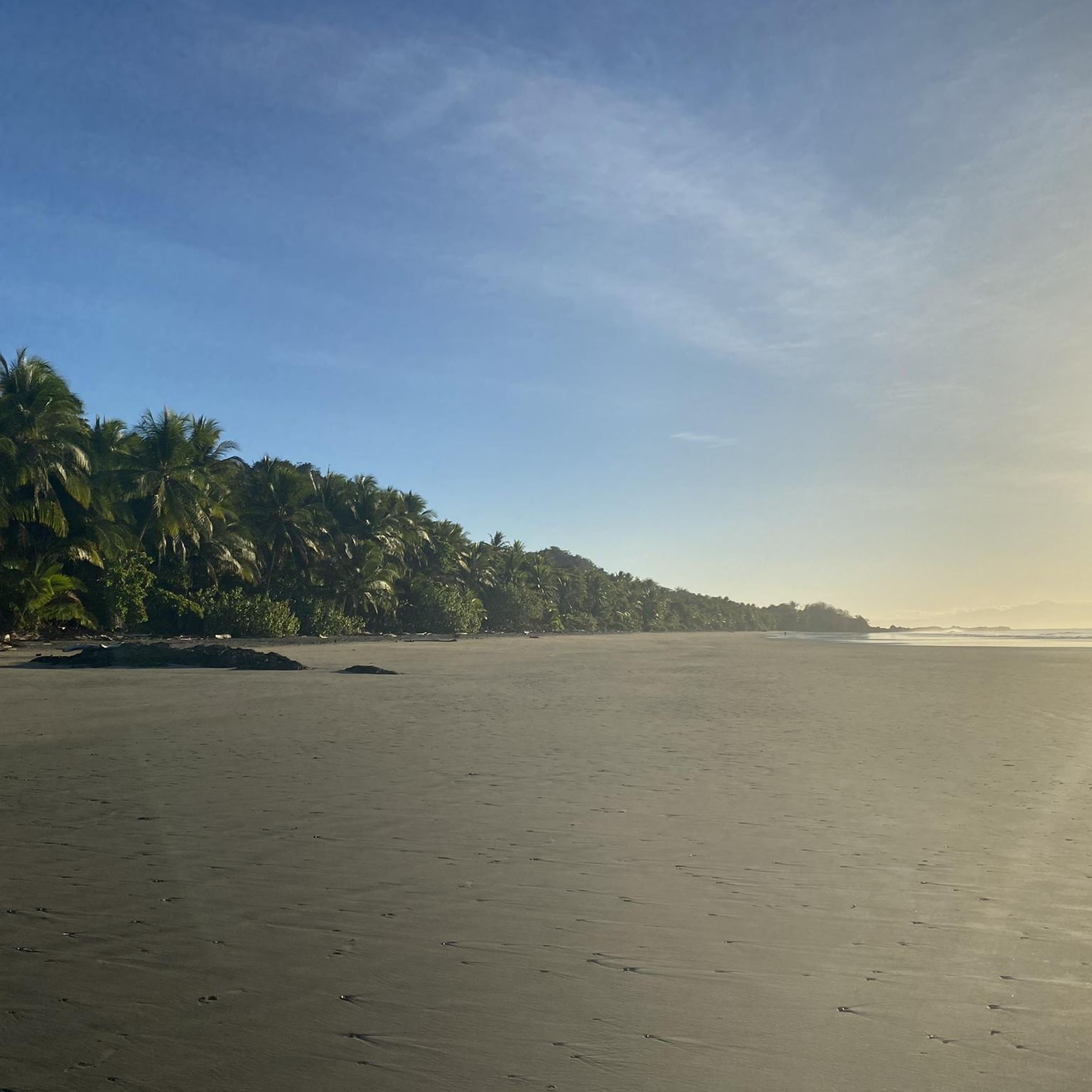
Playa Grande
Highlight • Beach
Come at low tide, otherwise the beach is completely covered.
A small path on the left in the reserve.
Translated by Google •
Tip by

Trail Map at Reserva Natural Absoluta Cabo Blanco
Highlight • Rest Area
Translated by Google •
Tip by

forest trail
Highlight (Segment) • Trail
It climbs steadily. Mandatory walking shoes
Translated by Google •
Tip by
Montezuma Waterfall
Highlight • Waterfall
Translated by Google •
Tip by
Strangler Fig Tree
Highlight • Natural Monument
Translated by Google •
Tip by

Waterfall in Costa Rica
Highlight • Waterfall
Tip by

Monteverde Waterfall
Highlight (Segment) • Waterfall
Translated by Google •
Tip by

Start today with a free account
Your next adventure awaits.
Login or Signup


Tips from the Community

Entry is free. However, it is very popular.
0
0

Do you know the Strangler Ficus? The gap in the center of the trunk was originally occupied by a tree. The characteristic of the Strangler Ficus is that it grows from top to bottom! Its seeds are deposited at the top of a tree by monkeys or birds. The roots seek food and descend like vines. When they reach the ground, they thicken, suffocating the host tree. After 300 or 400 years, it gives a wooden cathedral.
0
0

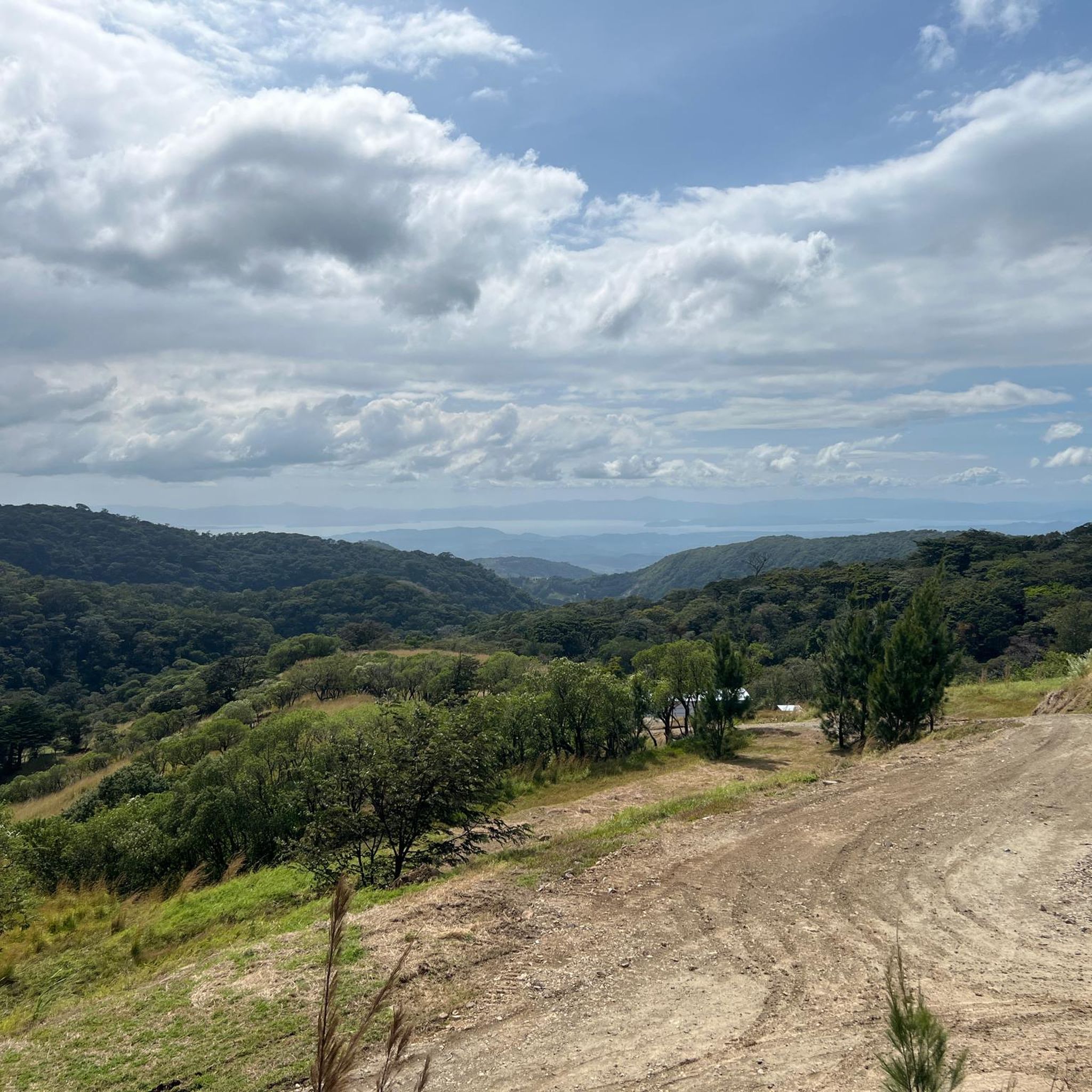
Yes, the Monteverde Cloud Forest has earned its reputation. Water drips from the trees and fog stalks hang in the treetops.
0
0
The ferns in the cloud forest are fantastic and some are over 2 meters tall.
0
0
Great view of the forest from above. You are in the middle of the treetops. Awesome!
0
0
Without a guide, you hardly see any animals. You can find a few birds, caterpillars and monkeys yourself, but the well-camouflaged insect world remains hidden from the layperson. So it's best to go with a guide if you can get one. Unfortunately, we were too late... Book at least 2 days in advance: https://cloudforestmonteverde.com/our-tours/
0
0

Few animals to see but great nature
0
0
Frequently Asked Questions
What are some of the most popular natural monuments to visit in Puntarenas?
Puntarenas offers a diverse range of natural monuments. Among the most popular are the Montezuma Waterfall, known for its natural swimming pool, and the Ancient Trees and Tropical Flora in Reserva Biológica Bosque Nuboso Monteverde, which is part of a globally recognized cloud forest. Visitors also appreciate the Waterfall in Monteverde Cloud Forest Reserve, which has an observation deck.
What kind of wildlife can I expect to see at the natural monuments in Puntarenas?
Puntarenas is rich in biodiversity. At the Monteverde Cloud Forest Reserve, you might spot over 400 bird species, including the resplendent quetzal, and various mammals. Carara National Park is excellent for observing scarlet macaws, crocodiles, monkeys, and sloths. Manuel Antonio National Park is teeming with monkeys, sloths, and diverse bird species. The Tárcoles River is famous for its abundant American crocodiles, while Curú National Wildlife Refuge hosts howler and white-faced monkeys, raccoons, and iguanas. Marino Ballena National Park is a prime location for whale and dolphin watching during migration seasons.
Are there family-friendly natural monuments in Puntarenas?
Yes, several natural monuments in Puntarenas are suitable for families. Waterfall in Monteverde Cloud Forest Reserve is considered family-friendly, as is Playa Grande, a beautiful beach. Manuel Antonio National Park also offers a combination of stunning beaches and jungle trails, making it a fantastic spot for wildlife viewing and relaxation for all ages.
What are the best times to visit the natural monuments in Puntarenas?
Generally, the dry season from December to April is considered the best time to visit Puntarenas, as the weather is sunny and ideal for outdoor activities and wildlife viewing. However, the green season (May to November) brings lush landscapes and fewer crowds, with rain typically occurring in the afternoons. For whale watching at Marino Ballena National Park, specific migration seasons (roughly July to October and December to March) are ideal.
Are there hiking opportunities at these natural monuments, and what are the difficulty levels?
Yes, many natural monuments offer hiking trails. Monteverde Cloud Forest Reserve has trails for immersing yourself in its lush environment. Carara National Park is excellent for hiking, and Cabo Blanco Absolute Natural Reserve also offers opportunities for exploring diverse ecosystems on foot. The Montezuma Waterfall involves an intermediate hike over stones. Trails like the forest trail can be intermediate, requiring sturdy walking shoes and offering chances to spot wildlife. You can find more detailed hiking routes and their difficulty levels in the Hiking in Puntarenas guide.
What other outdoor activities can I do near the natural monuments in Puntarenas?
Beyond hiking, Puntarenas offers a variety of outdoor activities. You can enjoy canopy tours and zip-lining in Monteverde, boat tours on the Tárcoles River for crocodile and birdwatching, and snorkeling at Isla Tortuga in the Gulf of Nicoya. The Nicoya Peninsula beaches are popular for surfing and sunbathing. For cycling enthusiasts, there are numerous routes, including those detailed in the Cycling in Puntarenas guide and the Road Cycling Routes in Puntarenas guide.
Are there any natural monuments in Puntarenas that are particularly good for birdwatching?
Absolutely. The Monteverde Cloud Forest Reserve is a globally recognized birdwatching hotspot, home to over 400 bird species, including the resplendent quetzal. Carara National Park is famous for its large numbers of scarlet macaws. The Tárcoles River also offers excellent birdwatching opportunities during boat tours, and the Térraba-Sierpe National Wetlands, the largest mangrove system in Costa Rica, are crucial habitats for a wide array of birdlife.
Are permits or fees required to visit natural monuments in Puntarenas?
Many national parks and reserves in Puntarenas, such as Monteverde Cloud Forest Reserve, Carara National Park, Manuel Antonio National Park, and Cabo Blanco Absolute Natural Reserve, require entrance fees. It's advisable to check the specific requirements and fees for each location before your visit, as some may also require advance booking or permits, especially for guided tours.
Where can I find accommodation or amenities near these natural monuments?
Areas surrounding popular natural monuments like Monteverde, Manuel Antonio, and the Nicoya Peninsula (e.g., Montezuma, Santa Teresa) offer a range of accommodation options from eco-lodges to hotels and guesthouses. You'll also find various amenities such as restaurants, cafes, and tour operators in these towns. For more general information on Puntarenas, you can visit visitcostarica.com.
What do visitors particularly enjoy about the natural monuments in Puntarenas?
Visitors frequently praise the rich biodiversity and the immersive natural experiences. Many enjoy the opportunity to spot unique wildlife, from monkeys and sloths to colorful birds and crocodiles. The stunning landscapes, including cloud forests, pristine beaches like Playa Grande, and impressive waterfalls such as Montezuma Waterfall, are also highly appreciated. The chance to connect with nature and explore diverse ecosystems is a major draw.
Are there any natural monuments in Puntarenas that are particularly unique or less commonly known?
While many are well-known, the Térraba-Sierpe National Wetlands stand out as the largest mangrove system in Costa Rica, offering unique boat tours through intricate channels. Curú National Wildlife Refuge is also notable for its successful ecosystem restoration and diverse habitats, providing a more intimate wildlife viewing experience. The Gulf of Nicoya Islands, including Isla Tortuga, offer distinct coastal beauty and marine activities away from the mainland crowds.
What should I bring when visiting natural monuments in Puntarenas?
When exploring Puntarenas' natural monuments, it's advisable to bring comfortable, sturdy walking shoes, especially for trails. Essentials include insect repellent, sunscreen, a hat, and a reusable water bottle. Depending on the activity, consider binoculars for wildlife viewing, a camera, and a light rain jacket, especially during the green season. For swimming areas, don't forget your swimwear and a towel.
Most popular attractions in Puntarenas

Get inspired with the komoot mobile app


Didn’t find what you were looking for?
Find even more amazing natural monuments in Puntarenas by checking out the top Highlights region by region:
Explore more
Extend your search for the best caves by checking out these guides of the top ones in Puntarenas:
