Top 7 Natural Monuments in Liberia
Natural monuments in Liberia highlight a diverse West African landscape characterized by extensive tropical rainforests, significant mountain ranges, and unique coastal ecosystems. The nation is dedicated to preserving its rich biodiversity, offering varied ecological and scenic experiences. These areas provide habitats for numerous endangered and endemic species, reflecting Liberia's commitment to conservation. Liberia's natural monuments offer a variety of landscapes, from dense rainforest and montane regions to coastal lagoons, providing diverse opportunities for nature exploration.
Best natural monuments in Liberia
…Last updated: May 21, 2026
Rincón de la Vieja National Park
Highlight • Natural Monument
Tip by

La Cangreja Waterfall
Highlight • Waterfall
Translated by Google •
Tip by

Sign up now to discover places like this
Get recommendations on the best single tracks, peaks, & plenty of other exciting outdoor places.
Sign up for free
Giant Trees of Parque Nacional Rincón de la Vieja
Highlight • Forest
Translated by Google •
Tip by

Volcancito Fumarole
Highlight • Volcano
Translated by Google •
Tip by
Seasonal waterfall
Highlight • Waterfall
Translated by Google •
Tip by

Morpho Waterfall
Highlight • Waterfall
Translated by Google •
Tip by

Hidden Waterfall
Highlight • Waterfall
Translated by Google •
Tip by

Rio Negro Hot Springs
Highlight • Natural Monument
Translated by Google •
Tip by

Start today with a free account
Your next adventure awaits.
Login or Signup

Tips from the Community

This is one of the kapok trees (Ceiba). Its massive buttress roots and intertwined trunks testify to its great age. These giant trees provide welcome shade and are a striking natural monument of the tropical dry forest.
0
0
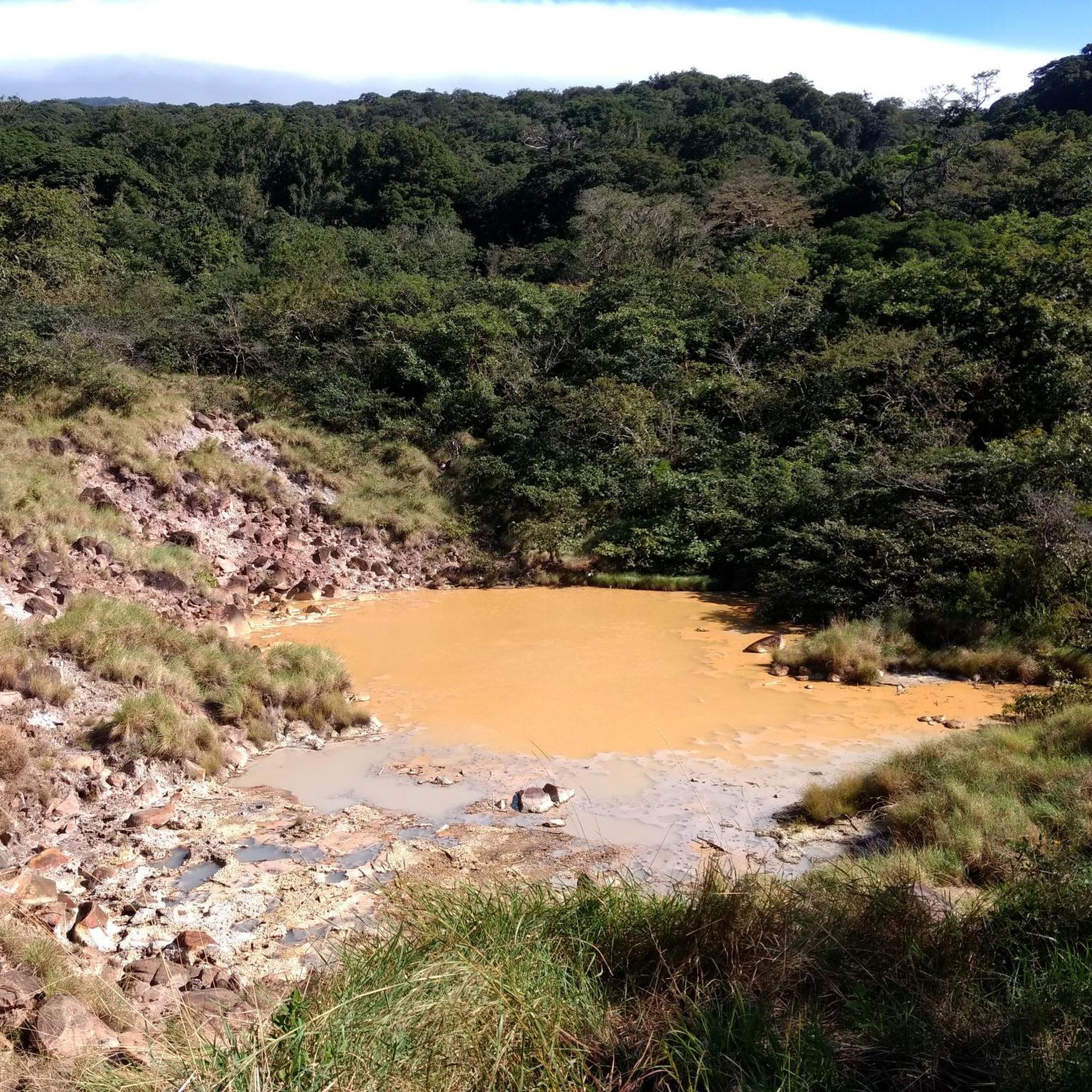
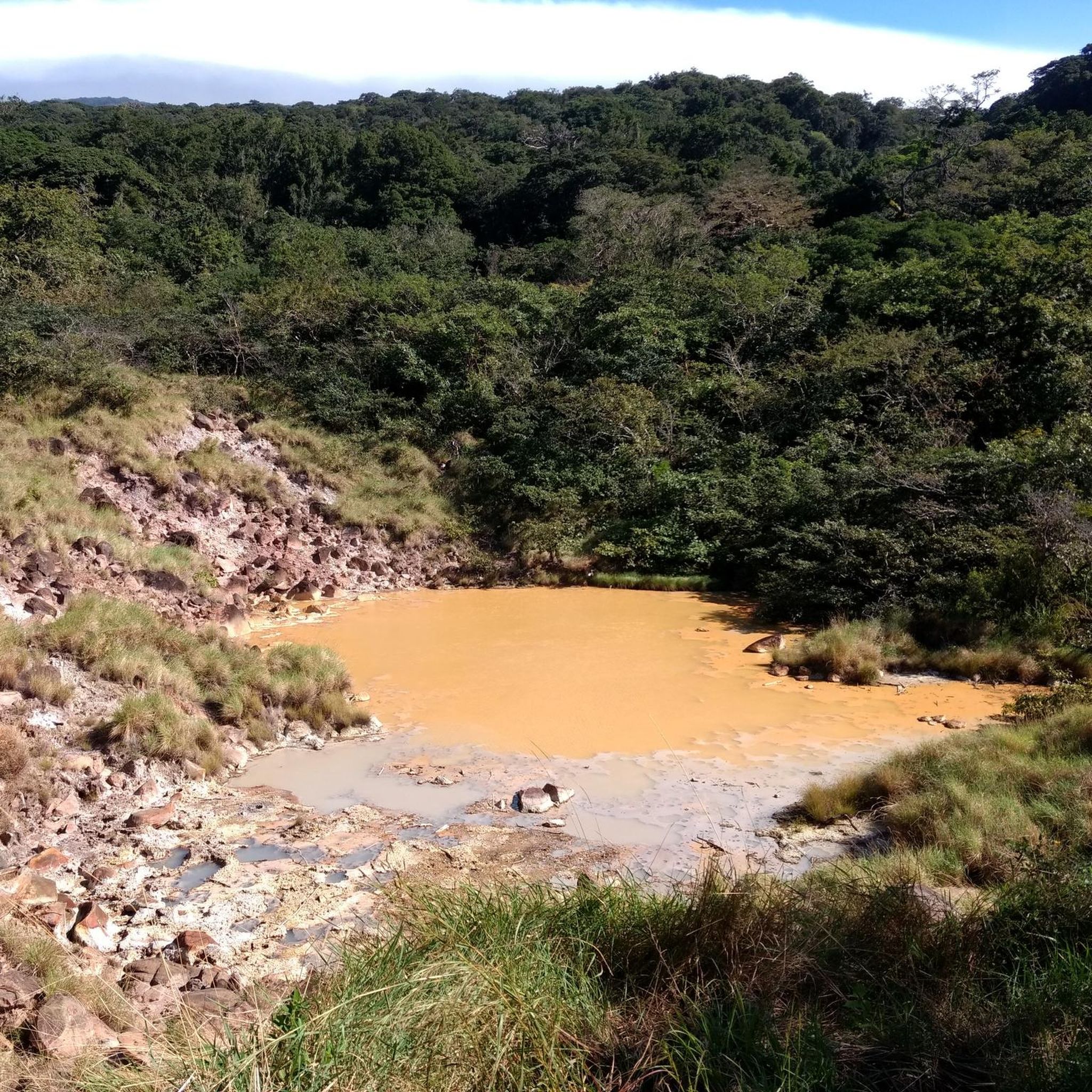
Rincón de la Vieja National Park captivates visitors with its volcanic landscapes, fumaroles, and hot mud pools. Hiking trails lead through dry and rainforest to waterfalls and viewpoints. The smell of sulfur, steaming earth, and lush nature make the park an unforgettable experience.
0
0
The Catarata Escondida lives up to its name. A narrow path leads through lush rainforest, past lianas and streams. At the end, a hidden waterfall with a turquoise pool awaits – tranquil, secluded, and ideal for a refreshing break.
0
0
La Cangreja waterfall lies deep within the national park of the same name in Costa Rica. A varied hike leads through dense rainforest, over roots and streams. At the end, the towering waterfall impresses with its raw power and pristine nature – especially beautiful after rainfall.
0
0

Wonderful waterfall. Absolutely worth it
1
0
Bubbling magma. Great trip into the earth's interior
1
0
Great hike. Worth it
1
0
great construction giants. Worth a hike
1
0
Frequently Asked Questions
What are the most significant natural monuments in Liberia?
Liberia is home to several remarkable natural monuments. Among the most prominent are Sapo National Park, known for its lowland tropical rainforest and diverse wildlife, and Mount Nimba Strict Nature Reserve, a UNESCO World Heritage Site with dramatic peaks and unique montane biodiversity. Lake Piso, Liberia's largest lake, is also a significant estuarine ecosystem.
What kind of wildlife can I expect to see in Liberia's natural monuments?
Liberia's natural monuments are biodiversity hotspots. In Sapo National Park, you might spot endangered pygmy hippopotamuses, African forest elephants, West African chimpanzees, and over 500 bird species. Mount Nimba is known for rare species like the Nimba viviparous toad and critically endangered Western Chimpanzees. Lake Piso is a prime location for birdwatching, including migratory and native species like African fish eagles.
Are there opportunities for hiking in Liberia's natural monuments?
Yes, areas like Mount Nimba Strict Nature Reserve offer challenging hikes through lush cloud and montane forests, providing breathtaking panoramic views. While specific trails within the national parks require local guidance, the general region around Liberia offers various hiking opportunities. You can explore hiking routes in Liberia to find suitable trails.
What unique natural features define Liberia's protected areas?
Liberia's protected areas showcase a variety of unique natural features. Sapo National Park features extensive lowland tropical rainforests and swampy areas. Mount Nimba is characterized by dramatic limestone peaks, cloud forests, and montane ecosystems. Lake Piso is a unique tidal lagoon where freshwater meets saltwater, creating a distinct estuarine environment.
Is the Krahn-Bassa Proposed Protected Area open to visitors?
The Krahn-Bassa Proposed Protected Area is envisioned to become Liberia's largest national park. While it is a significant biodiversity hotspot with pristine lowland rainforests and rare species, its status as a 'proposed' area means visitor access and infrastructure might still be developing. It holds high potential for ecotourism and research in the future.
What activities can I do at Lake Piso?
Lake Piso, also known as Fisherman's Lake, is ideal for birdwatching due to its abundance of migratory and native bird species. Its tranquil waters and lush surroundings also offer opportunities for canoeing, fishing, and relaxation, especially during the dry season.
What is the best time to visit natural monuments in Liberia?
The dry season, typically from November to April, is generally the best time to visit Liberia's natural monuments. During this period, rainfall is minimal, making trails more accessible and wildlife viewing potentially easier. The tranquil waters of places like Lake Piso are particularly enjoyable then.
Are there any UNESCO World Heritage Sites among Liberia's natural monuments?
Yes, the Mount Nimba Strict Nature Reserve is a UNESCO World Heritage Site. It is recognized for its outstanding universal value, particularly its unique biodiversity and dramatic montane landscapes that straddle the borders of Liberia, Guinea, and Côte d'Ivoire.
What should I wear when visiting natural parks in Liberia?
When visiting natural parks in Liberia, it's advisable to wear lightweight, breathable clothing suitable for tropical climates. Long sleeves and trousers can help protect against insects and scratches on trails. Sturdy, comfortable hiking boots are essential, especially for areas with dense forests or uneven terrain. Don't forget rain gear during the wet season and insect repellent.
Are there any family-friendly natural attractions in Liberia?
While many of Liberia's natural monuments involve dense forests and challenging terrain, the general experience of wildlife viewing and nature exploration can be rewarding for families. Areas like Lake Piso offer more relaxed activities such as birdwatching and canoeing, which can be suitable for families.
What are the geological formations found in Liberia's natural parks?
Liberia's natural parks feature diverse geological formations. Mount Nimba is characterized by dramatic limestone peaks and montane regions. The Krahn-Bassa Proposed Protected Area includes granite outcrops and deep river gorges, contributing to its varied landscape.
What is the significance of Sapo National Park?
Sapo National Park is Liberia's oldest and largest national park, encompassing approximately 1,804 square kilometers of lowland tropical rainforest. It is the second-largest area of primary tropical rainforest in West Africa and a critical biodiversity hotspot, vital for the conservation of endangered species like the pygmy hippopotamus.
Most popular attractions in Liberia

Get inspired with the komoot mobile app


Didn’t find what you were looking for?
Find even more amazing natural monuments in Liberia by checking out the top Highlights region by region:
Explore more
Extend your search for the best caves by checking out these guides of the top ones in Liberia:
