Top 14 Natural Monuments in Quintana Roo
Best natural monuments in Quintana Roo include a diverse range of natural features along Mexico's Caribbean coast. This region is characterized by its extensive biosphere reserves, ancient underground river systems, and numerous cenotes. The landscape offers a balance of tropical forests, coral reefs, mangroves, and coastal areas. These natural monuments provide unique ecological features and opportunities to explore the area's natural beauty.
Best natural monuments in Quintana Roo
- The most popular natural monuments is Tulum Mayan Ruins, a historical…
Last updated: May 20, 2026
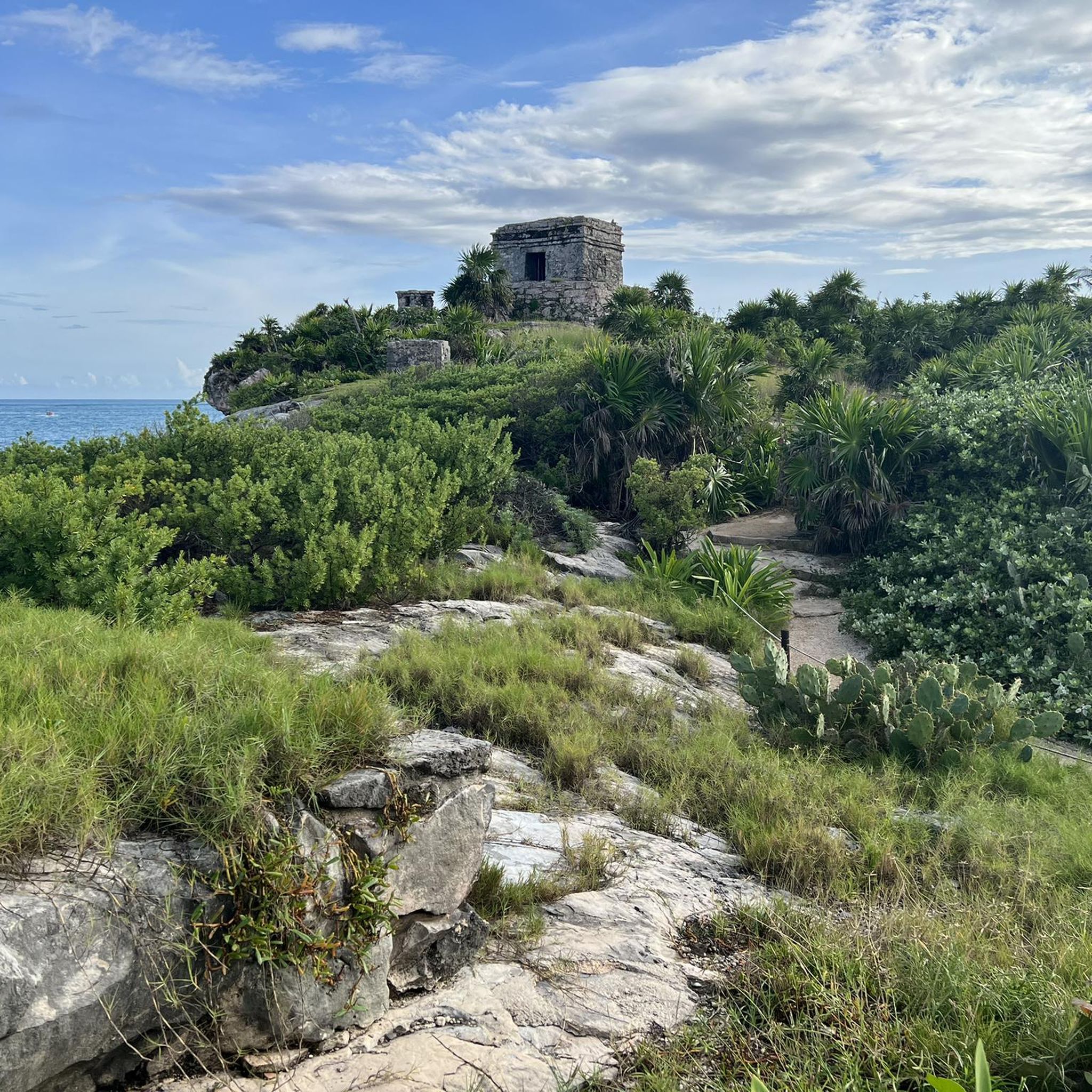
Tulum Mayan Ruins
Highlight (Segment) • Historical Site
(As of 05/2018) - The journey from Tulum is easily possible …
Translated by Google •
Tip by

Sandbank Trail to Punta Mosquito
Highlight • Trail
Translated by Google •
Tip by

Sign up now to discover places like this
Get recommendations on the best single tracks, peaks, & plenty of other exciting outdoor places.
Sign up for free
San Gervasio Mayan Ruins
Highlight • Historical Site
Tip by

Punta Sur Lighthouse
Highlight • Monument
Translated by Google •
Tip by

Cenote El Aerolito
Highlight • Cave
Translated by Google •
Tip by
Punta Sur Blowholes
Highlight • Natural Monument
Enjoy and respect
Tip by

Cenote Azul Bacalar
Highlight • Lake
Translated by Google •
Tip by

Bacalar Lagoon
Highlight • Lake
Translated by Google •
Tip by

Gran Cenote
Highlight • Cave
(As of 05/2018) …
Translated by Google •
Tip by
Banyan Tree at Terrazas
Highlight • Natural Monument
Translated by Google •
Tip by

Sign up for free to discover even more natural monuments in Quintana Roo.
Sign up for free
Already have an account?
Start today with a free account
Your next adventure awaits.
Login or Signup

Other adventures in Quintana Roo

Tips from the Community


In the north of Cozumel is the temple complex of San Gervasio. The moon and fertility goddess Ix Chel was worshipped in this temple complex. Pilgrims desiring children are known to have come here from all over Yucatan and the neighboring provinces.
1
0

At the last pier at the end of the street, you can cross a footbridge into the lagoon and there is no entrance fee. All other entrances are subject to a fee. Crystal clear fresh water and a lovely place to cool off in the water.
1
0

The Cenote Azul in Bacalar is one of the deepest natural pools in the entire Yucatan Peninsula. With an impressive depth of almost 90 m and a width of 200 m, it is more like a lake than a waterhole. It is an open cenote, meaning it is completely covered by limestone formations. The bright blue color is mesmerizing and many come to relax here all day. There is a rope running down the middle that you can use to rest while swimming in the water. A wide variety of fish also live beneath the iridescent surface.
1
0

Nice corner. Also some very nice bars and restaurants nearby. But be careful: not the cheapest
0
0

1
0

Great ruin complex, but there is only little shade, which is why you should not arrive in the midday sun. If you arrive individually, don't let the sometimes very aggressive and official-looking "guides" direct you to one of the parking lots. The official parking lot is right in front of the entrance and currently costs 100 pesos
5
0

Interesting Maya site with different buildings around temples. Due to its age, the condition is no longer the best, but you get a good impression.
1
0
Frequently Asked Questions
What types of natural monuments can I explore in Quintana Roo?
Quintana Roo offers a diverse range of natural monuments, from extensive biosphere reserves and ancient underground river systems to numerous cenotes and coastal features. You can explore tropical forests, coral reefs, mangroves, savannahs, and beautiful lagoons. Highlights include the vast Sian Ka'an Biosphere Reserve, the intricate cave systems of Rio Secreto, and various cenotes like Cenote Dos Ojos and Gran Cenote. The region also features stunning coastal areas and marine reserves.
Are there family-friendly natural attractions in Quintana Roo?
Yes, many natural monuments in Quintana Roo are suitable for families. For instance, Cenote Azul Bacalar and Bacalar Lagoon offer refreshing swimming opportunities. Xel-Há Park is known as a natural aquatic park with unlimited snorkeling and activities for all ages. Cenote Dos Ojos also provides facilities and various dive routes suitable for families. Additionally, the Tulum Mayan Ruins are considered family-friendly, offering a blend of history and a pleasant coastal environment.
What unique natural features can I observe in Quintana Roo's natural monuments?
You can observe a variety of unique natural features. The Sian Ka'an Biosphere Reserve is home to 'petenes' (tree islands) and diverse ecosystems including tropical forests and coral reefs. Underground systems like Rio Secreto and Cenote Dos Ojos showcase stunning stalactites, stalagmites, and crystal-clear underground rivers. Coastal areas feature phenomena like the Punta Sur Blowholes, and the Sandbank Trail to Punta Mosquito offers a unique water hike experience.
What kind of wildlife can I expect to see in Quintana Roo's natural areas?
Quintana Roo is rich in biodiversity. In the Sian Ka'an Biosphere Reserve, you might spot spider monkeys, howler monkeys, American crocodiles, jaguars, pumas, tapirs, and four species of sea turtles, along with over 300 bird species. The Reserva de la Biosfera Caribe Mexicano protects marine life including whale sharks, bull sharks, and sea turtles. Xel-Há Park is a natural aquarium teeming with over 90 species of tropical fish and 80 species of coral. Rio Secreto's tropical forest is also home to animals like deer and jaguars.
Are there opportunities for hiking or other outdoor activities near these natural monuments?
Yes, Quintana Roo offers various outdoor activities. For hiking, you can explore trails near the Tulum Mayan Ruins or the many hiking routes available in the region. The Sandbank Trail to Punta Mosquito is a unique water hike. For cycling enthusiasts, there are road cycling routes, and runners can find running trails throughout Quintana Roo. Many cenotes and parks like Xel-Há also offer snorkeling, swimming, and kayaking.
What is the best time of year to visit Quintana Roo's natural monuments?
The best time to visit Quintana Roo's natural monuments is generally during the dry season, from November to April. During these months, the weather is typically cooler and less humid, with lower chances of rain, making outdoor exploration more comfortable. This period avoids the hurricane season and the intense heat and humidity of summer.
What should I pack when visiting cenotes or underground rivers in Quintana Roo?
When visiting cenotes or underground rivers like Rio Secreto, it's advisable to pack swimwear, a towel, water shoes or sandals with good grip, and a change of clothes. Biodegradable sunscreen and insect repellent are often recommended or required to protect the delicate ecosystems. Many locations also offer lockers for valuables. For places like Gran Cenote, snorkeling gear can enhance your experience.
Are there any historical or cultural sites integrated with the natural monuments?
Yes, Quintana Roo's natural monuments often have significant historical and cultural connections. The Sian Ka'an Biosphere Reserve contains 23 known ancient Mayan archaeological sites, including Muyil. The Tulum Mayan Ruins are a prime example, offering a historical site directly overlooking the Caribbean Sea. Xcaret Park also features authentic Mayan ruins alongside its natural attractions. The ancient Mayans revered underground rivers like Rio Secreto as sacred.
What are some lesser-known natural monuments worth visiting in Quintana Roo?
Beyond the most famous sites, consider visiting Cenote El Aerolito, a unique cave and lake system. The Banyan Tree at Terrazas offers a distinctive natural landmark. For a blend of history and nature, the San Gervasio Mayan Ruins on Cozumel provide an interesting experience.
Is it possible to visit Sian Ka'an Biosphere Reserve without a car?
While having a car offers flexibility, it is possible to visit Sian Ka'an Biosphere Reserve without one. Many tour operators offer guided excursions from nearby towns like Tulum, which often include transportation. These tours can provide access to different parts of the reserve and activities like boat rides through mangroves. For more detailed information on visiting, you can check resources like visitsiankaan.com.
What do visitors enjoy most about the natural monuments in Quintana Roo?
Visitors frequently highlight the breathtaking natural beauty, the opportunity for unique experiences like swimming in cenotes or exploring underground rivers, and the rich biodiversity. Many appreciate the blend of nature and history, especially at sites like the Tulum Mayan Ruins. The crystal-clear waters, vibrant marine life, and the tranquility of places like Bacalar Lagoon are also highly praised. The komoot community has shared 286 photos and given 47 upvotes, reflecting the widespread appreciation for these sites.
Most popular routes in Quintana Roo
Most popular attractions in Quintana Roo

Get inspired with the komoot mobile app


Didn’t find what you were looking for?
Find even more amazing natural monuments in Quintana Roo by checking out the top Highlights region by region:
Explore more
Extend your search for the best caves by checking out these guides of the top ones in Quintana Roo:
