Top 4 Natural Monuments in La Altagracia
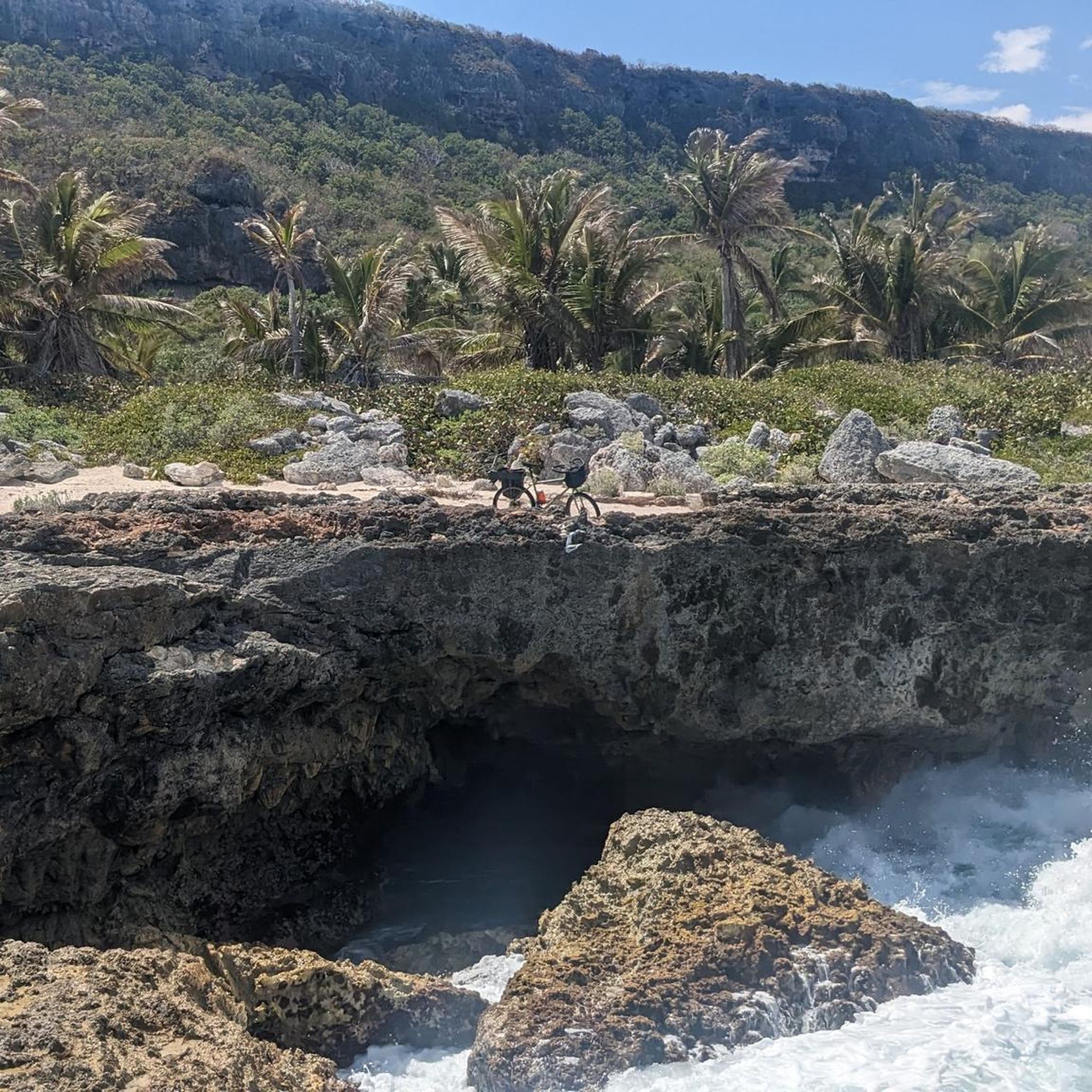
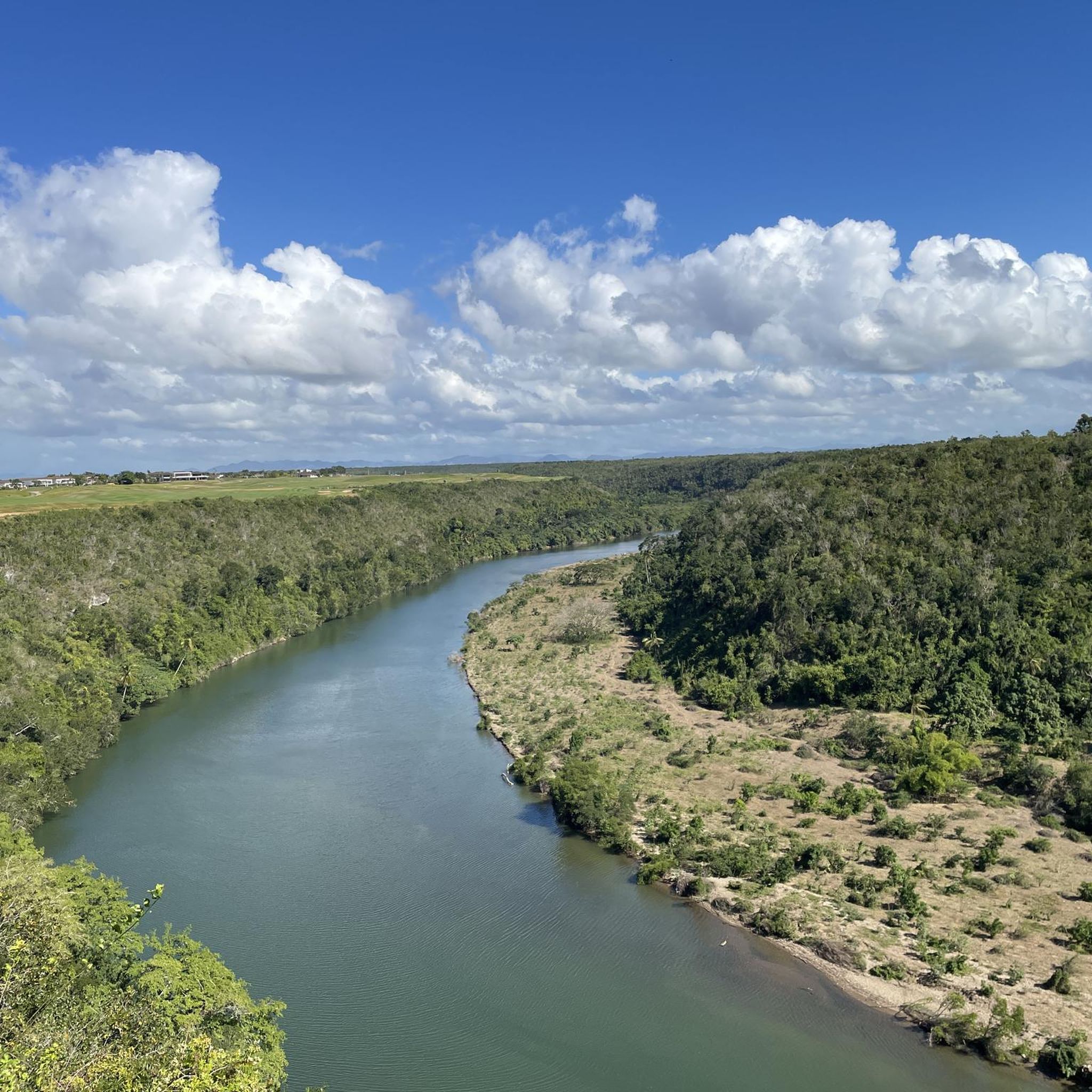
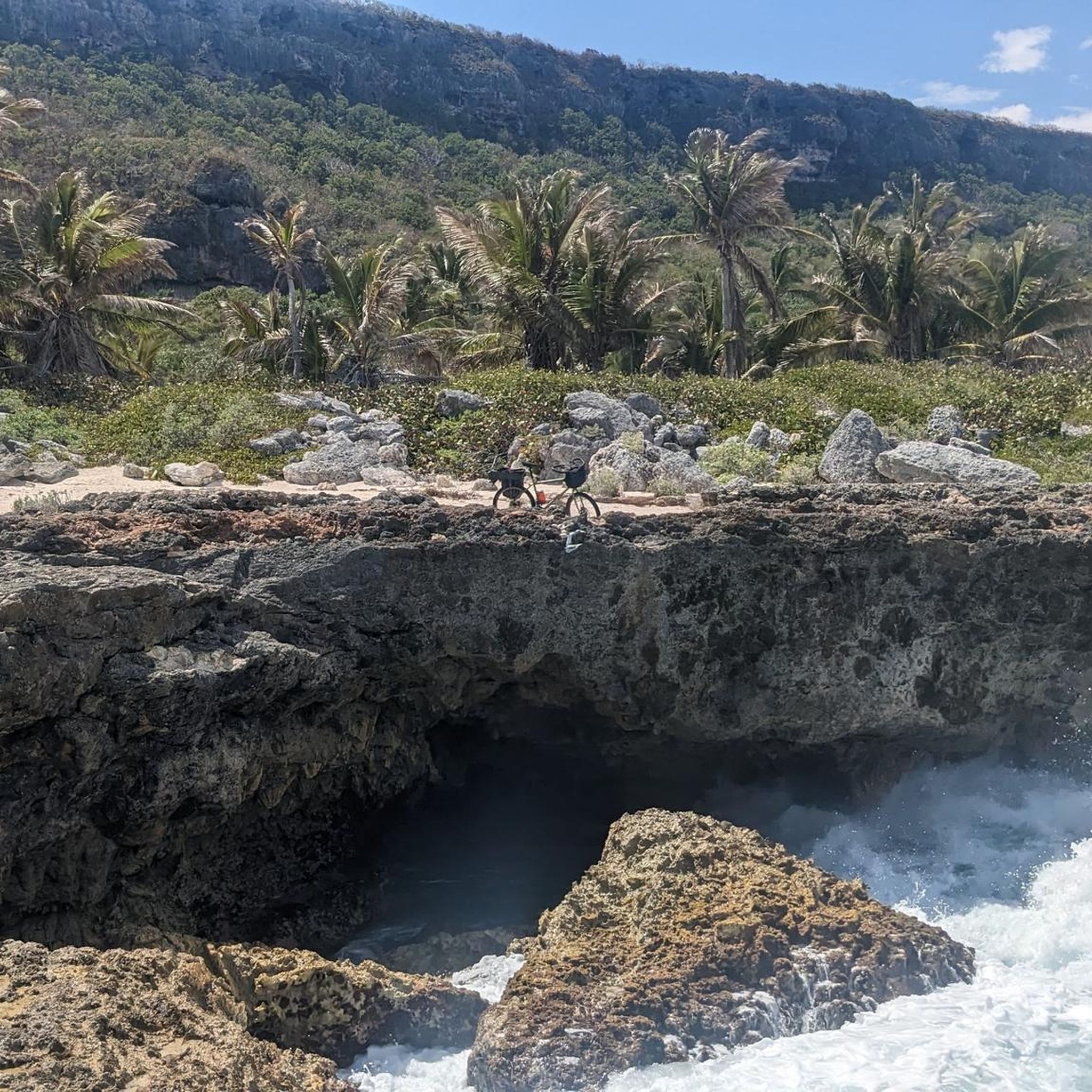
Best natural monuments in La Altagracia offer diverse natural landscapes, from ancient caves to unique geological formations. This eastern province of the Dominican Republic features a variety of ecosystems, including forests and underground water systems. Visitors can explore these sites to experience the region's natural beauty and historical significance. The area provides opportunities for outdoor activities centered around its natural attractions.
Best natural monuments in La Altagracia
- The most popular natural monuments is Upside-Down Tree (Árbol Patas Arriba), a natural monument that was toppled by a hurricane and continued to grow in a unique fashion. Its unusual appearance makes it a curious natural landmark.
- Another must-see spot is Chicho II Cave, a cave with bathing possibilities in cold, refreshing water. Visitors should bring a flashlight and bathing shoes for the slippery descent into this optically clear water cave.
- Visitors also love Rode Pasa Arriba Trail, a path over karst rock that leads directly to a cave. This circular route is worth walking to see many different plants, from small orchids to meter-high cacti.
- La Altagracia is known for its caves, trails, and unique natural formations. The region offers a variety of natural monuments to see and explore, providing diverse experiences for outdoor enthusiasts.
- The natural monuments in La Altagracia are appreciated by the komoot community, with 16 upvotes and 66 photos shared by visitors.
Last updated: July 15, 2026
Chicho II Cave
Highlight • Cave
Translated by Google •
Tip by

Rode Pasa Arriba Trail
Highlight • Trail
Translated by Google •
Tip by

Sign up now to discover places like this
Get recommendations on the best single tracks, peaks, & plenty of other exciting outdoor places.
Sign up for free
Upside-Down Tree (Árbol Patas Arriba)
Highlight • Natural Monument
Translated by Google •
Tip by
Taíno Cave Pool
Highlight • Cave
Translated by Google •
Tip by

Bat Cave
Highlight • Cave
Translated by Google •
Tip by

Start today with a free account
Your next adventure awaits.
Login or Signup
Popular around La Altagracia
Tips from the Community

Really cool. This trail is not in the map but absolutely worth doing!
0
0
Really cool hike. Especially if you take the footpath from the end of the first parking space (there are two large signs)
0
0

The Cueva del Chicho is one of the most important underground caves in the country. Located in the Cotubanamá National Park, the crystal clear aquamarine waters draw many visitors. There are also numerous petroglyphs attesting to the Taino presence at this site. You can dive in the fresh blue waters that resemble a lake. If you are a certified cave diver, you can go deep diving with licensed operators in Bayahibe or La Romana.
0
0


Many only look into the cave from above and turn around (the water is so clear that you can hardly see it from the outside) - big mistake! Swimming is quite unproblematic, the rocks are such that you can easily get in and out without bathing shoes. But good lighting is very important (I always have a headlamp and flashlight with me)!
0
0
I cannot give the exact position because there is no GPS reception in the cave. But shortly before the end of the main cave there is - quite well camouflaged - on the right a second, almost as big cave! But for that you definitely need more than just a mobile phone flashlight, it is absolutely dark! But then you have the cave to yourself, with more stalactites and lots of bats!
3
0

Take a torch with you
3
1
Frequently Asked Questions
What are some unique natural monuments to explore in La Altagracia?
La Altagracia offers several distinctive natural monuments. You can visit the Upside-Down Tree (Árbol Patas Arriba), a tree that was toppled by a hurricane but continued to grow in a unique fashion, making it a curious landmark. Another fascinating site is the Chicho II Cave, known for its crystal-clear aquamarine waters and impressive geological formations.
Are there natural monuments in La Altagracia where I can swim?
Yes, several natural monuments offer opportunities for swimming. The Chicho II Cave features a cold, refreshing underground spring where visitors can take a dip. Similarly, the Taíno Cave Pool provides another chance to cool off from the Caribbean heat in a natural cave setting. The Indigenous Eyes Ecological Park, while not a highlight in this guide, also features freshwater lagoons perfect for swimming.
What kind of wildlife can I expect to see at the natural monuments in La Altagracia?
La Altagracia's natural monuments are home to diverse wildlife. In areas like Cotubanamá National Park and Indigenous Eyes Ecological Park, you might spot iguanas, freshwater turtles (hicoteas), and various bird species, including the endangered Ridgway Hawk. Caves like the Bat Cave are, as the name suggests, home to bats, and some underwater cave systems even contain unique cave-adapted shrimp and worms.
Are there hiking opportunities near the natural monuments in La Altagracia?
Absolutely. The region provides various hiking opportunities. For instance, the Rode Pasa Arriba Trail is a path over karst rock that leads directly to a cave, offering a circular route to see diverse plant life. For more extensive hiking, you can explore trails within Cotubanamá National Park. You can find more hiking routes in the region by visiting the Hiking in La Altagracia guide.
What historical or cultural aspects are associated with La Altagracia's natural sites?
Many natural sites in La Altagracia hold significant historical and cultural value. Caves like Chicho II Cave and those within Cotubanamá National Park feature ancient Taíno petroglyphs and pictographs, offering a glimpse into the island's indigenous past. These artworks provide a direct connection to the first inhabitants of the Dominican Republic.
What is the best time of year to visit La Altagracia's natural monuments?
The Dominican Republic generally enjoys warm weather year-round. However, the dry season, typically from December to April, is often considered the best time to visit. During these months, you'll experience less rainfall and comfortable temperatures, making outdoor activities like exploring caves and hiking trails more enjoyable.
What should I wear or bring when visiting natural monuments in La Altagracia?
When visiting natural monuments, especially caves, it's advisable to bring a flashlight or headlamp, as some areas can be quite dark. For sites like Chicho II Cave, bathing shoes are recommended for the slippery descent and to protect your feet in the water. Comfortable walking shoes are essential for trails, and swimwear if you plan to take a dip in any of the natural pools.
Are there any natural monuments in La Altagracia that are considered 'hidden gems'?
While many sites are well-known, the Taíno Cave Pool, though close to a larger cave, offers a slightly less frequented spot to refresh yourself. The Bat Cave, especially its less obvious second chamber, can feel like a hidden discovery for those willing to explore deeper with proper equipment, offering a unique experience with abundant stalactites and bats.
How challenging are the trails or access to these natural monuments?
The difficulty varies by monument. Many trails, like the Rode Pasa Arriba Trail, are rated as intermediate, involving paths over karst rock. Access to caves like Chicho II Cave can involve slippery descents. Some cave systems, like the Bat Cave, are specifically for certified challenging divers. Always check specific highlight details for difficulty ratings.
What other outdoor activities can I do in La Altagracia besides visiting natural monuments?
Beyond natural monuments, La Altagracia offers a wide range of outdoor activities. You can find numerous running trails, cycling routes, and more hiking options throughout the province. Popular beaches like Macao Beach and Bavaro Beach are excellent for surfing, swimming, kayaking, and snorkeling. For more detailed information on routes, explore the Running Trails in La Altagracia and Cycling in La Altagracia guides.
Are there family-friendly natural monuments in La Altagracia?
Yes, several natural monuments and parks are suitable for families. The Indigenous Eyes Ecological Park, for example, offers scenic hiking trails, natural-history exhibits, and even a petting zoo, making it ideal for all ages. Swimming in the clear lagoons of the park or the refreshing waters of Chicho II Cave can also be a memorable family experience.
Can I find natural monuments that offer a beach experience in La Altagracia?
While the natural monuments themselves might not be beaches, La Altagracia is renowned for its stunning coastline. Macao Beach is known for its unspoiled landscape, white sands, and consistent waves, making it great for surfing and swimming. Bavaro Beach, a Blue Flag certified beach, offers long stretches of white sand and clear turquoise waters, perfect for various water activities and relaxation.
Most popular attractions in La Altagracia

Get inspired with the komoot mobile app


Didn’t find what you were looking for?
Find even more amazing natural monuments in La Altagracia by checking out the top Highlights region by region:
Explore more
Extend your search for the best caves by checking out these guides of the top ones in La Altagracia:
