Top 9 Natural Monuments in Pinar Del Río
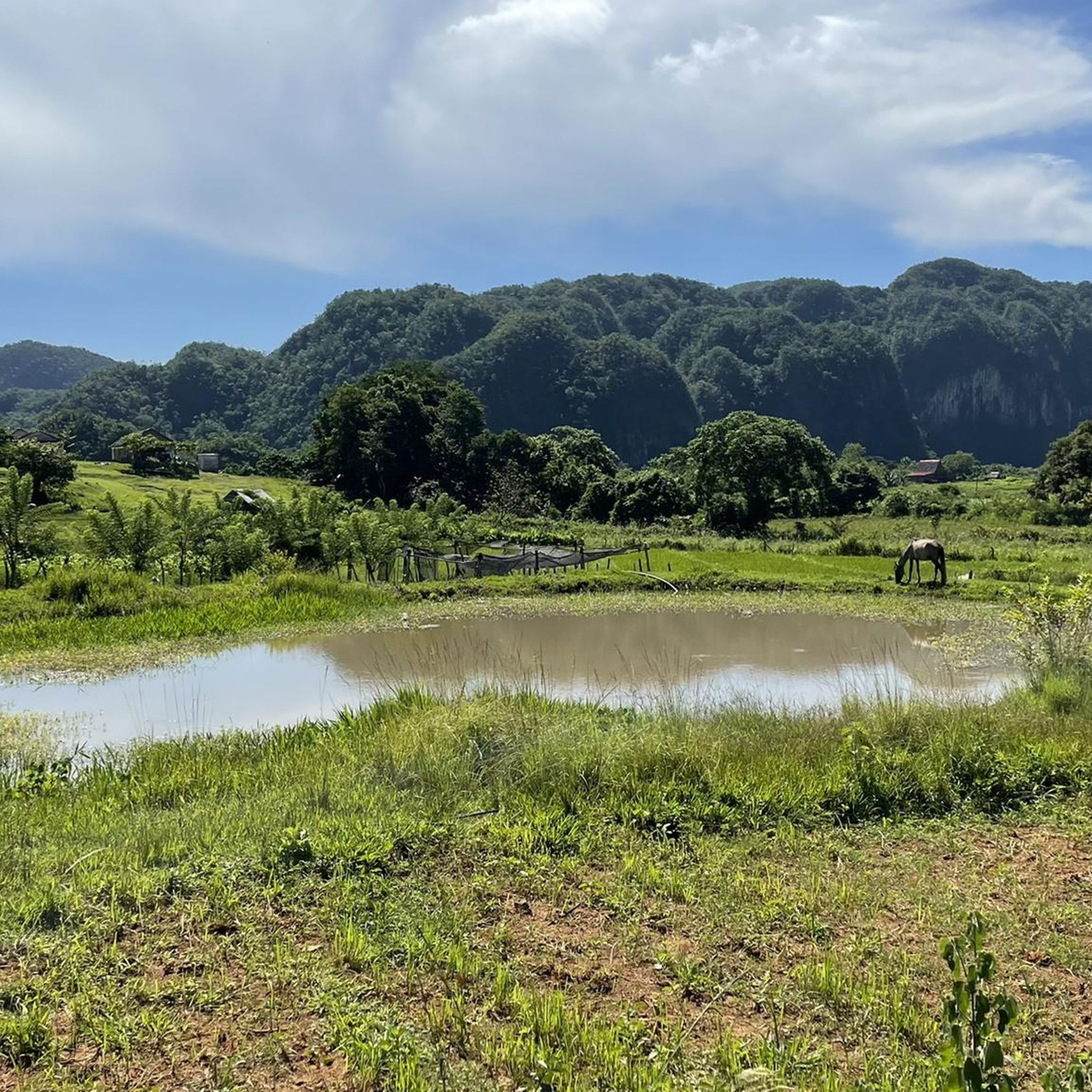
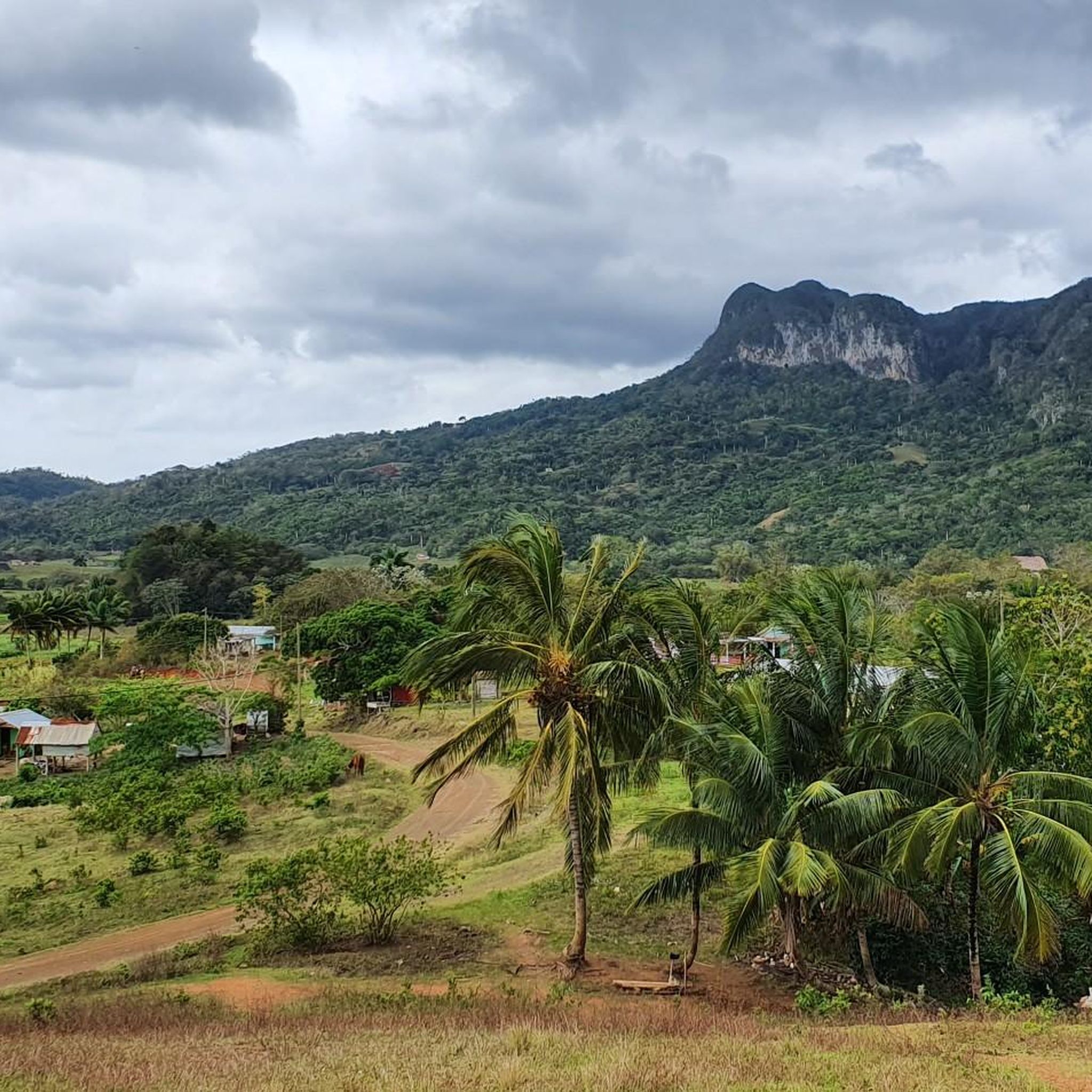
Best natural monuments in Pinar Del Río showcase a landscape characterized by unique geological formations and rich biodiversity. The region features karstic valleys, extensive cave systems, and protected biosphere reserves. These natural features contribute to its designation as Cuba's "cathedral of nature." Visitors can explore diverse ecosystems, from towering mogotes to pristine coastal areas.
Best natural monuments in Pinar Del Río
- The most popular natural monuments is Viñales Valley, a natural monument known for its dramatic "mogotes" and tobacco…
Last updated: July 1, 2026
Mural of Prehistory
Highlight • Monument
Amidst the fertile landscape, a Mexican artist painted a gigantic picture on a rock, the Mural de la Prehistoria, the Prehistoric Wall. It was completed in …
Translated by Google •
Tip by

Viñales Valley
Highlight • Natural Monument
Translated by Google •
Tip by

Sign up now to discover places like this
Get recommendations on the best single tracks, peaks, & plenty of other exciting outdoor places.
Sign up for free
Cueva de la Vaca
Highlight • Cave
Tip by

Beautiful stalactites in Cueva del Indio
Highlight • Cave
Translated by Google •
Tip by

Bella Vista Viewpoint, Viñales Valley
Highlight • Viewpoint
Tip by

Cueva de Santo Tomás
Highlight • Cave
Translated by Google •
Tip by

Cueva del Indio Cave Exit
Highlight • Cave
Translated by Google •
Tip by
San Juan de los Baños Waterfall
Highlight • Waterfall
Translated by Google •
Tip by

View from the Cave in Viñales National Park
Highlight (Segment) • Cave
Translated by Google •
Tip by

View of the Viñales Valley
Highlight • Viewpoint
Translated by Google •
Tip by

Start today with a free account
Your next adventure awaits.
Login or Signup
Popular around Pinar Del Río
Tips from the Community

A short cave through the Mongotes, which is also home to bats.
2
0
The cave itself is very short and unspectacular, but it offers a brief moment of cooling off in the heat. Bats are sometimes present.
1
0
From the entrance of the cave you have a beautiful view of the valley
1
0
Attracted by local guides, this stone monitor lizard or dinosaur lies in wait for unsuspecting "fresh tourists," as the guides cheerfully call through the cave
1
0
The Cueva del Indio has beautiful limestone formations on the ceiling
1
0
Most of the travel in the Cueva del Indio is done by small boat. Unfortunately, this boat has a gasoline engine, which makes it extremely loud and fills the entire cave with a stink.
1
0

Immediately next to the entrance of "Las Terrazas" the river basin has a very nice, small beach.
2
0
When hiking in the Vinales Valley in Cuba, you pass through the Cueva de la Vaca (cave), which is reached via a steep climb.
2
0
Frequently Asked Questions
What are the most popular natural monuments in Pinar del Río?
The most popular natural monument is the Viñales Valley, a UNESCO World Heritage Site known for its dramatic "mogotes" and traditional tobacco cultivation. Other highly regarded spots include Cueva de la Vaca, where you can walk through a cave, and the Mural of Prehistory, a gigantic rock painting within the valley.
Are there family-friendly natural monuments in Pinar del Río?
Yes, several natural monuments are suitable for families. The Viñales Valley offers gentle trails and cultural experiences. The Cueva del Indio features a short boat ride through an underground river, which is often a hit with children. The Mural of Prehistory is also considered family-friendly, offering a unique visual experience.
What kind of natural features can I expect to see in Pinar del Río's natural monuments?
Pinar del Río is renowned for its unique karstic landscapes. You'll encounter towering limestone hills called "mogotes," extensive cave systems with stalactites and stalagmites like those in Cueva del Indio and Cueva de Santo Tomás, and fertile valleys. The region also boasts rich biodiversity, including endemic flora like the cork palm, and protected areas like the Sierra del Rosario Biosphere Reserve.
What outdoor activities can I do near these natural monuments?
The natural monuments in Pinar del Río offer a variety of outdoor activities. The Viñales Valley is popular for hiking, biking, and horseback riding. You can explore trails like "The Plains of Valle de Viñales" or "Cueva de la Vaca" loops. For more hiking options, check out the Hiking in Pinar del Río guide. Cycling is also popular, with routes like the "Gran Caverna de Santo Tomás – Viñales Valley loop" available in the Cycling in Pinar del Río guide.
Are there viewpoints offering panoramic views of the natural monuments?
Yes, the region offers stunning panoramic viewpoints. The Bella Vista Viewpoint in the Viñales Valley is particularly famous for its expansive views of the mogotes and tobacco plantations. Other excellent spots include the general View of the Viñales Valley and various points within the valley itself, such as from Hotel Los Jazmines and Hotel La Ermita.
What is the best time to visit the natural monuments in Pinar del Río?
The best time to visit Pinar del Río's natural monuments is generally during the dry season, from November to April. During these months, the weather is cooler and less humid, making outdoor activities like hiking and exploring caves more comfortable. The rainy season, from May to October, can bring heavy downpours, which might affect trail conditions.
Are there any unique geological formations or caves to explore?
Pinar del Río is famous for its unique karstic geology. The Viñales Valley is characterized by its iconic "mogotes." The region also hosts extensive cave systems, including the Gran Caverna de Santo Tomás, Cuba's largest cave system, and the Cueva del Indio, where you can take a boat ride through an underground river.
What kind of wildlife can be observed in the natural monuments?
The natural monuments and protected areas in Pinar del Río are rich in biodiversity. In the Sierra del Rosario Biosphere Reserve, you can find nearly 600 endemic plant species and a variety of birds, including the national bird, the Tocororo (Cuban Trogon), woodpeckers, and hummingbirds. The Guanahacabibes Peninsula is a crucial spawning ground for four species of sea turtles.
Are there any cultural or historical sites integrated with the natural monuments?
Yes, the Viñales Valley is recognized as a UNESCO Cultural Landscape, where traditional agricultural practices, particularly tobacco cultivation, are harmoniously integrated with the natural environment. The Mural of Prehistory is a notable man-made monument painted on a mogote, depicting the evolutionary history of life.
What are some lesser-known natural attractions or 'hidden gems' in Pinar del Río?
Beyond the well-known Viñales Valley, the Sierra del Rosario Biosphere Reserve offers a unique ecotourism experience with its rainforests and the sustainable community of Las Terrazas. The Guanahacabibes Peninsula, a UNESCO Biosphere Reserve, provides pristine natural environments and is vital for sea turtle conservation. Additionally, the offshore cayos like Cayo Levisa and Cayo Jutías offer stunning white-sand beaches and coral reefs for snorkeling and relaxation.
Are there opportunities for easy or beginner-friendly hikes?
Yes, Pinar del Río offers several easy and beginner-friendly hiking options, particularly within the Viñales Valley. Trails like "The Plains of Valle de Viñales" and "Mural of Prehistory" loops are generally considered easy. You can find more details on these and other accessible routes in the Easy hikes in Pinar del Río guide.
What should I wear when visiting the natural monuments?
For exploring the natural monuments, especially if you plan on hiking or caving, it's recommended to wear comfortable, breathable clothing. Sturdy walking shoes or hiking boots are essential for uneven terrain. If visiting caves, a light jacket might be useful as temperatures can be cooler underground. Don't forget sun protection, including a hat and sunscreen, and insect repellent.
Most popular attractions in Pinar Del Río

Get inspired with the komoot mobile app


Didn’t find what you were looking for?
Find even more amazing natural monuments in Pinar Del Río by checking out the top Highlights region by region:
Explore more
Extend your search for the best caves by checking out these guides of the top ones in Pinar Del Río:
