Top 7 Natural Monuments in Valladolid
Best natural monuments in Valladolid are primarily found in the region of Valladolid, Mexico, characterized by unique geological formations. The landscape features numerous cenotes, which are natural sinkholes filled with freshwater, formed by collapsed limestone bedrock. These sites offer distinct aquatic environments for exploration. The area provides diverse natural attractions for visitors.
Best natural monuments in Valladolid
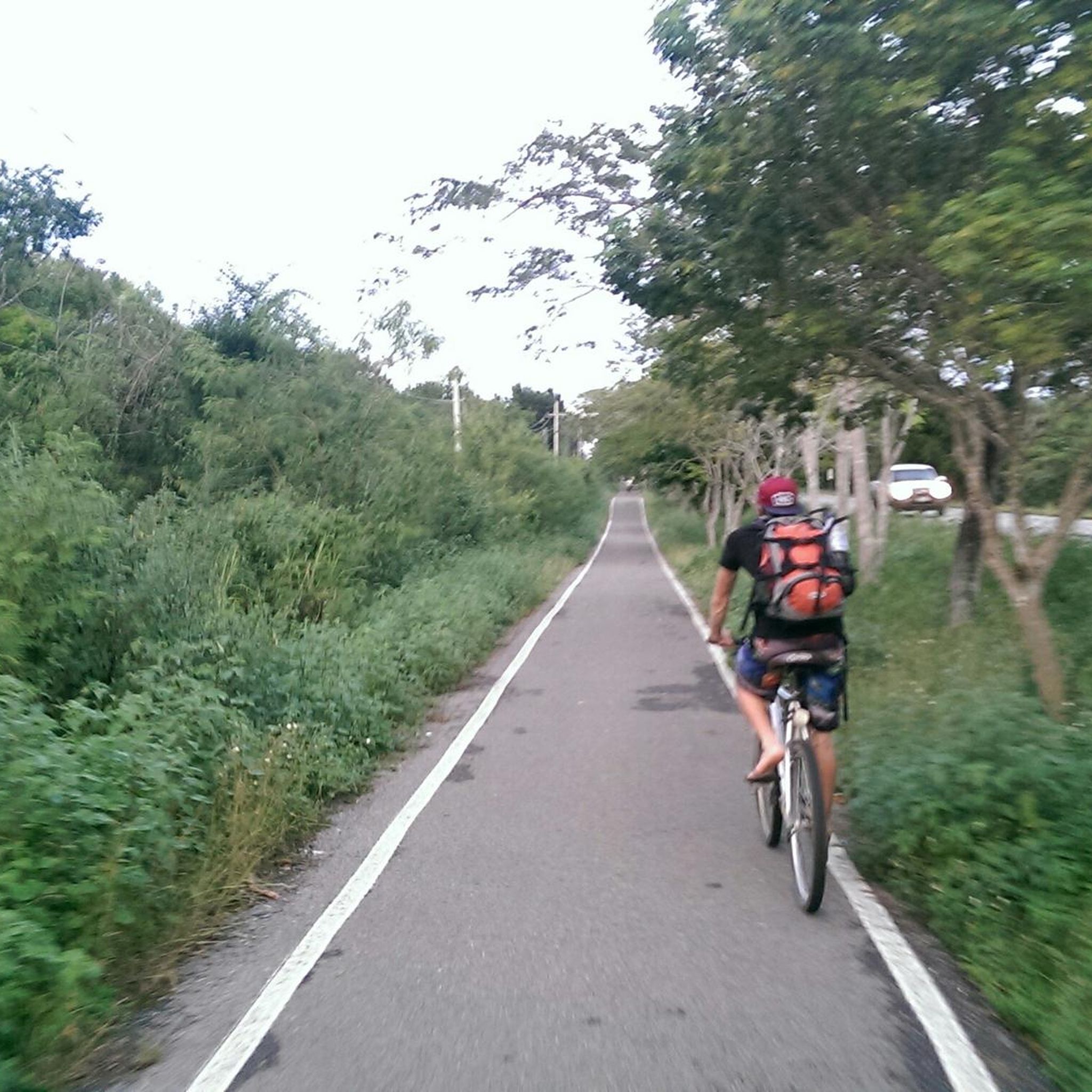
- The most popular natural monuments is Cycleway from Valladolid to Cenotes X'kekén and Samulá, a cycle way that brings you from Valladolid…
Last updated: May 20, 2026
Cycleway from Valladolid to Cenotes X'kekén and Samulá
Highlight (Segment) • Cycleway
Tip by

Cenote Oxmán
Highlight • Natural Monument
Translated by Google •
Tip by

Sign up now to discover places like this
Get recommendations on the best single tracks, peaks, & plenty of other exciting outdoor places.
Sign up for free
X'keken Cenote
Highlight • Cave
Translated by Google •
Tip by

Chechén and Chacá Trees
Highlight • Natural Monument
Translated by Google •
Tip by

Cenote Saamal
Highlight • Natural Monument
Translated by Google •
Tip by
Cenote Yun Chen
Highlight • Cave
Translated by Google •
Tip by

Cenote Suytun
Highlight • Cave
Translated by Google •
Tip by
Start today with a free account
Your next adventure awaits.
Login or Signup
Popular around Valladolid

Other adventures in Valladolid

Tips from the Community

A cenote is a karst cave with groundwater access, which can often be seen as a large limestone hole due to the collapse of the cave ceiling. They are always filled with fresh water.
3
0

Very nice, however, also a tourist high-quality processed natural spectacle. If you like queuing, go there.
4
0

You can also leave the info at jan.vanpuyvelde@wiegwijs.be
0
1
Dear, I would like to cycle in Valladolid with my family. My wife, I and 3 children (17,12 and 8 years). Do you know a place in Valladolid where I can rent bicycles? Also for the youngest child?
0
1

Beautiful hacienda on whose property the cenote worth seeing is located.
1
0
A really beautiful cenote, which apparently is often visited by "influencers" to put themselves in the right light on photos and then post them on Instagram ;-). If you get there early, it can still be relatively quiet.
3
0
Very nice cenote, which is busy depending on the time of day. As time progressed in the afternoon we were almost alone and were able to take photos in the water without the many tourists.
4
0
This cenote is very photogenic, so visitors can also be photographed on the platform on the assembly line. Later in the afternoon fewer people there than feared. According to reports, large buses with tourists come until the early afternoon.
2
0
Frequently Asked Questions
What types of natural monuments can I explore in Valladolid, Mexico?
Valladolid, Mexico, is renowned for its unique geological formations, primarily cenotes. These natural sinkholes, filled with crystal-clear freshwater, are formed by collapsed limestone bedrock and offer distinct aquatic environments for swimming, snorkeling, and diving. The region also features nature reserves with diverse flora and fauna.
Are there family-friendly natural monuments in Valladolid?
Yes, many natural monuments in Valladolid are family-friendly. Cenotes like X'keken and Samulá, Cenote Oxmán, and Cenote Suytun are popular choices for families, offering safe swimming and unique experiences. The cycleway from Valladolid to Cenotes X'kekén and Samulá is also an easy and fun activity for all ages.
What are some of the most popular cenotes to visit near Valladolid?
Among the most popular cenotes are Cenote Oxmán, known for its beautiful setting within a hacienda, and X'keken Cenote, a stunning cave cenote. Cenote Suytun is also highly regarded for its photogenic qualities with a beam of light illuminating a central platform.
What is the best time to visit the natural monuments in Valladolid?
To avoid crowds, especially at popular spots like X'keken Cenote and Cenote Oxmán, it is recommended to visit early in the day, particularly during peak season. The cenotes offer a refreshing experience year-round.
Are there opportunities for cycling to natural monuments from Valladolid?
Yes, there is an excellent cycleway from Valladolid to Cenotes X'kekén and Samulá. This route is considered easy to ride, even with rental bicycles, and takes about half an hour. You can rent bikes in Valladolid and explore various cenotes nearby.
What unique natural features can I find besides cenotes?
Beyond the cenotes, you can discover unique botanical features such as the Chechén and Chacá Trees. These trees are significant in Mayan mythology, with the Chechén known for its irritating resin and the Chacá for providing relief. The Punta Laguna Nature Reserve also offers a rich biodiversity with monkeys and various birds.
What outdoor activities can I do near the natural monuments?
The region around Valladolid offers various outdoor activities. You can enjoy cycling on routes like the Cenote Saamal – X'keken Cenote loop or the Cenote Saamal – Cenote Oxmán loop. Hiking is also popular, with easy trails such as the Ek Balam Archaeological Site loop or the Valladolid sign – Iglesia de San Servacio loop.
Are there any hidden gems or less crowded natural monuments?
While popular cenotes can get busy, visiting early in the morning can offer a more peaceful experience. For a more off-the-beaten-path feel, consider exploring Cenote Yun Chen, which is less frequently mentioned in general tourist guides, or the Punta Laguna Nature Reserve for a broader natural experience away from the main cenote circuit.
What should I wear when visiting the cenotes?
When visiting cenotes, it's advisable to wear swimwear, comfortable shoes or water shoes, and bring a towel. Many cenotes are underground or semi-open, so the water can be cool and refreshing. Biodegradable sunscreen is often recommended or required to protect the delicate ecosystem.
What do visitors enjoy most about the natural monuments in Valladolid?
Visitors frequently praise the impressive beauty of the cenotes, highlighting the unique experience of swimming in crystal-clear waters within stunning cave formations. The opportunity to cool down after a bike ride and the photogenic nature of spots like Cenote Suytun are also highly appreciated.
Is there parking available at the natural monuments?
Many of the more developed cenotes, such as Cenote Oxmán and the complex housing X'keken and Samulá, offer parking facilities, often as part of a larger tourist attraction or hacienda. It's generally easy to find parking when driving to these sites.
Can I find wildlife at the natural monuments?
Yes, especially in nature reserves like Punta Laguna (Otoch Ma'ax yetel Kooh), which is a haven for biodiversity. Here, you can find populations of spider and howler monkeys, pumas, and a variety of birds. Even around the cenotes, you might spot local birdlife or other small creatures.
Most popular attractions in Valladolid

Get inspired with the komoot mobile app


