Top 9 Natural Monuments around Llwyn-Y-Pia
Best natural monuments around Llwyn-Y-Pia showcase the rugged beauty of South Wales, nestled in the Rhondda Fawr Valley. This area provides opportunities for outdoor enthusiasts and those seeking picturesque landscapes. Notable features include the Pen-Pych Waterfall and Llwynypia Mountain, which encompasses the Glyncornel Nature Reserve and Glyncornel Lake. The region offers diverse natural features, from dramatic waterfalls to expansive mountain views.
Best natural monuments around Llwyn-Y-Pia
- The most popular natural monuments is Pen-Pych Waterfall, a viewpoint that features a…
Last updated: July 1, 2026
Pen-Pych Waterfall
Highlight • Viewpoint
Tip by

Giant's Bite
Highlight • Viewpoint
Tip by

Sign up now to discover places like this
Get recommendations on the best single tracks, peaks, & plenty of other exciting outdoor places.
Sign up for free
Cefn Eglwysilan Trig Point
Highlight • Natural Monument
Tip by

The Rocking Stone and the Gorsedd Circle
Highlight • Historical Site
Tip by

Tarren y Bwllfa
Highlight • Viewpoint
Stunning views of the Brecon Beacons and the former industrial landscape nearby.
Tip by

Sign up for free to discover even more natural monuments around Llwyn-Y-Pia.
Sign up for free
Already have an account?
Start today with a free account
Your next adventure awaits.
Login or Signup
Tips from the Community

Resembling something which should be found in Iceland, Pen Pych waterfall is a series of cascades which tumble over a sheer sided sedimentary rock face. The base of waterfall is enveloped by a half amphitheatre cliffs which only adds to the waterfalls impressive appearance. Theres is no plunge pool at the base of the falls, instead the tallest section spills 21m onto number of boulders which have tumbled from the cliffs above in years gone by. The path will lead you to a large rocky viewing area to the right hand side of the falls beneath the cliffs. You can climb up to the base of the falls, if you do do that take care as the rocks can be very slippery. (https://ohwhataknight.co.uk/blog/pen-pych-mountain-and-waterfall-hike-guide)
4
0

Beautiful waterfall with free parking easy trail up not to hard
1
1
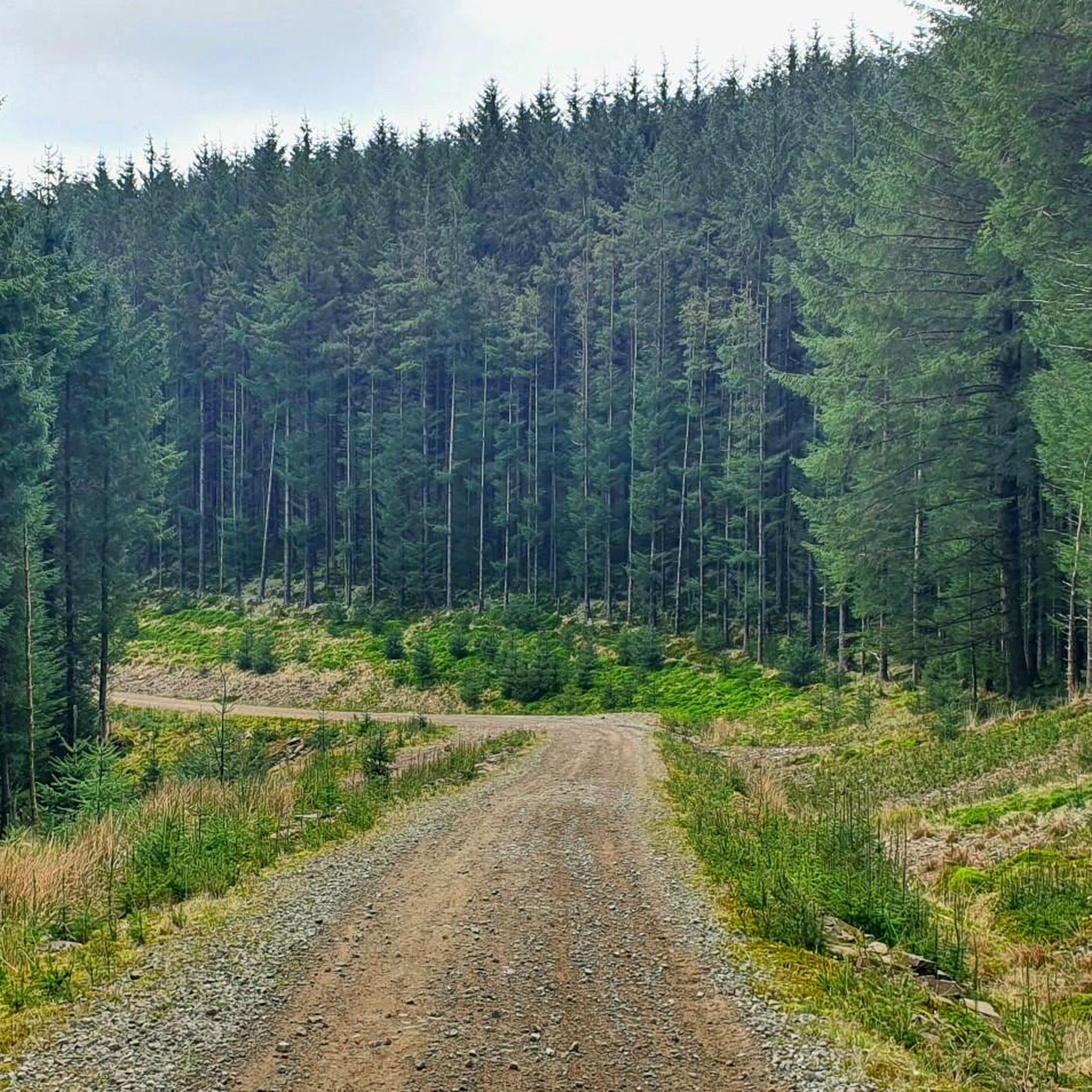
High above the A470 to the north of Quaker’s Yard, the Giant’s Bite is a dramatic gap in the skyline quarried from the ridge top at the former Cefn Glas mine and quarry. ❤️👌 The site was intensively grazed up to the mid-1990s when a large belt of native trees were planted on the lower slopes. These trees are now maturing and have helped to heal the visible mining scares. The shales forming the upper soil horizons support a wide variety of native flowering grassland species including wild strawberry, cowslip, foxglove and wild thyme, and the site is increasingly becoming re-vegetated by scrub species. Incredibly Fine views of the Taff and Cynon valleys are afforded from the summit ridge, while the line of the former Glamorganshire Canal is also discernible.
1
0

Wow! Tarren y Bwllfa looms large over the valley below. It is one of Britain's most Southerly glacial cwms. Stunning views of the Brecon Beacons and the former industrial landscape nearby.
3
0
A beautiful waterfall often overlooked by the masses as they head for more famous waterfalls in the Brecon Beacons. But you know better! Be aware that in places the footpath is narrow, uneven and very steep. You will need to take extra care in the wet / after prolonged rain.
5
1

Cefn Eglwysilan is a hill in South Wales, the twin 1,253 feet (382 m) summits of which lie just over one mile (2 km) east of Pontypridd in Rhondda Cynon Taf county borough. Its eastern side lies within the community of Aber Valley in Caerphilly county borough. Like neighbouring Mynydd Eglwysilan, the hill is named after the hamlet of Eglwysilan, the church here being dedicated to an obscure saint Ilan. A wireless transmission station is sited on the more northerly of the two summits (at OS grid ref ST 099911). The southerly one is crowned by a trig point. It is a UK listed Marilyn.
3
0

The Rocking Stone or "Y Maen Chwyf" in Welsh is a glacial boulder remaining from the Ice Age. It formed the central point for a "Gorsedd" or "Gathering of Bards" in 1814, which was organised by stonemason, Edward Williams, known as "Iolo Morganwg". The Gorsedd Circle of smaller stones was constructed in 1849 by Evan Davies, Bardic name "Myfyr Morganwg" and has often been used for Bardic gatherings, and as a focal point for other public occasions.
1
0

The Rocking Stone ('Y Maen Chwyf' in Welsh) is a glacial boulder left over from when ice sheets covered these lands. The stone circle that surrounds the stone was constructed in 1849 by Evan Davies. The site has often been used for Bardic gatherings and public events.
2
0
Frequently Asked Questions
What are some of the most popular natural monuments to visit around Llwyn-Y-Pia?
Visitors frequently enjoy the dramatic Pen-Pych Waterfall, known for its impressive cascades. Another favorite is Tarren y Bwllfa, a viewpoint offering extensive views of the Brecon Beacons. The Cefn Eglwysilan Trig Point, a summit with panoramic views, is also highly regarded.
Are there any natural monuments suitable for families with children?
Yes, The Rocking Stone and the Gorsedd Circle is considered family-friendly. This historical site features a glacial boulder and a stone circle, offering an interesting blend of natural history and cultural significance that can be enjoyed by all ages.
What kind of natural features can I expect to see in the Llwyn-Y-Pia area?
The region boasts diverse natural features. You can witness the powerful cascades of Pen-Pych Waterfall, explore the mountainous landscape of Llwynypia Mountain with its panoramic views, and discover the ecological interest of Glyncornel Nature Reserve. The area also features glacial formations like Tarren y Bwllfa, one of Britain's most southerly glacial cwms.
Are there any historical natural monuments or sites of cultural interest?
Absolutely. The Rocking Stone and the Gorsedd Circle is a significant historical natural monument. The Rocking Stone itself is a glacial boulder from the Ice Age, and the surrounding Gorsedd Circle was constructed in 1849, serving as a focal point for Bardic gatherings and public events.
What outdoor activities can I do near the natural monuments?
The Llwyn-Y-Pia area offers excellent opportunities for outdoor activities. You can find numerous hiking trails, including easy routes around Cwm Clydach Countryside Park, or more challenging treks up Llwynypia Mountain. There are also mountain biking trails available for those seeking a more adventurous ride. For a comprehensive list of routes, explore the hiking guides and MTB guides for the region.
Are there any challenging hikes to natural monuments in the area?
Yes, the trek up Llwynypia Mountain is considered challenging but offers rewarding panoramic views of the Rhondda valleys, extending as far as Cardiff on a clear day. The path to Pen-Pych Waterfall can also be steep and uneven in places, requiring extra care, especially after rain.
What do visitors enjoy most about the natural monuments in Llwyn-Y-Pia?
Visitors particularly appreciate the dramatic and beautiful natural spectacles, such as the cascades of Pen-Pych Waterfall. The extensive and fine views from viewpoints like Giant's Bite and Tarren y Bwllfa are also highly praised. Many enjoy the sense of natural regeneration in areas that were once industrial landscapes.
Where can I find panoramic views of the surrounding valleys?
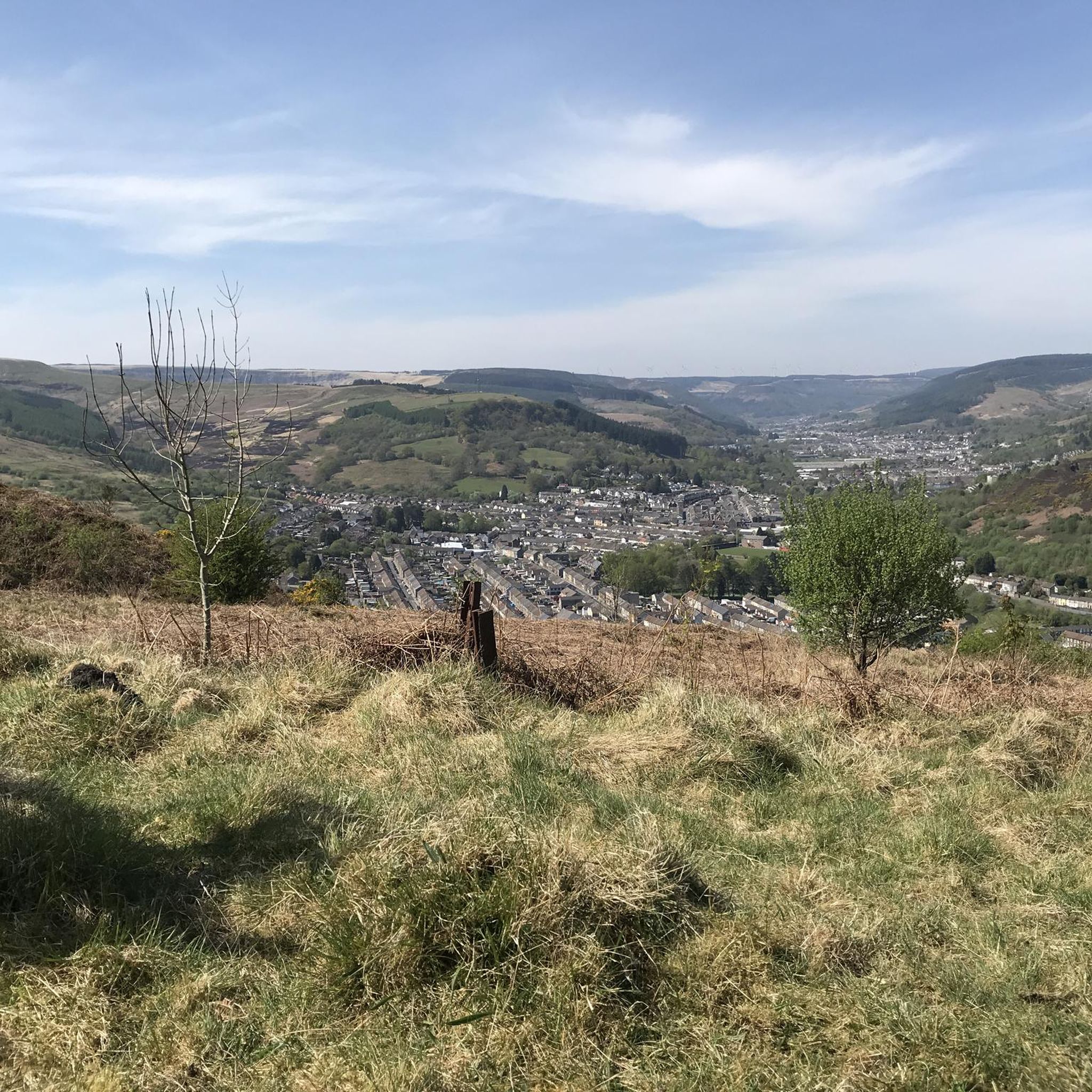
For truly spectacular views, consider hiking up Llwynypia Mountain, which offers vistas of Tonypandy and Clydach Vale. Additionally, Giant's Bite provides fine views of the Taff and Cynon valleys, while Tarren y Bwllfa offers stunning views of the Brecon Beacons.
Is there a nature reserve near Llwyn-Y-Pia's natural monuments?
Yes, the Glyncornel Nature Reserve is located within the Llwynypia Mountain area. This reserve is known for its diverse flora, including native flowering grassland species like wild strawberry, cowslip, and foxglove, and features maturing trees that have helped restore former mining areas. You can find more information about walks in this area on the Visit RCT website.
Are there any natural monuments that highlight the region's industrial past?
Yes, Giant's Bite is a dramatic gap in the skyline from the former Cefn Glas mine and quarry. The area around Llwynypia Mountain also showcases the post-industrial natural regeneration of a landscape once dominated by coal mines, offering a unique perspective on the region's history.
What is the best time of year to visit the natural monuments around Llwyn-Y-Pia?
The natural monuments can be enjoyed year-round, but spring and summer offer vibrant flora and generally clearer weather for hiking and enjoying panoramic views. Autumn brings beautiful foliage. If visiting in wetter seasons, be aware that paths, especially near Pen-Pych Waterfall, can become very slippery and uneven.
Are there any tranquil spots for a gentle walk or contemplation?
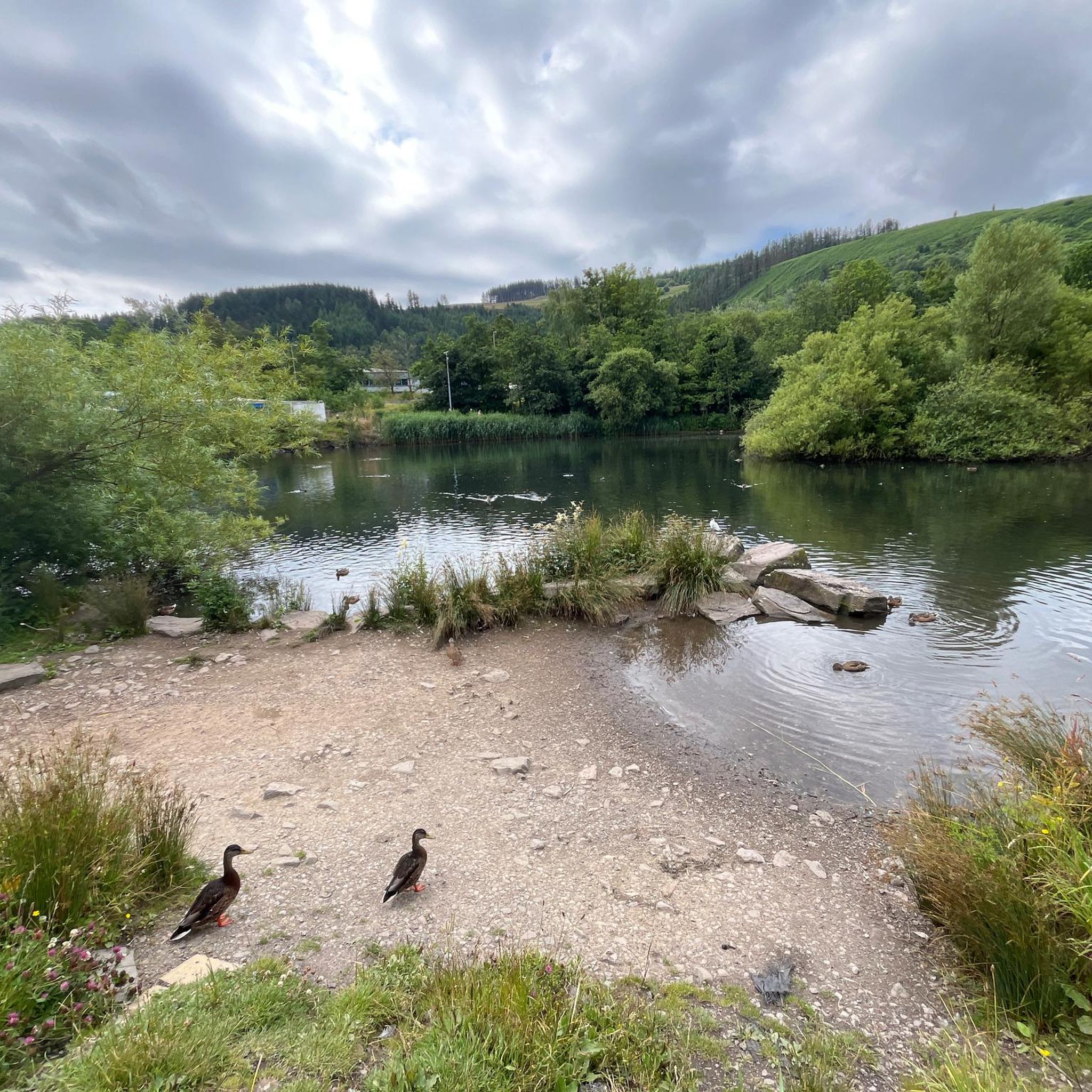
Yes, Glyncornel Lake, located within the Llwynypia Mountain area, provides a peaceful spot for a short circuit walk or quiet contemplation. It's a serene environment away from more challenging trails.
Most popular attractions around Llwyn-Y-Pia

Get inspired with the komoot mobile app


Explore more
Extend your search for the best caves by checking out these guides of the top ones around Llwyn-Y-Pia:
