Top 8 Natural Monuments around Margam Moors
Natural monuments around Margam Moors showcase a varied landscape, encompassing unique wetland ecosystems, ancient woodlands, and significant reservoirs. This region features coastal levels, diverse habitats, and sites important for biodiversity, including rare plants and invertebrates. The area also offers historical elements, such as ancient woodlands and past industrial sites, blending natural beauty with heritage.
Best natural monuments around Margam Moors
- The most popular natural monuments is Ogmore-by-Sea Beach and River, a beach and river known for its expanse of…
Last updated: July 1, 2026
Ogmore-by-Sea Beach and River
Highlight • Natural Monument
Tip by

Kenfig Pool
Highlight • Natural Monument
It is the heart of the nature reserve and is …
Tip by
Sign up now to discover places like this
Get recommendations on the best single tracks, peaks, & plenty of other exciting outdoor places.
Sign up for free
Sidewinder and Dead Sheep Gully, Penhydd Trail
Highlight (Segment) • MTB Park
First up, Sidewinder takes you through the woodland on a rocky, narrow trail with …
Tip by

Parc Slip Mining Memorial and Wooden Badger Sculpture
Highlight • Monument
Tip by
St David's Well
Highlight • Historical Site
Tip by

Sign up for free to discover even more natural monuments around Margam Moors.
Sign up for free
Already have an account?
Start today with a free account
Your next adventure awaits.
Login or Signup

Tips from the Community

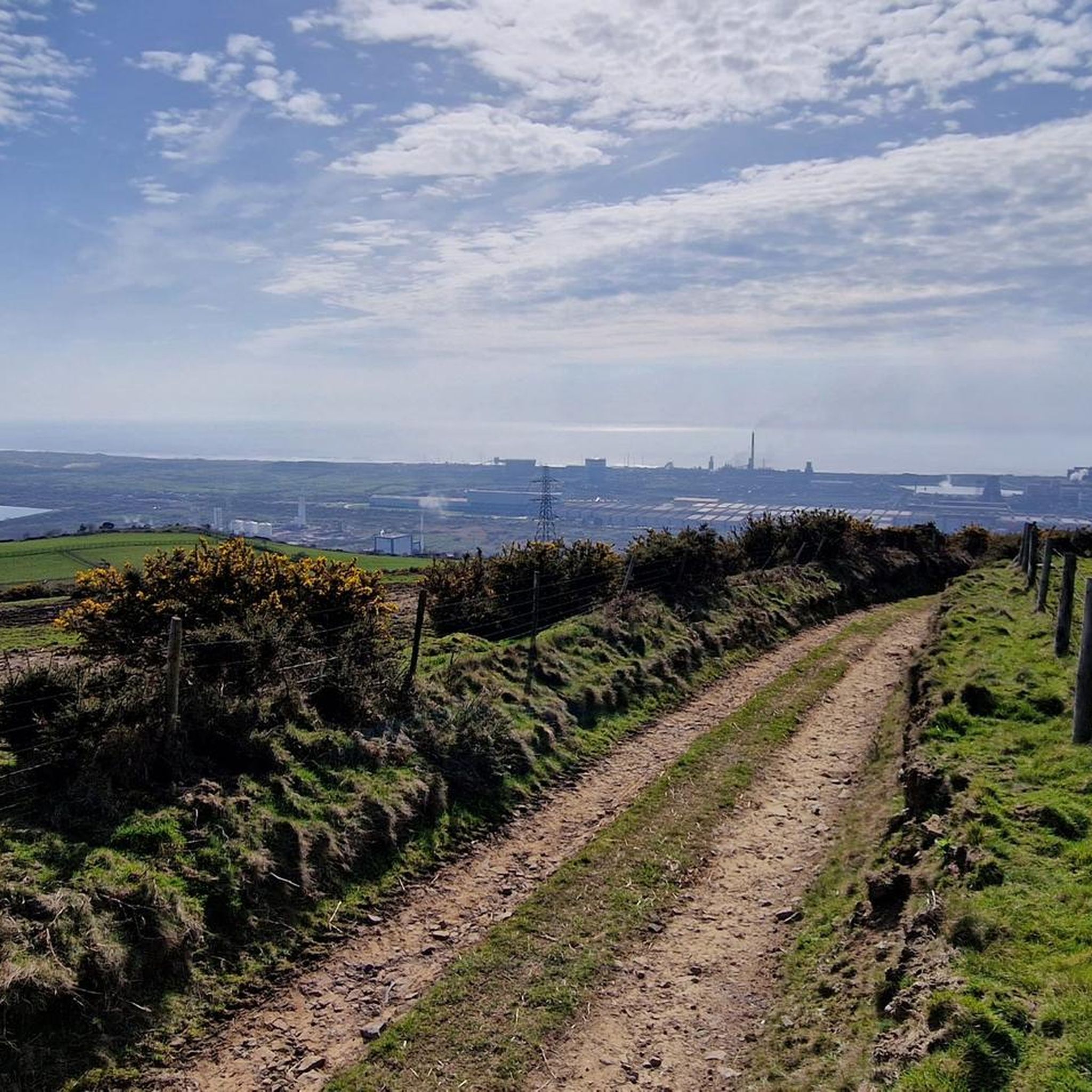
Kenfig Pool, covering an area of 70 acres is the second largest freshwater lake in south Wales (after Llangorse Lake). It is the heart of the nature reserve and is a valuable stopping point for migrating birds. The lake's maximum depth is about 12 feet - although legend has it that the lake is bottomless and fed by seven springs. There are 2 bird hides, one on the South and one on the North shore.
1
0
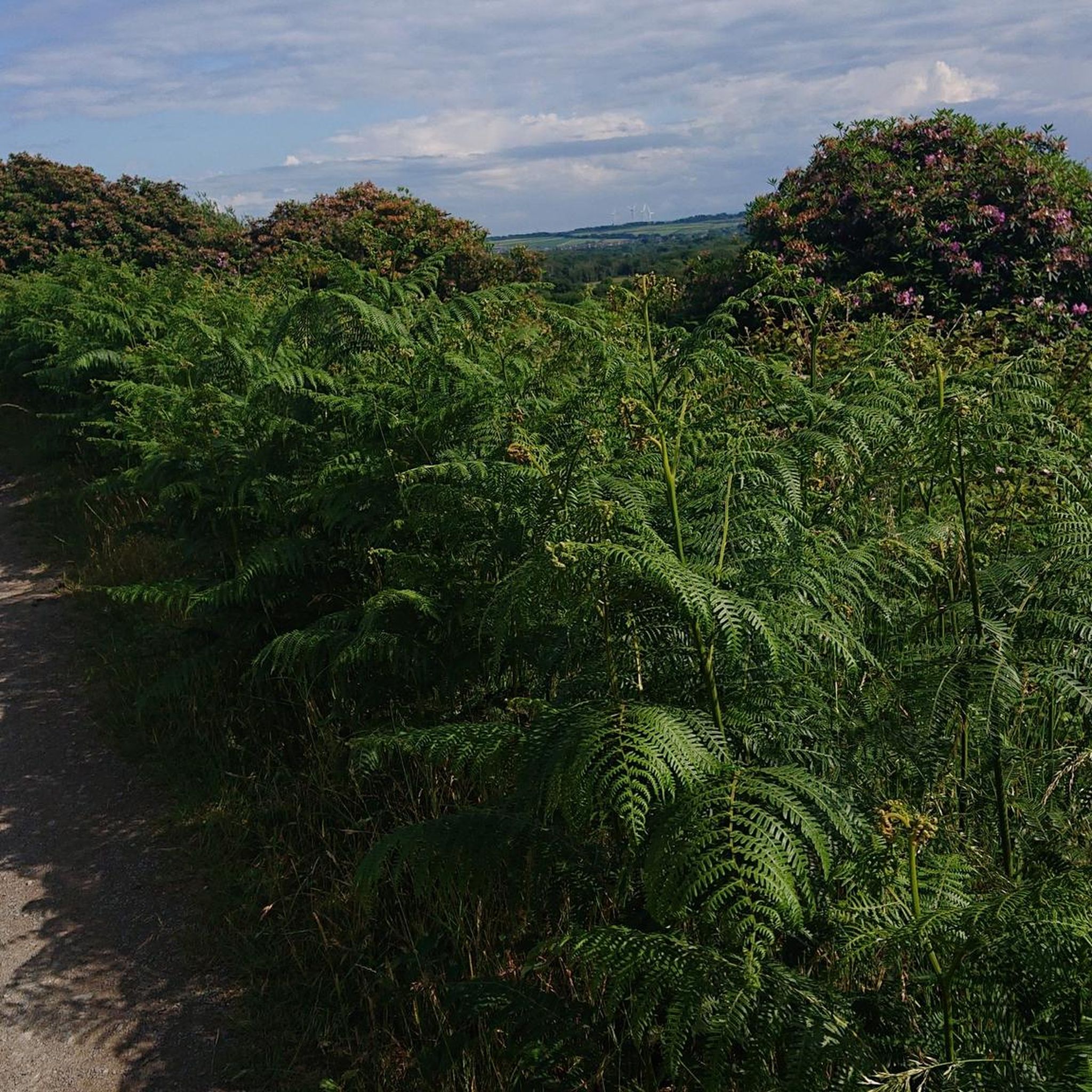
Ogmore is one of the most popular family friendly beaches along the Glamorgan coast due to its expanse of golden sand and numerous rock pools to explore. There are fossils waiting to be uncovered, and the nearby Castle is worth a visit too. From here you can see fantastic views of Merthyr Mawr Sand Dunes across the Ogmore River. The largest dune, known as The Big Dipper is the second-largest of its kind in Europe, measuring about 61 m.
1
0

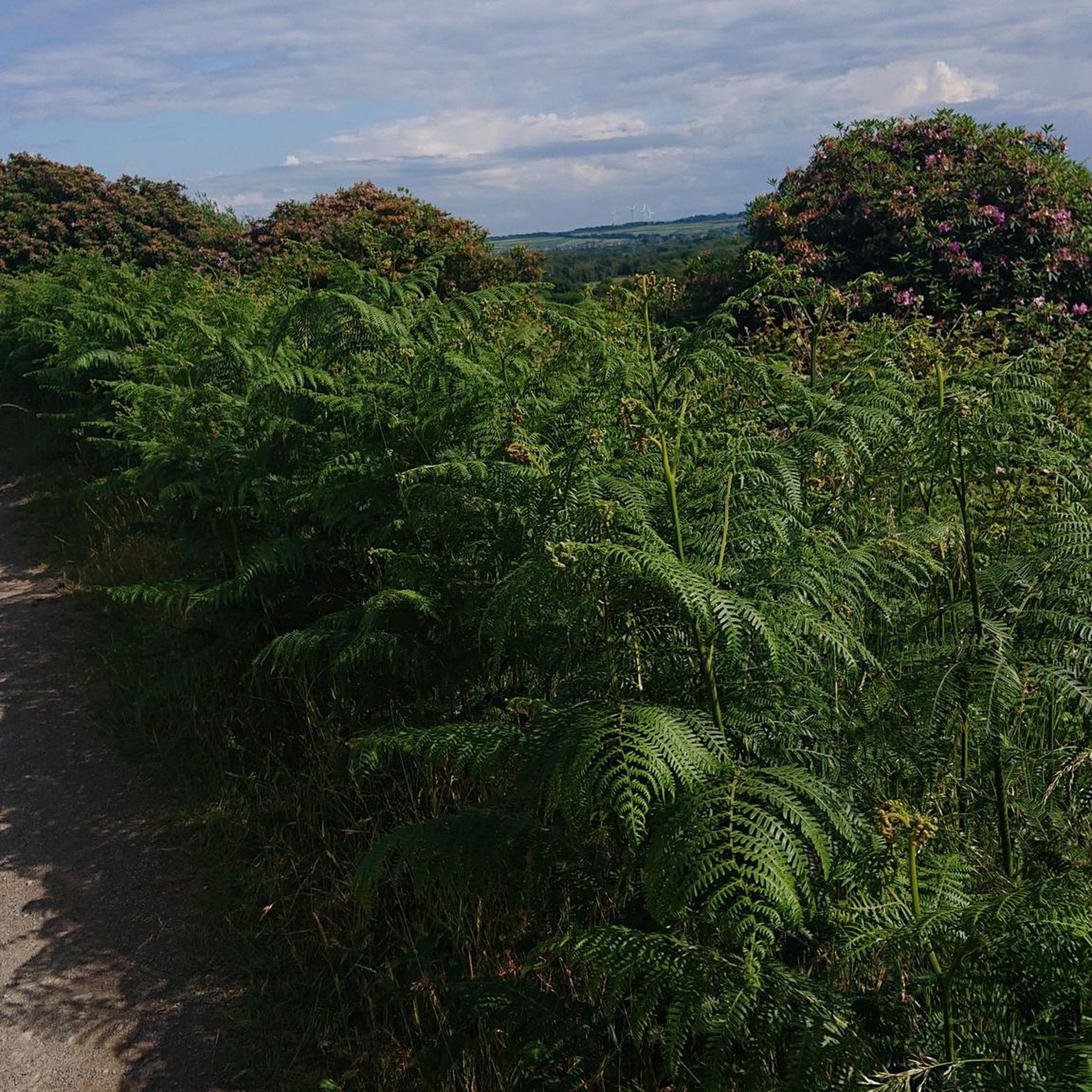
Parc Slip is a nature reserve run by the Wildlife Trust of South and West Wales, set on the site of an old coal mine. Disaster struck in 1892, when an explosion down in the pit killed 112 men and boys as well as 16 ponies. Today you can see a memorial made of stones as a tribute to the lives lost in this tragic incident. There's a great shared path through the reserve, where you can see many different species of birds, mammals and invertebrates across the wildflower meadows and wetlands. Keep an eye out for the wooden badger too!
1
0
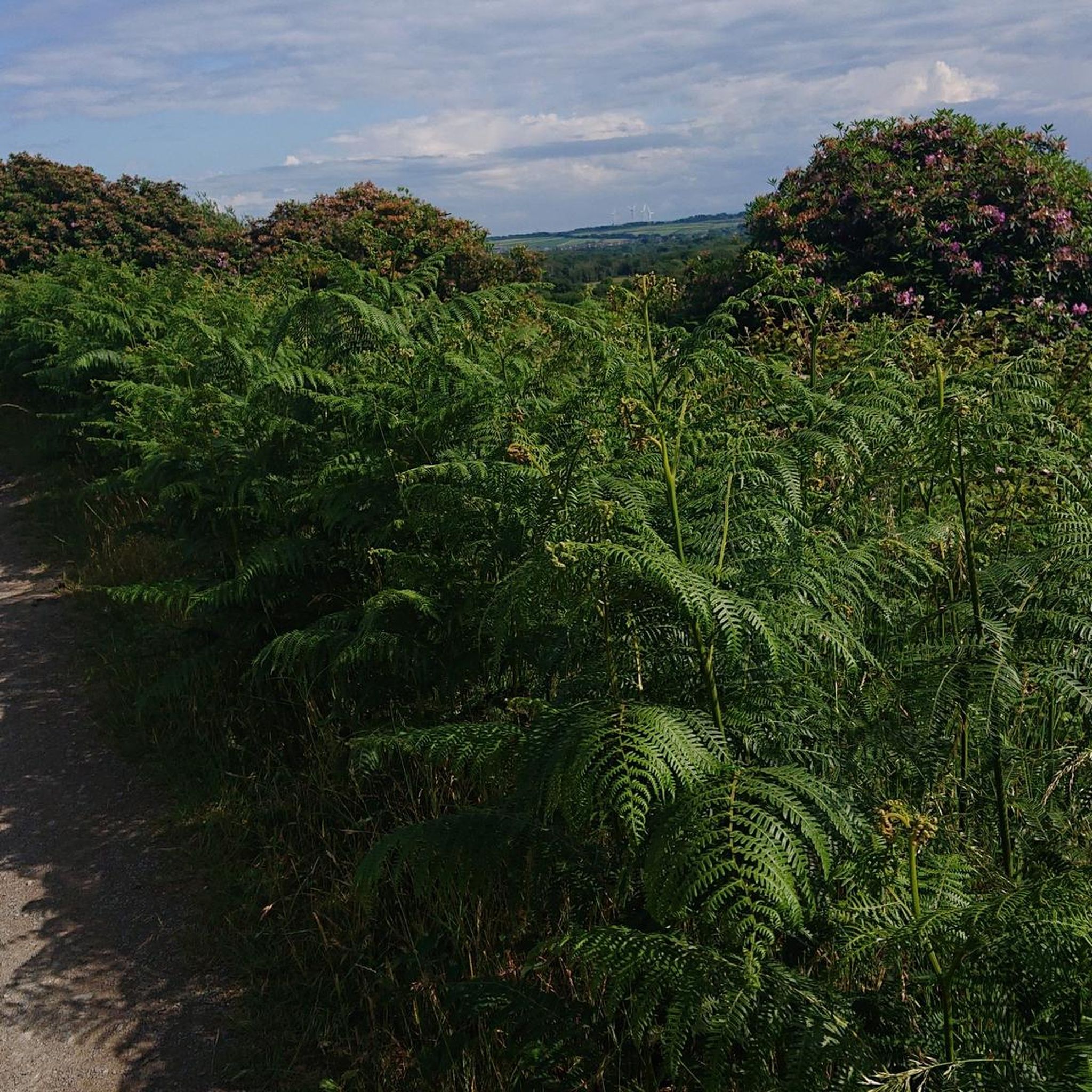
These two red singletrack descents are part of the larger Penhydd trail from Afan Forest Centre. First up, Sidewinder takes you through the woodland on a rocky, narrow trail with a few loose corners. Then you're straight into Dead Sheep Gulley, a more open trail that cuts across the moorland landscape with a bit more pedalling than the last section.
1
0


ST DAVIDS WELL There is many links between Nottage and St Davids the patron saint of Wales,including this holy well.The celts believed the pure water of the well contained magical healing powers. In the past visitors to the well would leave piece of cloth or rag hanging on a nearby tree believing it would cure them of their aliments and bring good luck to the sufferer.Tree could be seen covered with hundreds of discarded rags.
1
0
Frequently Asked Questions
What kind of wildlife can I expect to see around Margam Moors?
The Margam Moors area is rich in biodiversity. You can spot a variety of bird species, especially at Kenfig Pool and Eglwys Nunydd Reservoir SSSI, which are important for migrating birds. Mynydd Margam is excellent for birdwatching, with sightings of Raven, Red Kite, and Buzzard. The ancient woodlands in Margam Country Park are home to 14 bat species, including rare ones, as well as Barn owls and Brown hares. The Ffrwd-wyllt river and its tributaries support Otters, Dippers, and Kingfishers. Margam Moors SSSI also hosts rare plants and invertebrates in its unique wetland habitats.
Are there family-friendly natural monuments to visit in the area?
Yes, several natural monuments are great for families. Ogmore-by-Sea Beach and River is very popular, offering golden sands and numerous rock pools for exploration. Kenfig Pool is another excellent choice, with bird hides for observation and easy trails. Parc Slip Mining Memorial and Wooden Badger Sculpture, a nature reserve, provides shared paths through wildflower meadows and wetlands, perfect for a family stroll. St David's Well is also suitable for all levels, with mostly flat terrain.
What are some unique natural features of the Margam Moors region?
The region boasts several unique natural features. The Margam Moors Site of Special Scientific Interest (SSSI) is the last remaining example of coastal levels in West Glamorgan, featuring diverse marsh, fen meadow, and ditch communities. Margam Country Park contains impressive ancient semi-natural woodlands, vital for bat habitats. Brombil Reservoir is known for its tranquil, aquamarine waters, a striking sight in the valleys. Additionally, ancient hedgerows and waterways like the Ffrwd-wyllt river contribute to the area's distinct ecological character.
Are there any historical or cultural sites integrated with the natural monuments?
Yes, the area blends natural beauty with historical significance. Mynydd Margam (Margam Mountain) features Bronze Age cairns and Iron Age hill forts amidst its natural landscapes. Parc Slip Mining Memorial and Wooden Badger Sculpture is a nature reserve built on the site of an old coal mine, with a memorial to a past disaster. Brombil Reservoir, while natural, was originally a flooded colliery, adding an interesting historical layer. St David's Well is a holy well with ancient Celtic beliefs of healing powers.
What outdoor activities can I do near these natural monuments?
The Margam Moors area offers a range of outdoor activities. You can enjoy hiking on trails like the Brombil Reservoir loop or the Stone Monument at the Summit loop from Margam. For cycling enthusiasts, there are routes such as the Swansea Bay Cycle Path. Mountain biking is also popular, with challenging descents like Sidewinder and Dead Sheep Gully, Penhydd Trail. You can find more details on specific routes for hiking, gravel biking, and cycling in the region.
Are there good places for birdwatching around Margam Moors?
Absolutely. Kenfig Pool is a prime location, serving as a valuable stopping point for migrating birds and featuring two bird hides for observation. Eglwys Nunydd Reservoir SSSI is also specifically designated for its importance to birdlife. Additionally, Mynydd Margam is an excellent spot to see species like Raven, Red Kite, and Buzzard.
What are the best viewpoints for panoramic scenery?
Mynydd Margam (Margam Mountain) offers elevated positions with panoramic views over the surrounding region. From Ogmore-by-Sea Beach and River, you can enjoy fantastic views of Merthyr Mawr Sand Dunes across the Ogmore River, including The Big Dipper, one of Europe's largest dunes.
Can I bring my dog to the natural monuments in Margam Moors?
Many outdoor areas in Margam Moors are dog-friendly, especially public footpaths and beaches like Ogmore-by-Sea Beach and River. However, it's always best to check specific site regulations, especially in nature reserves or SSSIs, and keep dogs on a lead to protect wildlife. Be cautious around Brombil Reservoir, as cyanobacteria (blue-green algae) can be harmful to dogs.
What do visitors enjoy most about the natural monuments around Margam Moors?
Visitors frequently appreciate the diverse landscapes, from the expansive golden sands of Ogmore-by-Sea Beach and River with its rock pools, to the tranquil waters of Kenfig Pool for birdwatching. The challenging trails like Sidewinder and Dead Sheep Gully are popular with mountain bikers. The blend of natural beauty with historical elements, such as the memorial at Parc Slip, also adds to the appeal.
Are there any specific warnings or considerations for visiting Brombil Reservoir?
Brombil Reservoir is known for its beautiful aquamarine waters. However, visitors should be aware that this striking blue color is due to algae. Cyanobacteria (blue-green algae) can be present, which can be harmful to dogs and potentially cause issues for humans. It's advisable to exercise caution and avoid contact with the water, especially for pets.
What kind of trails are available for walking or hiking?
The area offers a variety of trails. You can find easy, mostly flat walks suitable for all levels, such as around St David's Well or the shared paths at Parc Slip. There are also more challenging routes, including rocky, narrow trails through woodlands and open sections across moorland landscapes, as found on the Penhydd Trail. For specific hiking options, explore the hiking guide for Margam Moors.
Where can I find ancient woodlands in the Margam Moors area?
Margam Country Park boasts impressive ancient semi-natural woodlands, which are recognized for their exceptional biodiversity. Mynydd Margam (Margam Mountain) also contains significant ancient semi-natural woodland, despite being largely covered by conifer plantations. These woodlands are crucial habitats for various wildlife, including bats.
Is there public transport available to reach these natural monuments?
While specific public transport options vary by monument, the region generally has some bus services connecting towns and villages. However, many natural monuments, especially those in more rural or protected areas, might require a car for convenient access. It's recommended to check local bus schedules and routes for specific destinations or consider driving and parking where available.
Most popular routes around Margam Moors
Most popular attractions around Margam Moors

Get inspired with the komoot mobile app


Explore more
Extend your search for the best caves by checking out these guides of the top ones around Margam Moors:
