Top 8 Natural Monuments around St. Athan
Best natural monuments around St. Athan are primarily found along the Glamorgan Heritage Coast, an area characterized by dramatic cliffs, unique rock formations, and diverse ecosystems. This region in the Vale of Glamorgan offers a variety of natural features, including coastal landscapes and ancient historical sites. The geology of the coast features yellow-grey cliffs dating back to the Jurassic period.
Best natural monuments around St. Athan
- The most popular natural monuments is Rhoose Point – Southernmost Point of Mainland Wales, a viewpoint that stands as a captivating headland and settlement. It offers panoramic views of the Bristol Channel and is designated as a Site of Importance for Nature Conservation.
- Another must-see spot is Nash Point Lighthouse and Cliffs, a natural monument known for its dramatic cliffs and a historic lighthouse. Visitors can explore its Jurassic period cliffs and enjoy coastal walks along the Glamorgan Heritage Coast.
- Visitors also love St Lythans Burial Chamber, a Neolithic tomb located in a field on the outskirts of Cardiff. This ancient site features huge internal stones and was originally covered by an earthen mound.
- St. Athan is known for coastal cliffs, ancient burial chambers, and scenic viewpoints. These sites provide diverse opportunities to explore geology, history, and natural beauty.
- The natural monuments around St. Athan are appreciated by the komoot community, with more than 35 upvotes and over 70 photos shared.
Last updated: May 3, 2026
Nash Point Lighthouse and Cliffs
Highlight (Segment) • Natural Monument
Tip by

St Lythans Burial Chamber
Highlight • Natural Monument
Tip by

Sign up now to discover places like this
Get recommendations on the best single tracks, peaks, & plenty of other exciting outdoor places.
Sign up for free
Tinkinswood Burial Chamber
Highlight • Monument
According to legend, anyone who spends the night here on the evenings before May Day, St John’s Day or Midwinter Day will die, go mad or become a poet.
Tip by
Rhoose Point – Southernmost Point of Mainland Wales
Highlight • Viewpoint
Tip by

Tresilian Bay
Highlight • Historical Site
The sheltered pebble beach, embraced by two majestic cliffs, unveils a slice of history with the presence of a WW2 pillbox.
Tip by
Sign up for free to discover even more natural monuments around St. Athan.
Sign up for free
Already have an account?
Start today with a free account
Your next adventure awaits.
Login or Signup
Tips from the Community

The St Lythans burial chamber (Welsh: Siambr Gladdu Llwyneliddon) is a single stone megalithic dolmen, built around 4,000 BC as part of a chambered long barrow, during the mid Neolithic period, in what is now known as the Vale of Glamorgan. It lies about half a mile (1 km) to the west of the hamlet of St Lythans, near Dyffryn Gardens. The site is on pasture land, but pedestrian access is allowed and is free. https://en.wikipedia.org/wiki/St_Lythans_burial_chamber
0
0
Ugly but kinda impressive grave - looks like concrete built... This Neolithic (New Stone Age) tomb is topped with one of largest capstones in Britain. Measuring a massive 24ft/7m by 15ft/4.5m and weighing around 40 tons (as much as an articulated lorry). Experts reckon that at least 200 individuals would have been required to hoist it into place. Excavations have uncovered the remains of over 50 people, along with broken pottery and flint tools. https://www.visitwales.com/de/attraction/historic-site/tinkinswood-burial-chamber-cadw-1843268
0
0

Tinkers Burial Chamber, also known as Tinkers Grave, is located in the Vale of Glamorgan, Wales. It is a notable prehistoric burial site characterized by its megalithic structure. Here are some key points about this site: Key Features: Historical Context: Tinkers Burial Chamber dates back to the Neolithic period, approximately 4,000 to 5,000 years ago. It is considered a burial tomb used by ancient communities. Structure: The chamber consists of a series of large stones arranged in a particular configuration, often covered by a mound of earth. This type of burial site is referred to as a dolmen or cromlech. Folklore and Local Legends: The site is steeped in local folklore. It is often associated with stories of itinerant workers or "tinkers," who were believed to be metalworkers or travelers. The site is sometimes considered to have supernatural associations. Archaeological Importance: Tinkers Burial Chamber is significant for understanding prehistoric burial practices and the social structures of ancient communities in this region. Archaeological studies have provided insights into the rituals and beliefs of the time. Location and Accessibility: The burial chamber is located in a scenic area of the Vale of Glamorgan, which is known for its natural beauty and historical sites. It is accessible to the public, making it a popular spot for visitors interested in history and archaeology. Easy to access with laybys to park in near by and easy to access via walking paths.
0
0
The St Lythans burial chamber (Welsh: Siambr Gladdu Llwyneliddon) is a single stone megalithic dolmen, built around 4,000 BC as part of a chambered long barrow, during the mid Neolithic period, in what is now known as the Vale of Glamorgan. It lies about half a mile (1 km) to the west of the hamlet of St Lythans, near Dyffryn Gardens. The site is on pasture land, but pedestrian access is allowed and is free. https://en.wikipedia.org/wiki/St_Lythans_burial_chamber
0
0

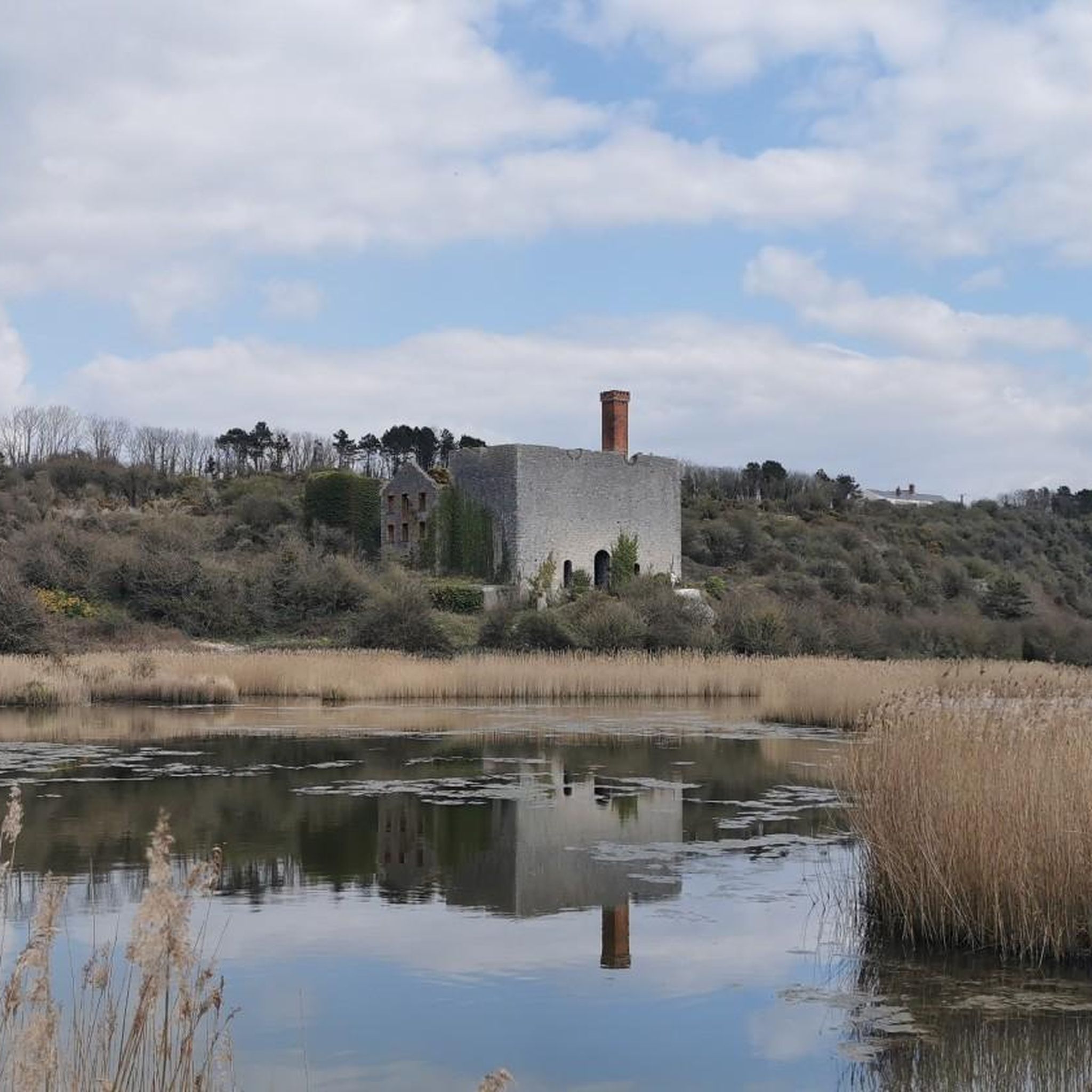
Tinkinswood Burial Chamber is a Neolithic tomb topped with one of the largest capstones in Britain. Measuring 24 feet (7 m) by 15 feet (4.5 m) and weighing as much as an articulated lorry, experts think it would have taken at least 200 people to hoist the massive stone into place.
0
0

Located near the village of Rhoose in the stunning Vale of Glamorgan, Rhoose Point (Welsh: Trwyn y Rhws) stands as a captivating headland and settlement. Nestled in the southernmost reaches of Wales, this picturesque locale holds the distinction of being the most southerly settlement in the country. While some argue that nearby Breaksea Point also lays claim to this title, Rhoose Point remains a remarkable destination that showcases the natural beauty and coastal charm of mainland Wales.
3
0
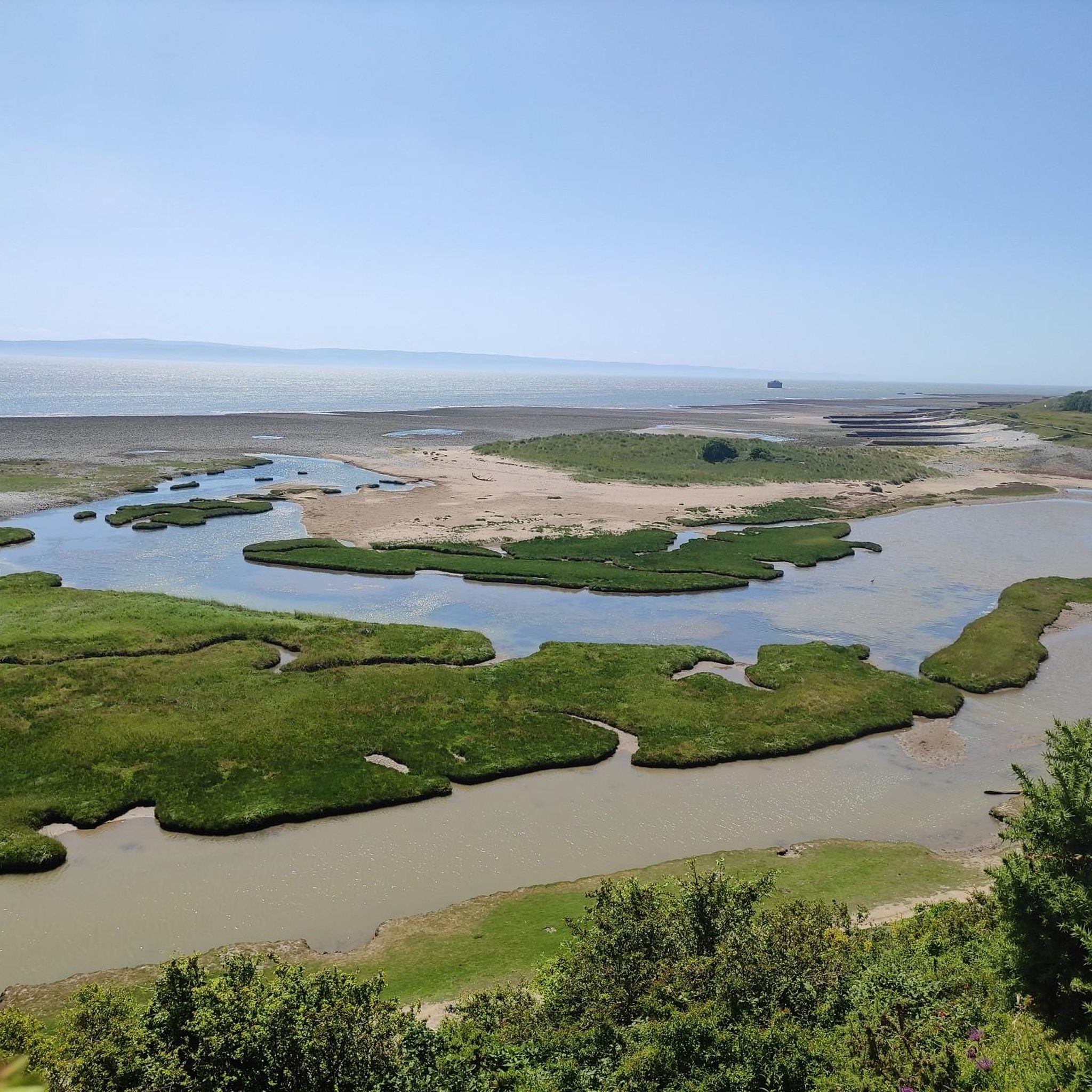
Tresilian Bay is renowned for its dramatic limestone cliffs, breathtaking views across the Bristol Channel, and a captivating white house nestled at the valley's edge, adding a touch of charm to the landscape. The sheltered pebble beach, embraced by two majestic cliffs, unveils a slice of history with the presence of a WW2 pillbox.
3
0

Use the footpath from Dimlands Road ( East of the Atlantic College ) to the coast path . There is parking on Dimlands road and then the Coast path in front of the college , Nash point and through Marcross and down to the church at the back of the college . A great circular walk
1
0
Frequently Asked Questions
What are the most popular natural monuments around St. Athan?
Visitors frequently enjoy the dramatic coastal scenery and historical significance of sites like Rhoose Point – Southernmost Point of Mainland Wales, known for its panoramic views of the Bristol Channel. Another highly appreciated spot is Nash Point Lighthouse and Cliffs, offering stunning Jurassic period cliffs and coastal walks.
Are there historical natural monuments or ancient sites to visit near St. Athan?
Yes, the area is rich in history. You can explore ancient sites such as St Lythans Burial Chamber, a Neolithic tomb with huge internal stones, and Tinkinswood Burial Chamber, which features one of the largest capstones in Britain. Both offer a glimpse into the region's prehistoric past.
What kind of natural landscapes can I expect along the Glamorgan Heritage Coast near St. Athan?
The Glamorgan Heritage Coast is renowned for its dramatic blue lias cliffs, unique rock formations, and a mix of sandy and pebbled beaches. You'll find diverse habitats, including coastal grasslands and estuaries, all shaped by one of the world's highest tidal ranges. The yellow-grey cliffs themselves date back to the Jurassic period.
Are there family-friendly natural monuments around St. Athan?
Absolutely. Rhoose Point is considered family-friendly, offering tranquil coastal walks and views. Cwm Colhuw Beach and Nature Reserve near Llantwit Major is also ideal for families, with opportunities for rock-pooling and wildlife spotting in a scenic coastal setting.
What outdoor activities can I do near these natural monuments?
The area around St. Athan offers a variety of outdoor activities. You can enjoy coastal walks along the Wales Coast Path, explore rock pools, or try surfing at beaches like Cwm Colhuw. For cycling enthusiasts, there are numerous road cycling routes and MTB trails. Runners can find challenging running trails, such as the Aberthaw Wildflowers loop.
Where can I go for scenic views or viewpoints?
Rhoose Point is a captivating headland offering panoramic views of the Bristol Channel. Additionally, Tresilian Bay provides breathtaking views across the Bristol Channel from its dramatic limestone cliffs.
What kind of wildlife can I spot at these natural monuments?
The diverse habitats along the Glamorgan Heritage Coast support a variety of species. At Cwm Colhuw Nature Reserve, you might spot wildflowers like Bird's-foot Trefoil and Wild Cabbage, along with butterflies such as the Small Blue and Meadow Brown. Birdwatchers can look for Kestrel, Peregrine, Bullfinch, and Linnet, especially along the cliffs.
Is there parking available at the natural monuments?
While specific parking details vary by location, many popular spots along the Glamorgan Heritage Coast, including areas near Llantwit Major and Cwm Colhuw, offer parking facilities. For instance, near Nash Point Lighthouse, parking is available by a cafe on the beach. It's always advisable to check local signage upon arrival.
What is the best time of year to visit the natural monuments around St. Athan?
The natural monuments are beautiful year-round, but spring and summer offer the best conditions for coastal walks and enjoying the wildflowers. The weather is generally milder, making it ideal for exploring the beaches and nature reserves. Autumn can also be stunning with dramatic skies and fewer crowds.
Are there any hidden natural gems near St. Athan that are less known?
While not entirely 'hidden,' the entire stretch of the Glamorgan Heritage Coast offers numerous secluded coves and less-trafficked sections beyond the main highlights. Exploring the Wales Coast Path between recognized points can lead to discovering tranquil spots and unique rock formations away from the crowds.
What geological features are prominent in the St. Athan area?
The geology of the region is dominated by dramatic blue lias cliffs, which are yellow-grey and date back to the Jurassic period. These cliffs are composed of a mixture of limestone and shale, revealing millions of years of geological history. The immense tidal range also contributes to the unique coastal formations and seascapes.
Most popular routes around St. Athan
Most popular attractions around St. Athan

Get inspired with the komoot mobile app


Explore more
Extend your search for the best caves by checking out these guides of the top ones around St. Athan:
