Top 5 Natural Monuments around Llanddulas And Rhyd-Y-Foel
Natural monuments around Llanddulas And Rhyd-Y-Foel showcase the geological and ecological richness of this Welsh community. Situated in Conwy County Borough, the area features diverse landscapes from coastal headlands to limestone hills. Visitors can explore sites with historical significance and unique natural formations. The region offers opportunities to observe marine life and experience varied natural environments.
Best natural monuments around Llanddulas And Rhyd-Y-Foel
- The most popular natural monument is Little Orme Summit and Trig Point, a natural monument that…
Last updated: May 3, 2026
Little Orme Summit and Trig Point
Highlight • Natural Monument
It's a limestone outcrop like the …
Tip by

Little Orme Standing Stones and Cliffs
Highlight • Natural Monument
Tip by

Sign up now to discover places like this
Get recommendations on the best single tracks, peaks, & plenty of other exciting outdoor places.
Sign up for free
View of Little Orme (Trwyn y Fuwch)
Highlight • Climb
Tip by

St Trillo's Chapel
Highlight • Religious Site
Is this the smallest …
Tip by

The Bat Caves, Coed y Gopa
Highlight (Segment) • Natural Monument
Tip by
Start today with a free account
Your next adventure awaits.
Login or Signup

Tips from the Community

"This fascinating building is thought to be the smallest church in the British Isles, seating only 6 people. It is named after St. Trillo, a 6th century Celtic saint who built his cell here. The age of the present building is not known, as it has been heavily repaired over the centuries. St. Trillo’s original cell is more likely to have been made of wood and wattle, although he may have built a wall of stones gathered from the beach to protect it from the wind." You can find out more here; Source: https://colwynbayheritage.org.uk/st-trillos-chapel-rhos-on-sea-heritage-walk/
0
0

Site of Special Scientific Interest (SSSI): Coed y Gopa is designated as an SSSI due to its exceptional biological interest. Bats: It's particularly renowned for being home to the second largest lesser horseshoe bat hibernaculum in North East Wales. These bats utilize the numerous old mine workings (adits) and natural caves within the site for winter hibernation. Other bat species like Natterer's bat and Daubenton's bat are also found here. The wide rides and varied habitats within the wood provide excellent feeding areas for bats. Other Wildlife: Beyond bats, the woodland supports a rich array of wildlife, including various bird species like ospreys, goshawks, pied flycatchers, redstarts, and wood warblers.
0
0
The batcaves, Coed y Gopa, meaning "wood of the summit" in Welsh, is a prominent and ecologically important woodland located on a limestone hillside in the Vale of Clwyd, North Wales, near the town of Abergele. It's a popular site for visitors due to its diverse wildlife, historical features, and breathtaking coastal views.
0
0
Trig point on top of the little orme. Gives panoramic views of the Irish sea, Snowdonia, Conwy, Denbighshire, Llandudno and the Great Orme.
0
0
The Little Orme (Welsh: Rhiwledyn, also known as Trwyn y Fuwch, Trwyn y Gogarth and Y Gogarth Fach) is 141 metres (463 ft) in height, and is a HuMP (having a minimum Hundred Metre Prominence). It is one of two headlands situated at either end of Llandudno Bay, in Conwy County Borough, Wales. The other, larger, headland is the Great Orme. It has two summits, the higher with a trig point. The cliffs are a popular challenge for highly experienced rock climbers. The Coast Guard Rescue Unit use the Little Orme for training. Otherwise, it is a popular sightseeing location and walking/hiking site. The Little Orme was inhabited during the Mesolithic and Neolithic eras, notably the Pant y Wennol cave. A small hoard of Iron Age Celtic metalwork was found in a cave on the Little Orme. The medieval chapel of Blessed Mary of Penrhyn, abandoned in 1930 and now in ruins, is at the foot of the Little Orme in the grounds of Penrhyn Hall at Penrhyn Bay. On 14 April 1587, printing material for Catholic literature was found in a cave on the Little Orme, where it had been used by the recusant Robert Pugh (squire of Penrhyn Hall) and his Chaplain Father William Davies to print Y Drych Cristianogawl (The Christian Mirror), the first book to be printed in Wales. They had taken refuge there during the persecution of Catholics instigated by Queen Elizabeth I in May 1586. The Royal Artillery coastal gunnery school, 198 battery, was posted to Little Orme during the Second World War. Target practice was undertaken from the headland to anchored boats, and unspent ammunition and unexploded shells may still be encountered offshore. Gun emplacements and ancillary buildings were in situ until at least the early 1960s, but the site has since been 'landscaped'.
0
0

Trwyn Y Fuwch has a very large rock formation of hills, these stick out considerably as you ride along the flat promenade. When you get close to then you realise the size
0
0
So much to discover on this little gem of a place.
0
0
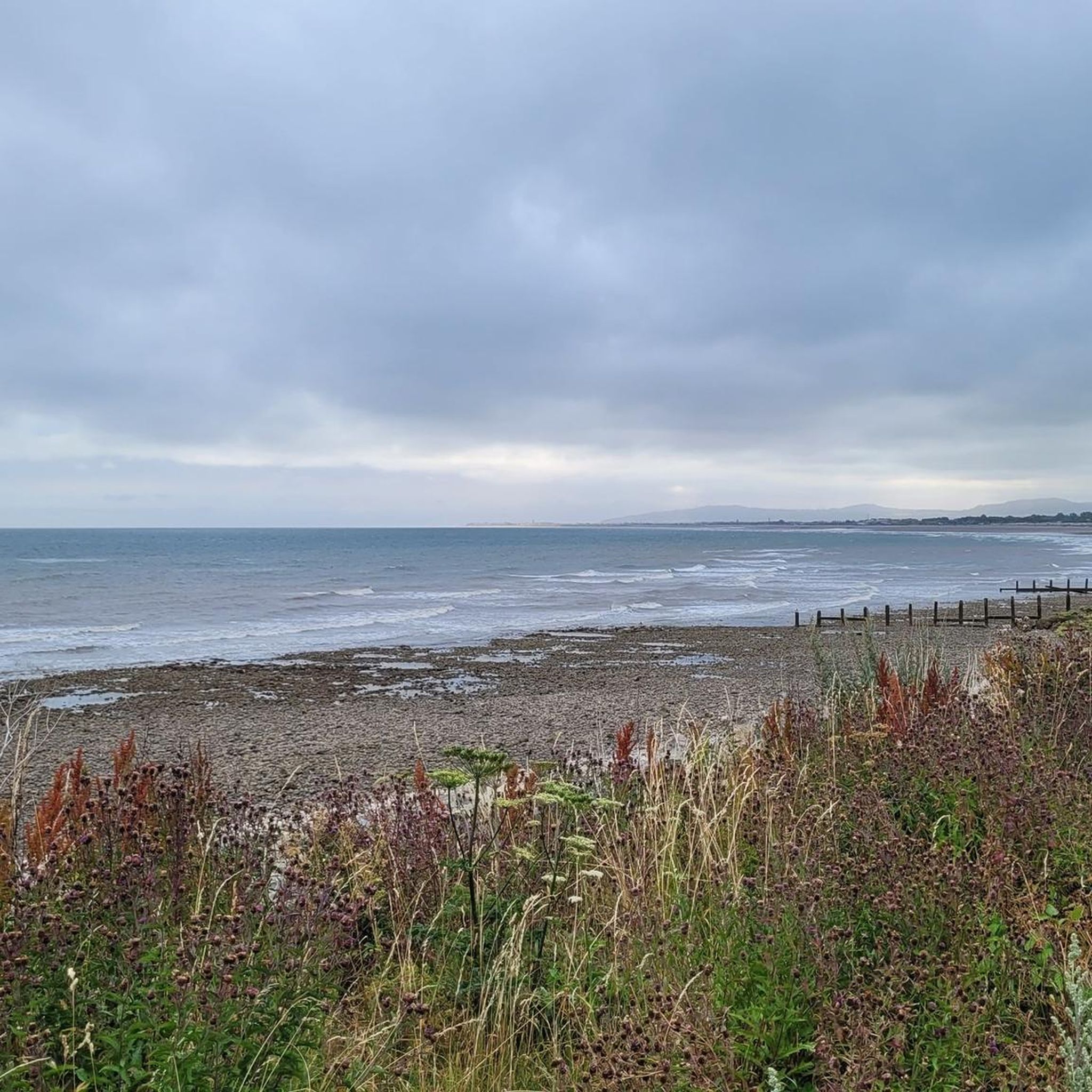
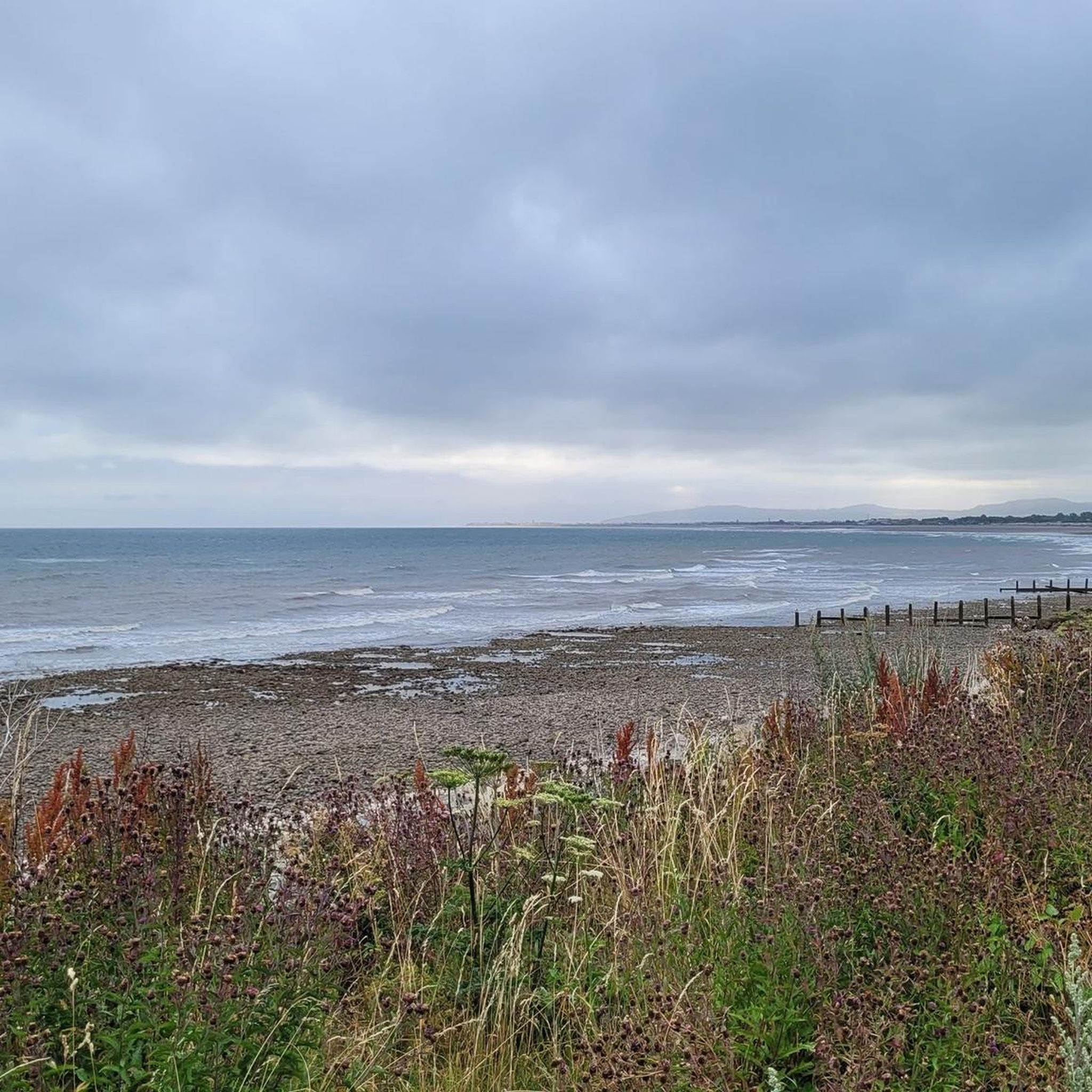
Beatiful views across the bay of llandudno and Snowdonia park in the distance.
0
0
Frequently Asked Questions
What are some of the most unique natural monuments to visit around Llanddulas and Rhyd-Y-Foel?
The region offers several distinct natural monuments. You can explore the impressive limestone cliffs and untouched headland of Little Orme Standing Stones and Cliffs, or discover the rare honeycomb worm reef at Llanddulas Beach. For a blend of nature and history, consider The Bat Caves, Coed y Gopa, known for its diverse wildlife and historical features.
Where can I observe wildlife near Llanddulas and Rhyd-Y-Foel?
For marine wildlife, the sheltered beaches to the east of Little Orme Summit and Trig Point are a haven for seals, where pups can often be spotted. The Bat Caves, Coed y Gopa, is a Site of Special Scientific Interest (SSSI) and home to the second largest lesser horseshoe bat hibernaculum in North East Wales, along with various bird species like ospreys and redstarts.
Are there any natural monuments with historical significance in the area?
Yes, several natural monuments have rich historical connections. View of Little Orme (Trwyn y Fuwch) has evidence of Mesolithic and Neolithic habitation and Iron Age Celtic metalwork finds. The Bat Caves, Coed y Gopa, features old mine workings and historical elements. Additionally, Pen-y-corddyn-mawr is a hillfort with Roman artifacts and historical lead mines.
What kind of natural features can I expect to see around Llanddulas and Rhyd-Y-Foel?
The region is characterized by diverse natural features, including towering limestone cliffs and headlands like the Little Orme, offering panoramic sea views. You'll also find ecologically significant woodlands, cave systems, and unique marine habitats such as the rare honeycomb worm reef at Llanddulas Beach. Elevated spots like Cefn yr Ogof provide scenic vistas.
What outdoor activities can I do near these natural monuments?
The area is excellent for various outdoor activities. You can find numerous public footpaths for hiking and walking, especially around the Little Orme, offering incredible views. Rock climbing is popular on the cliffs of Little Orme for experienced climbers. For more structured routes, explore the hiking trails, running routes, and cycling paths available in the region.
Are there family-friendly natural monuments to visit?
Yes, St Trillo's Chapel is considered family-friendly. While small, its unique history as potentially the smallest church in Britain, built over a holy well, can be an interesting stop for families. Many of the walking paths around the natural monuments also offer accessible sections for families, though some terrain can be intermediate.
Are there hiking trails near these natural monuments suitable for different skill levels?
Yes, the region offers a variety of hiking trails. For example, the hiking guide includes easy routes like the 'Castell Cawr – Cave Entrance in North Wales loop from Abergele' and more moderate options such as the 'NCN Route 5: North Wales Coast – Pensarn Beach loop from Llanddulas'. Paths around the Little Orme are generally intermediate but offer rewarding views.
What is the best time to visit the natural monuments in Llanddulas and Rhyd-Y-Foel?
The best time to visit is generally during the spring and summer months (April to September) when the weather is milder and more conducive for outdoor activities like hiking and wildlife observation. This period also increases your chances of spotting seal pups on the Little Orme's beaches. However, the natural beauty can be appreciated year-round, with autumn offering vibrant foliage and quieter trails.
Can I find viewpoints with panoramic vistas?
Absolutely. Both the Little Orme Summit and Trig Point and Little Orme Standing Stones and Cliffs offer incredible views out to sea and across Llandudno Bay towards Snowdonia. The Bat Caves, Coed y Gopa, also provides breathtaking coastal views from its limestone hillside.
What makes Llanddulas Beach unique among natural monuments?
Llanddulas Beach is unique due to its rare honeycomb worm reef, which stretches 350 meters. This natural formation, created by marine worms, provides a vital habitat for a diverse intertidal ecosystem, including barnacles, crabs, and mussels. It's a fascinating site for observing marine life and a testament to the region's ecological richness.
Are there any natural monuments that involve caves?
Yes, The Bat Caves, Coed y Gopa, is specifically known for its cave entrances and old mine workings, which serve as a significant hibernaculum for lesser horseshoe bats. The area around the Little Orme also has historical caves, such as the Pant y Wennol cave, which was inhabited during Mesolithic and Neolithic eras.
What should I know about visiting the Little Orme?
The Little Orme is a prominent headland offering stunning sea views and public footpaths to its summit. Unlike its larger counterpart, it remains a verdant expanse of untouched headland and towering limestone cliffs. It's ideal for hiking, and its eastern beaches are a protected haven for seals. Be aware that the cliffs are also a popular spot for highly experienced rock climbers.
Most popular routes around Llanddulas And Rhyd-Y-Foel
Most popular attractions around Llanddulas And Rhyd-Y-Foel

Get inspired with the komoot mobile app


Explore more
Extend your search for the best caves by checking out these guides of the top ones around Llanddulas And Rhyd-Y-Foel:
