Top 7 Natural Monuments around Norham
Best natural monuments around Norham are characterized by the River Tweed and its surrounding geological features. The village is situated on Carboniferous red sandstone, which the river has shaped over time, providing the natural foundation for historic structures like Norham Castle. This area offers a blend of natural beauty and historical context, with the river forming a significant natural boundary. The landscape provides opportunities to observe unique geological formations and diverse natural settings.
Best natural monuments around Norham
- The most…
Last updated: May 3, 2026
River Tweed
Highlight • Viewpoint
The river is known for its …
Tip by

Duddo Stones Stone Circle
Highlight • Historical Site
Tip by

Sign up now to discover places like this
Get recommendations on the best single tracks, peaks, & plenty of other exciting outdoor places.
Sign up for free
View of the North Sea from Northumberland Coast National Landscape
Highlight • Viewpoint
Translated by Google •
Tip by

View of Marshall Meadows Bay
Highlight • Beach
Tip by

Conqueror's Well (Chalybeate)
Highlight • Historical Site
Tip by

Sign up for free to discover even more natural monuments around Norham.
Sign up for free
Already have an account?
Start today with a free account
Your next adventure awaits.
Login or Signup
Other adventures around Norham

Tips from the Community

Named after Peter Conqueror who was a watch and clock maker in the early 19th century. The well was erected circa 1882.
0
0

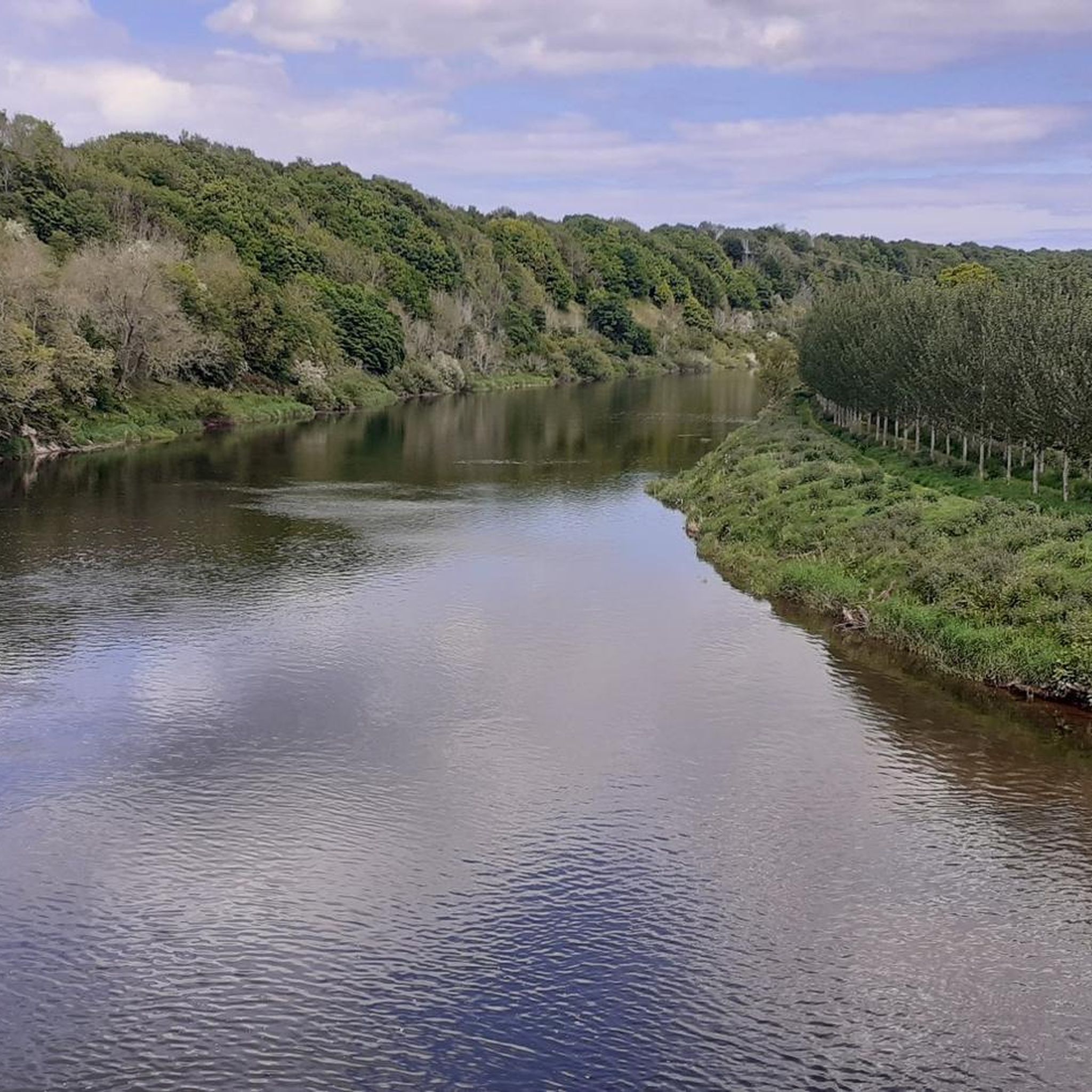
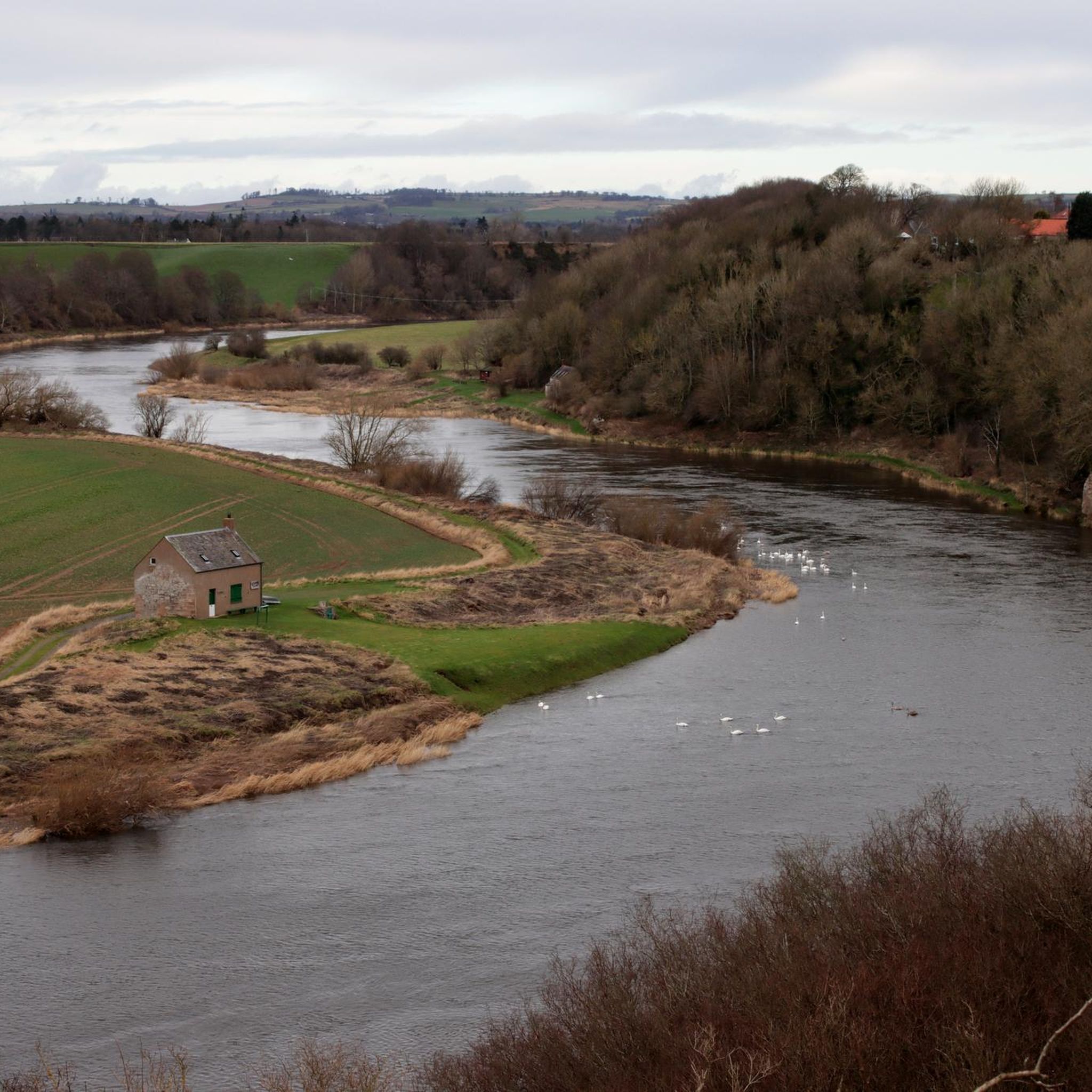
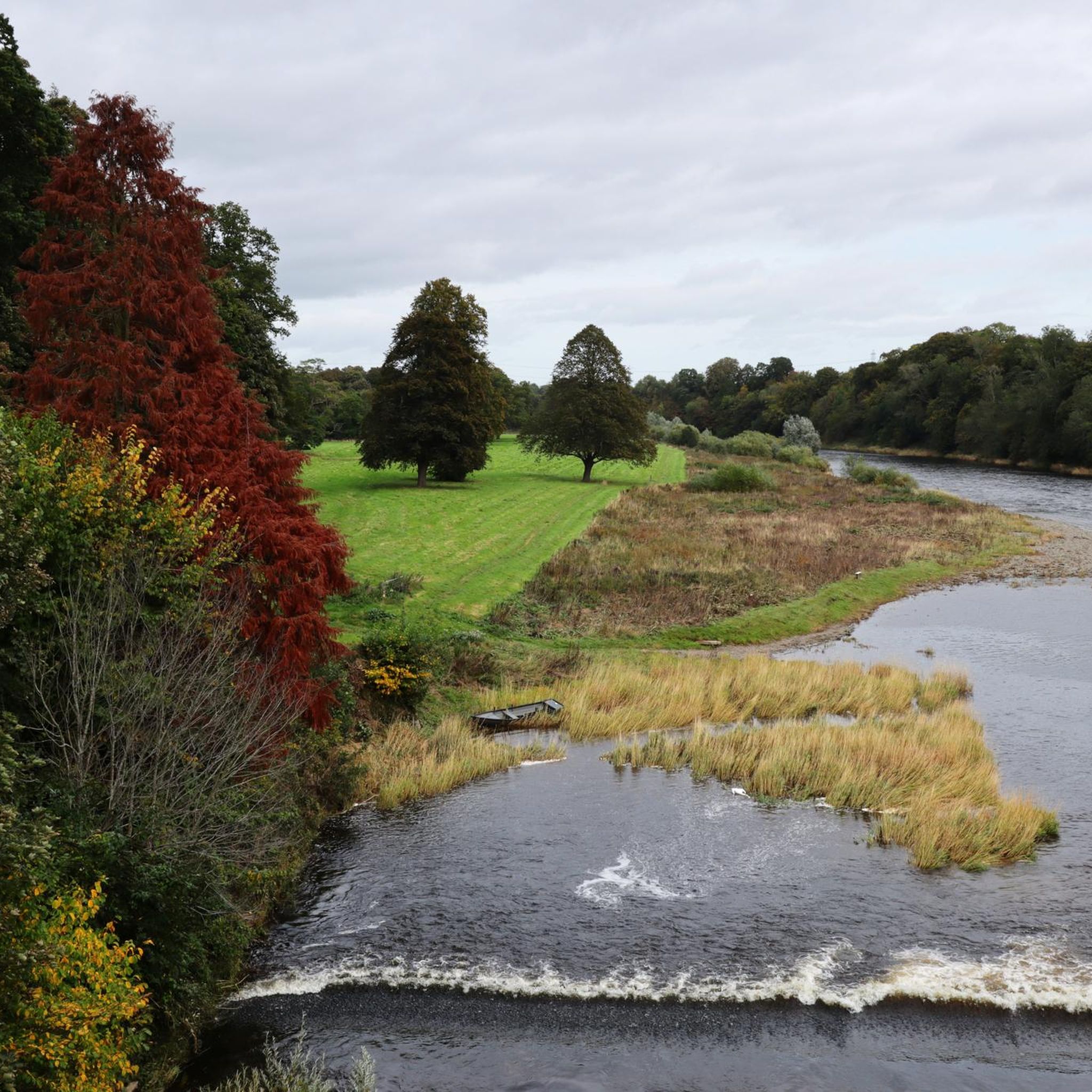
Beautiful river that also forms the natural border between England and Scotland.
1
0

This spot above Marshall Meadows Bay marks the northernmost point of England and sits right on the border with Scotland. The location has varied over time, but this is where it rests today. You get a great view over the coastline here.
4
0

This is Northumberlands very own stone circle. It is believed to be 4000 years old and there are five stones. Originally there were seven and you can see where the two missing stones should be. This is on private property however the farmer allows access as long as you stick to the path.
4
0

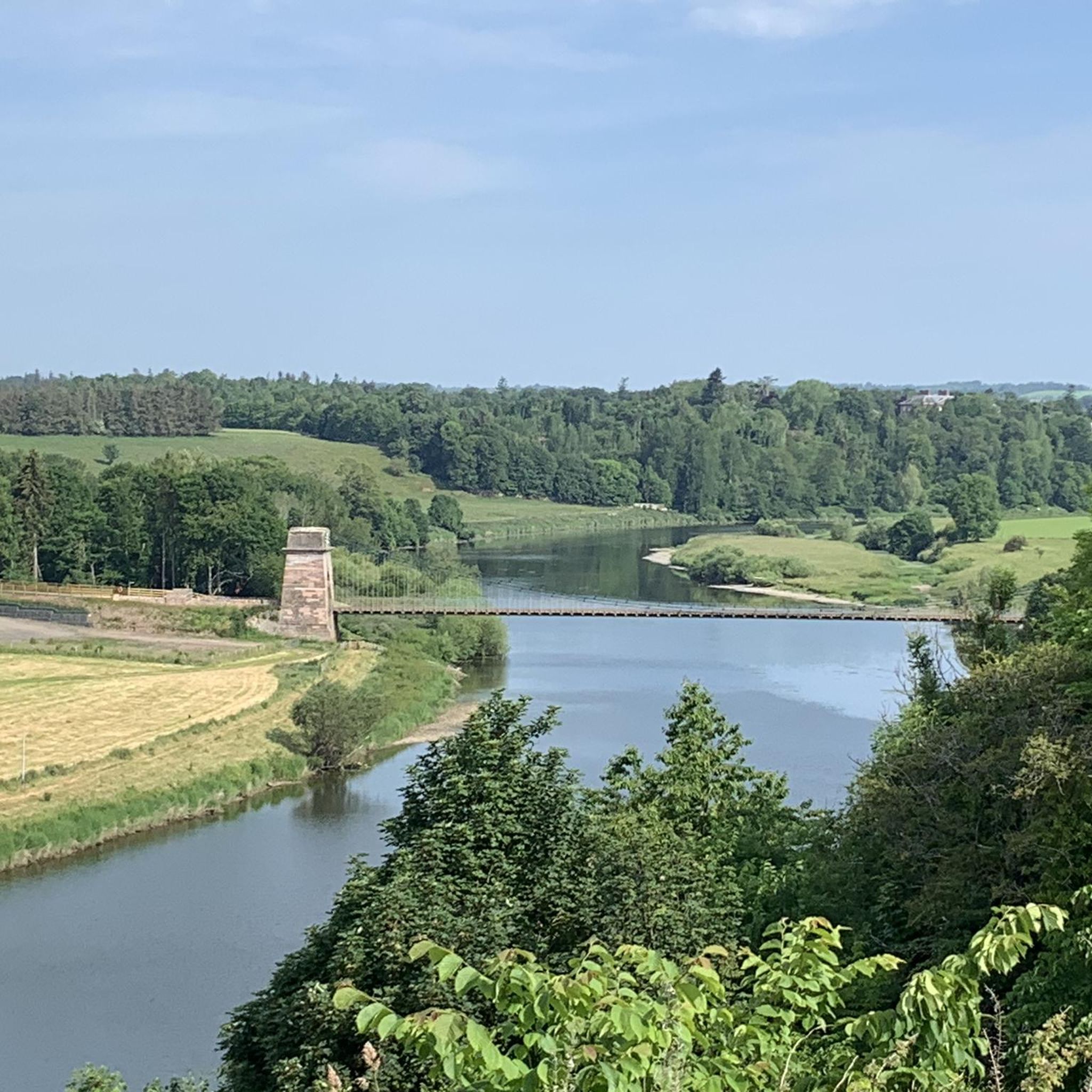
Lovely scenic view from this bridge, but a tough little climb heading West. The river banks are a perfect spot for a picnic with a pork pie purchased from Forman's Butchers in Norham.
0
0

Running 97 miles (156 km) through Northern England and Scotland, the River Tweed starts from Clyde until it enters the North Sea at Berwick-upon-Tweed. The river is known for its salmon with one of the largest salmon populations in the UK. It is also the only river in England where you are not required to have a rod licence to fish.
1
0
The section in between Berwick and Scremerston is off-road. During dry weather a road bike can make it at a push, but most people definitely would not want to take anything other than a mountain bike or adventure/gravel bike in the wetter weather. If you brave the mud, it's definitely a spectacular stretch of coast.
0
0

From the cliffs of the cliff you have a breathtaking view of the North Sea and the beach that extends below you. A beautiful place where it is worthwhile to get off the bike and enjoy the beauty of nature to the fullest and in peace.
1
0
Frequently Asked Questions
What are the most prominent natural features defining the landscape around Norham?
The landscape around Norham is primarily defined by the River Tweed and its associated geological formations. The village itself sits on Carboniferous red sandstone, which the river has carved through over time, creating the natural foundation for structures like Norham Castle. These elements combine to offer a blend of natural beauty and historical context.
Are there any ancient historical natural monuments to visit near Norham?
Yes, you can visit the Duddo Stones Stone Circle. This historical site is believed to be over 4000 years old and features five ancient stones, with evidence of two missing. It offers a fascinating glimpse into prehistoric natural landmarks in the area.
Where can I find coastal natural monuments or viewpoints near Norham?
You can explore the coastline and find natural monuments such as the View of Marshall Meadows Bay, which marks England's northernmost point and offers great views over the coastline. Another excellent spot is the View of the North Sea from Northumberland Coast National Landscape, providing breathtaking views from the cliffs.
What kind of outdoor activities can I do near Norham's natural monuments?
The area around Norham offers various outdoor activities. You can find numerous routes for cycling, hiking, and running. For example, there are several hiking trails like the 'Norham Cross – Norham Castle Ruins loop' or the 'Union Chain Bridge – Norham Castle Ruins loop'. Cyclists can enjoy routes such as the 'Riverside Path Along the River – River Tweed loop'. You can find more details on these activities in the cycling guide, hiking guide, and running trails guide for Norham.
Are there family-friendly natural monuments around Norham?
Yes, the River Tweed is considered family-friendly, offering scenic walks along its banks and opportunities for observing local wildlife. Additionally, the Conqueror's Well (Chalybeate) is also listed as family-friendly, providing a historical point of interest.
What makes the River Tweed a significant natural monument in Norham?
The River Tweed is significant for several reasons: it forms a natural border between England and Scotland, is renowned as one of the UK's most prolific salmon fishing rivers, and its banks offer tranquil views and opportunities for observing local wildlife. The interplay of the historic Norham Castle ruins with the river creates a unique and picturesque landscape.
What geological features can be observed around Norham?
The geology of Norham is characterized by Carboniferous red sandstone. The River Tweed has cut through this sandstone, creating visible outcrops, particularly below the north side of Norham Castle. These formations provide insight into the area's natural history and contribute to the dramatic scenery.
What do visitors enjoy most about the natural monuments in Norham?
Visitors particularly enjoy the scenic views and opportunities for wildlife observation along the River Tweed. The historical significance of sites like the Duddo Stones Stone Circle and the dramatic coastal vistas from viewpoints like Marshall Meadows Bay are also highly appreciated. The blend of natural beauty and historical context is a key draw.
Are there any specific viewpoints to experience the natural beauty of Norham?
Yes, beyond the general riverbanks, the River Tweed itself offers many scenic spots. For coastal views, the View of Marshall Meadows Bay and the View of the North Sea from Northumberland Coast National Landscape provide expansive vistas of the sea and coastline.
What is the best time of year to visit Norham for nature and walks?
While specific 'best times' aren't detailed, the region's natural beauty, especially along the River Tweed, can be enjoyed throughout the warmer months for walking and wildlife spotting. The river is described as 'sluggish, slow-moving' in parts, suggesting that drier conditions might be preferable for exploring its banks. Coastal viewpoints are generally accessible year-round, though weather conditions can vary.
Is Norham Castle itself considered a natural monument, or are there natural features associated with it?
Norham Castle is a historic structure, but it is intrinsically linked to the natural geology of the area. It was built on a natural high ground formed by outcropping red sandstone, which the River Tweed has shaped. The exposed sandstone below the castle adds to its dramatic and visually striking position, making the castle's setting a natural feature of interest.
Are there any unique natural rock formations near Norham?
Yes, one notable natural rock formation is Dreeping Heugh, a rocky precipice located on the west side of the River Tweed near Norham. Its name suggests water oozes from its perpendicular rock faces, making it a distinctive local natural feature to observe during walks along the river.
Most popular attractions around Norham

Get inspired with the komoot mobile app


Explore more
Extend your search for the best caves by checking out these guides of the top ones around Norham:
