Top 6 Natural Monuments around Horncliffe
Best natural monuments around Horncliffe offer diverse natural features and historical sites. The landscape around Horncliffe, situated near the River Tweed, provides opportunities for exploring unique natural formations. This guide details 6 natural monuments, aiding in planning walks and discovering landmarks near Horncliffe.
Best natural monuments around Horncliffe
- The most popular natural monuments is River Tweed, a viewpoint that runs 156 km through Northern England and Scotland. This river is known for its salmon population and forms a natural…
Last updated: July 1, 2026
River Tweed
Highlight • Viewpoint
The river is known for its …
Tip by

Duddo Stones Stone Circle
Highlight • Historical Site
Tip by

Sign up now to discover places like this
Get recommendations on the best single tracks, peaks, & plenty of other exciting outdoor places.
Sign up for free
View of the North Sea from Northumberland Coast National Landscape
Highlight • Viewpoint
Translated by Google •
Tip by

View of Marshall Meadows Bay
Highlight • Beach
Tip by

Conqueror's Well (Chalybeate)
Highlight • Historical Site
Tip by

Sign up for free to discover even more natural monuments around Horncliffe.
Sign up for free
Already have an account?
Start today with a free account
Your next adventure awaits.
Login or Signup
Tips from the Community

Northumberland’s Stonehenge although at least two stones are missing, the site is on private land but the farmer has allowed a permissive pathway. There is a small lay-by with space for about 5 cars approx 0.25mikes from the circle
0
0

Named after Peter Conqueror who was a watch and clock maker in the early 19th century. The well was erected circa 1882.
0
0

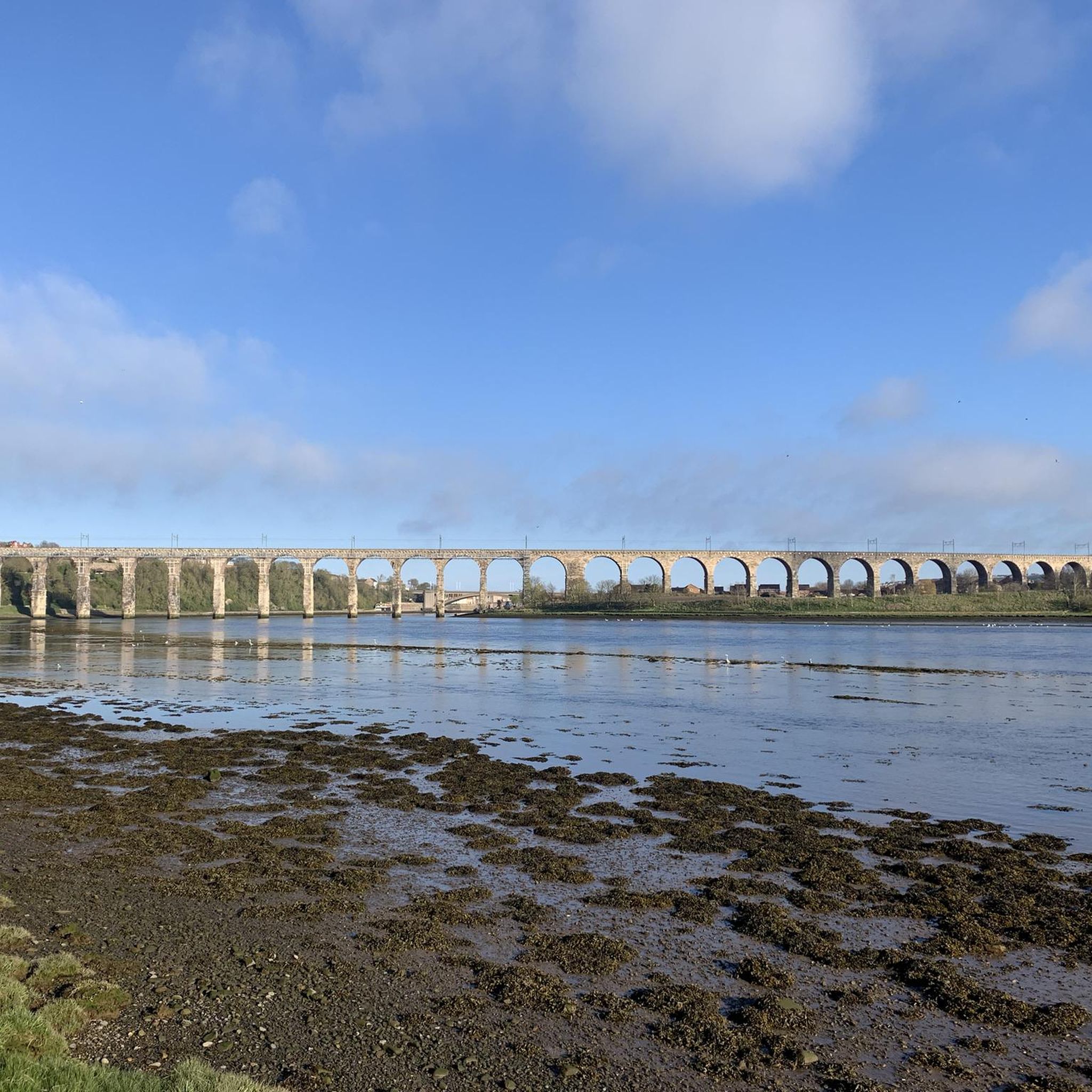
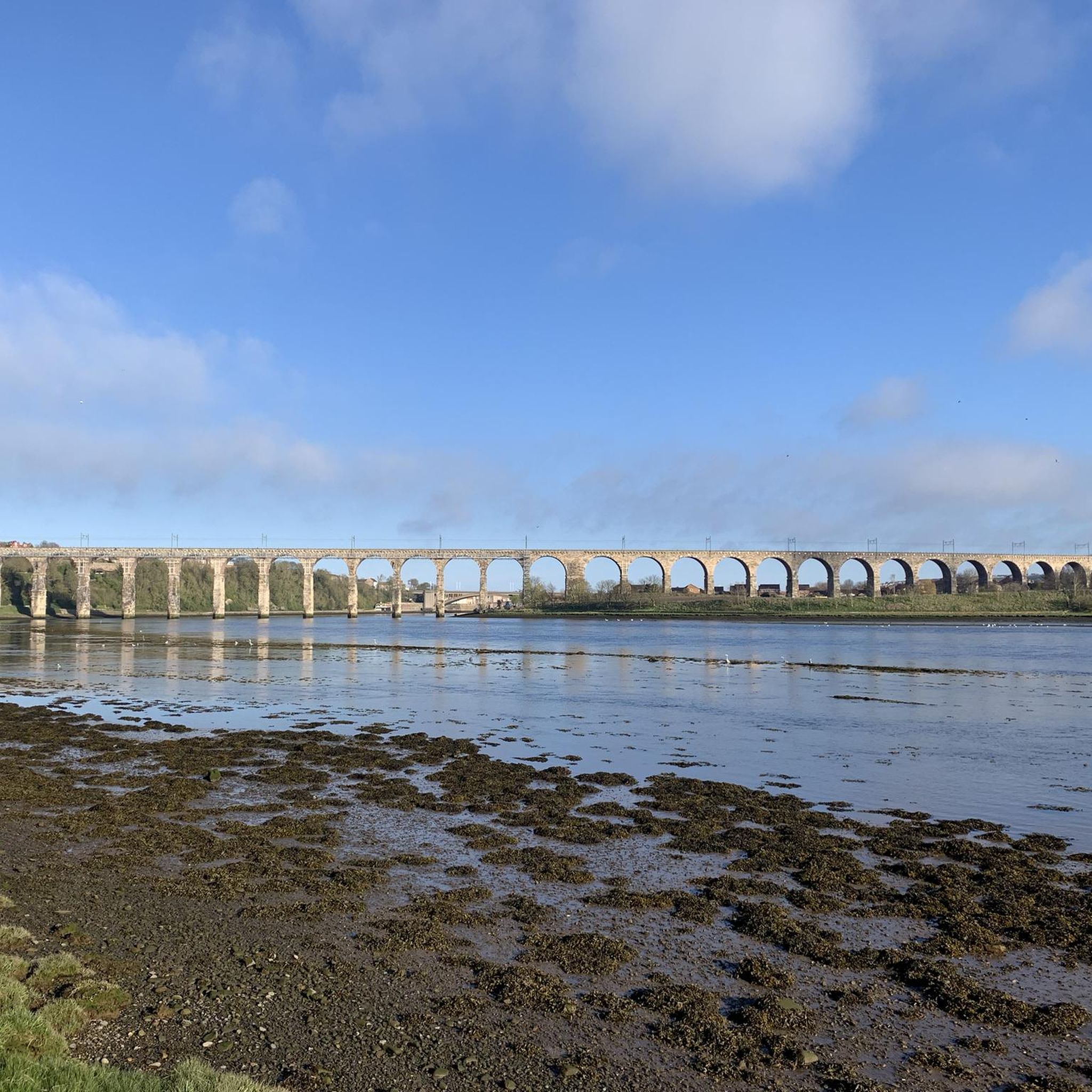
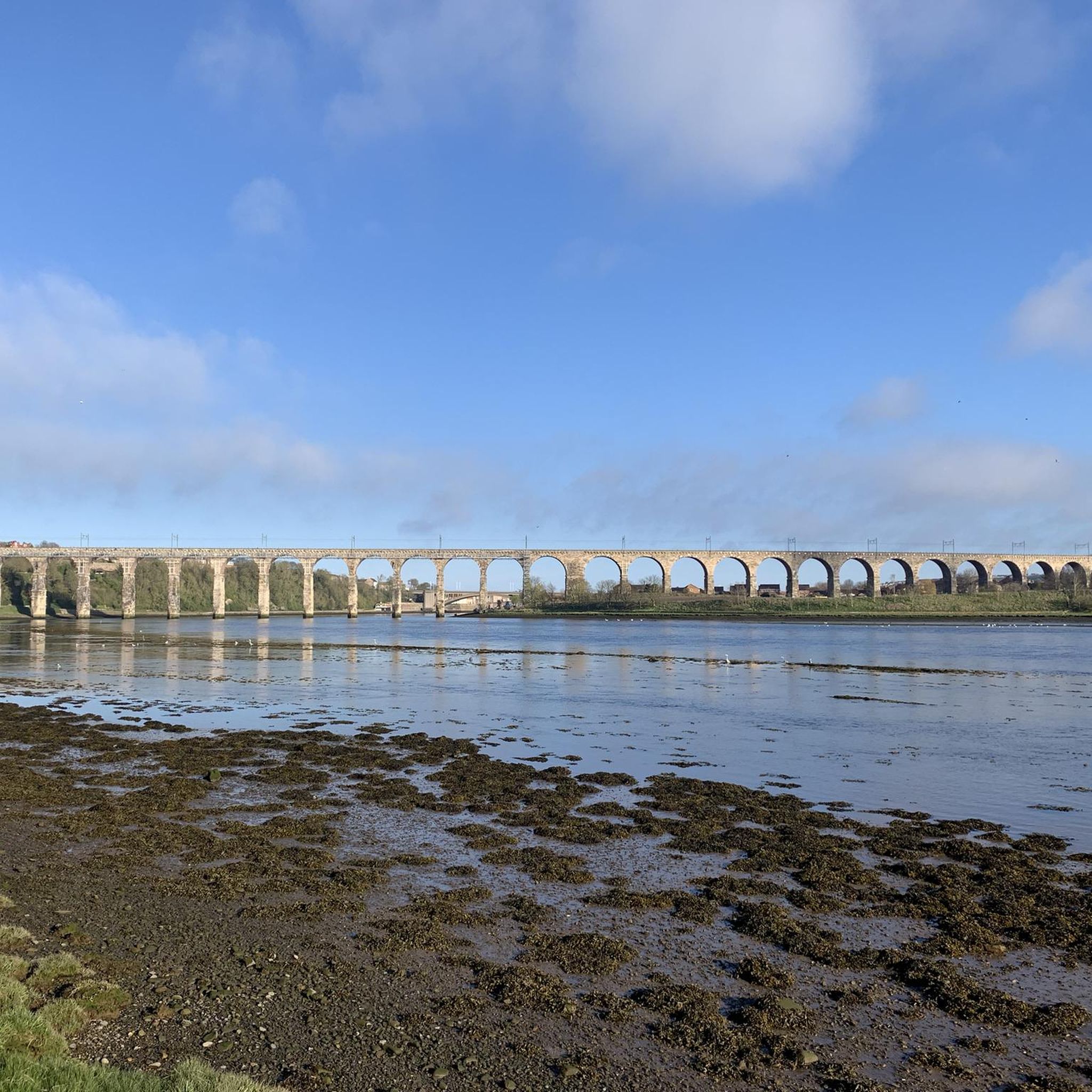
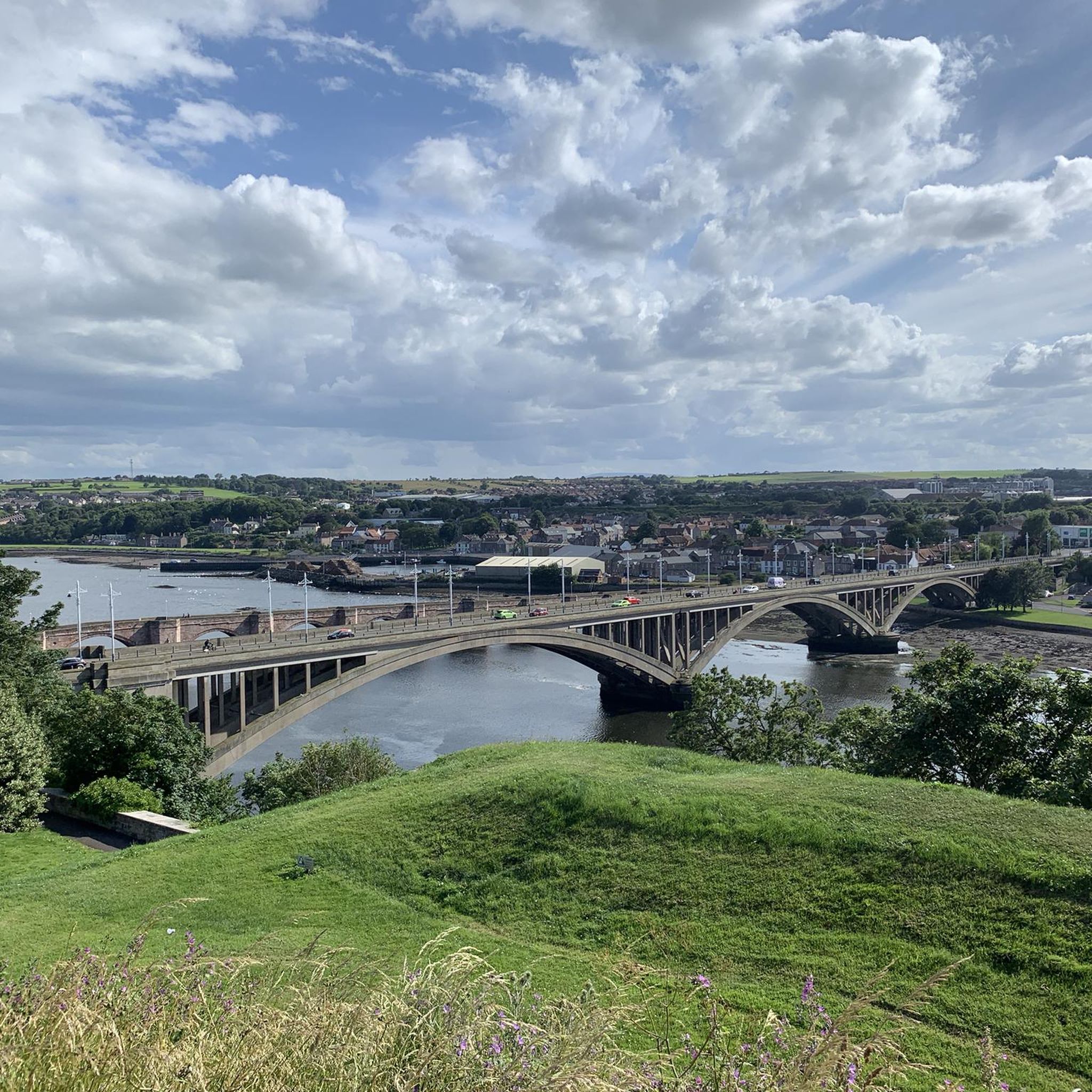
Beautiful river that also forms the natural border between England and Scotland.
1
0

This spot above Marshall Meadows Bay marks the northernmost point of England and sits right on the border with Scotland. The location has varied over time, but this is where it rests today. You get a great view over the coastline here.
4
0

This is Northumberlands very own stone circle. It is believed to be 4000 years old and there are five stones. Originally there were seven and you can see where the two missing stones should be. This is on private property however the farmer allows access as long as you stick to the path.
4
0

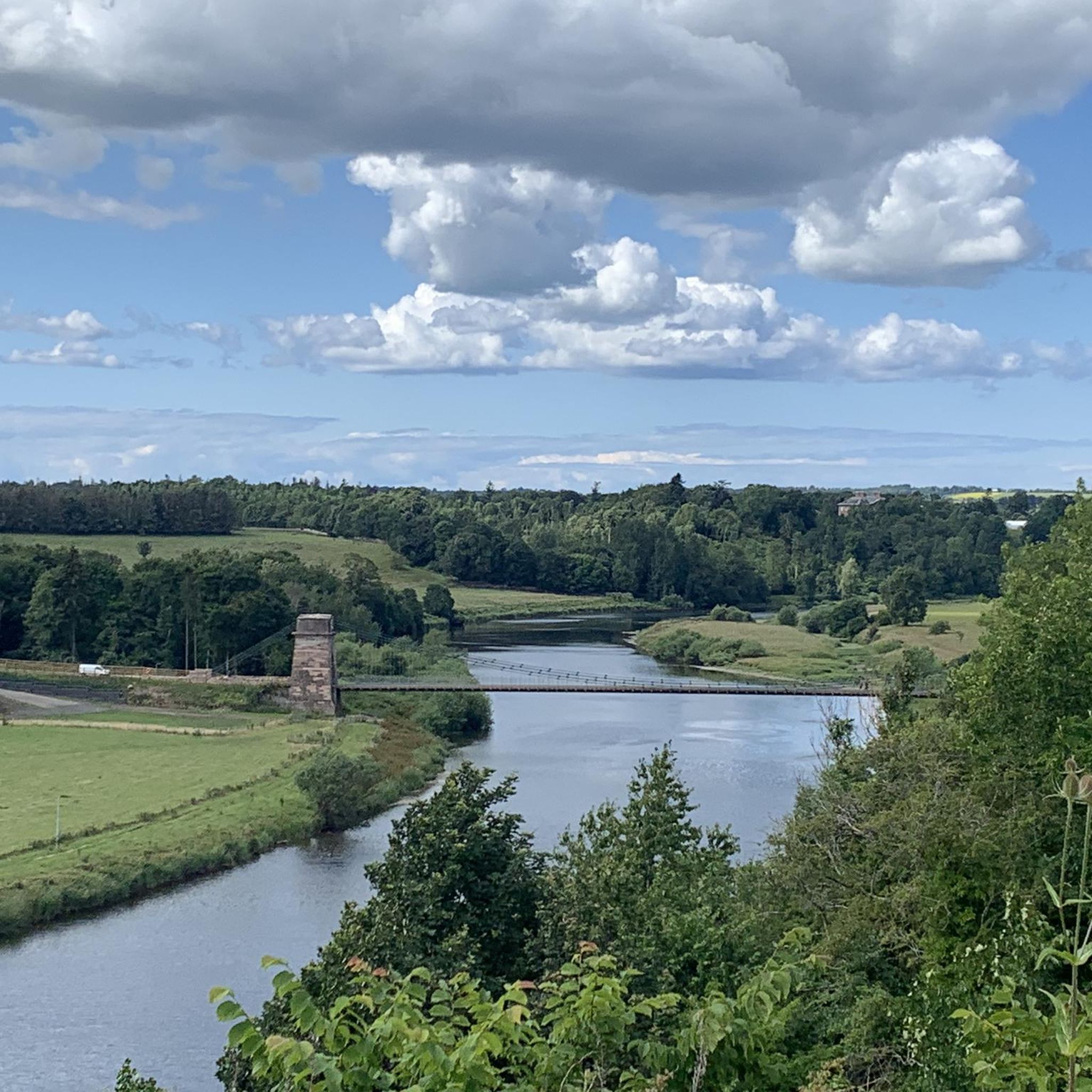
Lovely scenic view from this bridge, but a tough little climb heading West. The river banks are a perfect spot for a picnic with a pork pie purchased from Forman's Butchers in Norham.
0
0

Running 97 miles (156 km) through Northern England and Scotland, the River Tweed starts from Clyde until it enters the North Sea at Berwick-upon-Tweed. The river is known for its salmon with one of the largest salmon populations in the UK. It is also the only river in England where you are not required to have a rod licence to fish.
1
0
The section in between Berwick and Scremerston is off-road. During dry weather a road bike can make it at a push, but most people definitely would not want to take anything other than a mountain bike or adventure/gravel bike in the wetter weather. If you brave the mud, it's definitely a spectacular stretch of coast.
0
0
Frequently Asked Questions
What are some unique natural features to explore around Horncliffe?
You can explore the River Tweed, known for its significant salmon population and its role as a natural border between England and Scotland. It offers scenic views and opportunities for riverside walks. Another notable feature is the coastline, with areas like View of the North Sea from Northumberland Coast National Landscape providing breathtaking views from cliffs.
Are there any historical natural monuments near Horncliffe?
Yes, the Duddo Stones Stone Circle is a significant historical site. Believed to be 4000 years old, this stone circle consists of five standing stones and offers a glimpse into ancient history in the Northumberland landscape.
What kind of viewpoints can I find in the Horncliffe area?
The region offers several scenic viewpoints. Besides the River Tweed itself, which provides many picturesque spots, you can visit the View of Marshall Meadows Bay. This location marks the northernmost point of England and offers expansive views over the coastline.
Are there family-friendly natural monuments or activities around Horncliffe?
The River Tweed is considered family-friendly, offering pleasant spots for picnics along its banks. Additionally, the Conqueror's Well (Chalybeate) is a historical site that can be an interesting, family-friendly stop.
What outdoor activities can I do near these natural monuments?
The area around Horncliffe is excellent for various outdoor activities. You can find numerous cycling routes, including easy to moderate options like the 'Union Bridge (Tweed) – Norham Castle Ruins loop from Horncliffe'. For hiking, there are easy trails such as the 'Union Bridge (Tweed) – Union Chain Bridge loop from Horncliffe'. Mountain biking enthusiasts can explore routes like the 'Berwick to Wooler loop on the Sandstone Way'. You can find more details on these activities in the cycling guide, easy hikes guide, and MTB trails guide for Horncliffe.
What is the best time to visit Horncliffe for exploring natural monuments?
The best time to visit Horncliffe for outdoor activities and exploring natural monuments is generally during the warmer months, from late spring to early autumn (May to September). During this period, the weather is typically milder and more conducive for walking, cycling, and enjoying the scenic views.
What kind of wildlife can I spot near the River Tweed?
The River Tweed is famously known for its significant salmon population, making it a prime spot for fishing and observing these fish. The riverbanks and surrounding areas also support diverse birdlife and other local fauna, especially during seasonal migrations.
Are there any specific tips for visiting the Duddo Stones Stone Circle?
When visiting the Duddo Stones Stone Circle, it's important to note that it is located on private property. However, the farmer allows access as long as visitors stick to the designated path to preserve the site and surrounding land.
What should I pack for walks around Horncliffe's natural monuments?
For walks around Horncliffe, especially near the coast or river, it's advisable to pack layers of clothing suitable for varying weather conditions. Waterproofs are recommended, as is sturdy footwear. Don't forget water, snacks, and a camera to capture the beautiful scenery.
Are there cafes or pubs near the natural monuments for refreshments?
While specific cafes or pubs directly adjacent to every natural monument might be limited, the village of Horncliffe and nearby towns like Berwick-upon-Tweed offer various options for refreshments. It's a good idea to plan your route to include stops in these villages for food and drink.
What is the terrain like for walks near Horncliffe's natural monuments?
The terrain varies depending on the specific natural monument. Walks along the River Tweed can be relatively flat and easy, while coastal paths, such as those near the Northumberland Coast National Landscape, may involve cliffs and more uneven ground. Some sections, especially off-road, can be muddy in wet weather, so appropriate footwear is essential.
How long do walks around Horncliffe natural monuments typically take?
Walk durations vary greatly. Short, easy loops around specific points like the Union Chain Bridge can be as quick as an hour or two (e.g., 'Union Bridge (Tweed) – Union Chain Bridge loop from Horncliffe' is about 4 km). Longer routes, especially those combining multiple natural features or extending into nearby areas, can take half a day or more. Always check route details for estimated times.
Most popular attractions around Horncliffe

Get inspired with the komoot mobile app


Explore more
Extend your search for the best caves by checking out these guides of the top ones around Horncliffe:
