Top 13 Natural Monuments around Kyloe
Best natural monuments around Kyloe include a diverse landscape of sandstone crags, extensive woodlands, and coastal features. The region is situated within the Northumberland Coast Area of Outstanding Natural Beauty and encompasses parts of the Lindisfarne National Nature Reserve. These areas offer a variety of natural formations and habitats, contributing to the area's ecological value and scenic beauty. The geology of the Kyloe Hills, primarily Carboniferous Limestone and igneous rocks, shapes the distinctive moorland scenery.
Best natural monuments around Kyloe
…Last updated: October 17, 2026
Holy Island (Lindisfarne)
Highlight • Historical Site
Tip by

Emmanuel Head Navigation Beacon
Highlight • Monument
Tip by

Sign up now to discover places like this
Get recommendations on the best single tracks, peaks, & plenty of other exciting outdoor places.
Budle Bay
Highlight • Viewpoint
Tip by

St Cuthbert's Cave
Highlight • Cave
Tip by

River Tweed
Highlight • Viewpoint
The river is known for its …
Tip by

Sign up for free to discover even more natural monuments around Kyloe.
Already have an account?
Start today with a free account
Your next adventure awaits.


Tips from the Community

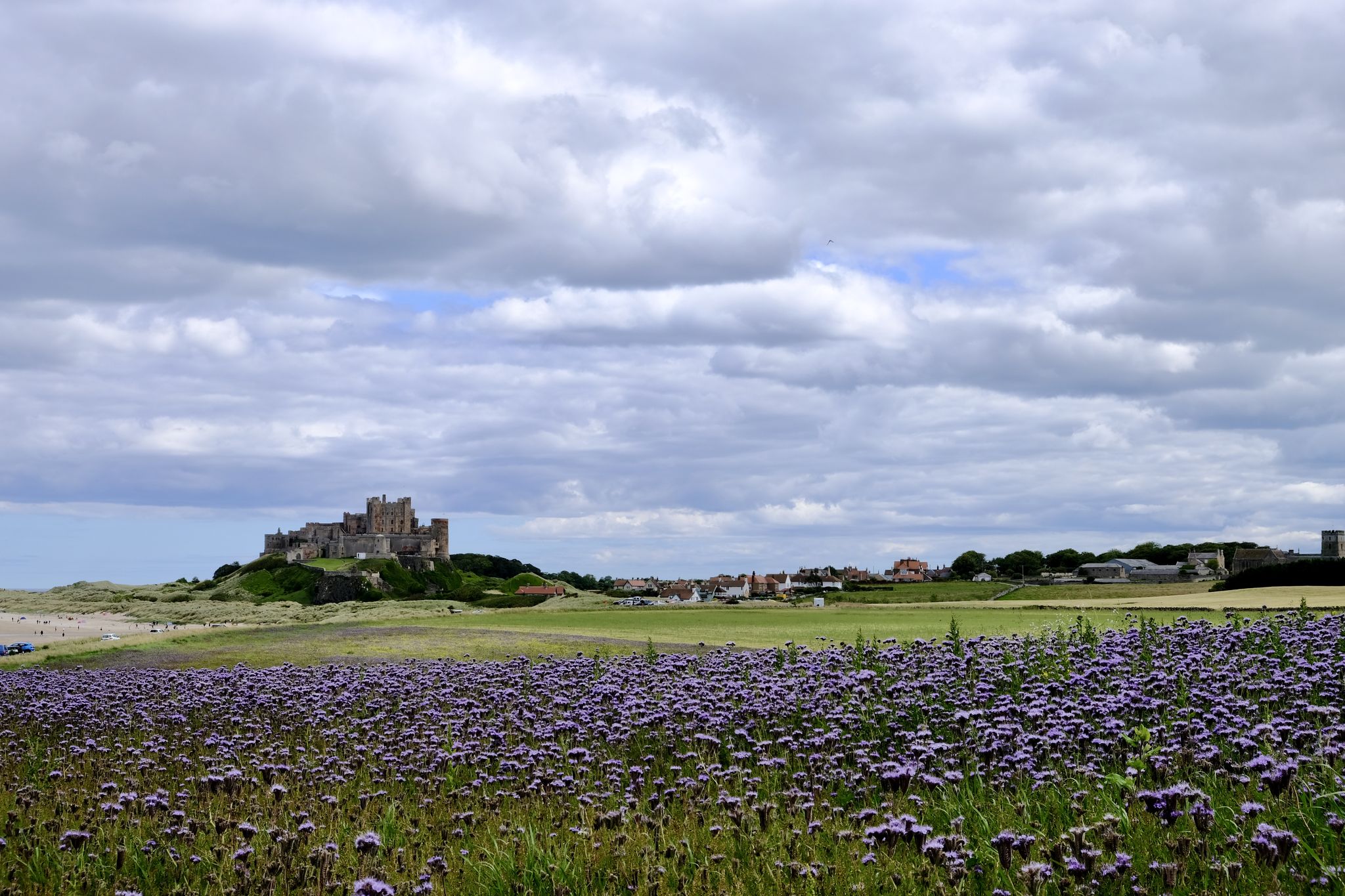
Emmanuel Head is one of those quirky, unexpected gems on Holy Island. The stark white pyramid looks almost out of place at first, but it’s actually steeped in history – built in 1810, it’s the oldest surviving daymark in England. Sailors would have used it as a navigational aid to guide them safely around the island’s treacherous coast, long before modern lighthouses and GPS. The walk out there is lovely, with wide-open views across the dunes, sea and Lindisfarne Castle in the distance. Standing by it, with seabirds wheeling overhead and the waves rolling in, you really get a sense of the island’s long connection with the sea. A peaceful, slightly off-the-beaten-path highlight – and a great photo stop too!
0
0


Make sure you stay on the main path else it's easy to miss it
0
0

amazing experince, when you need to check tides time before any trip
1
0

The daymark on Emmanuel Head is a visual aid for boats navigating these waters. It's also a great target for a coastal run around the island. Look out for dolphins and seals out to sea.
1
0

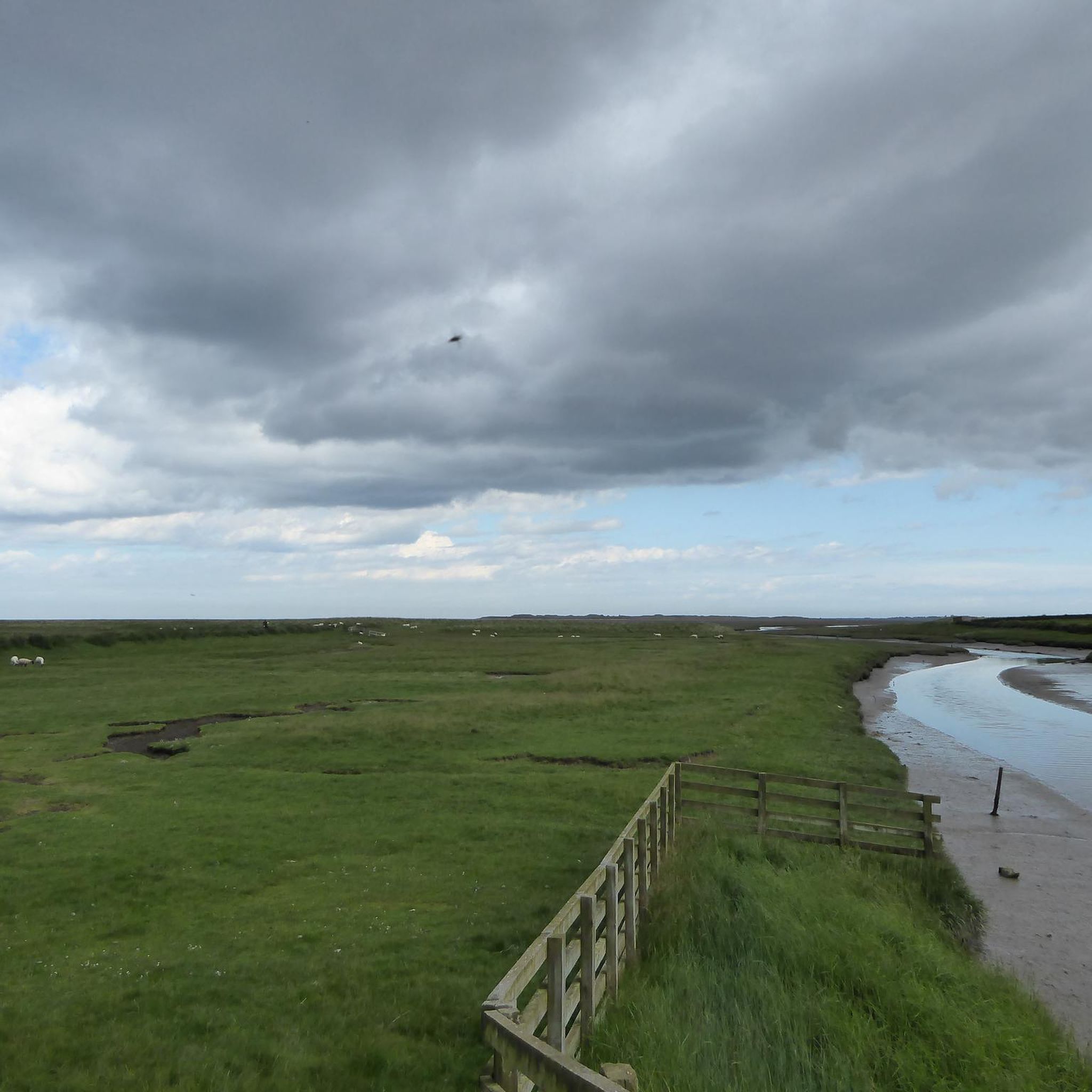
Budle Bay is a square-shaped bay extending 1 mile wide along the North Sea coast of Northumberland, England. Positioned between Bamburgh and Lindisfarne, it features Budle Point on the eastern end. The bay is notable for its association with Bamburgh Castle Golf Club, the Northumberland Coast Path, and St Oswald's Way. Waren Burn and Ross Low are streams that converge into the bay, forming Budle Water as they flow eastward. The area is part of the Lindisfarne National Nature Reserve and is significant in geological conservation. The bay's geological composition includes limestone, Alston Formation rocks, and the quartz-microgabbro of the Whin Sill. Blown sand deposits shape the landscape, with Ross Links on one side. Historically, Budle Bay had a seaport named Waren, which operated until the early 20th century.
1
0

Beautiful river that also forms the natural border between England and Scotland.
1
0
A small settelment on Holy Island accessed by a tidal causway so don't get stuck! The National Trust manage Lindisfarne Castle which is an amazing place to visit while you're here. There is also a ruined Benedictine Abbey. The island is great for sea birds and also has a seal population. The settelment has a small selection of cafes, pubs and a shop where you can get snacks, supplies or a meal.
1
0
Frequently Asked Questions
What natural features can I explore around Kyloe?
Kyloe offers a diverse landscape including distinct sandstone crags like the Kyloe Crags, extensive woodlands such as Kyloe Woods, and coastal features. You can also find significant rivers like the River Tweed, and beautiful bays like Budle Bay, which is part of the Lindisfarne National Nature Reserve.
Are there any historical sites among the natural monuments in Kyloe?
Yes, several natural monuments in Kyloe have significant historical associations. Holy Island (Lindisfarne) is a historical site and natural monument known for its castle and priory. St Cuthbert's Cave is another notable natural monument shrouded in folklore about St Cuthbert, offering a beautiful walk to a site of historical refuge.
What makes Kyloe Crags a popular natural monument?
Kyloe Crags, located within Kyloe Woods, are renowned for their silver-grained sandstone outcrops, offering diverse formations for rock climbing and bouldering. Beyond climbing, the crags provide stunning views across Northumberland, including the Cheviot Hills and Lindisfarne. The atmospheric woodland setting and the presence of a Red Squirrel Reserve add to its appeal.
What kind of wildlife can I expect to see near Kyloe's natural monuments?
Kyloe is an excellent area for wildlife observation. Kyloe Woods are part of an important Red Squirrel Reserve, offering a chance to spot these native creatures. Along the coast, particularly near the Emmanuel Head Navigation Beacon, visitors often spot dolphins and seals offshore. The River Tweed is also famous for its large salmon population.
Are there family-friendly natural monuments to visit in Kyloe?
Yes, Kyloe offers several family-friendly natural monuments. Holy Island (Lindisfarne) is suitable for families, offering coastal walks and historical exploration. Budle Bay is another great option for families, with its beach and natural beauty. The River Tweed also provides scenic views and picnic spots enjoyable for all ages.
What outdoor activities can I do near Kyloe's natural monuments?
The area around Kyloe's natural monuments is ideal for various outdoor activities. You can enjoy cycling on routes like the 'Cheswick Sands Beach – Cocklawburn Beach loop' or 'Holy Island (Lindisfarne) – Bamburgh Castle loop'. Running trails are also available, such as the 'Holy Island loop and causeway crossing'. For more details on routes, you can explore the Cycling around Kyloe, Road Cycling Routes around Kyloe, and Running Trails around Kyloe guides.
What are the Kyloe Hills and what do they offer visitors?
The Kyloe Hills form a broader geographical context for the crags, comprising a Fell Sandstone ridge. They offer picturesque and rugged beauty, with cliffs, hills, and moorland. Visitors can enjoy walks and hikes, providing expansive views and a sense of wilderness, shaped by the distinctive geology of Carboniferous Limestone and igneous rocks.
Can I go hiking or walking in Kyloe Woods?
Yes, Kyloe Woods provide a tranquil environment perfect for walking and enjoying nature. The woods feature majestic trees and are home to the Kyloe Crags. They are an integral part of the outdoor recreation experience in Kyloe, offering opportunities for wildlife observation, particularly red squirrels.
What is the significance of Budle Bay?
Budle Bay is a square-shaped bay along the Northumberland coast, notable for its inclusion in the Lindisfarne National Nature Reserve. It's a significant area for geological conservation and is part of the Northumberland Coast Path and St Oswald's Way, offering beautiful coastal views and walks.
What do visitors enjoy most about the natural monuments in Kyloe?
Visitors to Kyloe's natural monuments highly appreciate the diverse landscapes, from the challenging climbing at Kyloe Crags to the tranquil walks in Kyloe Woods. The historical significance of sites like Holy Island and St Cuthbert's Cave, combined with opportunities for wildlife spotting and stunning coastal views, are frequently highlighted. The komoot community has shared over 70 photos and given more than 170 upvotes, reflecting the area's appeal.
Is the Kyloe area part of any protected natural landscapes?
Yes, Kyloe is situated within the larger Northumberland Coast Area of Outstanding Natural Beauty, recognizing its exceptional scenic beauty. It also includes part of the Lindisfarne National Nature Reserve, underscoring its importance for conservation and diverse habitats.
Most popular attractions around Kyloe

Get inspired with the komoot mobile app


Explore more
Extend your search for the best caves by checking out these guides of the top ones around Kyloe:
