Top 8 Natural Monuments around Branxton
Best natural monuments around Branxton, Northumberland, are often integrated with the region's rich historical landscape. This area features a diverse topography, including river valleys, hills, and moorlands that have shaped its past. Visitors can explore natural features that played a role in historical events, alongside ancient sites. The natural environment provides a setting for both historical exploration and outdoor activity.
Best natural monuments around Branxton
- The most popular natural monument is River Tweed, a viewpoint and river that runs…
Last updated: July 1, 2026
River Tweed
Highlight • Viewpoint
The river is known for its …
Tip by

Duddo Stones Stone Circle
Highlight • Historical Site
Tip by

Sign up now to discover places like this
Get recommendations on the best single tracks, peaks, & plenty of other exciting outdoor places.
Sign up for free
Ad Gefrin: Anglo-Saxon Palace and Settlement
Highlight • Settlement
Tip by

Gains Law Summit
Highlight • Trail
Tip by
Bow Well
Highlight • Natural Monument
Tip by

Sign up for free to discover even more natural monuments around Branxton.
Sign up for free
Already have an account?
Start today with a free account
Your next adventure awaits.
Login or Signup
Tips from the Community

Northumberland’s Stonehenge although at least two stones are missing, the site is on private land but the farmer has allowed a permissive pathway. There is a small lay-by with space for about 5 cars approx 0.25mikes from the circle
0
0

Gains Law 319.2m P28.0 (1047ft) (Hill ID: 504124) [JNSA 12707] Northumberland National Park Definitive List summit. County of Northumberland Definitive List summit. TP3287 - Gains Law S7469 FB Height: 319.125m #1003 Northumberland National Park Trig Pillar List. County of Northumberland Trig Pillar List.
0
0

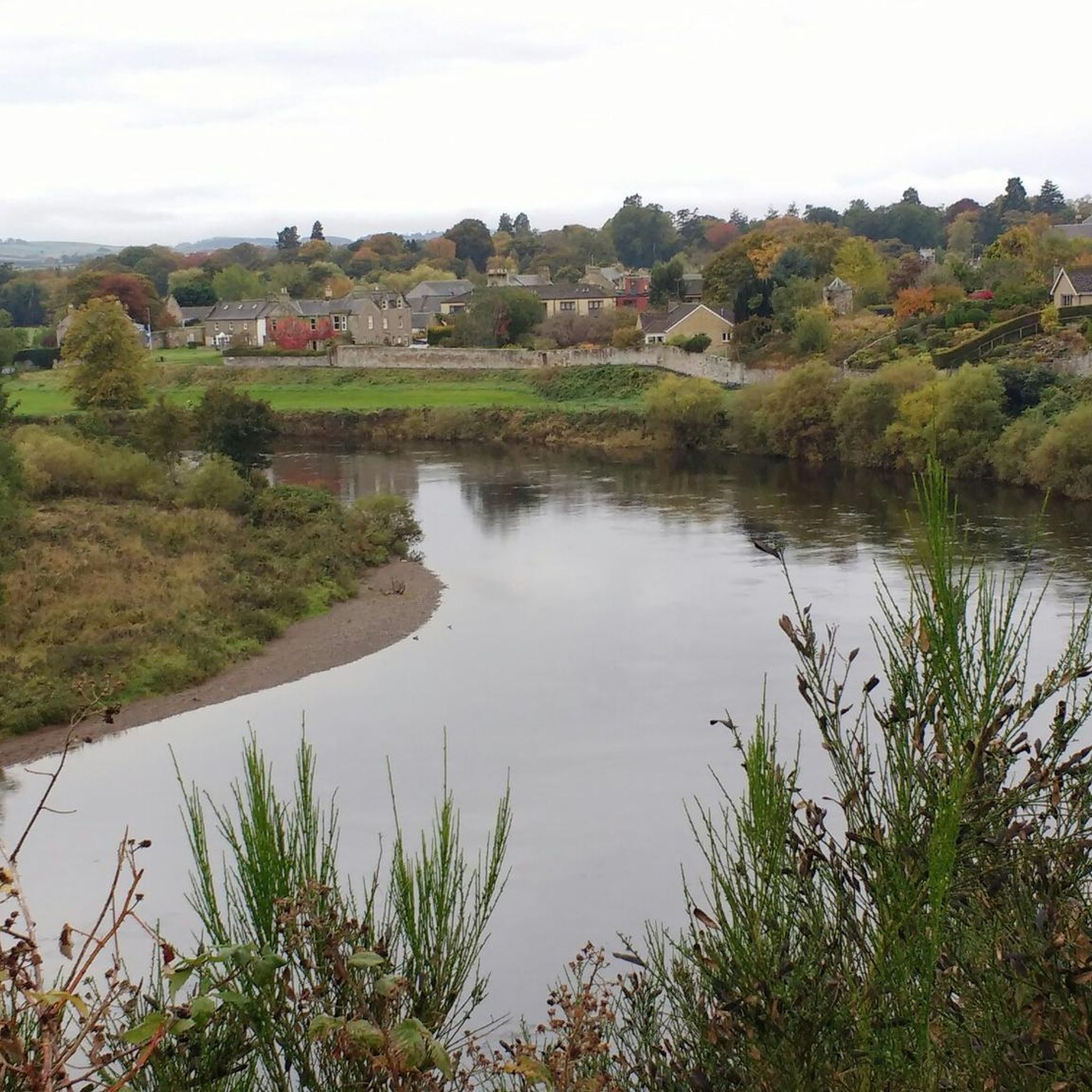
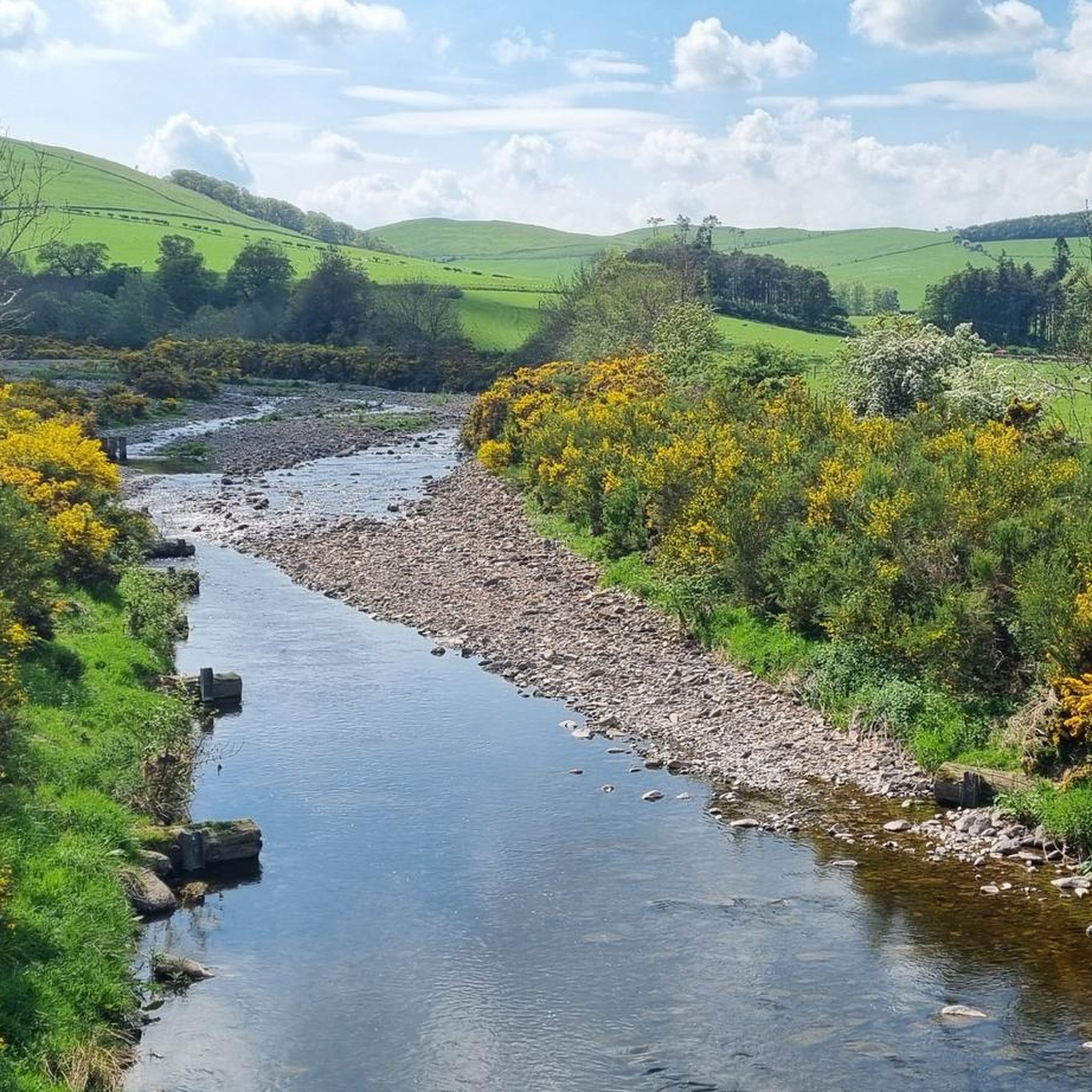
Beautiful river that also forms the natural border between England and Scotland.
1
0


Gains Law is a majestic moorland summit close to the Monday Cleugh Iron Age hillfort. Rugged and beautiful at all times of year, in summer it is carpeted in vibrant purple heather. The St Cuthbert's Way winds along the hill.
1
0

This is Northumberlands very own stone circle. It is believed to be 4000 years old and there are five stones. Originally there were seven and you can see where the two missing stones should be. This is on private property however the farmer allows access as long as you stick to the path.
4
0

Lovely scenic view from this bridge, but a tough little climb heading West. The river banks are a perfect spot for a picnic with a pork pie purchased from Forman's Butchers in Norham.
0
0
Frequently Asked Questions
What kind of natural features can I expect to see around Branxton?
The Branxton area, located in Northumberland, England, offers a diverse landscape where natural features often intertwine with historical significance. You can explore the majestic River Tweed, known for its salmon population and as a natural border. There's also the hidden gem of Roughting Linn Waterfall, tucked away in a valley, and the moorland expanse of Gains Law Summit, offering panoramic views.
Are there any historical natural monuments in the Branxton area?
Yes, Branxton is rich in natural monuments that hold historical significance. You can visit Ad Gefrin: Anglo-Saxon Palace and Settlement, where the natural topography influenced the layout of a 7th-century royal site. The ancient Duddo Stones Stone Circle, believed to be over 4000 years old, is another example of how natural formations were used by early inhabitants. Additionally, the nearby Flodden Battlefield itself incorporates natural elements like hills and marshy ground that played a crucial role in the 1513 conflict.
What are some family-friendly natural monuments to visit near Branxton?
For families, the River Tweed is a great option, offering scenic views and opportunities for picnics along its banks. While not explicitly categorized as 'family-friendly' in all aspects, the Duddo Stones Stone Circle can be an engaging visit for older children interested in history, provided you stick to the designated path.
What outdoor activities can I do near these natural monuments?
The Branxton area provides various outdoor activities. You can find numerous running trails, such as the 'College Valley & War Memorial loop from Hethpool', or explore road cycling routes like the 'Coldstream to Norham Castle loop'. For general cycling, there are options like the 'Coldstream to Berwick on Tweed loop'. You can find more details on these activities and routes in the respective guides: Running Trails around Branxton, Road Cycling Routes around Branxton, and Cycling around Branxton.
Are there hiking trails near the natural monuments around Branxton?
Yes, there are several hiking opportunities. For instance, the Gains Law Summit is part of the St Cuthbert's Way, offering rugged and beautiful moorland trails. While visiting Roughting Linn Waterfall involves a path down a steep hill, providing a short, adventurous walk. For more structured hiking and running trails, refer to the Running Trails around Branxton guide.
What do visitors enjoy most about the natural monuments in Branxton?
Visitors appreciate the blend of natural beauty and historical depth. For example, the River Tweed is loved for its scenic views and as a perfect spot for a picnic. At Ad Gefrin, people enjoy stepping back in time to explore the remains of the Anglo-Saxon palace. The ancient Duddo Stones Stone Circle offers a glimpse into prehistoric times, while Roughting Linn Waterfall is cherished as a beautiful hidden gem.
Can I spot wildlife near Branxton's natural monuments?
Yes, the natural environment around Branxton offers opportunities for wildlife spotting. The River Tweed is particularly notable for having one of the largest salmon populations in the UK. The moorlands and riverbanks also support various bird species and other local wildlife, especially in less disturbed areas like around Gains Law Summit.
What is the best time to visit the natural monuments around Branxton?
The natural monuments around Branxton can be enjoyed throughout the year, but each season offers a different experience. Summer brings vibrant purple heather to moorland areas like Gains Law Summit, making it ideal for hiking. Spring and autumn offer pleasant temperatures for exploration, while winter can provide a rugged beauty, though some paths might be more challenging due to weather conditions.
Are there any viewpoints offering scenic panoramas?
Absolutely. The River Tweed offers lovely scenic views, particularly from bridges. For more expansive vistas, Gains Law Summit provides great views over to the Cheviot hills and the surrounding moorland. Even the area around Roughting Linn Waterfall offers picturesque views within its secluded valley.
Are there any geological features of interest near Branxton?
While the area is more known for its historical and river landscapes, the natural topography itself, including hills and moorlands, forms significant geological features. The formation of the Duddo Stones Stone Circle, for instance, relies on the local stone. The Flodden Battlefield's natural undulations and marshy ground are also geological elements that influenced historical events.
How long does it take to explore some of these natural monuments?
The time required varies. A visit to the Duddo Stones Stone Circle might take a short walk from the parking area. Exploring Ad Gefrin could take an hour or two to appreciate the historical context. For a more active experience, hiking to Gains Law Summit or along sections of the River Tweed could range from a couple of hours to a half-day, depending on the chosen route and pace.
Most popular routes around Branxton
Most popular attractions around Branxton

Get inspired with the komoot mobile app


Explore more
Extend your search for the best caves by checking out these guides of the top ones around Branxton:
