Top 3 Natural Monuments around Belsay
Natural monuments around Belsay are primarily found within the historic Belsay Hall, Castle, and Gardens estate in Northumberland, England. This area is known for its unique blend of cultivated beauty and historical significance, offering diverse natural features. The estate encompasses a variety of landscapes, from unique gardens created from former quarries to extensive woodlands and lakes. These natural landmarks provide a comprehensive experience for visitors exploring the Belsay village area.
Best natural monuments around Belsay
- The most popular natural monuments…
Last updated: November 14, 2026
The Punch Bowl
Highlight • Natural Monument
Tip by

Salters Nick Gorge
Highlight • Natural Monument
Tip by
Sign up now to discover places like this
Get recommendations on the best single tracks, peaks, & plenty of other exciting outdoor places.
Kirkharle Serpentine Lake
Highlight • Viewpoint
Tip by
Start today with a free account
Your next adventure awaits.
Tips from the Community

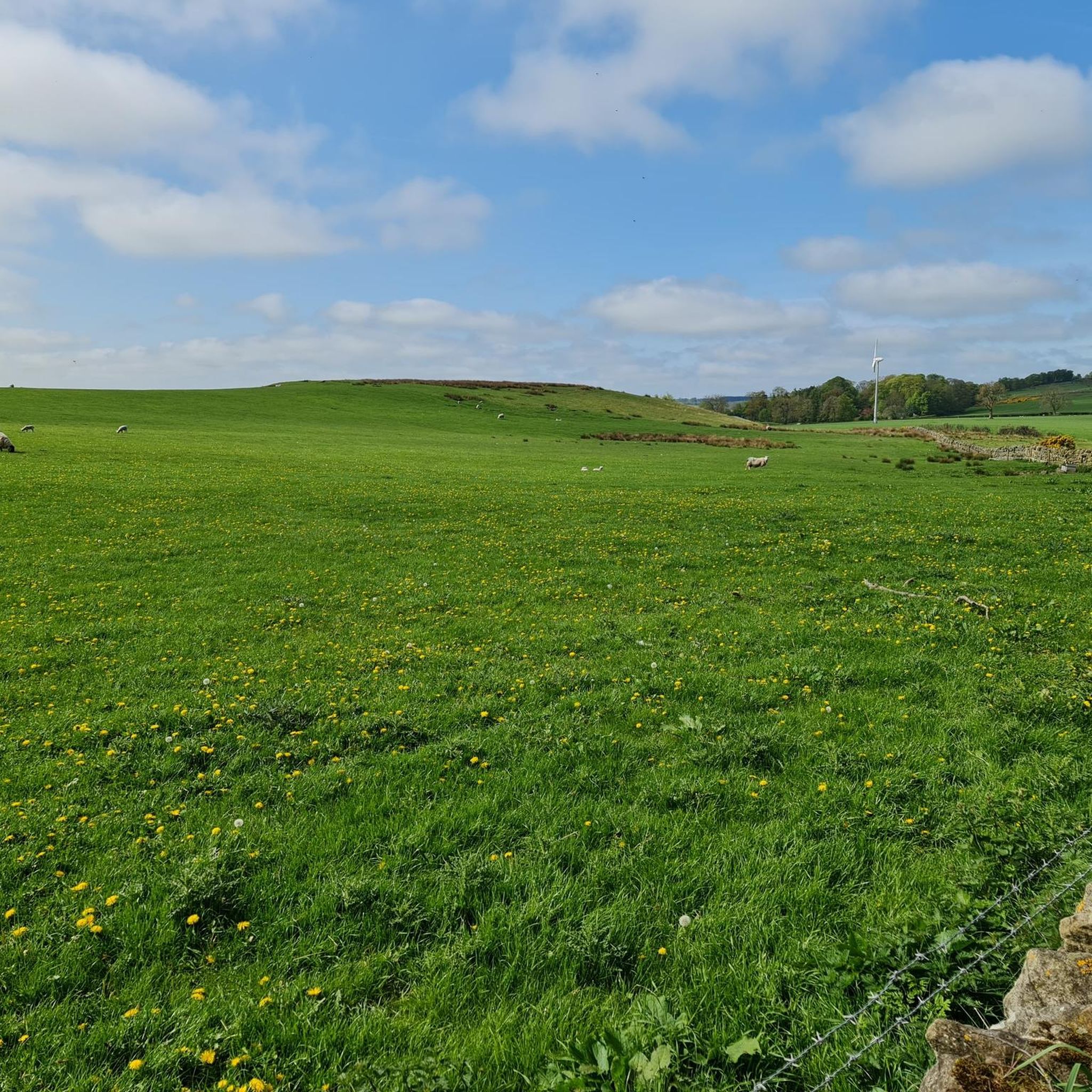
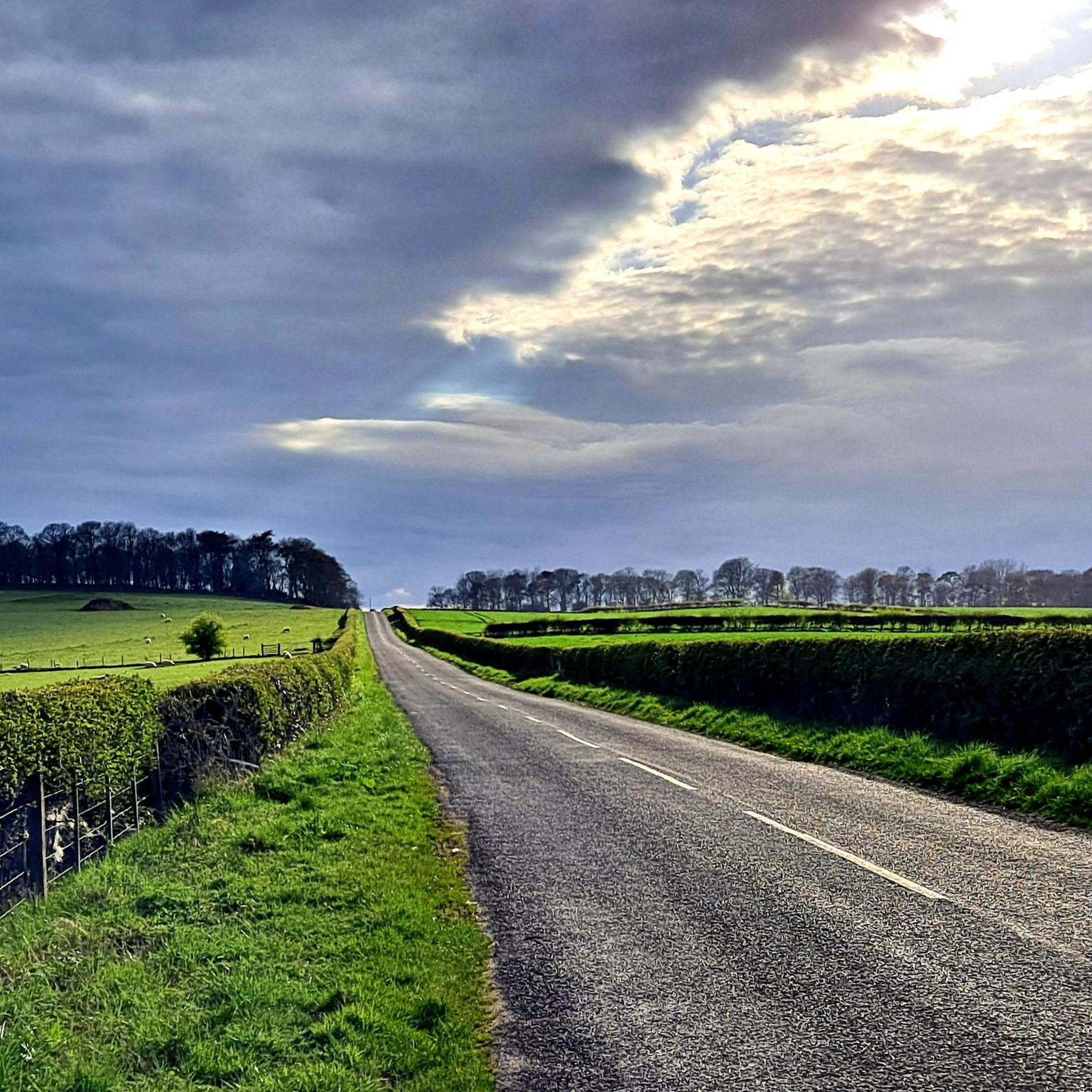
The serpentine lake at Kirkharle, designed by famed landscape architect Lancelot "Capability" Brown who was born here in 1716, was finally completed in 2010. Brown's plan, rediscovered in 1980s, breathed new life into the Grade 2 listed parkland. Over 2,000 trees were planted with the help of local schoolchildren, restoring the parkland to its former glory. A fully accessible 1km pathway winds through the landscape, with informative boards along the way. This allows visitors to enjoy the park year-round.
0
0
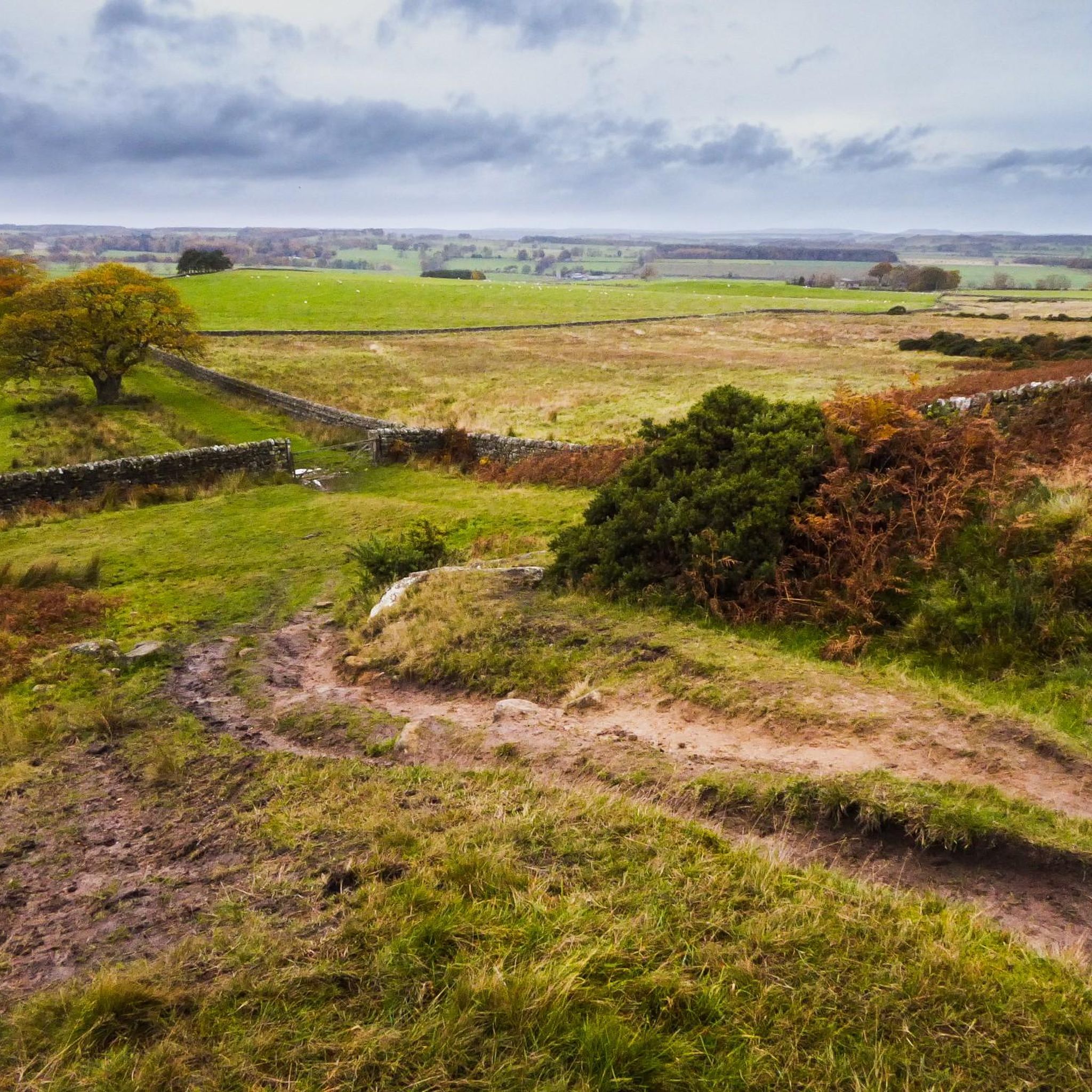
Welcome to the Punch Bowl, a notable geological feature. It consists of a hollow depression on top of the large rock, naturally formed but enlarged by human intervention. To reach it, you'll need to climb up the side of the rock, so be cautious as it's a considerable drop. When facing the Punch Bowl, you'll notice a small boulder on the right known as the Piper's Chair. Give it a try and you'll understand why it's called that.
0
0
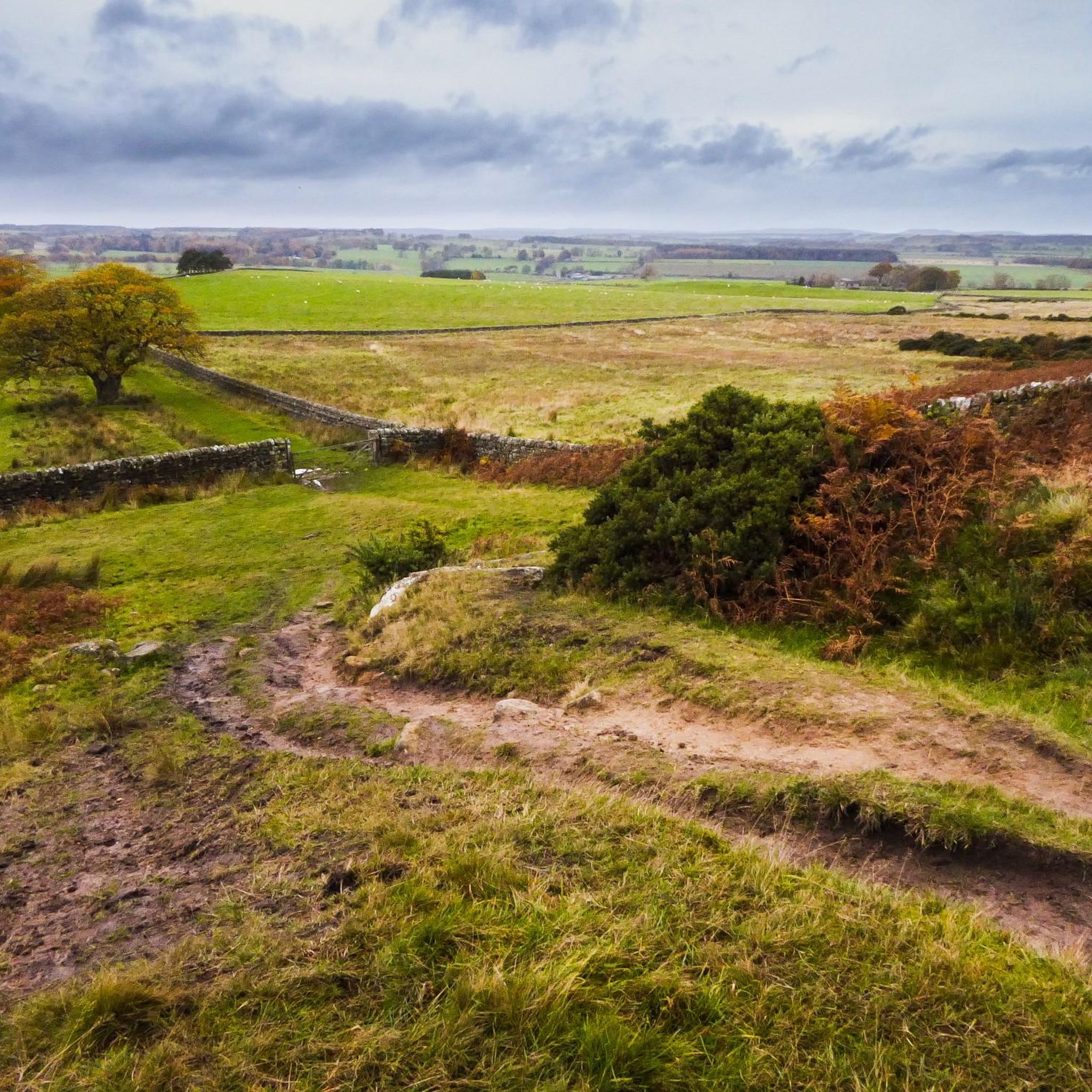
Salters Nick is a small gourge through the sandstone band home to a solitary tree. The jubilee stone can be found to the north and the trig stone to the south.
0
0
Frequently Asked Questions
What unique natural features can I explore around Belsay?
Belsay and its surroundings offer a variety of distinctive natural features. Within the Belsay estate, you can discover the remarkable Quarry Garden, created from the quarry that provided stone for Belsay Hall, featuring a unique microclimate and exotic plants. The estate also boasts 30 acres of gardens, including the Meadow Garden with magnolias and orchids, and scenic walks through Crag Wood. Beyond the estate, you can visit The Punch Bowl, a notable geological depression, and Salters Nick Gorge, a small gorge through sandstone.
Are there any natural monuments around Belsay that are wheelchair accessible?
Yes, Kirkharle Serpentine Lake offers excellent accessibility. It features a fully accessible 1km pathway winding through the landscape, allowing visitors to enjoy the park year-round. This lake was designed by Lancelot "Capability" Brown and completed in 2010, restoring the Grade 2 listed parkland.
What outdoor activities can I do near these natural monuments?
The Belsay area is great for various outdoor activities. You can find numerous routes for jogging, road cycling, and mountain biking. For example, there are running trails like the 'Whalton Manor – Ogle Village loop' or road cycling routes such as the 'Blacksmiths Coffee Shop – Bolam Lake loop'. You can explore more options in the dedicated guides for Running Trails around Belsay, Road Cycling Routes around Belsay, and MTB Trails around Belsay.
Are there family-friendly natural monuments to visit in the Belsay area?
The Belsay estate, encompassing the Quarry Garden and extensive 30-acre gardens, is generally considered family-friendly with well-maintained paths for exploration. The Kirkharle Serpentine Lake is also an excellent choice, with its accessible pathway and informative boards, making it suitable for families with children.
Can I bring my dog to the natural monuments around Belsay?
While specific dog policies can vary, many outdoor areas and trails around Belsay are dog-friendly, especially if dogs are kept on a lead. For instance, the wider estate woodlands and many of the walking routes mentioned in the nearby guides are suitable for walks with dogs. Always check specific site regulations, especially for managed attractions like Belsay Hall, Castle and Gardens, which may have restricted areas for dogs.
What is the best time of year to visit the natural monuments in Belsay?
The natural monuments around Belsay offer beauty throughout the year, but spring and summer are particularly vibrant. In spring, the Quarry Garden's rhododendrons and the Meadow Garden's magnolias and wild orchids are in full bloom. Summer provides pleasant weather for exploring the extensive gardens and woodlands. Autumn offers beautiful foliage, while winter can provide a serene, crisp experience, especially around the lake and woodlands.
Are there any historical connections to the natural monuments in Belsay?
Absolutely. The natural monuments in Belsay are deeply intertwined with its history. The Quarry Garden was formed from the quarry used for Belsay Hall and was developed by Sir Charles Monck. Similarly, the Kirkharle Serpentine Lake is a significant historical landscape, designed by the renowned 18th-century landscape architect Lancelot "Capability" Brown, who was born in Kirkharle. His original plans were rediscovered and used to complete the lake in 2010, restoring the Grade 2 listed parkland.
Where can I find parking when visiting natural monuments near Belsay?
For the Belsay Hall, Castle and Gardens estate, there is dedicated visitor parking available. For other natural monuments like Kirkharle Serpentine Lake, parking is typically provided at the Kirkharle Courtyard. For more remote natural features such as The Punch Bowl or Salters Nick Gorge, parking may be available in nearby villages or designated lay-bys, but it's advisable to check specific access points before your visit.
Are there cafes or pubs near the natural monuments in Belsay?
Yes, you'll find options for refreshments. The Belsay Hall, Castle and Gardens estate usually has a cafe on-site. Near Kirkharle Serpentine Lake, the Kirkharle Courtyard offers cafes and shops. In Belsay village itself, and in surrounding villages like Whalton or Stamfordham, you can find local pubs and cafes to enjoy a meal or a drink after your exploration.
What makes the Quarry Garden at Belsay so special?
The Quarry Garden is exceptional because it was created from the quarry where stone for Belsay Hall was extracted, transforming an industrial site into a thriving, exotic ecosystem. It boasts its own microclimate, allowing for a diverse range of exotic plants and stunning rhododendrons to flourish. Visitors can explore rocky ravines, rock doorways, and arches, making it a truly unique natural monument.
What should I know about visiting The Punch Bowl?
The Punch Bowl is a notable geological feature consisting of a hollow depression on top of a large rock. While naturally formed, it has been enlarged by human intervention. To reach it, you'll need to climb up the side of the rock, so caution is advised due to the considerable drop. Nearby, you'll also find the 'Piper's Chair', a small boulder to the right.
Most popular attractions around Belsay

Get inspired with the komoot mobile app


Explore more
Extend your search for the best caves by checking out these guides of the top ones around Belsay:
