Top 9 Natural Monuments around Norton-On-Derwent
Best natural monuments around Norton-On-Derwent are found in a region known for its diverse natural landscapes. Situated within the Vale of Pickering, the town serves as a gateway to the Howardian Hills Area of Outstanding Natural Beauty and the North York Moors National Park. The River Derwent flows through the town, contributing to the scenic countryside. This area features rolling hills, woodlands, and significant geological formations.
Best natural monuments around Norton-On-Derwent
- The most popular natural monuments is View of Fryton…
Last updated: July 1, 2026
Pretty Wood, King's Oak and the Four Faces Monument
Highlight (Segment) • Natural Monument
On your way, you will pass the ancient tree, King's Oak, which …
Tip by

Four Faces Folly
Highlight • Monument
Great place to stop by!
Tip by
Sign up now to discover places like this
Get recommendations on the best single tracks, peaks, & plenty of other exciting outdoor places.
Sign up for free
Castle Howard Obelisk and Ancient Oak
Highlight • Natural Monument
Tip by

View of Fryton and the Vale of Pickering
Highlight • Trail
Tip by
Lone Tree on Slingsby Heights
Highlight (Segment) • Viewpoint
Tip by
Sign up for free to discover even more natural monuments around Norton-On-Derwent.
Sign up for free
Already have an account?
Start today with a free account
Your next adventure awaits.
Login or Signup
Other adventures around Norton-On-Derwent

Tips from the Community

Its four carved faces are looking in different directions, adding a touch of mystery to this visually striking monument.
0
0
Beautiful woodland walks with stunning views of Castle Howard and unique architectural features like the pyramid on St. Anne's Hill and the Four Faces monument. The wood also features a variety of flora, including rhododendrons, and the King Oak, which has a fascinating information board.
0
0
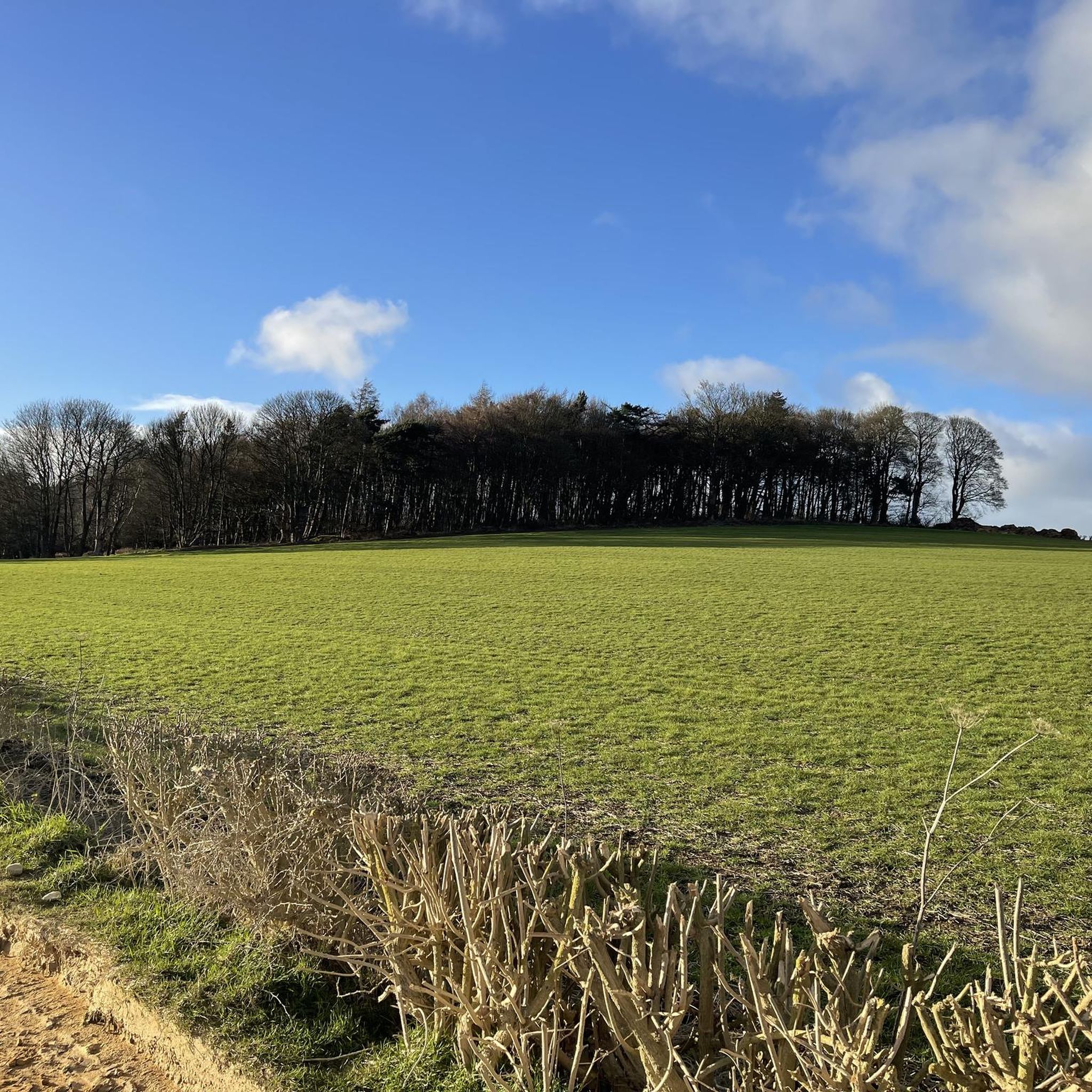
Fryton Lane ends here, where it meets Fryton West Wood. Off-road parking for a couple of cars. Far-reaching views to the north across the Vale of Pickering. Great track to the east, through Fryton East Wood, which is blanketed in bluebells in Spring.
0
0

The Four Faces Folly was erected in the early 18th century. It was made for Charles Howard (as in 'Howardian' Hills), who was the 3rd Early of Carlisle. It's a Grade I listed monument. Great place to stop by!
2
0
If you're walking south on this bridleway, make sure you look back to the north towards Slingsby. This lone tree on this straight bridleway and the views to the north over Slingsby from up here all make for a very unusual impression!
1
0
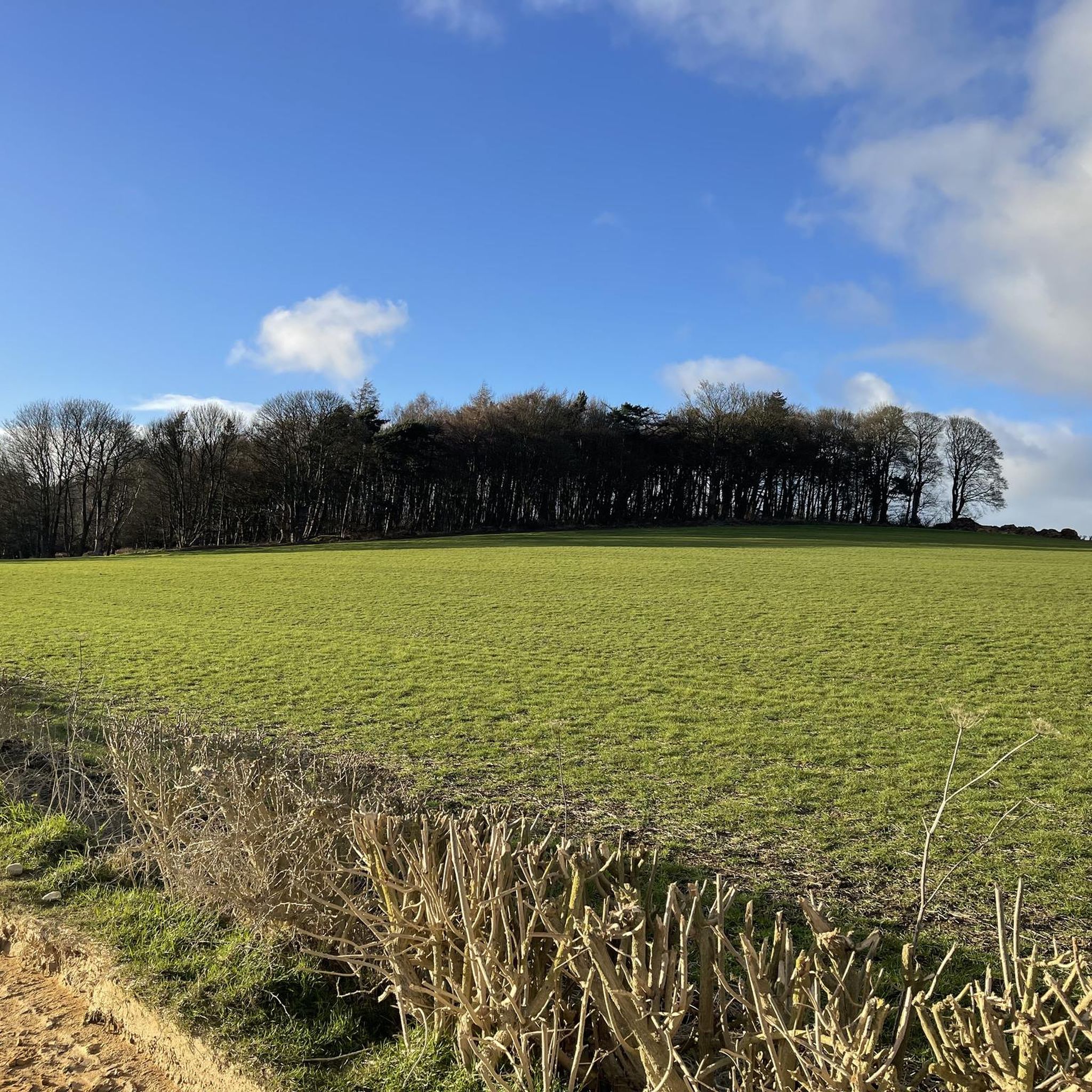
It's a magnificent experience walking in Pretty Wood, which is very appropriately named - it's very pretty here! On your way, you will pass the ancient tree, King's Oak, which is thought to be over 400 years old. Further into the forest, you will come upon the Four Faces monument from the 18th century. And outside of these, it's a beautiful forest to be in.
1
0
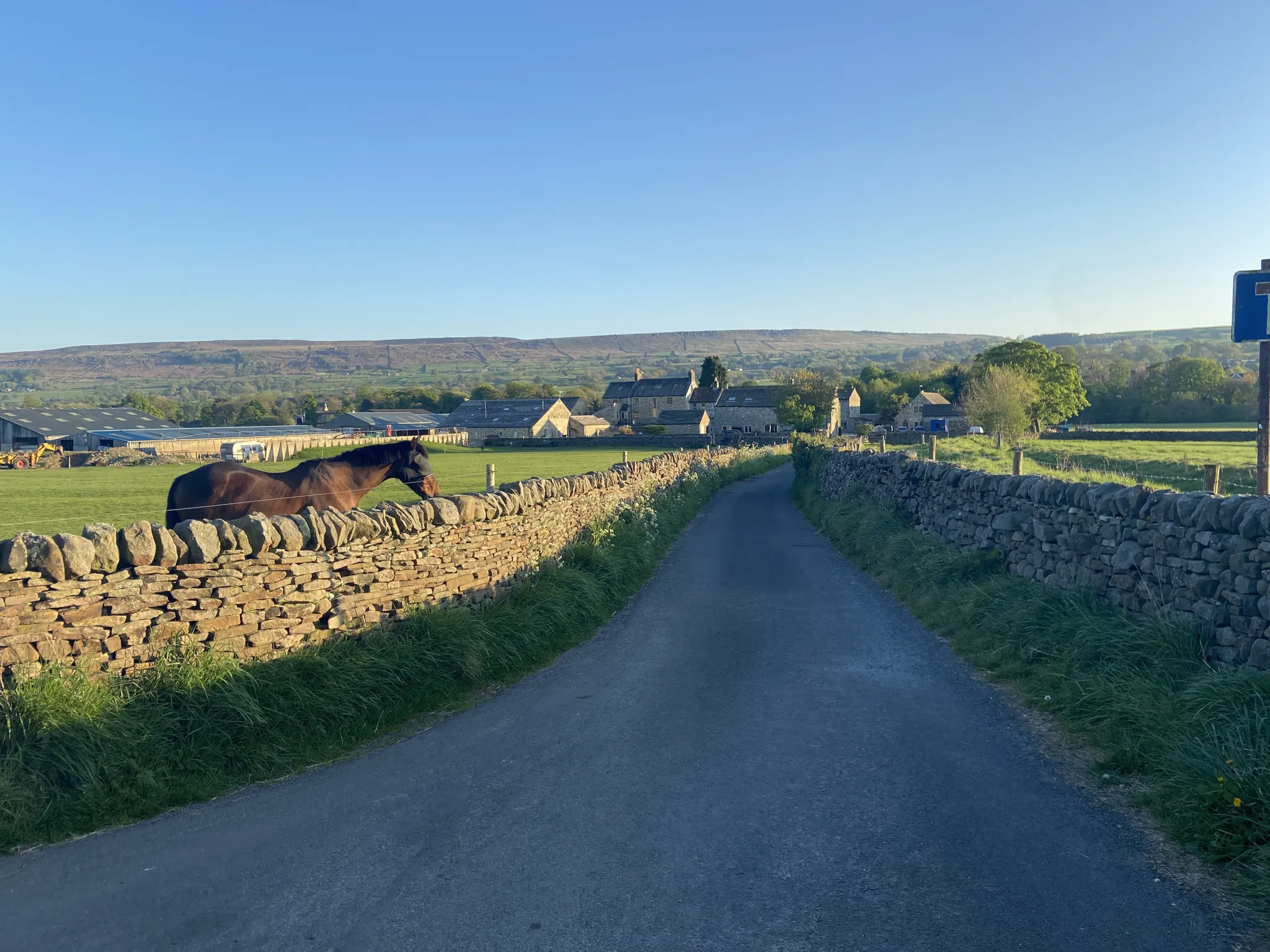
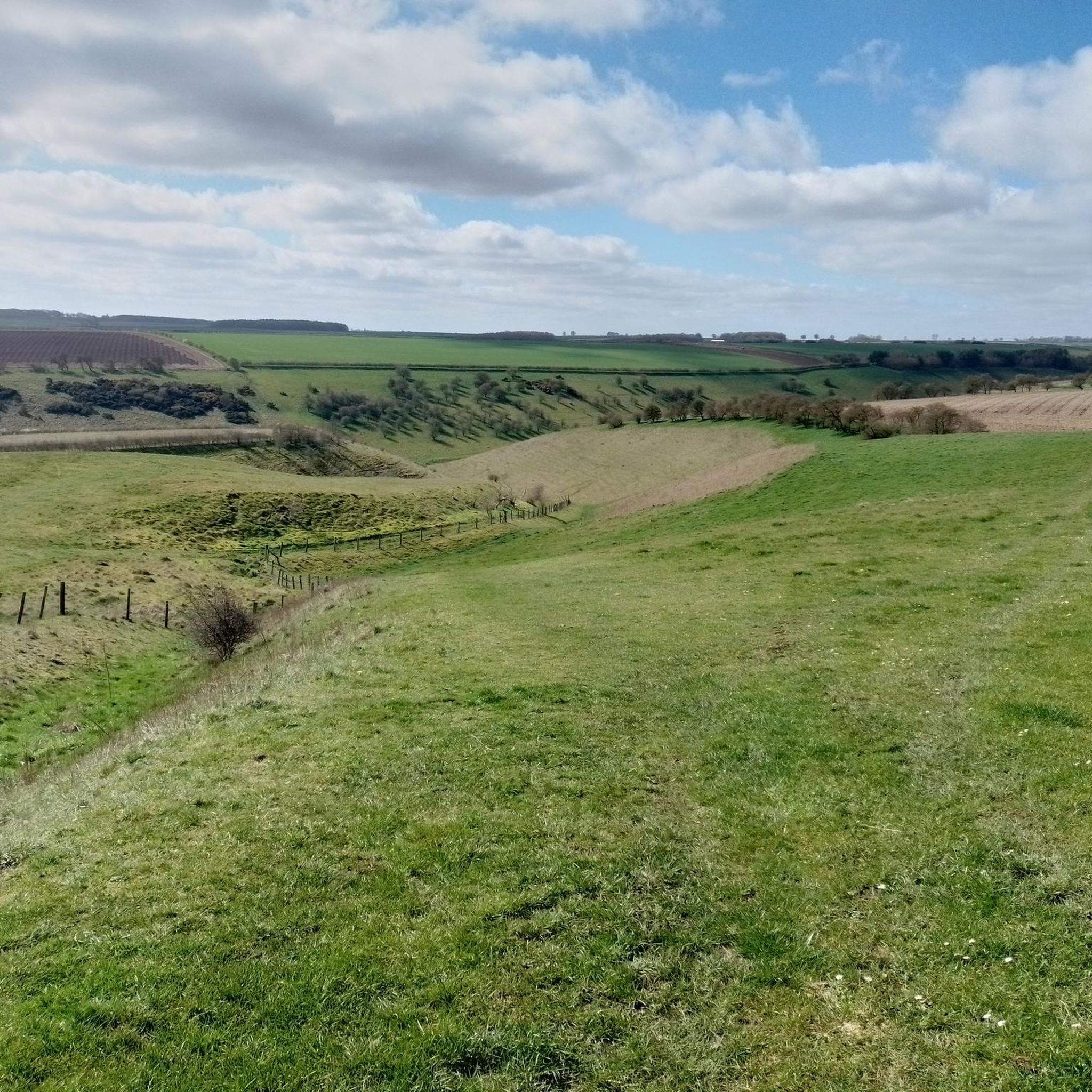
There is a fabulous view down Fryton Lane to the hamlet of Fryton from here, but what of course grabs the attention is dozens of miles of the English countryside here: miles and miles and miles of a view to the distant hills on the horizon. The poetry is not all in Switzerland, you know!
3
0

if you do this route, be aware that the castle owners have closed entry via loop..
0
0
Frequently Asked Questions
What types of natural monuments can I explore near Norton-On-Derwent?
Near Norton-On-Derwent, you can explore a variety of natural monuments, from expansive viewpoints and ancient woodlands to significant geological formations. The area is a gateway to the Howardian Hills Area of Outstanding Natural Beauty and the vast North York Moors National Park, offering rolling hills, forests, and dramatic moorland. You'll find features like the River Derwent, the unique geological amphitheatre of The Hole of Horcum, and the ancient trees within Pretty Wood.
Are there any family-friendly natural monuments or activities around Norton-On-Derwent?
Yes, several natural monuments and areas are suitable for families. Pretty Wood, King's Oak and the Four Faces Monument offers pleasant walks through woodlands to discover an ancient oak and an 18th-century monument. The broader Dalby Forest, within the North York Moors, provides extensive trails and activities for all ages. Additionally, Castle Howard, while a stately home, is listed as family-friendly and set within extensive natural parkland.
Where can I find the best scenic viewpoints near Norton-On-Derwent?
For breathtaking views, visit View of Fryton and the Vale of Pickering, which offers extensive vistas across the Vale of Pickering to distant hills. Another notable spot is the Lone Tree on Slingsby Heights, providing an unusual and striking impression of the landscape towards Slingsby. The Howardian Hills AONB and the North York Moors National Park also contain numerous elevated points with panoramic scenery.
What historical natural monuments can I visit in the area?
Beyond the natural beauty, the region also features historical natural monuments. The Four Faces Folly, an 18th-century Grade I listed monument, is a fascinating man-made structure set within a natural landscape. The ancient King's Oak in Pretty Wood is another historical natural feature, believed to be over 400 years old. The Hole of Horcum also features remains of Iron Age earthworks, adding a historical dimension to its natural appeal.
Are there opportunities for hiking or cycling near these natural monuments?
Absolutely. The areas surrounding Norton-On-Derwent are ideal for outdoor activities. You can find numerous hiking trails in the Howardian Hills AONB and the North York Moors National Park, including routes around Dalby Forest and The Hole of Horcum. For cycling, there are many options, including moderate to difficult routes like the 'Castle Howard & Nunnington loop' or the 'Malton and Pickering Cycle Loop'. You can explore more routes on the MTB Trails around Norton-On-Derwent, Cycling around Norton-On-Derwent, and Running Trails around Norton-On-Derwent guide pages.
What is the best time of year to visit the natural monuments near Norton-On-Derwent?
The best time to visit largely depends on your preferred activities. Spring (April-May) is beautiful for seeing wildflowers, especially bluebells in woodlands like Fryton East Wood. Summer (June-August) offers warmer weather for hiking and cycling. Autumn (September-October) brings stunning foliage colours to the woodlands and hills. Winter can be picturesque, especially in the North York Moors, but some trails may be challenging due to weather conditions.
Can I bring my dog to the natural monuments and trails?
Many natural areas and trails around Norton-On-Derwent are dog-friendly, particularly in the Howardian Hills AONB and parts of the North York Moors National Park. However, it's always advisable to keep dogs on a lead, especially near livestock or during ground-nesting bird seasons. Specific rules may apply in certain managed areas like Dalby Forest, so check local signage.
What unique geological features can be found in the region?
The region boasts several unique geological features. The Vale of Pickering, where Norton-On-Derwent is situated, is a low-lying valley with a significant history as the site of post-glacial Lake Pickering. It features deposits from receding ice sheets and underlying Jurassic strata. Further afield in the North York Moors, you can find The Hole of Horcum, an impressive natural amphitheatre-like valley formed by 'spring-sapping,' offering fascinating geological insights.
Are there any tranquil natural retreats for quiet walks?
Yes, for a peaceful immersion in nature, Kirkham Park Wood, located near York and accessible from Norton-On-Derwent, offers serene woodland walks and is known as a haven for wildlife. The tranquil riverside walks along the River Derwent, which flows through Norton-On-Derwent, also provide a quiet escape with scenic views of the countryside.
What kind of wildlife can I expect to see around the natural monuments?
The diverse landscapes around Norton-On-Derwent support a variety of wildlife. In woodlands like Pretty Wood and Kirkham Park Wood, you might spot various bird species, squirrels, and other small mammals. The North York Moors National Park is home to iconic moorland birds, deer, and unique flora. The River Derwent and its tributaries also attract waterfowl and other aquatic wildlife.
What are the easiest natural monuments to visit near Norton-On-Derwent for beginners or those seeking less strenuous options?
For easier visits, consider the riverside walks along the River Derwent directly in Norton-On-Derwent, which are generally flat and accessible. Many sections of Pretty Wood offer gentle trails suitable for a leisurely stroll. While some viewpoints require a short walk, the View of Fryton and the Vale of Pickering has off-road parking nearby, making it relatively easy to access the expansive views.
Are there cafes or pubs conveniently located near these natural attractions?
While specific cafes and pubs directly on remote trails are rare, many villages and towns surrounding the natural monuments offer amenities. For example, Castle Howard has tea rooms and a cafe. Malton, a short distance from Norton-On-Derwent, and other villages within the Howardian Hills and on the fringes of the North York Moors, provide various options for refreshments and meals after your explorations.
Most popular routes around Norton-On-Derwent
Most popular attractions around Norton-On-Derwent

Get inspired with the komoot mobile app


Explore more
Extend your search for the best caves by checking out these guides of the top ones around Norton-On-Derwent:
