Top 19 Natural Monuments around Middleton
Natural monuments around Middleton, Wisconsin, feature diverse ecological landscapes including conservancies, lakes, and wetlands. The region is characterized by its glacial origins, offering varied terrain from open-water marshes to wooded hills. These areas provide significant habitats for wildlife and offer opportunities for outdoor recreation. Middleton's natural spaces contribute to its ecological health and provide accessible natural experiences.
Best natural monuments around Middleton
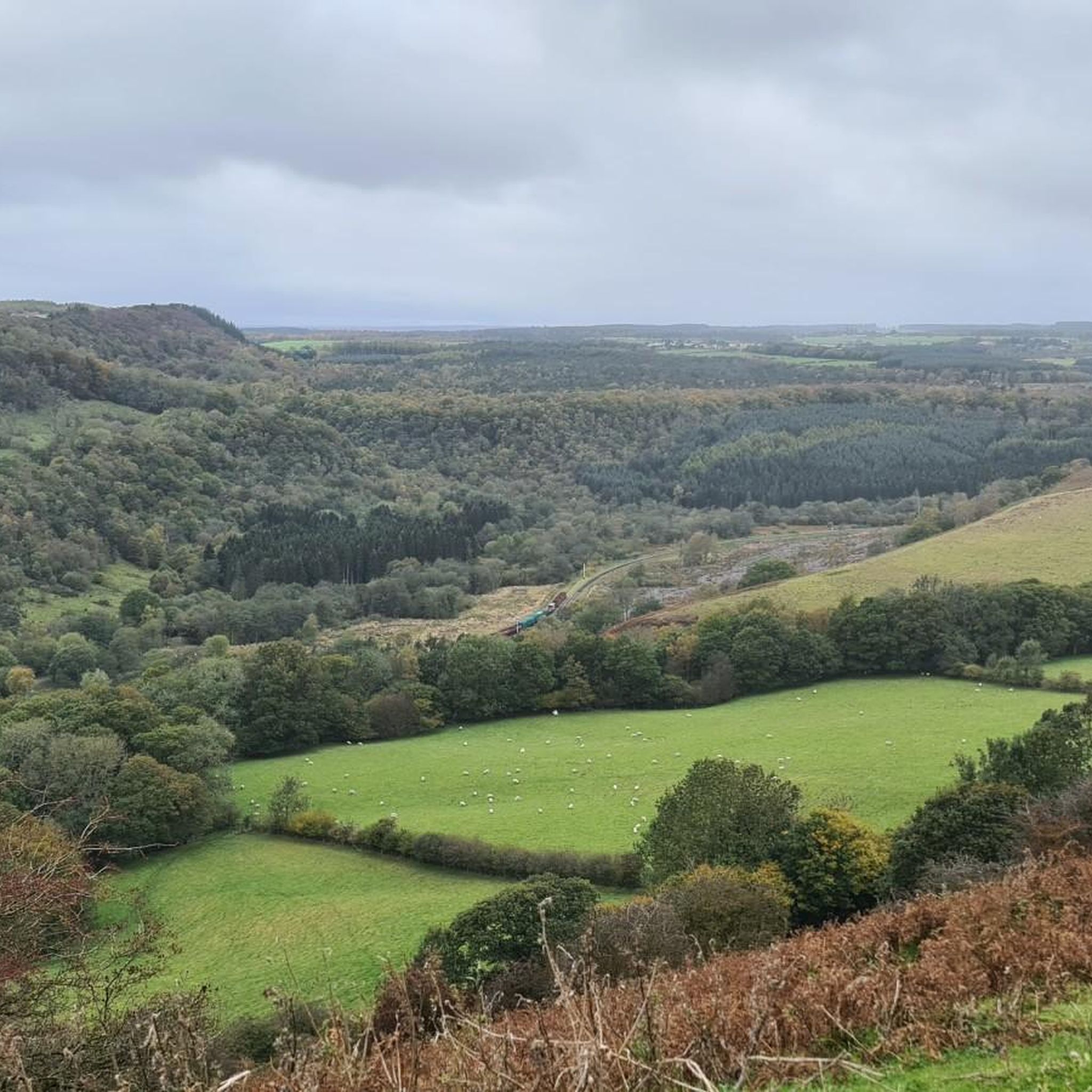
- The most popular natural monuments is Hole of Horcum Bridleway, a natural amphitheater that is 120m deep…
Last updated: May 3, 2026
The Bridestones
Highlight • Natural
Tip by

Ana Cross
Highlight • Monument
Tip by
Sign up now to discover places like this
Get recommendations on the best single tracks, peaks, & plenty of other exciting outdoor places.
Sign up for free
Staindale Lake
Highlight • Lake
Tip by

Hole of Horcum Bridleway
Highlight • Natural Monument
Tip by

Rhumbard Snout
Highlight • Viewpoint
Translated by Google •
Tip by

Sign up for free to discover even more natural monuments around Middleton.
Sign up for free
Already have an account?
Start today with a free account
Your next adventure awaits.
Login or Signup
Tips from the Community

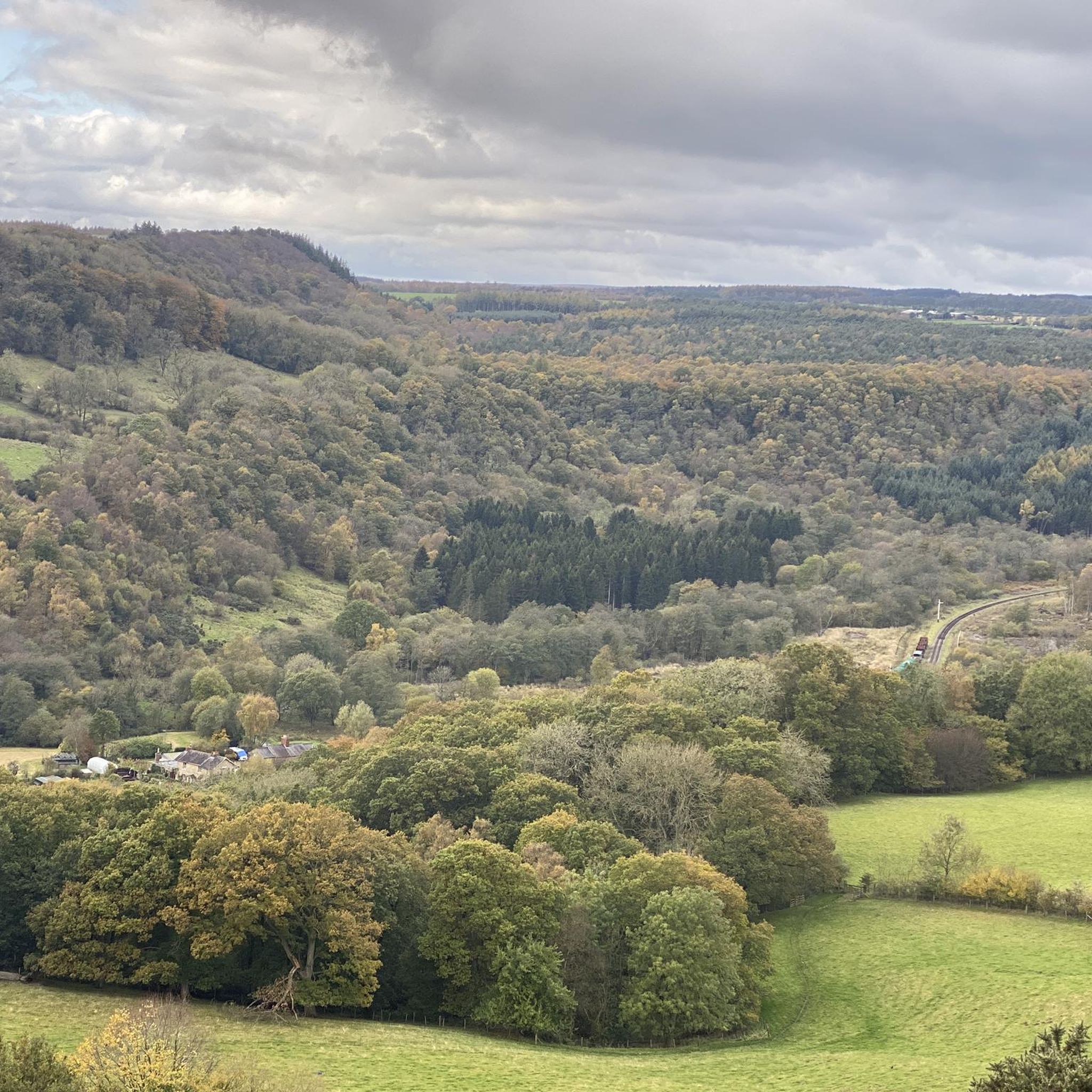
Bridestones are unique rock formations located in Dalby Forest, North Yorkshire. Originally formed by movement of glaciers during the last Ice Age, the sandstone formations date back 150 million years ago.
0
0

The Bridestones are the remnants of a sandstone cap, deposited during the Jurassic period, some 150 million years ago. The formations consist of alternating layers of hard sandstone and softer calcareous layers. Erosion by wind, frost, and rain over millennia has created the unique and bizarre shapes seen today. The term "Bridestones" may have originated from the Old Norse words "brink-stones" or "edge stones" The Bridestones are steeped in folklore and legend, connecting them to ancient cultures and mythical beings. Some legends suggest the Bridestones were ancient meeting places for Druids, while others tell tales of giants who once roamed the moors. One legend speaks of a young couple who eloped and found shelter among the rocks, whose love caused the stones to form a protective arch. Another story tells of Nan Moor and Jack Stone, guardians of the stones, who lived in a rock house and were possibly married there. The Bridestones are sometimes associated with the Celtic goddess Brigantia.
0
0
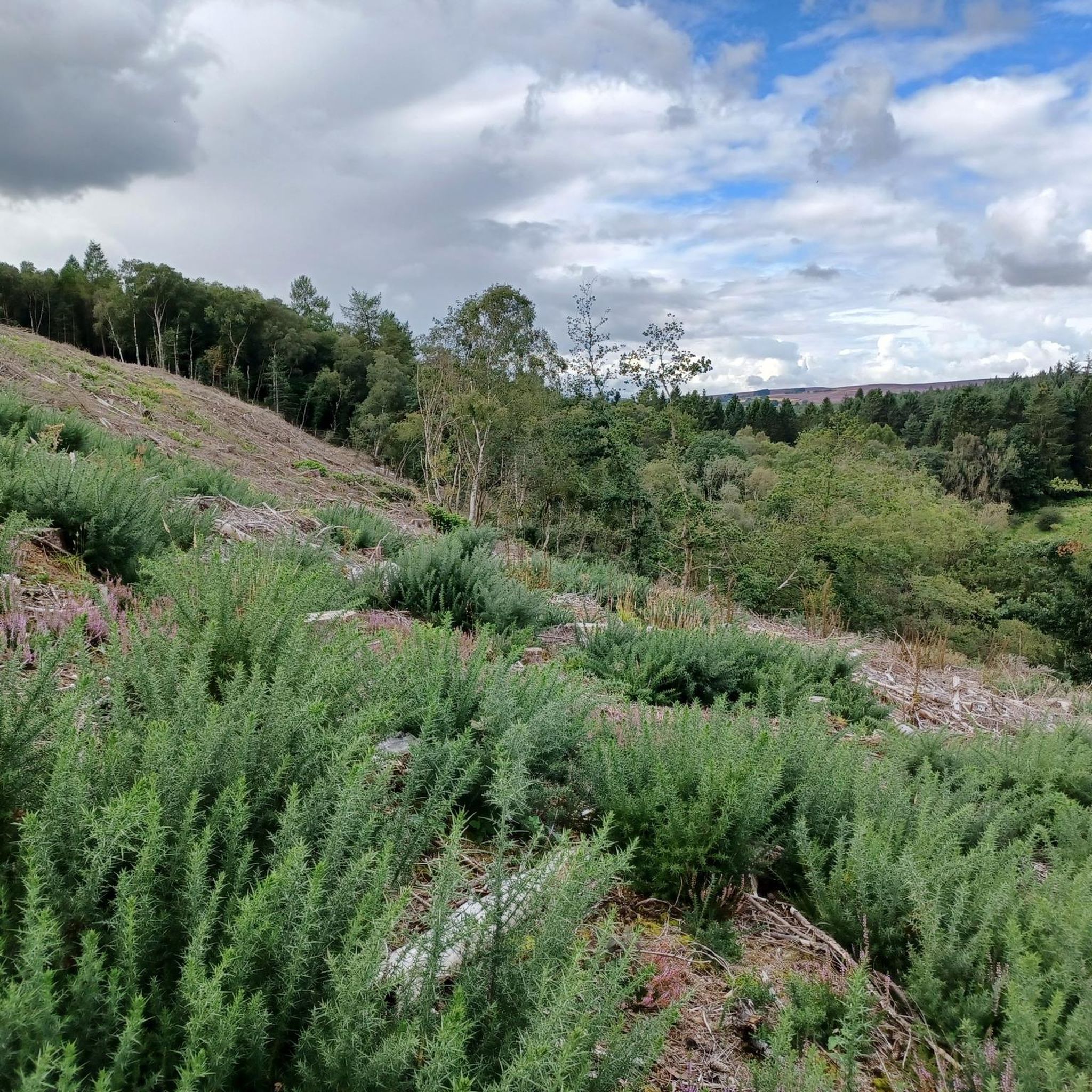
Rhumbard Snout is a scheduled monument, which includes the remains of a prehistoric field system, a medieval artificial rabbit warren known as a pillow mound and post-medieval mining test pits. It is located on the sloping southern tip of the wide, natural terrace which lies between the West Side Brow of Levisham Moor and Newton Dale to the west. See https://historicengland.org.uk/listing/the-list/list-entry/1020309?section=official-list-entry
0
1

"Each of these crosses can tell its own story and what motivated people to erect "their" cross at this spot. (...) These wayside crosses were erected as visible signs and attract the attention of many people. The cross is a symbol of life. It stands as a sign of our Christian hope and aims to direct our gaze to Jesus Christ, who has overcome death (...). The cross is a part of our lives, just as it was a part of the life of Jesus. So I hope that many people... will seek out the wayside crosses, whether as places of silence and respite before God, or as places of community gathering, prayer, and praise." (Source: Dean Rainald M. Ollig in: "Wayside Crosses... Small Sacred Monuments as Signs of Popular Piety")
0
0
Photographer @Jessica Mather had the misfortune of not being able to enjoy the view offered by the ANA CROSS site during her run here due to the weather conditions. However, more than two dozen photos of the small sacred monument and the panorama offered by the prominent location can be seen on the hiking highlight of the same name =>> https://www.komoot.com/de-de/highlight/2252418
0
0

Highest cross on the moors, great views across Spaunton Moor when the weather allows.
0
0
The wayside cross marks a medieval route way across the moor between Lastingham and the site of Rosedale Priory. A deeply incised hollow way skirts the western side of the barrow heading towards the modern village of Rosedale Abbey. The current cross, which at one time was known as Ain or One Howe Cross, but now more generally as Ana Cross, dates to 1949 when the original medieval cross was removed to the crypt of Lastingham Church. It was repaired in the summer of 1998 after its collapse in the winter of 1995. More details at ancientmonuments.co.uk.
1
0

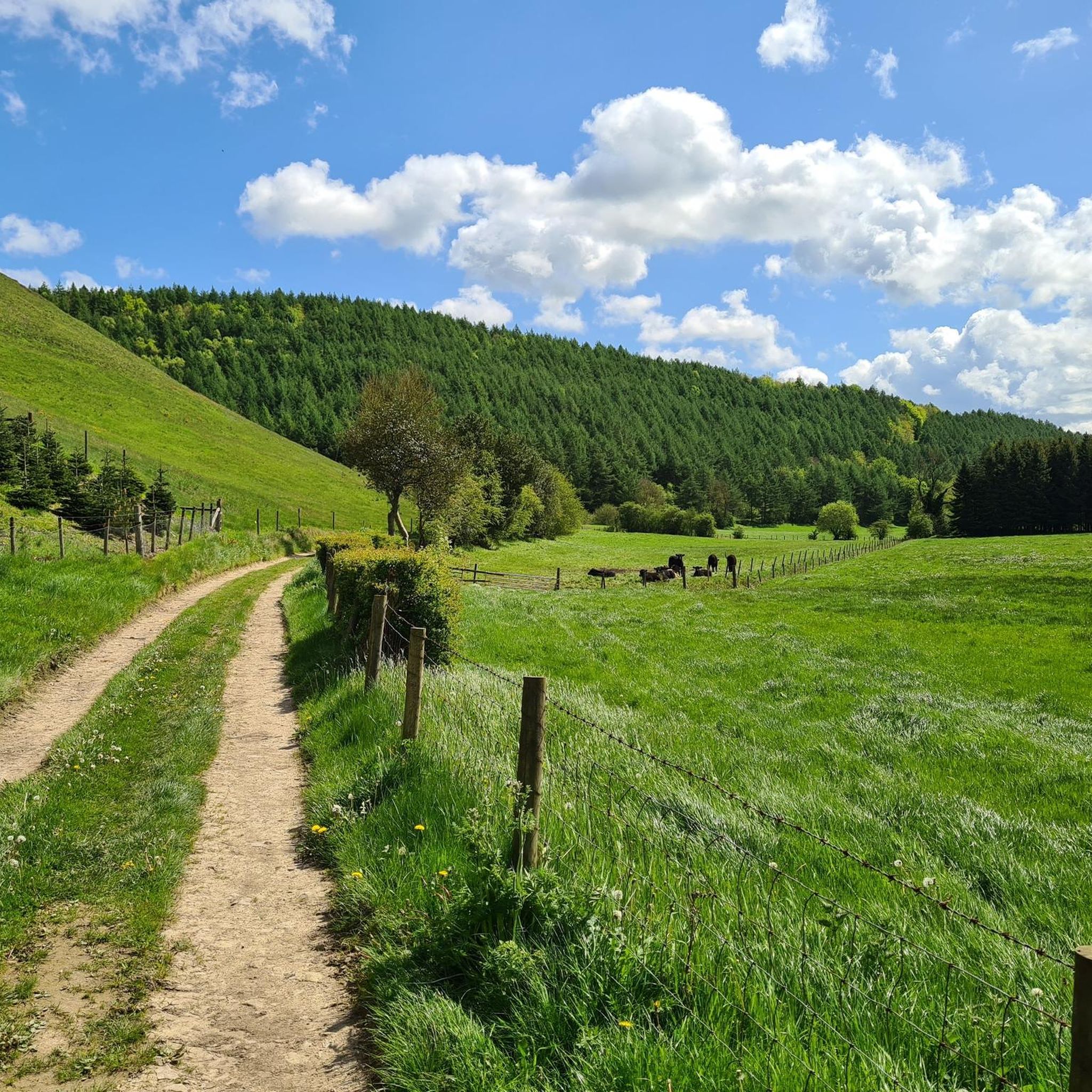
A very obvious place to stop; you won't need me to tell you that, as you will see the lake from the Dalby Forest Drive road, and you will want to immediately make a stop and look at it! Staindale Lake has a car park area, so it's easy to leave your bike here and have a look at the beautiful waters of the lake and spot some of the wildlife around here.
0
0
Frequently Asked Questions
What are the most prominent natural monuments to visit in Middleton, Wisconsin?
Middleton, Wisconsin, is home to several significant natural monuments. The most prominent include the Pheasant Branch Conservancy, known for its diverse ecosystems and extensive trail system, and Lake Mendota, a large freshwater lake offering numerous recreational activities. Other notable areas are Tiedeman Pond Conservancy Area, Stricker Pond Conservancy Area, and Middleton Hills Wetland Conservancy Area, all providing unique natural experiences.
Are there hiking trails available at Middleton's natural monuments?
Yes, many natural monuments in Middleton offer extensive trail systems. The Pheasant Branch Conservancy features miles of multi-use and hiking trails, including a 3.3-mile main loop. Other conservancies like Middleton Hills Wetland Conservancy Area also provide loop hiking trails, often with accessible boardwalks.
What kind of wildlife can I expect to see in Middleton's natural areas?
Middleton's natural monuments are rich in wildlife. At Pheasant Branch Conservancy, you might spot deer, sandhill cranes, various songbirds, herons, and even the endangered Blanding's turtle. The springs there attract abundant wildlife year-round. Tiedeman Pond Conservancy Area is a haven for muskrats, diverse bird species, and amphibians.
Are there family-friendly natural monuments in Middleton?
Absolutely. Many of Middleton's natural areas are suitable for families. Lakeview Park, Middleton's largest community park, is ideal for relaxation and family outings with its paved path, lush trees, and fishing docks. Conservancies like Tiedeman Pond and Middleton Hills Wetland often feature accessible boardwalks, making them enjoyable for all ages.
What historical or cultural significance do these natural monuments hold?
Beyond their natural beauty, some areas hold historical significance. For instance, Frederick's Hill within the Pheasant Branch Conservancy contains ancient Native American effigy mounds dating back between 500 and 1300 A.D., adding a rich historical layer to the natural landscape.
What water-based activities are available at Lake Mendota?
Lake Mendota, bordering Middleton, is a hub for water-based recreation. Visitors can enjoy boating, kayaking, paddleboarding, and fishing. Public boat launches and rental shops make accessing the lake easy for these activities.
Are there accessible natural monuments for visitors with mobility considerations?
Yes, accessibility is a consideration in some of Middleton's natural areas. The Tiedeman Pond Conservancy Area features an accessible boardwalk, and the Middleton Hills Wetland Conservancy Area also offers an ADA-accessible boardwalk with interpretive signs, ensuring a more inclusive experience for visitors.
What is the best time of year to visit Middleton's natural monuments?
Middleton's natural monuments offer beauty year-round. Spring and fall are particularly excellent for birdwatching, especially during migration seasons at places like Pheasant Branch Conservancy. Summer is ideal for water activities on Lake Mendota and enjoying lush greenery. Winter provides opportunities for snowshoeing on trails within the conservancies.
Can I find scenic viewpoints within Middleton's natural areas?
Yes, several locations offer scenic views. A climb up Frederick's Hill in the Pheasant Branch Conservancy provides panoramic vistas of the conservancy, Lake Mendota, and even the Wisconsin State Capitol. Lakeview Park also offers stunning views, particularly over its pond.
Are there opportunities for educational experiences at these natural monuments?
Many of Middleton's natural areas serve as outdoor classrooms. The Pheasant Branch Conservancy, for example, has interpretive signs throughout the area that highlight the local ecosystem, providing educational value for visitors of all ages. The Middleton Hills Wetland Conservancy Area also features interpretive signs along its accessible boardwalk.
What are the unique features of the conservancy areas in Middleton?
Middleton's conservancy areas are characterized by diverse ecological features. Pheasant Branch Conservancy boasts open-water marsh, freshwater springs, prairies, meadows, and lowland forests. Tiedeman Pond Conservancy Area is a glacial kettle pond with restored wetlands, while Stricker Pond Conservancy Area is Middleton's largest kettle pond, offering scenic walking routes.
Where can I find more information about recreation in Middleton?
For more details on recreational opportunities across Middleton's natural areas and parks, you can visit the official tourism website: visitmiddleton.com/recreation/.
Most popular attractions around Middleton

Get inspired with the komoot mobile app


Explore more
Extend your search for the best caves by checking out these guides of the top ones around Middleton:
