Top 4 Natural Monuments around Farington
Best natural monuments around Farington offer diverse outdoor experiences in Lancashire, England. The area features a landscape shaped by historical industrial use and natural processes, including river valleys, moorlands, and restored habitats. Visitors can explore a variety of natural and historical sites. The region provides opportunities for walking and engaging with local ecology.
Best natural monuments around Farington
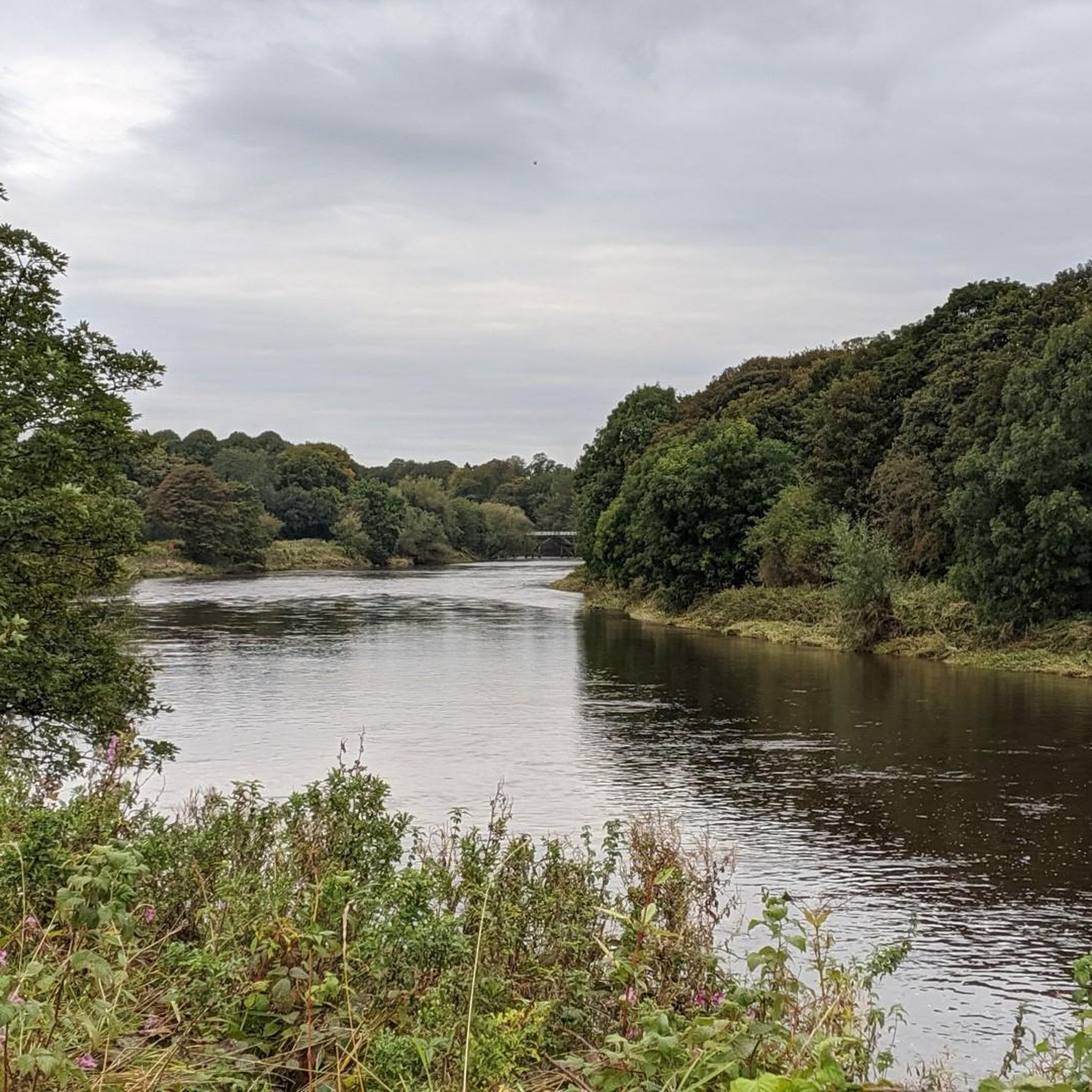
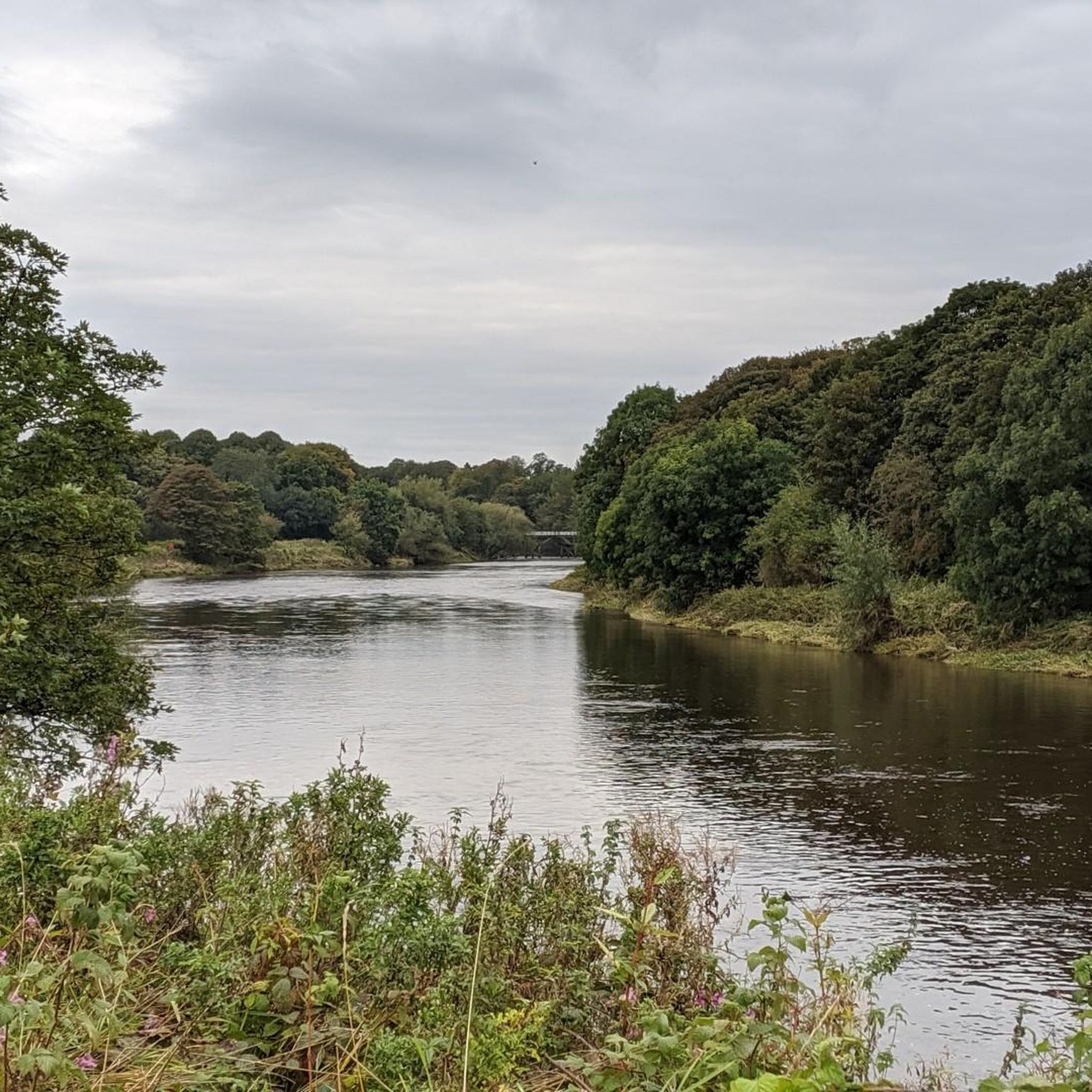
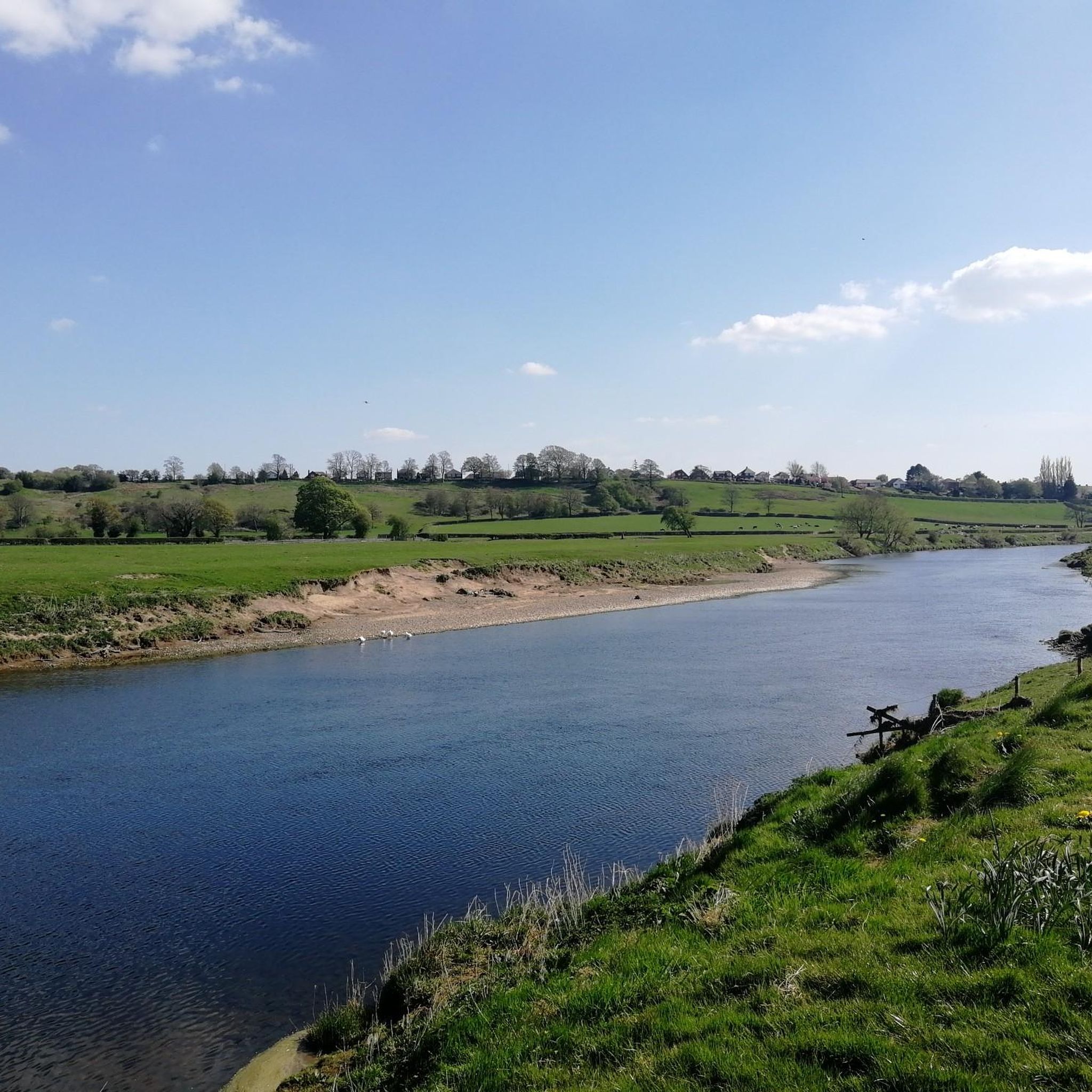
- The most popular natural monuments is Birkacre Weir, a natural monument and weir that was installed around 1800 to raise water…
Last updated: July 1, 2026
Birkacre Weir
Highlight • Natural Monument
Tip by

Round Loaf Tumulus
Highlight • Natural Monument
Tip by

Sign up now to discover places like this
Get recommendations on the best single tracks, peaks, & plenty of other exciting outdoor places.
Sign up for free
Hough Hill Trig Point
Highlight • Viewpoint
Tip by

Pikestones Neolithic Burial Cairn
Highlight • Natural Monument
Tip by

Start today with a free account
Your next adventure awaits.
Login or Signup
Tips from the Community

Apparently fish jump up the weir but despite living here over 15yr I've yet to see this
0
0

After a few days of rain, expect approaches to be very boggy.
0
0

Birkacre Weir was installed around 1800 to rise the water level and create a faster flowing river to turn the mill water wheels downstream. The fish ladder was installed in 2002 to allow salmon upstream to spawn.
0
0

Pikestones is the remains of a Neolithic Burial Cairn, located on Anglezarke moor in Lancashire, England. The site is approximately 150 feet (45 metres) long and 60 feet (18 metres) across at its widest point. It consisted of one burial chamber constructed of large upright slabs, capped by two lintel slabs, forming a chamber of 15 feet (4.5 metres) long, 3 feet (0.9 metres) wide and 3 feet (0.9 metres) high, covered by a huge mound of stones and turves. The cairn was aligned almost exactly North-South, with the burial chamber under the wider northern end. At the northern edge of the cairn, a double wall could be made out, curving inwards to form an entrance to a forecourt.
0
0
Only really accessible on a bike when the conditions have been dry, really boggy when wet and not rideable.
0
0

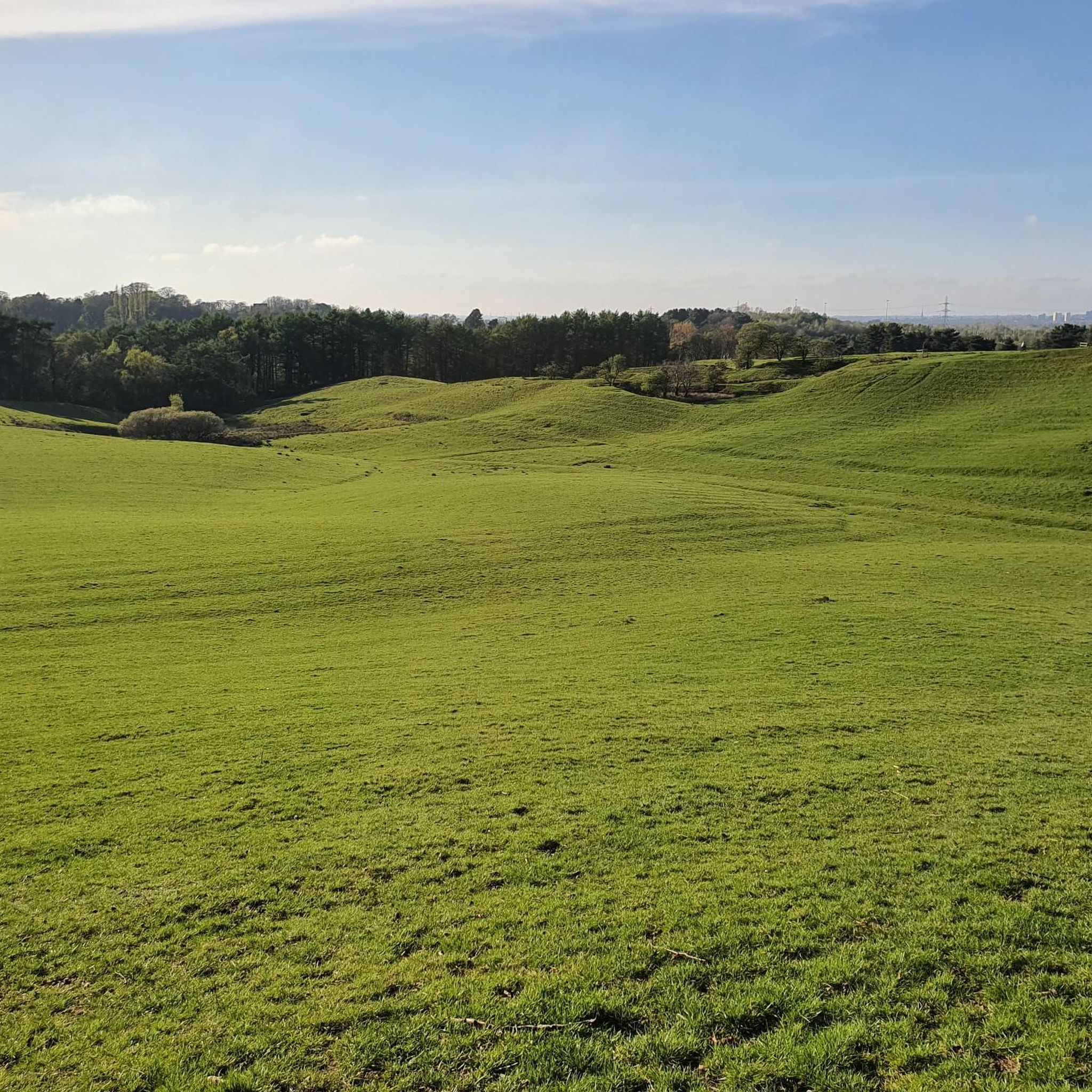
Round Loaf is a late-Neolithic or Bronze Age tumulus on Anglezarke Moor. Paths to Round Loaf are not clearly defined.
2
0

A short steep walk from Denham Quarry. Great panoramic views, we could see Blackpool Tower and the Ribble Estuary.
0
0

Birkacre Weir was one of many weirs I encountered on my walk yesterday. It was there that I actually took a panorama shot taken from my phone for the first time. I actually have a camera as an alternative but I didn't bring it with me because I wanted to use my phone for a change. A word to the wise, the footpath going right by the weir can by very muddy especially after you get a lot of rain, so be sure to wear proper boots that have a good grip when you are squelching through mud. Parts of the path can be uneven so be extra careful as well.
0
0
Frequently Asked Questions
What kind of natural features can I expect to see around Farington?
Farington offers a diverse range of natural features, from the dramatic sandstone gorge and tumbling weir at Hoghton Bottoms to the tranquil woodlands and reservoirs of Roddlesworth. You can also explore restored habitats at Brockholes Nature Reserve, which was transformed from a former quarry into a rich mosaic of pools and reedbeds, or discover the historical landscape of Farington Moss, an extensive peatland.
Are there any natural monuments with historical significance in the Farington area?
Yes, Farington has several natural monuments with historical significance. You can visit Round Loaf Tumulus, a late-Neolithic or Bronze Age burial mound on Anglezarke Moor, or the remains of Pikestones Neolithic Burial Cairn. Additionally, Birkacre Weir has historical importance, installed around 1800 to power local mills.
Which natural monuments are suitable for families with children?
Brockholes Nature Reserve is particularly family-friendly, featuring accessible trails, an outdoor play area, and the UK's first floating visitor village with a cafe. Birkacre Weir is also categorized as family-friendly, offering an interesting historical site by the river.
Where can I find panoramic views of the Farington landscape?
For panoramic views, head to Hough Hill Trig Point. From this summit, visitors can see landmarks such as Blackpool Tower and the Ribble Estuary on a clear day. It's a short, steep walk from Denham Quarry.
What kind of wildlife can I observe at Farington's natural monuments?
Brockholes Nature Reserve is excellent for wildlife spotting, with diverse habitats attracting breeding wading birds like lapwings, oystercatchers, and redshank. Sightings of ospreys, otters, and bitterns are also possible. The Roddlesworth Reservoirs area also offers opportunities for birdwatching amidst its mature woodlands.
Are there good walking or hiking opportunities near these natural monuments?
Yes, the Farington area offers numerous walking and hiking opportunities. You can find easy hikes like the Dragonfly Breeding Reserve loop, or more moderate routes such as the Stepping Stones River Crossing loop. For more options, explore the easy hikes around Farington guide.
What should I wear when visiting natural monuments in Farington, especially after rain?
Many trails, particularly around Hoghton Bottoms Weir and Round Loaf Tumulus, can become very muddy and uneven after rainfall. It's highly recommended to wear sturdy hiking boots with good grip to ensure comfort and safety.
Are there any natural monuments popular with dog walkers?
The Roddlesworth Reservoirs, with their well-laid paths winding through woodlands and along the water, are a popular spot for dog walkers. It's a peaceful area to enjoy with your canine companion.
Can I find places to eat or drink near the natural monuments?
Brockholes Nature Reserve features the Kestrel Kitchen cafe within its floating visitor village, offering views over Meadow Lake. For other locations, you might find local amenities in nearby villages, but it's always a good idea to check in advance.
What kind of cycling routes are available near Farington's natural monuments?
The area provides various cycling routes, including gravel biking options. You could try the Rivington Pike – Liverpool Castle Replica Ruins loop or explore parts of the Leeds and Liverpool Canal. More details can be found in the gravel biking around Farington guide.
What makes Hoghton Bottoms Weir and Viaduct a unique natural monument?
Hoghton Bottoms stands out for its dramatic scenery, combining natural beauty with industrial heritage. It features a spectacular sandstone gorge, a tumbling weir, and the impressive 108-foot high Hoghton Bottoms Viaduct towering overhead, offering excellent photo opportunities and picturesque woodland walks.
What is the best time to visit the natural monuments in Farington?
While the natural monuments can be enjoyed year-round, visiting during drier periods is advisable, especially if you plan to explore trails that can become muddy after rain. Spring and summer offer lush greenery and more active wildlife, while autumn provides beautiful foliage.
Most popular attractions around Farington

Get inspired with the komoot mobile app


Explore more
Extend your search for the best caves by checking out these guides of the top ones around Farington:
