Top 17 Natural Monuments around Nelson
Best natural monuments around Nelson offer diverse landscapes for exploration. The region features prominent summits, unique rock formations, and historical sites. These natural features provide opportunities for various outdoor activities. The area's geography is characterized by hills, moors, and distinctive geological formations.
Best natural monuments around Nelson
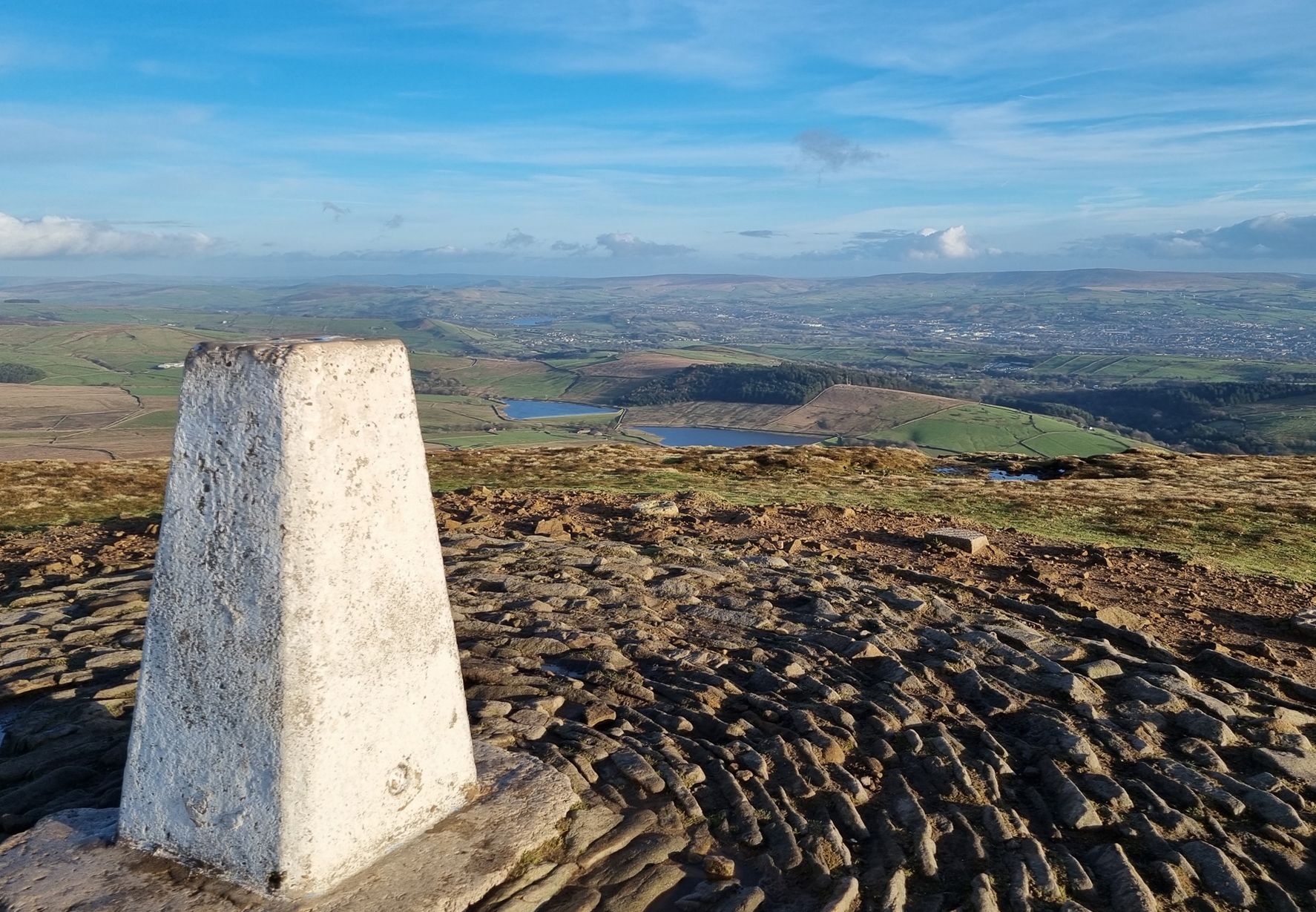
- The most popular natural monuments is Pendle Hill summit trig point, a summit that offers excellent views into the Forest of Bowland and over Lancashire. This standalone peak is intertwined with local…
Last updated: May 3, 2026
Pendle Hill summit trig point
Highlight • Summit
Tip by

The Singing Ringing Tree
Highlight • Monument
Tip by

Sign up now to discover places like this
Get recommendations on the best single tracks, peaks, & plenty of other exciting outdoor places.
Sign up for free
Whirlaw Stones Trig Point
Highlight • Natural Monument
Tip by

Mount Cross (Idol Cross)
Highlight • Natural Monument
Tip by

Lad Law (Boulsworth Hill) Summit
Highlight • Natural Monument
On a clear day you can see into the Lake …
Tip by

Sign up for free to discover even more natural monuments around Nelson.
Sign up for free
Already have an account?
Start today with a free account
Your next adventure awaits.
Login or Signup

Other adventures around Nelson

Tips from the Community

T:UK - Bridestones Moor https://share.google/R0XiC7Q4bCx7r6qOI
0
0

Many sacred and secular monuments that hikers pass on their journeys are of a venerable age. Often they were erected generations ago, some even centuries ago. Here, however, we encounter a very modern sound sculpture from this century. Although from a distance, one initially only gets a visual impression of the prominently located installation, the acoustic effect becomes apparent upon approach. The wind transforms the assembled steel pipes into a sound installation.
0
0

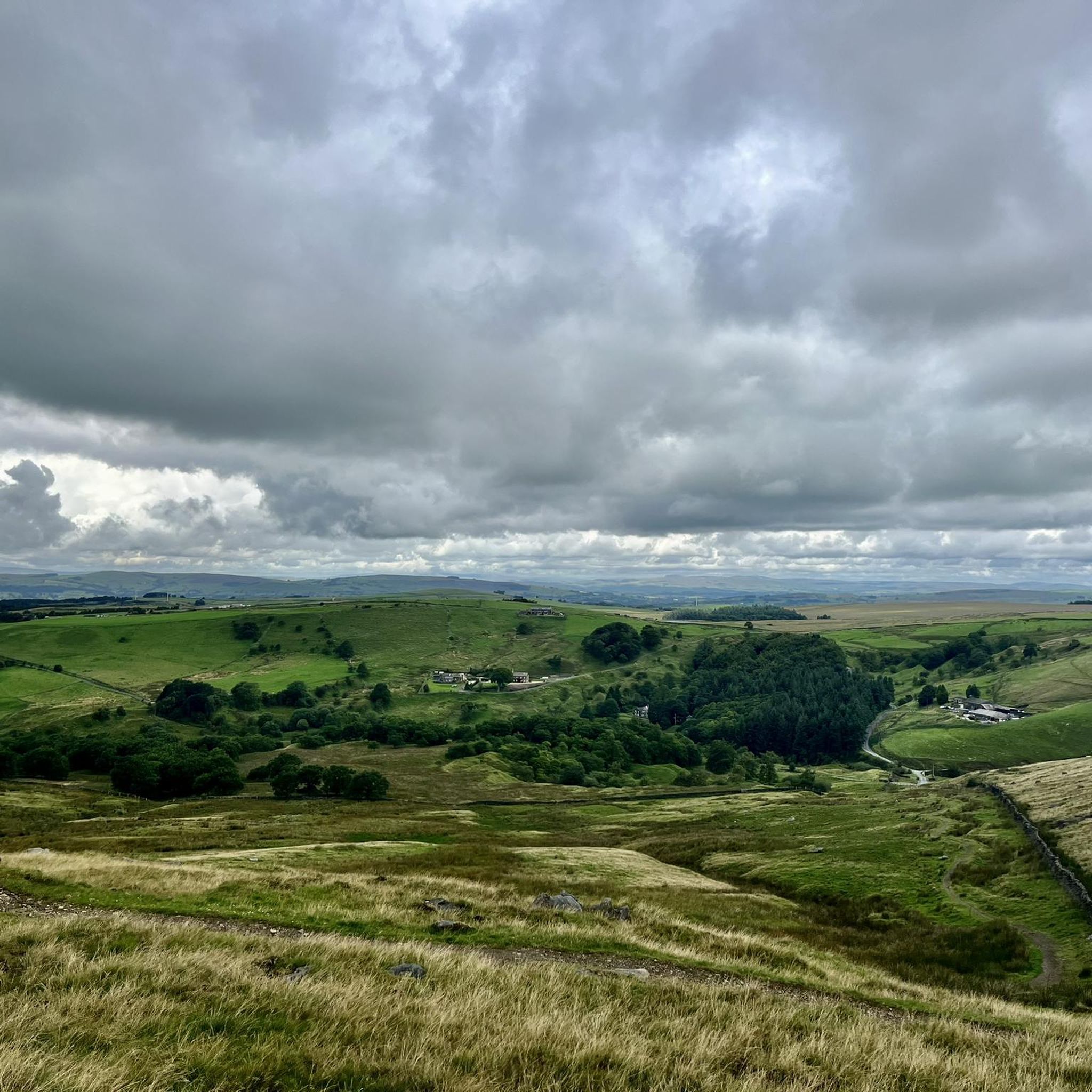
Boulsworth Hill is the highest point in the South Pennines and the only summit in the area that rises above 500m above sea level. It is also one of only two Marilyns in the South Pennines.
0
0

Don't forget that it's always windy on top.
1
0

I grew up running around here, the front side with the steps is great for training.
0
0
“Each of these crosses can tell its own story and what motivated people to erect “their” cross at this spot. (...) These wayside crosses were erected as visible signs and attract the attention of many people. The cross is a symbol of life. It stands as a sign of our Christian hope and aims to direct our gaze to Jesus Christ, who has overcome death (...). The cross is part of our lives, just as it was part of the life of Jesus. So I hope that many people ... will visit the wayside crosses, whether as places of silence and breathing before God, whether as places of community gathering, prayer and praise of God.” (Text source: Dean Rainald M. Ollig in: “Wayside crosses... small sacred monuments as signs of popular piety”)
0
0
Pendle Hill looms over East Lancashire between the towns of Clitheroe and Nelson. With its distinctive humpback shape, visible for miles around from all directions, it is a local landmark, rising from an area of green beauty. The district is dotted with tiny hamlets and farms, divided by ancient drystone walls and full of folklore and stories – not least the famous tale of the Pendle Witches. Geographically, Pendle Hill is part of the Pennine Chain of hills that run north-south through the northern half of England. It is included in the Forest of Bowland Area of Outstanding Natural Beauty, though Pendle is a discrete hill, separated from the main upland area of Bowland by the Ribble Valley.
0
0
Pendle Hill, LancashirePendle Hill looms over East Lancashire between the towns of Clitheroe and Nelson. With its distinctive humpback shape, visible for miles around from all directions, it is a local landmark, rising from an area of green beauty. The district is dotted with tiny hamlets and farms, divided by ancient drystone walls and full of folklore and stories – not least the famous tale of the Pendle Witches. Geographically, Pendle Hill is part of the Pennine Chain of hills that run north-south through the northern half of England. It is included in the Forest of Bowland Area of Outstanding Natural Beauty, though Pendle is a discrete hill, separated from the main upland area of Bowland by the Ribble Valley.
2
0
Frequently Asked Questions
What are some of the most unique geological features to explore around Nelson?
The Nelson region boasts several unique geological formations. You can visit the Whirlaw Stones Trig Point, an escarpment of Millstone Grit outcrops weathered into strange shapes resembling human heads or animals. Another iconic feature is the Split Apple Rock (Toka Ngawhā), a giant apple-shaped rock split in half, visible from the coast or by kayak. Farewell Spit, one of the world's largest natural sandspits, also offers tall sand dunes and a unique landscape.
Are there any natural monuments with historical or cultural significance in the Nelson region?
Yes, the region has sites with deep historical and cultural roots. Mount Cross (Idol Cross) is an ancient cross, possibly dating from the 10th or 11th century, with legends of pagan practices. Te Waikoropupū Springs (Pupu Springs) are considered a taonga (treasure) by local Māori due to their cultural significance and exceptional clarity.
What are the best natural monuments for family-friendly activities around Nelson?
For families, Te Waikoropupū Springs offers a short, easy 1km loop walk suitable for all ages. Abel Tasman National Park provides numerous family-friendly activities like walking, swimming at golden sand beaches, and spotting seals. Wharariki Beach is also a great option with its secluded coves, rock pools, and a resident seal colony, making for an exciting day out.
What kind of views can I expect from the natural monuments in the Nelson area?
The natural monuments around Nelson offer diverse and stunning views. From Pendle Hill summit trig point, you can enjoy excellent vistas into the Forest of Bowland and over Lancashire. Lad Law (Boulsworth Hill) Summit, the highest point in the South Pennines, provides views extending into the Lake District and across the Forest of Bowland on clear days. The Centre of New Zealand offers incredible panoramic views of Nelson from its summit.
What outdoor activities can I do near these natural monuments?
The Nelson region offers a wide range of outdoor activities. You can find numerous cycling routes, including options for gravel biking and touring. For example, explore routes like the 'Cant Clough Reservoir – Hebden Bridge Canal Basin loop' for gravel biking or 'The Pendle Inn, Barley – View of Pendle Hill loop' for cycling. There are also easy hikes available, such as the 'Barrowford Locks – Canal Locks Near Burnley loop'. You can find more details on these activities and routes in the Gravel biking around Nelson, Cycling around Nelson, and Easy hikes around Nelson guides.
Are there hiking trails near the natural monuments around Nelson?
Yes, many natural monuments are accessible via hiking trails. Abel Tasman National Park is famous for the Abel Tasman Coastal Track, offering multi-day treks or shorter walks. Nelson Lakes National Park features trails around Lake Rotoiti, Lake Rotoroa, and the challenging multi-day trek to Blue Lake (Rotomairewhenua). For easier options, consider the 1km loop walk at Te Waikoropupū Springs or the Brunner Peninsula Nature Walk at Lake Rotoiti. You can find more hiking options in the Easy hikes around Nelson guide.
What is the best time of year to visit the natural monuments in the Nelson region?
The Nelson region generally enjoys a mild climate, making it suitable for visiting natural monuments year-round. However, for hiking and water activities in places like Abel Tasman National Park or Nelson Lakes National Park, the warmer months from late spring to early autumn (November to April) are ideal. During these months, the weather is more stable, and temperatures are pleasant for outdoor exploration.
Are there any less crowded natural monuments for a more tranquil experience?
If you're looking for a more secluded experience, Lake Rotoroa in Nelson Lakes National Park offers a tranquil setting away from the crowds often found at Lake Rotoiti. The Braeburn Walk near Lake Rotoroa leads through native forests and past waterfalls, providing a peaceful escape. While popular, visiting places like Te Waikoropupū Springs early in the morning or later in the afternoon can also offer a quieter experience.
What should I pack for hiking and exploring natural monuments in the Nelson region?
When exploring the natural monuments, it's advisable to pack layers of clothing suitable for varying weather conditions, as mountain and coastal weather can change quickly. Essential items include sturdy hiking boots, rain gear, sun protection (hat, sunglasses, sunscreen), sufficient water and snacks, and a first-aid kit. For longer treks, consider navigation tools and emergency supplies. Binoculars can enhance wildlife viewing, especially at Farewell Spit or Wharariki Beach.
Can I find accommodation or dining options near the natural monuments?
Accommodation and dining options vary depending on the specific natural monument. Areas like Abel Tasman National Park have lodges and campsites within or near the park, and nearby towns like Motueka or Marahau offer various services. Nelson city itself provides a wide range of accommodation and dining. For more remote locations like parts of Nelson Lakes National Park, options might be limited to basic huts or require a drive back to larger towns. Always check in advance for specific locations.
What makes the natural monuments around Nelson appealing to visitors?
Visitors are drawn to the Nelson region's natural monuments for their incredible diversity and beauty. The area offers everything from the golden beaches and clear waters of Abel Tasman National Park to the pristine clarity of Te Waikoropupū Springs and the dramatic landscapes of Wharariki Beach. The blend of stunning scenery, unique geological features, rich cultural history, and abundant opportunities for outdoor activities like hiking, cycling, and wildlife viewing makes it a truly special destination.
What is The Singing Ringing Tree and where is it located?
The Singing Ringing Tree is a unique wind-powered sound sculpture located in the Pennine hill range overlooking Burnley, Lancashire, England. It's a 3-meter tall construction of galvanised steel pipes that harness wind energy to produce a slightly discordant, penetrating choral sound. It's part of the Panopticons arts and regeneration project and offers a distinctive experience for visitors.
Most popular routes around Nelson
Most popular attractions around Nelson

Get inspired with the komoot mobile app


Explore more
Extend your search for the best caves by checking out these guides of the top ones around Nelson:
