Top 13 Natural Monuments around Hapton
Best natural monuments around Hapton, Lancashire, offer diverse landscapes and geological formations for exploration. This region provides opportunities for hiking and appreciating significant natural features. Visitors can discover a variety of natural attractions, from prominent hills to river confluences, showcasing the area's unique environment. These Hapton Lancashire natural attractions are ideal for those seeking walking trails and scenic viewpoints.
Best natural monuments around Hapton
- The most popular natural monument is Pendle Hill summit trig point, a summit that offers…
Last updated: May 19, 2026
Pendle Hill summit trig point
Highlight • Summit
Tip by

Confluence of the Rivers Calder and Ribble
Highlight • Natural Monument
Tip by

Sign up now to discover places like this
Get recommendations on the best single tracks, peaks, & plenty of other exciting outdoor places.
Sign up for free
The Singing Ringing Tree
Highlight • Monument
Tip by

Mount Cross (Idol Cross)
Highlight • Natural Monument
Tip by

Bull Hill Trig Point
Highlight • Natural Monument
Tip by

Sign up for free to discover even more natural monuments around Hapton.
Sign up for free
Already have an account?
Start today with a free account
Your next adventure awaits.
Login or Signup
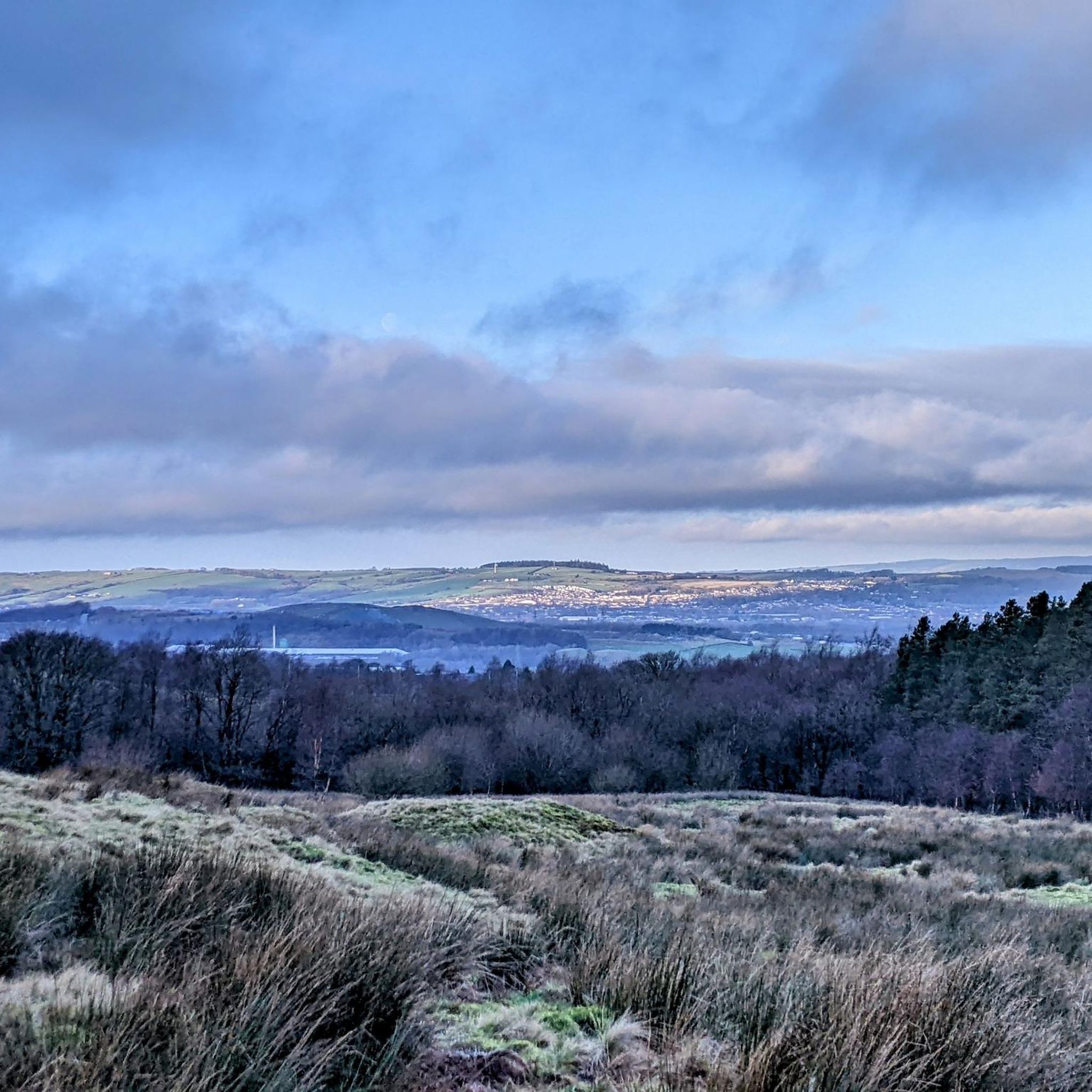
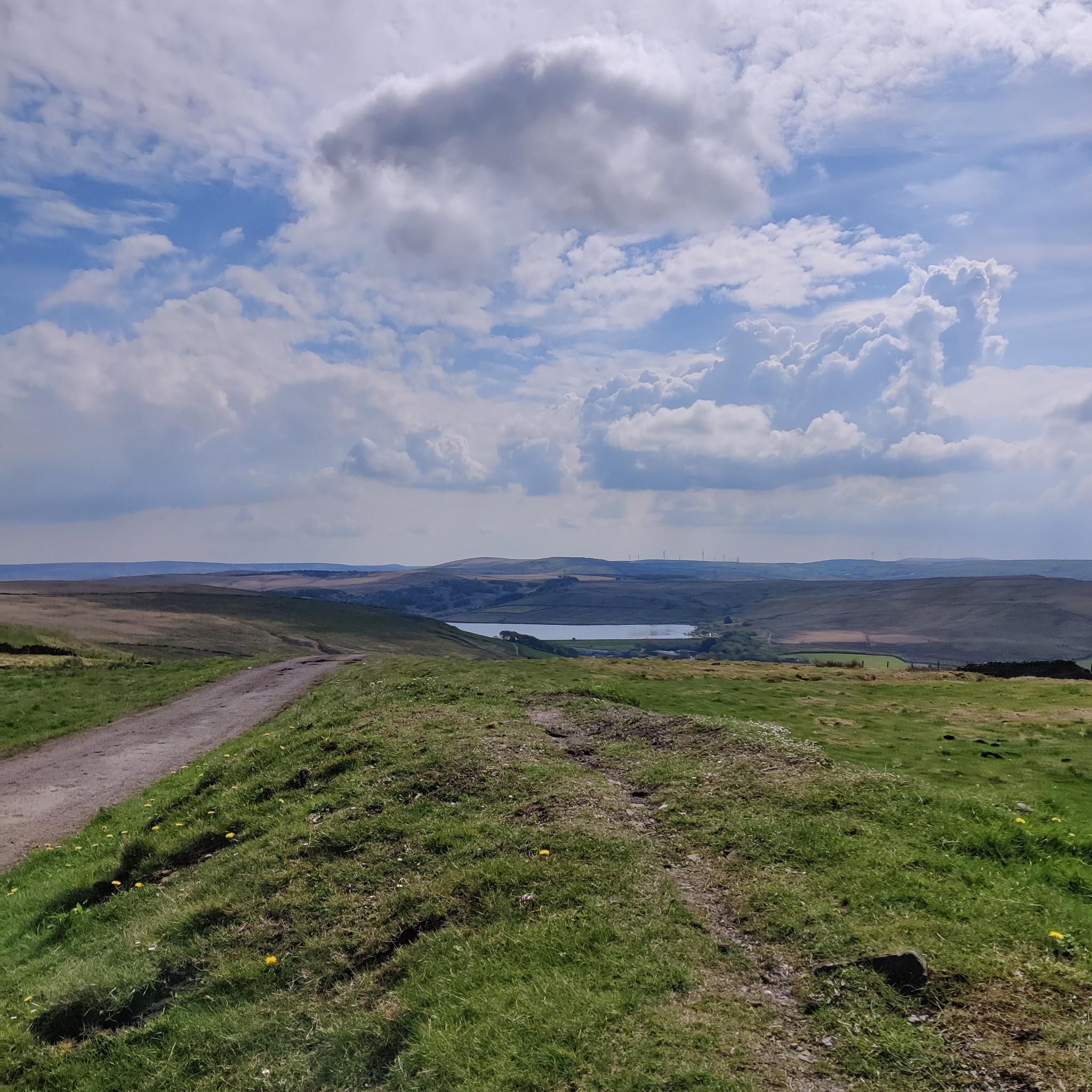
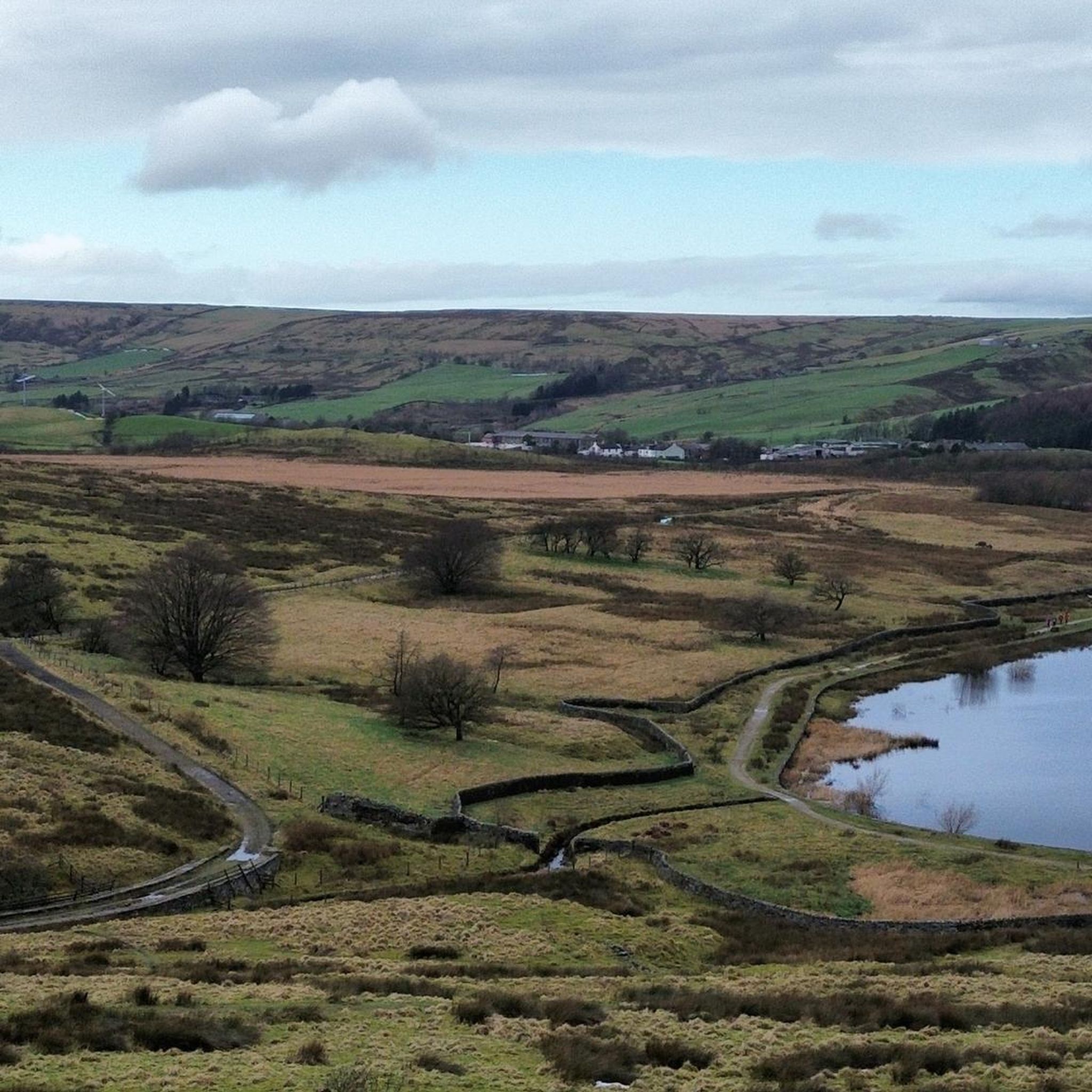

Tips from the Community

any age can do this walk, was a really nice most flat, very enjoyable and had lunch in pub at end great day in all
0
0

Bull Hill 417.9m P143 (1371ft) (DoBIH Hill ID: 2821) [JNSA 9205] TP1762 - Bull Hill S4485 County of Lancashire Definitive List summit. South Pennines Definitive List summit.
0
0

Many sacred and secular monuments that hikers pass on their journeys are of a venerable age. Often they were erected generations ago, some even centuries ago. Here, however, we encounter a very modern sound sculpture from this century. Although from a distance, one initially only gets a visual impression of the prominently located installation, the acoustic effect becomes apparent upon approach. The wind transforms the assembled steel pipes into a sound installation.
0
0

Don't forget that it's always windy on top.
1
0

I grew up running around here, the front side with the steps is great for training.
0
0
“Each of these crosses can tell its own story and what motivated people to erect “their” cross at this spot. (...) These wayside crosses were erected as visible signs and attract the attention of many people. The cross is a symbol of life. It stands as a sign of our Christian hope and aims to direct our gaze to Jesus Christ, who has overcome death (...). The cross is part of our lives, just as it was part of the life of Jesus. So I hope that many people ... will visit the wayside crosses, whether as places of silence and breathing before God, whether as places of community gathering, prayer and praise of God.” (Text source: Dean Rainald M. Ollig in: “Wayside crosses... small sacred monuments as signs of popular piety”)
0
0
The path at the side of the river is the Tolkien Trail, a lovely 11km loop which is generally fine to walk all year round.
0
0

They do firearms military training in this area, check dates to see when this is as you will not be allowed access to the area.
0
0
Frequently Asked Questions
What are some prominent natural monuments to visit around Hapton?
Around Hapton, you can explore diverse natural monuments. Notable options include the iconic Pendle Hill summit trig point, which offers extensive views and walking opportunities. Another significant site is the Confluence of the Rivers Calder and Ribble, a meeting point of two major Lancashire rivers, recognized for its wildlife importance. Additionally, the unique The Singing Ringing Tree, a wind-powered sound sculpture, provides a captivating experience overlooking Burnley.
What kind of views can I expect from the natural monuments in the Hapton area?
Many natural monuments around Hapton offer impressive panoramic views. From the Pendle Hill summit trig point, you can enjoy excellent vistas north into the Forest of Bowland and over the more populated areas of Lancashire. Similarly, Bull Hill Trig Point, the highest point on Holcombe Moor, also provides expansive outlooks. The The Singing Ringing Tree is also situated to offer views over the landscape towards Burnley.
Are there any natural monuments with historical significance near Hapton?
Yes, several natural monuments in the area have historical connections. Pendle Hill is famously associated with the Pendle Witches of the early 17th century and is steeped in local myth and legend. The Confluence of the Rivers Calder and Ribble has local lore, with a former ferry crossing possibly inspiring J.R.R. Tolkien's 'Bucklebury Ferry'. Furthermore, Mount Cross (Idol Cross) is an ancient cross, possibly dating from the 10th or 11th century, and is a registered Ancient Monument with legends of pagan practices.
Are there family-friendly natural monuments around Hapton?
The Confluence of the Rivers Calder and Ribble is categorized as family-friendly, offering a chance to observe where two significant rivers meet and learn about the area's wildlife. While some routes to other monuments can be challenging, many areas around these sites offer gentler paths suitable for families.
What is the best time of year to visit the natural monuments around Hapton?
The natural monuments around Hapton can be enjoyed throughout the year, each season offering a different experience. Spring brings wildflowers, such as bluebells in places like Castle Clough Gorge (not a highlight in this guide but a regional feature), while autumn offers vibrant foliage. Summer is ideal for longer walks and clearer views. Winter visits can be dramatic, but require appropriate gear due to potentially challenging weather conditions, especially on higher ground like Pendle Hill.
Are there easy walks to natural monuments near Hapton suitable for beginners?
While some monuments like Pendle Hill can involve steep climbs, there are easier options. The Confluence of the Rivers Calder and Ribble is accessible via the Ribble Way, which offers varied terrain. For shorter, easier walks, consider exploring the areas around the rivers or the base of the hills, where paths are generally less strenuous. You can find easy hiking routes in the Hiking around Hapton guide, such as the 'Clowbridge Reservoir loop from Limey Lane'.
What outdoor activities can I do near the natural monuments around Hapton?
The area around Hapton's natural monuments is excellent for various outdoor activities. You can find numerous hiking trails, including those that lead to viewpoints or along riverbanks. For those who enjoy running, there are several running routes, such as the 'View of the Reservoir – Clowbridge Reservoir loop'. Mountain biking enthusiasts can also explore MTB trails like the 'Comptons Cross and Clough Bottom Reservoir loop'.
What unique natural features can be observed in the Hapton region?
The Hapton region showcases several unique natural features. The meeting point of the Rivers Calder and Ribble is a significant hydrological feature, with the Ribble Estuary being internationally important for overwintering birds. Geological formations, such as those found in Castle Clough Gorge (carved by glaciers), highlight the area's ancient past. The prominent hills like Pendle Hill also define the landscape.
What do visitors enjoy most about the natural monuments around Hapton?
Visitors frequently appreciate the stunning views offered by landmarks like Pendle Hill and Bull Hill Trig Point. The historical and mythical associations, particularly with the Pendle Witches, add an intriguing layer to the experience. The unique artistic interaction with nature at The Singing Ringing Tree is also a popular draw, as is the opportunity for wildlife spotting, especially birds at the Confluence of the Rivers Calder and Ribble.
Are there any considerations for visiting natural monuments that are also military training areas?
Yes, if you plan to visit Bull Hill Trig Point, be aware that it is located within a firing range. It is crucial to check for red flags flying and adhere to warning signs, as access may be restricted during military training exercises. Always prioritize safety and respect local regulations.
Can I follow long-distance paths near the natural monuments?
Yes, the Confluence of the Rivers Calder and Ribble is situated along the Ribble Way, a long-distance hiking path that follows the River Ribble to its source at Ribblehead. This offers opportunities for extended walks and exploration of the wider Lancashire landscape.
Most popular routes around Hapton
Most popular attractions around Hapton

Get inspired with the komoot mobile app


Explore more
Extend your search for the best caves by checking out these guides of the top ones around Hapton:
