Top 13 Natural Monuments around Habergham Eaves
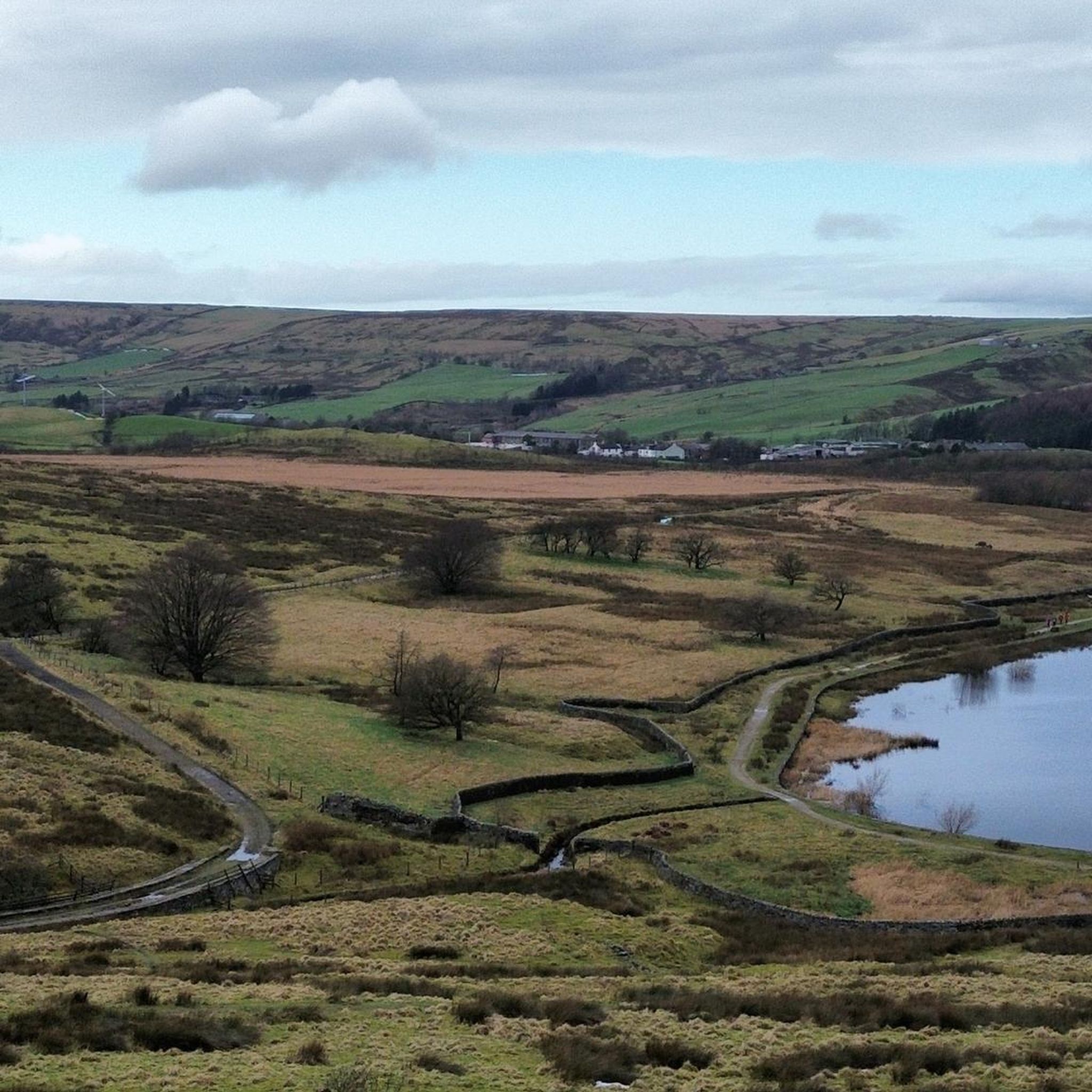
Best natural monuments around Habergham Eaves include prominent hills, valleys, and river features that define its semi-rural landscape. This civil parish in Lancashire, England, offers diverse terrain for outdoor exploration. The area is characterized by significant natural features such as Horelaw Hill, numerous cloughs, and the River Calder. These elements provide opportunities for walking and appreciating the natural beauty of the Lancashire countryside.
Best natural monuments around Habergham Eaves
- The most popular natural monuments is Whirlaw Stones Trig Point,…
Last updated: May 19, 2026
The Singing Ringing Tree
Highlight • Monument
Tip by

Whirlaw Stones Trig Point
Highlight • Natural Monument
Tip by

Sign up now to discover places like this
Get recommendations on the best single tracks, peaks, & plenty of other exciting outdoor places.
Sign up for free
Mount Cross (Idol Cross)
Highlight • Natural Monument
Tip by

Freeholds Top Trig Point
Highlight • Natural Monument
This is rough and rugged moorland. The Rossendale …
Tip by

Lad Law (Boulsworth Hill) Summit
Highlight • Natural Monument
On a clear day you can see into the Lake …
Tip by

Sign up for free to discover even more natural monuments around Habergham Eaves.
Sign up for free
Already have an account?
Start today with a free account
Your next adventure awaits.
Login or Signup
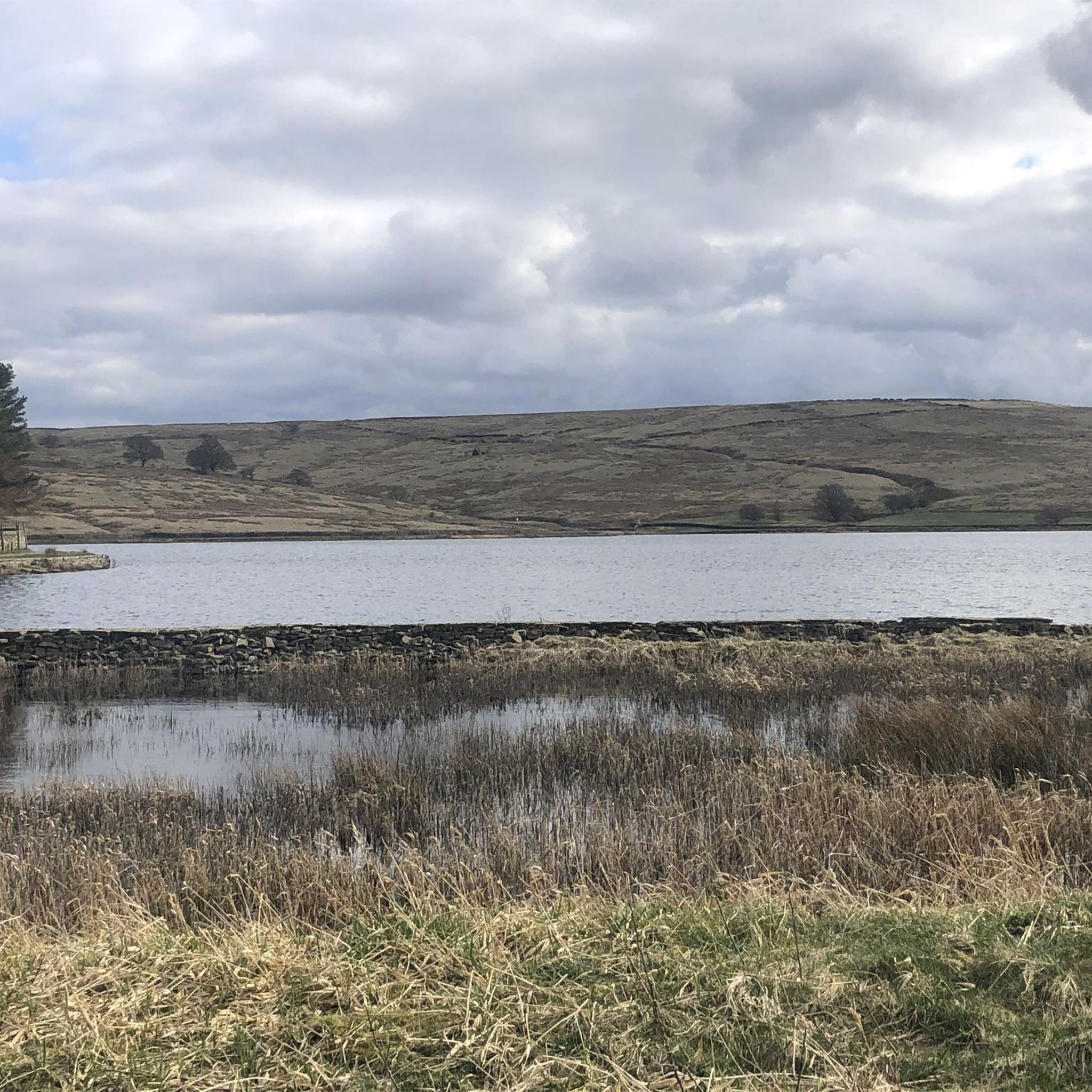
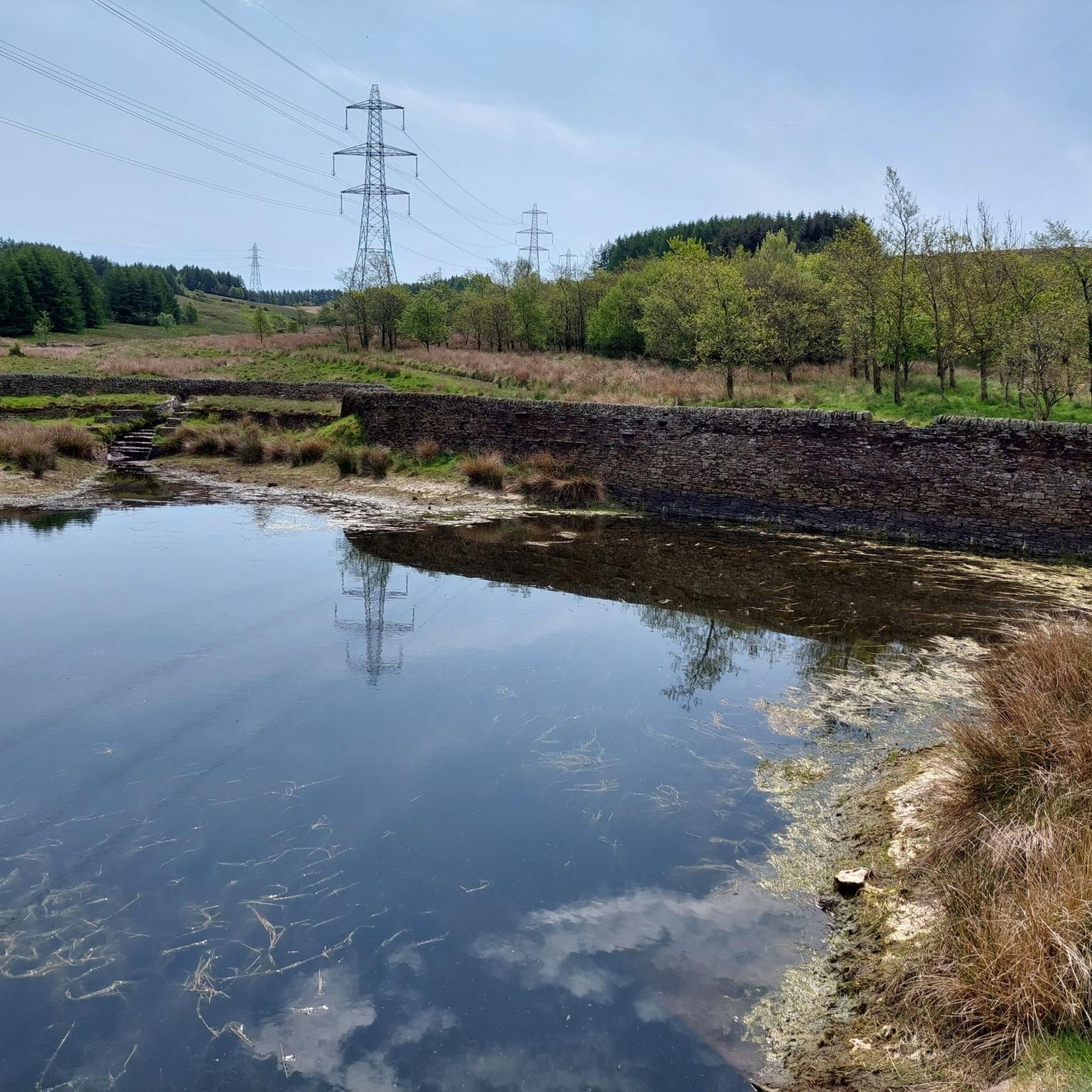
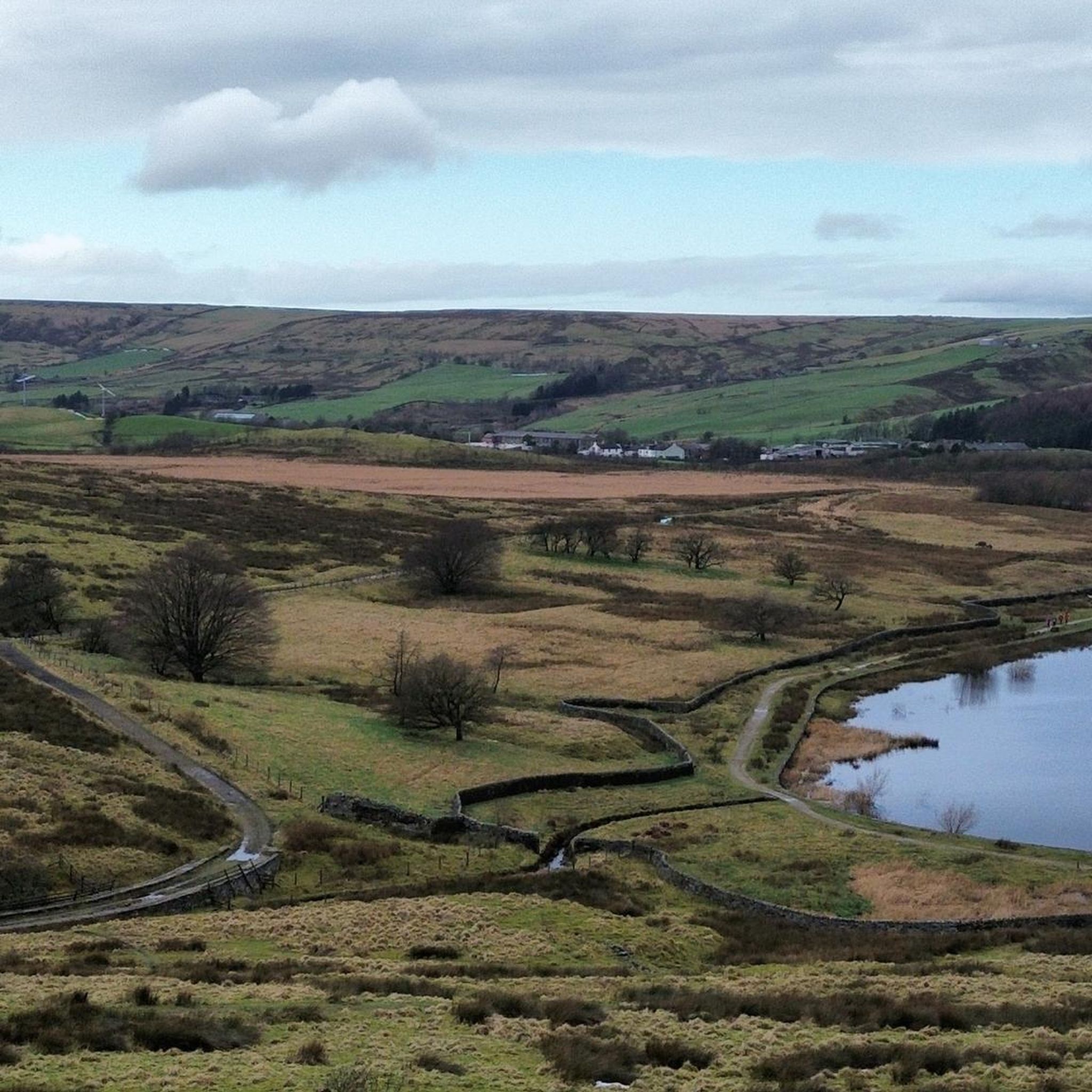
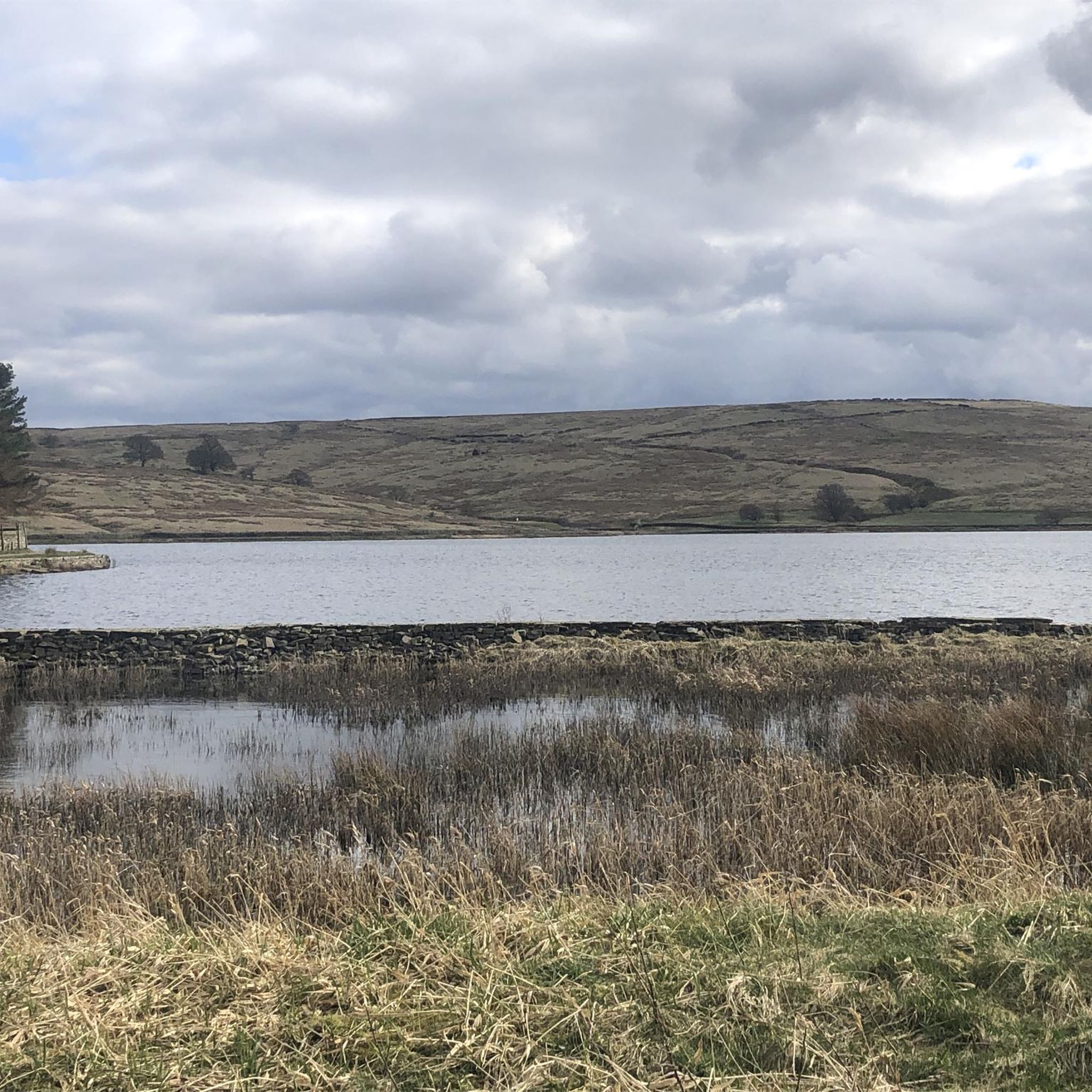

Tips from the Community

TP4100 - Inchfield Moor | TrigpointingUK https://share.google/uEHib6dqIJscV1VNl
0
0
T:UK - Bridestones Moor https://share.google/R0XiC7Q4bCx7r6qOI
0
0

Many sacred and secular monuments that hikers pass on their journeys are of a venerable age. Often they were erected generations ago, some even centuries ago. Here, however, we encounter a very modern sound sculpture from this century. Although from a distance, one initially only gets a visual impression of the prominently located installation, the acoustic effect becomes apparent upon approach. The wind transforms the assembled steel pipes into a sound installation.
0
0

Boulsworth Hill is the highest point in the South Pennines and the only summit in the area that rises above 500m above sea level. It is also one of only two Marilyns in the South Pennines.
0
0

“Each of these crosses can tell its own story and what motivated people to erect “their” cross at this spot. (...) These wayside crosses were erected as visible signs and attract the attention of many people. The cross is a symbol of life. It stands as a sign of our Christian hope and aims to direct our gaze to Jesus Christ, who has overcome death (...). The cross is part of our lives, just as it was part of the life of Jesus. So I hope that many people ... will visit the wayside crosses, whether as places of silence and breathing before God, whether as places of community gathering, prayer and praise of God.” (Text source: Dean Rainald M. Ollig in: “Wayside crosses... small sacred monuments as signs of popular piety”)
0
0


The Singing Ringing Tree is an art installation made from sections of steel pipe. As the wind blows past it plays music. This was completed in 2006 and designed by architects Mike Tonkin and Anna Liu of Tonkin Liu. It's part of a series of four installations within the Panopticons arts and regeneration project.
0
0
Frequently Asked Questions
What are the most prominent natural features in Habergham Eaves?
Habergham Eaves is characterized by several significant natural features. These include Horelaw (Whorlaw) Hill, a dominating physical feature offering panoramic views; numerous cloughs (valleys), some of which are still wooded and provide diverse terrain; and the River Calder, which forms the northern boundary of the parish and offers opportunities for riverside walks.
What kind of views can I expect from the natural monuments around Habergham Eaves?
Many natural monuments in the area offer expansive and rewarding views. For instance, Lad Law (Boulsworth Hill) Summit, the highest point in the South Pennines, provides views into the Lake District and across the Forest of Bowland on clear days. Similarly, Freeholds Top Trig Point offers excellent views across the valley towards Rawtenstall and Haslingden. Horelaw Hill also provides panoramic vistas of the surrounding landscape.
Are there any unique rock formations to see?
Yes, Whirlaw Stones Trig Point features fascinating rock formations on the windswept moors. These Millstone Grit outcrops have been shaped by natural weathering over thousands of years into strange and curious shapes, with some resembling human heads, prehistoric birds, or even a giant tortoise.
What is the terrain like for walking around these natural monuments?
The terrain varies significantly. Areas like Freeholds Top Trig Point are described as rough and rugged moorland, prone to being very marshy, requiring suitable footwear. The cloughs offer diverse terrain, from sheltered wooded environments to more open valleys. Generally, you can expect a mix of moorland, hills, and some wooded paths.
Are there family-friendly natural monuments or walks in Habergham Eaves?
While specific 'family-friendly' designations aren't always available for natural monuments, many of the cloughs and riverside paths along the River Calder offer gentler terrain suitable for family walks. For dedicated hiking routes, you can explore the Hiking around Habergham Eaves guide, which includes easy routes like the 'Clowbridge Reservoir loop'.
What outdoor activities can I do near the natural monuments?
Beyond exploring the natural monuments themselves, Habergham Eaves offers a range of outdoor activities. You can find numerous hiking trails, with options for various difficulties, by checking the Hiking around Habergham Eaves guide. For cyclists, there are both Road Cycling Routes and general Cycling routes available.
Are there any historical or cultural sites near the natural monuments?
Yes, some natural monuments have historical significance. For example, Mount Cross (Idol Cross), while a natural monument, is also an ancient cross believed to date from the 10th or 11th century and is a registered Ancient Monument. It is associated with local legends and pre-Christian practices.
What is the best time to visit the natural monuments in Habergham Eaves?
The best time to visit largely depends on your preferred activity and weather tolerance. Spring and summer offer milder weather and lush greenery, ideal for walking and enjoying the views. Autumn brings beautiful foliage to the wooded cloughs. Winter can be challenging on the exposed moorlands due to marshy conditions and colder temperatures, but can offer dramatic, stark landscapes for experienced hikers.
Can I find pubs or cafes near the natural monuments?
While the natural monuments themselves are often in more remote, rural settings, the wider Habergham Eaves area and nearby towns offer amenities. It's advisable to plan your route and check for establishments in villages or towns along your chosen path for refreshments and meals.
What do visitors enjoy most about the natural monuments in Habergham Eaves?
Visitors frequently appreciate the expansive views from high points like Lad Law (Boulsworth Hill) Summit and Freeholds Top Trig Point. The unique rock formations at Whirlaw Stones Trig Point are also a popular draw. The overall appeal lies in the opportunity to explore diverse natural landscapes, from rugged moorlands to sheltered valleys, and connect with the natural beauty of the Lancashire countryside.
Are there any less crowded natural attractions in the area?
While specific crowd levels can vary, exploring the numerous cloughs (valleys) throughout Habergham Eaves can often lead to more secluded experiences. These natural valleys, some still wooded, provide diverse walking routes away from the more popular summit viewpoints, offering opportunities to observe local flora and fauna in a quieter setting.
Most popular routes around Habergham Eaves
Most popular attractions around Habergham Eaves

Get inspired with the komoot mobile app


Explore more
Extend your search for the best caves by checking out these guides of the top ones around Habergham Eaves:
