Top 7 Natural Monuments around Clydebank East
Best natural monuments around Clydebank East are situated in a region rich with natural beauty, bordering the Kilpatrick Hills to the north and the River Clyde to the south. This area offers access to several notable natural monuments and attractions within its immediate surroundings. The landscape provides diverse terrain, from accessible canal paths to more challenging hill ascents. It serves as a gateway to exploring significant natural features and historical sites.
Best natural monuments around Clydebank East
- The most popular…
Last updated: October 4, 2026
Mugdock Castle
Highlight • Castle
Tip by

West Highland Way: Southern Section in Loch Lomond and The Trossachs National Park
Highlight (Segment) • Viewpoint
Showing Translation
Tip by

Sign up now to discover places like this
Get recommendations on the best single tracks, peaks, & plenty of other exciting outdoor places.
Craigie Linn Waterfall
Highlight • Viewpoint
Tip by

Scholars Rocks
Highlight • Structure
Translated by Google •
Tip by

I Remember – Scotland's Covid Memorial Walk, Pollok Country Park
Highlight • Monument
Tip by

Sign up for free to discover even more natural monuments around Clydebank East.
Already have an account?
Start today with a free account
Your next adventure awaits.

Tips from the Community


Solid starting stage of the West Highland Way. Every day heading north, it becomes more "typically Scottish".
1
0
Above all, the path through Mugdock-Forest is worth it.
2
0

The original Castle on this site was built in the 13th century by the Graham family. The Grahams were a family on the rise and the family were made the Earls of Montrose in 1505. The most famous Graham resident of Mugdock Castle was James Graham (1612-1650) known as The Great Montrose. He was a poet and soldier who fought for the cause of King Charles I during the Wars of The Three Kingdoms (more commonly referred to as The English Civil Wars) and was marked as one of the greatest soldiers of the time. So great was his military fame that King Louis XIV offered him the role as Marshal of France. His success ultimately ran out in 1650 with the loss of The Battle of Carbisdale in Rosshire. Montrose was betrayed by a fellow Scotsman and was ultimately Hung, Drawn and Quartered for his part in the war. His campaigns were immortalised by Sir Walter Scott in his 1819 novel A Legend of Montrose.
2
0


"I Remember" is a memorial walk through Pollok Country Park. There are 40 tree supports installed alongside the paths. The idea was to create a safe place for anyone affected by the pandemic to walk in nature and remember, reflect and hope for healing.
0
0

Some of these sculptures stand here along the way.
7
0

Frequently Asked Questions
What natural features can I explore around Clydebank East?
The area around Clydebank East offers diverse natural features. You can explore the varied terrain of the Kilpatrick Hills, which include moorland areas and gentle ascents to scenic viewpoints like Cochno Hill. The River Clyde itself is a defining natural feature, and the historic Forth & Clyde Canal provides accessible, flat paths for leisurely walks and cycling. Additionally, you'll find impressive waterfalls like Craigie Linn Waterfall.
Are there any impressive waterfalls to visit in the area?
Yes, Craigie Linn Waterfall is a notable natural monument near Clydebank East. Standing 26 feet tall, it's particularly striking after heavy rainfall, making autumn and winter ideal times to witness its full flow and impressive natural spectacle. It's considered a 'wee hidden gem' by visitors.
What kind of hiking trails are available near Clydebank East's natural monuments?
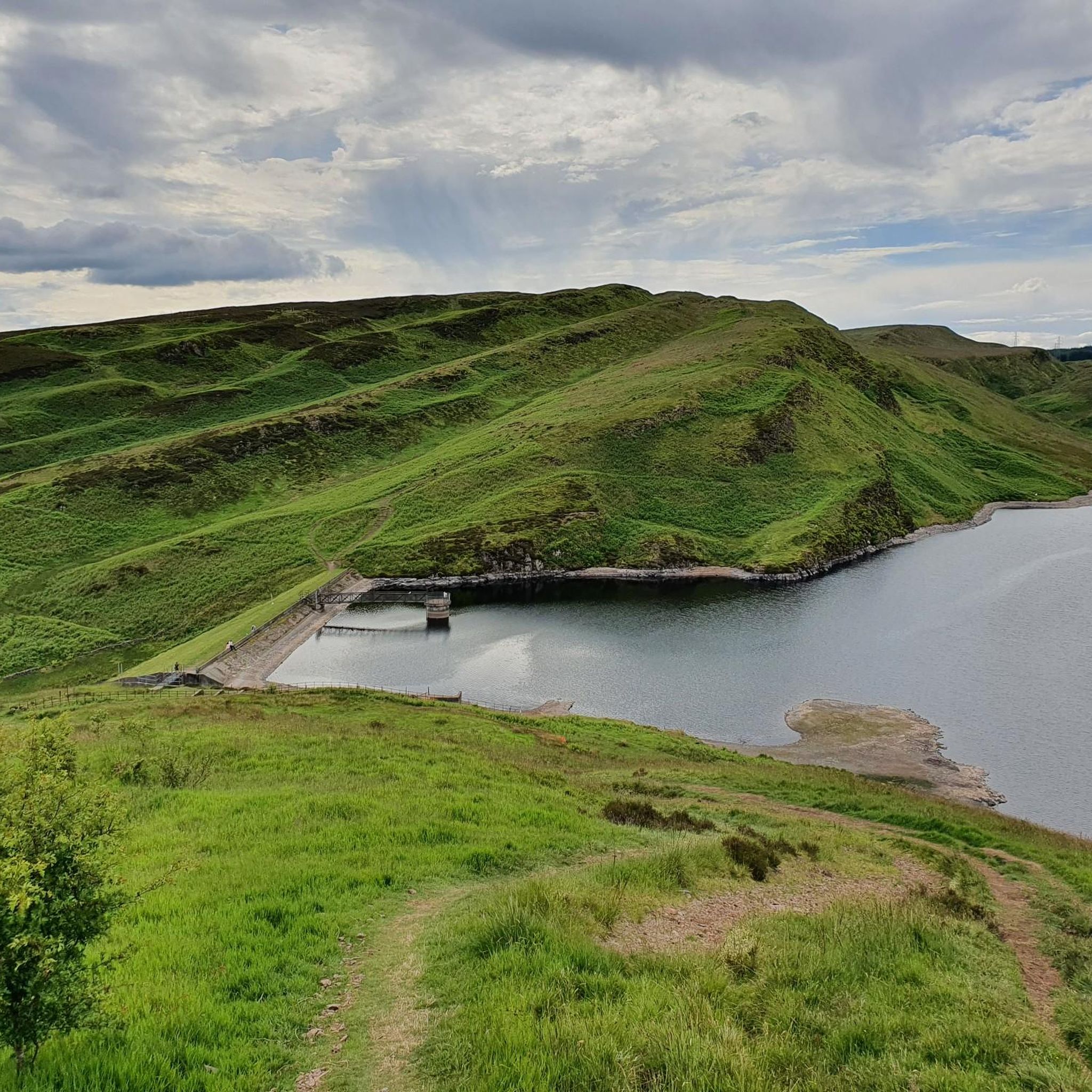
The region offers a variety of hiking trails, from easy strolls to more challenging ascents in the Kilpatrick Hills. For example, you can find easy routes like the 'Jaw Reservoir loop from Duntocher' or the 'View from Cochno Hill loop from Duntocher'. More challenging hikes include routes like 'Loch Humphrey – Bowling Swing Bridge loop from Dalmuir'. You can find more details and routes on the Hiking around Clydebank East guide.
Are there family-friendly natural monuments or activities in Clydebank East?
Absolutely. The paths along the Forth & Clyde Canal are excellent for all ages, including those with pushchairs, offering a peaceful environment for walks and cycling. Mugdock Castle and its surrounding country park are also family-friendly, offering historical exploration within a natural setting. While slightly outside Clydebank East, Pollok Country Park in Glasgow also features the 'I Remember – Scotland's Covid Memorial Walk', which is a family-friendly trail.
Can I find historical natural monuments in Clydebank East?
Yes, Mugdock Castle is a prime example where history and natural features intertwine. Its historical prominence is deeply connected to its natural surroundings, with a once-extensive loch and volcanic rock ridge providing natural defense. You can also find Scholars Rocks, which are arrangements of stones with traces of old settlement, adding a historical dimension to the natural landscape.
What are the best viewpoints to experience the natural beauty of Clydebank East?
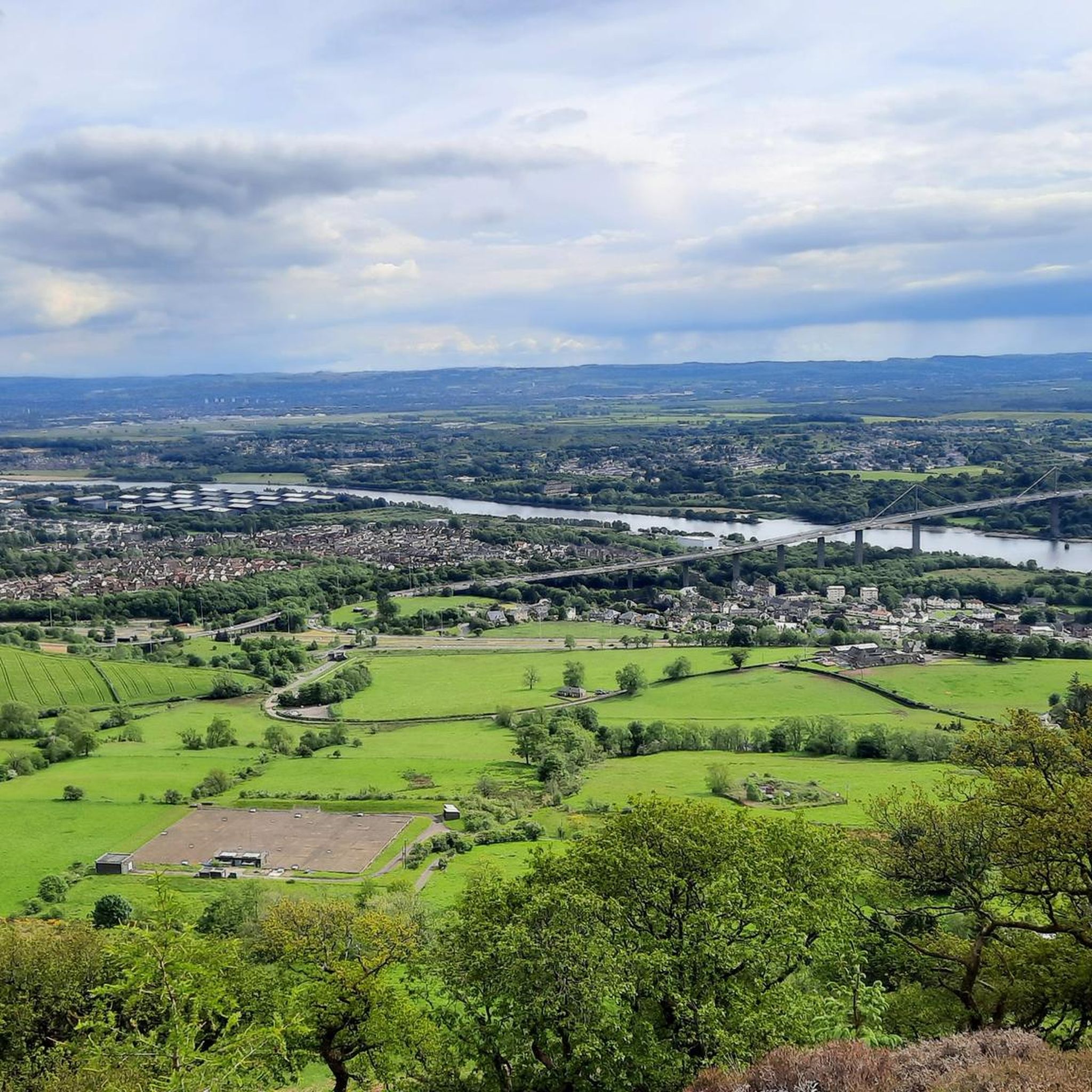
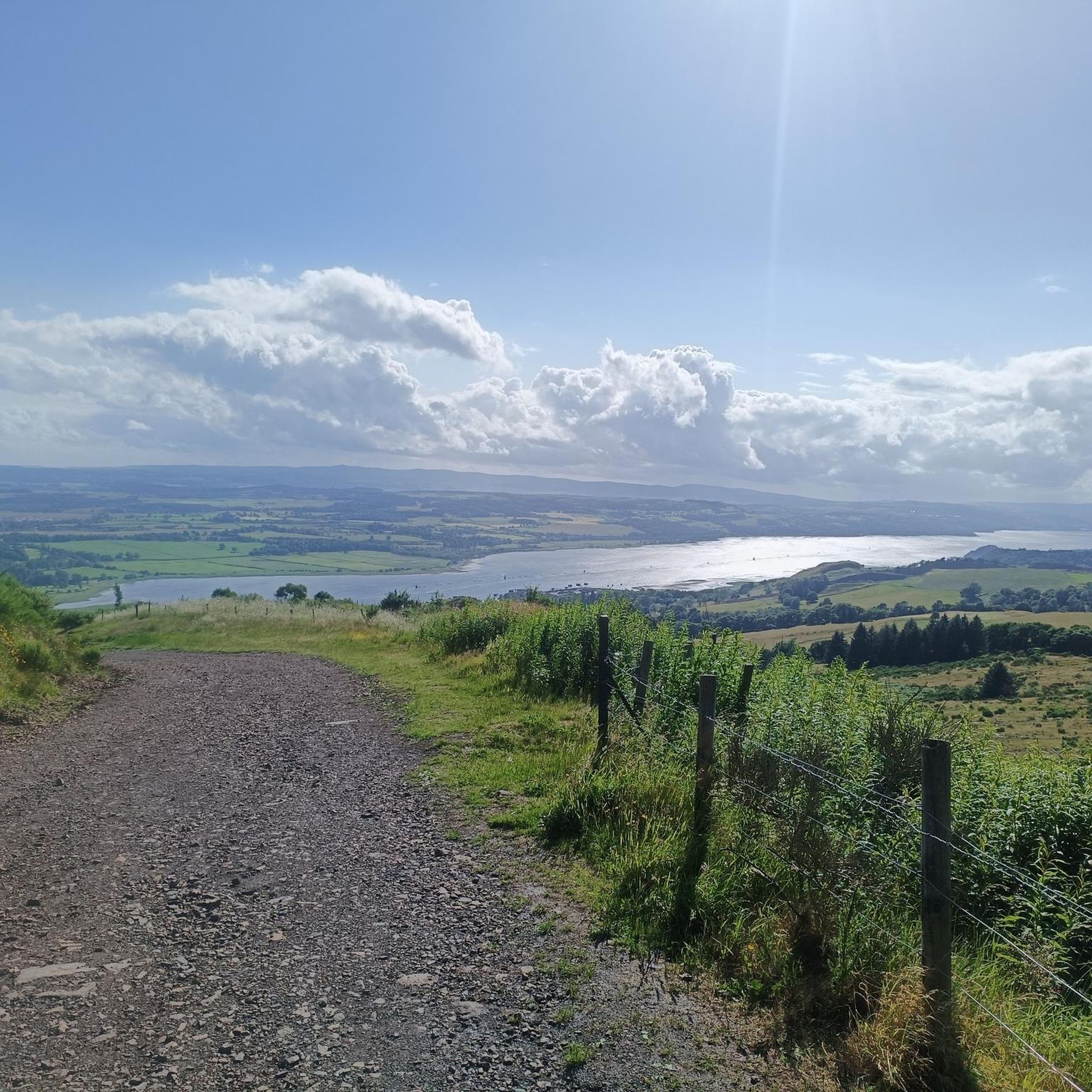
The Kilpatrick Hills offer several rewarding viewpoints, particularly from Cochno Hill, which provides extensive vistas. Another excellent spot is the West Highland Way: Southern Section in Loch Lomond and The Trossachs National Park, which offers beautiful landscapes and is considered a good entry stage for the West Highland Way, with accessible routes and minimal incline.
Is the Forth & Clyde Canal a good option for a leisurely outdoor experience?
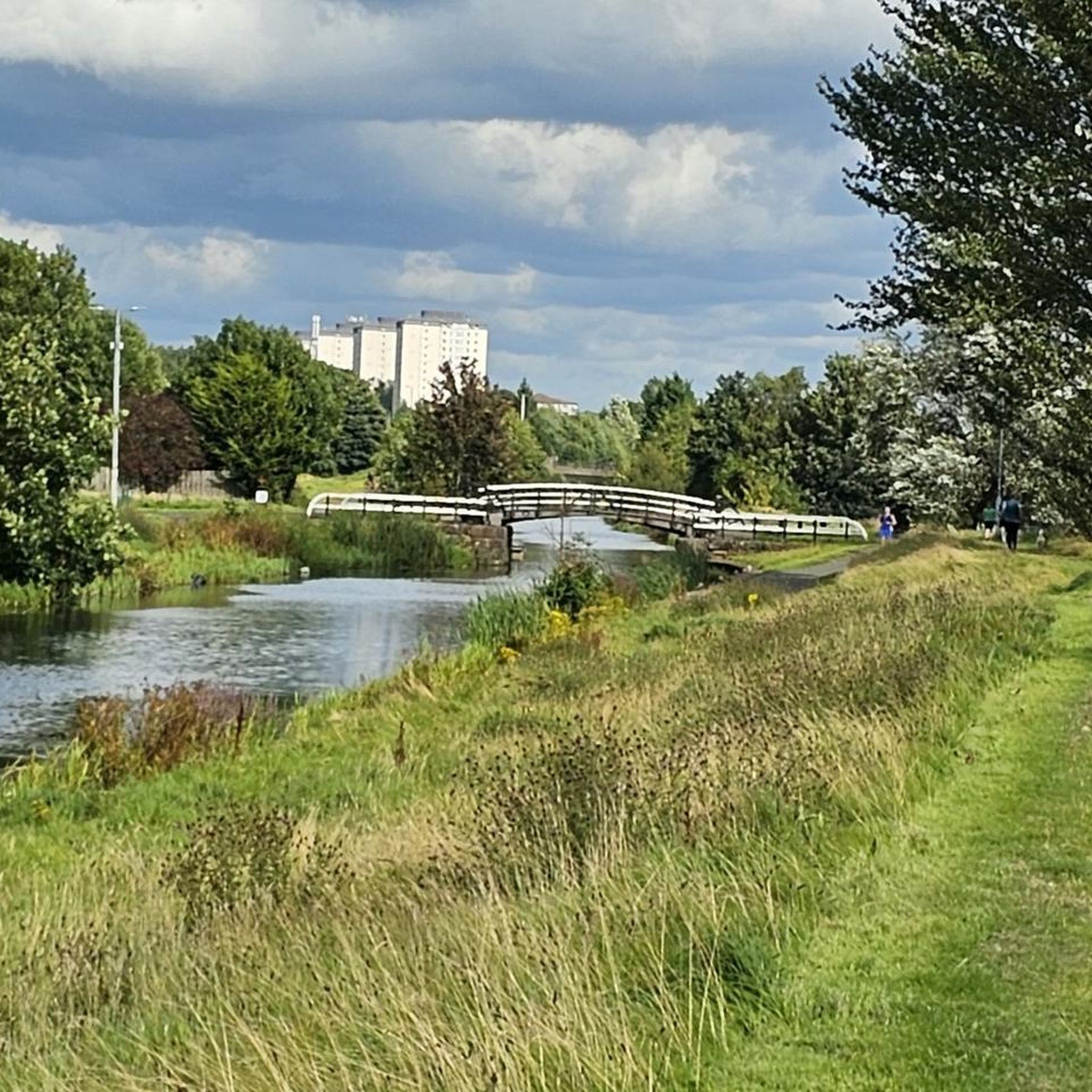
Yes, the Forth & Clyde Canal is an excellent choice for a leisurely outdoor experience. Its paths are relatively flat and suitable for all ages, including those with limited mobility or pushchairs. It's perfect for peaceful strolls, cycling, and dog walking, offering a blend of historical significance and natural beauty close to urban areas.
When is the best time of year to visit the natural monuments around Clydebank East?
The best time to visit depends on what you want to see. For witnessing the full flow of Craigie Linn Waterfall, autumn and winter are ideal due to increased rainfall. Generally, spring and summer offer milder weather for hiking and exploring the Kilpatrick Hills and canal paths, while autumn provides beautiful foliage. Winter can be striking, especially after a good downpour, but some moorland areas in the hills can be boggy.
Are there options for mountain biking near the natural monuments?
Yes, there are mountain biking trails available. Routes like the 'Kilpatrick Braes Climb – Loch Humphrey loop from Dalmuir' offer a moderate challenge, while the 'Kelvin Aqueduct – The Clydeside Distillery loop from Westerton' is an easier option. You can explore more mountain biking routes in the MTB Trails around Clydebank East guide.
What do visitors particularly enjoy about the natural monuments in Clydebank East?
Visitors appreciate the diverse experiences offered, from the scenic spectacle of Craigie Linn Waterfall, especially after rain, to the rewarding views from the Kilpatrick Hills. The historical context of Mugdock Castle, intertwined with its natural defenses, is also a highlight. The accessible and peaceful paths along the Forth & Clyde Canal are popular for leisurely activities. The komoot community has shared over 97 photos and given more than 140 upvotes for these natural monuments.
What are the geological features that shaped the natural monuments here?
The natural monuments around Clydebank East are shaped by significant geological features. The Kilpatrick Hills, for instance, present diverse landscapes with varied terrain. Mugdock Castle's strategic location was historically protected by a ridge of volcanic rock that maintained high water levels in the much larger Mugdock Loch, providing a natural defense on three sides. Even after Victorian-era blasting reduced the loch's size, the underlying geology remains a key feature.
Most popular attractions around Clydebank East

Get inspired with the komoot mobile app


Explore more
Extend your search for the best caves by checking out these guides of the top ones around Clydebank East:
